7-Day Mediterranean Diet Plan for Heart Health
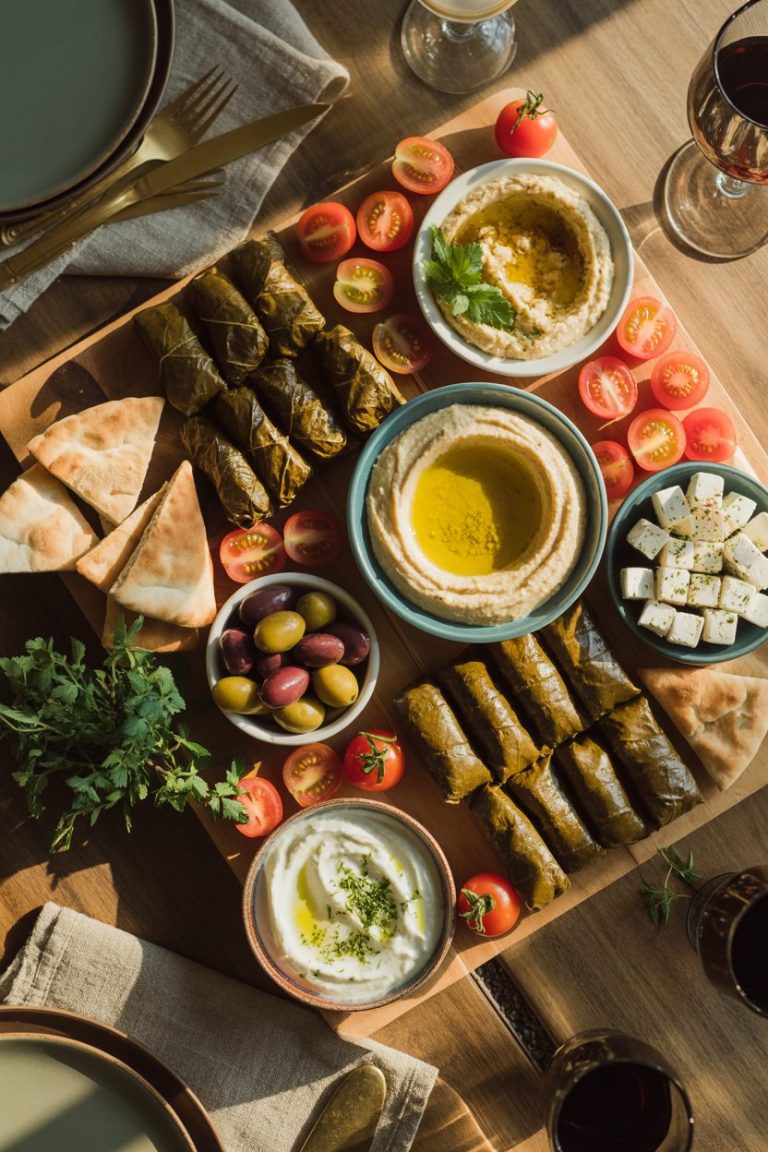
Look, I’m gonna be straight with you—your heart doesn’t care about fad diets or Instagram-worthy smoothie bowls. What it does care about? Real food that’s been keeping people alive (and thriving) for centuries. The Mediterranean diet isn’t some trendy eating plan cooked up by a wellness influencer; it’s basically what your great-grandmother would’ve eaten if she lived near the coast of Greece or Italy.
Here’s the thing about heart health: you don’t need to eat like a rabbit or spend half your paycheck at Whole Foods. What you need is a solid game plan that actually tastes good and won’t make you feel like you’re missing out on life. That’s where this 7-day Mediterranean meal plan comes in.

Why Your Heart Actually Loves Mediterranean Food
Before we dive into the meal plan, let’s talk science for a second. Research published in Circulation Research shows that following a Mediterranean diet can significantly reduce your risk of heart disease, stroke, and other cardiovascular problems. We’re talking about real, measurable benefits here—not just feel-good health blog promises.
The Mediterranean diet works because it focuses on whole foods rich in monounsaturated fats from olive oil, omega-3 fatty acids from fish, and tons of plant-based nutrients from vegetables, fruits, and whole grains. A landmark study in the New England Journal of Medicine found that people following this eating pattern had about 30% lower risk of major cardiovascular events compared to those on a low-fat diet.
What makes this diet different from other “heart-healthy” plans? It’s not about restriction—it’s about abundance. You’re eating MORE of the good stuff, not just cutting out everything you love. Plus, unlike keto or paleo or whatever’s trending this week, this way of eating has literal centuries of evidence backing it up.
What You’ll Actually Be Eating
Here’s what a Mediterranean diet looks like in practice. Forget complicated macros or tracking every calorie—this is more intuitive than that.
The Good Stuff (Eat Liberally):
- Vegetables of all kinds—the more colorful, the better
- Fruits, especially berries and citrus
- Whole grains like quinoa, farro, and whole wheat bread
- Legumes including chickpeas, lentils, and beans
- Nuts and seeds (walnuts, almonds, chia, flax)
- Olive oil—the real star of the show
- Fish and seafood, particularly fatty fish like salmon and sardines
- Herbs and spices instead of salt
Moderate Players:
- Poultry and eggs
- Greek yogurt and cheese (yes, real cheese)
- Red wine, if you drink (one glass for women, two for men)
Minimize These:
- Red meat (think once a week, not daily)
- Processed foods and refined grains
- Added sugars and sweets
- Butter and other saturated fats
I know what you’re thinking—”But I love my morning eggs!” Good news: you can still have them. This isn’t about perfection; it’s about making better choices most of the time. And honestly? Once you start eating this way, you’ll probably find yourself naturally gravitating toward these foods anyway because they actually taste incredible.
Speaking of breakfast, you might also love these unique high-protein breakfast ideas or check out this Mediterranean smoothie bowl for busy mornings.
Your 7-Day Heart-Healthy Mediterranean Meal Plan
Alright, let’s get into the actual plan. I’ve kept this realistic—no ingredients you need to hunt down at specialty stores, no recipes that require a culinary degree. Just good, simple food that happens to be excellent for your ticker.
Day 1: Easing Into It
Breakfast: Start with something familiar but Mediterranean-ified. Greek yogurt bowl with berries and honey. Add a sprinkle of walnuts and a drizzle of honey. If you need more substance, throw in some chia seeds—they’re tiny but packed with omega-3s.
Lunch: Keep it simple with a lentil soup paired with crusty whole grain bread. Lentils are criminally underrated—they’re loaded with fiber and protein, and they’ll keep you full for hours. Get Full Recipe.
Dinner: Tonight we’re doing grilled salmon with tomato-caper relish alongside some roasted vegetables. Salmon is one of those foods that’s so good for your heart it should probably be prescription-only. The omega-3s in fatty fish help reduce inflammation and lower triglyceride levels. Get Full Recipe.
Snack: A handful of almonds and an apple. I keep a small container of mixed nuts in my bag at all times—saves me from making questionable vending machine decisions.
Day 2: Building Momentum
Breakfast: Time for some avocado toast with tomato and olive oil. Use whole grain bread, smash up half an avocado, add sliced tomatoes, and finish with a generous drizzle of olive oil and some za’atar if you’re feeling fancy. Get Full Recipe.
Lunch: Tuna white bean salad over greens. Mix canned tuna with white beans, cherry tomatoes, red onion, and a lemon-olive oil dressing. This is one of those lunches that’s somehow better than it has any right to be. Get Full Recipe.
Dinner: Whole wheat spaghetti with cherry tomatoes and basil. Cook the tomatoes down with garlic and olive oil until they burst, toss with pasta, and finish with fresh basil and a bit of Parmesan. Simple, satisfying, and your heart will thank you. Get Full Recipe.
Snack: Hummus with veggie sticks. Carrots, cucumbers, bell peppers—whatever you’ve got. If you don’t feel like making hummus from scratch, store-bought is totally fine. No judgment here.
Day 3: Finding Your Rhythm
Breakfast: Oatmeal with dried figs, walnuts, and cinnamon. I like to cook my oats in a small saucepan with a pinch of salt, then top them with chopped figs and walnuts. Drizzle with a little honey if you need it sweeter. Get Full Recipe.
Lunch: Mediterranean grain bowl with quinoa, roasted chickpeas, cucumber, tomatoes, olives, and tahini dressing. This is the kind of lunch that makes your coworkers jealous. Get Full Recipe.
Dinner: Lemon-herb chicken with roasted potatoes and a side salad. Use plenty of garlic, lemon juice, and herbs like oregano and thyme. The potatoes can roast right alongside the chicken on a large sheet pan—one pan, less cleanup. Get Full Recipe.
Snack: A small piece of dark chocolate (70% cacao or higher) with some walnuts. Yeah, chocolate can be part of a heart-healthy diet. Science says so.
For more grain bowl inspiration, check out these high-protein bowls that’ll keep you full without the afternoon crash.
Day 4: Hitting Your Stride
Breakfast: Savory Mediterranean scramble with eggs, spinach, tomatoes, and feta cheese. Cook everything in olive oil, obviously. Add some whole grain toast on the side. Get Full Recipe.
Lunch: Greek salad with grilled chicken. Don’t skimp on the olives and feta—those are the best parts. Dress it with olive oil, lemon juice, and oregano. Get Full Recipe.
Dinner: Shrimp sautéed in garlic and olive oil with couscous. Shrimp cook in literally five minutes, making this perfect for busy weeknights. Toss them with tons of garlic, lemon, and parsley. Get Full Recipe.
Snack: Greek yogurt parfait with a sprinkle of granola and berries. Go for full-fat yogurt—the fat helps you absorb vitamins and keeps you satisfied longer.
Day 5: Keeping It Interesting
Breakfast: Mediterranean smoothie bowl topped with nuts, seeds, and fresh fruit. Blend spinach, banana, berries, and Greek yogurt, then top with whatever crunchy things you have on hand. Pour into a decorative bowl to make it feel special. Get Full Recipe.
Lunch: Stuffed bell peppers with quinoa and veggies. These actually taste even better as leftovers, so make extra if you can. The peppers get soft and sweet when roasted. Get Full Recipe.
Dinner: Baked salmon with herbed quinoa and steamed broccoli. Season the salmon with dill, lemon, and garlic, then bake it on a piece of parchment paper for easy cleanup. Get Full Recipe.
Snack: Olive tapenade on toasted baguette. If you’ve never made tapenade, it’s ridiculously easy—just pulse olives, capers, garlic, and olive oil in a food processor.
Day 6: Almost There
Breakfast: Whole grain toast with nut butter and sliced fruit. Almond butter with banana slices or peanut butter with apple—both are excellent choices. A sprinkle of cinnamon doesn’t hurt either. Get Full Recipe.
Lunch: Lentil-spinach soup with a side of whole grain crackers. This soup is comfort food that happens to be incredibly healthy. Win-win. Get Full Recipe.
Dinner: Mediterranean flatbread topped with roasted vegetables, feta, and a balsamic drizzle. Use whole wheat flatbread as your base and pile on the good stuff. Get Full Recipe.
Snack: Fresh fruit with a handful of pistachios. Pistachios are another heart-healthy nut that deserves more love.
Day 7: Finishing Strong
Breakfast: Shakshuka—eggs poached in spicy tomato sauce. Serve with crusty bread for dipping. This is weekend brunch material that feels fancy but isn’t complicated. Get Full Recipe.
Lunch: Mediterranean chickpea wraps with tahini sauce. Load up a whole wheat tortilla with mashed chickpeas, cucumbers, tomatoes, lettuce, and a generous drizzle of tahini. Get Full Recipe.
Dinner: Grilled lemon-herb chicken with quinoa and a big Greek salad. You’ve made it through the week—celebrate with a glass of red wine if that’s your thing. Get Full Recipe.
Snack: Whipped feta dip with honey and thyme served with vegetables or whole grain pita chips. This dip is dangerously good.
If you’re looking to extend your Mediterranean journey, these 25 Mediterranean wrap recipes and this 14-day Mediterranean meal plan will keep you going strong.
The Real Talk About Making This Work
Here’s what nobody tells you about switching to a Mediterranean diet: the first week might feel weird. You’re probably used to eating differently, and change always feels strange at first. That’s normal. Give it time.
The beauty of this eating pattern is that it’s not actually restrictive. You’re not counting points or measuring portions with a food scale or doing any of that nonsense. You’re just eating real food in reasonable amounts. If you’re still hungry after a meal, eat more vegetables or have some fruit. Your body is pretty good at telling you what it needs if you actually listen to it.
Also, don’t stress about being perfect. Had pizza on Friday night? So what. The Mediterranean diet isn’t about never eating anything “bad”—it’s about making better choices most of the time. One meal doesn’t define your health any more than one workout makes you fit.
For practical meal planning, check out this 7-day Mediterranean meal prep guide and these quick 30-minute skillet dinners for busy nights.
Shopping Smart Without Going Broke
Let’s address the elephant in the room: yes, fresh fish and good olive oil can be pricey. But this diet doesn’t have to break the bank if you’re strategic about it.
Money-Saving Tips:
- Buy canned fish (sardines, tuna, salmon) instead of fresh—they’re just as nutritious and way cheaper
- Shop seasonally for produce—it’s fresher and less expensive
- Buy dried beans and lentils in bulk instead of canned
- Get a big bottle of decent olive oil from Costco or Trader Joe’s instead of tiny expensive bottles
- Frozen vegetables are nutritionally equivalent to fresh and often cheaper
- Skip pre-cut produce—you’re paying for someone else’s knife skills
I keep my pantry stocked with basics like dried chickpeas, whole grain pasta, canned tomatoes, and various nuts and seeds stored in airtight containers. That way I can throw together a Mediterranean meal even when my fridge is looking sad.
According to Mayo Clinic, this eating pattern emphasizes whole grains, healthy fats, and plant-based foods—none of which need to be expensive if you shop smart.
What This Diet Actually Does for Your Heart
Let’s get nerdy for a minute. The Mediterranean diet doesn’t just taste good—it actually changes what’s happening inside your cardiovascular system. Studies show it reduces LDL cholesterol (the bad kind), lowers blood pressure, decreases inflammation, and improves the function of your blood vessels.
The olive oil provides monounsaturated fats that help maintain healthy cholesterol levels. The fish delivers omega-3 fatty acids that reduce inflammation and triglycerides. The nuts and seeds offer vitamin E and other antioxidants. The vegetables and fruits pack in fiber, potassium, and polyphenols. Everything works together synergistically—it’s not just one magic ingredient doing all the work.
Johns Hopkins Medicine notes that a Mediterranean eating style can reduce heart disease risk by 28 to 30 percent. That’s comparable to the benefit you’d get from some medications, except this approach comes with the bonus of actually enjoying what you eat.
For more insight into heart-healthy eating patterns, explore this 7-day anti-inflammatory Mediterranean plan and these filling Mediterranean soups under 300 calories.
Common Mistakes (And How to Avoid Them)
Look, I’ve been doing this long enough to know where people typically trip up. Here are the big ones:
Mistake #1: Going Overboard on Olive Oil
Yes, olive oil is healthy. No, that doesn’t mean you should dump half a bottle on your salad. A tablespoon or two is plenty. It’s still 120 calories per tablespoon, and those add up fast.
Mistake #2: Forgetting About Portions
Mediterranean people don’t eat giant American-sized portions. A serving of fish is about the size of your palm, not half the plate. Pay attention to your actual hunger cues instead of just clearing your plate because it’s there.
Mistake #3: Thinking Wine Is the Magic Ingredient
The wine is optional, folks. If you don’t drink, you don’t need to start. The heart benefits come from the food, not the alcohol. And if you do drink, moderation is key—we’re talking one glass, not the whole bottle.
Mistake #4: Skipping Meal Prep
Without some basic prep work, you’ll end up ordering takeout when you’re tired and hungry. Spend an hour on Sunday chopping vegetables, cooking grains, and prepping proteins. Your weeknight self will thank you.
Beyond the First Week
So you’ve made it through seven days. Now what? The goal is to make this a sustainable way of eating, not just a week-long experiment. Start incorporating these meals into your regular rotation. Find the recipes you genuinely enjoyed and make them again. Try new variations.
Maybe you discovered you actually love lentils, or that roasted vegetables are way better than you remembered from childhood. Great—build on that. The Mediterranean diet is flexible enough that you can adapt it to your preferences while still getting the health benefits.
And here’s the thing about sustainable eating: it has to fit into your real life. You’re not going to cook elaborate meals every single night, and that’s fine. Some nights will be simple scrambled eggs with vegetables. Others might be takeout. The key is making the better choice most of the time, not being perfect all the time.
For long-term success, check out this 30-day Mediterranean lifestyle plan and browse these easy recipes for sustainable eating.
Frequently Asked Questions
Can I lose weight on the Mediterranean diet?
Absolutely, though that’s not really the main point. Weight loss happens when you eat fewer calories than you burn, and the Mediterranean diet makes that easier because you’re eating filling, nutrient-dense foods. You’ll probably find yourself naturally eating less junk because you’re actually satisfied from real meals. But this isn’t a crash diet—it’s a long-term way of eating that supports overall health, including maintaining a healthy weight.
Is the Mediterranean diet expensive to follow?
It can be, but it doesn’t have to be. The key is shopping smart—buy canned fish instead of fresh, shop seasonally for produce, and stock up on dried beans and lentils in bulk. You’re actually likely to save money by cooking at home more and eating out less. Skip the fancy imported stuff and focus on the basics: olive oil, whole grains, legumes, vegetables, and occasional fish. Your wallet and your heart will both be happier.
Do I have to eat fish if I don’t like it?
Nope. While fatty fish is a great source of omega-3s, you can get those from walnuts, flaxseeds, chia seeds, and algae-based supplements. Focus on the plant-based aspects of the diet—legumes, vegetables, whole grains, nuts, and olive oil. You’ll still get tremendous heart health benefits without ever touching a piece of salmon. The Mediterranean diet is flexible enough to work with your preferences.
How long before I see results in my heart health?
Some changes happen pretty quickly—you might notice better energy and digestion within a few weeks. But measurable improvements in cholesterol, blood pressure, and inflammation markers typically show up after a few months of consistent eating. This isn’t a quick fix; it’s a lifestyle change. The good news is that every meal is working in your favor, even if you can’t see it happening yet.
Can I still eat meat on this diet?
Yes, just not as the star of every meal. Think of meat as a supporting player rather than the main event. Have it once or twice a week instead of daily. When you do eat it, choose lean cuts and smaller portions. The focus shifts to fish, poultry, beans, and legumes for protein most of the time. It’s not about completely eliminating anything—it’s about rebalancing your plate.
Final Thoughts
Here’s the bottom line: your heart is literally keeping you alive right now, and it deserves better than the standard American diet of processed junk and convenience foods. The Mediterranean diet offers a way to eat that’s both delicious and genuinely good for your cardiovascular health.
This seven-day plan is just a starting point. Use it to get comfortable with the basic principles, find the meals you love, and build from there. You don’t need to be perfect. You don’t need to follow someone else’s rules exactly. You just need to consistently make better choices than you were making before.
The Mediterranean diet isn’t about deprivation or restriction—it’s about abundance. More vegetables, more flavor, more variety, more enjoyment of food. It’s about sitting down to actual meals instead of inhaling food standing over the sink. It’s about olive oil that tastes like something instead of flavorless cooking spray.
Your heart has been working nonstop since before you were born. Maybe it’s time to return the favor by feeding it something worth pumping through your veins. This diet won’t solve all your health problems overnight, but it’s a damn good start. And honestly? Once you get used to eating this way, you probably won’t want to go back.
Start with one week. See how you feel. Make adjustments. Keep what works, change what doesn’t. Your heart—and your taste buds—will thank you.