7-Day Mediterranean Diet Plan with Printable Grocery List
Look, I’m not going to sugarcoat it—meal planning can feel like a second job you didn’t apply for. But here’s the thing: once you crack the code on a solid Mediterranean diet plan, you’re basically set for life. No more staring into the fridge at 6 PM wondering what the heck to make for dinner.
I’ve been following the Mediterranean way of eating for years now, and honestly? It’s the only “diet” that doesn’t feel like I’m punishing myself. We’re talking fresh veggies, quality olive oil, whole grains, and yes—actual flavor. None of that sad desk salad energy.
This 7-day plan isn’t some celebrity cleanse or restrictive nonsense. It’s how people in coastal Greece and Southern Italy have been eating forever. And spoiler alert: they’re doing pretty well in the longevity department.

Why the Mediterranean Diet Actually Works
Here’s what I love about this approach—it’s not built on deprivation. You’re not counting every almond or weighing your quinoa like some kind of carb accountant. The Mediterranean diet focuses on whole foods, healthy fats, and lean proteins without making you feel like you’re missing out.
The research backs this up too. Studies from Harvard Medical School show that this eating pattern is linked to better heart health, reduced inflammation, and even improved brain function. Not bad for a meal plan that includes wine and olive oil, right?
What sets it apart from other diets is the emphasis on healthy monounsaturated fats from sources like olive oil, nuts, and fatty fish. These aren’t just delicious—they actually help your body absorb nutrients better and keep you satisfied longer.
Plus, you’re loading up on fiber from vegetables, fruits, and whole grains. This means better digestion, more stable blood sugar, and that crucial feeling of being full without being stuffed. No one wants to finish lunch and immediately start thinking about their next meal.
Pro Tip: Start your day with a big glass of water and lemon before breakfast. It jumpstarts your metabolism and helps with digestion throughout the day.
Your 7-Day Mediterranean Meal Plan
Alright, let’s get into the actual plan. I’ve structured this to be realistic for people who work, have lives, and don’t want to spend three hours cooking dinner every night. Most of these meals come together in 30 minutes or less.
Day 1: Easing Into It
Breakfast: Start with a Greek yogurt bowl loaded with fresh berries and a drizzle of honey. Seriously, this is one of those breakfasts that makes you feel like you’ve got your life together. The probiotics in Greek yogurt support gut health, while the berries pack in antioxidants without spiking your blood sugar.
Lunch: A simple lentil soup with crusty whole grain bread hits different when you’re actually hungry. Lentils are ridiculously high in protein and fiber for a plant-based food—about 18 grams of protein and 15 grams of fiber per cup. That’s why they keep you full for hours.
Dinner: Grilled salmon with tomato caper relish is my go-to when I want something that feels fancy but isn’t complicated. The omega-3s in salmon are basically brain food, and the combination with fresh tomatoes and capers? Chef’s kiss. Get Full Recipe
If you’re into meal prep, check out these 30 high-protein meal prep ideas that pair perfectly with Mediterranean eating.
Day 2: Building Momentum
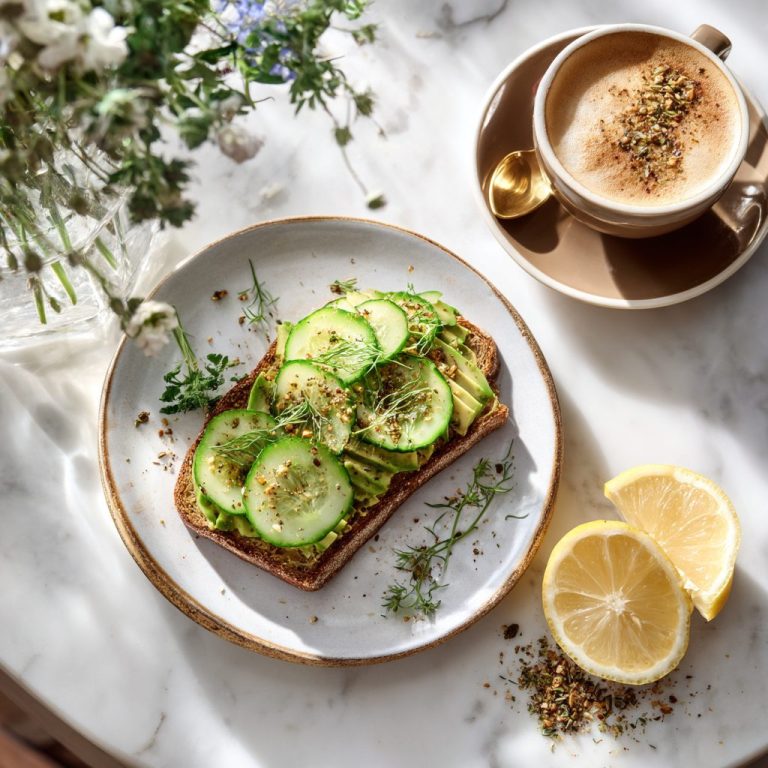
Breakfast: Avocado toast with tomato and olive oil isn’t just Instagram bait—it’s genuinely satisfying. The healthy fats from avocado combined with complex carbs from whole grain bread keep your energy stable all morning.
Lunch: Try the tuna and white bean salad for a protein-packed lunch that doesn’t require heating up. I usually make extra and keep it in these glass meal prep containers for easy grab-and-go options throughout the week.
Dinner: Whole wheat spaghetti with cherry tomatoes and fresh basil proves that Mediterranean eating isn’t about giving up pasta. You just swap refined grains for whole grains and load up on vegetables. The fiber in whole wheat pasta slows down digestion and prevents that post-pasta crash.
Quick Win: Prep all your vegetables on Sunday night. Chop onions, wash greens, dice tomatoes—future you will be incredibly grateful when Wednesday hits.
Day 3: Finding Your Rhythm
Breakfast: Oatmeal with dried figs, walnuts, and cinnamon is comfort food that happens to be healthy. The walnuts add omega-3s, while the figs bring natural sweetness and fiber. I use this small food processor to chop the walnuts perfectly without making a mess.
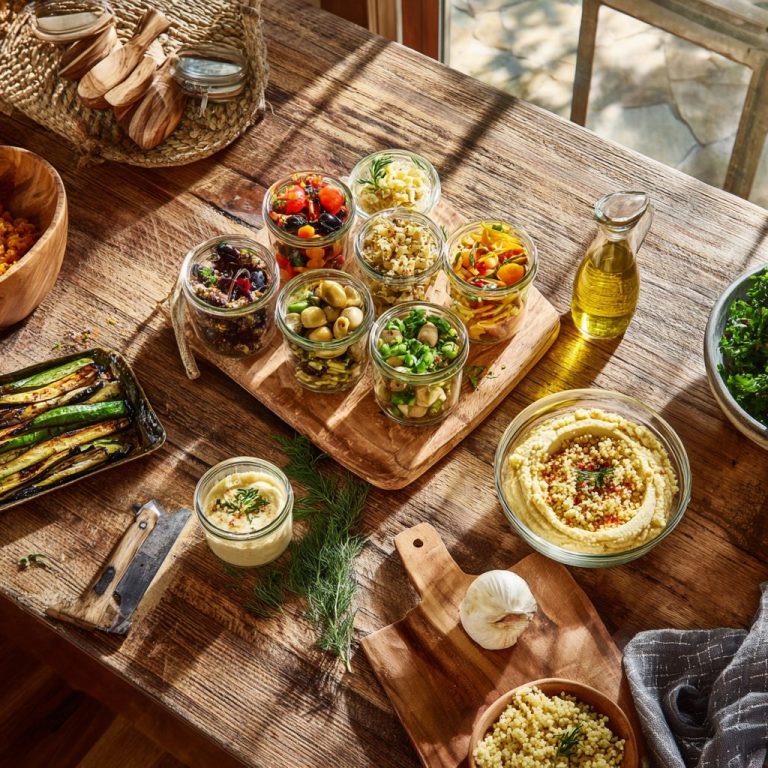
Lunch: The grilled veggie platter with hummus is my favorite desk lunch because it’s basically just adult snack time. Bell peppers, zucchini, eggplant—whatever vegetables you have work great here.
Dinner: Lemon herb chicken with roasted potatoes is straightforward Mediterranean cooking at its best. Season generously with oregano, thyme, and rosemary, then let the oven do the work. Get Full Recipe
Speaking of breakfast ideas, you might also want to explore these 25 high-protein breakfasts or try some Mediterranean smoothie bowls when you’re short on time.
Day 4: Midweek Check-In
Breakfast: The savory Mediterranean scramble with spinach, tomatoes, and feta hits the spot when you’re tired of sweet breakfasts. Eggs are incredibly nutrient-dense—packed with protein, vitamins, and minerals that actually keep you satisfied.
Lunch: A cucumber hummus sandwich on whole grain bread sounds simple because it is. Sometimes the best meals are the ones you don’t overthink. Add some sprouts if you’re feeling fancy.
Dinner: Shrimp sautéed in garlic and olive oil with couscous comes together in about 20 minutes. Shrimp cooks ridiculously fast, which is perfect for those nights when takeout starts sounding tempting. I keep a bag of frozen shrimp in my freezer at all times for exactly this reason.
Day 5: Almost There
Breakfast: Greek yogurt parfait with granola and fruit is basically dessert for breakfast, except it’s actually nutritious. Layer it in a mason jar the night before for an even easier morning.
Lunch: The Mediterranean grain bowl with quinoa, chickpeas, and roasted vegetables is one of those meals that tastes even better as leftovers. The flavors meld together overnight, and the quinoa absorbs all that good olive oil and lemon dressing.
Dinner: Stuffed bell peppers with quinoa and vegetables look impressive but are surprisingly forgiving to make. You can prep the filling ahead of time and just stuff and bake when you’re ready to eat. Get Full Recipe
For more complete meal ideas, check out this 14-day Mediterranean diet meal plan for beginners or browse through these 25 Mediterranean dinner ideas for busy weeknights.
Day 6: Weekend Vibes
Breakfast: Mediterranean flatbread with eggs and vegetables feels like brunch without the restaurant markup. Use a cast iron skillet to get that perfect crispy edge on the flatbread.
Lunch: Greek salad, but like, actually good means using quality feta, fresh oregano, and enough olive oil that it doesn’t taste like sad lettuce. Research from the American Heart Association shows that the healthy fats in olive oil can actually improve cholesterol levels.
Dinner: Baked salmon with herbed quinoa is my weekend go-to because it feels special without requiring much effort. The quinoa provides all nine essential amino acids, making it a complete protein—pretty rare for a plant-based food.
Pro Tip: Make a big batch of tahini sauce on the weekend. It transforms basically any grain bowl, roasted vegetable, or protein into something restaurant-worthy.
Day 7: You Made It
Breakfast: Shakshuka is the weekend breakfast that makes you feel like you’re dining in Tel Aviv. Eggs poached in spicy tomato sauce, mopped up with crusty bread—it’s the kind of meal that turns breakfast into an event.
Lunch: Keep it light with a Mediterranean chickpea wrap. Chickpeas are underrated for their protein content—about 15 grams per cup cooked. Plus they’re loaded with fiber, which is clutch for keeping blood sugar stable.
Dinner: One-pot Mediterranean pasta means fewer dishes and maximum flavor. Everything cooks together, so the pasta absorbs all those herbs, tomatoes, and garlic. Use a good quality Dutch oven for even heat distribution and that perfect simmer. Get Full Recipe
The Printable Grocery List
Alright, this is where meal planning either makes or breaks you. Having a solid grocery list means you’re not wandering the aisles aimlessly or impulse-buying stuff you don’t need. I’ve organized this by category to make your shopping trip as painless as possible.
Proteins
- Greek yogurt (plain, full-fat or 2%)
- Eggs (1-2 dozen depending on your household)
- Salmon fillets (wild-caught if possible)
- Shrimp (fresh or frozen)
- Chicken breast or thighs
- Canned tuna (in water or olive oil)
- Feta cheese (block, not crumbled—it stays fresher)
Grains & Legumes
- Quinoa
- Whole wheat pasta
- Brown rice or farro
- Rolled oats
- Whole grain bread (look for minimal ingredients)
- Lentils (dried or canned)
- Chickpeas (canned for convenience)
- White beans (cannellini or navy)
- Couscous (whole wheat if you can find it)
Fresh Vegetables
- Tomatoes (cherry and regular)
- Cucumbers
- Bell peppers (mix of colors)
- Spinach or mixed greens
- Zucchini
- Eggplant
- Avocados
- Red onions
- Garlic (lots of garlic)
- Fresh herbs (basil, parsley, oregano, thyme)
Fruits
- Lemons (essential for Mediterranean cooking)
- Berries (whatever’s in season)
- Apples or pears
- Dried figs or dates
Pantry Staples
- Extra virgin olive oil (invest in a good quality bottle)
- Hummus (or make your own)
- Kalamata olives
- Capers
- Canned tomatoes (whole and crushed)
- Vegetable or chicken broth
- Honey
- Tahini
- Walnuts or almonds
- Dried oregano, thyme, cumin
- Sea salt and black pepper
Pro tip: I keep a running list on my phone using a simple notes app so I can add things as I run out during the week. Makes shopping so much smoother than trying to remember everything while standing in the store.
Meal Prep Tips That Actually Work
Here’s the thing about meal prep—you don’t need to cook every single meal in advance. That’s exhausting and unnecessary. What you need is strategic prep work that makes weeknight cooking actually manageable.
Prep proteins in bulk: Grill or bake 3-4 chicken breasts at once. Cook a batch of hard-boiled eggs. Portion out yogurt into small containers for grab-and-go breakfasts. This alone will save you tons of time during the week.
Wash and chop vegetables: Spend 30 minutes on Sunday washing lettuce, chopping bell peppers, and dicing onions. Store them properly in airtight containers with a paper towel to absorb moisture, and they’ll last most of the week.
Make versatile bases: Cook a big pot of quinoa, brown rice, or farro. These grains reheat beautifully and can become the foundation for different meals throughout the week. One night it’s a grain bowl, the next it’s a side dish.
Batch your sauces and dressings: Whip up a lemon vinaigrette, tahini sauce, and maybe some tzatziki. Keep them in jars in the fridge. Suddenly that boring grilled chicken becomes interesting when you can drizzle it with homemade sauce.
If you’re serious about meal prep, these 7-day Mediterranean meal prep plans and quick Mediterranean meal prep ideas will change your life. No exaggeration.
What Makes This Different From Other Diet Plans
I’ve tried enough diets to know what actually sticks and what ends up being another failed New Year’s resolution. The Mediterranean approach works because it’s not actually a diet in the restrictive sense—it’s just how people in certain regions naturally eat.
Unlike keto or paleo, you’re not eliminating entire food groups. Unlike calorie counting, you’re not obsessing over every number. The focus is on food quality rather than arbitrary restrictions. You eat whole grains, not because they’re “allowed,” but because they taste good and make you feel good.
The emphasis on healthy fats is a game-changer. For years we were told that fat makes you fat, which is hilariously oversimplified. Olive oil, nuts, fatty fish—these foods are satiating and necessary for hormone production, brain function, and nutrient absorption. According to Mayo Clinic research, the Mediterranean diet can reduce the risk of heart disease and may even help with weight management.
Plus, there’s actual flexibility here. Want a glass of red wine with dinner? Go for it. Craving something sweet? Have some dark chocolate or fresh fruit with honey. The point isn’t perfection—it’s consistency in choosing mostly whole, minimally processed foods.
Looking for more variety? Try these 30 Mediterranean breakfast recipes or explore 25 Mediterranean lunchbox recipes for work to keep things interesting.
Reader Insight: Maria from our community said she lost 18 pounds in three months just by switching to Mediterranean-style eating without counting a single calorie. Her secret? Staying consistent with whole foods and not overthinking it.
Common Mistakes to Avoid
Even with a solid plan, people still manage to mess this up. Not because they’re doing anything wildly wrong, but because of small missteps that add up over time.
Going overboard with olive oil: Yes, olive oil is healthy. No, that doesn’t mean you should use half a bottle per meal. A tablespoon or two is usually plenty for cooking or dressing. The calories do add up, even from healthy fats.
Thinking “Mediterranean” means unlimited bread and pasta: These foods are part of the diet, but they’re not the foundation. Vegetables, fruits, legumes, and lean proteins should take up most of your plate. Grains are the supporting cast, not the main character.
Skipping the herbs and spices: Half the magic of Mediterranean cooking is the seasoning. Oregano, basil, thyme, garlic, lemon—these aren’t optional garnishes. They’re what make simple ingredients taste incredible. Don’t be shy with the quality dried herbs or fresh when you can get them.
Not eating enough protein: It’s easy to load up on salads and grains and forget about protein. Make sure each meal has a solid protein source—whether that’s fish, chicken, eggs, legumes, or Greek yogurt. It’s crucial for satiety and maintaining muscle mass.
Forgetting to meal prep: I know I already covered this, but seriously—if you don’t prep at least some components in advance, you’ll end up ordering takeout by Wednesday. Do future you a favor and spend an hour on Sunday chopping vegetables and cooking grains.
Snacking the Mediterranean Way
Snacks don’t have to be complicated. Actually, they shouldn’t be. The best Mediterranean snacks are simple, satisfying, and don’t require a recipe.
A handful of nuts: Almonds, walnuts, pistachios—pick your favorite. About a quarter cup is a perfect portion. Pair them with fresh fruit for a balanced snack that won’t spike your blood sugar.
Veggie sticks with hummus: Classic for a reason. Carrots, celery, bell peppers, cucumbers—whatever you have. The hummus provides protein and healthy fats, while the vegetables add fiber and crunch. Keep pre-cut veggies in your fridge for zero-effort snacking.
Greek yogurt with honey: This hits the sweet spot without being actual dessert. The protein in Greek yogurt keeps you full, and a drizzle of honey satisfies that sugar craving without going overboard.
Olives and cheese: A small portion of olives with some feta or fresh mozzarella feels indulgent but is actually pretty nutritious. Just watch your portions because it’s easy to mindlessly eat half a jar of olives.
For more ideas, browse through these 21 Mediterranean snacks that aren’t just hummus or check out Mediterranean snacks packed with protein for options that actually keep you satisfied.
Making It Work on a Budget
One complaint I hear constantly is that eating healthy is expensive. And yeah, if you’re buying everything organic and shopping at specialty stores, it can be. But it doesn’t have to be that way.
Buy in-season produce: Tomatoes in summer, squash in fall, citrus in winter. Not only does seasonal produce taste better, it’s also significantly cheaper. Check out your local farmer’s market—sometimes the prices beat the grocery store, especially near closing time.
Use frozen vegetables and fruit: These are just as nutritious as fresh, sometimes more so because they’re frozen at peak ripeness. Plus they last way longer and there’s zero food waste. Keep bags of frozen spinach, mixed berries, and broccoli on hand.
Buy dried beans and lentils: Canned is convenient, sure, but dried legumes are ridiculously cheap and easy to cook in bulk. A bag of dried lentils costs like two dollars and makes probably eight servings.
Skip fancy superfoods: You don’t need goji berries or açai powder to eat Mediterranean. Regular blueberries and strawberries have plenty of antioxidants. Walnuts give you omega-3s without the price tag of chia seeds.
Make your own hummus and dressings: Store-bought is convenient but pricey. A basic food processor and five minutes is all you need to make hummus that costs a fraction of the packaged stuff and tastes way better.
These 15 budget-friendly Mediterranean meals prove you don’t need a huge grocery budget to eat well.
Frequently Asked Questions
Can I lose weight on the Mediterranean diet?
Absolutely. While it’s not designed specifically for weight loss, many people naturally drop pounds because they’re eating more whole foods, fiber, and healthy fats that keep them satisfied with less food overall. The key is portion control and not going overboard on the bread and pasta. Focus on vegetables, lean proteins, and healthy fats, and the weight loss usually follows.
Is the Mediterranean diet expensive to follow?
It can be if you’re buying everything organic and specialty, but it doesn’t have to be. Buy seasonal produce, use frozen vegetables, cook dried beans instead of canned, and make your own dressings and sauces. These simple swaps can keep costs down significantly while still eating really well. Shop sales and plan meals around what’s discounted that week.
How much olive oil should I use daily?
About 2-4 tablespoons per day is typical for Mediterranean eating. That might sound like a lot, but it includes what you cook with and what you drizzle on salads or vegetables. Just remember that even healthy fats have calories—about 120 calories per tablespoon—so don’t go wild with the bottle thinking it doesn’t count.
Can I follow this plan if I’m vegetarian or vegan?
Definitely. The Mediterranean diet is already pretty plant-forward, so it adapts easily. Just swap fish and chicken for more legumes, tofu, tempeh, and plant-based proteins. Make sure you’re getting enough protein from beans, lentils, quinoa, and nuts. The foundation of vegetables, fruits, whole grains, and olive oil works perfectly for plant-based eaters.
Do I have to give up coffee on the Mediterranean diet?
Not at all. Coffee is totally fine—people in Mediterranean regions drink it regularly. Just skip the sugary syrups and excessive cream. Black coffee, espresso, or coffee with a splash of milk fits perfectly into this eating pattern. Herbal teas are also great, especially after meals.
Final Thoughts
This 7-day Mediterranean meal plan isn’t about perfection. It’s about building habits that actually stick because they’re enjoyable and sustainable. You’re not restricting entire food groups or counting every calorie—you’re just choosing real, whole foods most of the time.
The grocery list I’ve provided covers everything you need to get started without overwhelming you with ingredients you’ll use once and never touch again. Keep it simple, prep what you can in advance, and don’t stress if you need to swap meals around or repeat favorites.
What I love most about this approach is the flexibility. Had a rough week and ate takeout twice? Whatever. Just get back to it the next day. The Mediterranean diet works because it’s forgiving and realistic for actual human beings with jobs, families, and lives outside the kitchen.
Give this plan an honest week and see how you feel. Better energy, better digestion, probably better mood—those are the things people notice first. The long-term health benefits are just the bonus.