
14-Day Mediterranean Meal Plan for Beginners
So you want to try the Mediterranean diet but have no clue where to start? Same. When I first heard about it, I pictured myself sitting on a Greek island, eating olives and pretending to understand wine. Turns out, you don’t need a villa in Santorini or a PhD in nutrition—you just need a solid plan and maybe some decent olive oil.
This 14-day meal plan breaks everything down so you’re not staring into your fridge at 7 PM wondering if hummus counts as dinner. Spoiler: it does, but let’s aim higher.
These are the basics that make healthy cooking fast and actually enjoyable: less mess, less time, and meals your whole family will happily eat.
- digital food scaleCheck today’s price →
- glass meal prep containersCheck today’s price →
- chef knifeCheck today’s price →
- nonstick skilletCheck today’s price →
Amazon prices and deals change often, so it’s worth checking today’s price.

What Makes the Mediterranean Diet Actually Doable
Here’s the thing about Mediterranean eating—it’s not really a “diet” in the restrictive, miserable sense. You’re not counting every calorie or swearing off entire food groups like some nutrition-obsessed monk.
The focus sits squarely on whole foods: vegetables, fruits, whole grains, legumes, nuts, fish, and that glorious olive oil everyone keeps raving about. You’ll eat moderate amounts of dairy (hello, Greek yogurt and feta), some poultry, and red meat only occasionally. Wine in moderation gets a green light too, which honestly might be the selling point for some of you.
The Mediterranean approach emphasizes nutrient density without making you feel like you’re on a punishment tour. Think fiber-rich vegetables, omega-3 fatty acids from fish, and healthy fats that actually keep you full. Your body gets potassium from leafy greens, magnesium from nuts and seeds, and antioxidants from basically everything that comes in a bright color.
How This 14-Day Plan Works
I’ve structured this plan so you’re not eating the same grilled chicken seven days straight (we’re better than that). Each day includes three meals, and I’m assuming you’re a functional human who might want snacks—so grab some hummus with veggie sticks or a handful of almonds when needed.
The recipes rotate through different proteins and flavors to keep things interesting. One day you’re having shakshuka for breakfast, the next you’re throwing together a Mediterranean chickpea bowl for lunch. Variety matters, both for your taste buds and your nutritional balance.
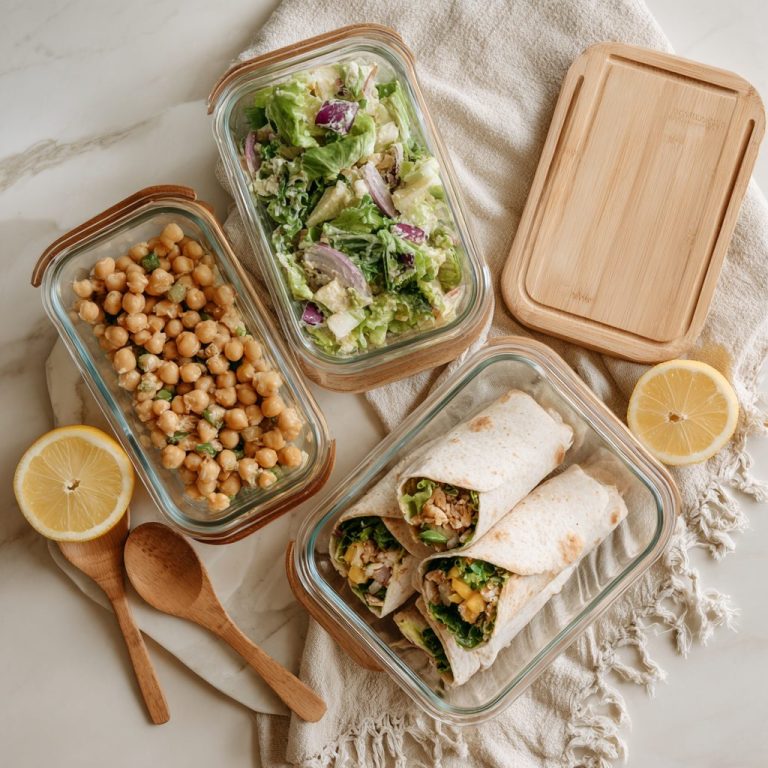
Prep Strategy: Spend an hour on Sunday prepping a few basics. Cook a batch of quinoa, chop some vegetables, make a big container of hummus. Future you will send thank-you notes. I use these glass meal prep containers to keep everything organized without that weird plastic smell situation.
Week 1: Getting Your Mediterranean Groove
Day 1
Breakfast: Greek yogurt bowl with berries and honey
Start simple. Greek yogurt packs serious protein, the berries deliver antioxidants, and honey adds just enough sweetness without dumping refined sugar into your morning. Top with a sprinkle of chia seeds if you’re feeling ambitious.
Lunch: Avocado toast with tomato and olive oil
Yes, avocado toast is a cliché at this point, but it works. The combination of healthy fats from avocado, lycopene from tomatoes, and quality olive oil creates a legitimately satisfying meal. Use whole grain bread—not that spongy white stuff.
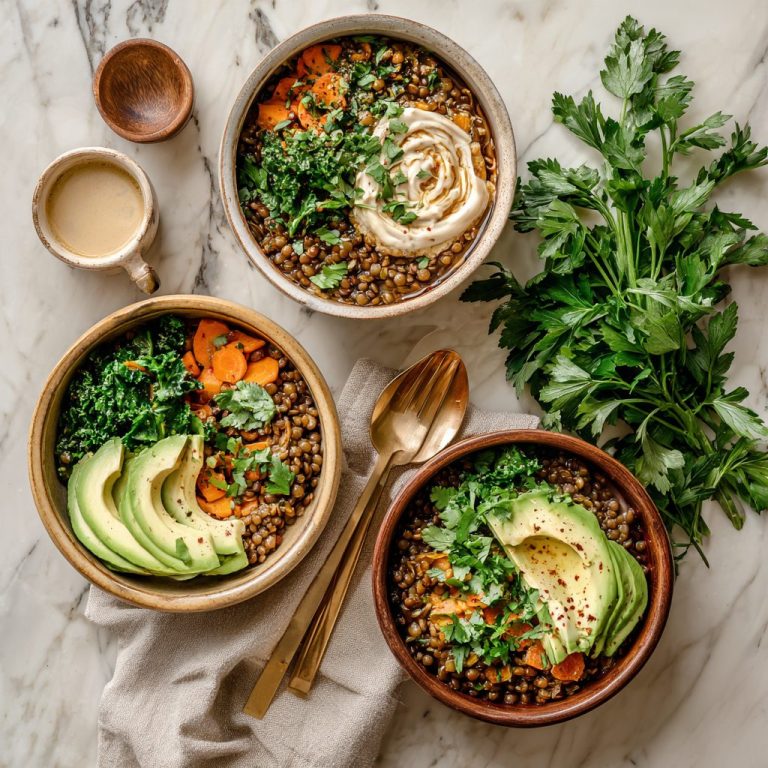
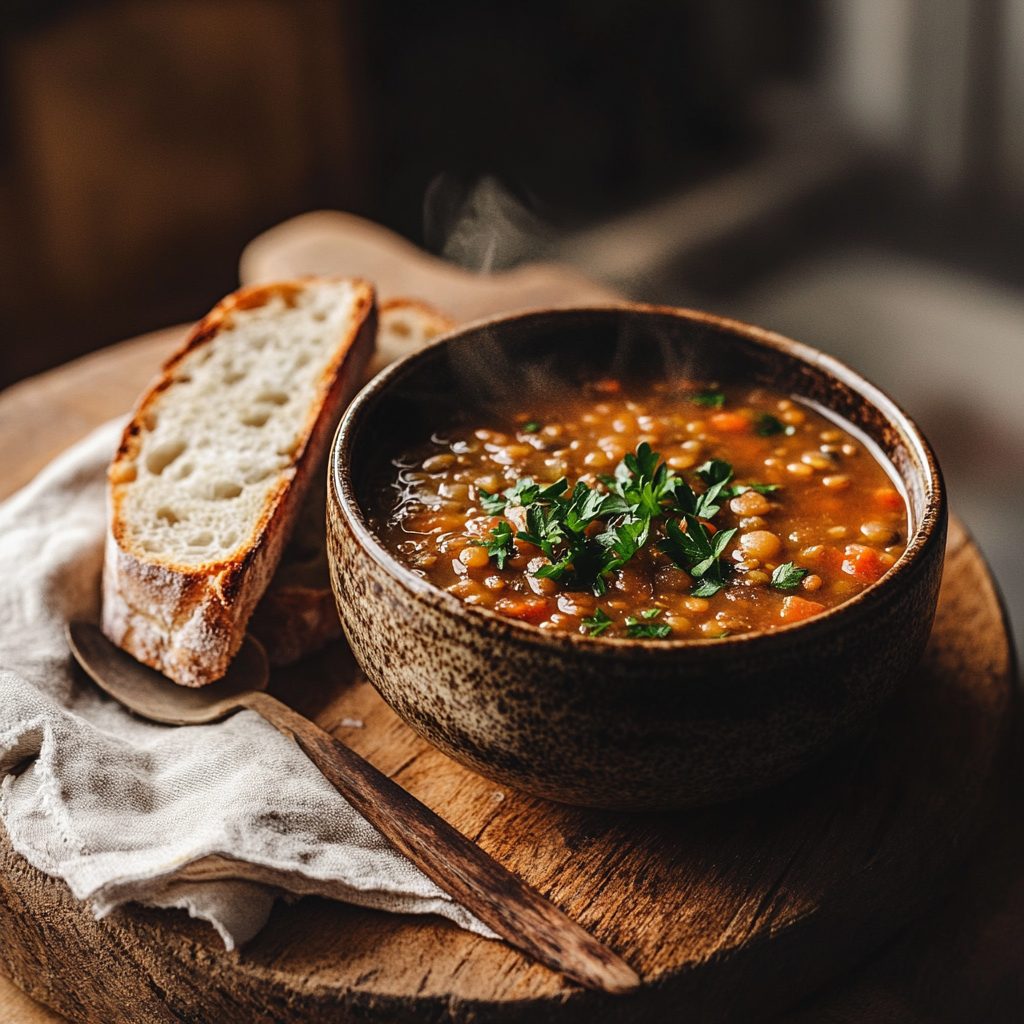
Dinner: Lentil soup with crusty bread
Lentils bring fiber and plant-based protein to the table. Pair with good crusty bread for dipping, and you’ve got yourself a cozy meal that doesn’t require three hours of cooking.
Day 2
Breakfast: Oatmeal with dried figs, walnuts, and cinnamon
Oats provide soluble fiber that actually keeps you full past 10 AM. Walnuts add omega-3s and that satisfying crunch, while figs bring natural sweetness. Cinnamon helps regulate blood sugar—not magic, just science.
Lunch: Tuna and white bean salad
Canned tuna works perfectly fine here (no judgment). Mix with white beans, cherry tomatoes, red onion, and a lemon-olive oil dressing. High protein, low effort, maximum flavor.
Dinner: Whole wheat spaghetti with cherry tomatoes and basil
Whole wheat pasta has more fiber than regular pasta, which means you won’t crash 30 minutes after eating. Sauté cherry tomatoes until they burst, toss with fresh basil, and you’re done. Sometimes simple really is better.
Day 3
Breakfast: Savory Mediterranean scramble
Eggs scrambled with spinach, tomatoes, and feta. The protein from eggs plus the nutrients from vegetables makes this a breakfast that actually sustains you. This ceramic skillet heats evenly and cleans up like a dream—no more scraping burnt egg bits.
Lunch: Cucumber hummus sandwich
Hummus delivers plant-based protein and healthy fats from tahini. Layer thick slices of cucumber, maybe some sprouts if you’re into that, all on whole grain bread. Refreshing and filling without being heavy.
Dinner: Lemon herb chicken with roasted potatoes
Chicken thighs work better than breasts here—more flavor, harder to overcook. Toss baby potatoes with olive oil, lemon, and herbs, then roast everything together. One pan, minimal cleanup, maximum satisfaction.

Day 4
Breakfast: Mediterranean smoothie bowl
Blend frozen berries, spinach, Greek yogurt, and a splash of almond milk. Top with granola, fresh fruit, and a drizzle of honey. Looks Instagram-worthy, tastes legitimately good, packs serious nutrition.
Lunch: Mediterranean grain bowl
Build this however you want: farro or quinoa base, roasted vegetables, chickpeas, feta, and tahini dressing. The beauty of grain bowls is their flexibility—use whatever vegetables you need to clear from your fridge.
Dinner: Shrimp sautéed in garlic and olive oil with couscous
Shrimp cooks in literally five minutes. Sauté with tons of garlic and good olive oil, serve over fluffy couscous, and maybe add some lemon zest. Quick, impressive, and loaded with lean protein plus those beneficial omega-3 fatty acids.
Day 5
Breakfast: Avocado toast Mediterranean-style
Level up basic avocado toast with feta, cherry tomatoes, and a sprinkle of za’atar. That Middle Eastern spice blend adds complexity without requiring you to juggle 15 different spices.
Lunch: Lentil spinach soup
More lentils, different soup. This version incorporates spinach for iron and extra fiber. The combination of legumes and leafy greens creates a nutrient-dense meal that’s genuinely comforting.
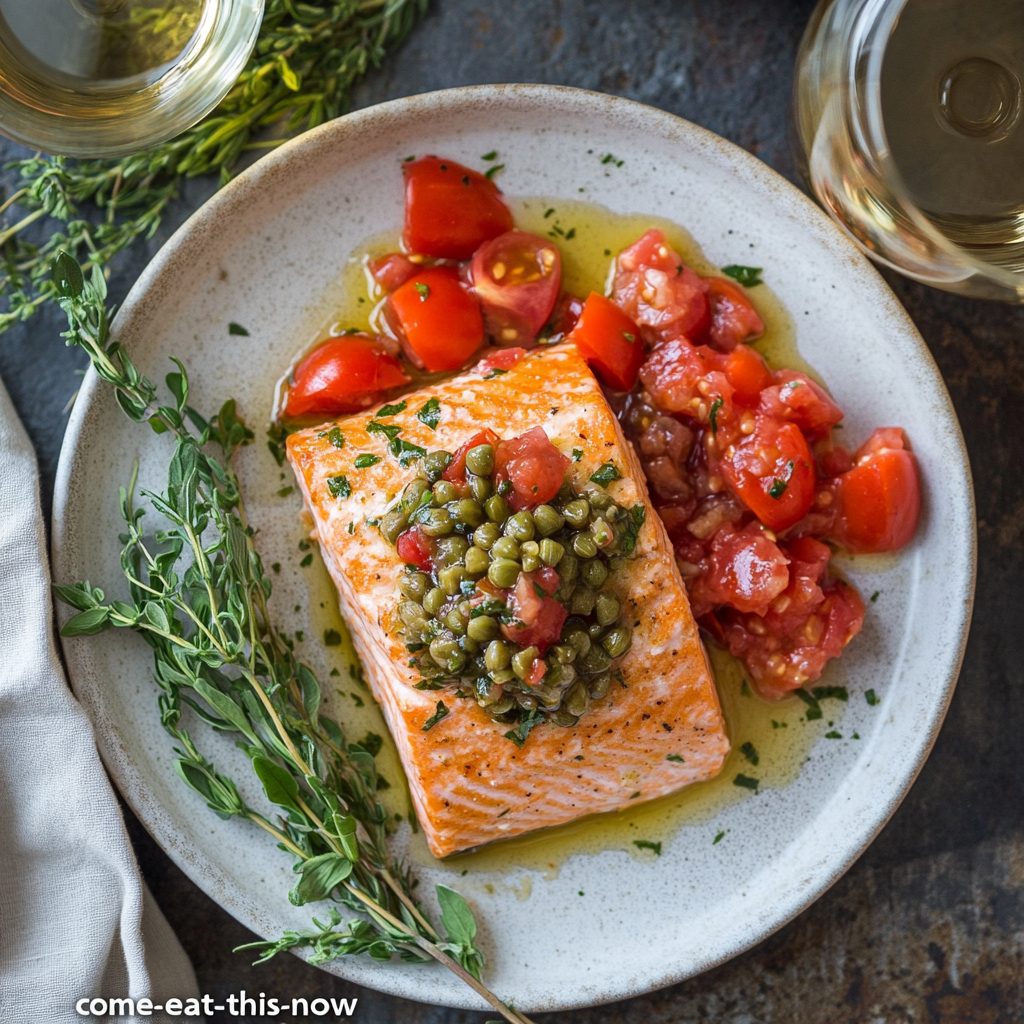
Dinner: Grilled salmon with tomato caper relish
Salmon brings anti-inflammatory omega-3s to your plate. The tomato-caper relish adds brightness and acidity that cuts through the richness of the fish. If you’re new to grilling fish, try baking at 400°F for 12-15 minutes instead—foolproof method.
Day 6
Breakfast: Greek yogurt parfait
Layer Greek yogurt with granola and mixed berries in a glass. Simple enough for a weekday, pretty enough for weekend brunch. The probiotics in yogurt support gut health, which apparently affects everything from digestion to mood.
Lunch: Looking for something portable? Try these Mediterranean chickpea wraps that actually stay together when you eat them.
Dinner: Stuffed bell peppers with quinoa and veggies
Quinoa qualifies as a complete protein, meaning it contains all nine essential amino acids. Mix with sautéed vegetables, stuff into bell peppers, bake until tender. Meal prep these on Sunday and thank yourself all week.
Day 7
Breakfast: Shakshuka (eggs in spicy tomato sauce)
North African breakfast perfection. Simmer tomatoes with spices, crack eggs directly into the sauce, cover and cook until the whites set. Serve with crusty bread for scooping. Weekend breakfast goals achieved.
Lunch: Mediterranean flatbread
Sometimes you need something that feels indulgent. This flatbread topped with vegetables and a modest amount of cheese hits that spot without derailing your whole plan.
Dinner: Baked salmon with herbed quinoa
Back to salmon because it’s that good. Mix fresh herbs into cooked quinoa, top with baked salmon, and add a squeeze of lemon. According to research from Mayo Clinic, eating fish twice a week correlates with reduced heart disease risk.
Week 2: Mixing It Up
Day 8
Breakfast: Whole grain banana pancakes
Mash ripe bananas into whole grain pancake batter. The bananas provide natural sweetness plus potassium, which helps regulate blood pressure. Top with a drizzle of honey and fresh berries instead of drowning them in syrup.
Lunch: Greek salad but like, actually good
Chop cucumbers, tomatoes, red onion, and bell peppers. Add Kalamata olives and chunks of feta. Dress with olive oil, lemon juice, and oregano. No iceberg lettuce in sight—we’re going authentic here.
Dinner: Mediterranean tuna stuffed peppers
Mix canned tuna with quinoa, diced vegetables, and Mediterranean seasonings. Stuff into halved bell peppers and bake. Meal prep friendly and way more interesting than another tuna sandwich.
Day 9
Breakfast: Chia pudding with almond milk and fresh fruit
Mix chia seeds with almond milk the night before. By morning, you’ve got a pudding-like texture loaded with fiber and omega-3s. Top with whatever fruit you have—berries, mango, kiwi all work.
Lunch: Lemon garlic grilled chicken with couscous
Marinate chicken in lemon, garlic, and olive oil for at least 30 minutes (longer if possible). Grill until cooked through, serve over couscous with a side of roasted vegetables. The marinade does most of the work here.
Dinner: Easy baked falafel
Traditional fried falafel tastes amazing but requires dealing with hot oil. Baked falafel delivers similar flavor with less mess and fewer calories. Serve with tahini sauce, pita, and a simple salad. The chickpeas provide plant-based protein and fiber that keeps you satisfied.
Day 10
Breakfast: Quinoa breakfast bowl with apples and walnuts
Who says quinoa only works for lunch and dinner? Cook it with almond milk and cinnamon, top with diced apples and walnuts. Different texture than oatmeal, same comforting vibe.
Lunch: One-pot Mediterranean pasta
Everything cooks in one pot—pasta, vegetables, tomatoes, olives, feta. Minimal dishes, maximum flavor. This is the kind of lunch that makes working from home slightly more bearable.
Dinner: Grilled eggplant with yogurt sauce
Slice eggplant, brush with olive oil, grill until tender. Top with a garlicky yogurt sauce and fresh herbs. Eggplant has this meaty texture that makes vegetarian meals feel substantial rather than like you’re eating rabbit food.
Day 11
Breakfast: Tofu scramble with spinach and bell peppers
Crumble firm tofu and sauté with turmeric for that eggy color. Add vegetables, season well, and you’ve got a plant-based breakfast with solid protein. Even if you’re not vegan, mixing up your protein sources benefits overall nutrition.
Lunch: Stuffed grape leaves (dolmas)
These take some time to make, but you can also buy decent pre-made versions. Rice, herbs, and lemon wrapped in grape leaves create a unique lunch that travels well. Pair with some whipped feta dip for extra Mediterranean points.
Dinner: Shrimp saganaki (spicy tomato and feta)
Simmer shrimp in a spicy tomato sauce, top with crumbled feta, finish under the broiler. The feta gets slightly melted and golden. Serve with crusty bread for soaking up that sauce. This dish proves that Mediterranean food isn’t boring.
Day 12
Breakfast: Low-fat Greek yogurt parfait with oats and fruit
Layer yogurt with oats and mixed fruit. The oats add texture and extra fiber, while the yogurt delivers protein and those beneficial probiotics. Simple, effective, no thinking required before coffee.
Lunch: Cucumber tomato feta salad
Chop everything into similar-sized pieces—cucumbers, tomatoes, red onion, feta. Toss with olive oil, lemon juice, and dried oregano. Refreshing, crunchy, takes five minutes to assemble.
Dinner: Lemon oregano grilled chicken
Simple marinade, big flavor. Let chicken sit in lemon juice, oregano, garlic, and olive oil for a few hours. Grill until done. Serve with roasted vegetables or a side salad. When you nail the basics, you don’t need complicated recipes.
Day 13
Breakfast: Whole grain toast with nut butter and sliced fruit
Sometimes simple wins. Spread almond or peanut butter on whole grain toast, top with banana or apple slices. The combination of healthy fats, fiber, and natural sugars provides sustained energy. Healthline notes that bananas specifically offer quick-digesting carbs perfect for pre-workout fuel.
Lunch: Lentil sweet potato stew
Sweet potatoes add beta-carotene and natural sweetness to this hearty stew. Lentils bring protein and fiber. Cook up a big batch and freeze portions for future lazy lunch days.
Dinner: Baked cod with tomato olive tapenade
White fish like cod provides lean protein without heavy fats. Top with a mixture of chopped tomatoes, olives, capers, and garlic. Bake until the fish flakes easily. Light but satisfying—the kind of dinner that doesn’t make you want to nap immediately after.
Day 14
Breakfast: Sweet potato hash with black beans and avocado
Dice sweet potatoes and sauté until crispy. Add black beans, warm through, top with sliced avocado. This combination delivers complex carbs, protein, healthy fats, and fiber—basically everything your body needs to function like a human.
Lunch: Falafel wrap with tzatziki
Wrap those baked falafel in whole wheat pita with lettuce, tomatoes, cucumbers, and tangy tzatziki sauce. Portable, filling, and legitimately delicious. This is what fast food should be.
Dinner: Grilled lemon herb chicken with quinoa
Ending where we started—with quality protein, whole grains, and bright flavors. By day 14, this style of eating should feel natural rather than restrictive. You’re not forcing yourself to eat “diet food”—you’re just eating good food that happens to be nutritious.
Snacking Without Sabotaging
Mediterranean snacking revolves around whole foods rather than processed garbage. Keep these options ready:
- Hummus with vegetable sticks: Carrots, cucumbers, bell peppers all work. The chickpeas in hummus provide protein and fiber.
- Greek yogurt with honey and nuts: Quick protein hit with healthy fats from nuts.
- Olives and cheese: A small handful satisfies salt cravings without going overboard.
- Fresh fruit: Apples with almond butter, berries by themselves, or these chocolate-dipped frozen banana bites when you need something sweet.
- Roasted chickpeas: Make a batch with olive oil and spices. Crunchy, savory, high in fiber.

Making This Work in Real Life
Here’s what nobody tells you about eating better: meal prep makes or breaks the whole thing. You can have the best intentions, but when you’re hungry and tired, you’ll eat whatever requires the least effort.
Sunday prep routine:
- Cook a large batch of quinoa or farro
- Chop vegetables for the week
- Make hummus from scratch (cheaper and better than store-bought)
- Roast a sheet pan of vegetables
- Cook some chicken or salmon if that’s your thing
Store everything in clear containers so you can actually see what you have. Label them if you’re organized like that (I’m not, but I admire people who are).
Grocery shopping strategy: Shop the perimeter of the store first—produce, meat, dairy. The middle aisles contain mostly processed stuff you don’t need. Buy in-season produce for better prices and flavor. Frozen vegetables work perfectly fine and often cost less than fresh.
Budget tips: Mediterranean eating doesn’t require expensive specialty items. Canned chickpeas, dried lentils, and frozen fish cost way less than daily takeout. Buy olive oil in larger bottles—it’s cheaper per ounce and you’ll use it constantly. Store brands often taste identical to name brands for basics like canned tomatoes and beans.
What About Dining Out?
Mediterranean restaurants obviously make this easy, but you can find decent options almost anywhere:
- Italian places: Choose dishes with olive oil-based sauces rather than cream. Pasta with vegetables, grilled fish, or chicken. Skip the bottomless breadbasket if possible (or don’t—you’re human).
- Mexican restaurants: Opt for grilled proteins, beans, vegetables, and guacamole. Go easy on the cheese and sour cream. Corn tortillas over flour.
- Asian cuisine: Stir-fries with vegetables and lean protein work well. Watch out for heavy sauces loaded with sugar.
- American diners: Grilled chicken or fish with vegetables or salad. Ask for olive oil and vinegar instead of heavy dressings.
The point isn’t perfection—it’s making reasonable choices most of the time.
The Reality Check
Two weeks doesn’t transform your entire life, but it’s enough time to notice differences. Better energy levels, improved digestion, maybe some weight loss if that’s your goal. More importantly, you’ll have established some solid habits and proven to yourself that eating well doesn’t require misery.
The Mediterranean diet works because it’s actually sustainable. You’re not eliminating entire food groups or surviving on meal replacement shakes. You’re eating real food that tastes good and happens to be good for you. Wild concept, right?
Common adjustments people make:
- Some find they need more protein, especially if they’re active. Add extra fish, chicken, or legumes.
- Others want more variety with different cuisines. Fine—the principles of whole foods, healthy fats, and moderate portions apply everywhere.
- Budget constraints might mean more beans and lentils, less fish. Still works—legumes pack serious nutrition.
Beyond the 14 Days
After completing this plan, you’ve got options. Keep following Mediterranean principles but expand your recipe rotation. Check out 15 Mediterranean lunches to pack and prep all week or try a 30-day Mediterranean diet challenge if you’re feeling ambitious.
The key is finding what works for your life. Maybe you meal prep like a champion every Sunday. Maybe you wing it most days but keep healthy staples on hand. Both approaches work fine as long as you’re generally moving in the right direction.
Building from here: Start experimenting with recipes that interest you. Try Mediterranean salmon recipes or shrimp dishes ready in 20 minutes. The more comfortable you get with these flavors and techniques, the easier everything becomes.
Listen to your body. Notice how different foods make you feel. Pay attention to energy levels, digestion, sleep quality. Your body will tell you what’s working if you actually pay attention.
Final Thoughts
The Mediterranean diet isn’t some trendy eating plan that’ll disappear next year. It’s based on how people in Mediterranean regions have eaten for centuries—before processed foods, before anyone counted macros, before we needed 47 different diet books to tell us how to eat.
Start with these 14 days. Cook the recipes that appeal to you. Adjust portions based on your needs. Don’t stress if you occasionally eat something that doesn’t fit the plan perfectly. Life happens, and pizza exists. The goal is progress, not perfection.
You’ll probably find that eating this way actually feels good, which makes it way easier to stick with long-term. And honestly? That’s the whole point. Anyone can follow a restrictive diet for two weeks. Building eating habits you can maintain for years—that’s where the real benefit lives.
Now go buy some olive oil and get started.