
25 Easy Mediterranean Recipes for Sustainable Eating
Sustainable eating sounds like one of those trendy buzzwords that people throw around at farmers’ markets, right? But here’s the thing—Mediterranean cooking has been sustainable since before anyone coined the term. We’re talking centuries of eating patterns that work with the seasons, minimize waste, and don’t wreck the planet in the process.
These 25 recipes aren’t here to preach about carbon footprints or guilt you into composting. They’re just good food that happens to be better for you and the environment. Plant-forward meals that fill you up, use ingredients efficiently, and taste way better than whatever sad desk lunch you were planning.
Let’s get into it.

What Makes Mediterranean Eating Actually Sustainable
Mediterranean eating is sustainable by design, not by accident. Traditional Mediterranean diets centered around what people could grow locally, what was in season, and what didn’t spoil immediately. No industrial farming, no year-round strawberries flown in from another continent.
The foundation is plant-based foods—vegetables, legumes, whole grains, nuts. These require way less water and land than meat production. According to Johns Hopkins Center for a Livable Future, plant-based diets significantly reduce environmental impact while providing complete nutrition.
You’re eating fish and seafood a couple times a week, not every day. Poultry occasionally. Red meat rarely. This isn’t about being perfect—it’s about being reasonable. Cutting back on meat even a little makes a measurable difference.
Plus, Mediterranean cooking minimizes waste. You use the whole vegetable. Leftover bread becomes croutons or breadcrumbs. Vegetable scraps make stock. Nothing gets tossed just because you’re not sure what to do with it.
Breakfast Recipes That Set You Up Right
1. Oatmeal with Dried Figs, Walnuts, and Cinnamon
Oats are one of the most sustainable grains you can eat—they require minimal water and grow in lots of climates. Add dried figs (which last forever in your pantry), walnuts for omega-3s, and cinnamon for flavor, and you’ve got a filling breakfast that costs maybe a dollar per serving.
Figs provide natural sweetness and fiber, while walnuts deliver healthy fats that keep you full. No refined sugar needed.
2. Greek Yogurt Bowl with Berries and Honey
Greek yogurt packs serious protein, and if you buy it in larger containers instead of single-serves, you’re cutting down on packaging waste. Top it with whatever berries are in season and a drizzle of honey.
I use these reusable glass bowls for meal prep—portion out yogurt for the week and you’re set.
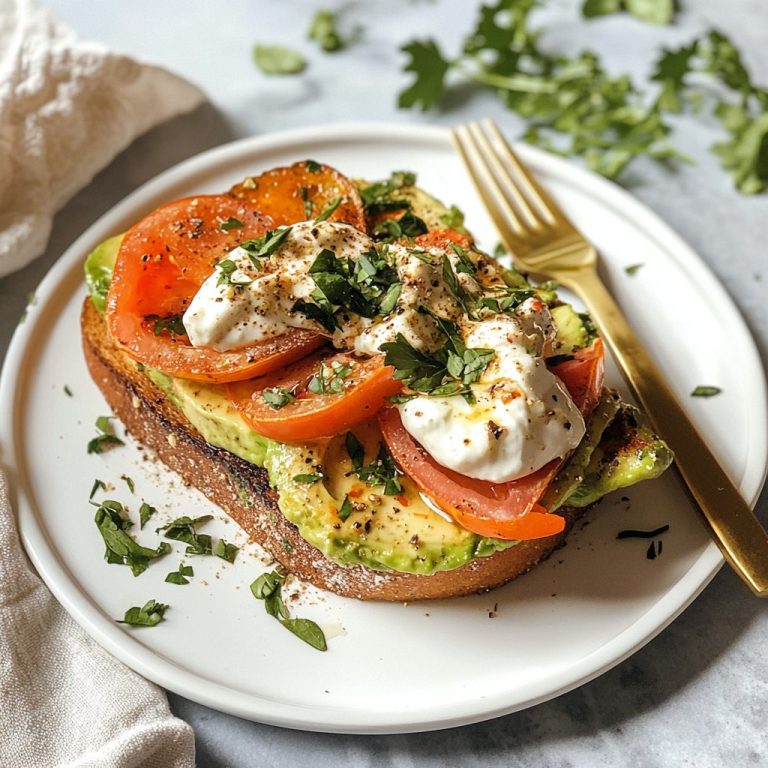
3. Avocado Toast with Tomato and Olive Oil
Yeah, avocado toast is everywhere. But there’s a reason it works—it’s simple, filling, and uses minimal ingredients. Choose whole grain bread, ripe avocado, fresh tomato, and quality olive oil. Done.
Sustainability tip: Buy avocados when they’re on sale and freeze the flesh for smoothies or quick toast toppings. Nothing worse than watching expensive avocados turn brown on your counter.
4. Chia Pudding with Almond Milk and Fresh Fruit
Chia seeds are tiny nutritional powerhouses—loaded with omega-3s, fiber, and protein. They last forever in your pantry and absorb liquid to create a pudding-like texture. Make it with plant-based milk and whatever fruit you have lying around.
This is the meal prep breakfast that actually works because you make it the night before and grab it on your way out.
5. Savory Mediterranean Scramble
Eggs are one of the most efficient protein sources from an environmental standpoint. This scramble adds tomatoes, spinach, olives, and feta for Mediterranean flavor without requiring fancy ingredients.
Use up whatever vegetables are languishing in your crisper drawer. Wilted spinach? Perfect. Sad cherry tomatoes? Even better.
Lunch Recipes You’ll Actually Make
6. Lentil Soup with Crusty Bread
Lentils are sustainable eating champions—high protein, low environmental impact, cheap as hell, and they don’t require soaking like other legumes. This soup is hearty, warming, and stretches to feed a crowd or give you leftovers for days.
Pair it with crusty whole grain bread and you’ve got a complete meal. The bread soaks up the broth and it’s ridiculously satisfying.
7. Mediterranean Grain Bowl
Build-your-own-adventure lunch right here. Start with a grain base—quinoa, farro, brown rice, whatever needs to get used up in your pantry. Add roasted vegetables, chickpeas or another legume, fresh greens, and a simple tahini or yogurt sauce.
The beauty of grain bowls is they’re endlessly customizable based on what you have. No two bowls need to be the same.
8. Tuna White Bean Salad
Canned tuna and white beans are pantry staples that last forever. This salad comes together in five minutes—tuna, beans, olive oil, lemon, fresh herbs if you have them. Serve it on greens or with whole grain crackers.
Sustainability note: Look for sustainably caught tuna when possible. The labels matter here.
9. Cucumber Hummus Sandwich
The simplest lunch that still feels like you’re eating real food. Whole grain bread, thick layer of hummus, sliced cucumber, tomato if you want, maybe some sprouts or greens. That’s it.
I keep these beeswax wraps around for packing sandwiches—reusable and they actually keep bread from getting soggy.
10. Greek Salad But Like, Actually Good
A proper Greek salad uses whole chunks of vegetables, quality feta, good olives, and a simple olive oil and lemon dressing. No iceberg lettuce, no ranch dressing, no nonsense.
Buy vegetables loose instead of pre-packaged when you can. Less plastic waste and usually fresher anyway.
Dinner Recipes That Don’t Wreck the Planet
11. Baked Salmon with Herbed Quinoa
Salmon twice a week fits perfectly into sustainable Mediterranean eating. Choose wild-caught when your budget allows—it’s better for the oceans and usually tastes better too. Quinoa cooks quickly and provides complete protein.
The herbs do the heavy lifting flavor-wise here. Fresh parsley, dill, or basil make everything taste expensive.
12. Stuffed Bell Peppers with Quinoa and Veggies
These use the whole vegetable—you’re eating the pepper, not just using it as a vessel. Fill them with quinoa, whatever vegetables need using up, some herbs and spices, and bake until tender.
Make extras and freeze them. They reheat beautifully and save you from ordering takeout on lazy nights.
13. Lemon Herb Chicken with Roasted Potatoes
When you do eat poultry, make it count. This sheet pan dinner uses one protein, one starch, add whatever vegetables you want, and it all cooks together. Minimal dishes, minimal waste, maximum flavor.
I line my sheet pan with this reusable silicone mat instead of parchment paper. One less thing to throw away.
14. Mediterranean Chickpea Skillet
Chickpeas are the MVPs of sustainable eating. They’re nitrogen-fixing legumes that actually improve soil quality while growing. This one-pan dish combines chickpeas with tomatoes, spinach, and warm spices.
Use canned chickpeas for convenience or cook dried ones in batches and freeze portions. Both work fine.
15. Whole Wheat Spaghetti with Cherry Tomatoes and Basil
Pasta doesn’t have to be complicated. Let ripe cherry tomatoes burst and create their own sauce, add fresh basil and garlic, toss with whole wheat pasta. The tomatoes do all the work.
Seasonal eating win: Make this in summer when tomatoes are peak season and basil is everywhere. It’ll taste infinitely better than winter grocery store tomatoes.
16. Grilled Eggplant with Yogurt Sauce
Eggplant is wildly underrated. It’s meaty, absorbs flavors beautifully, and grows abundantly in Mediterranean climates with minimal water. Grill it until smoky, top with garlicky yogurt sauce, and serve with whole grain pita.
If you’ve only had mushy, sad eggplant before, this will change your mind about it.
17. Lentil Sweet Potato Stew
Two sustainable superfoods in one pot. Lentils and sweet potatoes both grow efficiently, pack serious nutrition, and create a stew that’s filling enough to be a complete meal.
Make a huge batch and freeze portions. Future you will be grateful when you don’t feel like cooking.
18. One Pot Mediterranean Pasta
Everything cooks in one pot—pasta, vegetables, seasonings, all of it. The starch from the pasta creates its own sauce as it cooks. Less water used, less cleanup, less energy wasted heating multiple pots.
IMO, this is peak efficient cooking. You get dinner and minimal dishes.
19. Shrimp Sautéed in Garlic Olive Oil with Couscous
Shrimp cooks in minutes, making it one of the most energy-efficient proteins. Couscous also cooks fast—five minutes flat. This whole meal comes together in under 20 minutes with minimal energy use.
Choose sustainably sourced shrimp when possible. Your fishmonger should be able to tell you where it’s from.
20. Moroccan Spiced Quinoa Bowl
Quinoa grows in harsh conditions where other crops struggle, making it environmentally efficient. This bowl adds warming Moroccan spices—cumin, cinnamon, paprika—along with roasted vegetables and chickpeas.
Top it with tahini sauce and you’ve got a complete meal that hits all your nutritional needs. For more bowl inspiration, check out these Mediterranean meal prep bowls.
Quick Sides and Appetizers
21. Grilled Veggie Platter with Hummus
Throw whatever vegetables you have onto a grill or in the oven—zucchini, bell peppers, eggplant, tomatoes. Serve with homemade or store-bought hummus. Simple, colorful, and uses up vegetables before they go bad.
This is also great for using up vegetables that are getting soft but not quite dead yet. Grilling saves them.
22. Olive Tapenade on Toasted Baguette
Olives last forever in brine, making them a sustainable pantry staple. Blend them with capers, garlic, and olive oil to make tapenade. Serve on toasted whole grain bread.
This appetizer uses ingredients that don’t require refrigeration until opened and have minimal packaging if you buy from bulk bins.
23. Cucumber Tomato Feta Salad
The simplest side salad that still tastes like you tried. Cucumber, tomatoes, feta, olive oil, lemon, oregano. Cut everything into chunks and toss. Done in five minutes.
Buy cucumbers and tomatoes loose instead of plastic-wrapped when possible. Same vegetables, way less waste.
24. Homemade Baked Falafel
Falafel is traditionally made from chickpeas or fava beans—both nitrogen-fixing legumes that improve soil. Baking instead of frying saves oil and energy while still giving you crispy exteriors.
Make a huge batch and freeze them. They reheat well and make quick protein for grain bowls or wraps.
25. Lentil Spinach Soup
Another lentil recipe because they’re that good. This soup adds spinach for iron and extra nutrients, creating a complete meal that costs maybe two dollars per serving.
Spinach wilts down to nothing, so even if you think you’re adding too much, you’re probably not. Use up that whole bag sitting in your fridge.
The Sustainable Mediterranean Pantry
Stocking your pantry with the right staples makes sustainable eating infinitely easier. These ingredients last, reduce waste, and give you options when you don’t feel like shopping.
Dry goods that last forever:
- Dried lentils, chickpeas, and beans (buy in bulk to reduce packaging)
- Whole grains: quinoa, farro, brown rice, bulgur
- Whole wheat pasta
- Oats
- Nuts and seeds
- Dried herbs and spices
Canned goods:
- Canned tomatoes (whole, crushed, diced)
- Canned beans (for when you don’t soak dried ones)
- Canned fish (sustainably caught)
- Tomato paste
Long-lasting fresh items:
- Garlic and onions
- Potatoes and sweet potatoes
- Winter squash
- Citrus fruits
Refrigerated staples:
- Greek yogurt (buy large containers)
- Feta and other cheeses
- Olive oil (stores at room temp)
- Tahini
I keep everything organized in these airtight glass jars so I can see what needs restocking. Nothing gets forgotten and goes bad.
Seasonal Eating Makes Everything Better
Here’s a secret: seasonal eating isn’t just better for the environment—it tastes way better and costs less. Vegetables in season are at peak flavor, don’t travel as far, and grocery stores usually discount them because there’s abundance.
Spring: Asparagus, peas, artichokes, strawberries, fresh herbs
Summer: Tomatoes, zucchini, eggplant, bell peppers, stone fruits, berries
Fall: Squash, root vegetables, apples, pears, Brussels sprouts, kale
Winter: Citrus, cabbage, potatoes, winter squash, pomegranates
Build your meals around what’s in season and you’ll automatically eat more sustainably. Plus, you’ll actually look forward to things coming back into season instead of eating the same stuff year-round.
Reducing Food Waste in Mediterranean Cooking
Mediterranean cooking is built around using everything. Here’s how to minimize waste:
Use vegetable scraps: Save onion skins, carrot tops, celery leaves, herb stems in a bag in the freezer. When it’s full, make vegetable stock. I use this silicone storage bag for collecting scraps.
Stale bread gets a second life: Turn it into breadcrumbs, croutons, or panzanella salad. Never throw away bread.
Herb stems have flavor: Don’t just use the leaves. Parsley stems go into soups. Cilantro stems get blended into sauces. Basil stems add flavor to tomato sauce.
Overripe produce: Soft tomatoes make sauce. Brown bananas become banana nice cream. Wilted greens go into soup or smoothies.
Leftover grains: Fried rice, grain bowls, added to soups, mixed into salads. Cooked grains last a week in the fridge.
The Protein Question in Sustainable Eating
You don’t need meat at every meal to hit your protein goals. Mediterranean eating proves this.
Plant-based protein sources:
- Lentils: 18g protein per cooked cup
- Chickpeas: 15g protein per cooked cup
- Quinoa: 8g protein per cooked cup
- Greek yogurt: 15-20g protein per cup
- Nuts and seeds: varies, but almonds have 6g per ounce
According to Harvard Health, combining different plant proteins throughout the day easily meets protein needs without requiring meat.
When you do eat animal protein:
- Choose fish and seafood over red meat
- Buy better quality, eat less of it
- Look for sustainable certifications
- Use bones and scraps for stock
You’re not swearing off meat forever. You’re just being reasonable about it.
Meal Prep Strategies for Sustainable Eating
Batch cooking and meal prep reduce waste and save energy. Instead of heating your oven every night, you use it once and portion everything out.
Sunday prep that works:
- Cook a big batch of grains
- Roast multiple sheet pans of vegetables
- Make a pot of soup or stew
- Prep snack portions
- Wash and chop salad ingredients
Store everything in clear containers so you remember what’s there. Nothing sustainable about food going bad in the back of your fridge because you forgot about it.
Smart freezing:
- Label everything with dates
- Freeze in single portions
- Cool food completely before freezing
- Use freezer-safe containers or bags
Frozen food isn’t inferior—it’s a tool for reducing waste and always having options available.
Shopping Strategies That Matter
Buy in bulk when possible: Less packaging waste, usually cheaper, and you control portions. Bring your own containers or bags.
Choose loose produce over packaged: Do you really need six apples in a plastic clamshell? Probably not.
Plan meals around sales: If eggplant is on sale, make grilled eggplant with yogurt sauce. Adjust your plan based on what’s affordable.
Shop your pantry first: Before buying more stuff, use what you have. That random can of chickpeas? Make Mediterranean chickpea wraps.
Bring reusable bags: For groceries and bulk bins. Not revolutionary, but it adds up.
Support local when you can: Farmers markets, local producers, seasonal items. Shorter transport distances mean lower environmental impact.
Making It Work With a Tight Budget
Sustainable eating doesn’t require shopping at expensive specialty stores or buying everything organic. The basics of Mediterranean cooking are cheap.
Budget-friendly staples:
- Dried beans and lentils cost pennies per serving
- Seasonal vegetables are always cheaper
- Whole grains in bulk are affordable
- Eggs are still one of the cheapest proteins
- Canned tomatoes and beans go on sale regularly
Skip the pricey items and focus on what actually matters—whole foods, minimal processing, cooking from scratch. That’s where the savings come from anyway.
Money-saving tricks:
- Cook dried beans instead of canned when you have time
- Make your own hummus instead of buying it
- Grow basic herbs on your windowsill
- Buy seasonal produce at peak abundance
- Freeze items on sale for later
For more budget-friendly meal ideas, check out this 21-day Mediterranean diet plan that uses accessible ingredients.
Why This Actually Matters
Look, I’m not going to pretend that your individual food choices will single-handedly save the planet. But collective dietary shifts do make a difference. If more people ate less meat, more plants, and wasted less food, it would have measurable environmental impact.
The bonus? You’ll probably feel better. Mediterranean eating supports heart health, longevity, and stable energy levels. It’s not about punishment—it’s about eating food that actually tastes good and happens to be better for you and the environment.
According to research published in Nature, shifting toward plant-based diets represents one of the most effective individual actions for reducing environmental impact. You don’t have to be perfect. You just have to be better than you were.
The Bottom Line
These 25 recipes aren’t going to change the world overnight. But they prove that sustainable eating doesn’t require sacrifice or suffering. You’re not giving up flavor, satisfaction, or enjoyment—you’re just being smarter about what you cook and how you cook it.
Start with a few recipes that sound appealing. Master those. Build from there. You don’t need to overhaul your entire life this week.
The goal is creating sustainable habits that stick because they’re actually enjoyable, not because you’re forcing yourself to eat food you hate in the name of environmentalism. That’s miserable and nobody maintains it.
Cook more plants. Waste less food. Choose quality over quantity. Use what you have. Buy seasonally when possible. That’s it. That’s the whole strategy.
And honestly? Once you get into the rhythm of Mediterranean cooking, it stops feeling like “sustainable eating” and just becomes how you cook. No labels, no pressure, just good food that makes sense.