
30-Day Mediterranean Lifestyle Meal Plan for Everyday Wellness
Look, I’m not going to sit here and promise you that this meal plan will transform your life in thirty days flat. But what I will tell you is this: the Mediterranean way of eating isn’t some crash diet or restrictive nightmare—it’s actually how people in sun-soaked coastal villages have been eating for centuries without obsessing over macros or feeling guilty about bread.
This isn’t about deprivation. It’s about eating real food that tastes incredible, happens to be ridiculously good for you, and doesn’t require you to become a professional chef or spend your entire paycheck at Whole Foods. We’re talking olive oil, fresh vegetables, whole grains, lean proteins, and yeah—wine in moderation. Revolutionary, right?
Over the next 2,500 words or so, I’m walking you through a full 30-day Mediterranean meal plan that you can actually stick to. Not because you’re forcing yourself, but because the food is genuinely delicious and you’ll feel better without even trying that hard.

What Makes the Mediterranean Diet Actually Work
Here’s the thing about Mediterranean eating—it’s not a diet in the punishing sense. It’s a pattern. A lifestyle. Call it what you want, but basically, you’re prioritizing whole foods over processed junk, healthy fats over trans fats, and meals shared with people you actually like over sad desk lunches.
The foundation is simple: vegetables, fruits, whole grains, legumes, nuts, seeds, and olive oil. Then you layer in fish and seafood a couple times a week, moderate amounts of poultry and eggs, and occasional dairy (hello, Greek yogurt and feta). Red meat? Sure, but sparingly—think special occasions, not Tuesday night.
Research shows this way of eating supports heart health, brain function, and longevity. According to Harvard Health, the Mediterranean diet consistently ranks as one of the healthiest eating patterns worldwide. It’s rich in omega-3 fatty acids, fiber, and antioxidants—all the good stuff your body actually needs to function optimally.
And no, you don’t have to live on the coast of Greece to make this work. You just need access to a grocery store and a willingness to cook without following eighteen complicated steps.
The Core Principles You Need to Know
Before we dive into the actual meal plan, let’s cover the basics so you’re not wandering around your kitchen confused.
Eat These Daily:
- Vegetables (the more colorful, the better)
- Fruits (fresh, in-season when possible)
- Whole grains (think quinoa, farro, brown rice, whole wheat bread)
- Legumes (chickpeas, lentils, beans of all kinds)
- Nuts and seeds (almonds, walnuts, chia, flax)
- Olive oil (the real MVP here)
- Herbs and spices (flavor without the sodium bomb)
Eat These Weekly:
- Fish and seafood (at least twice a week)
- Poultry and eggs (moderate portions)
- Cheese and yogurt (preferably Greek yogurt and quality cheese)
Eat These Occasionally:
- Red meat (once or twice a month, not daily)
- Sweets (because life is short, but they’re treats, not staples)
Avoid or Minimize:
- Processed foods
- Refined sugars
- Refined grains
- Trans fats
- Excessive red meat
Pretty straightforward, right? You’re basically eating like a human who values both flavor and feeling good.
Setting Up Your Mediterranean Kitchen
You don’t need fancy equipment, but having a few staples on hand makes this infinitely easier. I keep my pantry stocked with extra virgin olive oil (the good stuff—it matters), canned chickpeas and white beans, whole grain pasta, quinoa, and a rotation of dried herbs.
For fresh stuff, I hit the store weekly for vegetables, fruits, fish, and Greek yogurt. Having a decent set of storage containers makes meal prep less annoying—you can batch cook grains and proteins, then mix and match throughout the week.
IMO, investing in a quality olive oil dispenser is worth it. Makes drizzling way easier and you’ll actually use it instead of drowning everything in butter.
Your 30-Day Mediterranean Meal Plan
Alright, let’s break this down week by week. I’m giving you structure, but feel free to swap meals around based on what you have or what sounds good. This isn’t prison—it’s a guide.
Week 1: Getting Started
Monday:
- Breakfast: Oatmeal with dried figs, walnuts, and cinnamon—warming, filling, and sets the tone
- Lunch: Lentil soup with crusty bread—comfort food that happens to be healthy
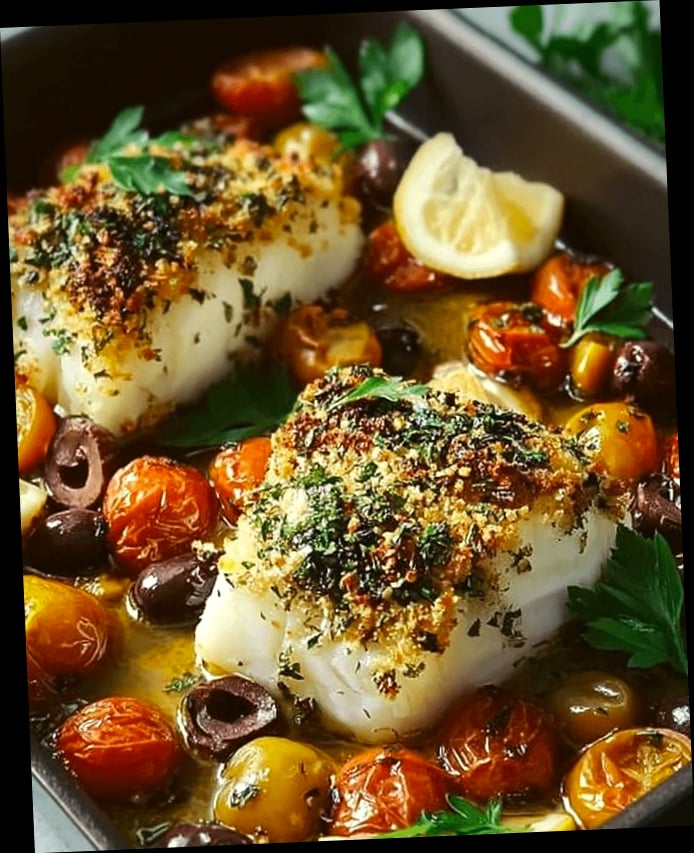
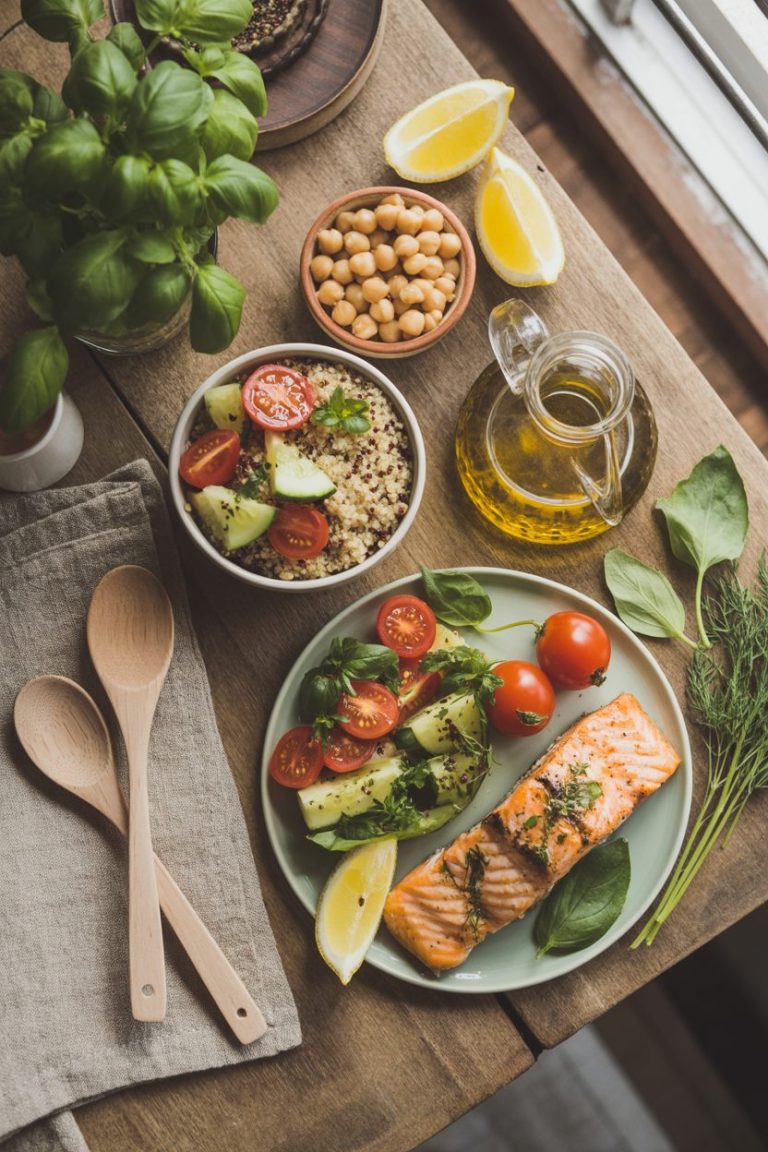
- Dinner: Baked salmon with herbed quinoa—omega-3s for the win
- Snack: Handful of almonds and an apple
Tuesday:
- Breakfast: Greek yogurt bowl with berries and honey—protein-packed and naturally sweet
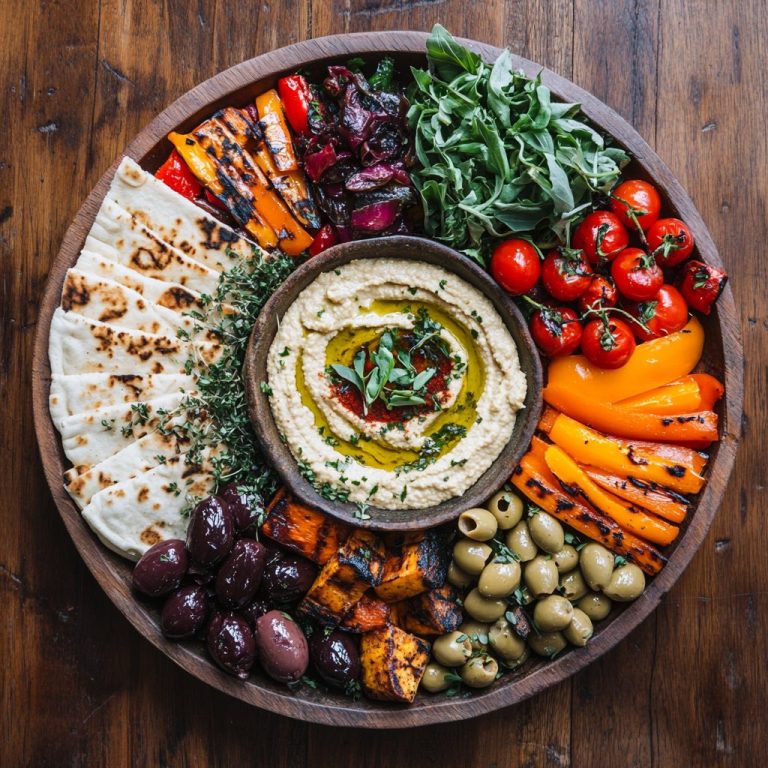
- Lunch: Grilled veggie platter with hummus—colorful and satisfying
- Dinner: Whole wheat spaghetti with cherry tomatoes and basil—simple carbs done right
- Snack: Cucumber hummus sandwich bites
Wednesday:
- Breakfast: Avocado toast with tomato and olive oil—because it’s a classic for a reason
- Lunch: Tuna white bean salad—protein and fiber combo
- Dinner: Lemon herb chicken with roasted potatoes—crowd-pleaser
- Snack: Fresh berries with a dollop of Greek yogurt
Thursday:
- Breakfast: Mediterranean smoothie bowl—when you want something fresh
- Lunch: Cucumber hummus sandwich—light but filling
- Dinner: Shrimp sautéed in garlic olive oil with couscous—quick and elegant
- Snack: Sliced veggies with tzatziki
Friday:
- Breakfast: Savory Mediterranean scramble—eggs done right
- Lunch: Mediterranean grain bowl—build your own adventure
- Dinner: Grilled salmon with tomato caper relish—fancy without the fuss
- Snack: Hummus with veggie sticks
Saturday:
- Breakfast: Greek yogurt parfait—layered deliciousness
- Lunch: Greek salad but like, actually good—fresh and tangy
- Dinner: Stuffed bell peppers with quinoa and veggies—meal prep gold
- Snack: Olives and a small piece of feta
Sunday:
- Breakfast: Shakshuka—eggs poached in spicy tomato sauce
- Lunch: Mediterranean flatbread—because you earned it
- Dinner: Lentil spinach soup—cozy and nourishing
- Snack: Fresh fruit with honey drizzle
Week 2: Building Momentum
You’re getting the hang of this now. The flavors start to feel familiar, and honestly, you’re probably not missing the processed junk as much as you thought you would.
Monday:
- Breakfast: Oatmeal with fresh berries and flaxseed—fiber for days
- Lunch: Mediterranean tuna stuffed peppers—protein-packed
- Dinner: Lemon garlic grilled chicken with couscous—bright and zesty
- Snack: Sliced cucumber with olive tapenade
Tuesday:
- Breakfast: Avocado toast with cherry tomatoes and hemp seeds—omega-3 boost
- Lunch: Easy baked falafel with tahini sauce
- Dinner: One pot Mediterranean pasta—minimal cleanup
- Snack: Mini falafel wraps with tzatziki
Wednesday:
- Breakfast: Berry green smoothie—sneaky veggies
- Lunch: Grilled eggplant with yogurt sauce—creamy and smoky
- Dinner: Mediterranean chickpea wraps—handheld perfection
- Snack: Handful of walnuts
Thursday:
- Breakfast: Chia pudding with almond milk and fresh fruit—make ahead magic
- Lunch: Cucumber tomato feta salad—refreshing
- Dinner: Shrimp saganaki—spicy tomato feta goodness
- Snack: Fresh pear with almond butter
Friday:
- Breakfast: Whole grain banana pancakes—weekend vibes any day
- Lunch: Homemade baked falafel with salad
- Dinner: Lemon oregano grilled chicken—simple herb magic
- Snack: Whipped feta dip with honey and thyme and pita
Saturday:
- Breakfast: Quinoa breakfast bowl with apples and walnuts—savory or sweet, your call
- Lunch: Stuffed grape leaves—traditional and delicious
- Dinner: Baked salmon with dill and garlic—elevated simplicity
- Snack: Olives and marinated artichokes
Sunday:
- Breakfast: Tofu scramble with spinach and bell peppers—plant-based protein
- Lunch: Olive tapenade on toasted baguette—simple elegance
- Dinner: Lentil sweet potato stew—warming and hearty
- Snack: Greek yogurt with cinnamon and honey
Week 3: You’re in the Groove
By now, this feels less like a “plan” and more like just how you eat. Wild, right?
Monday:
- Breakfast: Whole grain toast with nut butter and sliced fruit—classic combo
- Lunch: Falafel wrap with tzatziki—satisfying crunch
- Dinner: Chickpea cauliflower coconut curry—warming spices
- Snack: Carrot sticks with hummus
Tuesday:
- Breakfast: Low-fat Greek yogurt parfait with oats and fruit—layered goodness
- Lunch: Quinoa tabbouleh with hummus and pita—herby and bright
- Dinner: Whole wheat spaghetti with spinach pesto—green and delicious
- Snack: Fresh apple slices
Wednesday:
- Breakfast: Sweet potato hash with black beans and avocado—savory breakfast win
- Lunch: Cucumber avocado toast with za’atar—Middle Eastern flair
- Dinner: Mediterranean chickpea skillet—one-pan wonder
- Snack: Handful of pistachios
Thursday:
- Breakfast: Classic vanilla almond overnight oats—grab and go
- Lunch: Caprese white bean salad—Italian vibes
- Dinner: Spaghetti squash with tomato basil sauce—veggie noodles done right
- Snack: Cherry tomatoes with balsamic drizzle
Friday:
- Breakfast: Strawberry cheesecake overnight oats—dessert for breakfast vibes
- Lunch: Roasted veggie pita pockets—portable and tasty
- Dinner: Lentil shepherd’s pie—comfort food reimagined
- Snack: Mediterranean avocado toast bites
Saturday:
- Breakfast: Spinach feta egg muffins—meal prep friendly
- Lunch: Zucchini noodle pasta salad—light and fresh
- Dinner: Moroccan spiced quinoa bowl—exotic flavors
- Snack: Dates stuffed with almond butter
Sunday:
- Breakfast: Peanut butter banana slim down oats—filling and sweet
- Lunch: Mediterranean eggplant wrap—smoky goodness
- Dinner: Three bean chili—hearty and warming
- Snack: Mixed nuts and dried apricots
Week 4: The Home Stretch
You made it to the final week. By now, you probably don’t even need this guide anymore—you know what works, what you like, and how to make this sustainable.
Monday:
- Breakfast: Blueberry lemon wake me up oats—bright start
- Lunch: Lemony orzo arugula salad—peppery and tangy
- Dinner: Grilled portobello mushroom steaks—meaty without the meat
- Snack: Celery with almond butter
Tuesday:
- Breakfast: Egg veggie breakfast wrap—handheld morning fuel
- Lunch: Greek yogurt chicken salad—lighter take on a classic
- Dinner: Mediterranean lentil salad—protein and flavor
- Snack: Fresh figs with honey
Wednesday:
- Breakfast: Almond flour pancakes—fluffy and nutty
- Lunch: Roasted cauliflower shawarma bowl—spiced perfection
- Dinner: Stir-fried tofu with broccoli—Asian-Mediterranean fusion
- Snack: Sliced bell peppers with tzatziki
Thursday:
- Breakfast: Breakfast egg salad lettuce cups—protein-packed and light
- Lunch: Chickpea tuna salad wrap—omega-3 goodness
- Dinner: Sweet potato tacos—vegetarian crowd-pleaser
- Snack: Greek yogurt with nuts and cinnamon
Friday:
- Breakfast: Spinach feta Greek casserole—make ahead magic
- Lunch: Grilled veggie halloumi skewers—squeaky cheese win
- Dinner: Broccoli cashew stir fry—crunchy and savory
- Snack: Mini cucumber bites
Saturday:
- Breakfast: Mocha protein overnight oats—coffee and breakfast in one
- Lunch: Tomato feta farro bowl—chewy grains
- Dinner: Barley mushroom soup—earthy and comforting
- Snack: Turkey roll-ups
Sunday:
- Breakfast: Cinnamon roll overnight oats—indulgent without the guilt
- Lunch: Spinach chickpea sauté with egg—quick skillet meal
- Dinner: Carrot ginger soup with chickpea croutons—warming and bright
- Snack: Savory cottage cheese bowl with veggies
Meal Prep Tips That Actually Help
Let’s be real—you’re not going to cook three fresh meals from scratch every single day. That’s exhausting and unrealistic. Here’s how to make this work without losing your mind.
Batch cook grains: Make a big pot of quinoa, farro, or brown rice on Sunday. Store it in the fridge and use it throughout the week in bowls, salads, and sides. I use these glass containers because they don’t absorb smells and you can reheat directly in them.
Prep vegetables: Wash, chop, and store veggies in clear containers so you can see what you have. Makes throwing together salads or roasted veggie bowls stupid easy.
Keep proteins simple: Grill or bake a few chicken breasts, salmon fillets, or a batch of chickpeas. Having cooked protein ready to go eliminates the “what’s for dinner” panic.
Embrace leftovers: Mediterranean food often tastes better the next day. That lentil soup? Even more flavorful after sitting overnight. Don’t be afraid to double recipes.
Stock your freezer: Keep frozen fish fillets, shrimp, and vegetables on hand for when fresh stuff isn’t available. A good kitchen scale helps you portion things out accurately if you’re tracking intake.
Snacking the Mediterranean Way
You don’t have to white-knuckle it between meals. Mediterranean snacking is all about whole foods that keep you satisfied.
Good options include:
- Fresh fruit with a handful of nuts
- Veggie sticks with hummus or tzatziki
- Greek yogurt with honey and walnuts
- Olives and cheese
- Whole grain crackers with olive tapenade
- Cinnamon roasted chickpeas—crunchy and addictive
According to Mayo Clinic, incorporating nuts and seeds into your diet provides healthy fats and protein that help regulate blood sugar and keep hunger at bay. Just watch portions—nuts are calorie-dense even though they’re nutritious.
I keep small snack containers around for pre-portioned nuts so I don’t accidentally eat half a jar of almonds while working.
Dining Out Without Derailing
You’re going to eat out. That’s life. The Mediterranean diet is flexible enough to accommodate this without stress.
At restaurants, look for:
- Grilled fish or chicken
- Vegetable-based appetizers
- Salads with olive oil dressing
- Whole grain options when available
- Dishes featuring legumes
Skip the cream sauces and fried options. Ask for dressings and sauces on the side so you control how much you use. And honestly? If you want the pasta, get the pasta. Just maybe don’t polish off the entire bread basket beforehand.
What About Dessert?
Mediterranean desserts exist, and they’re often fruit-based or lightly sweetened with honey. You don’t have to swear off sweets forever—that’s miserable and unsustainable.
Good options:
- Fresh fruit with Greek yogurt and honey
- Baked cinnamon apples
- Dark chocolate almond clusters
- No-bake coconut date balls
- Yogurt bark with berries
The key is portion control and frequency. Have a small treat when you want one, not three times a day every day. That’s the difference between enjoying life and derailing your progress.
Adjusting for Dietary Preferences
Vegetarian? This plan is already pretty vegetarian-friendly. Just swap fish and chicken for more legumes, tofu, or tempeh. You’ll hit your protein goals just fine.
Vegan? Replace Greek yogurt with plant-based alternatives (look for ones with live cultures), use tahini instead of yogurt-based sauces, and skip the cheese or use cashew-based versions. Nutritional yeast adds a cheesy flavor to dishes.
Gluten-free? Most Mediterranean food is naturally adaptable. Swap regular pasta for lentil or chickpea pasta, use gluten-free bread, and double-check that your grains (like farro) are certified gluten-free or stick to naturally gluten-free options like quinoa and rice.
Dairy-free? Skip the yogurt and cheese or use dairy-free alternatives. Focus on the abundance of plant foods, fish, and olive oil—you won’t miss it as much as you think.
Common Mistakes to Avoid
Mistake 1: Not using enough olive oil. Yes, it’s calorie-dense, but it’s also the foundation of Mediterranean cooking. Don’t be stingy with it—just be mindful of portions. Two tablespoons is a standard serving.
Mistake 2: Thinking this is a low-carb diet. It’s not. You’re eating plenty of whole grains and legumes. Those are carbs. Good carbs. Don’t fear them.
Mistake 3: Skipping the fish. If you’re only eating chicken and never touching seafood, you’re missing out on crucial omega-3 fatty acids. Try to hit that twice-a-week fish goal.
Mistake 4: Over-complicating things. You don’t need fifteen ingredients to make a good Mediterranean meal. Simple preparations with quality ingredients win every time.
Mistake 5: Forgetting vegetables. Every meal should have vegetables. Every. Single. Meal. They should take up the largest portion of your plate.
Grocery Shopping Strategy
Shop the perimeter of the store—that’s where the fresh produce, fish, dairy, and whole foods live. The middle aisles are processed food territory for the most part.
Weekly shopping list basics:
- Mixed greens and salad vegetables
- Tomatoes (cherry, plum, whatever’s fresh)
- Cucumbers, bell peppers, zucchini
- Fresh herbs (parsley, basil, mint)
- Lemons and garlic (always)
- Fish or seafood (2-3 servings)
- Chicken or turkey if needed
- Greek yogurt
- Feta or other cheese
- Eggs
- Canned chickpeas and beans
- Whole grains (quinoa, farro, brown rice)
- Nuts and seeds
- Fresh fruit
Keep your pantry stocked with olive oil, canned tomatoes, whole grain pasta, dried legumes, and spices. Having a good spice organizer makes finding what you need way less annoying.
The Mental Shift That Matters
Here’s what nobody tells you about eating Mediterranean-style: the biggest change isn’t what’s on your plate—it’s how you think about food.
This isn’t about restriction. It’s about abundance. You’re adding more vegetables, more whole foods, more flavor—not taking things away. That mental shift makes all the difference between feeling deprived and feeling satisfied.
Stop thinking of food as “good” or “bad.” Some foods are more nutritious than others, sure, but labeling everything creates unnecessary guilt. You’re building a sustainable pattern here, not following temporary rules.
Also? Meals are meant to be enjoyed, preferably with other people when possible. The social aspect of Mediterranean eating—sharing food, taking time to eat, enjoying the experience—is as important as the food itself.
Making It Stick Beyond 30 Days
By day 30, this should feel pretty normal. Not perfect—normal. You’ll have found your favorite meals, figured out your shortcuts, and built some new habits.
To keep it going:
- Don’t be rigid. If you want pizza on Friday night, have the pizza. Just get back to your normal pattern the next day.
- Keep experimenting. Try new recipes, vegetables you’ve never cooked, or different types of fish.
- Listen to your body. If you’re hungry, eat. If something doesn’t agree with you, skip it.
- Remember why you started. Better energy? Clearer skin? Feeling less bloated? Hold onto those wins.
For more structured support, check out this 30-day Mediterranean diet challenge with additional recipes and tips, or explore these Mediterranean meal prep bowls for easy weekly planning.
The Bottom Line
Thirty days of Mediterranean eating isn’t going to cure everything that ails you or turn you into a completely different person. But it will probably make you feel better. Less sluggish. More energized. Maybe even more connected to what you’re eating and why.
This plan isn’t about perfection—it’s about building a sustainable way of eating that you can actually maintain without feeling like you’re suffering. Because honestly, what’s the point of eating healthy if you’re miserable the entire time?
The Mediterranean diet works because it’s not really a diet. It’s just eating real food, mostly plants, with reasonable portions and an emphasis on enjoyment. Revolutionary concept, I know.
Give it thirty days. See how you feel. Adjust what doesn’t work. Keep what does. And remember—there’s always room for olive oil, good bread, and the occasional glass of wine. That’s not cheating. That’s living.