7-Day Mediterranean Diet Plan for Women Over 40
Look, if you’re over 40 and feeling like your body’s playing by a whole new set of rules, you’re not imagining things. Your metabolism’s doing that fun little slowdown thing, hormones are throwing a party you didn’t RSVP to, and suddenly you’re googling “why can’t I lose weight like I used to?” at 2 AM. Been there.
Here’s the good news: the Mediterranean diet isn’t some restrictive torture plan that’ll have you crying into a plain chicken breast by day three. It’s actually how real people in places like Greece and Italy have been eating for centuries—and spoiler alert, they’re doing pretty well in the longevity department.
This isn’t about counting every calorie or measuring portions with a chemistry set. It’s about eating actual food that tastes good, supports your changing body, and doesn’t make you feel like you’re missing out on life. Think vibrant veggies, olive oil that actually has flavor, fish that doesn’t taste like cardboard, and yes—even some wine if that’s your thing.
Why Your 40-Something Body Actually Needs This
Let’s talk about what’s really happening after 40. Your estrogen levels are doing the cha-cha, which affects everything from your weight distribution to your mood to how well you sleep. According to research published in the National Institutes of Health, the Mediterranean diet can significantly help manage these hormonal shifts and reduce menopausal symptoms.
The Mediterranean eating pattern works because it’s packed with phytoestrogens from foods like flaxseeds and soy. These plant compounds basically trick your body into thinking it’s getting more estrogen than it actually is—in a good way. Your hormones calm down a bit, those hot flashes become less frequent, and you stop wanting to rage-quit life every other Tuesday.
But here’s what really sold me on this: studies show that women who stick with this eating style see real improvements in bone density, especially in their lower backs. That matters when osteoporosis starts creeping into the conversation around this age.
Don’t try to overhaul your entire kitchen in one weekend. Start by swapping butter for olive oil and see how you feel. Small changes stick better than dramatic transformations that last exactly four days.
The Hormone Balance Connection
Women over 40 deal with fluctuating estrogen and progesterone levels that can feel like you’re on a biological roller coaster. The Mediterranean diet’s emphasis on healthy fats from sources like extra virgin olive oil and omega-3-rich fish helps stabilize these hormone swings naturally.
The fiber content in whole grains, legumes, and vegetables also plays a huge role. High fiber intake helps your body process and eliminate excess estrogen more efficiently, which can reduce symptoms like bloating, mood swings, and weight gain around your midsection.
If you’re looking for more ways to balance your breakfast game with hormone-friendly options, check out these high-protein breakfasts under 350 calories or these easy Mediterranean breakfast ideas that’ll keep you full without the blood sugar crash.
Your 7-Day Mediterranean Meal Plan
Alright, let’s get into the actual plan. I’m giving you a full week of meals that won’t require a culinary degree or ingredients you can only find at specialty stores that close at 4 PM on Tuesdays.
Day 1: Easing Into It
Breakfast: Start with Greek yogurt topped with berries, walnuts, and a drizzle of honey. The probiotics in yogurt support gut health, which directly impacts hormone regulation. Get Full Recipe.
Lunch: A quinoa salad loaded with chickpeas, cucumbers, tomatoes, feta, and avocado with olive oil makes for a complete meal that hits all the right notes. Chickpeas give you plant-based protein and fiber that keeps blood sugar stable.
Dinner: Grilled salmon with herbed quinoa and roasted vegetables. The omega-3s in salmon are clutch for reducing inflammation and supporting brain health. Get Full Recipe.
Snack: A handful of almonds or some fresh figs. Keep it simple.
Day 2: Building Momentum
Breakfast: Avocado toast on whole grain bread with cherry tomatoes and a poached egg. The healthy fats in avocado help with nutrient absorption and keep you satisfied. Get Full Recipe.
Lunch: Lentil soup with crusty whole grain bread. Lentils are packed with iron, which many women become deficient in around menopause. Get Full Recipe.
Dinner: Shakshuka—those eggs poached in spicy tomato sauce that everyone’s obsessed with for good reason. Get Full Recipe.
Snack: Hummus with cucumber slices and bell pepper strips.
Day 3: Finding Your Rhythm
Breakfast: Overnight oats with dried figs, walnuts, and cinnamon. Prep these the night before in mason jars for grab-and-go mornings. Get Full Recipe.
Lunch: Mediterranean chickpea wrap with tzatziki sauce. These wraps are ridiculously easy to meal prep. Get Full Recipe.
Dinner: One-pot Mediterranean pasta with cherry tomatoes, olives, garlic, and basil. Clean-up is minimal, which is basically a love language. Get Full Recipe.
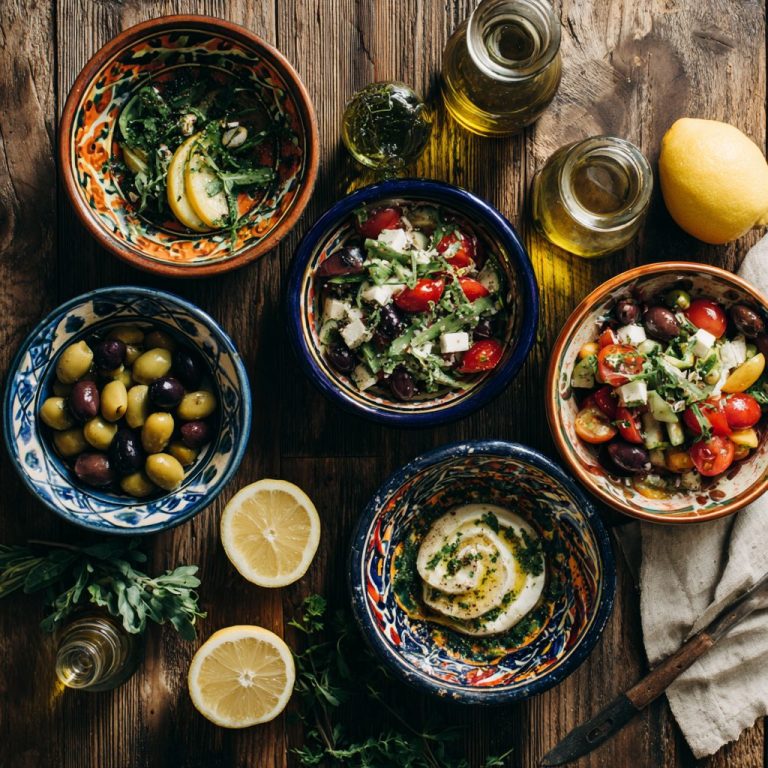
Snack: A small bowl of mixed olives and a piece of whole grain crackers.
For more inspiration on plant-based Mediterranean options, you might love these high-protein vegetarian recipes that prove you don’t need meat at every meal to hit your protein goals.
The Science Behind Why This Works for Women Over 40
I’m not just throwing random food combinations at you and hoping for the best. There’s actual research backing why this eating pattern is particularly beneficial for women in their 40s and beyond.
A 2021 analysis found that women who stuck with a Mediterranean diet had a 24% lower risk of cardiovascular disease and a 23% lower risk of death from all causes. That’s not nothing, especially when heart disease risk increases significantly after menopause due to declining estrogen levels.
The anti-inflammatory properties of this diet come from the polyphenols in olive oil and omega-3 fatty acids in fish. Chronic inflammation is linked to basically every health issue you want to avoid—heart disease, diabetes, certain cancers, and even cognitive decline. Using high-quality extra virgin olive oil daily makes a measurable difference.
Day 4: Midweek Consistency
Breakfast: Mediterranean smoothie bowl with spinach, berries, banana, and topped with granola and chia seeds. Get Full Recipe.
Lunch: Stuffed bell peppers with quinoa and vegetables. These are great for batch cooking. Get Full Recipe.
Dinner: Grilled lemon herb chicken with couscous and roasted vegetables. Get Full Recipe.
Snack: Greek yogurt with a sprinkle of cinnamon and walnuts.
Invest in a quality food processor for making homemade hummus and chopping vegetables. It’ll cut your prep time in half and you’ll actually use it, unlike that bread maker collecting dust in your cabinet.
Day 5: Pushing Through
Breakfast: Whole grain toast with almond butter and sliced banana. Simple, satisfying, takes three minutes.
Lunch: Greek salad with grilled chicken, feta, olives, cucumbers, and tomatoes. Don’t skimp on the olive oil dressing. Get Full Recipe.
Dinner: Baked falafel with tahini sauce and a side of tabbouleh. Get Full Recipe.
Snack: A handful of pistachios.
Weight Management That Actually Makes Sense
Let’s address the elephant in the room: weight gain after 40 is real and frustrating. Your metabolism slows down by about 2-3% per decade, and that hormonal shift means your body wants to store fat around your middle more than it used to.
The Mediterranean diet helps because it’s not about restriction—it’s about eating foods that naturally keep you satisfied. The combination of fiber from vegetables and whole grains, protein from fish and legumes, and healthy fats from olive oil and nuts means you’re not constantly hungry or thinking about your next meal.
Speaking of meals that keep you full, these high-protein, low-calorie meals under 500 calories and these Mediterranean meals under 400 calories are game-changers for maintaining a calorie deficit without feeling deprived.
Day 6: Almost There
Breakfast: Savory Mediterranean scramble with spinach, tomatoes, feta, and olives. Get Full Recipe.
Lunch: Tuna and white bean salad with lemon and fresh herbs. Get Full Recipe.
Dinner: Shrimp sautéed in garlic and olive oil served over couscous with a side of grilled vegetables. Get Full Recipe.
Snack: Fresh fruit salad with a squeeze of lime.
Day 7: Finishing Strong
Breakfast: Chia pudding made with almond milk, topped with berries and sliced almonds. Prep this the night before in small glass containers for an easy morning.
Lunch: Mediterranean grain bowl with farro, roasted vegetables, chickpeas, and tahini dressing. Get Full Recipe.
Dinner: Whole wheat spaghetti with cherry tomatoes, basil, garlic, and a touch of olive oil. Sometimes simple is best. Get Full Recipe.
Snack: A small piece of dark chocolate (yes, really) and some almonds.
Shopping Smart Without Losing Your Mind
You don’t need to spend $300 at Whole Foods to eat Mediterranean-style. Here’s what I actually buy and where it’s worth spending more versus where you can save.
Splurge-worthy items: Extra virgin olive oil (get the good stuff, it matters), wild-caught fish, organic berries (they’re on the dirty dozen list), and quality feta cheese.
Save here: Canned chickpeas and beans, frozen vegetables (they’re picked at peak ripeness), whole grains in bulk, and store-brand Greek yogurt.
Keep your pantry stocked with staples like canned tomatoes, dried pasta, olive oil, garlic, onions, and various herbs and spices. Store dried goods in airtight containers to keep everything fresh longer and save money by reducing food waste.
Meal prep your grains and legumes on Sunday. Cook a big batch of quinoa, farro, and chickpeas, then store them in the fridge. You’ll thank yourself when you can throw together a bowl in five minutes on Wednesday night.
What About Eating Out and Social Situations?
Real talk: life happens. You’re going to have dinner parties, work lunches, and date nights. The Mediterranean diet is probably the easiest eating pattern to maintain in social situations because Mediterranean restaurants exist everywhere, and most cuisines have options that fit.
At Italian restaurants, go for grilled fish or chicken with vegetables. At Mexican spots, choose fish tacos or fajitas. At Asian restaurants, opt for steamed or stir-fried dishes with lots of vegetables. Skip the bread basket if it’s not amazing (life’s too short for mediocre bread), and don’t stress if you indulge occasionally.
For more ideas on keeping your meals interesting and varied, browse through these Mediterranean dinner ideas for busy weeknights and these dinner recipes for the whole week.
The Real Benefits You’ll Actually Notice
Within the first two weeks, most women report better energy levels and fewer afternoon crashes. That 3 PM slump where you’d kill for a nap? Yeah, that gets better when you’re not riding the blood sugar roller coaster.
By week four, you’ll likely notice your clothes fitting better and less bloating. Your skin might look clearer because you’re eating more antioxidants and anti-inflammatory foods. Several women in our community mentioned their hot flashes becoming less intense and frequent.
After three months, the changes become more significant. Better sleep quality, improved mood stability, more consistent energy, and yes—weight loss if that’s something you’re working toward. But honestly, the best part is feeling like you have some control over your body again instead of feeling like it’s just doing whatever it wants.
Troubleshooting Common Issues
But I’m Always Hungry
Add more protein and healthy fats. If you’re coming from a standard American diet, you might need to increase portion sizes of vegetables and legumes. Your body will adjust to feeling satisfied on whole foods versus processed ones, but give it time.
This Takes Too Much Time
Batch cooking is your friend. Invest in meal prep containers and dedicate one or two hours on Sunday to cooking grains, roasting vegetables, and prepping proteins. Having components ready makes weeknight meals come together in 15 minutes.
For even more time-saving strategies, check out these quick Mediterranean meal prep ideas and this meal prep plan for busy people.
My Family Won’t Eat This
Start with familiar foods prepared Mediterranean-style. Spaghetti with marinara sauce and a salad counts. Grilled chicken with roasted vegetables counts. You don’t need to announce you’re “on a diet”—just start cooking this way and see what happens.
I Miss My Coffee Creamer
Listen, I get it. But try good quality milk or a splash of unsweetened oat milk instead of the flavored stuff loaded with sugar and hydrogenated oils. Or just keep the creamer if it’s that important to you. This isn’t about perfection.
Related Recipes You’ll Love
Frequently Asked Questions
Can I lose weight on the Mediterranean diet after 40?
Absolutely. Most women see gradual, sustainable weight loss of 1-2 pounds per week when following this eating pattern. The key difference is that you’re not constantly hungry or feeling deprived, which makes it way easier to stick with long-term. Focus on portion sizes, avoid processed foods, and stay active—the weight will come off naturally without you having to obsess over it.
Is the Mediterranean diet good for menopause symptoms?
Yes, and there’s solid research backing this up. The phytoestrogens in foods like flaxseeds and soy can help balance hormones, while the anti-inflammatory properties of olive oil and fish reduce hot flashes and mood swings. Many women report noticeable improvements in sleep quality, energy levels, and overall well-being within the first month.
How much protein do I need on this diet?
Women over 40 need approximately 1.0 to 1.2 grams of protein per kilogram of body weight daily to maintain muscle mass. The Mediterranean diet includes plenty of protein from fish, legumes, Greek yogurt, eggs, and lean poultry. If you’re concerned about getting enough, track your intake for a few days or consider adding a quality protein powder to your morning smoothie.
Do I have to give up dairy completely?
Not at all. Traditional Mediterranean eating includes moderate amounts of dairy, particularly fermented forms like Greek yogurt and cheese. These provide calcium, protein, and probiotics that support bone health and gut function. Just focus on high-quality, full-fat versions in reasonable portions rather than the low-fat stuff loaded with added sugar.
Can I drink wine on this plan?
The traditional Mediterranean diet includes moderate red wine consumption—about one 5-ounce glass per day for women. However, if you’re dealing with sleep issues or hot flashes, alcohol might make them worse. Listen to your body. If wine helps you relax and you can have one glass without it turning into three, enjoy it. If not, skip it.
The Bottom Line
Look, I’m not going to promise you’ll drop 30 pounds in 30 days or reverse aging or whatever other ridiculous claims are floating around the internet. What I will say is that the Mediterranean diet is probably the most sustainable, science-backed eating pattern you can adopt after 40.
It supports hormone balance, reduces inflammation, protects your heart and bones, and helps you maintain a healthy weight without making you miserable. You get to eat real food that tastes good, and you’re not spending your life counting calories or feeling guilty about eating.
Start with one week. See how you feel. Pay attention to your energy levels, sleep quality, and how your clothes fit. Make adjustments based on what works for your body and your life. This isn’t about perfection—it’s about finding a way of eating that you can actually stick with for the long haul.
And if you mess up and eat a burger and fries? Cool. Enjoy it, move on, and get back to eating Mediterranean-style at your next meal. That’s the beauty of this approach—it’s flexible enough to work with real life instead of requiring you to live in some fantasy world where you never want pizza.
Your 40s can actually be some of your best years health-wise if you give your body what it needs. The Mediterranean diet is a solid place to start.