
25 Mediterranean Wrap Recipes You’ll Want to Make on Repeat
Wraps get a bad reputation as sad desk lunch territory, but honestly? That’s just because most people are doing them wrong. A properly built Mediterranean wrap is basically a portable flavor bomb that doesn’t fall apart the second you take a bite or leave you hungry an hour later.
I’ve been on a serious wrap kick lately because they solve that eternal problem of “I need to eat something satisfying but I don’t want to turn on my stove or deal with dishes.” These Mediterranean versions pack serious nutrition with ingredients that actually keep you full—we’re talking lean proteins, fiber-rich vegetables, healthy fats, and whole grains all wrapped up in something you can eat with one hand.
The Mediterranean approach to wraps makes total sense when you think about it. The region’s been rolling things in flatbread for centuries because it’s practical, portable, and delicious. Plus, the flavor combinations—herbs, olive oil, lemon, garlic—make even simple ingredients taste like you tried way harder than you actually did.

Why Mediterranean Wraps Actually Work
Here’s what makes Mediterranean wraps different from those soggy, disappointing ones you’re probably thinking of: they’re built with intention. You’re not just throwing random ingredients in a tortilla and hoping for the best.
The Mediterranean diet emphasizes ingredients that bring both nutrition and flavor. Olive oil provides healthy fats that help you absorb fat-soluble vitamins. Legumes and whole grains offer complex carbs and fiber. Fresh vegetables add volume without calories. Herbs and spices make everything taste incredible without relying on heavy sauces.
When you combine these elements in wrap form, you get something that’s legitimately satisfying. The protein keeps you full, the fiber slows digestion, and the healthy fats provide that crucial satiety factor that keeps you from raiding the snack drawer later.
Classic Mediterranean Wraps That Never Disappoint
Falafel Wrap with Tzatziki
Let’s start with the obvious choice. A falafel wrap is basically Mediterranean fast food done right. Crispy chickpea fritters, cool cucumber-yogurt sauce, fresh vegetables, all wrapped in warm pita or whole wheat tortilla.
I make my own falafel using this mini food processor that’s perfect for small batches—way easier than dragging out my full-size one. The key is getting them crispy on the outside while staying tender inside. Bake them instead of frying if you want to save calories, though I won’t judge you either way.
What makes it work: The combination of plant-based protein from chickpeas plus the cooling tzatziki creates this satisfying contrast that keeps every bite interesting.
Calories: 380-450 depending on how generous you are with the tzatziki
Mediterranean Chickpea Wrap
This is my lazy weeknight version when I can’t be bothered to make falafel from scratch. Mash chickpeas with lemon juice, olive oil, and spices, then spread them on a wrap with lettuce, tomatoes, cucumbers, and red onion.
The chickpea wrap comes together in about ten minutes and delivers serious nutrition. Chickpeas are loaded with both protein and fiber, making them incredibly filling for their calorie count.
Pro tip: Add a drizzle of tahini to make it taste more complex than the minimal effort you put in.
Calories: 320-380
Grilled Chicken Shawarma Wrap
This shawarma-style wrap takes chicken breast from boring to crave-worthy. Marinate it in yogurt, lemon juice, garlic, and Middle Eastern spices, then grill until it gets those nice charred bits.
I use this grill pan with ridges when I can’t fire up the actual grill—gives you those pretty grill marks that make it look like you know what you’re doing. Load it into a wrap with pickled vegetables, tahini sauce, and fresh herbs.
The secret: Let the chicken marinate for at least an hour. That yogurt tenderizes the meat while the spices develop serious flavor.
Calories: 400-480
Mediterranean Eggplant Wrap
Eggplant is criminally underused in wraps, IMO. When you grill or roast it properly, it gets this creamy, almost meaty texture that’s incredibly satisfying.
This eggplant wrap layers grilled eggplant with roasted red peppers, feta cheese, arugula, and a balsamic drizzle. It’s vegetarian but doesn’t taste like you’re sacrificing anything.
Eggplant tip: Salt your sliced eggplant and let it sit for 20 minutes before cooking—draws out bitterness and excess moisture so it doesn’t get soggy.
Calories: 320-380
Protein-Packed Options for Serious Hunger
Grilled Turkey Kofta Wrap
These Turkish-spiced turkey meatballs wrapped with cucumber yogurt sauce are basically the Middle Eastern version of a meatball sub, except way better for you.
Ground turkey is leaner than beef but can be dry if you’re not careful. The trick is mixing in grated onion and a bit of olive oil to keep things moist. Shape them into logs instead of balls so they fit better in the wrap.
What to include: Couscous for bulk, fresh cucumbers for crunch, and that cooling yogurt sauce to balance the spices.
Calories: 420-490
Tuna Chickpea Wrap
This might sound weird until you try it, then you’ll understand. The combination of tuna and chickpeas gives you protein from two sources, creating this ultra-filling wrap that costs basically nothing to make.
I mash some chickpeas with canned tuna, add lemon juice, olive oil, and fresh herbs, then spread it in a wrap with lettuce and tomatoes. It’s like an upgraded tuna salad that actually keeps you satisfied.
Budget win: Both canned tuna and chickpeas are cheap as hell, making this perfect for meal prep on a budget.
Calories: 340-400
Spicy Black Bean Lettuce Wraps
Okay, technically these use lettuce leaves instead of tortillas, but they’re too good not to include. These black bean wraps are perfect when you want something lighter or if you’re watching your carbs.
Season black beans with cumin, chili powder, and lime juice, then pile them into crisp lettuce leaves with avocado, salsa, and a sprinkle of cheese. The crunch factor is off the charts.
Lettuce choice matters: Use butter lettuce or romaine hearts—they’re sturdy enough to hold fillings without falling apart.
Calories: 280-340
Vegetarian Wraps That Don’t Leave You Hungry
Roasted Veggie Pita Pockets
These stuffed pitas are what I make when I need to clean out my vegetable drawer. Roast whatever vegetables you have—zucchini, bell peppers, eggplant, red onions—then stuff them in whole wheat pita with hummus and feta.
The roasting process concentrates the vegetable flavors and adds this caramelized sweetness that makes them taste almost meaty. Plus, the hummus adds plant-based protein to keep things substantial.
Roasting hack: I line everything on this silicone baking mat so cleanup takes literally thirty seconds. No scrubbing roasted vegetable bits off your pan.
Calories: 320-380
Greek Veggie Quesadilla
This is what happens when Mediterranean meets Mexican, and honestly? It’s a fusion that works. This Greek-inspired quesadilla uses feta instead of cheddar, adds spinach and tomatoes, and includes a spread of hummus.
I know quesadillas aren’t traditionally Mediterranean, but when you load them with Mediterranean ingredients and use whole wheat tortillas, they totally count. Fight me on this.
Cooking tip: Use a nonstick pan or that same silicone mat to avoid needing much oil. The cheese provides enough fat to crisp up the tortilla.
Calories: 360-420
Quinoa Tabbouleh Wrap
Turn the traditional tabbouleh salad into wrap form by using it as your main filling along with hummus and fresh vegetables. Quinoa adds more protein than bulgur wheat, making it more filling.
The bright, herby flavor of tabbouleh—tons of parsley, mint, lemon juice—makes this wrap taste incredibly fresh. It’s perfect for summer lunches when you want something light but satisfying.
Make-ahead friendly: Tabbouleh actually gets better after sitting in the fridge for a day as flavors meld.
Calories: 340-400
Lentil Roasted Carrot Bowl Wrap
This lentil and roasted carrot combination with tahini sauce is comfort food disguised as health food. Lentils provide serious protein and fiber, while roasted carrots add natural sweetness.
The tahini sauce ties everything together with its creamy, nutty flavor. I thin it out with lemon juice and water until it’s drizzle-able, then go a little crazy with it.
Nutritional win: Lentils are one of the best plant-based protein sources, offering about 18 grams per cup.
Calories: 360-420
Quick Assembly Wraps for Busy Days
Hummus Veggie Wrap
Sometimes simple is exactly what you need. Spread a generous layer of hummus on a whole wheat wrap, pile on whatever raw vegetables you have, add some feta or olives, and roll it up.
I keep a variety of hummus flavors on hand—regular, roasted red pepper, garlic—so these veggie wraps never get boring. The hummus acts as both spread and protein source.
Time saver: Pre-chop your vegetables on Sunday so you can assemble these in literally two minutes during the week.
Calories: 280-340
Greek Yogurt Chicken Salad Wrap
This is chicken salad done the Mediterranean way. Mix shredded chicken with Greek yogurt instead of mayo, add diced cucumbers, red onion, and dill.
The Greek yogurt swap slashes calories while boosting protein. You get the creamy texture you want from chicken salad without the heaviness of traditional mayo-based versions.
Rotisserie shortcut: Buy a rotisserie chicken and shred it. Yes, it’s more expensive than cooking your own, but the time savings are worth it.
Calories: 340-400
Cucumber Avocado Toast Wrap
This combines the concept of avocado toast with the portability of a wrap. Mash avocado with lemon juice and za’atar, spread it on a whole wheat wrap, add thinly sliced cucumbers and tomatoes.
The cucumber avocado combo is refreshing and hydrating—perfect for summer lunches. The healthy fats from avocado keep you satisfied despite the simplicity.
Za’atar matters: This Middle Eastern spice blend adds complexity you can’t get from regular seasonings. Worth buying a jar if you don’t have it.
Calories: 300-360
Seafood Wraps That Feel Special
Mediterranean Tuna Wrap
This is not your grandma’s tuna salad wrap. Mix canned tuna with white beans, cherry tomatoes, kalamata olives, red onion, and a lemon-olive oil dressing.
The Mediterranean-style tuna wrap elevates canned tuna from college cafeteria vibes to something you’d actually choose to eat. The white beans bulk it up while adding plant-based protein.
Tuna tip: Look for tuna packed in water, not oil, to keep calories in check. Save the good olive oil for the dressing where you’ll actually taste it.
Calories: 320-380
Smoked Salmon Wrap
For when you want something that feels fancy but takes five minutes. Layer smoked salmon with cream cheese or Greek yogurt spread, capers, red onion, and fresh dill.
The combination of salty salmon with tangy spread and bright dill is basically breakfast bagel vibes in wrap form. I make these for brunch when I want to impress without actually cooking.
Splurge item: Smoked salmon is pricey, but a little goes a long way. You don’t need much to get that luxurious flavor.
Calories: 320-380
Warm Wraps Worth Heating Up
Grilled Veggie Halloumi Wrap
Halloumi is that squeaky Mediterranean cheese that doesn’t melt when you grill it. These grilled skewers translate perfectly into wrap form.
Grill halloumi slices along with zucchini, peppers, and red onion, then wrap everything up with arugula and a drizzle of balsamic. The warm cheese and vegetables make this feel substantial and comforting.
Why halloumi: It has a high melting point, so you can cook it hot without it turning into a puddle. Plus, the slightly salty flavor is addictive.
Calories: 380-440
Warm Spinach Chickpea Wrap
Sauté chickpeas with spinach, garlic, and a squeeze of lemon, then wrap it up while everything’s still warm. Add a fried egg on top if you want to take it to the next level.
The warmth makes this wrap feel more like a meal than a snack. The spinach wilts down to nothing, so don’t be shy about packing in a massive handful.
Iron boost: Spinach combined with chickpeas gives you a solid dose of plant-based iron, especially important if you’re eating less meat.
Calories: 340-400
Savory Chickpea Pancake Wrap
This uses socca—that chickpea flour pancake from Southern France—as your wrap base instead of traditional flatbread. The chickpea pancake is gluten-free and packed with protein.
Fill it with roasted vegetables, greens, and tahini sauce. The pancake itself has this nutty, satisfying flavor that regular tortillas can’t match.
Cooking note: Chickpea flour needs to cook thoroughly or it tastes raw and unpleasant. Don’t rush the cooking process.
Calories: 320-380
Breakfast Wraps That Beat Boring
Egg Veggie Breakfast Wrap
Start your day with this loaded breakfast wrap that combines scrambled eggs with sautéed peppers, onions, and spinach. Add feta cheese and a drizzle of hot sauce.
I prep the vegetables ahead so breakfast assembly takes five minutes. The protein from eggs keeps you full way longer than cereal or toast ever could.
Make it portable: Wrap it in foil and you’ve got grab-and-go breakfast that’s actually nutritious.
Calories: 320-380
Sweet Potato Hash Breakfast Wrap
Okay, sweet potatoes aren’t strictly Mediterranean, but when you season them with Mediterranean spices and pair them with black beans and avocado, they fit right in.
Roast diced sweet potatoes with cumin and paprika, then wrap them with black beans, scrambled eggs, and avocado. The sweet-savory combination is seriously addictive.
Meal prep: Roast a big batch of seasoned sweet potatoes and use them in wraps all week.
Calories: 380-440
Tips for Building Better Wraps
Let’s talk construction because a badly built wrap is a disaster waiting to happen. You know the type—take one bite and half the filling shoots out the other end.
Start with the right base: Whole wheat tortillas or pita pockets are your best bet. They’re sturdier than white flour versions and add fiber. Warm them slightly before assembling—they’re more pliable and less likely to crack.
Layer strategically: Spread your base layer (hummus, yogurt sauce, mashed avocado) first. This acts as both flavor and moisture barrier. Then add your protein in the center, vegetables around it, and any delicate ingredients like herbs or greens on top.
Don’t overstuff: This is where most people go wrong. If you can’t close the wrap without ingredients escaping, you’ve used too much. Less is actually more when it comes to wrap stability.
Roll technique matters: Fold in the sides first, then roll from the bottom up, tucking as you go. If you’re meal prepping, wrap each one tightly in foil to hold its shape.
Making Wraps Actually Satisfying
The difference between a wrap that keeps you full and one that leaves you hunting for snacks an hour later comes down to macronutrient balance.
You need protein for satiety—aim for at least 20 grams per wrap. This comes from chicken, fish, eggs, Greek yogurt, legumes, or cheese. Protein triggers satiety hormones and slows digestion.
Add fiber through whole grain wraps, vegetables, and legumes. Fiber adds bulk without calories and helps stabilize blood sugar. That’s why Mediterranean wraps loaded with vegetables keep you fuller than a simple deli wrap.
Don’t skip healthy fats. A drizzle of olive oil, some avocado, or a spread of tahini provides those essential fatty acids that signal fullness to your brain. Fat also helps you absorb fat-soluble vitamins from your vegetables.
According to research on dietary patterns, the Mediterranean diet’s combination of these elements creates optimal satiety while providing complete nutrition. That’s why these wraps actually work for weight management—they’re nutritionally dense enough to satisfy.
Meal Prep Strategy for Wrap Success
I prep components separately instead of assembling complete wraps in advance. Assembled wraps get soggy within hours, but prepped components last for days.
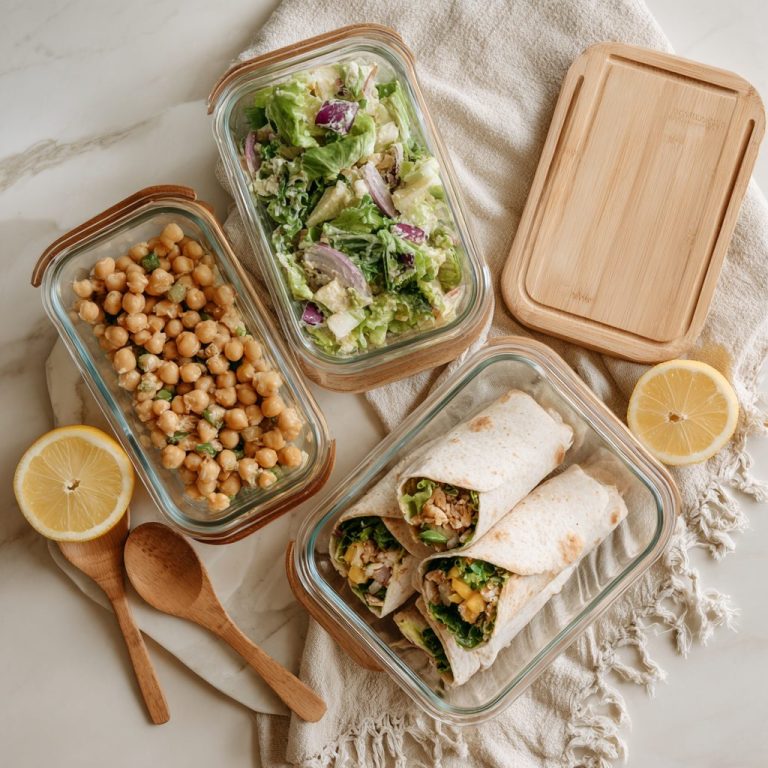
Sunday prep session: Grill or roast proteins for the week. Cook a big batch of chickpeas or lentils. Chop vegetables and store them in airtight containers—I swear by these glass meal prep containers for keeping things fresh. Make sauces and dressings in small jars.
Morning assembly: Grab your prepped components and assemble your wrap fresh. Takes three minutes and tastes infinitely better than pre-made.
Sauce separation: If you must assemble ahead, keep sauces separate in small containers and add them right before eating. This single trick prevents 90% of wrap sogginess.
When Wraps Beat Everything Else
Wraps shine in specific situations. They’re perfect for packed lunches because they’re portable and don’t require reheating. They’re ideal for using up leftover proteins and vegetables—literally anything can become a wrap filling.
They work brilliantly when you want Mediterranean flavors but need something faster than making a full bowl or plated meal. And honestly? They’re great for eating while doing other things, which I probably shouldn’t admit but let’s be real.
These Mediterranean versions specifically work because the ingredient combinations have been refined over centuries. Chickpeas and tahini. Grilled meat with yogurt sauce. Fresh vegetables with olive oil and lemon. These pairings exist because they genuinely taste good together.
You don’t need to overcomplicate wraps. The Mediterranean approach is all about simple, quality ingredients combined thoughtfully. When you start with good olive oil, fresh herbs, and properly seasoned proteins, you don’t need elaborate sauces or exotic ingredients to make things taste good.
If you’re looking for more inspiration beyond wraps, check out these Mediterranean lunch ideas that expand on similar flavor profiles. Sometimes you’ll want something that’s not wrap-form, and that’s totally fine.
The point is having options that work with your life while keeping you properly fed. These 25 wraps do exactly that—they’re practical, nutritious, and actually delicious enough to make on repeat without getting bored. No sad desk lunches required.