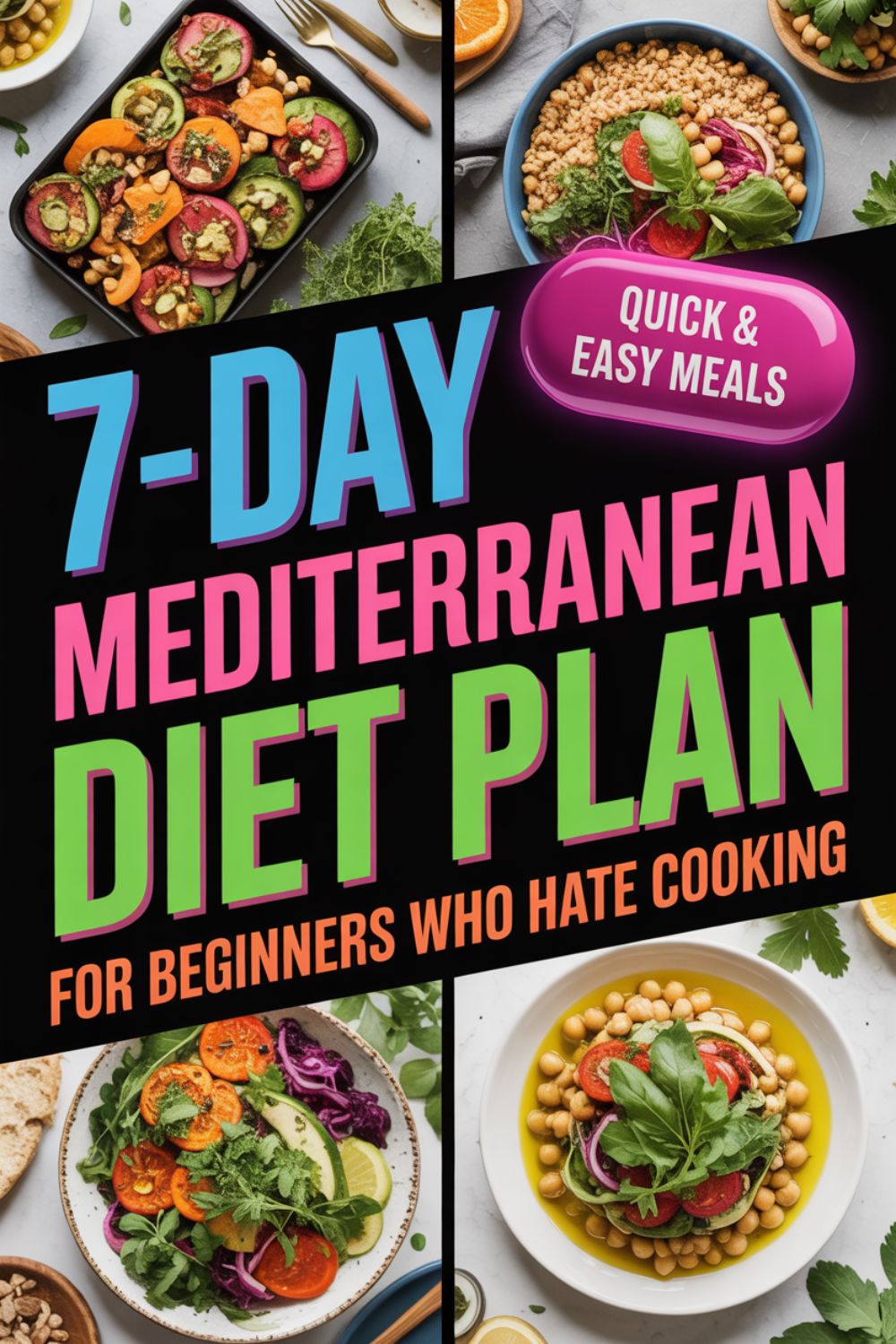
7-Day Mediterranean Diet Plan for Beginners Who Hate Cooking
Look, I get it. You’ve read about the Mediterranean diet, heard it’s supposedly the healthiest thing since, well, sliced bread (which you can still eat, by the way). But the moment someone mentions “meal prep” or “cooking from scratch,” your eyes glaze over and you’re already ordering takeout in your head.
Here’s the truth: you don’t need to become a chef to eat Mediterranean-style. You don’t need fancy equipment, hours of free time, or a PhD in nutrition. What you need is a straightforward plan that actually fits into your real life—the one where you’re tired after work and the last thing you want to do is dice vegetables for 45 minutes.
This 7-day plan is for people who want the health benefits without the hassle. We’re talking minimal cooking, maximum flavor, and zero judgment about your culinary skills. Ready to eat better without the drama? Let’s do this.
Why Mediterranean When You Hate Cooking?
The Mediterranean diet isn’t some restrictive torture program. It’s actually one of the most forgiving eating styles out there, which makes it perfect for cooking-averse people. You’re basically eating fresh foods, healthy fats, lean proteins, and calling it a day. No calorie counting, no weird supplements, no eliminating entire food groups.
Research consistently shows that this way of eating supports heart health, helps with weight management, and might even boost your mood. The best part? Most Mediterranean meals require less actual cooking than you’d think.
Think about it. A Greek salad is just chopping and tossing. Hummus with veggies? Open a container. Grilled chicken with olive oil and lemon? Five ingredients, one pan. This isn’t complicated French cuisine—it’s simple food that happens to be ridiculously good for you.
Plus, the flavor profile is naturally appealing. Olive oil, garlic, lemon, herbs—these ingredients make everything taste better without requiring any special skills. You can literally drizzle olive oil on almost anything and call it Mediterranean. (Okay, maybe not your morning coffee, but you get the idea.)
Pro Tip: Invest in good olive oil and keep lemons on hand. These two ingredients will carry you through 90% of Mediterranean cooking and make even the simplest meals taste intentional.
The No-Cook Strategy That Actually Works
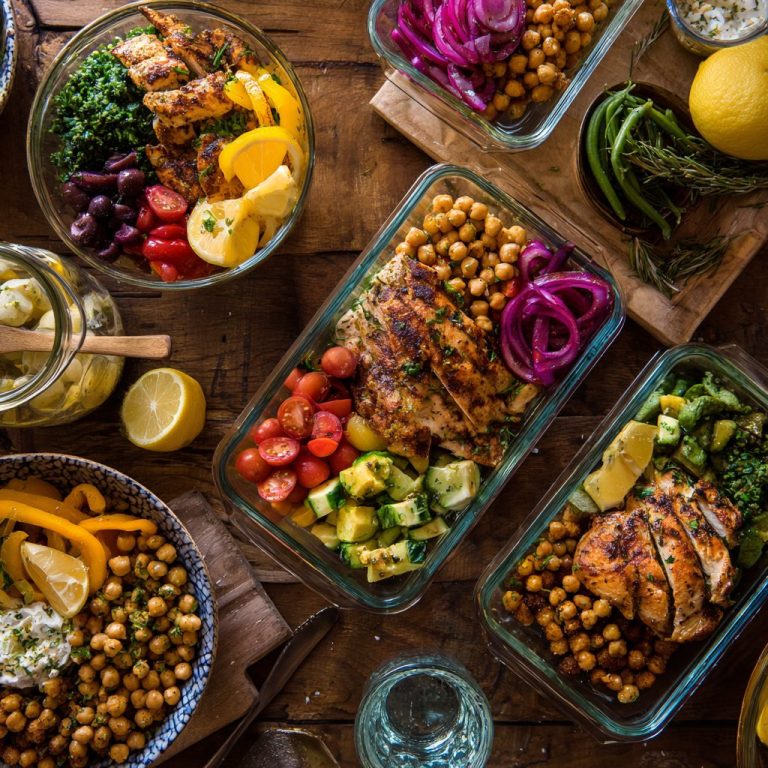
Here’s where we separate the realistic plans from the fantasy ones. This week is built around assembly-style meals—you’re putting things together, not cooking from scratch. We’re using rotisserie chicken, pre-washed greens, canned beans, and store-bought hummus without apology.
The cooking we do include? Simple stuff like boiling pasta, warming up soup, or throwing chicken in the oven with some seasoning. If you can operate a microwave and turn on a stove, you’re qualified.
I keep a set of glass meal prep containers on hand because they make assembly meals look more put-together than eating straight from the package. Do you need them? Absolutely not. But they do make you feel like you’ve got your life together, and sometimes that’s worth it.
Your Minimal-Effort Grocery List
Before we dive into the actual plan, here’s what you need. This list is designed for someone who’s starting with an empty fridge and wants to keep things simple. Adjust quantities based on how many people you’re feeding.
- Proteins: Rotisserie chicken, canned tuna, eggs, hummus, Greek yogurt
- Produce: Cherry tomatoes, cucumbers, pre-washed salad greens, lemons, garlic
- Pantry: Olive oil, whole wheat bread, canned chickpeas, canned white beans, pasta
- Dairy: Feta cheese, plain Greek yogurt
- Extras: Olives, dried herbs (oregano, basil), sea salt, black pepper
Notice what’s NOT on this list? Anything that requires special prep or goes bad quickly. We’re keeping it practical here.
If you’re looking for more structured meal guidance, check out the 14-day Mediterranean meal plan for beginners or explore some quick Mediterranean breakfast ideas to expand your morning routine beyond this week.
Day 1: Easing Into It
Breakfast: Greek Yogurt Bowl
Start your morning with a Greek yogurt bowl with berries and honey. Literally just put yogurt in a bowl, add whatever berries you have, drizzle honey, and maybe throw some nuts on top if you’re feeling ambitious. Get Full Recipe.
This takes about two minutes and keeps you full until lunch. I use a small wooden breakfast bowl because somehow eating from nicer dishes makes me feel more adult, but again, optional.
Lunch: Mediterranean Grain Bowl
For lunch, throw together a Mediterranean grain bowl. Use quinoa or couscous (the 5-minute kind), add chickpeas straight from the can, chop some cucumber and tomatoes, crumble feta, and dress with olive oil and lemon. Done. Get Full Recipe.
This is where a good can opener comes in handy—sounds basic, but you’d be surprised how many people struggle with terrible can openers. Get a decent one.
Dinner: Lemon Herb Chicken with Roasted Potatoes
Here’s your one actual cooking meal of the day, and it’s stupidly simple. Grab some lemon herb chicken with roasted potatoes—basically season chicken with oregano, salt, pepper, squeeze lemon over it, toss some quartered potatoes around it with olive oil, and roast at 425°F for about 35 minutes. Get Full Recipe.
You can walk away and do other things while it cooks. That’s not really cooking; that’s just waiting with style.
Quick Win: Double your chicken portion tonight. Tomorrow’s lunch just sorted itself out, and you didn’t even try.
Day 2: Using Yesterday’s Leftovers
Breakfast: Avocado Toast Mediterranean Style
Mash avocado on whole wheat toast, add cherry tomatoes, a drizzle of olive oil, and a pinch of sea salt. If you saved any feta from yesterday, throw that on too. This is the breakfast version of classic avocado toast with tomato and olive oil. Get Full Recipe.
Some people get fancy with a avocado tool for perfect slices, but honestly, a fork works fine for mashing.
Lunch: Leftover Chicken Grain Bowl
Remember that extra chicken? Chop it up, toss it with greens, add some hummus, maybe some olives, and you’ve got lunch. This is basically a deconstructed wrap situation.
Dinner: Whole Wheat Spaghetti with Tomatoes
Boil pasta (whole wheat if we’re being good about it), and while that’s happening, heat canned diced tomatoes with garlic, basil, and olive oil. Mix together. Top with parmesan if you want. This whole wheat spaghetti with cherry tomatoes and basil is embarrassingly easy and tastes way better than it should. Get Full Recipe.
Harvard Health notes that whole grains provide fiber and nutrients that support digestive health and sustained energy—bonus points for making the swap from regular pasta.
For more quick pasta inspiration, the one-pot Mediterranean pasta and spinach pesto version are both ridiculously easy weeknight options.
Day 3: Finding Your Rhythm
Breakfast: Oatmeal with Figs and Walnuts
Microwave some oats (instant is fine, we’re not judging), stir in dried figs and walnuts, add a sprinkle of cinnamon. This oatmeal with dried figs, walnuts, and cinnamon is warm, filling, and requires zero actual cooking skills. Get Full Recipe.
I keep my dried fruits in glass jars because bugs are real and also because it looks nicer on the counter.
Lunch: Lentil Soup with Bread
Here’s where canned soup saves your life. Get a decent lentil soup (check the label—less sodium is better), heat it up, serve with crusty bread and olive oil for dipping. Get Full Recipe.
This is the kind of meal that makes you feel cozy and taken care of, even though you basically just opened a can and turned on the stove.
Dinner: Tuna and White Bean Salad
Mix canned tuna with canned white beans, chopped cucumbers, red onion, olive oil, and lemon juice. Serve over greens or with crackers. This tuna and white bean salad is protein-packed and requires literally zero cooking. Get Full Recipe.
For tuna, I prefer the pouches over cans—less messy, no can opener needed, same result.
“I tried this meal plan expecting to give up by day three because I hate spending time in the kitchen. Turns out, most of these meals took less time than ordering delivery. Lost 8 pounds in the first month without feeling like I was dieting at all.” — Jennifer M., community member
Day 4: Halfway Through
Breakfast: Mediterranean Smoothie Bowl
Blend frozen berries, Greek yogurt, and a splash of almond milk. Pour into a bowl, top with granola and fresh fruit. This Mediterranean smoothie bowl looks impressive but takes five minutes. Get Full Recipe.
A decent blender makes this easier, but honestly, even a cheap one works fine for smoothies.
Lunch: Grilled Veggie Platter with Hummus
Buy pre-grilled vegetables from the grocery store (they exist, I promise), or just use raw veggies if you’re really in a time crunch. Serve with hummus and whole wheat pita. This grilled veggie platter is basically an adult Lunchable and there’s zero shame in that. Get Full Recipe.
Dinner: Shrimp with Garlic and Couscous
This sounds fancy but takes maybe 15 minutes total. Cook couscous (just add boiling water and wait), sauté frozen shrimp in olive oil with garlic, combine. Done. The shrimp sautéed in garlic and olive oil with couscous will make you feel like you actually know what you’re doing. Get Full Recipe.
Keep frozen shrimp on hand—they thaw quickly under cold water and cook in minutes. Game changer.
Speaking of quick protein options, check out these high-protein chicken recipes or explore Mediterranean meals under 400 calories for more variety.
Day 5: You’re Getting Good at This
Breakfast: Savory Mediterranean Scramble
Scramble eggs with cherry tomatoes, spinach, and feta. Toast some bread on the side. This savory Mediterranean scramble hits all the right notes and uses stuff you probably already have. Get Full Recipe.
IMO, a nonstick pan is essential for scrambled eggs unless you enjoy scrubbing pans for 20 minutes.
Lunch: Stuffed Bell Peppers
Okay, this one requires a tiny bit of work, but hear me out. Mix cooked quinoa with veggies and feta, stuff into halved bell peppers, microwave for a few minutes. These stuffed bell peppers with quinoa and veggies look like you tried, but you barely did. Get Full Recipe.
Dinner: Baked Salmon with Herbed Quinoa
Season salmon with lemon, dill, and olive oil. Bake at 400°F for 15 minutes. Meanwhile, cook quinoa. That’s it. This baked salmon with herbed quinoa is restaurant-quality with minimal effort. Get Full Recipe.
Line your baking sheet with parchment paper for easier cleanup. Future you will be grateful.
Pro Tip: Buy salmon portions that are already cut and portioned. Costs a bit more but saves you from dealing with a whole fish situation.
Day 6: Almost There
Breakfast: Greek Yogurt Parfait
Layer Greek yogurt with granola and berries in a glass. Eat with a spoon. Congratulations, you made a parfait. This Greek yogurt parfait is breakfast and dessert’s lovechild. Get Full Recipe.
Lunch: Lentil Spinach Soup
Another canned soup day, but this time add fresh spinach during the last minute of heating. The greens wilt down and you get bonus vegetables with zero extra work. This lentil spinach soup upgrade makes canned soup feel homemade. Get Full Recipe.
Dinner: Mediterranean Flatbread
Use store-bought naan or pita, top with hummus, roasted veggies, and feta. Warm in the oven for 5 minutes. This Mediterranean flatbread is basically pizza’s healthier cousin who still knows how to have fun. Get Full Recipe.
Day 7: You Made It
Breakfast: Whole Grain Toast with Almond Butter
Toast bread, spread almond butter, top with banana slices and a drizzle of honey. Sometimes simple is exactly what you need. Check out this whole grain toast with nut butter and fruit for the complete breakdown. Get Full Recipe.
Lunch: Cucumber Avocado Toast
Smash avocado on toast, layer thin cucumber slices, sprinkle with za’atar or everything bagel seasoning. This cucumber avocado toast with za’atar is refreshing and takes about three minutes. Get Full Recipe.
Dinner: Greek Salad (Like, Actually Good)
End the week with a classic Greek salad. Chop tomatoes, cucumbers, red onion, bell peppers. Add olives, feta, dress with olive oil, lemon juice, oregano. Serve with warm pita. Get Full Recipe.
This is the meal that proves you don’t need to cook to eat well. It’s just fresh ingredients doing their thing.
If you’re craving more salad variety without the cooking hassle, explore these filling Mediterranean salads that won’t leave you hungry an hour later.
Making This Sustainable (Without Burning Out)
Here’s the thing about week two: you don’t need a new plan. You’ve got seven days of meals that work. Repeat them, mix and match, swap ingredients based on what you have. The point isn’t variety for variety’s sake—it’s finding a rhythm that actually fits your life.
Some people rotate through their favorite three breakfasts and four dinners indefinitely. That’s not boring; that’s efficient. You know what you like, you know how to make it, and you’re not standing in the grocery store every week having an existential crisis.
The Mediterranean diet works because it’s flexible. Don’t have salmon? Use chicken. Out of quinoa? Rice is fine. Hate chickpeas? Try white beans. The principles stay the same: whole foods, healthy fats, lean proteins, lots of plants.
Quick Win: Keep a running list on your phone of meals you actually enjoyed. Next time you’re meal planning, start there instead of searching for new recipes.
The Snack Situation
Let’s talk about what happens between meals, because pretending we don’t snack is ridiculous. Mediterranean snacking is honestly the best part—you get to eat cheese and nuts and call it healthy.
Easy options: hummus with veggies, Greek yogurt with honey, a handful of olives and cheese, fruit with nuts, or whole grain crackers with tapenade. Nothing complicated, everything satisfying.
I keep portioned snack containers ready to go in the fridge. Pre-portion hummus, cut veggies, whatever. It sounds like meal prep but it’s really just putting stuff in containers so you’re not eating an entire block of feta at 10 PM. Not that I’ve done that. Multiple times.
For more snack inspiration that won’t derail your progress, check out these Mediterranean snacks beyond hummus or try these high-protein options under 200 calories.
What If You Mess Up?
You will. And it’s fine. One pizza doesn’t undo a week of eating well. One missed meal doesn’t mean you failed. Life happens, takeout exists, and sometimes you just need a burger.
The difference between people who maintain healthy eating habits and those who don’t isn’t perfection—it’s getting back on track without drama. Had pizza for lunch? Eat a Mediterranean-style dinner. Ordered takeout three nights in a row? Start fresh tomorrow.
This isn’t a diet you’re “on” until you mess up and fall “off.” It’s just a generally healthier way of eating that leaves room for real life. The flexibility is the whole point.
Frequently Asked Questions
Can I really follow the Mediterranean diet if I hate cooking?
Absolutely. The Mediterranean diet is actually one of the easiest eating styles for non-cooks because it emphasizes fresh, whole foods that don’t require complicated preparation. Many meals are assembly-based—think salads, yogurt bowls, and hummus plates. You’re working with quality ingredients, not complex techniques.
Do I need to buy expensive ingredients to eat Mediterranean-style?
Not at all. Canned beans, frozen vegetables, store-bought hummus, and budget-friendly proteins like eggs and canned tuna are all staples. Good olive oil and whole grains are your main investments, but they last a while. Skip the specialty items and focus on basics that work for your budget.
What if I don’t like some of the foods mentioned, like olives or feta?
Then don’t eat them. The Mediterranean diet is a framework, not a rigid meal plan. If you hate olives, use avocado for healthy fats. Can’t stand feta? Try another cheese or skip it entirely. The core principles—whole foods, healthy fats, lean proteins—apply regardless of specific ingredients.
How quickly will I see results on this plan?
Most people notice increased energy within a few days and feel less bloated by the end of week one. Weight loss (if that’s your goal) typically shows up within 2-3 weeks, though it varies. The bigger change is usually how you feel—better digestion, more sustained energy, and fewer afternoon crashes.
Can I repeat this 7-day plan or do I need variety?
You can absolutely repeat it. Many people find 5-7 go-to meals they rotate through indefinitely. Variety is nice but not necessary for health. If you’ve found meals you enjoy and they cover your nutritional bases, there’s no requirement to constantly cook new things. Efficiency beats novelty.
Final Thoughts
If you made it through this week without ordering takeout every night, you’ve already won. The Mediterranean diet isn’t about perfection or becoming some kind of culinary expert. It’s about eating real food without making it your whole personality.
You don’t need to love cooking to eat well. You just need a few reliable meals, decent ingredients, and the willingness to keep it simple. Everything else is optional.
So yeah, that’s the week. No dramatic transformations promised, no unrealistic expectations, just straightforward meals that won’t make you want to quit by day three. Take what works, adjust what doesn’t, and stop overthinking it.
Now go eat something with olive oil on it and call it Mediterranean. You’ve earned it.