21 Mediterranean Salads That Are Actually Filling (Fresh, Easy & Delicious!)
Here’s the problem with most salads: you eat them, feel virtuous for about 30 minutes, then find yourself elbow-deep in a bag of chips because apparently lettuce doesn’t count as real food to your stomach. I’ve been there. We’ve all been there.
But Mediterranean salads? They’re a completely different game. We’re talking salads that actually keep you full, don’t require you to remortgage your house for ingredients, and taste like something you’d genuinely choose over a sandwich. No sad desk lunch energy here.
The secret is simple—Mediterranean cuisine doesn’t mess around with the “salad as punishment” mentality. They load up on proteins like chickpeas and feta, healthy fats from olive oil and nuts, and enough interesting textures and flavors that your brain doesn’t stage a revolt halfway through. These aren’t side salads. These are main event salads that respect your hunger.

Why Mediterranean Salads Actually Work
Let’s talk about why these salads don’t leave you hungry and hangry an hour later. It’s all about the combination of protein, fiber, and healthy fats working together.
Traditional Mediterranean eating patterns emphasize legumes, whole grains, vegetables, and quality fats—which according to research from Healthline, helps with satiety and sustained energy. You’re not just eating leaves and calling it lunch.
The other genius thing? These salads have serious flavor. We’re talking tangy dressings, briny olives, creamy feta, fresh herbs, and enough garlic to make vampires reconsider their life choices. When food actually tastes good, you eat slower and feel more satisfied.
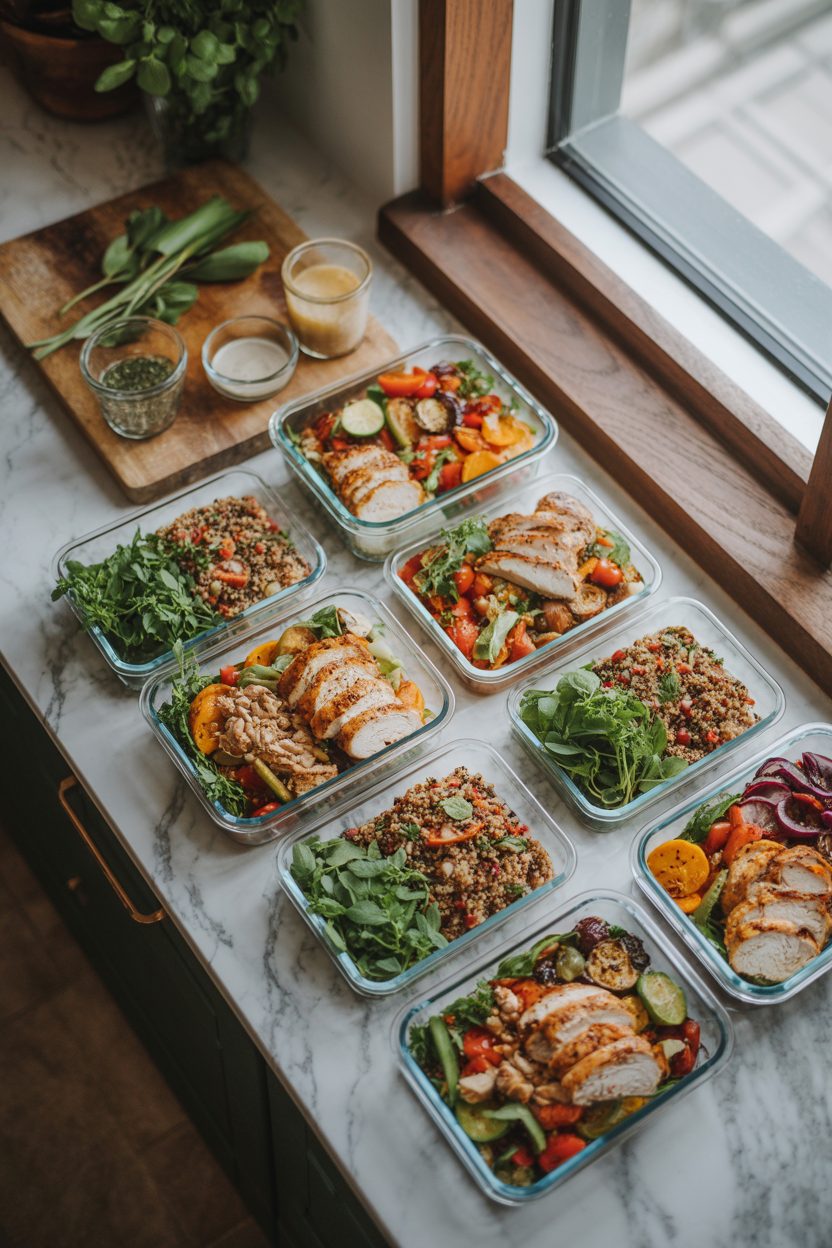
Plus, most of these salads get better after sitting for a bit, which makes them perfect for meal prep. I use these glass containers with locking lids for prepping salads—they keep everything fresh without that weird plastic smell that makes leftover salad taste like your fridge.
The Mediterranean Salad Formula
Before we jump into specific recipes, here’s the basic formula that makes these salads actually filling:
Base: Greens, grains, or a combo of both Protein: Chickpeas, white beans, lentils, feta, grilled chicken, tuna, or salmon Vegetables: Tomatoes, cucumbers, bell peppers, red onions—whatever’s fresh Healthy fats: Olive oil, olives, nuts, or avocado Flavor bombs: Fresh herbs, lemon juice, garlic, and spices
Master this formula and you can improvise Mediterranean salads with whatever you’ve got in your fridge. It’s not rocket science, just smart combinations.
The Classics That Never Disappoint
1. Greek Salad (But Like, Actually Good)
This isn’t your sad iceberg lettuce situation. Real Greek salad uses chunky tomatoes, thick cucumber slices, red onion, kalamata olives, and a hefty slab of feta. The key is using good tomatoes—like, actually ripe ones—and not skimping on the olive oil.
The authentic version doesn’t even include lettuce, which honestly makes prep way easier. Just chop everything into bite-sized pieces, dress it with olive oil, lemon juice, oregano, and you’re done. I keep this olive oil dispenser on my counter because pouring from the bottle always turns into either a drought or a flood.
2. Cucumber Tomato Feta Salad (AKA Mediterranean Chop Chop)
This is the salad I make when I’m too lazy to cook but still want to feel like a functional adult. Everything gets chopped small, so every bite has a bit of everything. The feta adds creaminess and salt, while the lemon dressing keeps it bright and fresh.
It’s also ridiculously forgiving—hate red onions? Leave them out. Love olives? Add more. The beauty of Mediterranean cooking is that it’s more about the vibe than following recipes with religious precision.
3. Mediterranean Lentil Salad
Lentils are criminally underrated in salads. They’re packed with protein and fiber, dirt cheap, and have this earthy flavor that works perfectly with bright Mediterranean ingredients. This salad combines cooked lentils with tomatoes, cucumbers, red onion, and a tangy lemon-herb vinaigrette.
The trick with lentils is not overcooking them—you want them tender but still holding their shape. Nobody wants mushy lentil paste in their salad. A good instant-read thermometer helps with cooking them perfectly, though honestly, just taste-test them after about 20 minutes.
Grain-Based Salads That Hit Different
4. Quinoa Tabbouleh with Hummus & Pita
Traditional tabbouleh uses bulgur, but quinoa works great if you want extra protein. The key to good tabbouleh is going heavy on the fresh herbs—we’re talking mostly parsley with some mint, not mostly grain with a sad sprinkling of herbs.
Chop the parsley fine, mix it with cooked quinoa, tomatoes, cucumber, lemon juice, and olive oil. Serve it with hummus and pita for scooping. This is lunch sorted for three days if you prep a big batch on Sunday.
5. Tomato Feta Farro Bowl
Farro has this chewy, nutty texture that makes it way more interesting than plain rice. This salad combines cooked farro with cherry tomatoes, cucumber, red onion, feta, and a simple lemon-oregano dressing.
It holds up really well in the fridge, so you can meal prep it without it turning into a soggy mess. The Mayo Clinic notes that whole grains like farro provide sustained energy and keep you fuller longer compared to refined grains.
6. Mediterranean Grain Bowl
This is basically a build-your-own situation with whatever grains you like—quinoa, farro, bulgur, or even brown rice. Load it up with roasted vegetables, chickpeas, feta, olives, and a tahini-lemon dressing.
The beauty of grain bowls is that you can prep components separately and mix them however you want throughout the week. Keep grains in one container, veggies in another, and dressing separate until you’re ready to eat.
7. Lemony Orzo Arugula Salad
Orzo might technically be pasta, but it works like a grain in salads. This combines cooked orzo with peppery arugula, cherry tomatoes, pine nuts, and shaved parmesan with a bright lemon dressing.
The arugula adds a nice bite that balances the creamy orzo. If you find arugula too spicy (some people do), mix it with baby spinach or just use spinach instead. No salad police are coming to arrest you.
Protein-Packed Salads
8. Tuna White Bean Salad
This salad is ridiculously simple but somehow tastes gourmet. Canned tuna, white beans, red onion, tomatoes, and parsley with olive oil and lemon juice. That’s it. The white beans add creaminess and bulk, so you’re not just eating a can of tuna like a sad college student.
Use good quality tuna packed in olive oil if you can—it makes a difference. The cheap water-packed stuff works too, but it’s not quite as flavorful. I keep a few cans of the good stuff in my pantry for exactly this purpose.
9. Greek Yogurt Chicken Salad
This uses Greek yogurt instead of mayo, which cuts calories and adds protein. Mix shredded chicken with Greek yogurt, diced cucumber, red onion, dill, lemon juice, and feta. Serve it over greens or stuff it in a pita.
The Greek yogurt keeps it creamy without being heavy. If you’re meal prepping, cook a bunch of chicken breasts at once using this meat thermometer so you know they’re done without being dry.
10. Grilled Chicken Shawarma Salad
All the flavors of shawarma without the pita—which means more room for the good stuff. Spice-rubbed grilled chicken over greens with tomatoes, cucumber, red onion, and a yogurt-tahini dressing.
The spice blend is what makes this special—cumin, coriander, paprika, garlic powder, and a bit of cayenne. Mix it up and keep it in a jar, then you’ve got instant flavor for chicken, veggies, or whatever needs some excitement.
11. Mediterranean Chickpea Bowl
Chickpeas are the MVP of Mediterranean salads. This bowl combines roasted chickpeas with cucumber, tomatoes, red onion, feta, and olives over greens with a lemon-herb dressing.
Roasting the chickpeas makes them crispy and way more interesting than just dumping canned ones straight into your salad. Toss them with olive oil and spices, roast at 400°F for about 25 minutes, and you’ve got crunchy little flavor bombs.
12. Mediterranean Tuna Stuffed Peppers
This is a salad that moonlights as stuffed peppers. Mix tuna with chopped vegetables, olives, feta, and a bit of Greek yogurt, then stuff it into bell pepper halves. It’s like eating a salad but with a built-in edible bowl.
The peppers add crunch and sweetness, plus they look way fancier than the effort required. Perfect for when you want to look like you have your life together.
Veggie-Forward Salads
13. Roasted Cauliflower Shawarma Bowl
Cauliflower gets the shawarma spice treatment, then goes over greens with chickpeas, tomatoes, cucumber, and tahini sauce. Roasting cauliflower transforms it from boring to actually crave-worthy.
Cut the cauliflower into florets, toss with olive oil and shawarma spices, roast until golden and crispy. The edges get caramelized and slightly charred, which is where all the flavor lives.
14. Grilled Veggie Halloumi Skewers Over Greens
Halloumi is that magical cheese that doesn’t melt when you grill it. Thread it onto skewers with zucchini, bell peppers, and red onion, grill until charred, then serve over greens with a lemon-herb dressing.
The salty, squeaky halloumi pairs perfectly with the smoky grilled vegetables. If you can’t find halloumi, feta works too, but you’ll miss out on the fun texture. These reusable metal skewers make grilling so much easier than dealing with wooden ones that catch fire.
15. Zucchini Noodle Pasta Salad
Zoodles tossed with cherry tomatoes, olives, red onion, feta, and a bright vinaigrette. This isn’t trying to replace pasta—it’s doing its own thing. The zucchini stays crunchy and fresh, which is actually refreshing in a salad.
A spiralizer makes quick work of turning zucchini into noodles. This compact handheld one works great without taking up much drawer space.
16. Caprese White Bean Salad
Classic caprese meets white beans for extra substance. Fresh mozzarella, tomatoes, basil, and white beans with balsamic vinegar and olive oil. Simple but somehow always hits the spot.
The white beans make this actually filling instead of just being an appetizer masquerading as a meal. Use fresh mozzarella if you can—the pre-shredded stuff doesn’t have the same creamy texture.
17. Deconstructed Greek Mezze Plate Salad
Everything you’d get on a mezze platter, but in salad form. Hummus, baba ganoush, olives, tomatoes, cucumber, feta, and pita chips over greens. It’s basically the greatest hits of Mediterranean appetizers.
You can buy the hummus and baba ganoush or make them yourself. Either way, this salad feels indulgent while still being pretty healthy. It’s the perfect lunch when you want variety without making five different dishes.
Light But Filling Options
18. Lemony Orzo Arugula Salad
This deserves a second mention because it’s that good. The lemon dressing keeps it light, but the orzo and pine nuts make it substantial. It works as a side or a main, depending on how hungry you are.
Add grilled chicken or shrimp if you want extra protein. Or don’t. It’s perfectly filling as-is with just the orzo and pine nuts providing substance.
19. Cucumber Avocado Toast with Za’atar (Deconstructed Salad)
Okay, this is technically toast, but it’s basically a salad on bread. Mashed avocado on whole grain toast topped with thinly sliced cucumber, tomatoes, red onion, and a sprinkle of za’atar.
Za’atar is a Middle Eastern spice blend that adds this addictive herby, nutty flavor. If you don’t have it, a mix of dried oregano, thyme, and sesame seeds works in a pinch.
20. Spinach Chickpea Sauté with Egg
This is a warm salad situation—sautéed spinach and chickpeas with garlic, topped with a fried or poached egg. The runny yolk acts as dressing and makes everything creamy.
It comes together in about 10 minutes, which is faster than most delivery times. The key is getting the spinach just wilted, not cooked into oblivion. A good nonstick skillet makes this way easier to manage.
21. Lentil Roasted Carrot Bowl with Tahini Sauce
Roasted carrots get sweet and caramelized, then go over lentils and greens with a creamy tahini dressing. The combination of textures—crunchy greens, tender lentils, caramelized carrots—keeps every bite interesting.
The tahini sauce is stupid simple: tahini, lemon juice, garlic, water to thin it out. Tastes way fancier than the effort required. I keep a big jar of tahini in my fridge specifically for making dressings.
How to Meal Prep Mediterranean Salads
The best part about these salads? Most of them improve after sitting for a few hours or even overnight. Here’s how to prep them without ending up with sad, soggy salads by Wednesday:
Keep wet and dry separate. Store dressing in small containers and add it right before eating. Same goes for anything crunchy like nuts or pita chips.
Layer strategically. If you’re using mason jars, put dressing at the bottom, then sturdy vegetables, then grains or proteins, then greens on top. Shake it up when you’re ready to eat.
Don’t overdress. You can always add more dressing, but you can’t undo a soggy, overdressed salad. Start with less than you think you need.
Prep components separately. Cook all your grains at once, chop all your vegetables, make a big batch of dressing. Then you can mix and match throughout the week without getting bored.
If you’re serious about meal prep, check out these Mediterranean meal prep bowls for more ideas on building filling, balanced meals.
Building Your Own Mediterranean Salad
Once you get the hang of these recipes, you can start improvising. Here’s the basic framework:
Pick your base: Mixed greens, arugula, spinach, or a grain like quinoa, farro, or bulgur
Add protein: Chickpeas, white beans, lentils, feta, grilled chicken, tuna, or hard-boiled eggs
Load up on vegetables: Tomatoes, cucumbers, bell peppers, red onion, roasted vegetables, olives
Include healthy fats: Olive oil, nuts, seeds, avocado, or extra feta
Make it interesting: Fresh herbs (parsley, mint, dill), lemon juice, garlic, spices like za’atar or sumac
The ratio that works for me is roughly 2 parts vegetables to 1 part protein to 1 part grain or greens. But honestly, just throw in what sounds good and adjust based on your hunger level.
The Dressing Makes or Breaks It
Mediterranean dressings are usually pretty simple—olive oil, lemon juice, garlic, herbs, salt, and pepper. The trick is using good quality olive oil and fresh lemon juice, not the bottled stuff.
A basic formula I use constantly: 3 parts olive oil to 1 part lemon juice, a clove of minced garlic, whatever fresh herbs I have, salt and pepper. Shake it up in a jar and you’re done. This salad dressing shaker makes mixing foolproof and stores leftovers without leaking.
For creamier dressings, add tahini or Greek yogurt. For tangier ones, add more lemon or a splash of red wine vinegar. The point is to taste as you go and adjust based on what you’re putting it on.
Make These Salads Your Lunch Routine
Look, I get it—salads can feel repetitive and boring. But that’s usually because people make the same sad Caesar salad or garden salad on repeat. Mediterranean salads have enough variety in flavors, textures, and ingredients that you can eat them all week without wanting to throw your lunch container out the window.
The other advantage? These salads travel well. Pack them for work, take them to picnics, bring them to potlucks. They don’t wilt into sadness the way delicate lettuce-based salads do.
If you want even more Mediterranean lunch ideas, check out these Mediterranean lunches to pack, prep, and enjoy all week. They include salads plus other options for when you need variety.
The Bottom Line
Mediterranean salads work because they don’t rely on the “eat like a rabbit and somehow be satisfied” approach. They load up on protein, fiber, healthy fats, and actual flavor. You finish eating and you’re actually full, not just pretending to be full while plotting your snack attack.
These 21 salads give you enough variety to eat salad for lunch every day without getting bored. Mix in a few favorites, rotate through the others, and adjust ingredients based on what you like and what’s in your fridge.
The key is making salads that you genuinely want to eat, not just salads that you think you should eat. Life’s too short for sad desk salads that leave you hungry and disappointed.
Start with the classics like Greek salad or the tuna white bean salad, then branch out to the grain bowls and protein-packed options. Once you nail a few favorites, you’ll have a rotation of satisfying, filling salads that don’t feel like diet food.
And for the days when you want something more substantial, these Mediterranean dinner ideas will keep the theme going without burning you out on salads.
Now go forth and make salads that don’t suck. Your future self will thank you.