
21-Day Mediterranean Meal Plan for a Balanced Lifestyle
Three weeks. That’s all it takes to completely reset how you think about food and feel in your own body. Not three months of suffering through bland chicken and broccoli, not some extreme cleanse that leaves you fantasizing about bagels—just 21 days of eating actual, delicious food that happens to be ridiculously good for you.
I know what you’re thinking. Another meal plan? Another promise that this time will be different? But here’s the thing about Mediterranean eating: it’s not a diet designed by some wellness guru trying to sell you supplements. It’s literally how entire populations have eaten for centuries while staying healthy, energetic, and—most importantly—actually enjoying their meals.
This 21-day plan is your complete roadmap. No guessing what’s for dinner, no panicking at 6pm when everyone’s hungry and you have no plan. Just three solid weeks of breakfasts, lunches, dinners, and snacks that’ll show you exactly what sustainable healthy eating looks like. And yeah, by day 21, you’ll probably notice your jeans fit better, your energy is more stable, and you’re not thinking about food every waking second. That’s just what happens when you stop fighting your body and start feeding it properly.

Why 21 Days Actually Matters
You’ve probably heard that it takes 21 days to form a habit. That’s not entirely accurate—behavioral psychology suggests it’s more like 66 days—but three weeks is enough time to experience real change without feeling like you’ve committed to some life sentence of restriction.
Here’s what actually happens in 21 days: your taste buds start adjusting to real food flavors, your body stops craving processed sugar as intensely, your digestive system finds its rhythm, and you start connecting how you eat with how you feel. By the end of three weeks, Mediterranean eating stops feeling like “a diet you’re doing” and starts feeling like just… how you eat now.
What makes Mediterranean eating work long-term:
- Built on abundance, not restriction—you’re adding good stuff, not eliminating everything you love
- Based on whole foods that actually fill you up instead of leaving you hungry an hour later
- Flexible enough to adapt to your real life, not some Instagram fantasy version
- Supported by decades of research showing benefits for everything from heart health to cognitive function
- The food genuinely tastes good, which is honestly the most important factor for sticking with anything
Research from places like Harvard T.H. Chan School of Public Health consistently shows that Mediterranean dietary patterns improve cardiovascular health, reduce inflammation, support healthy weight management, and may even protect cognitive function as you age. This isn’t some trendy eating plan—it’s an evidence-based approach that’s stood the test of time.
The beauty is in the simplicity. Vegetables form the foundation, olive oil provides healthy fats, whole grains give you sustained energy, fish and legumes deliver protein, and dairy shows up in moderation. Red meat is occasional, not constant. Processed junk gets naturally crowded out by actual food. That’s literally the entire framework.
Setting Up for Success
Before you start cooking, let’s talk logistics. Having the right ingredients and tools on hand makes this infinitely easier. You don’t need to drop $300 at the grocery store, but strategic shopping makes the difference between “this is doable” and “why is cooking so hard?”
Stock your pantry with these basics:
- Extra virgin olive oil (get quality stuff in a dark glass bottle—this is your main cooking fat now)
- Whole grains: quinoa, farro, brown rice, bulgur, whole wheat pasta
- Canned essentials: chickpeas, white beans, cannellini beans, diced tomatoes, tuna in olive oil
- Spices and dried herbs: oregano, basil, cumin, paprika, cinnamon, red pepper flakes, za’atar
- Nuts and seeds: almonds, walnuts, pine nuts, sesame seeds, chia seeds
- Tahini (for hummus, dressings, and drizzling on basically everything)
- Raw honey for natural sweetness
- Greek yogurt (full-fat keeps you fuller)
- Fresh garlic, onions, and lemons (buy more lemons than you think you need)
For equipment, you don’t need fancy gadgets, but a few key items make life easier. A decent chef’s knife that actually cuts instead of smashing things, some quality glass meal prep containers that don’t leak or stain, and maybe a good nonstick skillet if your current one has seen better days.
Fresh ingredients you’ll shop for weekly include vegetables (tomatoes, cucumbers, bell peppers, zucchini, eggplant, leafy greens), fruits (berries, citrus, apples, whatever’s in season), fresh herbs (parsley, basil, mint, dill), fish and seafood, and occasionally chicken or eggs.
The Complete 21-Day Plan
Alright, let’s break down exactly what you’re eating for the next three weeks. I’ve structured this so there’s enough variety to keep things interesting but enough repetition that you’re not learning 63 new recipes. Because honestly, who has that kind of time?
Week 1: Foundation Building
Day 1
Breakfast: Greek Yogurt Bowl with Berries & Honey
Start simple. Full-fat Greek yogurt (the good stuff with 15-20g protein per serving) topped with fresh berries, a drizzle of raw honey, and chopped walnuts. This combination gives you protein, healthy fats, and natural sugars that won’t spike your blood sugar and crash you by 10am.
Lunch: Greek Salad But Like Actually Good
Crisp romaine, ripe tomatoes, cucumber, red onion, Kalamata olives, and crumbled feta dressed simply with olive oil and lemon juice. Add chickpeas if you want more protein and staying power. The salty-tangy combination hits every flavor note without feeling like “diet food.”
Dinner: Lemon Herb Chicken with Roasted Potatoes
Marinate chicken breasts in lemon juice, olive oil, minced garlic, and dried oregano for at least 30 minutes. Roast alongside baby potatoes tossed in olive oil and fresh rosemary. Everything cooks on one pan, which means you’re eating real food without spending your evening doing dishes.
Snack: Hummus with sliced bell peppers and cucumber
Day 2
Breakfast: Oatmeal with Dried Figs, Walnuts & Cinnamon
Cook rolled oats with cinnamon until creamy, then top with chopped dried figs and walnuts. The figs provide natural sweetness plus magnesium and fiber, while walnuts bring omega-3 fatty acids. The soluble fiber in oats helps lower cholesterol and keeps you full until lunch without snacking.
Lunch: Avocado Toast Mediterranean Style
Whole grain toast topped with mashed avocado, sliced tomatoes, crumbled feta, and a sprinkle of za’atar or everything bagel seasoning. The healthy monounsaturated fats from avocado paired with complex carbs create sustained energy that doesn’t leave you face-down in the pantry at 3pm.
Dinner: Grilled Salmon with Tomato Caper Relish
Season salmon with salt, pepper, and lemon, then grill or bake for about 12-15 minutes. Top with a quick relish made from diced tomatoes, capers, fresh parsley, and olive oil. The omega-3 fatty acids in salmon support brain function and heart health—it’s legitimately one of the most nutrient-dense proteins available.
Snack: A small handful of almonds and an orange
Day 3
Breakfast: Savory Mediterranean Scramble
Scramble eggs with diced tomatoes, fresh spinach, and crumbled feta. Cook in olive oil and season with oregano and black pepper. If you’re tired of sweet breakfast options, this savory version feels more substantial and keeps you satisfied longer.
Lunch: Tuna & White Bean Salad
Mix quality canned tuna with white beans, halved cherry tomatoes, thinly sliced red onion, fresh parsley, lemon juice, and olive oil. The combination of protein from tuna and beans plus fiber from the beans creates a lunch that actually keeps you full. Serve over mixed greens or stuff in a whole wheat pita.
Dinner: Whole Wheat Spaghetti with Cherry Tomatoes & Basil
Cook whole wheat pasta according to package directions. Meanwhile, sauté halved cherry tomatoes in olive oil with minced garlic until they burst and create their own sauce. Toss with pasta, torn fresh basil, and freshly grated Parmesan. The whole wheat pasta has more fiber and nutrients than refined pasta, so normal portions actually satisfy you.
Snack: Greek yogurt with a drizzle of honey and chopped walnuts
Day 4
Breakfast: Mediterranean Smoothie Bowl
Blend frozen banana, spinach, Greek yogurt, and almond milk until thick and creamy. Pour into a bowl and top with sliced fruit, granola, and chia seeds. The frozen banana creates an ice cream-like texture without added sugar, and spinach sneaks in nutrients you genuinely can’t taste.
Lunch: Cucumber Hummus Sandwich
Spread hummus generously on whole grain bread, layer with cucumber slices, tomatoes, mixed greens, and sprinkle with za’atar. The crunch from cucumbers makes this way more interesting than sad desk sandwiches, and hummus provides both protein and healthy fats that keep you going.
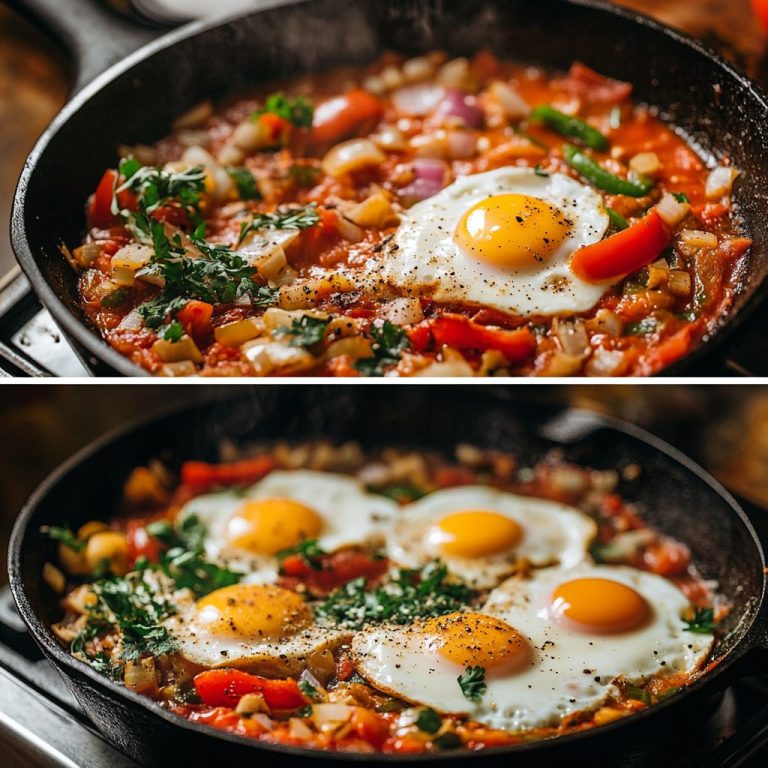
Dinner: Shakshuka Eggs in Spicy Tomato Sauce
Simmer diced tomatoes, bell peppers, onions, cumin, paprika, and a pinch of cayenne in a skillet. Make wells in the sauce and crack eggs directly into them. Cover and cook until eggs are set to your liking. Serve with crusty whole grain bread for soaking up that incredible sauce.
Snack: Sliced apple with almond butter
Day 5
Breakfast: Greek Yogurt Parfait
Layer Greek yogurt with a reasonable amount of granola and fresh berries. The probiotics in yogurt support gut health, which influences everything from digestion to immune function to mood. Keep the granola separate if you’re meal prepping so it stays crunchy.
Lunch: Mediterranean Grain Bowl
Build a bowl with quinoa or farro as the base, then pile on roasted vegetables (zucchini, bell peppers, eggplant), chickpeas, crumbled feta, and a tahini drizzle. This is basically “clean out the fridge” food that somehow always tastes intentional.
Dinner: Baked Salmon with Herbed Quinoa
Season salmon with fresh dill, minced garlic, and lemon, then bake at 400°F for about 15 minutes. Serve over quinoa tossed with fresh herbs (parsley, dill, mint), olive oil, and lemon juice. Add sautéed spinach or a simple cucumber tomato salad on the side.
Snack: Hummus & Veggie Sticks
Day 6
Breakfast: Whole Grain Toast with Nut Butter & Sliced Fruit
Toast quality whole grain bread, spread with almond or peanut butter, top with sliced banana or strawberries. Sprinkle with chia seeds if you’re feeling extra. This combo delivers complex carbs, protein, healthy fats, and natural sugars for energy that lasts.
When choosing between peanut butter and almond butter, both work—almond butter has slightly more fiber and vitamin E, while peanut butter packs more protein. Pick whichever one doesn’t make you sad to eat.
Lunch: Lentil Spinach Soup
Make a big batch of this soup—it gets better as it sits. Cook lentils with vegetable broth, sautéed onions, garlic, cumin, and fresh spinach. Finish with a squeeze of lemon. Lentils provide plant-based protein and tons of fiber, plus they’re cheap, which makes this a budget-friendly option.
Dinner: Lemon Garlic Grilled Chicken with Couscous
Marinate chicken in lemon juice, minced garlic, and olive oil, then grill until cooked through. Serve over whole wheat couscous with grilled or roasted vegetables. Couscous cooks in about 5 minutes, making this perfect for weeknights when your patience is wearing thin.
Snack: Mixed olives and cherry tomatoes
Day 7
Breakfast: Oatmeal with Fresh Berries & Flaxseed
Cook oats with cinnamon, top with fresh berries and ground flaxseed. Flaxseed adds omega-3s and fiber without changing the taste. Grinding flaxseed fresh in a small spice grinder takes 10 seconds and costs way less than buying it pre-ground.
Lunch: Quinoa Tabbouleh with Hummus & Pita
Traditional tabbouleh uses bulgur, but quinoa works great and adds complete protein. Mix cooked quinoa with loads of fresh parsley, mint, diced tomatoes, cucumber, lemon juice, and olive oil. Serve with hummus and warm whole wheat pita for scooping.
Dinner: Stuffed Bell Peppers with Quinoa & Veggies
Halve bell peppers lengthwise and fill with a mixture of cooked quinoa, diced tomatoes, onions, zucchini, and whatever vegetables need to be used up. Top with crumbled feta and bake until peppers are tender. The peppers become sweet and slightly charred, contrasting perfectly with the savory filling.
Snack: Greek yogurt with cinnamon and a drizzle of honey
Week 2: Building Momentum
Day 8
Breakfast: Chia Pudding with Almond Milk & Fresh Fruit
Mix chia seeds with almond milk and a touch of honey the night before. In the morning, top with fresh fruit and chopped nuts. Chia seeds pack omega-3s, fiber, and protein into tiny packages. The texture is admittedly weird at first, but it grows on you fast.
Lunch: Mediterranean Chickpea Wraps
Mash chickpeas with tahini, lemon juice, cumin, and paprika. Spread on whole wheat wraps with lettuce, tomatoes, cucumbers, and red onion. Roll tightly and you’ve got portable lunch that doesn’t need refrigeration for a few hours—perfect for work or school.
Dinner: Shrimp Sautéed in Garlic & Olive Oil with Couscous
Sauté shrimp in olive oil with loads of garlic, red pepper flakes, and lemon zest. Serve over whole wheat couscous with sautéed spinach on the side. Shrimp cooks in literally 3-4 minutes, making this ideal for nights when cooking feels like too much effort.
Snack: A handful of raw almonds
Day 9
Breakfast: Savory Mediterranean Scramble
Back to the scramble because it’s reliable and delicious. Eggs with tomatoes, spinach, and feta never gets old, especially when you’re not in the mood for sweet breakfast foods.
Lunch: Grilled Veggie Platter with Hummus
Grill or roast zucchini, eggplant, bell peppers, and red onion until charred and tender. Serve with hummus and warm whole wheat pita. High-heat cooking caramelizes the natural sugars in vegetables, transforming them from boring to crave-worthy.
Dinner: One Pot Mediterranean Pasta
Cook whole wheat pasta with cherry tomatoes, garlic, spinach, olives, and feta all in one pot. The pasta water creates its own sauce as everything cooks together, and you only have one dish to clean. This is the kind of recipe that makes you question why anyone cooks pasta separately.
Snack: Sliced cucumber with tzatziki
Day 10
Breakfast: Greek Yogurt Bowl with Berries & Honey
Sometimes simple is exactly what you need. Greek yogurt, fresh berries, honey, and nuts. No overthinking required.
Lunch: Falafel Wrap with Tzatziki
Use store-bought falafel if making them from scratch feels overwhelming—shortcuts aren’t cheating. Stuff falafel in whole wheat wraps with lettuce, tomatoes, cucumbers, and tzatziki. Falafel provides plant-based protein from chickpeas, and tzatziki adds cooling creaminess.
Dinner: Mediterranean Tuna Stuffed Peppers
Mix canned tuna with cooked quinoa, diced tomatoes, chopped olives, and fresh herbs. Stuff into bell pepper halves and bake until peppers are tender. This uses mostly pantry staples but looks fancy enough for company.
Snack: Fresh fruit with a small handful of walnuts
Day 11
Breakfast: Quinoa Breakfast Bowl with Apples & Walnuts
Cook quinoa, then top with diced apples, walnuts, a drizzle of honey, and cinnamon. Quinoa for breakfast might sound weird, but think of it as a warm grain bowl—like oatmeal’s more protein-rich cousin.
Lunch: Lentil Soup with Crusty Bread
Reheat lentil soup from Day 6 (see how batch cooking pays off?) and serve with crusty whole grain bread for dipping. Lentils are nutritional powerhouses—high in protein, fiber, iron, and folate, plus they cost almost nothing.
Dinner: Grilled Eggplant with Yogurt Sauce
Slice eggplant lengthwise, brush with olive oil, and grill until tender and beautifully charred. Top with sauce made from Greek yogurt, minced garlic, lemon juice, and fresh herbs. Serve with farro or bulgur. Properly grilled eggplant becomes creamy and almost meat-like in texture.
Snack: Mediterranean Avocado Toast Bites
Day 12
Breakfast: Berry Green Smoothie
Blend frozen berries, spinach, banana, Greek yogurt, and almond milk until smooth. The berries completely mask any green flavor, so you get nutrients without tasting like you’re drinking salad. Add protein powder if you want extra staying power through the morning.
Lunch: Caprese White Bean Salad
Combine white beans, halved cherry tomatoes, fresh mozzarella pearls, torn basil, olive oil, and balsamic vinegar. This is essentially Caprese salad that won’t leave you ravenous an hour later because the beans add substantial protein and fiber.
Dinner: Baked Cod with Tomato Olive Tapenade
Season cod fillets with salt, pepper, and lemon juice, then bake until flaky. Top with quick tapenade made from diced tomatoes, chopped Kalamata olives, capers, and fresh parsley. Serve with roasted vegetables or a simple green salad. Cod is mild and cooks quickly—perfect for fish skeptics.
Snack: Kalamata olives and a small piece of aged cheese
Day 13
Breakfast: Oatmeal with Dried Figs, Walnuts & Cinnamon
Oatmeal returns because it’s reliable, filling, and you can make it while still half-asleep. Top with dried figs for natural sweetness, walnuts for healthy fats, and cinnamon for flavor and blood sugar regulation.
Lunch: Roasted Veggie Pita Pockets
Stuff whole wheat pita with roasted vegetables, hummus, and feta. The combination of warm roasted veggies with cool creamy hummus is genuinely better than it sounds. Pack these for lunch and they actually taste better after sitting as flavors meld.
Dinner: Lemon Oregano Grilled Chicken
Marinate chicken thighs in lemon juice, olive oil, garlic, and dried oregano, then grill until charred and cooked through. Serve with roasted potatoes and a simple green salad. Chicken thighs stay juicier than breasts and have more flavor—they’re also more forgiving if you slightly overcook them.
Snack: Sliced apple with tahini drizzle
Day 14
Breakfast: Greek Yogurt Parfait
Layer Greek yogurt with berries and granola. Two weeks in, this should feel less like “diet food” and more like something you genuinely choose to eat because it tastes good and makes you feel energized.
Lunch: Mediterranean Grain Bowl
Build another grain bowl with whatever vegetables, proteins, and grains you have available. This is your opportunity to use up odds and ends from the fridge before your next grocery run.
Dinner: Mediterranean Shakshuka
Another shakshuka variation because it’s that good and versatile. Simmer tomatoes with bell peppers, onions, and spices, crack in eggs, and cook until set. Serve with crusty bread. Simple, satisfying, and done in about 30 minutes.
Snack: Cucumber Hummus Sandwich Bites
Week 3: Mastering the Lifestyle
Day 15
Breakfast: Smoked Salmon Avocado Toast
Toast whole grain bread, spread with mashed avocado, top with smoked salmon, thinly sliced red onion, capers, and fresh dill. This feels fancy enough for weekend brunch but takes maybe five minutes to assemble.
Lunch: Mediterranean Chickpea Bowl
Combine chickpeas, cucumber, tomatoes, red onion, Kalamata olives, feta, and a lemon-olive oil dressing. Serve over mixed greens or quinoa. The chickpeas provide plant-based protein and fiber that keep you satisfied without feeling heavy.
Dinner: Grilled Chicken Shawarma Salad
Marinate chicken in yogurt, lemon juice, garlic, and shawarma spices (cumin, paprika, turmeric, coriander). Grill and slice over a big salad with cucumbers, tomatoes, red onion, and tahini dressing. The yogurt marinade makes chicken incredibly tender while spices add layers of flavor.
Snack: Greek yogurt with honey and chopped pistachios
Day 16
Breakfast: Mediterranean Smoothie Bowl
Blend frozen banana, spinach, Greek yogurt, and almond milk until thick. Top with fresh fruit, granola, and seeds. The thick consistency makes it feel more like a meal than just drinking a smoothie.
Lunch: Lentil Roasted Carrot Bowl with Tahini Sauce
Combine cooked lentils with roasted carrots, mixed greens, and a creamy tahini sauce. The combination of earthy lentils, sweet roasted carrots, and nutty tahini creates flavor complexity that belies how simple this actually is to make.
Dinner: Shrimp Saganaki Spicy Tomato Feta
Simmer shrimp in spicy tomato sauce with crumbled feta on top. The feta melts slightly into the sauce, creating this creamy, tangy, spicy combination that’s ridiculously good. Serve with crusty bread for soaking up every drop of sauce.
Snack: Mixed nuts and dried fruit
Day 17
Breakfast: Spinach Feta Egg Muffins
These are perfect for meal prep. Whisk eggs with spinach and feta, pour into a muffin tin, and bake. Make a batch on Sunday and grab them throughout the week for quick breakfasts.
Lunch: Deconstructed Greek Mezze Plate
Arrange hummus, tzatziki, olives, cherry tomatoes, cucumber slices, feta, and whole wheat pita on a plate. Sometimes the best lunch is just assembling good ingredients rather than actually cooking anything.
Dinner: Grilled Turkey Kofta Couscous Cucumber Yogurt Sauce
Mix ground turkey with spices, form into oval patties, and grill. Serve over couscous with cucumber yogurt sauce. Kofta are essentially seasoned meatballs or patties—simple but packed with flavor from cumin, coriander, and fresh herbs.
Snack: Sliced bell peppers with whipped feta dip
Day 18
Breakfast: Whole Grain Banana Pancakes
Mash ripe banana into whole grain pancake batter for natural sweetness and extra moisture. Top with a small amount of maple syrup and fresh berries. Weekend breakfast that doesn’t derail your progress.
Lunch: Greek Yogurt Chicken Salad
Mix shredded chicken with Greek yogurt instead of mayo, add diced celery, grapes, walnuts, and fresh dill. The Greek yogurt provides protein and probiotics while keeping things creamy. Serve in a whole wheat wrap or over mixed greens.
Dinner: Chicken Zucchini Skillet with Herbs
Sauté chicken and zucchini in one skillet with olive oil, garlic, and fresh herbs. Everything cooks together in about 20 minutes, and cleanup is minimal. Serve over quinoa or farro.
Snack: Fresh figs with a small piece of aged cheese
Day 19
Breakfast: Oatmeal with Fresh Berries & Flaxseed
Cook oats with cinnamon, top with fresh berries and ground flaxseed. By day 19, oatmeal should feel less like obligation and more like a warm, comforting way to start your morning.
Lunch: Tomato Feta Farro Bowl
Combine cooked farro with cherry tomatoes, crumbled feta, cucumber, red onion, Kalamata olives, and a lemon-olive oil dressing. Farro has a wonderful chewy texture and nutty flavor that makes grain bowls more interesting than quinoa every single time.
Dinner: Baked Salmon with Dill Garlic
Season salmon with fresh dill, minced garlic, lemon juice, and olive oil. Bake until flaky and serve with roasted asparagus and quinoa. Simple preparation lets the quality of the fish shine through.
Snack: Apple slices with almond butter
Day 20
Breakfast: Greek Yogurt Bowl with Berries & Honey
The same breakfast from Day 1, except now it feels completely natural instead of like “something you’re supposed to eat.” That’s progress.
Lunch: Chickpea Tuna Salad Wrap
Mash chickpeas with tuna, lemon juice, olive oil, diced celery, and fresh herbs. Wrap in whole wheat tortillas with lettuce and tomatoes. The chickpeas extend the tuna while adding fiber and making this more filling than regular tuna salad.
Dinner: Mediterranean Flatbread
Top whole wheat flatbread with hummus, roasted vegetables, feta, and balsamic glaze. Bake until warm and crispy. It’s essentially Mediterranean pizza, and it’s a perfect almost-done celebration meal.
Snack: Mini Falafel Wraps with Tzatziki
Day 21
Breakfast: Greek Yogurt Parfait
End where you began—Greek yogurt layered with berries and granola. Except now you’ve got 21 days of experience showing you that eating well doesn’t have to be complicated or miserable.
Lunch: Mediterranean Grain Bowl
Build one final grain bowl with your favorite combinations from the past three weeks. This is your chance to celebrate what you’ve learned about what works for your body and taste preferences.
Dinner: Lemon Herb Chicken with Roasted Potatoes
Circle back to one of the first dinners. Same recipe, but you’re probably making it faster and with more confidence than you did on Day 1. That’s skill building in action.
Snack: Whatever you genuinely want—you’ve earned some flexibility
What Happens After Day 21
You made it. Three full weeks of Mediterranean eating. So now what? The goal isn’t to follow this exact plan forever—it’s to give you a framework for understanding what sustainable healthy eating actually looks like.
Keys to maintaining this long-term:
Repeat what worked, modify what didn’t. If you loved the grain bowls but hated shakshuka, lean into that. There’s no rule saying you have to eat every Mediterranean dish ever created. Find your favorites and rotate those.
Keep batch cooking staples. Make big batches of grains, roast sheet pans of vegetables, prep proteins on Sunday. Having components ready transforms “I don’t know what to eat” into “I’ll throw together a bowl” in about five minutes.
Maintain a well-stocked pantry. When you always have olive oil, canned tomatoes, chickpeas, pasta, quinoa, and spices, you can create something decent even when the fridge looks sad and you haven’t grocery shopped in a week.
Don’t chase perfection. If you want regular pasta instead of whole wheat one night, get the regular pasta. If you need takeout on Friday, get the takeout. The goal is eating well most of the time, not achieving nutritional perfection at every single meal for the rest of your life.
Find your strategic shortcuts. Pre-chopped vegetables, rotisserie chicken, store-bought hummus, frozen fish fillets—these aren’t cheating. They’re smart choices that make healthy eating sustainable when life gets busy and overwhelming.
If you want more variety, explore these 25 Mediterranean dinner ideas for busy weeknights or check out this 30-day Mediterranean diet challenge to keep the momentum going.
The Bigger Lifestyle Picture
What makes Mediterranean eating work long-term isn’t just the food—it’s the entire approach to eating. IMO, this is what separates sustainable healthy eating from crash diets that leave you miserable and eventually face-first in a pizza.
Research consistently shows Mediterranean dietary patterns support heart health, reduce inflammation, improve blood sugar control, and may even protect cognitive function as you age. But more importantly for daily life, it makes you feel better. More energy, better digestion, fewer afternoon energy crashes, stable moods, and none of that heavy bloated feeling that comes from processed junk.
The beauty is that Mediterranean eating emphasizes abundance, not restriction. You’re not white-knuckling your way through meals you hate because they’re “good for you.” You’re eating food that genuinely tastes good while nourishing your body with nutrients it actually needs.
The high fiber content from vegetables, whole grains, and legumes keeps your digestive system running smoothly and helps you feel satisfied after meals. The healthy fats from olive oil, nuts, and fish support brain function and hormone production. The lean proteins provide amino acids for muscle maintenance and repair. Everything works together synergistically rather than fighting against your body’s natural processes.
Your Next Steps
Take what you learned these past 21 days and run with it. Keep the meals you loved, tweak the ones that were almost there, and add your own favorites that fit the general principles. Make this yours. That’s how eating well becomes something you do naturally instead of something you constantly have to think about and force yourself to do.
Remember—progress over perfection. You’re building habits that’ll serve you for years, not trying to win some short-term diet contest. Be patient with yourself, celebrate small wins, and keep showing up. That’s what actually matters.
And if you slip up or take a break? That’s fine. You’re not starting over from zero—you’ve got 21 days of experience showing you exactly what works. You can always come back to this framework whenever you need it. That’s the beauty of an approach based on real food and flexibility rather than rigid rules and restriction.
The Mediterranean lifestyle is about enjoying food, sharing meals with people you care about, moving your body regularly, and not stressing over every single bite. It’s sustainable because it’s actually enjoyable. And that’s why it works when so many other approaches fail.
Now go eat something delicious that makes you feel good. You’ve got this.