
7-Day High-Protein Mediterranean Meal Prep Plan
Most meal prep plans assume you’ve got unlimited time on Sunday and the patience of a monk. Reality check: you probably have about two hours max before you’d rather do literally anything else, and by Wednesday you’re sick of eating the same thing.
This 7-day plan fixes both problems. You’ll prep strategically—not everything at once—and rotate through enough variety that Thursday’s lunch doesn’t make you want to order takeout out of sheer boredom. Every meal hits at least 25 grams of protein, which actually matters if you’re trying to stay full, build muscle, or just not crash by 3 PM every day.
These are the basics that make healthy cooking fast and actually enjoyable: less mess, less time, and meals your whole family will happily eat.
- glass meal prep containersCheck today’s price →
- insulated lunch bagCheck today’s price →
- digital food scaleCheck today’s price →
- sheet panCheck today’s price →
Amazon prices and deals change often, so it’s worth checking today’s price.
I’ve tested this exact plan three times now, tweaking it each round based on what worked and what didn’t. The current version is dialed in—practical prep times, realistic portions, and food that legitimately tastes good on day five. No fancy equipment required, no obscure ingredients, just straightforward Mediterranean cooking that happens to support your protein goals.

The Strategy Behind This Plan
Most people approach meal prep like they’re preparing for the apocalypse—cooking everything on Sunday and hoping it survives the week. That’s why meal prep fails. Food gets soggy, you get bored, and by Thursday you’re ordering pizza.
This plan uses two prep sessions: a longer one on Sunday (about 90 minutes) and a quick refresh on Wednesday (30-40 minutes). You’re never eating the same meal more than three times, and everything stores properly because you’re not trying to make salmon last seven days.
The protein sources rotate between chicken, fish, eggs, Greek yogurt, and legumes. This variety keeps your taste buds interested and ensures you’re getting different amino acid profiles throughout the week. IMO, that’s more important than people realize—your body uses protein better when you’re not eating identical sources every single day.
Each day includes three meals that total approximately 100-120 grams of protein. That’s enough for most people trying to build muscle or maintain it while losing fat. If you need more or less, the beauty of this plan is you can easily scale portions up or down.
What You’ll Need Before Starting
Containers matter more than most people think. I wasted money on cheap plastic containers that warped in the microwave and leaked in my bag before figuring this out. These glass meal prep containers with the snap lids solved every storage problem I had—they stack nicely, microwave evenly, and don’t turn orange from tomato sauce.
You’ll need different sizes: larger ones for dinner portions, medium for lunches, and small containers for dressings and sauces. Keeping sauces separate until you eat prevents soggy salads and keeps flavors fresh.
A decent kitchen scale helps if you’re serious about hitting protein targets. Eyeballing portions works until you realize your “6-ounce” chicken breast is actually 4 ounces and you’re wondering why you’re always hungry.
Get these heavy-duty sheet pans—the thin ones warp in the oven and cook unevenly, which is annoying when you’re roasting vegetables and chicken at the same time. Two or three quality pans let you prep multiple components simultaneously without juggling oven racks like a circus act.
A sharp chef’s knife makes prep infinitely less miserable. You don’t need anything fancy, but a dull knife turns chopping vegetables into an exercise in frustration and finger danger.
Sunday Prep Session: The Foundation
Set aside 90 minutes on Sunday afternoon. Put on some music, maybe pour yourself something to drink, and knock out the bulk of your week’s cooking.
Proteins to Cook
Grill or bake 2 pounds of chicken breast or thighs. Season half with lemon, garlic, and oregano for Greek-style meals. Season the other half with cumin, paprika, and turmeric for shawarma bowls. This gives you variety without doubling your work.
Use this instant-read thermometer to hit 165°F perfectly—no more dry, overcooked chicken or undercooked pink centers. Thighs stay moister if you’re worried about dryness during reheating.
Hard-boil a dozen eggs. These are your emergency protein when you need something quick. Store them unpeeled in the fridge—they last longer that way and take literally 10 seconds to peel when you need them.
Bake 1-1.5 pounds of salmon. Season with dill, garlic, lemon, olive oil, salt, and pepper. Slightly undercook it since you might reheat portions later. Salmon at 140°F is better than 145°F for meal prep purposes.
Grains and Legumes
Cook 3 cups of dried quinoa (which yields about 9 cups cooked). This becomes the base for multiple meals throughout the week. Quinoa provides complete protein plus fiber, making it more nutritious than rice or pasta.
Cook 2 cups of dried chickpeas or use three cans if you’re not trying to be a hero. Roast half with olive oil, cumin, and paprika until crispy. Leave the other half plain for salads and bowls.
Vegetables
Roast a big batch of vegetables: bell peppers, zucchini, red onion, and cherry tomatoes. Toss with olive oil, salt, and pepper. Roast at 425°F for about 25 minutes. These become sides, salad toppings, or bowl additions.
Chop fresh vegetables for salads: cucumber, tomatoes, red onion, lettuce. Store them separately in containers so they stay crisp all week.
Sauces and Dressings
Make tzatziki: Grate cucumber and squeeze out excess moisture (this is important or your tzatziki will be watery). Mix with Greek yogurt, minced garlic, dill, lemon juice, salt, and pepper. This lasts all week and adds protein to meals.
Mix a simple lemon vinaigrette: Olive oil, lemon juice, minced garlic, oregano, salt, and pepper. I use these small squeeze bottles for dressings—way easier than spooning dressing out of a jar while trying not to make a mess.
Day-by-Day Meal Breakdown
Day 1 (Monday)
Breakfast: Greek Yogurt Parfait Layer 1 cup Greek yogurt with berries, granola, and chopped walnuts. The yogurt alone provides 20 grams of protein before you add anything else. Get the full recipe.
Keep the granola separate until you eat or it gets soggy. I learned this the hard way after ruining five perfectly good parfaits.
Lunch: Grilled Chicken Shawarma Bowl Slice your pre-cooked shawarma-spiced chicken over mixed greens, cucumber, tomatoes, red onion, roasted vegetables, and a drizzle of tahini dressing. Add some of your cooked quinoa for extra substance. About 35 grams of protein per bowl. Recipe details.
Dinner: Baked Salmon with Herbed Quinoa Your pre-cooked salmon reheats gently in the microwave at 50% power for 60-90 seconds. Serve it over quinoa that you’ve tossed with fresh herbs (parsley, dill, mint), lemon juice, and olive oil. Add roasted vegetables on the side. Approximately 35 grams of protein. Get the recipe.
Day 2 (Tuesday)
Breakfast: Spinach and Feta Egg Muffins Reheat 2-3 egg muffins you prepped on Sunday. Serve with a side of cherry tomatoes or a small salad. Each muffin has about 8 grams of protein, so three muffins gets you to 24 grams. Full recipe.
Lunch: Mediterranean Grain Bowl Quinoa base, crispy roasted chickpeas, roasted vegetables, cucumber, tomatoes, red onion, olives, crumbled feta, and a drizzle of lemon vinaigrette. Everything’s already prepped, so you’re just assembling. Around 28 grams of protein. Recipe here.
Dinner: Lemon Herb Chicken with Roasted Vegetables Your pre-cooked Greek-seasoned chicken reheats with your roasted vegetables. Add a side of quinoa or skip it if you’re keeping carbs lower. About 40 grams of protein from the chicken. Get the recipe.
Day 3 (Wednesday)
Breakfast: Mediterranean Scramble Scramble 3 eggs with spinach, tomatoes, and crumbled feta. This one’s better made fresh each morning, but it only takes 8-10 minutes. The eggs and feta combine for about 25 grams of protein. Full recipe.
Lunch: Tuna and White Bean Salad Mix canned tuna with white beans, cherry tomatoes, red onion, parsley, and lemon vinaigrette. Serve over mixed greens or with whole wheat pita. Approximately 30 grams of protein. Recipe details.
Dinner: Greek Chicken Bowls Sliced lemon-herb chicken over quinoa with cucumber, tomatoes, olives, feta, and tzatziki. Use up more of your Sunday prep components. Around 38 grams of protein per bowl.
Wednesday Evening: Quick Prep Refresh
Spend 30-40 minutes Wednesday evening prepping for the rest of the week. This keeps food fresher and gives you variety.
Cook 1.5 pounds of ground turkey with Mediterranean spices (cumin, coriander, paprika, garlic). This becomes the base for stuffed peppers and wraps.
Bake 4-6 bell pepper halves at 400°F until slightly softened, about 15 minutes. You’ll stuff these Thursday.
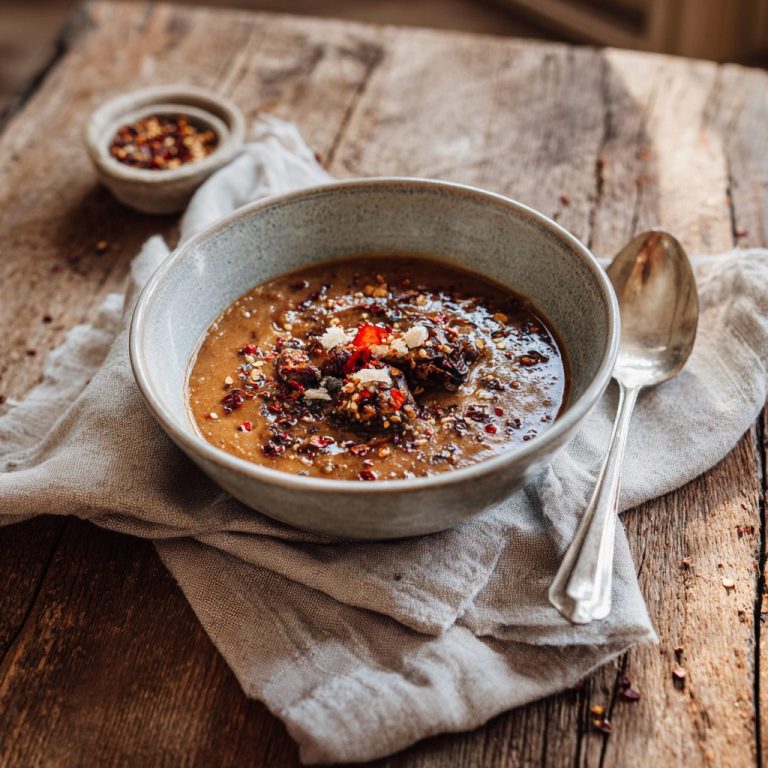
Make a batch of lentil soup. Sauté onion, carrots, and celery. Add lentils, diced tomatoes, vegetable broth, cumin, and coriander. Simmer 30 minutes. This soup is perfect for lunches and actually tastes better the next day. Get the recipe.
Prep more fresh vegetables if you’re running low: cucumber, tomatoes, lettuce, whatever you’ve eaten through.
Day 4 (Thursday)
Breakfast: Overnight Oats with Greek Yogurt Mix rolled oats with Greek yogurt, chia seeds, almond milk, and top with berries and nuts. Prep this Wednesday night and grab it Thursday morning. About 25 grams of protein when you use a half cup of Greek yogurt in the mix.
Lunch: Lentil and Spinach Soup Reheat a portion of your Wednesday soup. Pair it with a hard-boiled egg or two for extra protein. The soup itself has about 18 grams of protein per serving, and two eggs add another 12 grams. Recipe here.
Dinner: Stuffed Bell Peppers with Turkey and Quinoa Fill your pre-baked pepper halves with a mixture of cooked ground turkey, quinoa, diced tomatoes, spinach, and feta. Bake at 375°F for 15-20 minutes until heated through. Each stuffed pepper half has roughly 25 grams of protein. Full recipe.
Day 5 (Friday)
Breakfast: Greek Yogurt Bowl with Berries and Honey Back to yogurt because it’s fast, delicious, and protein-packed. One cup of Greek yogurt, fresh berries, honey drizzle, and chopped walnuts. 20 grams of protein from the yogurt alone. Get the recipe.
Lunch: Mediterranean Chickpea Wraps Whole wheat wrap filled with your roasted chickpeas, chopped vegetables, feta, and tzatziki. These are portable and eat well cold. About 24 grams of protein per wrap. Recipe details.
Dinner: Ground Turkey Bowls Your cooked ground turkey over quinoa or cauliflower rice with roasted vegetables, cucumber, tomatoes, olives, feta, and tzatziki. Approximately 35 grams of protein.
Day 6 (Saturday)
Breakfast: Egg and Vegetable Scramble Cook this one fresh—3 eggs scrambled with leftover roasted vegetables and feta. Takes 10 minutes and uses up odds and ends from your fridge. About 25 grams of protein.
Lunch: Mediterranean Grain Bowl (Variation) Use up remaining quinoa, any leftover proteins (chicken, chickpeas, turkey), and fresh vegetables. Top with feta and your choice of dressing. Mix and match what you have left. Around 30 grams of protein depending on what you use.
Dinner: Simple Grilled Chicken with Greek Salad If you have any chicken left, great. If not, this is a good night to cook fresh. Make a classic Greek salad—romaine, cucumber, tomatoes, red onion, olives, feta, olive oil, lemon juice. Top with chicken. About 38 grams of protein. Recipe here.
Day 7 (Sunday)
Breakfast: Spinach and Feta Omelet Use your last few eggs in a vegetable-packed omelet. Spinach, tomatoes, feta, whatever vegetables need to be used up. Three eggs plus feta gives you about 25 grams of protein.
Lunch: Lentil Soup (Final Bowl) Finish your lentil soup with a side salad or whole wheat pita. Simple, satisfying, and uses up what you made Wednesday.
Dinner: Cook Fresh By Sunday dinner, you’ve earned a break from meal prep containers. Cook something fresh and enjoy not eating out of Tupperware. Or start your next week’s prep if you’re feeling motivated.
Making This Plan Work for You
The exact recipes matter less than understanding the system. You’re rotating protein sources, using components multiple ways, and refreshing mid-week so nothing gets gross or boring.
If you don’t like something, swap it. Hate salmon? Use chicken breast all week or add shrimp. Don’t eat eggs? Greek yogurt and overnight oats can cover your breakfasts. Vegetarian? Focus on chickpeas, lentils, quinoa, and extra Greek yogurt.
The protein targets are guidelines, not commandments. If you need more protein, add an extra egg to breakfast or double your protein portions at lunch. If you need less, scale back the portions and add more vegetables.
Meal prep should make your life easier, not turn into a second job. If the two-session approach feels like too much, do everything on Sunday but plan simpler meals. If you hate reheating food, prep components and assemble fresh meals each day.
The Mediterranean diet naturally supports sustainable eating because the food actually tastes good. You’re not choking down plain chicken breast and steamed broccoli because some fitness influencer said to. You’re eating lemon-garlic chicken with roasted vegetables, Greek salads with feta, quinoa bowls with tahini dressing—food that would be delicious even if you weren’t tracking protein.
Research consistently shows that protein helps with satiety, muscle maintenance, and metabolic health. But none of that matters if you can’t stick with your eating plan because the food is boring or requires too much daily effort.
Storage and Food Safety Tips
These airtight glass containers keep everything fresh without absorbing smells or staining like plastic does. Store proteins separately from wet ingredients when possible to maintain better texture.
Label containers with the day you prepped them. Use this roll of masking tape and a marker—simple and effective. Cooked proteins last 4-5 days in the fridge, which is why we refresh mid-week.
Reheat proteins at 50% power in the microwave, stirring every 30 seconds. This prevents rubbery chicken or dried-out fish. Some meals eat perfectly well cold—grain bowls especially don’t need reheating.
Keep your dressings and sauces separate until you eat. A salad sitting in dressing for three days is nobody’s friend.
If something smells off or looks questionable, throw it out. Meal prep is supposed to save money, not send you to urgent care with food poisoning.
The Long Game
This 7-day plan is designed to be repeatable. Once you’ve done it twice, you’ll know which meals you actually like and which ones to swap out. Maybe you hate lentil soup but love chickpea bowls—cool, make more chickpea bowls.
The goal isn’t to follow this plan perfectly forever. The goal is to establish a rhythm where you’re not scrambling every day to figure out what to eat, and you’re consistently hitting your protein targets without thinking about it too hard.
For more structured Mediterranean eating guidance, this 14-day meal plan gives you another two weeks of ideas. Or if you want to explore more high-protein breakfast options specifically, these 25 recipes under 350 calories expand your morning rotation.
The Mediterranean diet works long-term because it’s based on actual food culture, not restriction. You’re eating meals that people in Greece, Italy, and Spain have enjoyed for generations—just with a bit more strategic protein planning.
When you combine that traditional food wisdom with modern nutrition knowledge about protein intake, you get the best of both worlds: meals that taste great and support your health goals without requiring you to eat like you’re preparing for a bodybuilding competition.
Start with this one week. See how it feels. Adjust based on your preferences, schedule, and goals. Build from there. That’s how sustainable eating works—not through perfect adherence to someone else’s plan, but through figuring out what actually works for your life.