
7-Day Mediterranean Reset Meal Plan for Healthy Eating
You know that feeling when you’ve been eating like a feral raccoon for weeks and suddenly decide you need to get your life together? Yeah, me too. That’s exactly how I stumbled into the Mediterranean diet—not because some influencer told me to, but because I was genuinely tired of feeling sluggish and wanted something that didn’t feel like punishment.
Here’s the thing about Mediterranean eating: it’s not a diet in the torture sense. It’s more like… eating the way humans probably should’ve been eating all along. Fresh vegetables, good fats, whole grains, lean proteins, and the occasional glass of wine without the guilt trip. No weird shakes, no cutting out entire food groups, just real food that actually tastes good.
This 7-day meal plan is your reset button. Think of it as a week-long vacation for your digestive system—minus the expense and airport security. I’ve mapped out breakfast, lunch, dinner, and snacks for seven days, so you don’t have to make decisions when you’re hangry. And trust me, that’s when the worst food choices happen.

What Makes Mediterranean Eating Different
Most diets feel like someone designed them specifically to make you miserable. Mediterranean eating? It’s basically the anti-diet diet. The focus is on what you should eat more of, not what you need to eliminate like you’re detoxing from something illegal.
The core principles are stupidly simple:
- Olive oil becomes your main fat (butter can sit this one out)
- Vegetables and fruits are the stars, not the sad side dish
- Whole grains instead of refined white everything
- Fish and seafood take center stage a few times a week
- Beans and legumes show up regularly
- Dairy gets used, but in moderation—think Greek yogurt and feta, not cheese mountains
- Red meat becomes the occasional guest, not the main event
What I love about this approach is that it’s backed by actual science. Studies consistently show that Mediterranean eating patterns support heart health, help manage weight, and might even keep your brain sharper as you age. The monounsaturated fats from olive oil and omega-3s from fish do actual work in your body—they’re not just there to make food taste better, though that’s a nice bonus.
Plus, you’re getting a ton of fiber from all those vegetables, whole grains, and legumes. Fiber keeps everything moving smoothly, if you know what I mean, and helps you stay full longer. No more mid-afternoon hunger crashes that send you face-first into a bag of chips.
Getting Your Kitchen Ready
Before you start, let’s talk pantry basics. You don’t need to buy out the entire grocery store, but having certain staples on hand makes this whole thing way easier.
Stock these essentials:
- Extra virgin olive oil (get the good stuff in a dark bottle—this isn’t the time to cheap out)
- Whole grains like quinoa, farro, brown rice, and whole wheat pasta
- Canned tomatoes, chickpeas, and white beans
- A solid spice collection: oregano, basil, cumin, paprika, garlic powder
- Fresh lemons (you’ll use more than you think)
- Greek yogurt
- Hummus (store-bought is fine, we’re not martyrs here)
- Nuts and seeds for snacking
- Fresh garlic and onions
I keep most of this stuff around anyway because once you get used to Mediterranean flavors, going back to bland chicken and rice feels like eating cardboard. Your taste buds actually adjust, and suddenly a simple tomato salad with good olive oil tastes like something you’d pay $15 for at a restaurant.
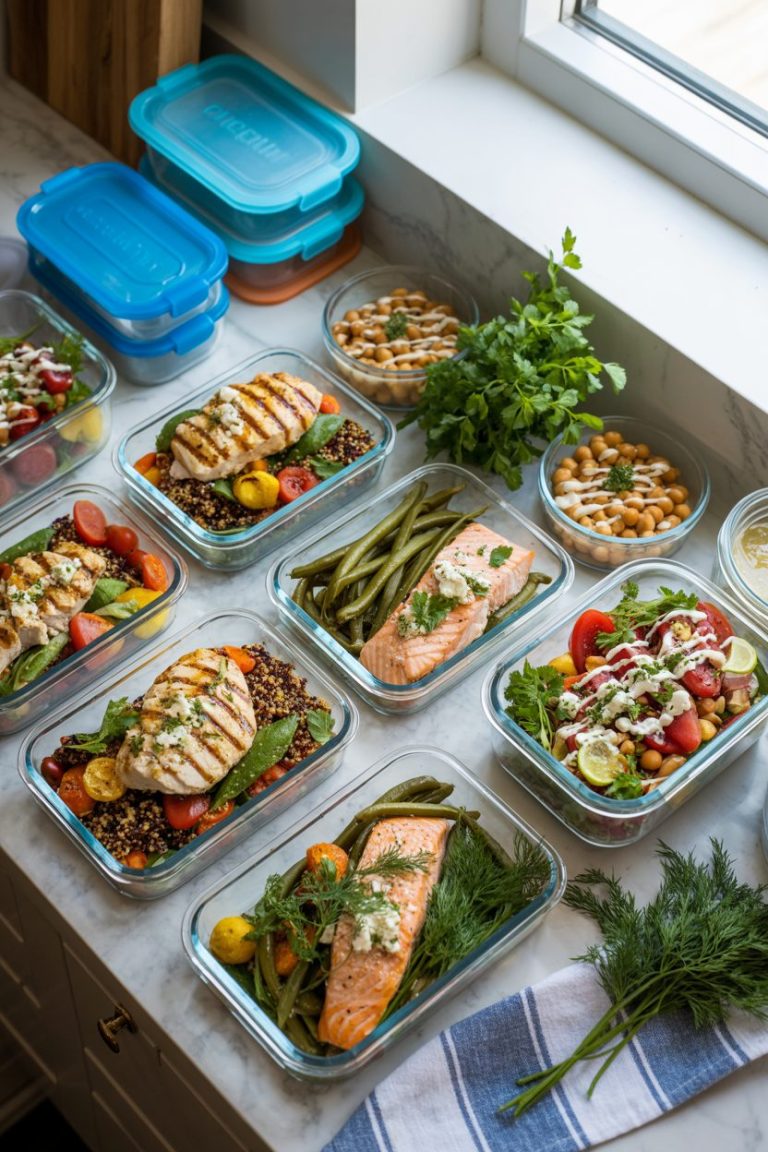
For meal prep, grab some good glass storage containers that seal properly. Nobody wants soggy leftovers, and glass doesn’t hold onto weird smells like plastic does. Also, invest in a decent chef’s knife—chopping vegetables becomes way less annoying when your knife actually cuts instead of bruising everything.
The 7-Day Meal Plan Breakdown
Alright, let’s get into the actual plan. I’ve structured this so you’re not eating the exact same thing every day, but there’s enough repetition that you’re not spending your entire life in the kitchen. Because honestly, who has time for that?
Day 1: Starting Strong
Breakfast: Greek Yogurt Bowl with Berries & Honey
Start your morning with something that doesn’t require actual cooking—just assembly. Greek yogurt is packed with protein (usually 15-20g per serving), which means you won’t be ravenous an hour later. Top it with fresh berries, a drizzle of honey, and some walnuts. The combination of protein, healthy fats, and natural sugars gives you sustained energy without the blood sugar rollercoaster.
If you’re meal prepping, portion out your yogurt the night before and keep the toppings separate so nothing gets soggy. I use these small glass jars for the berries and nuts—makes grab-and-go mornings actually possible.
Lunch: Avocado Toast with Tomato & Olive Oil
Yeah, avocado toast is kind of a cliché at this point, but there’s a reason it became a thing. Use whole grain bread, smash a ripe avocado on top, add sliced tomatoes, a generous drizzle of olive oil, and some flaky sea salt. The healthy fats from the avocado keep you satisfied, and whole grain bread provides complex carbs and fiber.
Pro tip: if your avocados are never ripe when you need them, buy them a week ahead and let them sit on your counter. Or stick them in a paper bag with a banana to speed things up. The ethylene gas from the banana works like magic.
Dinner: Lemon Herb Chicken with Roasted Potatoes
This is comfort food that happens to be healthy. Marinate chicken breasts in lemon juice, olive oil, garlic, and herbs (oregano and thyme work great). Roast alongside baby potatoes tossed in olive oil and rosemary. The lemon juice helps tenderize the chicken while adding brightness, and roasted potatoes are infinitely better than any side dish you’d get from a box.
Snack: Hummus with cucumber slices and cherry tomatoes
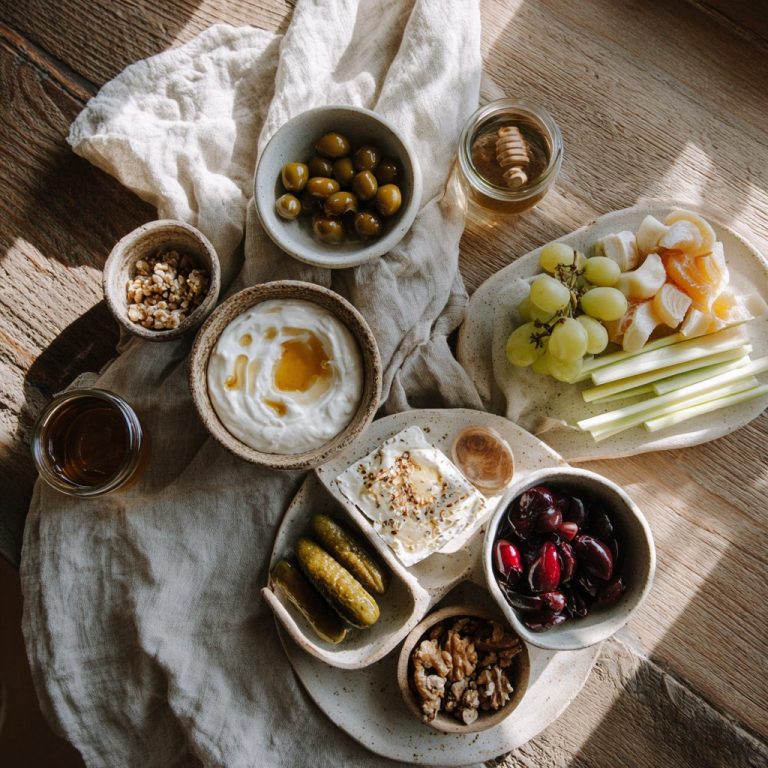
Keep it stupid simple. Hummus is basically a perfect snack—chickpeas provide protein and fiber, tahini adds healthy fats, and vegetables give you volume without a ton of calories. If you’re feeling fancy, try this whipped feta dip instead.
Day 2: Building Momentum
Breakfast: Oatmeal with Dried Figs, Walnuts & Cinnamon
Oats are underrated. They’re high in soluble fiber, which helps lower cholesterol and keeps you full for hours. Cook your oats with a bit of cinnamon, then top with chopped dried figs and walnuts. Figs add natural sweetness plus magnesium and potassium, while walnuts bring omega-3 fatty acids to the party.
I make this in my small slow cooker overnight sometimes—wake up to hot breakfast already done. Game changer for people who are basically zombies before 8am.
Lunch: Tuna & White Bean Salad
This is one of those recipes that sounds boring until you try it and realize it’s actually incredible. Mix canned tuna with white beans, cherry tomatoes, red onion, parsley, lemon juice, and olive oil. The beans make it hearty and filling, plus they’re loaded with fiber and plant-based protein.
Canned tuna is a pantry MVP—high in protein and omega-3s, and you don’t have to cook anything. Just make sure you’re buying chunk light tuna to minimize mercury exposure if you’re eating it regularly.
Dinner: Whole Wheat Spaghetti with Cherry Tomatoes & Basil
Pasta night without the guilt. Cook whole wheat spaghetti, then toss with sautéed cherry tomatoes (they burst and create their own sauce), fresh garlic, olive oil, and torn basil leaves. Add some grated Parmesan if you’re feeling it. The whole wheat pasta has way more fiber than regular pasta, so you actually feel satisfied with normal portions.
Snack: A small handful of almonds and an orange
Simple, portable, and exactly what you need when you’re craving something crunchy. Almonds are high in vitamin E and magnesium, and oranges provide vitamin C plus hydration. Keep a small container of nuts in your bag for emergencies.
Day 3: Finding Your Rhythm
Breakfast: Savory Mediterranean Scramble
If you’re tired of sweet breakfasts, this hits different. Scramble eggs with diced tomatoes, spinach, and crumbled feta. The combination of protein from eggs and cheese keeps you satisfied, while vegetables add nutrients without many calories. Cook everything in olive oil instead of butter for those heart-healthy monounsaturated fats.
Eggs are genuinely one of the most complete foods you can eat—high-quality protein, choline for brain health, and they’re cheap. Plus you can cook them in about five minutes, which is crucial on busy mornings.
Lunch: Cucumber Hummus Sandwich
This sandwich is crunchier and more refreshing than it has any right to be. Spread hummus on whole grain bread, layer with cucumber slices, tomatoes, lettuce, and a sprinkle of za’atar if you have it. The cucumber adds serious crunch and hydration, making this way more interesting than typical sandwiches.
If you’re packing this for later, wrap it in beeswax wraps or parchment paper instead of plastic—keeps things from getting soggy and it’s better for the environment. I use these reusable wraps for literally everything now.
Dinner: Grilled Salmon with Tomato Caper Relish
Salmon is basically a superfood if there ever was one—loaded with omega-3 fatty acids that support heart and brain health. Grill or bake a salmon fillet (skin-on is easier and tastier), then top with a quick relish of diced tomatoes, capers, olive oil, and fresh herbs.
The healthy fats in salmon are similar to those found in fish oil supplements, except they taste better and come with actual protein. Plus, salmon cooks in like 10-15 minutes, so it’s perfect for weeknights.
Snack: Greek Yogurt Parfait
Layer Greek yogurt with a small handful of granola and fresh berries. It’s like dessert but with actual nutritional value. The probiotics in yogurt support gut health, and berries are packed with antioxidants that fight inflammation.
Day 4: Halfway There
Breakfast: Mediterranean Smoothie Bowl
Blend frozen banana, spinach, Greek yogurt, and a splash of almond milk until thick. Pour into a bowl and top with sliced fruit, nuts, and a drizzle of honey. The frozen banana creates a creamy, ice-cream-like texture without any added sugar, and spinach sneaks in nutrients you don’t even taste.
If you’re blending in the morning, having a decent personal blender makes cleanup way easier. Nobody wants to wash a giant blender before coffee.
Lunch: Mediterranean Grain Bowl
Build a bowl with quinoa or farro as the base, then pile on roasted vegetables (peppers, zucchini, eggplant work great), chickpeas, feta cheese, and a tahini drizzle. This is one of those meals where you can clean out your fridge and it still tastes intentional.
Grain bowls are meal prep gold because you can make all the components ahead and assemble them fresh. The grains stay good for days, and roasted vegetables actually taste better after sitting overnight.
Dinner: Shrimp Sautéed in Garlic & Olive Oil with Couscous
Shrimp cooks in minutes, which makes this perfect for when you’re over the whole cooking thing. Sauté shrimp in olive oil with tons of garlic (don’t be shy), red pepper flakes, and lemon zest. Serve over whole wheat couscous with a side of sautéed spinach or greens.
Shrimp is high in protein and low in calories, plus it’s surprisingly rich in selenium and vitamin B12. Just don’t overcook it—shrimp goes from perfect to rubbery in about 30 seconds.
Snack: Sliced apple with almond butter
This combination is stupidly satisfying. Apples provide fiber and natural sweetness, while almond butter adds protein and healthy fats. If you’re trying to decide between peanut butter and almond butter, both work—almond butter has slightly more fiber and vitamin E, while peanut butter has more protein. Pick whichever one doesn’t make you sad to eat.
Day 5: Pushing Through
Breakfast: Avocado Toast Mediterranean Style
This version levels up basic avocado toast with za’atar, crumbled feta, and a squeeze of lemon. The za’atar (a Middle Eastern spice blend) adds complexity without any effort, and feta brings salty, tangy flavor that makes you forget you’re eating “healthy food.”
Toast your bread properly—like actually crispy, not just warm and floppy. A good toaster makes a difference here. You want that crunch.
Lunch: Lentil & Spinach Soup
Soup is deeply underrated as a lunch option. This one is packed with protein from lentils, iron from spinach, and flavor from garlic, cumin, and lemon juice. Make a big batch on Sunday and you’ve got lunches sorted for days.
Lentils are ridiculously good for you—high in fiber, protein, and folate, plus they’re dirt cheap. They also don’t require soaking like most beans, so you can go from bag to bowl in under an hour.
Dinner: Stuffed Bell Peppers with Quinoa & Veggies
Cut bell peppers in half, stuff them with a mixture of cooked quinoa, diced tomatoes, onions, and whatever vegetables you have around. Top with a bit of feta and bake until the peppers are tender. The peppers become sweet and slightly charred, which contrasts perfectly with the savory filling.
This is another recipe where silicone baking mats come in clutch—nothing sticks, and cleanup is basically nonexistent.
Snack: Hummus & Veggie Sticks
Carrots, bell peppers, and celery with hummus. I know this sounds like what you’d serve at a child’s birthday party, but it works. The vegetables are basically edible spoons for hummus, and the crunch factor is surprisingly satisfying.
Day 6: Almost Done
Breakfast: Greek Yogurt Parfait
Repeat from Day 3 because if it’s not broken, don’t fix it. Mix up the fruit if you want—strawberries, blueberries, kiwi, whatever’s in season. The probiotics in Greek yogurt support gut health, which is linked to everything from immune function to mood regulation.
Lunch: Grilled Veggie Platter with Hummus
Grill or roast zucchini, eggplant, bell peppers, and red onion until they’re charred and tender. Serve with hummus and warm pita bread. The high-heat cooking brings out natural sugars in vegetables, making them taste way better than when they’re raw or steamed.
If you’re using a grill pan indoors, make sure your kitchen is well-ventilated. Unless you enjoy setting off your smoke detector, in which case, go wild.
Dinner: Baked Salmon with Herbed Quinoa
Another salmon night because it’s that good for you. Bake salmon with lemon and dill, serve alongside quinoa that’s been tossed with fresh herbs, olive oil, and a squeeze of lemon. Simple, elegant, and done in 30 minutes.
Quinoa is technically a seed, not a grain, and it’s one of the few plant foods that provides all nine essential amino acids. It’s also naturally gluten-free if that matters to you.
Snack: A handful of olives and cherry tomatoes
This snack feels fancy despite requiring zero preparation. Olives are high in healthy fats and have been a Mediterranean staple for thousands of years. Tomatoes add freshness and lycopene, an antioxidant that’s especially bioavailable when tomatoes are paired with fat—like, say, olives.
Day 7: You Made It
Breakfast: Oatmeal with Dried Figs, Walnuts & Cinnamon
Bringing back the oatmeal because it’s dependable and warm and exactly what you want on a relaxed morning. The beauty of oatmeal is you can meal prep it or make it fresh—both work. Steel-cut oats have a better texture if you have time, but rolled oats cook in five minutes and taste nearly as good.
Lunch: Mediterranean Flatbread
Top whole wheat flatbread or naan with hummus, roasted vegetables, feta, and a drizzle of balsamic glaze. Bake until warm and slightly crispy. It’s basically Mediterranean pizza without the guilt, and you can customize toppings based on whatever vegetables need to be used up.
Dinner: Grilled Chicken Shawarma Salad
Marinate chicken in yogurt, lemon juice, garlic, and shawarma spices (cumin, paprika, turmeric, coriander), then grill and slice it over a big salad with cucumbers, tomatoes, and tahini dressing. The yogurt marinade makes the chicken incredibly tender while the spices add layers of flavor without any heat.
This is legitimately one of my favorite dinners—it tastes like restaurant food but costs a fraction of the price and doesn’t leave you feeling heavy and regretful.
Snack: Fresh fruit with a small handful of nuts
End the week simple. Whatever fruit looks good at the store, paired with almonds, walnuts, or pistachios. The combination of natural sugars from fruit and healthy fats from nuts gives you energy without a crash.
Making It Work Long-Term
Here’s the truth nobody tells you: the first week is always the easiest because you’re riding that motivation wave. The real challenge is turning this into something sustainable instead of just another diet you tried for a minute.
A few things that actually help:
Batch cook your grains and proteins. Cook a big pot of quinoa, farro, or brown rice on Sunday. Grill or bake several chicken breasts or salmon fillets at once. Having these ready means you’re not starting from scratch every meal.
Keep your pantry stocked with basics. When you have canned chickpeas, tomatoes, olive oil, and whole grains on hand, you can throw together a decent meal even when grocery shopping hasn’t happened in a while.
Don’t make it all or nothing. If you want regular pasta instead of whole wheat one night, the world won’t end. If you need pizza on Friday, get the pizza. The goal is eating well most of the time, not achieving perfect nutrition every single meal.
Find your shortcuts. Pre-chopped vegetables cost more but might be worth it if it means you’ll actually cook. Rotisserie chicken is not cheating—it’s strategic. Store-bought hummus is perfectly acceptable.
Listen to your body. If you’re genuinely hungry, eat something. Mediterranean eating isn’t about restriction—it’s about choosing nutrient-dense foods that keep you satisfied. The high fiber and healthy fat content means you should feel full and energized, not deprived.
The Bigger Picture
What makes Mediterranean eating different from trendy diets is that it’s based on how people in Mediterranean regions have eaten for generations—not on some startup’s meal plan or celebrity endorsement. It’s proven to support heart health, reduce inflammation, and might even lower the risk of cognitive decline as you age, according to research from institutions like Harvard Medical School.
The emphasis on whole foods, healthy fats from olive oil and fish, and plenty of vegetables means you’re getting nutrients that work together synergistically. The antioxidants in vegetables, the omega-3s in fish, the polyphenols in olive oil—they all contribute to reducing oxidative stress and inflammation in your body.
Plus, there’s something to be said for eating foods that actually taste good. When healthy eating feels like punishment, you won’t stick with it. But when dinner is grilled salmon with roasted vegetables drizzled in good olive oil, or shakshuka with crusty bread for dipping, or a hearty lentil soup with fresh herbs? That’s food you want to eat, not food you force yourself to choke down.
Your Action Plan
If this meal plan seems overwhelming, don’t try to do it all at once. Start with replacing one meal a day with a Mediterranean-style option. Maybe it’s just breakfast—Greek yogurt instead of sugary cereal. Or lunch—a big salad with chickpeas and vegetables instead of a sandwich from the cafeteria.
Once that feels normal, add another meal. Then snacks. Then eventually you’ll realize you’ve been eating Mediterranean-style for weeks without thinking about it, because it stopped being a diet and just became how you eat.
Quick wins to start today:
- Swap your cooking oil to extra virgin olive oil
- Add a serving of vegetables to every meal (yes, even breakfast)
- Keep hummus and cut veggies in the fridge for easy snacking
- Choose whole grain bread, pasta, and rice instead of refined versions
- Eat fish at least twice a week
If you want more structured guidance, check out this 14-day Mediterranean meal plan for beginners or explore these 30 easy Mediterranean breakfast ideas to expand your morning routine.
The goal isn’t perfection—it’s progress. It’s choosing the grilled fish over the fried chicken most of the time. It’s having vegetables with dinner even when you don’t really want to. It’s drinking water instead of soda on weekdays and enjoying wine with dinner on Saturday without guilt.
Mediterranean eating is forgiving. It’s flexible. It’s actually enjoyable. And honestly, that’s why it works when so many other approaches fail. You’re not white-knuckling your way through meals you hate—you’re eating food that nourishes your body while still tasting like something you’d choose to eat anyway.
So give this 7-day plan a shot. See how you feel. Notice if your energy improves, if you’re less bloated, if you actually enjoy cooking again. And if it works for you, keep going. If it doesn’t, adjust. Take what works and leave what doesn’t.
Your body will tell you what it needs if you’re paying attention. Most of us have just gotten so used to ignoring those signals that we’ve forgotten how to listen. A week of eating real, nutrient-dense food might just help you remember.