
14-Day High-Protein Mediterranean Meal Prep for Busy Schedules
Look, I get it. You’re juggling meetings, deadlines, maybe kids, possibly a side hustle, and the last thing you want to think about is “What’s for dinner?” Meanwhile, your stomach’s growling, your energy’s tanking by 3 PM, and that sad desk salad isn’t cutting it anymore.
Here’s the thing: high-protein Mediterranean meal prep isn’t just another food trend that’ll have you eating bland chicken and broccoli for the fourteenth day in a row. It’s actually a game-changer for people who want to eat well without spending their entire Sunday in the kitchen or their entire paycheck at the grocery store.
These are the basics that make healthy cooking fast and actually enjoyable: less mess, less time, and meals your whole family will happily eat.
- glass meal prep containersCheck today’s price →
- insulated lunch bagCheck today’s price →
- digital food scaleCheck today’s price →
- sheet panCheck today’s price →
Amazon prices and deals change often, so it’s worth checking today’s price.
I’ve been doing this for a while now, and honestly? It’s the only meal prep approach that hasn’t made me want to order takeout by Wednesday. The Mediterranean diet brings flavor, variety, and enough protein to keep you full without feeling like you’re force-feeding yourself protein powder three times a day.

Why High-Protein Mediterranean Meal Prep Actually Makes Sense
The Mediterranean diet gets a lot of hype, and for once, the hype is deserved. But here’s where most people mess up: they focus so much on the olive oil and fresh vegetables that they forget about protein. And then wonder why they’re starving two hours after lunch.
Protein is what keeps you full. It stabilizes your blood sugar, preserves your muscle mass, and stops you from raiding the vending machine at 4 PM. The Mediterranean approach already includes great protein sources—fish, chicken, legumes, Greek yogurt, eggs—we’re just being a bit more intentional about it.
Plus, meal prepping means you’re not making decisions when you’re already hungry and tired. You know what happens when you try to figure out dinner at 7 PM on a Tuesday? You end up with a sad frozen pizza or spending way too much on delivery.
The Protein Targets You Should Actually Aim For
Let’s talk numbers without getting too nerdy about it. Most people do better with around 25-30 grams of protein per meal. That’s enough to keep you satisfied and support your body’s actual needs without going overboard.
For a full day, you’re looking at roughly:
- Breakfast: 20-25g protein
- Lunch: 25-30g protein
- Dinner: 25-30g protein
- Snacks: 10-15g protein
Does this mean you need to weigh every morsel? No. Does it mean you should be aware of what actually contains protein? Yeah, probably. Spoiler alert: that giant bowl of pasta with marinara isn’t going to cut it.
Your 14-Day High-Protein Mediterranean Meal Prep Blueprint
Alright, here’s the actual plan. I’ve broken this into two weeks because, honestly, eating the exact same thing for 14 days straight is a special kind of torture. This approach gives you variety while keeping prep manageable.
Week 1: Building Your Foundation
Prep Day Strategy
Sunday is your friend here, but it doesn’t have to be an all-day affair. We’re talking maybe 2-3 hours tops if you’re organized about it. Put on a podcast, pour yourself something nice, and let’s do this.
Proteins to Prep:
- Grilled chicken breast (seasoned with lemon, oregano, garlic)
- Baked salmon (with dill and olive oil)
- Hard-boiled eggs (because they’re underrated and versatile)
- Chickpea batches (roasted with cumin and paprika)
I use this digital meat thermometer to make sure my chicken doesn’t turn into shoe leather—takes the guesswork out completely.
Grains and Bases:
- Quinoa (cook a big batch, it reheats beautifully)
- Farro (more interesting than rice, fight me)
- Whole wheat couscous (ready in like 5 minutes)
Vegetables to Roast:
- Bell peppers, zucchini, eggplant
- Cherry tomatoes
- Red onions
- Asparagus
Pro tip: I toss everything on these reusable silicone baking mats—nothing sticks, cleanup is basically nonexistent, and you can actually taste the vegetables instead of the parchment paper.
Week 1 Meal Breakdown
Days 1-3:
Breakfast: Greek yogurt parfait with berries and walnuts (20g protein)
- Layer full-fat Greek yogurt with fresh berries and a handful of walnuts
- Drizzle with honey if you’re feeling fancy
- Prep in mason jars for grab-and-go convenience
- Get Full Recipe
Lunch: Grilled lemon-herb chicken with quinoa and roasted vegetables (32g protein)
- This is basically your Mediterranean power bowl
- Add a squeeze of fresh lemon before eating
- Keep dressing separate until you’re ready to eat
- Get Full Recipe
Dinner: Baked salmon with herbed quinoa and green beans (28g protein)
- Salmon is ridiculously good for you—omega-3s, quality protein, actually tastes like food
- Green beans stay crisp if you slightly undercook them during prep
- Get Full Recipe
Snack: Hummus with veggie sticks and a hard-boiled egg (12g protein)
Days 4-7:
Breakfast: Savory Mediterranean scramble with feta and tomatoes (18g protein)
- Scramble eggs with cherry tomatoes, spinach, and crumbled feta
- Meal prep these in portions and reheat in 90 seconds
- Get Full Recipe
Lunch: Mediterranean chickpea bowl with cucumber, tomatoes, and tahini (22g protein)
- Chickpeas are your protein MVP here
- Add some crumbled feta for an extra protein boost
- The tahini dressing makes everything taste better
- Get Full Recipe
Dinner: Grilled chicken with couscous and cucumber yogurt sauce (30g protein)
- Couscous is stupid easy to prep ahead
- The yogurt sauce keeps for days and adds both protein and flavor
- Get Full Recipe
Snack: Tuna white bean salad lettuce cups (15g protein)
Week 2: Mixing Things Up
Here’s where we prevent meal prep burnout. Same principles, different flavors.
Prep Day Round Two
New Proteins:
- Grilled shrimp (cooks in minutes, high protein, low cal)
- Turkey kofta (ground turkey mixed with Mediterranean spices)
- Baked cod (mild, flaky, pairs with everything)
- Lentils (plant-based protein that actually fills you up)
When I’m cooking shrimp, I use this garlic press because mincing garlic by hand is unnecessarily annoying and we’re trying to make life easier here.
Days 8-10:
Breakfast: Spinach feta egg muffins (16g protein)
- Bake a dozen on Sunday, grab two each morning
- They freeze beautifully if you want to prep even further ahead
- Get Full Recipe
Lunch: Shrimp sautéed in garlic and olive oil with couscous (26g protein)
- Shrimp is like the fast food of healthy protein
- Reheat gently so they don’t turn rubbery
- Get Full Recipe
Dinner: Grilled turkey kofta with couscous and cucumber yogurt sauce (32g protein)
- Ground turkey is leaner than beef but still flavorful
- The spices make all the difference—cumin, coriander, a little cinnamon
- Get Full Recipe
Snack: Cottage cheese bowl with cucumber and cherry tomatoes (14g protein)
Days 11-14:
Breakfast: Protein-packed smoothie (24g protein)
- Greek yogurt, protein powder (if you use it), berries, spinach
- Prep the dry ingredients in bags, blend fresh each morning
- I keep this personal blender at work for when I forget breakfast
- Get Full Recipe
Lunch: Baked cod with tomato olive tapenade and quinoa (28g protein)
- Cod is underrated and way more affordable than salmon
- The tapenade adds massive flavor without needing much
- Get Full Recipe
Dinner: Lentil sweet potato stew (18g protein)
- This one’s actually better after sitting for a day
- Add a dollop of Greek yogurt when serving for extra protein
- Get Full Recipe
Snack: Falafel wrap with tzatziki (16g protein)
The Meal Prep Containers That Won’t Ruin Your Life
Let’s talk storage because this matters more than you think. You need containers that:
- Don’t leak in your bag
- Are actually microwave safe
- Stack without becoming a game of Tetris
- Won’t absorb tomato sauce stains
I use these glass meal prep containers for everything. Yeah, they’re heavier than plastic, but they last forever and don’t make your food taste like a chemistry experiment.
For salads and bowls with dressing, these containers with separate compartments are clutch. Nothing worse than soggy lettuce at noon.
Smart Shopping: Your Mediterranean Pantry Staples
You don’t need to buy everything every week. Build up these staples and you’re basically set:
Proteins:
- Canned chickpeas (seriously, buy them in bulk)
- Canned tuna (get the good stuff in olive oil)
- Eggs (always)
- Greek yogurt (full-fat tastes better and keeps you fuller)
- Frozen shrimp (wild-caught when possible)
Grains:
- Quinoa
- Farro
- Whole wheat couscous
- Brown rice (for variety)
Flavor Builders:
- Extra virgin olive oil (don’t cheap out here)
- Lemon (fresh, always fresh)
- Garlic (lots of it)
- Dried oregano, basil, thyme
- Cumin and paprika
- Kalamata olives
- Capers
- Feta cheese
- Tahini
I keep my spices organized in these magnetic spice jars on the side of my fridge. Can actually find what I need without digging through a cabinet like some kind of kitchen archaeologist.
The Actual Prep Process: Step by Step
1. Start with proteins (they take the longest)
- Preheat oven to 400°F
- Season chicken and salmon, get them in the oven
- While those cook, boil eggs and prep shrimp
2. Cook your grains
- Most can cook simultaneously if you have multiple burners
- Use a rice cooker if you have one—set it and forget it
3. Roast vegetables
- Chop everything roughly the same size
- Toss with olive oil, salt, pepper, maybe some oregano
- Spread on baking sheets, don’t overcrowd
- Roast at 425°F for 20-25 minutes
4. Prep your add-ons
- Make tzatziki (Greek yogurt, cucumber, garlic, dill)
- Prepare tahini dressing
- Wash and chop fresh vegetables
5. Portion everything into containers
- Proteins and grains in main compartments
- Vegetables on the side
- Sauces in small containers
The whole process gets faster once you’ve done it a few times. First time? Give yourself grace and maybe a glass of wine.
Making It Work When Life Gets Chaotic
Because let’s be real, not every Sunday is perfect meal prep weather.
Plan B Strategies:
- Keep frozen vegetables on hand (they’re already chopped, no judgment)
- Rotisserie chicken is your friend when you’re short on time
- Pre-marinated proteins from the store work fine
- Canned beans and lentils are just as good as dried
If you can only prep once:
- Focus on Week 1 but add more variety to snacks
- Freeze half your portions for Week 2
- Keep backup protein bars that don’t taste like cardboard
When you’re traveling:
- Pack your meal prep in a cooler bag
- Choose restaurants with Mediterranean options
- Don’t stress about one day off plan
Bonus High-Protein Mediterranean Recipes to Rotate In
Once you’ve mastered the basics, keep things interesting by rotating in some of these high-protein options. Variety is what keeps meal prep from turning into a chore.
More Breakfast Ideas:
- Try this classic veggie omelet when you want something different from the scramble
- Smoked salmon avocado toast is ridiculously easy and packs serious protein
- Egg muffins are even more customizable than the spinach feta version
Lunch Rotation Options:
- Grilled chicken shawarma salad brings Middle Eastern vibes without the extra carbs
- Mediterranean tuna stuffed peppers are way more interesting than regular tuna salad
- Lemon oregano grilled chicken is a solid protein base you can pair with anything
Dinner Switches:
- Grilled salmon with tomato caper relish when you need a salmon upgrade
- Chicken zucchini skillet with herbs is a one-pan wonder
- Spiced lentil eggplant stew for your vegetarian days
If you want even more structured guidance, check out this 14-day Mediterranean meal plan for beginners—it’s perfect if you’re just starting out and need more hand-holding.
The Nutrition Breakdown That Actually Matters
According to the Harvard School of Public Health and numerous studies on the Mediterranean diet, this eating pattern supports heart health, helps with weight management, and may reduce inflammation. The high protein component specifically helps preserve lean muscle mass, especially important if you’re active or trying to lose weight.
Each day on this plan averages:
- 1,800-2,000 calories (adjust portions based on your needs)
- 90-110g protein
- Healthy fats from olive oil, fish, nuts
- Plenty of fiber from vegetables and whole grains
- Natural antioxidants from Mediterranean staples
The Mediterranean diet emphasizes whole foods over processed ones, which means you’re getting more nutrients per calorie. That’s why people on this diet often report better energy levels and fewer afternoon crashes.
Research from Mayo Clinic shows that people following Mediterranean eating patterns tend to have lower rates of heart disease and better overall health outcomes. The combination of lean proteins, healthy fats, and fiber-rich vegetables creates a meal pattern that naturally supports satiety and balanced blood sugar.
Common Mistakes and How to Avoid Them
Mistake #1: Under-seasoning everything You’re not on a punishment diet. Use herbs, spices, lemon, garlic. Your food should taste good or you won’t stick with it.
Mistake #2: Not enough variety Two weeks of grilled chicken and broccoli will break anyone’s spirit. Mix up your proteins, try different vegetables, change your grains. That’s why I suggest checking out these Mediterranean meal prep bowls—they’re designed specifically to prevent boredom.
Mistake #3: Soggy vegetables Slightly undercook vegetables that you’ll reheat later. They’ll finish cooking in the microwave and won’t turn to mush.
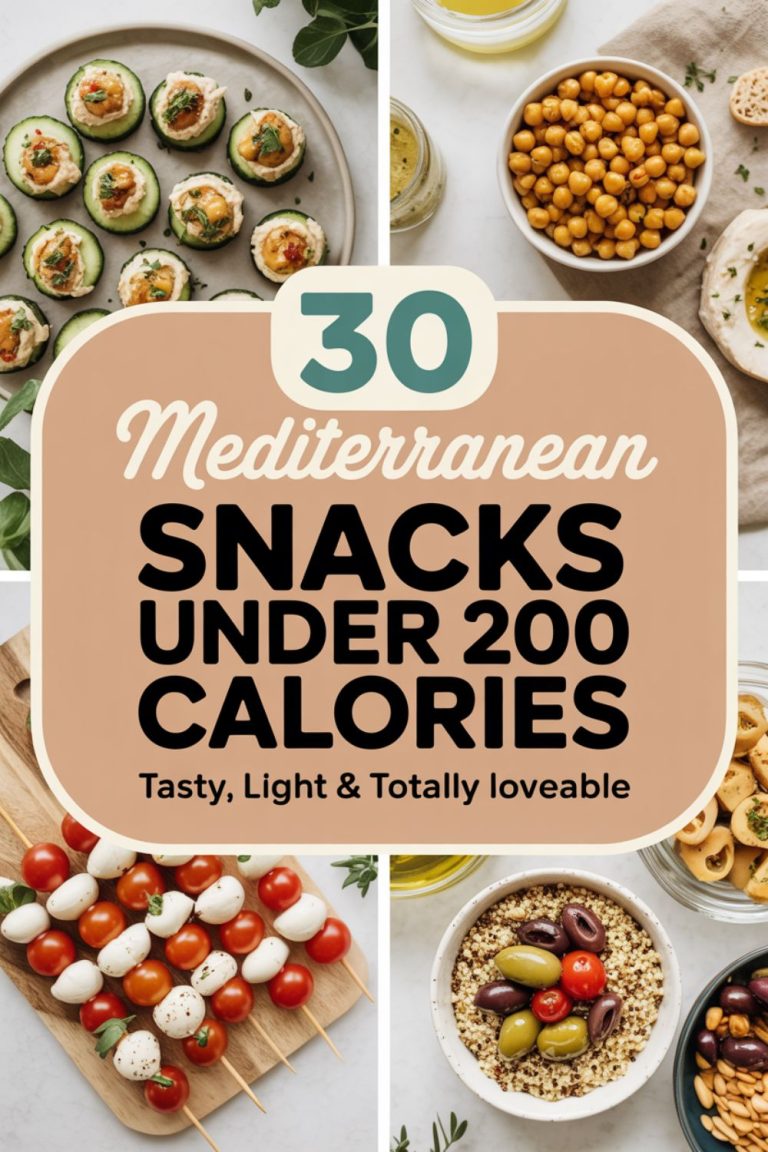
Mistake #4: Forgetting about snacks If you’re eating 25-30g protein per meal but nothing in between, you’ll get hungry. Plan your snacks. I love these high-protein low-calorie snacks under 200 calories for keeping things interesting.
Mistake #5: Making it too complicated You don’t need 47 different ingredients for one meal. Simple is sustainable.
High-Protein Snack Ideas That Actually Work
Let’s be honest—snacks can make or break your meal prep success. Here are some protein-packed options that travel well:
Quick Grab-and-Go:
- Mini cucumber bites topped with hummus and cherry tomatoes
- Turkey roll-ups with cheese and mustard
- Greek yogurt with nuts and cinnamon
- Hard-boiled eggs (the MVP of protein snacks)
Slightly More Involved:
These snacks keep you satisfied between meals without derailing your prep work. Plus, most of them can be assembled in under five minutes.
Tips for Different Dietary Needs
Vegetarian? Replace meat proteins with:
- Extra legumes (lentils, chickpeas, white beans)
- Tempeh or tofu marinated in Mediterranean spices
- More eggs and Greek yogurt
- Quinoa (it’s a complete protein)
Try these vegetarian-friendly options: Mediterranean chickpea wraps, stuffed bell peppers with quinoa and veggies, or this Mediterranean grain bowl.
Dairy-free?
- Swap Greek yogurt for coconut yogurt with added protein powder
- Skip the feta or use dairy-free alternatives
- Focus more on fish and plant proteins
Gluten-free?
- All the proteins work as-is
- Replace couscous with quinoa or rice
- Check labels on pre-made items
The Reality Check: What to Expect
Week 1: You’ll probably spend more time prepping than you want to. That’s normal. You’re learning.
Week 2: Things get easier. You know the routine, you’re faster at chopping, you’ve figured out which containers work best.
By Week 3: (if you continue) Meal prep becomes automatic. You’ll start tweaking recipes to your taste, adding your own spin.
The best part? Your energy levels stabilize. No more 2 PM crashes. No more getting home starving and ordering whatever arrives fastest. You’ve got good food ready to go.
Making This Sustainable Long-Term
Here’s the secret nobody tells you: perfection is the enemy of consistency. Some weeks you’ll nail the meal prep. Some weeks you’ll prep three days’ worth and supplement the rest. Both are fine.
The goal isn’t to be some meal prep Instagram account. The goal is to eat better more often than you currently do. If this plan gets you from eating out five times a week to cooking most of your meals, that’s a massive win.
Mix things up regularly:
- Try new Mediterranean recipes every few weeks
- Rotate through different proteins
- Experiment with new vegetables
- Change up your grain bases
For even more inspiration, browse through these Mediterranean dinner ideas for busy weeknights or explore these one-pan Mediterranean dinner recipes when you need maximum flavor with minimal cleanup.
If you’re serious about leveling up your meal prep game, consider this 30-day Mediterranean diet challenge—it comes with grocery lists and detailed recipes that take all the guesswork out.
Storage and Food Safety Basics
Don’t be that person who gets food poisoning from their own meal prep.
Refrigerator meals: Good for 3-4 days max Freezer meals: Good for 2-3 months (label them with dates) Cool food before refrigerating: Prevents condensation and bacterial growth Reheat to 165°F: Use a food thermometer if you’re unsure
Store proteins and starches together, but keep fresh vegetables and greens separate until you’re ready to eat. Dressings always go in separate containers.
Beyond the Basics: Advanced Prep Strategies
Once you’ve got the foundation down, try these time-savers:
Batch cook proteins on multiple days: Instead of prepping everything Sunday, cook chicken on Sunday and fish on Wednesday. Keeps things fresher and less overwhelming.
Use your freezer strategically: Make double batches of lentil spinach soup or three bean chili and freeze half. Future you will be grateful.
Prep ingredients, not full meals: Sometimes just having your proteins cooked, grains ready, and vegetables chopped is enough. You can mix and match throughout the week based on what sounds good.
Keep a rotation of go-to recipes: Build a collection of 20-30 recipes you actually like. This collection of Mediterranean meal prep recipes is a solid starting point.
The Bottom Line
High-protein Mediterranean meal prep works because it combines the best of both worlds: the proven health benefits of Mediterranean eating with the satiety and muscle-supporting properties of adequate protein. Plus, it actually tastes like real food instead of diet food.
You don’t need to be a chef. You don’t need fancy equipment. You just need a few hours on a Sunday (or whatever day works for you), some decent containers, and a willingness to try something that might actually make your weekdays easier.
Will it be perfect every week? Probably not. Will it be better than scrambling for food every single meal? Absolutely.
Start with Week 1. See how it feels. Adjust what doesn’t work. Keep what does. That’s literally the whole strategy.
And if you mess up a recipe or forget to defrost something or end up ordering pizza on Thursday? Nobody’s keeping score. You’ve still got prepped meals for the other days, which is still a win.
For more Mediterranean inspiration and meal planning ideas, explore the 21-day Mediterranean diet plan or dive into these Mediterranean lunches to pack and prep all week.
Now go forth and prep some actually good food. Your future hungry self will thank you.