30 Mediterranean Diet Recipes for a Healthy Spring Reset
Look, I’m not gonna sell you some miracle diet nonsense. But if you’re feeling sluggish after winter and your jeans are fighting back? Yeah, it’s time to talk Mediterranean eating. Not because some influencer told you to, but because this way of eating actually makes sense for spring.
Spring’s the perfect time to reset your eating habits without feeling like you’re punishing yourself. The Mediterranean diet isn’t about restriction—it’s about eating real food that happens to be delicious. Think bright salads, grilled fish, olive oil that doesn’t taste like motor oil, and meals that don’t leave you face-down in a food coma by 2 PM.
I’ve pulled together 30 recipes that’ll help you feel lighter, more energized, and honestly just better in your own skin. No weird supplements, no starvation, no BS. Just solid Mediterranean-inspired dishes that work for actual human beings with jobs and lives.

Why Mediterranean Eating Works for Spring
Here’s the thing about the Mediterranean diet—it’s not really a diet at all. It’s how people in Greece, Italy, and Spain have been eating for centuries, and spoiler alert: they’re doing pretty well health-wise. Research from the American Heart Association shows this eating pattern helps prevent heart disease and reduces risk factors like high blood pressure and cholesterol.
Spring vegetables are hitting their peak right now. Asparagus, artichokes, fresh herbs, tender greens—all the stuff that makes Mediterranean cooking sing. You’re not forcing yourself to eat sad winter produce shipped from halfway across the world. You’re eating what’s actually in season, which means better flavor and more nutrients.
The Mediterranean approach focuses on whole foods: vegetables, fruits, whole grains, legumes, fish, and healthy fats from olive oil and nuts. You’re not counting every calorie or measuring portions with a food scale like some kind of chemistry experiment. According to Mayo Clinic’s research on Mediterranean eating patterns, this style of eating naturally helps with weight management without the obsessive tracking.
Pro Tip: Start your spring reset by swapping just one meal a day to Mediterranean-style eating. Don’t try to overhaul everything overnight—that’s how people burn out by week two.
For a complete approach to morning meals, check out these 30 easy Mediterranean breakfast ideas that’ll keep you satisfied without the mid-morning crash.
Mediterranean Breakfast Recipes That Don’t Suck
Breakfast is where most people fall apart on any eating plan. You’re rushed, you’re tired, and suddenly a drive-thru breakfast sandwich sounds like a fantastic idea. But Mediterranean breakfasts are actually simple—and they keep you full until lunch.
Greek Yogurt Bowls and Parfaits
Greek yogurt is a Mediterranean staple, and for good reason. It’s packed with protein, creamy as hell, and way more versatile than people give it credit for. A Greek Yogurt Bowl with Berries & Honey takes literally three minutes to throw together. You’re not cooking, you’re not stressing—you’re assembling.
I use this glass meal prep bowl set for yogurt parfaits because they’re the perfect size and I can make a few days’ worth at once. The Greek Yogurt Parfait is another solid option—layer it the night before and grab it on your way out the door.
What makes these work? The protein from the yogurt keeps you satisfied, the berries add natural sweetness and fiber, and a drizzle of honey gives you that little bit of indulgence without going overboard. Plus, you can switch up the toppings based on what’s in your fridge.
Mediterranean-Style Toast
Avocado toast gets a bad rap because people turned it into some overpriced millennial thing. But honestly? It’s a solid breakfast. The Avocado Toast with Tomato & Olive Oil is classic Mediterranean—ripe tomatoes, good olive oil, maybe some flaky sea salt.
If you want to mix things up, try the Savory Cottage Cheese Toast or the Cucumber Avocado Toast with Za’atar. Za’atar is this Middle Eastern spice blend that adds serious flavor without any extra work. You can find it at most grocery stores now, or grab a quality za’atar blend here.
For more protein-focused options, explore these 25 high-protein breakfasts under 350 calories that align perfectly with Mediterranean principles.
Egg-Based Mediterranean Breakfasts
Eggs are breakfast gold. The Savory Mediterranean Scramble throws in tomatoes, spinach, and feta—it’s like a flavor bomb that happens to be good for you. Or make the Shakshuka (Eggs in Spicy Tomato Sauce) on a weekend morning when you have an extra ten minutes.
Shakshuka sounds fancy but it’s literally eggs poached in tomato sauce with spices. I cook mine in this cast iron skillet because it goes from stovetop to table and looks way fancier than the effort involved. The Mediterranean Shakshuka variation adds olives and artichokes if you’re feeling adventurous.
Quick Win: Make a big batch of shakshuka sauce on Sunday night. Reheat it through the week and just crack fresh eggs into it each morning. Five-minute gourmet breakfast.
Light Mediterranean Lunches That Actually Fill You Up
Lunch is where the Mediterranean diet really shines. You need something satisfying enough that you’re not raiding the office snack drawer by 3 PM, but not so heavy that you need a nap under your desk.
Mediterranean Salads
I know what you’re thinking—salads are rabbit food. But Mediterranean salads aren’t those sad desk lunches with iceberg lettuce and a few cherry tomatoes. The Greek Salad (But Like Actually Good) is exactly what it sounds like: cucumbers, tomatoes, olives, feta, and a proper olive oil dressing that doesn’t taste like diet food.
The Cucumber, Tomato & Feta Salad is similar but more of a chopped situation. I meal prep these in these glass containers with divided compartments to keep the dressing separate until I’m ready to eat. Nothing worse than soggy lunch salad.
For something heartier, the Mediterranean Grain Bowl adds quinoa or farro for substance. Speaking of grain bowls, check out the Moroccan Spiced Quinoa Bowl for a different flavor profile that’s still totally Mediterranean-approved.
Soup and Sandwich Combos
The Lentil Soup with Crusty Bread is comfort food that doesn’t wreck your afternoon. Lentils are Mediterranean diet royalty—cheap, filling, packed with protein and fiber. Make a big pot on Sunday and you’ve got lunch sorted for half the week.
Pair it with a Cucumber Hummus Sandwich if you want something you can eat with one hand during a Zoom call. Or go for the Falafel Wrap with Tzatziki when you want something more substantial. Get Full Recipe for the homemade falafel that’s way better than the frozen grocery store pucks.
Looking for variety? These 25 Mediterranean lunchbox recipes for work are specifically designed for meal prep and office eating.
Quick Mediterranean Plates
Sometimes you don’t want a “meal,” you just want to graze. The Grilled Veggie Platter with Hummus is perfect for this. Throw some vegetables on a grill pan like this one (game-changer if you don’t have outdoor grill access), and serve them with good hummus.
The Tuna & White Bean Salad comes together in under ten minutes. Canned tuna, white beans, olive oil, lemon juice, done. It sounds too simple to be good, but trust me on this one. You can stuff it in Tuna & White Bean Salad Lettuce Cups if you’re going low-carb.
For even more quick lunch ideas during busy weeks, try these 21 quick Mediterranean meal prep ideas that’ll save your weekday sanity.
Mediterranean Dinners That Don’t Require a Cooking Degree
Dinner is where people get intimidated. You’re tired from work, the last thing you want is some complicated recipe with 47 ingredients. Good news: Mediterranean dinners can be stupid simple.
Fish and Seafood Dishes
The Mediterranean diet is big on fish, which is great because fish cooks fast. The Grilled Salmon with Tomato Caper Relish takes 20 minutes tops. Get Full Recipe and you’ll see it’s basically: season salmon, grill salmon, top with tomato mixture. That’s it.
For something different, try Baked Salmon with Dill & Garlic or the Baked Salmon with Herbed Quinoa. I use parchment paper sheets for baking fish—no scrubbing pans later, and the fish stays moist.
The Shrimp Sautéed in Garlic & Olive Oil with Couscous is another weeknight winner. Shrimp cooks in like four minutes. The Shrimp Saganaki (Spicy Tomato & Feta) is the fancier version for when you want to impress someone or just feel like you have your life together.
Chicken Dinners
Chicken gets boring fast, but Mediterranean preparations keep it interesting. The Lemon Herb Chicken with Roasted Potatoes is a complete one-pan meal. Everything roasts together, minimal cleanup, maximum flavor.
Try the Lemon Oregano Grilled Chicken for summer grilling vibes, or the Lemon Garlic Grilled Chicken with Couscous when you want something a bit different. These recipes work great in this indoor grill press if you don’t have outdoor space.
The Grilled Chicken Shawarma Salad turns leftover grilled chicken into something that feels like a whole new meal. It’s also great for meal prep alongside these 25 high-protein chicken recipes.
Pro Tip: Make extra protein at dinner and repurpose it for tomorrow’s lunch. Grilled chicken becomes shawarma salad, baked salmon becomes a grain bowl topper. Work smarter, not harder.
Vegetarian Mediterranean Mains
You don’t need meat at every meal, and Mediterranean cuisine proves this better than most. The Stuffed Bell Peppers with Quinoa & Veggies is hearty enough to satisfy even the most committed carnivores. Get Full Recipe for the version that actually tastes good, not like diet food.
The Mediterranean Chickpea Skillet is ridiculously easy and uses mostly pantry staples. Same with the Chickpea & Cauliflower Coconut Curry—technically more Indian-inspired, but it fits the Mediterranean philosophy of plant-forward eating.
For pasta lovers, the Whole Wheat Spaghetti with Cherry Tomatoes & Basil or One-Pot Mediterranean Pasta delivers comfort food that won’t wreck your progress. I cook my pasta in this deep sauté pan because everything cooks in one vessel and there’s less cleanup.
Speaking of vegetarian options, if you want more variety, check out these 25 high-protein vegetarian recipes that complement Mediterranean eating perfectly.
Mediterranean Snacks That Won’t Derail Your Day
Snacking is where most eating plans go to die. You get hungry between meals, you grab whatever’s convenient, and suddenly you’ve eaten 600 calories of goldfish crackers without even thinking about it.
Hummus-Based Snacks
Hummus is your friend. The Hummus & Veggie Sticks is boring but effective. Carrots, cucumbers, bell peppers—whatever you’ve got. I use this vegetable chopper to prep a week’s worth of veggie sticks in about five minutes.
For something more interesting, try Mediterranean Avocado Toast Bites or Cucumber Hummus Sandwich Bites. They’re more substantial than plain veggies but still light enough for a snack.
Greek Yogurt Snacks
Greek yogurt works for snacks too, not just breakfast. The Greek Yogurt with Nuts & Cinnamon is simple—yogurt, a handful of almonds or walnuts, sprinkle of cinnamon. Done. It’s sweet enough to feel like a treat but has enough protein to actually satisfy you.
The Savory Cottage Cheese Bowl with Veggies is the savory version. Cottage cheese gets unfairly maligned, but it’s basically the same nutritional profile as Greek yogurt with a different texture.
Other Mediterranean Snacks
The Mini Falafel Wraps with Tzatziki are great if you meal prepped falafel earlier in the week. Olive Tapenade on Toasted Baguette feels fancy but takes zero effort—just good olives, olive oil, and bread.
For more variety, explore these 21 Mediterranean snacks that keep you full without the mid-afternoon energy crash.
Making Mediterranean Eating Work in Real Life
All these recipes are great, but here’s the reality: you need a system. Random healthy meals don’t create lasting change. You need to make this easy enough that you’ll actually do it when you’re tired, stressed, or just don’t feel like cooking.
Meal Prep Strategy
Pick one or two hours on Sunday (or whatever your least busy day is). Make a big batch of grains—quinoa, farro, brown rice. Roast a bunch of vegetables. Grill or bake some protein. Store everything separately in containers, and you’ve got mix-and-match components for the week.
The Mediterranean Lentil Salad keeps for days and actually gets better as it sits. Same with most grain bowls. The Quinoa Tabbouleh with Hummus & Pita is another good make-ahead option.
I store all my meal prep in these glass containers because plastic gets gross fast and I’m not about microwaving food in questionable materials. Worth the investment if you’re doing this regularly.
For a complete meal prep approach, check out this 7-day Mediterranean meal prep plan that takes the guesswork out of planning.
Pantry Staples to Keep On Hand
You can’t make Mediterranean food without the basics. Stock your pantry with good olive oil (not the cheap stuff that tastes like nothing), canned tomatoes, dried herbs, canned beans and lentils, whole grains, and nuts. Keep frozen vegetables in your freezer for when fresh isn’t happening.
Having the right ingredients means you can throw together something decent even when your fridge is looking sad. The Three Bean Chili uses all pantry staples. So does the Lentil & Spinach Soup.
Good kitchen tools matter too. You don’t need a million gadgets, but a solid chef’s knife, a decent cutting board, and one good skillet will get you through 90% of these recipes.
When You’re Too Tired to Cook
Some nights, cooking is not happening. That’s when you lean on the simplest stuff. The Tuna Avocado Packets require zero cooking. Neither does the Caprese White Bean Salad.
Or make what I call “assembly meals”—not really cooking, just putting things together. The Deconstructed Greek Mezze Plate is basically arranging hummus, olives, vegetables, and pita on a plate. Still Mediterranean, still healthy, requires no actual cooking.
Looking for more grab-and-go options? These 21 Mediterranean snacks that aren’t just hummus work as mini-meals when you just can’t even.
Spring Vegetables to Prioritize
Spring produce makes Mediterranean cooking easier because the flavors are already there. You don’t need to doctor things up when ingredients taste good on their own.
Asparagus
Asparagus season is short, so take advantage while it’s here. Simple preparations work best—roasted with olive oil and lemon, or grilled with a little salt. It goes great in the Grilled Lemon Herb Chicken with Quinoa as a side.
I roast asparagus on a sheet pan like this at high heat (425°F) for about 15 minutes. It gets slightly crispy on the edges and stays tender in the middle. Way better than steamed asparagus that tastes like green mush.
Artichokes
Fresh artichokes are intimidating if you’ve never prepped them, but hearts from a jar work perfectly fine for Mediterranean cooking. Throw them in salads, on pizza, or in the Mediterranean Veggie Casserole.
If you do want to tackle fresh artichokes, this artichoke prep tool makes it way less annoying. But honestly? Jarred hearts are totally acceptable.
Spring Greens
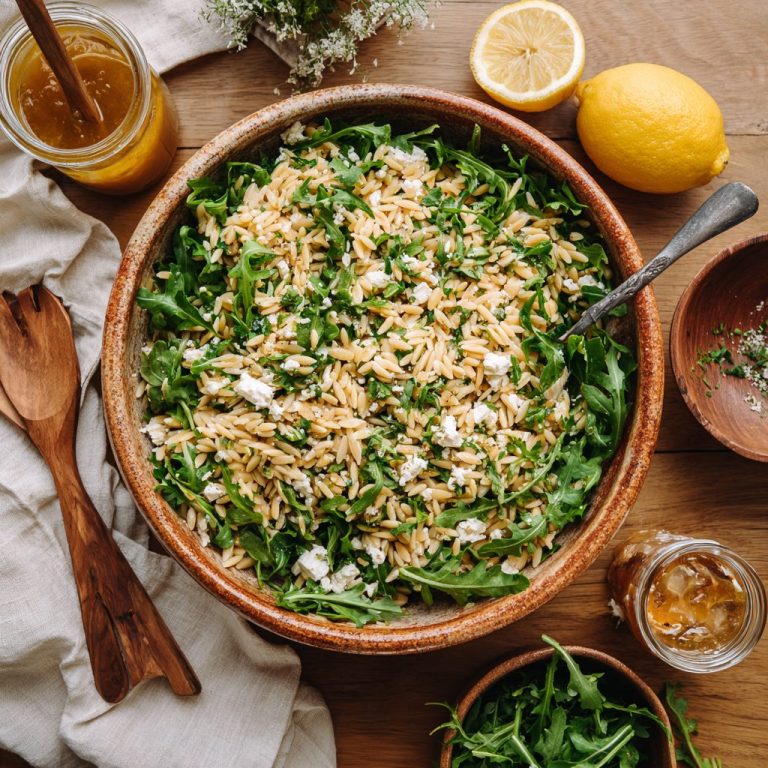
Arugula, spinach, spring lettuce mix—all perfect for Mediterranean salads. The Lemony Orzo Arugula Salad celebrates peppery arugula. The Spinach & Chickpea Sauté with Egg works for breakfast, lunch, or dinner.
Baby spinach is one of my meal prep MVPs. It wilts into soups, sautés into eggs, goes raw in salads. Buy it in bulk, use it everywhere. The Lentil & Spinach Soup uses a whole bag and tastes way better than anything from a can.
Why This Spring Reset Thing Works
Here’s what makes a spring Mediterranean reset different from all the other diet attempts that lasted three days before you gave up: it’s not about restriction. You’re not cutting out entire food groups or surviving on 1200 calories of sadness.
The Mediterranean diet is based on what people actually eat in Mediterranean countries, not some nutritionist’s theory of optimal eating. These are real recipes that real people make and enjoy. The Mediterranean Flatbread (AKA Cheat Day-ish) exists because even in the Mediterranean, people eat pizza-adjacent foods.
You can have wine. You can have bread. You can have dessert—check out the Baked Cinnamon Apples or Chocolate Dipped Frozen Banana Bites for sweet treats that won’t completely derail things.
The focus is on adding more good stuff (vegetables, fish, whole grains, healthy fats) rather than obsessing over what you can’t have. It’s a subtle mindset shift, but it makes a huge difference in whether you’ll actually stick with it past the first enthusiastic week.
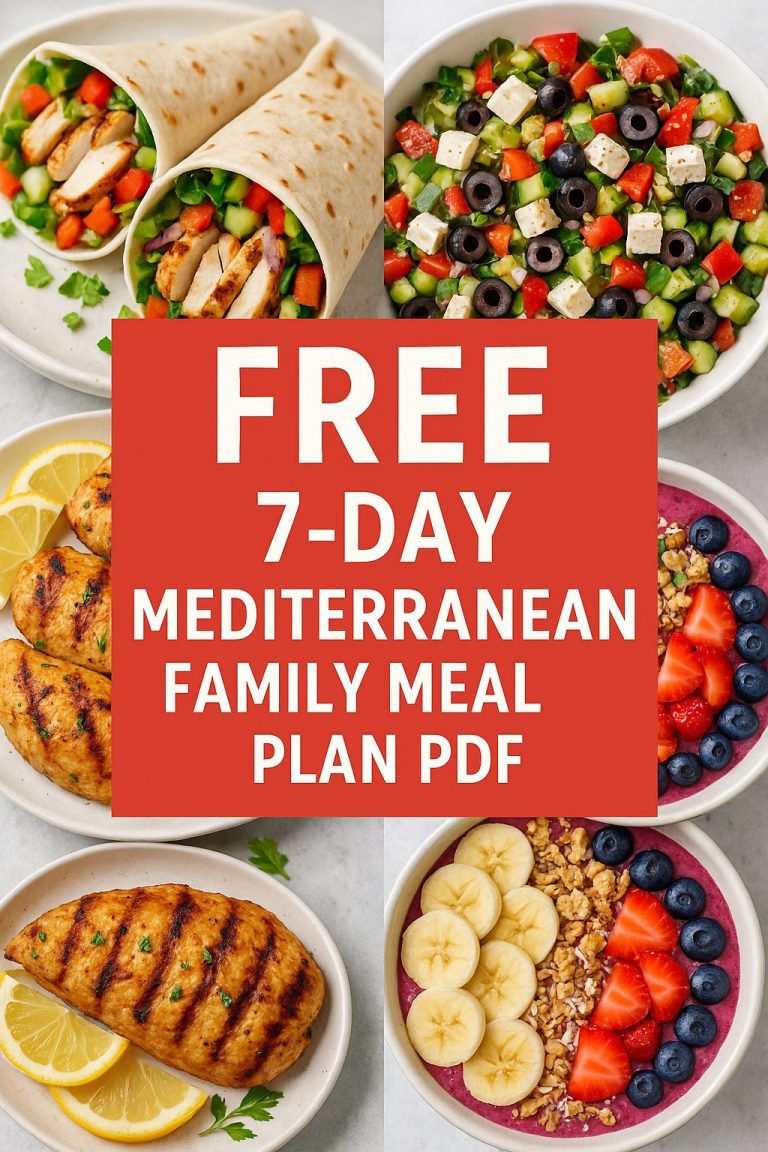
For a structured approach, try this 7-day Mediterranean reset meal plan to get started without overthinking it.
Putting It All Together
So you’ve got 30 recipes. Now what? Start small. Don’t try to meal prep all 30 in one weekend like some kind of cooking warrior. Pick three or four that sound good, make those this week. Next week, try three or four different ones.
Build your rotation gradually. You’ll figure out which recipes you actually like and which ones sound better than they taste for your personal preferences. Maybe you hate farro but love quinoa. Maybe you’re obsessed with shakshuka and make it every Sunday. That’s fine—make it your own.
The point of a spring reset isn’t to follow some rigid plan perfectly. It’s to shift your eating patterns toward more vegetables, better fats, and less processed garbage. If you can do that even 70% of the time, you’re way ahead of where you were before.
Use these recipes as a starting point. Swap ingredients based on what you have or what you prefer. The Grilled Veggie & Halloumi Skewers can use whatever vegetables are in your fridge. The Tomato & Feta Farro Bowl works with quinoa or bulgur if you don’t have farro.
Mediterranean cooking is flexible. It’s based on principles (lots of plants, good fats, moderate protein, minimal processing) rather than exact measurements and rigid rules. Once you understand the principles, you can basically make this stuff up as you go.
For more flexible meal ideas, check out these 30 Mediterranean dinner recipes for the whole week to keep things interesting.
Quick Win: Keep a running list on your phone of which recipes you actually made and liked. When you’re drawing a blank on what to make for dinner, you’ve got your personal greatest hits ready to reference.
Frequently Asked Questions
Do I need to buy expensive ingredients for Mediterranean cooking?
Not at all. While good olive oil is worth investing in, most Mediterranean staples are budget-friendly—beans, lentils, canned tomatoes, seasonal vegetables, and whole grains are all cheap. You can make most of these recipes for less than takeout would cost. Focus on buying what’s in season and shopping sales for pantry staples.
Can I meal prep Mediterranean recipes or do they need to be fresh?
Most Mediterranean dishes actually meal prep really well. Grain bowls, soups, lentil salads, and roasted vegetables all keep for 4-5 days in the fridge. In fact, many dishes like the lentil soup and grain salads taste better after sitting for a day because the flavors meld together. Just keep dressings separate for salads and store everything in airtight containers.
How quickly will I see results from eating Mediterranean-style?
You’ll likely notice more energy and better digestion within the first week since you’re eating more fiber and nutrients. Weight loss, if that’s your goal, typically becomes noticeable around week 2-3 for most people. But the real benefits—better heart health markers, reduced inflammation, improved blood sugar—develop over months of consistent eating. This is a long-term lifestyle shift, not a quick-fix diet.
What if I don’t like fish or seafood?
No problem. The Mediterranean diet isn’t exclusively fish-based. Focus on the chicken recipes, legume-based dishes, and vegetarian options. You can get omega-3s from walnuts, flax seeds, and chia seeds instead. Dishes like the chickpea skillet, lentil soups, and grain bowls are all completely fish-free and still totally Mediterranean.
Can I follow Mediterranean eating if I’m trying to build muscle or need high protein?
Absolutely. Focus on the fish and chicken recipes, add extra Greek yogurt, incorporate more legumes, and don’t skimp on nuts and seeds. The Mediterranean diet can easily be high-protein—you just need to be intentional about including protein at each meal. The Greek yogurt bowls, egg dishes, fish recipes, and chicken meals all pack substantial protein while staying true to Mediterranean principles.
Your Spring Reset Starts Now
Here’s the bottom line: you’ve got 30 solid Mediterranean recipes that work for spring. You know the basics of meal prepping. You understand why this approach makes sense beyond just “eating healthy.”
The hardest part is always starting. Not next Monday, not after you finish that bag of chips in your pantry—today. Pick one recipe from this list, make it for dinner tonight or tomorrow. That’s your entry point.
Spring is about renewal and fresh starts, but you don’t need to overhaul your entire life. Small shifts compound over time. Eating Mediterranean-style a few meals a week becomes most meals. Most meals becomes your default. Your default becomes how you just eat, without thinking about it.
These 30 recipes are your roadmap, not your prison sentence. Use what works, skip what doesn’t, adjust based on your preferences and schedule. The goal is to feel better—more energy, less bloat, clearer head, whatever “better” means for you.
Spring’s here. Your kitchen’s ready. You’ve got the recipes. Time to actually do the thing.