30 Low-Calorie Clean Eating Recipes
Look, I’m not going to sugarcoat it—eating clean while keeping calories in check can feel like trying to solve a Rubik’s cube blindfolded. You want food that actually tastes good, keeps you full, and doesn’t leave you daydreaming about pizza at 3 PM. I’ve been there, standing in front of my fridge wondering how chicken breast and broccoli became my life.
But here’s the thing: low-calorie clean eating doesn’t have to be boring or restrictive. After years of experimenting in my own kitchen (and plenty of mediocre meals), I’ve learned that the best approach combines whole, minimally processed ingredients with flavors that make you forget you’re even eating “healthy.” No cardboard-flavored protein bars or sad desk salads here.
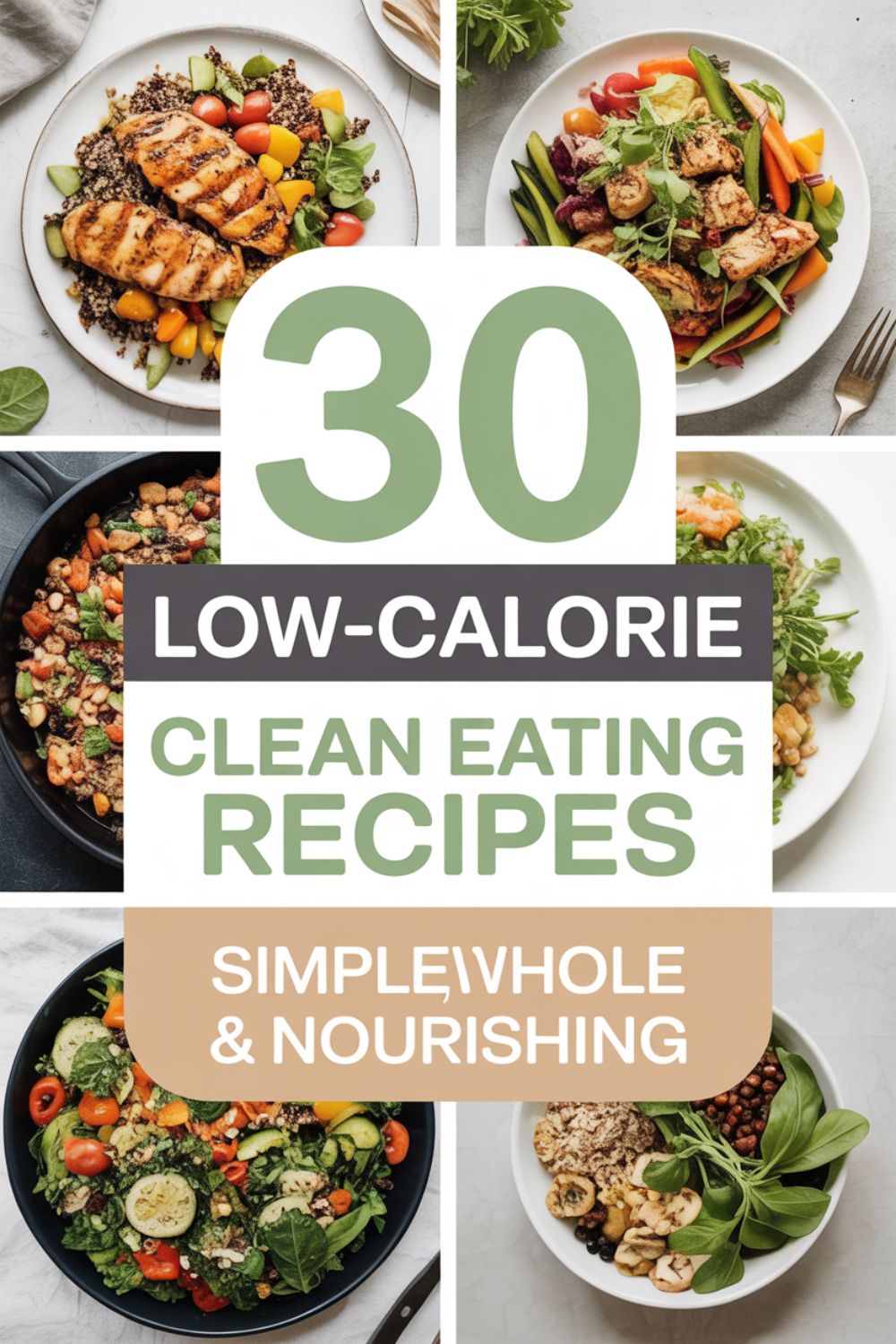
This collection of 30 recipes proves that you can eat clean, stay satisfied, and actually enjoy your meals without counting every single calorie like a mathematician. Whether you’re meal prepping for the week or need quick dinner solutions, these recipes have your back.
What Clean Eating Actually Means (Without the BS)
Before we get into the recipes, let’s clear something up. Clean eating has become one of those buzzwords that gets thrown around more than a frisbee at a beach party. Everyone has their own definition, and honestly, some of them are pretty extreme.
According to Mayo Clinic, clean eating basically means choosing foods that are as close to their natural state as possible. Think fresh vegetables, fruits, whole grains, lean proteins, and healthy fats—not the stuff that comes in packages with ingredient lists longer than your grocery receipt.
The idea is simple: fill your plate with nutrient-dense foods that actually fuel your body instead of loading up on processed junk packed with added sugars, preservatives, and ingredients you can’t pronounce. Harvard’s Nutrition Source points out that clean eating isn’t about perfection or obsessing over every morsel—it’s about making better choices most of the time.
IMO, the best part about clean eating is that it’s not another restrictive diet that makes you miserable. You’re not cutting out entire food groups or surviving on lemon water and hope. You’re just choosing real food that happens to make you feel amazing. And when you combine that with lower-calorie options, you get meals that satisfy both your taste buds and your goals.
Why Low-Calorie Doesn’t Mean Low-Satisfaction
Here’s where people usually mess up: they think eating fewer calories automatically means eating less food and feeling hungry all the time. Not true. The secret is choosing foods with low caloric density—meaning you can eat larger portions for fewer calories.
Vegetables, fruits, lean proteins, and whole grains fall into this category. You can pile your plate high with roasted vegetables and grilled lemon-herb chicken with quinoa and still stay within your calorie goals. Meanwhile, a tiny handful of chips could cost you the same calories with zero nutritional benefit.
This is why clean eating and low-calorie eating work so well together. When you focus on whole foods, you naturally end up eating more volume with fewer calories. Plus, these foods keep you full longer because they’re packed with fiber, protein, and nutrients your body actually needs.
Building Your Low-Calorie Clean Eating Foundation
Before you start cooking, let’s talk about stocking your kitchen with the right ingredients. Having these staples on hand makes it ridiculously easy to whip up clean meals without having to think too hard about it.
Proteins That Pull Their Weight
Lean proteins are your best friends when you’re trying to stay full on fewer calories. Chicken breast, turkey, fish, eggs, Greek yogurt, and legumes give you maximum satiety with minimal calorie impact. I always keep chicken thighs in my freezer—they’re slightly higher in calories than breast meat but way more flavorful and harder to overcook.
Speaking of fish, salmon is a powerhouse. Sure, it’s got more calories than white fish, but the healthy fats are worth it. Try baked salmon with herbed quinoa for a meal that feels fancy but takes minimal effort. Get Full Recipe
Vegetables: Your Secret Weapon
I cannot stress this enough—vegetables are the MVPs of low-calorie clean eating. You can eat enormous amounts without putting a dent in your calorie budget. Plus, they’re loaded with fiber, which keeps you full and your digestive system happy.
My go-to vegetables are spinach, broccoli, cauliflower, zucchini, bell peppers, and Brussels sprouts. I roast them with a tiny bit of olive oil and whatever seasonings I’m feeling that day. This silicone baking mat has saved me from scrubbing burnt veggie bits off baking sheets more times than I can count.
For something different, check out this grilled eggplant with yogurt sauce—it’s weirdly addictive and proves that vegetables don’t have to be boring.
Whole Grains That Actually Taste Good
Contrary to popular belief, you don’t have to give up carbs to eat clean or lose weight. You just need to choose the right ones. Quinoa, brown rice, oats, farro, and whole wheat pasta give you sustained energy without the blood sugar rollercoaster.
I’ve become obsessed with overnight oats lately. You literally dump everything in a jar the night before, and breakfast is ready when you wake up. My current rotation includes peanut butter banana oats and blueberry lemon oats. Game changers.
If you’re looking for more inspiration, these 25 overnight oats recipes for weight loss will keep your mornings interesting for a solid month. Some are classics, others are surprisingly creative—like the apple pie version that tastes like dessert but is actually nutritious.
30 Low-Calorie Clean Eating Recipes You’ll Actually Make
Alright, let’s get to the good stuff. I’ve organized these recipes by meal type to make your life easier. Whether you need breakfast ideas, lunch inspiration, or dinner solutions, there’s something here that’ll work for you.
Breakfast Winners
Breakfast sets the tone for your entire day. Start with something clean and satisfying, and you’re way less likely to face-plant into a donut by 10 AM. These recipes are heavy on protein and fiber to keep you full until lunch.
The Greek yogurt parfait is stupid simple but incredibly satisfying. Layer Greek yogurt with fresh berries and a sprinkle of granola—preferably in one of these mason jars if you’re meal prepping. Get Full Recipe
For something more savory, the savory Mediterranean scramble packs vegetables, herbs, and protein into one pan. It’s become my weekend staple because it feels indulgent but is actually super clean.
Other breakfast options worth trying:
- Oatmeal with fresh berries and flaxseed – The flaxseed adds omega-3s and keeps you full forever
- Avocado toast with cherry tomatoes and hemp seeds – Not basic, actually balanced
- Tofu scramble with spinach and bell peppers – For my plant-based friends who want protein without eggs
- Chia pudding with almond milk and fresh fruit – Make it the night before and grab it on your way out
- Sweet potato hash with black beans and avocado – This one’s hearty enough for brunch
If you want to explore more morning options, check out these 30 Mediterranean breakfast recipes for busy mornings. They’re all designed to be quick but still deliver on flavor and nutrition.
Lunch Ideas That Beat the Sad Desk Salad
Nobody wants to eat another boring salad while watching their coworkers enjoy actual food. These lunch recipes prove you can pack something clean, low-calorie, and legitimately exciting.
The Mediterranean chickpea bowl has become my default lunch. It’s got protein from chickpeas, tons of vegetables, and enough flavor that I don’t feel deprived. Plus, it holds up well if you’re meal prepping. Get Full Recipe
Another favorite is the grilled chicken shawarma salad. The spices make it taste way more interesting than your average grilled chicken situation, and the portion size is generous enough to keep you satisfied all afternoon.
More lunch options that actually work:
- Tuna and white bean salad – High protein, zero cooking required
- Lentil spinach soup – Make a big batch on Sunday and portion it out
- Quinoa tabbouleh with hummus and pita – Feels like a proper meal, not just rabbit food
- Cucumber hummus sandwich – Light but surprisingly filling
- Falafel wrap with tzatziki – This one’s actually fun to eat
Looking for meal prep inspiration? These 25 Mediterranean lunchbox recipes are specifically designed to travel well and taste good even when eaten cold or reheated.
Dinner Solutions for Busy Weeknights
Dinner is where most people’s clean eating plans fall apart. You’re tired, hungry, and takeout is just a phone call away. But with the right recipes in your arsenal, you can get a healthy dinner on the table faster than delivery would arrive.
The lemon herb chicken with roasted potatoes is my answer to “what’s for dinner?” on nights when I can’t think. Sheet pan meals are lifesavers—everything goes on one pan with some parchment paper, roasts in the oven, and you’re done. Get Full Recipe
For pescatarians, try grilled salmon with tomato caper relish. The relish sounds fancy but takes about five minutes to throw together, and it transforms simple grilled fish into something you’d order at a restaurant.
More dinner ideas worth adding to your rotation:
- Stuffed bell peppers with quinoa and veggies – Make extras and freeze them for future lazy nights
- Shrimp sautéed in garlic and olive oil with couscous – Ready in 15 minutes, tastes gourmet
- Whole wheat spaghetti with cherry tomatoes and basil – Because sometimes you just need pasta
- Mediterranean grain bowl – Customizable based on whatever vegetables you have
- Baked cod with tomato olive tapenade – Mild fish with bold flavors
If you’re trying to get dinner on the table in 30 minutes or less, definitely check out these 15 easy Mediterranean one-pan dinners. Minimal dishes, maximum flavor—exactly what you need after a long day.
Snacks That Won’t Derail Your Progress
Let’s be real—snacks are where diet plans go to die. You get hungry between meals, grab whatever’s convenient, and suddenly you’ve eaten half a bag of chips without realizing it. Having clean, low-calorie snacks ready prevents that scenario.
The hummus and veggie sticks combo is classic for a reason. It works. But if you want something more interesting, try mini falafel wraps with tzatziki—they’re basically snack-sized versions of a full meal.
I keep these snacks stocked at all times:
- Greek yogurt with nuts and cinnamon – Protein plus healthy fats equals satiety
- Tuna avocado packets – Weird name, surprisingly good
- Mini egg muffins – Make a dozen, grab two when you’re hungry
- Cucumber avocado toast with za’atar – The za’atar makes it taste special
- Savory cottage cheese bowl with veggies – Don’t knock it till you try it
For more variety, these 21 high-protein snacks under 200 calories will keep things interesting without blowing your calorie budget.
The Kitchen Tools That Make This Easier
You don’t need a kitchen full of fancy gadgets to eat clean, but a few strategic tools make everything smoother. These are the items I use constantly:
A good chef’s knife changes everything. Chopping vegetables is way less annoying when your knife actually cuts instead of squishing things. I resisted buying a decent knife for years and regret that decision immensely.
For meal prep, glass containers with locking lids are worth every penny. They don’t absorb odors, go from fridge to microwave without issues, and last forever. Plus they don’t turn gross-looking like plastic containers do.
A food scale helps if you’re trying to be precise about portions without obsessing. I use mine mostly for proteins and grains since those calories add up quickly if you’re eyeballing portions.
And honestly? A good quality non-stick pan means you can cook with way less oil and nothing sticks. It’s made cooking eggs and fish so much easier that I actually look forward to it instead of dreading the cleanup.
Making This Sustainable (Not Just Another Diet)
Here’s the part nobody talks about: eating clean and keeping calories in check only works if you can sustain it long-term. If your eating plan makes you miserable, you’re going to quit. I’ve done it, you’ve probably done it, and there’s zero shame in that.
The key is building flexibility into your approach. Yes, most of your meals should come from whole, minimally processed foods. But having pizza on Friday night or dessert at a birthday party doesn’t undo everything. Life happens, and rigid rules just set you up for failure.
I follow what I call the 80/20 rule—80% of the time, I eat clean, nutrient-dense foods. The other 20%? I eat whatever I want without guilt. This approach keeps me sane and prevents the binge-restrict cycle that so many diets create.
Another thing that helps: batch cooking on weekends. Spend two hours on Sunday prepping proteins, chopping vegetables, and cooking grains. Then during the week, assembling meals takes literally 10 minutes. It’s the difference between success and ordering takeout out of desperation.
Check out this 7-day Mediterranean meal prep plan if you want a structured approach to batch cooking. It walks you through exactly what to prep and how to use it throughout the week.
Common Mistakes to Avoid
After years of trial and error, I’ve learned what works and what definitely doesn’t. Here are the mistakes I see people make over and over:
Going too extreme too fast. Trying to overhaul your entire diet overnight is a recipe for burnout. Start by adding in more whole foods before you worry about eliminating things. Once eating more vegetables and lean proteins becomes normal, you can gradually phase out processed stuff.
Forgetting about flavor. Clean eating doesn’t mean bland eating. Use herbs, spices, citrus, vinegars, and aromatics generously. The shakshuka with eggs in spicy tomato sauce proves that clean food can be bold and exciting.
Not eating enough. Low-calorie doesn’t mean no-calorie. Your body needs fuel to function. If you’re constantly tired, irritable, or thinking about food non-stop, you’re probably not eating enough. Increase your portions of vegetables and add more lean protein.
Skipping meals to “save” calories. This backfires every single time. You end up so hungry that you overeat later, usually on whatever’s convenient rather than what’s actually satisfying. Eat regular meals with protein and fiber to keep hunger manageable.
Frequently Asked Questions
How many calories should I aim for with clean eating?
It really depends on your individual needs, activity level, and goals. Generally, most people do well with 1,500-2,000 calories per day for weight loss, but this varies. The beauty of clean eating is that you’re focusing on nutrient-dense foods that keep you satisfied, so you naturally tend to eat less without feeling deprived. I’d suggest starting with eating until you’re comfortably full and adjusting based on how you feel and your results.
Can I eat clean on a tight budget?
Absolutely. Clean eating doesn’t mean buying expensive organic everything. Focus on frozen vegetables (just as nutritious as fresh), bulk whole grains and legumes, and whatever proteins are on sale. Eggs are incredibly cheap and nutritious. Chicken thighs cost less than breast meat and taste better anyway. Check out these budget-friendly Mediterranean meals for proof that eating well doesn’t require a huge grocery budget.
Do I have to give up dairy for clean eating?
Not at all. Plain Greek yogurt, cottage cheese, and regular cheese can all fit into clean eating as long as they’re minimally processed. The issue isn’t dairy itself—it’s the heavily processed dairy products loaded with added sugars and artificial ingredients. Stick with plain versions and add your own flavor with fruit, honey, or herbs.
How do I handle eating out while trying to eat clean?
It’s definitely trickier but not impossible. Look for dishes that are grilled, roasted, or steamed rather than fried. Ask for dressing on the side, request extra vegetables instead of fries, and don’t be afraid to customize your order. Most restaurants are happy to accommodate reasonable requests. And honestly, if you’re eating clean most of the time, one restaurant meal isn’t going to derail everything.
What’s the difference between clean eating and other diets like keto or paleo?
Clean eating is more of a philosophy than a strict diet with specific rules. It focuses on whole, minimally processed foods but doesn’t eliminate entire food groups like keto (which restricts carbs) or paleo (which eliminates grains and legumes). You can eat clean while following keto, paleo, vegetarian, or pretty much any other dietary approach. It’s flexible and sustainable, which is why I prefer it over more restrictive diets.
Final Thoughts
Clean eating with a focus on lower calories isn’t about deprivation or spending hours in the kitchen. It’s about choosing real, whole foods that fuel your body and taste good enough that you actually want to eat them. These 30 recipes prove you can have both—meals that support your health goals without making you feel like you’re missing out.
The recipes I’ve shared cover everything from quick breakfasts to satisfying dinners, and they’re all built around ingredients you can find at any grocery store. No weird superfoods or expensive supplements required. Just real food, prepared in ways that maximize flavor and nutrition.
Start with a few recipes that sound appealing, try them out, and build from there. You don’t have to make all 30 immediately (that would be insane). Pick maybe three or four that fit your lifestyle and add them to your regular rotation. Once those become second nature, try a few more.
Remember that consistency beats perfection every single time. It’s better to eat clean meals 80% of the time and enjoy some flexibility than to try for 100% perfection and burn out after two weeks. This is a marathon, not a sprint, and the goal is to develop eating habits you can maintain for life.
Whether you’re new to clean eating or just looking for fresh inspiration, I hope these recipes make the whole process easier and more enjoyable. Because eating healthy should enhance your life, not control it. Now get in that kitchen and start cooking—your taste buds and your body will thank you.