21 Low-Calorie Budget Meals That Actually Taste Good
Look, I’m going to be straight with you. When someone says “low-calorie budget meals,” your brain probably conjures images of sad desk salads and flavorless chicken breast that tastes like disappointment. But here’s the thing—eating well on a budget without blowing your calorie count doesn’t have to feel like punishment.
I’ve been there. Staring at my bank account and my meal plan like they’re mortal enemies. Trying to figure out how to eat healthy without either starving or going broke. Spoiler alert: it’s totally possible, and you don’t need to sell a kidney to make it happen.
Why Low-Calorie Budget Meals Actually Make Sense
Before we dive into the good stuff, let’s talk about why this combo works. Eating on a budget naturally pushes you toward whole foods—beans, lentils, rice, seasonal veggies—which happen to be lower in calories and higher in nutrients than processed junk. It’s like your wallet and your waistline decided to team up for once.
According to Harvard Health, nutrient-dense foods provide vitamins, minerals, and protein without unnecessary calories. These foods keep you energized and satisfied while supporting healthy weight management. The secret? Focus on whole grains, lean proteins, and loads of vegetables.
The USDA’s Thrifty Food Plan proves you can eat nutritiously on a tight budget. Their guidelines show how nutrient-dense foods and beverages support healthy eating patterns without breaking the bank.
The Reality of Eating Cheap and Healthy
Let me keep it real with you. When I first started trying to eat healthy on a budget, I made every rookie mistake in the book. I’d buy fancy superfoods that would rot in my fridge. I’d meal prep like I was feeding an army, only to get bored by Wednesday. Sound familiar?
The trick isn’t buying expensive ingredients or following some complicated meal plan. It’s about being smart with staples and getting creative with what you already have. You know what’s genuinely impressive? Making a killer meal out of canned beans, frozen veggies, and some spices. That’s the real flex.
Building Your Budget-Friendly Pantry
Your pantry is your best friend when you’re trying to eat well without spending a fortune. Stock up on these staples and you’ll always have something decent to throw together.
The Essentials Worth Buying
Grains and Legumes: Brown rice, quinoa, oats, lentils, chickpeas, and black beans are your foundation. They’re cheap, filling, and last forever. I buy mine in bulk and store them in airtight containers to keep everything fresh.
Proteins: Eggs, canned tuna, frozen chicken breast, and Greek yogurt. These give you variety without the price tag of fresh fish or fancy cuts of meat. Trust me, a decent meat thermometer will save you from overcooking that chicken into oblivion.
Vegetables: Frozen veggies are criminally underrated. They’re pre-cut, nutritious, and won’t go bad before you remember to use them. Throw in some onions, garlic, and whatever’s on sale fresh and you’re golden.
Flavor Makers: Olive oil, salt, pepper, garlic powder, cumin, paprika, and whatever hot sauce speaks to your soul. This is where the magic happens. A spice rack organizer might seem extra, but when you can actually find your cumin at 7 PM on a Tuesday, you’ll thank me.
For inspiration on stocking your Mediterranean pantry affordably, check out these budget-friendly Mediterranean meals that use similar staples in creative ways.
21 Low-Calorie Budget Meals That Don’t Suck
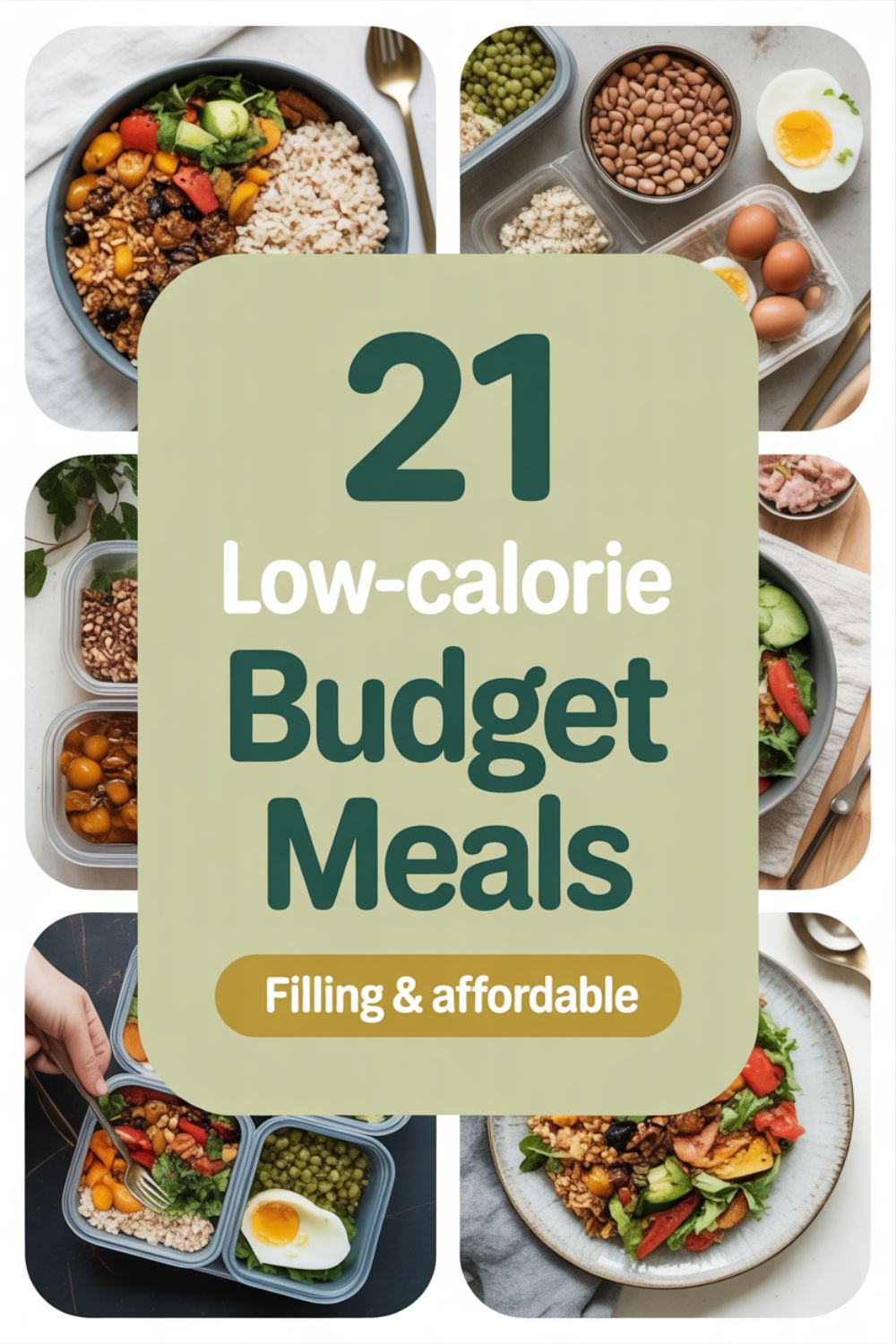
Alright, let’s get to what you actually came here for. These meals are all under 400 calories, cost-effective, and taste like you actually tried. No sad desk lunches here.
1. Lentil Soup with Crusty Bread
Lentils are basically the MVP of budget cooking. They’re packed with protein and fiber, cost next to nothing, and make you feel like you’ve got your life together. Simmer them with carrots, celery, onions, and whatever spices you’re feeling that day. Get Full Recipe
The best part? This makes a huge batch that gets better over the next few days. Just reheat it in a microwave-safe bowl and you’re set.
2. Greek Yogurt Bowl with Berries and Honey
This is my go-to when I need something quick that doesn’t taste like cardboard. Plain Greek yogurt is stupid cheap when you buy the big tubs. Add frozen berries (which are often cheaper and more nutritious than fresh), a drizzle of honey, and maybe some granola if you’re feeling fancy. Get Full Recipe
3. Mediterranean Chickpea Skillet
Open a can of chickpeas, throw them in a pan with spinach, tomatoes, and whatever Mediterranean spices you have. Done. It’s fast, cheap, and actually filling. Get Full Recipe
Speaking of Mediterranean flavors, if you’re looking for more budget-friendly options with similar vibes, try these Mediterranean chickpea bowls or this Mediterranean grain bowl for complete meal ideas.
4. Oatmeal with Dried Figs, Walnuts, and Cinnamon
Don’t sleep on oatmeal just because it sounds boring. Dress it up right and it’s genuinely good. The dried figs add natural sweetness without added sugar, and walnuts give you those omega-3s everyone keeps talking about. Get Full Recipe
5. Tuna and White Bean Salad
Canned tuna gets a bad rap, but it’s cheap protein that works. Mix it with white beans, some lemon juice, olive oil, and fresh herbs if you’ve got them. Eat it on lettuce cups or with whole grain crackers. Get Full Recipe
6. Shakshuka (Eggs in Spicy Tomato Sauce)
This dish sounds fancy but it’s literally eggs poached in spiced tomato sauce. Use canned tomatoes, add some cumin and paprika, crack eggs on top, and let them cook. Serve with bread for dipping and feel like you’re at a trendy brunch spot. Get Full Recipe
If shakshuka becomes your thing, you might also love this savory Mediterranean scramble for a quicker weekday version.
7. Veggie-Packed Black Bean Tacos
Tacos are the ultimate budget meal. Black beans, whatever veggies need using up, some cheese if you’re feeling it, and tortillas. The secret is having good salsa on hand. Get Full Recipe
8. Stir-Fried Tofu with Broccoli and Brown Rice
Tofu is dirt cheap if you shop at the right places. Press it, cube it, fry it in a non-stick pan until crispy, then toss with frozen broccoli and soy sauce. Serve over brown rice and you’ve got takeout vibes for a fraction of the price. Get Full Recipe
9. Whole Wheat Spaghetti with Cherry Tomatoes and Basil
Pasta doesn’t have to be a calorie bomb. Use whole wheat pasta, fresh or canned tomatoes, garlic, and basil. Keep the portion reasonable and you’re looking at a satisfying meal under 350 calories. Get Full Recipe
10. Baked Salmon with Herbed Quinoa
Okay, salmon isn’t the cheapest, but when it’s on sale or you buy frozen fillets, it’s doable. Bake it with lemon and herbs, serve with quinoa, and you’ll feel like you’re eating at a restaurant. Get Full Recipe
For more high-protein meal ideas that won’t wreck your budget, check out these high-protein low-calorie meals under 500 calories.
11. Cucumber Hummus Sandwich
This is stupidly simple but surprisingly good. Whole grain bread, hummus (buy it in bulk or make your own), cucumber slices, and maybe some sprouts if you’re not a sprout hater. Get Full Recipe
12. Three Bean Chili
Three different cans of beans, canned tomatoes, chili powder, cumin, and onions. Let it simmer in a large pot while you do literally anything else. This feeds you for days and freezes well. Get Full Recipe
13. Grilled Veggie Platter with Hummus
Slice up whatever vegetables you have, toss them with olive oil and seasonings, and roast them in the oven. Serve with hummus for dipping. It’s basically adult vegetable sticks but way better. Get Full Recipe
14. Lentil Sweet Potato Stew
Sweet potatoes are usually cheap and packed with nutrients. Combine them with lentils, vegetable broth, and curry spices for a warming stew that costs almost nothing. Get Full Recipe
15. Avocado Toast Mediterranean Style
Yes, avocado toast can be budget-friendly if you buy avocados when they’re on sale and actually use them before they go bad. Top with tomatoes, feta (a little goes a long way), and a sprinkle of za’atar. Get Full Recipe
Looking for more creative toast ideas? These savory cottage cheese toasts are another protein-packed option that’s wallet-friendly.
16. Stuffed Bell Peppers with Quinoa and Veggies
Bell peppers go on sale pretty regularly. When they do, stock up. Hollow them out, stuff with quinoa and whatever vegetables you have, top with a little cheese, and bake. Get Full Recipe
17. Carrot Ginger Soup with Chickpea Croutons
This soup costs pennies to make but tastes like something from a fancy café. Carrots, ginger, vegetable broth, and a splash of coconut milk. Roast chickpeas for “croutons” and you’ve got texture and protein. Get Full Recipe
18. Greek Salad (But Like, Actually Good)
The key to a good Greek salad is not skimping on the good stuff. Use quality olives (buy them from the olive bar if your store has one), real feta, lots of cucumber and tomato, and a simple olive oil and lemon dressing. Get Full Recipe
19. One-Pot Mediterranean Pasta
Everything goes in one pot—pasta, vegetables, broth, and seasonings. Less cleanup, more eating. This is the kind of meal you make when you can’t even with multiple dishes. Get Full Recipe
20. Sweet Potato Hash with Black Beans and Avocado
Dice sweet potatoes, cook them in a cast iron skillet until crispy, add black beans, and top with avocado. It works for breakfast, lunch, or dinner. Honestly, it works anytime. Get Full Recipe
21. Spaghetti Squash with Tomato Basil Sauce
Spaghetti squash is one of those vegetables that seems intimidating but is actually super easy. Cut it in half, roast it, scrape out the “noodles,” and top with a simple tomato sauce. Way fewer calories than regular pasta but just as satisfying. Get Full Recipe
Smart Shopping Strategies That Actually Work
Making cheap, healthy meals starts at the grocery store. Here’s how to shop without losing your mind or your money.
Buy What’s in Season
Seasonal produce is always cheaper and tastes better. In summer, load up on tomatoes and zucchini. In fall, get all the squash and apples. Winter is for citrus and root vegetables. You get the idea.
Embrace the Freezer
Frozen vegetables are nutritionally comparable to fresh (sometimes better) and way more convenient. Same goes for frozen fruit. Stock up and you’ll always have something to work with.
Plan Around Sales
Check your store’s weekly ad before you plan meals. If chicken is on sale, make chicken-based meals that week. If beans are discounted, stock up because they don’t go bad.
IMO, using a grocery list app makes this way easier. You can track what you have, what you need, and what’s on sale all in one place.
Meal Prep Without the Stress
Look, I’m not going to tell you to spend your entire Sunday cooking 47 meals in matching containers. That’s not realistic for most people. But a little prep goes a long way.
Prep Your Proteins: Cook a batch of chicken breast or hard-boil a dozen eggs. Having protein ready makes throwing together a meal so much easier.
Chop Your Veggies: Wash and chop vegetables when you get home from the store. Store them in the fridge in produce containers and you’re way more likely to actually use them.
Make Big Batches: When you’re making soup, chili, or stew, double the recipe. Freeze half and you’ve got a future meal ready to go.
If you need some structured meal prep inspiration, these high-protein meal prep ideas offer a solid framework that’s actually doable.
Making Low-Calorie Budget Meals Taste Good
Here’s the thing nobody tells you: the difference between bland budget food and good budget food is usually just seasoning and technique.
Invest in Decent Spices
You don’t need a million spices, but having a solid collection makes everything better. Start with salt, pepper, garlic powder, cumin, paprika, oregano, and chili powder. Buy them at discount stores or in bulk and they’ll last forever.
Don’t Fear Fat (In Moderation)
A little olive oil or butter makes vegetables actually taste good. You’re eating low-calorie meals, not no-calorie meals. A teaspoon of olive oil in your cooking won’t ruin anything, but it will make your food way more enjoyable.
Add Acid and Heat
Lemon juice, vinegar, or hot sauce can transform a boring meal into something you’d actually want to eat again. A squeeze of lemon on roasted vegetables or a splash of hot sauce in beans makes a huge difference.
Speaking of making vegetables taste incredible, these grilled veggie platters show you how simple preparation and good seasoning can make produce the star.
Frequently Asked Questions
How can I eat healthy on $50 a week?
It’s totally doable if you plan smart. Focus on staples like rice, beans, oats, and eggs for protein. Buy frozen vegetables instead of fresh when prices are high. Shop sales and use coupons. Skip pre-packaged convenience foods—they’re always more expensive. Cook in batches so nothing goes to waste.
Are frozen vegetables as nutritious as fresh ones?
Yes, and sometimes they’re actually more nutritious. Frozen vegetables are picked and frozen at peak ripeness, locking in nutrients. Fresh vegetables can lose nutrients during transport and storage. Plus, frozen veggies last way longer and you’re more likely to actually use them before they go bad.
What’s the cheapest source of protein for budget meals?
Eggs, canned tuna, dried beans, and lentils are your best bets. Eggs give you high-quality protein for pennies per serving. Beans and lentils are ridiculously cheap and packed with protein and fiber. Canned tuna goes on sale regularly and is shelf-stable. Rotisserie chicken from the grocery store often costs less per pound than buying raw chicken breast.
How do I make low-calorie meals more filling?
Load up on fiber and protein—they’re what keep you satisfied. Add vegetables to bulk up meals without adding many calories. Include healthy fats in small amounts because they slow digestion. Drink water with your meals. And honestly, sometimes you just need to eat more volume, so pile on those veggies.
Can you lose weight eating budget meals?
Absolutely. Weight loss comes down to calories in versus calories out, not how much you spend on food. Budget-friendly whole foods like beans, rice, vegetables, and eggs support weight loss better than expensive processed “diet” foods. The key is portion control and choosing nutrient-dense options that keep you full.
Final Thoughts on Eating Well Without Going Broke
Here’s what I’ve learned after years of trying to balance my budget with my health goals: it’s not about being perfect. It’s about being consistent and practical.
Some weeks you’ll nail meal prep and feel like a functional adult. Other weeks you’ll survive on scrambled eggs and frozen vegetables. Both are fine. The goal isn’t to impress anyone with your meal planning skills—it’s to feed yourself well without stressing about money.
These 21 meals give you a solid foundation. Pick a few that sound good, buy the ingredients, and give them a shot. You don’t need to make all of them. You don’t need to follow them exactly. Use them as inspiration and adjust based on what you like and what’s on sale.
FYI, the biggest mistake I see people make is trying to overhaul everything at once. Start small. Maybe you try one or two new budget-friendly meals this week. Once those become part of your rotation, add more. Before you know it, you’ve got a whole repertoire of meals that taste good, cost little, and support your health goals.
And remember—eating on a budget doesn’t mean eating badly. Some of my favorite meals cost almost nothing to make. The best food isn’t always the most expensive. Sometimes it’s just beans, rice, and vegetables cooked with care and seasoned properly.
Now stop reading and go make something. Your future self will thank you.