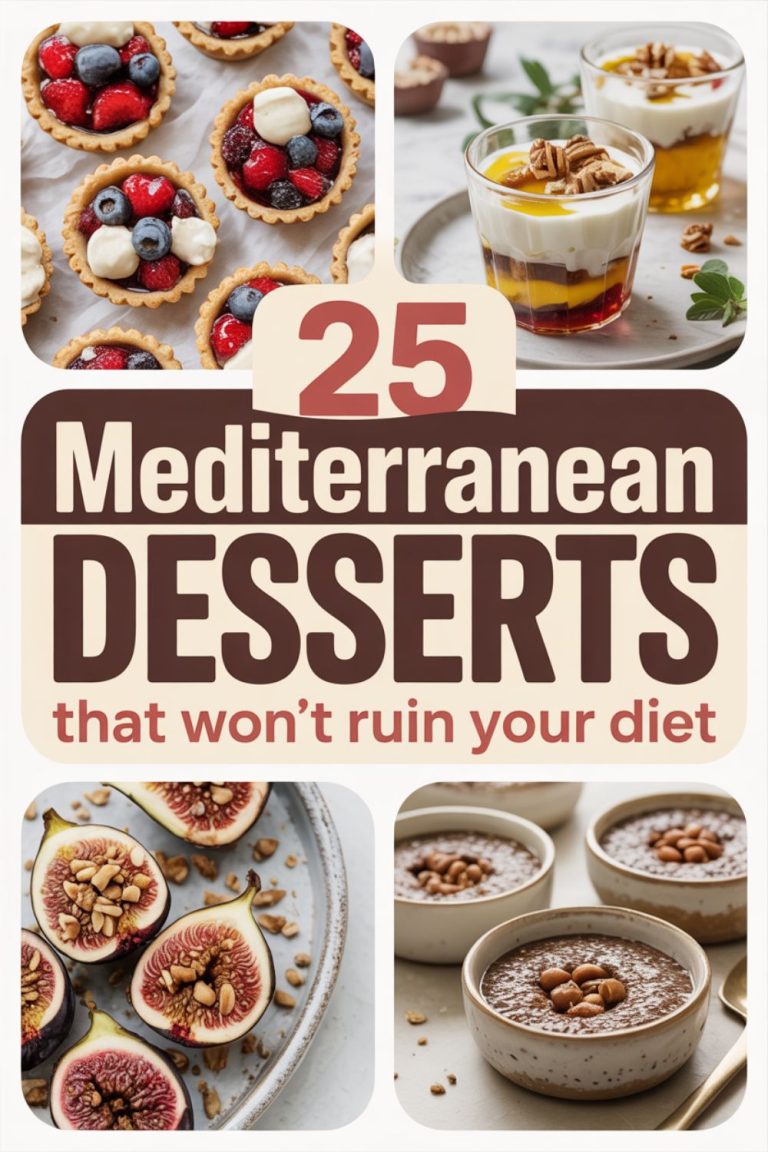
15 Mediterranean Desserts That Are Actually Healthy
Look, I’m going to be straight with you. When most people hear “Mediterranean diet,” they picture grilled fish, olive oil, and endless salads. Desserts? Not so much. But here’s the thing—the Mediterranean approach to sweets is actually genius, and it doesn’t mean you’re stuck eating plain fruit while everyone else enjoys actual dessert.
Mediterranean desserts use ingredients that actually bring something to the table beyond sugar and butter. We’re talking dates, nuts, olive oil, honey, and dark chocolate that would make your cardiologist nod approvingly. These aren’t those sad “healthy” desserts that taste like cardboard with frosting. They’re legitimately delicious treats that happen to pack some nutritional punch.
The secret? Mediterranean cultures have been doing desserts right for thousands of years. They don’t demonize sweets—they just approach them differently. Smaller portions, better ingredients, and a focus on quality over quantity. It’s the kind of approach that lets you enjoy something sweet without the guilt spiral afterward.

Why Mediterranean Desserts Hit Different
Mediterranean desserts aren’t trying to trick you into eating vegetables disguised as cake. They embrace the fact that desserts should taste good while using ingredients that actually benefit your body. Dark chocolate provides powerful antioxidants that support heart health, while nuts deliver healthy fats and protein that keep blood sugar stable.
The Mediterranean region produces some incredible natural sweeteners—dates, figs, honey—that bring complex flavors and actual nutrients to desserts. Compare that to refined white sugar, which offers exactly zero nutritional value. You’re getting fiber, vitamins, and minerals along with your sweet fix.
Here’s what makes these desserts work: they incorporate olive oil instead of butter, whole grains instead of refined flour, and natural sweeteners instead of processed sugar. It’s not about deprivation—it’s about making smarter swaps that don’t sacrifice flavor. For more balanced meal ideas throughout the day, check out these Mediterranean breakfast recipes that set you up for success.
Swap refined sugar for dates in most dessert recipes. Blend soaked dates with a splash of water to create a natural sweetener paste that adds fiber and minerals—your blood sugar will thank you.
1. Dark Chocolate-Covered Strawberries
Let’s start with the obvious winner. Get Full Recipe for these chocolate-covered strawberries that deliver serious antioxidant power. Dark chocolate (70% cacao or higher) contains flavonoids that may support cardiovascular health, while strawberries bring vitamin C and fiber to the party.
The combination works because the bitterness of quality dark chocolate balances the natural sweetness of strawberries. You’re not adding extra sugar—the fruit provides all the sweetness you need. I use a double boiler insert to melt the chocolate gently without scorching it, though a regular pot works too.
Total time? Maybe 15 minutes, including the wait for the chocolate to set. Keep them in the fridge and they’ll last a few days, though they rarely make it that long in my house. The key is using good chocolate—don’t cheap out here. That waxy coating you get from low-quality chocolate isn’t worth the savings.
2. Greek Yogurt Parfait with Honey and Walnuts
Greek yogurt parfaits might sound basic, but there’s a reason they’ve survived thousands of years. Get Full Recipe. The protein from Greek yogurt keeps you satisfied, while walnuts add omega-3 fatty acids and that satisfying crunch.
I layer mine in a glass parfait jar because presentation matters, even when you’re eating alone at 11 PM. Drizzle raw honey between layers and top with crushed walnuts. The contrast between creamy yogurt, liquid honey, and crunchy nuts creates texture that makes each bite interesting.
Want to level this up? Add a pinch of cinnamon or some fresh berries. The berry smoothie bowl uses similar ingredients if you want variety in your breakfast rotation.
3. Date Energy Bites
Energy bites sound like something you’d find at a yoga studio, but these date-based treats actually deliver. Medjool dates provide natural sweetness plus fiber, potassium, and magnesium. Blend them with nuts, a touch of cocoa powder, and you’ve got portable desserts that won’t spike your blood sugar.
I use my food processor to blend everything into a sticky mixture, then roll into balls and coat with shredded coconut or cocoa powder. They keep in the fridge for weeks, making them perfect for meal prep. The recipe is forgiving too—swap almonds for cashews, add chia seeds, throw in some dried fruit.
These work great as pre-workout fuel or an afternoon pick-me-up. They’re dense enough to satisfy hunger but won’t weigh you down. Similar energy-boosting options include these coconut date balls that use the same base ingredients.
If you’re looking for more protein-packed options that work as desserts or snacks, these high-protein snacks deliver similar satisfaction without the sugar crash. Many use Mediterranean staples like nuts and Greek yogurt.
4. Olive Oil Lemon Cake
Olive oil in cake sounds weird until you try it. The oil creates an incredibly moist crumb while adding monounsaturated fats that actually support heart health. Lemon brightens everything up and provides vitamin C. This isn’t your typical sugary cake—it’s more sophisticated, with a tender texture that regular butter cakes can’t match.
The trick is using good extra virgin olive oil. Not the cheap stuff you cook with, but something with actual flavor. I use a bundt pan because the shape looks impressive and ensures even baking. A simple glaze made from lemon juice and powdered sugar adds just enough sweetness without overwhelming the delicate olive oil flavor.
Serve this with fresh berries or a dollop of Greek yogurt. The cake itself isn’t overly sweet, which is actually the point. You’re tasting actual ingredients, not just sugar. It’s the kind of dessert that works equally well at brunch or after dinner.
Replace half the sugar in any cake recipe with mashed banana or applesauce. You’ll cut calories, add nutrients, and the cake stays moist for days. Works especially well in chocolate or spice cakes.
5. Baked Cinnamon Apples
Baked apples are ridiculously simple and hit that comfort food spot perfectly. Get Full Recipe. Core the apples, stuff them with a mixture of walnuts, cinnamon, and a drizzle of honey, then bake until tender. The apples essentially steam in their own juices, creating a naturally sweet dessert.
I swear by this apple corer tool for prepping—it makes quick work of removing cores without butchering the fruit. Choose firm apples like Granny Smith or Honeycrisp that hold their shape when baked. Mushy apples turn to applesauce, which isn’t necessarily bad, but it’s not what we’re going for here.
The smell of cinnamon and baking apples will make your kitchen smell like fall, regardless of the season. Serve warm with a scoop of vanilla Greek yogurt or a small piece of sharp cheddar cheese. That sweet-savory combo works better than you’d think.
6. No-Bake Chocolate Avocado Mousse
Before you make that face—yes, avocado in chocolate mousse works. The avocado creates an insanely creamy texture while adding healthy fats and fiber. You literally cannot taste the avocado. Get Full Recipe and prepare to be surprised.
Blend ripe avocados with cocoa powder, a touch of maple syrup, and vanilla until smooth. That’s it. The result is a rich, velvety mousse that rivals anything made with heavy cream. My high-speed blender makes this silky smooth in under a minute, though a regular blender works fine—just blend a bit longer.
Chill for at least an hour before serving. Top with fresh berries or a sprinkle of sea salt. The mousse keeps in the fridge for three days, making it perfect for prepping ahead. Pair this with other Mediterranean-inspired treats like these lighter desserts that won’t derail your goals.
7. Frozen Yogurt Bark with Berries
Frozen yogurt bark is one of those things that looks fancy but takes zero skill. Get Full Recipe. Spread Greek yogurt on a baking sheet, top with berries and dark chocolate chunks, freeze until solid, then break into pieces.
I use a silicone baking mat so the bark peels off easily without sticking. Mix the yogurt with a bit of honey and vanilla before spreading. Use whatever berries you have—frozen ones work just as well as fresh. The chocolate should be quality dark chocolate, not chocolate chips loaded with stabilizers.
Keep this in the freezer for when you need something sweet. It’s cold, creamy, crunchy from the frozen berries, and satisfying without being heavy. Kids love it too, which makes it a rare win-win dessert. For more frozen treats, check out this banana nice cream that uses similar techniques.
Speaking of quick Mediterranean options, these Mediterranean snacks show you how versatile simple ingredients can be. Many work as light desserts when you want something less sweet.
8. Walnut-Stuffed Dates
This is the easiest “recipe” on the list. Pit dates, stuff with a walnut half, optionally drizzle with dark chocolate. Done. The natural caramel-like sweetness of dates pairs perfectly with the slight bitterness of walnuts.
Medjool dates work best because they’re larger and softer. Regular dates tend to be drier and harder to stuff. I use a paring knife to make a slit and remove the pit cleanly. If you want to get fancy, roll the stuffed dates in cocoa powder or crushed pistachios.
These make excellent party appetizers that happen to double as dessert. People always ask for the recipe, then feel slightly cheated when I explain it’s just two ingredients. Sometimes simple wins. They also travel well, making them perfect for packed lunches or road trips.
9. Ricotta with Honey and Pistachios
This dessert tastes way more sophisticated than the three minutes it takes to make. Fresh ricotta topped with honey and crushed pistachios creates a creamy, crunchy, sweet combination that feels indulgent.
Use whole milk ricotta, not the low-fat version. The fat creates the silky texture that makes this work. Drizzle with raw honey and sprinkle generously with chopped pistachios. A pinch of sea salt enhances everything. I serve this in small ramekins or dessert bowls to make it feel special.
Add a few fresh berries or a drizzle of balsamic reduction if you’re feeling ambitious. The ricotta provides protein and calcium, while pistachios add healthy fats and fiber. It’s one of those desserts that could pass as breakfast if you squint. Similar protein-rich options include these vegetarian recipes that incorporate cheese and nuts.
Buy raw nuts in bulk and toast them yourself in a dry skillet. Takes 3-5 minutes, costs half as much as pre-toasted, and the flavor is noticeably better. Game changer for recipes using walnuts, almonds, or pistachios.
10. Almond Flour Cookies
Almond flour cookies deliver that satisfying cookie experience without the refined flour crash. Get Full Recipe. Almond flour provides protein and healthy fats while creating a tender, slightly chewy texture.
These cookies use honey or maple syrup instead of refined sugar. The natural sweeteners create a more complex flavor than straight white sugar. I add dark chocolate chunks because I’m not a monster. My cookie scoop ensures uniform size for even baking.
The dough doesn’t spread as much as regular cookie dough, so flatten them slightly before baking. They’re done when the edges turn golden brown. Let them cool on the pan—they firm up as they cool. Store in an airtight container for up to a week. Pair with coffee or tea, or crumble over Greek yogurt for breakfast.
11. Fig and Almond Tart
Figs are Mediterranean gold. Their natural sweetness means you barely need added sugar. This tart uses a simple almond flour crust topped with fresh figs, honey, and a sprinkle of thyme. Yes, thyme in dessert. Trust me on this.
Press the almond flour crust into a tart pan with removable bottom for that professional look. Slice figs in half and arrange them cut-side up. Drizzle with honey and bake until the figs soften and caramelize slightly. The thyme adds an unexpected herbal note that keeps this from being too sweet.
This works as an elegant dinner party dessert or a slightly fancy breakfast. Figs provide fiber and antioxidants, while almonds add protein and healthy fats. It’s beautiful enough to impress guests but simple enough to make on a weeknight. For more elegant options, explore these dinner recipes that share similar sophisticated simplicity.
12. Coconut Date Balls
These no-bake treats combine dates, shredded coconut, and almond butter into chewy, naturally sweet balls. Get Full Recipe. They’re similar to the date energy bites but with a tropical twist from the coconut.
Blend everything in a food processor until it forms a sticky dough. Roll into balls and coat with extra shredded coconut. I use unsweetened coconut flakes to avoid unnecessary added sugar. These keep in the fridge for weeks or freeze for months.
The texture is perfectly chewy with a slight coconut crunch. They’re sweet enough to satisfy dessert cravings but substantial enough to work as a snack. Pack them for travel, gym bags, or emergency desk drawer stashes. They’ve saved me from many vending machine temptations.
For more meal prep friendly options, these meal prep ideas include several dessert-like snacks that travel well and stay fresh all week.
13. Orange Blossom Panna Cotta
Panna cotta sounds intimidating but it’s basically just sweetened cream set with gelatin. This Mediterranean version uses orange blossom water for a floral note that’s distinctly Middle Eastern. The result is creamy, delicate, and surprisingly light.
Heat cream with honey, add gelatin and orange blossom water, pour into ramekins, and chill until set. The orange blossom water is key—it transforms this from plain cream dessert into something special. Don’t skip it or substitute with orange extract. They’re not the same.
Serve with fresh berries or a drizzle of honey. The panna cotta itself isn’t overly sweet, which lets the delicate orange blossom flavor shine through. Make these a day ahead for dinner parties. They unmold beautifully if you run a knife around the edge and invert onto a plate.
14. Cinnamon Roasted Chickpeas
Okay, chickpeas as dessert might be a stretch, but these cinnamon-sugar roasted chickpeas scratch that sweet-crunchy itch perfectly. Get Full Recipe. Drain and dry chickpeas, toss with cinnamon and a touch of coconut sugar, then roast until crispy.
The key is getting them completely dry before roasting. I pat them dry with paper towels and let them air dry for 20 minutes. My rimmed baking sheet ensures even roasting without crowding. They need space to crisp up properly.
These are addictive once you start eating them. The chickpeas provide protein and fiber, while the cinnamon may help regulate blood sugar. They work as a dessert alternative when you want something sweet but not heavy. Store in an airtight container, though they’re best eaten the day you make them. For more chickpea-based options, try these chickpea bowls that can be adapted for sweeter flavor profiles.
15. Banana Nice Cream with Dark Chocolate
Nice cream is just frozen bananas blended until creamy. That’s it. Get Full Recipe. The texture mimics soft-serve ice cream perfectly, and you can add whatever flavors you want. I go with dark chocolate chunks and a swirl of almond butter.
Slice ripe bananas, freeze for at least 4 hours, then blend in a high-powered blender until smooth and creamy. It takes a few minutes of blending—be patient. The bananas will go from chunky to crumbly to smooth. Resist the urge to add liquid unless absolutely necessary.
Eat immediately for soft-serve consistency or refreeze for a firmer texture. Add mix-ins like dark chocolate chunks, berries, or nut butter. The bananas provide natural sweetness plus potassium and fiber. It’s the kind of dessert you can feel good about eating for breakfast. More frozen treats can be found in these ice cream alternatives that use similar techniques.
Frequently Asked Questions
Can you eat dessert on the Mediterranean diet?
Absolutely. Mediterranean eating doesn’t ban dessert—it just approaches sweets differently. Traditional Mediterranean cultures enjoy desserts in moderation, typically after special meals or celebrations rather than daily. When you do have dessert, focus on quality ingredients like nuts, fruits, honey, and dark chocolate. The key is portion control and choosing desserts that provide some nutritional value alongside the sweetness.
What makes Mediterranean desserts healthier than regular desserts?
Mediterranean desserts typically use whole food ingredients like nuts, olive oil, honey, and fruits instead of refined sugar, butter, and white flour. These swaps add fiber, healthy fats, vitamins, and minerals that regular desserts lack. For example, olive oil provides monounsaturated fats that support heart health, while dates offer fiber and potassium. You’re still getting dessert, just with ingredients that bring actual nutritional benefits.
How often should you eat Mediterranean desserts?
There’s no hard rule, but Mediterranean cultures traditionally enjoy desserts 2-3 times per week rather than daily. Fresh fruit serves as the everyday “dessert” after meals. Save more elaborate sweets for weekends or special occasions. This approach helps you enjoy treats without overdoing sugar or calories while maintaining a balanced diet overall.
Are Mediterranean desserts good for weight loss?
They can support weight loss better than traditional desserts because they’re typically lower in refined sugar and higher in protein, fiber, and healthy fats that promote satiety. However, they still contain calories. Portion control matters. A small serving of date energy bites or Greek yogurt with honey satisfies sweet cravings while keeping calories reasonable—something a large slice of cake can’t claim.
Can I substitute ingredients in Mediterranean desserts?
Yes, these recipes are very forgiving. Swap different nuts based on what you have, use maple syrup instead of honey, or switch fruits seasonally. The principles stay the same—focus on whole food ingredients, natural sweeteners, and healthy fats. Just avoid replacing core Mediterranean staples (like olive oil) with processed alternatives (like margarine) that defeat the health benefits.
The Bottom Line on Mediterranean Desserts
Mediterranean desserts prove you don’t have to choose between enjoying sweets and maintaining a healthy diet. The approach is straightforward: use quality ingredients that provide nutritional value, practice portion control, and savor desserts as occasional treats rather than daily requirements.
What makes these desserts work is their reliance on whole foods. Dates provide natural sweetness plus fiber. Nuts add healthy fats and protein that stabilize blood sugar. Dark chocolate delivers antioxidants. Olive oil supports heart health. You’re not just eating empty calories—you’re consuming foods that benefit your body.
The best part? These desserts actually taste good. Not “good for healthy food” good—legitimately delicious good. You won’t feel deprived or like you’re missing out. When you bite into dark chocolate-covered strawberries or creamy ricotta with honey, you’re getting genuine dessert satisfaction.
Start with one or two recipes that appeal to you. Keep the ingredients simple and don’t overthink it. Mediterranean desserts aren’t complicated—they just prioritize better ingredients. Once you see how satisfying these treats are, you’ll naturally reach for them over processed alternatives.
Your sweet tooth doesn’t disappear just because you’re eating healthier. These Mediterranean desserts acknowledge that reality and work with it instead of against it. They let you enjoy something sweet without undoing all the good work you’ve done the rest of the day. That’s a sustainable approach to eating that actually lasts.