
21 Mediterranean Dinner Recipes for Simple Weeknights
Weeknight dinners shouldn’t feel like a second job. You’re tired, you’re hungry, and the last thing you want to do is stand over a stove for an hour following some complicated recipe that requires ingredients you’ve never heard of.
Enter Mediterranean cooking—the ultimate weeknight dinner solution. We’re talking bold flavors, simple techniques, and ingredients you can actually pronounce. No pretentious cooking jargon, no specialty equipment, just real food that tastes incredible and happens to be ridiculously good for you.
These are the basics that make healthy cooking fast and actually enjoyable: less mess, less time, and meals your whole family will happily eat.
- heavy-duty sheet panCheck today’s price →
- mandolineCheck today’s price →
- glass containersCheck today’s price →
- spice organizerCheck today’s price →
Amazon prices and deals change often, so it’s worth checking today’s price.
I’ve pulled together 21 Mediterranean dinner recipes that you can realistically make on a Tuesday night without losing your mind. These aren’t fancy restaurant dishes—they’re straightforward, satisfying meals that deliver big flavor without the big effort.

Why Mediterranean Dinners Work for Busy People
Here’s the thing about Mediterranean cooking that nobody tells you: it’s built for efficiency. Traditional Mediterranean households weren’t spending three hours on dinner—they were working all day and needed meals that came together quickly with minimal fuss.
The secret? Flavor comes from quality ingredients, not complicated techniques. You’re using olive oil, garlic, lemon, herbs, and fresh vegetables to do the heavy lifting. A piece of fish with lemon and herbs needs maybe 15 minutes in the oven. Done.
Plus, Mediterranean meals are naturally balanced. You’re getting protein, healthy fats, whole grains, and vegetables all on one plate. According to Harvard T.H. Chan School of Public Health, this eating pattern supports heart health and longevity without requiring you to count calories or measure portions obsessively.
The recipes I’m sharing hit that sweet spot of quick enough for weeknights but interesting enough that you won’t get bored eating them.
Quick Chicken Dinners That Actually Taste Good
1. Lemon Herb Chicken with Roasted Potatoes
This is my go-to when I need something foolproof. You throw chicken and potatoes on a sheet pan, drizzle everything with olive oil and lemon, add some herbs, and let the oven do its thing.
What makes it work: The chicken stays juicy, the potatoes get crispy, and you only dirty one pan. I use this heavy-duty sheet pan because thin ones warp in high heat and nobody needs that drama.
2. Lemon Garlic Grilled Chicken with Couscous
Couscous cooks in five minutes. Five. Minutes. That alone makes this recipe weeknight gold. The chicken gets marinated in lemon, garlic, and olive oil—basic stuff that somehow tastes way better than it should.
Pro tip: If you’re grilling indoors, a good grill pan gives you those char marks without setting off your smoke detector.
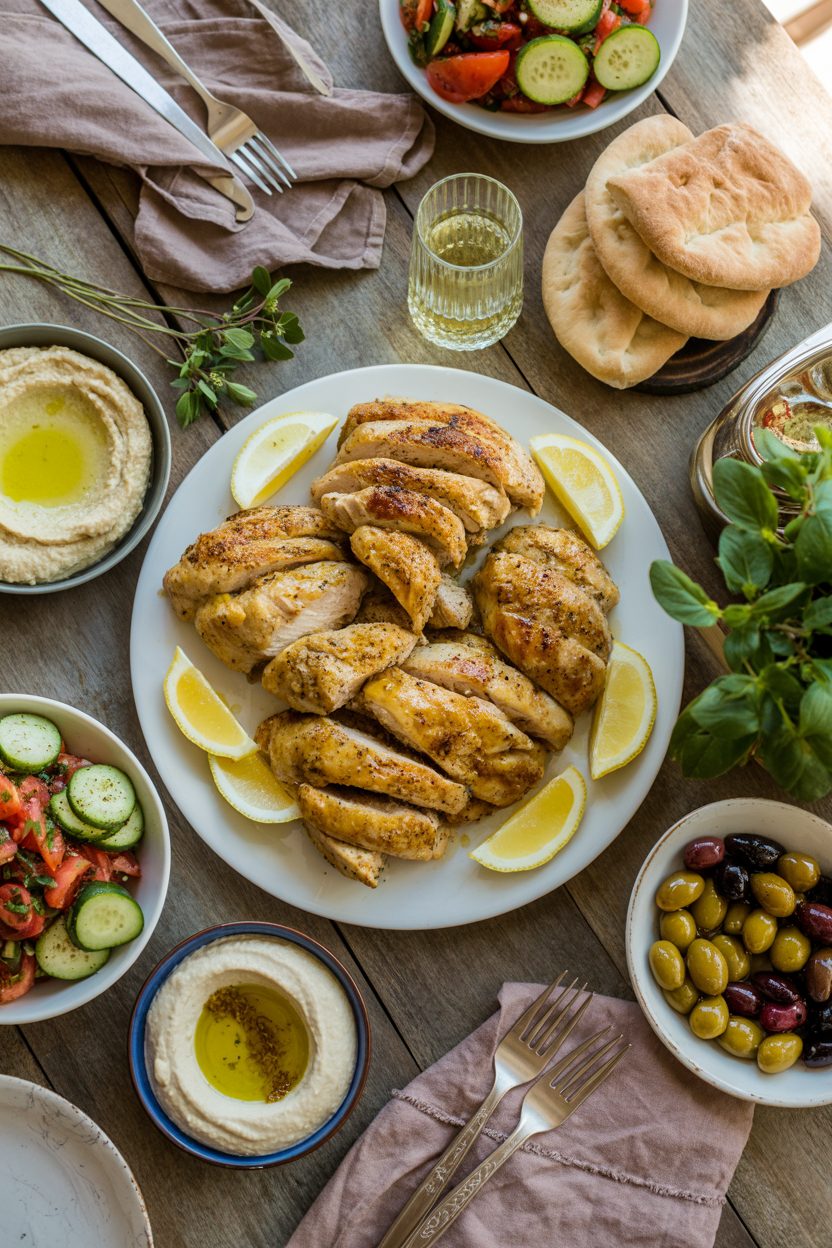
3. Lemon Oregano Grilled Chicken
Sometimes simple is best. This is just chicken, oregano, lemon, and olive oil. That’s it. But when you use fresh oregano and good olive oil, the flavor is next level.
Pair it with a quick salad or some roasted vegetables and you’ve got dinner in 20 minutes flat.
4. Chicken Zucchini Skillet with Herbs
One skillet, minimal cleanup, maximum flavor. You sauté chicken with zucchini, throw in some garlic and herbs, and it’s done. The zucchini soaks up all that garlicky goodness and somehow tastes way better than boring steamed vegetables.
Vegetable hack: I use this mandoline to slice zucchini evenly—they cook at the same rate and it’s weirdly satisfying.
5. Grilled Chicken Shawarma Salad
When you want something light but filling, this hits different. The chicken gets coated in warm spices—cumin, paprika, garlic—and you serve it over greens with a tangy yogurt sauce.
It’s basically deconstructed shawarma without the pita, which means you can eat a giant bowl of it without feeling like you need a nap afterward.
Seafood Dinners That Don’t Require a Culinary Degree
6. Baked Salmon with Herbed Quinoa
Salmon is the ultimate weeknight protein. It cooks fast, tastes great, and you don’t need to do much to it. This recipe pairs it with quinoa that’s been tossed with fresh herbs and lemon.
Fish shopping tip: Don’t stress about fresh versus frozen. Quality frozen salmon is often better than “fresh” fish that’s been sitting around. Just thaw it in the fridge overnight.
7. Grilled Salmon with Tomato Caper Relish
The relish is where the magic happens here. Tomatoes, capers, garlic, and olive oil create this bright, punchy topping that makes the salmon taste way fancier than it actually is.
Serve it with some crusty bread to soak up all that tomato-caper goodness. You’ll want to.
8. Baked Salmon with Dill and Garlic
Dill and salmon is a classic combo for a reason. The fresh, bright flavor of dill cuts through the richness of the fish perfectly. Add some garlic and lemon, bake it for 15 minutes, and you’re done.
I keep dried dill in this spice organizer but fresh is worth it when you can get it.
9. Shrimp Sautéed in Garlic Olive Oil with Couscous
Shrimp cooks in literally three minutes per side. THREE MINUTES. This is the recipe you make when you got home late and need dinner fast.
The garlic olive oil creates a sauce that soaks into the couscous, and the whole thing comes together in about 15 minutes total.
10. Shrimp Saganaki (Spicy Tomato Feta)
This Greek dish is criminally underrated. Shrimp get cooked in a spicy tomato sauce with feta cheese that gets all melty and delicious. It’s the kind of meal that makes you feel like you ordered takeout from a good restaurant.
Serve it with crusty bread for dipping. Trust me on this.
11. Baked Cod with Tomato Olive Tapenade
Cod is mild and flaky—perfect for people who claim they don’t like fish. The olive tapenade adds intense flavor without being overwhelming, and the tomatoes keep everything moist while it bakes.
Plus, cod is usually cheaper than salmon, which doesn’t hurt.
Vegetarian Options That Don’t Feel Like You’re Missing Out
12. Stuffed Bell Peppers with Quinoa and Veggies
These are meal prep gold. Make a batch on Sunday, reheat throughout the week, and you’ve got instant dinners ready to go. The peppers get tender, the quinoa soaks up all the seasonings, and they’re actually filling.
Storage tip: I use these glass containers for storing stuffed peppers—they reheat evenly and don’t get weird in the microwave.
13. Mediterranean Chickpea Skillet
One pan, mostly pantry staples, tons of flavor. Chickpeas get crispy in olive oil with garlic, tomatoes, and spinach. It’s the kind of meal that comes together in 20 minutes but tastes like you actually tried.
The chickpeas provide protein and fiber, so you’re not starving an hour later. Important detail.
14. Grilled Eggplant with Yogurt Sauce
Eggplant gets a bad rap from people who’ve only had it mushy and sad. When you grill it properly, it gets smoky and tender with crispy edges. The yogurt sauce—garlic, lemon, dill—is cooling and tangy.
This works as a main or a side, depending on what else you’re making.
15. Spaghetti Squash with Tomato Basil Sauce
If you’re trying to eat more vegetables but miss pasta, this is your bridge recipe. Spaghetti squash gives you that noodle texture without the carb load, and a simple tomato basil sauce brings all the comfort food vibes.
Squash hack: Microwave the whole squash for 3-4 minutes before cutting. Softens it up and you won’t risk losing a finger trying to hack through it raw.
16. Moroccan Spiced Quinoa Bowl
This bowl situation hits different with warm spices—cumin, cinnamon, paprika—that make quinoa taste way more interesting than usual. Add roasted vegetables, chickpeas, and a tahini drizzle, and you’ve got a complete meal that’s actually satisfying.
It’s also great for using up whatever vegetables are hanging out in your fridge.
17. Lentil Sweet Potato Stew
This stew is pure comfort in a bowl. Lentils and sweet potatoes create a hearty base, and Mediterranean spices keep it from being boring. It’s the kind of dinner that makes you feel good about your life choices.
Plus, it’s even better the next day. Stews always are.
Pasta and Grain-Based Winners
18. One Pot Mediterranean Pasta
The name says it all—everything cooks in one pot. Pasta, tomatoes, olives, garlic, spinach. You throw it all in, add water, and let it simmer until the pasta is cooked and the sauce has thickened.
Minimal dishes, maximum flavor. That’s the dream, right?
19. Whole Wheat Spaghetti with Cherry Tomatoes and Basil
Sometimes you just want pasta. This version keeps it simple—whole wheat spaghetti with burst cherry tomatoes, fresh basil, garlic, and good olive oil. It’s light enough that you don’t feel stuffed but satisfying enough that you’re not prowling the kitchen an hour later.
Tomato trick: Let cherry tomatoes cook down until they burst and create their own sauce. Don’t rush it. That’s where the flavor comes from.
20. Whole Wheat Spaghetti with Spinach Pesto
Regular pesto but make it green in a different way. Adding spinach to your basil pesto sneaks in extra nutrients without changing the flavor much. You still get that garlicky, nutty, herby goodness.
Toss it with pasta, add some cherry tomatoes if you’re feeling fancy, and dinner’s done.
21. Mediterranean Grain Bowl
Build-your-own-adventure dinner right here. Start with a grain base—quinoa, farro, brown rice, whatever you’ve got. Add roasted vegetables, some protein (chickpeas, grilled chicken, falafel), and top it with tahini or tzatziki.
The genius of grain bowls is that they’re flexible. Use what you have, skip what you don’t, and it still works. For more bowl inspiration, check out these Mediterranean meal prep bowls that make weeknight dinners even easier.
The Mediterranean Pantry Essentials
Before you start cooking these recipes regularly, stock your pantry with the basics. Having these on hand means you can throw together a Mediterranean dinner without a special grocery run.
Must-haves:
- Extra virgin olive oil (the good stuff, not cooking spray)
- Canned chickpeas and white beans
- Canned tomatoes (whole, diced, crushed—all useful)
- Dried pasta and whole grains (quinoa, farro, couscous)
- Garlic (fresh, always)
- Lemons (fresh, always)
- Dried oregano, cumin, paprika, cinnamon
- Kalamata olives and capers
- Tahini and Greek yogurt
Fresh stuff to grab weekly:
- Whatever vegetables look good
- Fresh herbs (parsley, basil, dill)
- Protein (fish, chicken, or more legumes)
- Feta cheese
With these basics, you can improvise most Mediterranean dishes without following a recipe exactly. That’s the beauty of this cooking style—it’s forgiving.
Meal Prep Strategies for Mediterranean Dinners
Let’s talk about making weeknights even easier. A little weekend prep goes a long way.
Sunday prep that pays off:
- Cook a big batch of quinoa or farro
- Chop vegetables for the week
- Marinate chicken or make a batch of homemade baked falafel
- Mix up tahini sauce or tzatziki
- Roast a sheet pan of vegetables
I use these airtight containers for prepped ingredients—keeps everything fresh without getting soggy or weird. Store components separately and assemble when you’re ready to eat.
Batch cooking wins: Soups, stews, and grain bowls all get better with time. Make double batches on Sunday and you’ve got lunches or quick dinners ready to go. Store them in single-serve portions for maximum convenience.
Time-Saving Cooking Techniques
Sheet pan everything: Seriously, sheet pan dinners are your friend. Protein plus vegetables, all roasted together with olive oil and seasonings. Minimal effort, minimal cleanup. I line mine with parchment paper so I don’t even have to scrub it.
One-pot meals: Less dishes equals more time to do literally anything else. One-pot pastas, skillets, and stews mean you’re not spending half an hour at the sink after dinner.
Pre-cut vegetables: Yeah, they cost more. But if it’s the difference between cooking dinner and ordering takeout again, they’re worth it. No shame in buying pre-spiralized zucchini or pre-chopped onions.
Couscous is your friend: It cooks in five minutes. Keep boxes in your pantry for those nights when you need a grain side but don’t have 40 minutes to wait for rice.
Making These Recipes Work for Your Household
Feeding picky eaters? Start with familiar flavors. Lemon chicken, basic pasta with tomatoes, mild fish. Build from there. Don’t force the olives and feta on someone who’s not ready.
Cooking for one? Most of these recipes work well halved, or make the full batch and have leftovers. Mediterranean food reheats beautifully—sometimes it’s even better the next day.
Got kids? Let them build their own grain bowls or customize their pasta. Kids who help prepare food are more likely to actually eat it. Revolutionary concept, I know.
Plant-based? Many of these recipes are already vegetarian or easily adaptable. Swap fish for chickpeas or tofu, use plant-based yogurt in sauces, and you’re set. The Mediterranean diet is naturally plant-forward anyway.
Shopping Tips That Save Time and Money
Buy seasonal: Tomatoes in summer, squash in fall, citrus in winter. Seasonal produce tastes better and costs less. Win-win.
Frozen is fine: Frozen fish, frozen vegetables, frozen herbs—all perfectly acceptable and sometimes better than “fresh” options that have been sitting around. According to Cleveland Clinic, frozen produce is picked at peak ripeness and retains nutrients well.
Stock up on sale: When olive oil or canned chickpeas go on sale, buy extra. These staples don’t go bad quickly and you’ll use them constantly.
Shop your pantry first: Before hitting the store, check what you already have. You probably own more ingredients than you think.
The 15-Minute Dinner Reality Check
Can you really make dinner in 15 minutes? Sometimes, yes. But that usually means you’ve done some prep work—your grains are cooked, your vegetables are chopped, your proteins are thawed.
Actual 15-minute dinners:
- Shrimp with couscous (shrimp cooks fast)
- Pasta with a simple sauce
- Pre-made falafel with salad
- Eggs with vegetables (breakfast for dinner counts)
20-30 minute dinners:
- Most sheet pan meals
- Simple fish dishes
- One-pot pastas
- Grain bowls with quick-cooking proteins
Be realistic about timing. If a recipe says 20 minutes but you’re still learning your way around the kitchen, give yourself 30-40. You’ll get faster with practice.
Why These Recipes Beat Takeout
Look, I love takeout as much as anyone. But Mediterranean cooking at home gives you several advantages:
Cost: Making these meals costs a fraction of restaurant prices. A homemade grain bowl runs maybe four bucks. The same bowl at a trendy spot? Fifteen dollars easy.
Control: You know exactly what goes into your food. No mystery oils, no excessive sodium, no sketchy ingredients you can’t pronounce.
Customization: Don’t like olives? Skip them. Want extra feta? Add it. Your dinner, your rules.
Leftovers: Restaurant portions are either too small or too large. Cooking at home means you control portions and actually have leftovers for lunch.
Speed: Once you get the hang of these recipes, cooking is often faster than waiting for delivery. And you don’t have to change out of your sweatpants.
Common Mediterranean Cooking Mistakes to Avoid
Skimping on olive oil: This isn’t the place to save calories. Olive oil carries flavor and keeps everything moist. Use the real stuff, not cooking spray.
Overcooking fish: Fish continues cooking after you remove it from heat. Take it out when it’s almost done and let carryover cooking finish the job.
Forgetting to season: Salt brings out flavors. Don’t be afraid of it. You need it to make everything taste good.
Using old spices: Dried herbs and spices lose potency over time. If your oregano smells like dust, it’s time to replace it.
Crowding the pan: Whether you’re sautéing or roasting, give ingredients space. Crowding creates steam instead of browning, and you miss out on those crispy, caramelized bits.
Pairing Suggestions and Side Dishes
Most of these mains work well with simple sides. You don’t need to overthink this.
Easy sides that always work:
- Greek salad with feta and olives
- Cucumber tomato feta salad for something lighter
- Crusty whole grain bread with olive oil for dipping
- Roasted vegetables (literally any vegetables work)
- Simple green salad with lemon vinaigrette
- Hummus with veggie sticks
Don’t stress about having three courses. Protein plus vegetables or protein plus grain is a complete meal. Add a side salad if you want, but it’s not mandatory.
Wine Pairing If You’re Into That
Mediterranean meals pair well with wine, if that’s your thing. You don’t need fancy bottles—just something decent that you enjoy drinking.
General guidelines:
- White wine with fish and chicken
- Rosé with pretty much everything
- Light reds with heartier dishes
But honestly? Drink what you like. The wine police aren’t coming to your house.
The Bottom Line on Weeknight Mediterranean Dinners
These 21 recipes prove that eating well on busy weeknights doesn’t require superhuman effort or a culinary degree. Mediterranean cooking is inherently simple—it relies on quality ingredients and straightforward techniques rather than complicated procedures.
Start with a few recipes that sound appealing. Master those. Then branch out. You don’t need to cook all 21 this week—that’s insane and you’d burn out immediately.
The goal is building a rotation of reliable dinners that you can make without thinking too hard. Meals that taste good, make you feel good, and don’t require you to spend your entire evening in the kitchen.
For more weeknight inspiration, explore these Mediterranean dinner ideas for busy weeknights or check out these one-pan Mediterranean recipes when you really want to minimize cleanup.
Pick one recipe this week. Make it. See how it goes. That’s how you build momentum—one dinner at a time, not by overhauling your entire life overnight.
And remember: even on nights when you order pizza, you’re still allowed to call yourself someone who cooks Mediterranean food. Progress, not perfection. That’s the whole point.


