
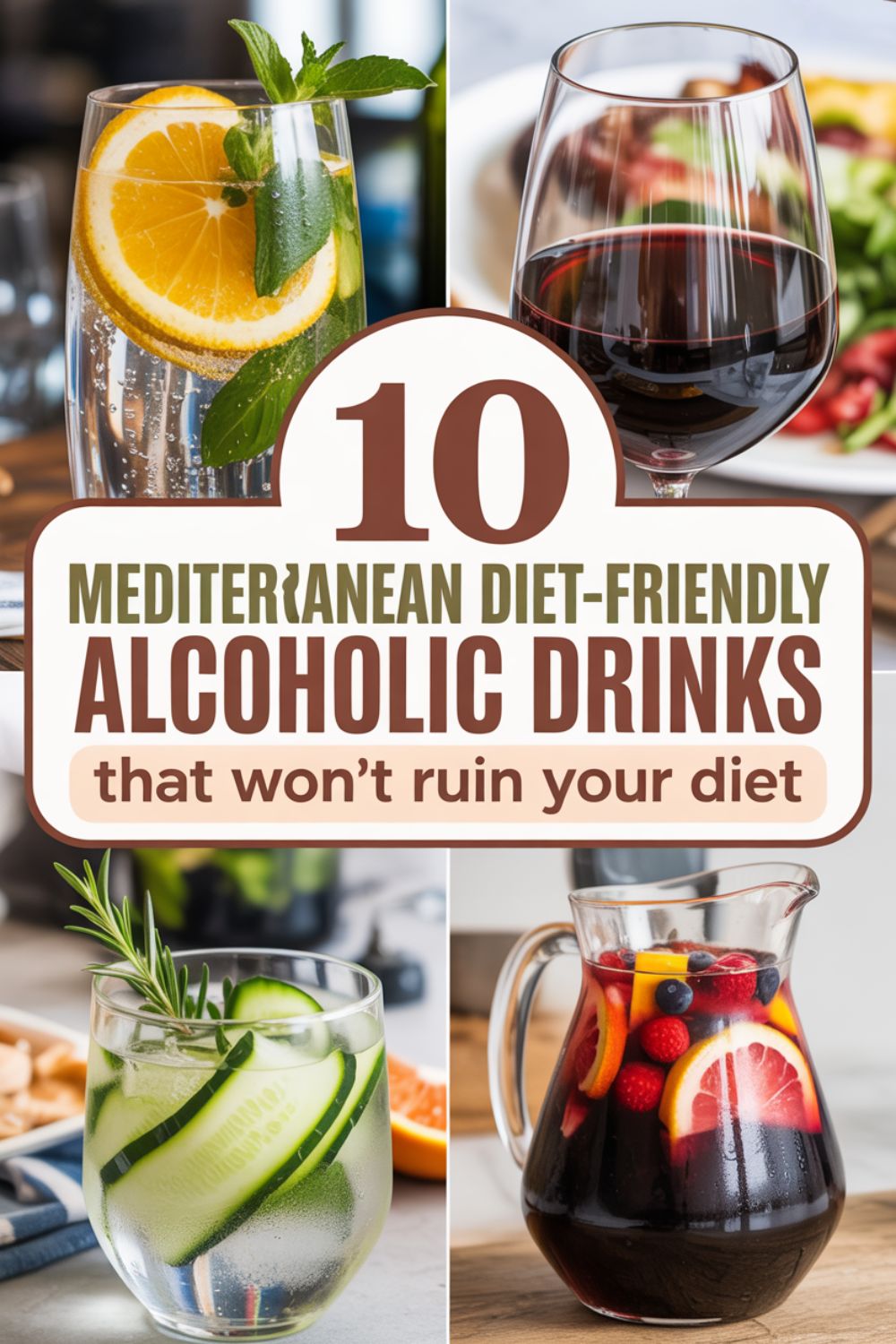
10 Mediterranean Diet-Friendly Alcoholic Drinks
Look, I get it. You’re trying to stick with the Mediterranean diet, you’re meal prepping your lentil soups and grilling up perfectly seasoned veggies, but then Friday night rolls around and you’re staring at your drink options thinking, “Can I actually have a cocktail without sabotaging everything?”
Here’s the thing most people don’t realize about the Mediterranean diet—it’s not some punishing restriction fest. Wine has been part of Mediterranean culture for literally thousands of years, and moderate consumption is actually considered part of the lifestyle. I’m talking one to two glasses for men, one glass for women, typically with meals.
But wine isn’t your only option. I’ve spent way too much time researching this (and taste-testing, obviously), and I’m going to walk you through ten Mediterranean diet-friendly alcoholic drinks that won’t throw you off track. Some are classics you’ve probably heard of, others might surprise you.
What Makes a Drink “Mediterranean Diet-Friendly” Anyway?
Before we get into the good stuff, let’s talk about what we’re actually looking for here. A Mediterranean-friendly drink typically means low sugar content, natural ingredients, and moderate alcohol levels. We’re avoiding those sugary frozen disasters that clock in at 500 calories per glass.
The Mediterranean approach to drinking is all about quality over quantity. You’re not pounding shots at a college party—you’re sipping something thoughtfully chosen while enjoying good food and conversation. According to recent research, this pattern of consumption may actually support cardiovascular health when combined with the overall diet pattern.
Think of it this way: would you see someone casually drinking this on a terrace in Santorini or a piazza in Rome? If yes, you’re probably on the right track.
1. Red Wine (The Classic Mediterranean Staple)
Starting with the obvious one because, honestly, red wine is pretty much synonymous with Mediterranean drinking culture. But here’s what most people get wrong—it’s not just about chugging any old bottle of Cab.
The Mediterranean style emphasizes red wine specifically because of its polyphenol content, particularly resveratrol. These compounds have antioxidant and anti-inflammatory properties. I usually reach for wines from Mediterranean regions themselves—think Italian Chianti, Spanish Tempranillo, or Greek Agiorgitiko.
One glass (about 5 ounces) with dinner is the sweet spot. Pour it into a proper wine glass, not some random tumbler, and actually taste it. Pair it with your grilled salmon or a hearty grain bowl, and you’ve got yourself an authentic Mediterranean moment.
Why It Works
Research has shown that moderate red wine consumption as part of the Mediterranean diet pattern may reduce cardiovascular disease risk. The key word here is “moderate”—we’re not talking about polishing off a bottle solo while binge-watching Netflix.
2. White Wine (Yes, It Counts Too)
White wine doesn’t get the same health hype as red, but it’s absolutely part of Mediterranean drinking traditions, especially in coastal regions. The polyphenol content is lower than red wine, but a crisp, dry white is still a solid choice.
I’m talking about wines like Vermentino from Sardinia, Assyrtiko from Greece, or a bone-dry Albariño from Spain. Skip the sweet Rieslings and Moscatos—those sugar bombs aren’t really Mediterranean style.
White wine pairs brilliantly with seafood dishes. Try it with garlic shrimp or a Greek Salad But Like Actually Good. The acidity cuts through rich flavors and cleanses your palate between bites.
For those warm summer evenings when you’re grilling vegetables, check out these grilled veggie platters or whip up some chickpea wraps that pair perfectly with a chilled glass of white.
3. Aperol Spritz (The Instagram-Worthy Choice)
If you’ve scrolled through any travel content from Italy, you’ve seen this drink. The Aperol Spritz has become almost comically popular, but there’s a reason for that—it’s legitimately good and fits perfectly within Mediterranean drinking patterns.
The classic recipe is simple: 3 parts Prosecco, 2 parts Aperol, 1 splash of soda water, served over ice with an orange slice. That’s it. The beauty is in the simplicity and the bittersweet flavor profile that actually stimulates your appetite rather than drowning it in sugar.
At around 150 calories per serving, it’s relatively light. The bitter orange flavor from the Aperol is an acquired taste for some people, but once you’re into it, there’s no going back. I like making these before dinner—the Italian aperitivo tradition is all about having a light drink to open up your appetite.
4. Vermouth on the Rocks (The Underrated Gem)
Hear me out on this one. Most people only know vermouth as that mysterious ingredient in martinis, but in Spain and parts of Italy, drinking vermouth on the rocks is a whole cultural thing.
Good quality vermouth—I’m talking something like Carpano Antica or Dolin—served over ice with an orange twist or olive is incredibly complex and satisfying. It’s fortified wine infused with botanicals, herbs, and spices. The alcohol content sits around 15-18%, so it’s gentler than hard liquor but more interesting than regular wine.
The best part? It’s low in calories (about 64 per 2-ounce serving) and the bitter-herbal flavors actually complement Mediterranean food beautifully. Try it before a meal of stuffed bell peppers or alongside some olive tapenade.
5. Hugo Spritz (The Elderflower Alternative)
If the Aperol Spritz feels too bitter for you, meet its sweeter, more delicate cousin. The Hugo Spritz originated in the Italian Alps but has spread throughout the Mediterranean region.
You’ll need: Prosecco, elderflower liqueur (St. Germain is the go-to), fresh mint, lime, and soda water. It’s floral, refreshing, and clocks in around 120-130 calories. The elderflower adds sweetness without being cloying, and the mint gives it that fresh, summery vibe.
Mix 3 ounces of Prosecco with 1 ounce of elderflower liqueur, add soda water to taste, and garnish with mint and a lime wheel. I keep a good muddler around to release the mint oils—it makes a real difference in the final flavor.
The Mediterranean Connection
While it originated in northern Italy, the Hugo has become popular throughout Mediterranean coastal areas. Its light, refreshing profile makes it perfect for hot climates and pairs beautifully with light appetizers.
6. Ouzo with Water (The Greek Classic)
Okay, this one’s an acquired taste, but stay with me. Ouzo is an anise-flavored spirit from Greece that turns milky white when you add water (it’s called the “ouzo effect” and it’s actually pretty cool to watch).
Traditionally, Greeks drink it slowly, mixed with cold water, alongside mezze plates. The anise flavor is strong—if you hate black licorice, this isn’t for you. But if you’re open to it, there’s something incredibly refreshing about sipping ouzo on a hot day.
The typical ratio is 1 part ouzo to 2-3 parts water, served over ice. At about 80 calories per ounce of ouzo, it’s not the lowest-calorie option, but the way it’s traditionally consumed—slowly, with food—fits perfectly with Mediterranean eating patterns.
Pair it with Cucumber Hummus Sandwich bites or some homemade falafel. The combination of the licorice notes with Mediterranean flavors is surprisingly harmonious.
7. Limoncello Spritz (The Amalfi Coast in a Glass)
Limoncello straight up is basically like doing a shot of lemony rocket fuel. But mixed into a spritz? Now we’re talking. This is peak summer drinking, Italian-style.
Combine 2 ounces of Limoncello with 4 ounces of Prosecco and a splash of soda water. Serve over ice with lemon slices and a sprig of rosemary. The result is bright, citrusy, and feels like you’re lounging on the Amalfi Coast even if you’re actually on your apartment balcony.
At around 180 calories per serving, it’s not the lightest option, but the Limoncello adds natural lemon oils and flavor without needing any added sugar. Make sure you’re using quality Limoncello though—the cheap stuff tastes like lemon-scented cleaning product.
I store my Limoncello in a small freezer-safe bottle so it’s always ready to go. The ice-cold temperature is crucial for the flavor profile.
For more Mediterranean-inspired light meals that pair perfectly with citrusy drinks, try this lemon herb chicken or a refreshing smoothie bowl for breakfast the next morning.
8. Sangria (But Make It Smart)
Traditional sangria can be a sugar nightmare—I’m talking about those restaurant versions that are basically fruit punch with wine. But done right, sangria is absolutely Mediterranean diet-friendly.
Start with a decent Spanish red wine (nothing fancy, but drinkable). Add fresh sliced citrus—oranges, lemons, maybe some apple. Here’s the key: skip the added juice and sugar. Let the fruit infuse naturally overnight, and if you need sweetness, add a tiny bit of honey or orange liqueur.
Add sparkling water right before serving to keep it light and refreshing. The traditional Spanish approach is actually less sweet than what most Americans think of as sangria. A 6-ounce serving should be around 150-175 calories depending on your exact recipe.
I use a large glass pitcher with an infuser to keep the fruit contained while letting the flavors blend. Makes serving way easier and keeps chunks from ending up in your glass if you’re not into that.
9. Bellini (The Venetian Brunch Favorite)
The classic Bellini is dead simple: white peach purée and Prosecco. That’s it. No vodka, no schnapps, no weird additions. Just two ingredients creating something greater than the sum of its parts.
The key is using real white peaches when they’re in season, or high-quality frozen peach purée. Blend the peaches until smooth, strain out any chunks, and mix about 2 ounces of purée with 4 ounces of chilled Prosecco.
At around 120 calories per serving, it’s reasonable for an occasional brunch drink. The natural fruit sugars provide sweetness without any added syrups or mixers. IMO, this is infinitely better than those neon-colored bottomless mimosas you see everywhere.
Mediterranean Breakfast Pairing
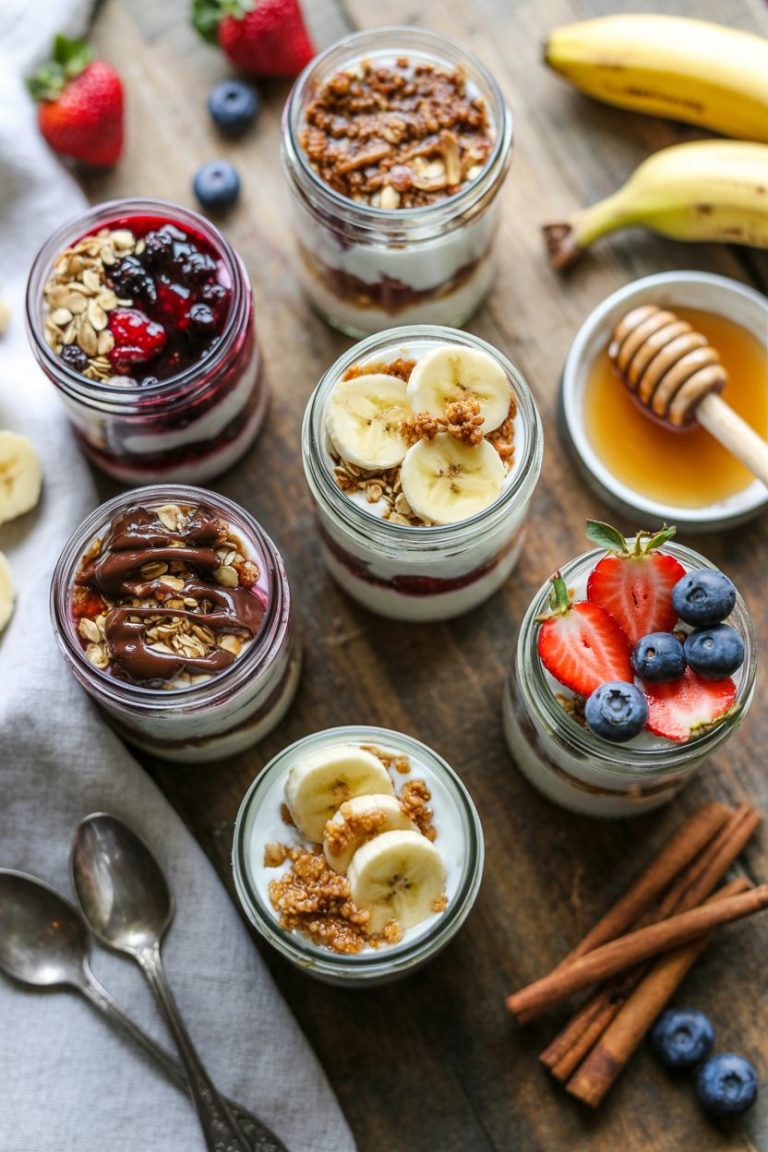
While Bellinis originated in Venice, they pair beautifully with Mediterranean breakfast spreads. Try one alongside Greek Yogurt Bowl with Berries & Honey or some avocado toast.
10. Negroni Sbagliato (The “Wrong” Negroni That’s Actually Right)
The name literally means “mistaken Negroni,” and the story goes that a bartender in Milan accidentally grabbed Prosecco instead of gin. Happy accidents, people.
Traditional Negroni: gin, Campari, sweet vermouth. Negroni Sbagliato: Campari, sweet vermouth, Prosecco. Same beautiful bitter-sweet balance, but lighter and more refreshing thanks to the bubbles.
Mix equal parts Campari and sweet vermouth (about 1.5 ounces each) over ice, top with Prosecco, and garnish with an orange peel. The bitterness might be intense if you’re not used to Campari, but that’s kind of the point—it’s meant to be sipped slowly.
Around 180 calories per serving, and the lower alcohol content compared to a traditional Negroni makes it perfect for afternoon drinking without getting completely sideways. Plus, it looks ridiculously sophisticated in a rocks glass with a large ice cube.
This pairs exceptionally well with bold Mediterranean flavors. Try it before a dinner of shakshuka or alongside a Mediterranean flatbread.
The Real Talk About Alcohol and the Mediterranean Diet
Here’s something nobody wants to hear but needs to: the Mediterranean diet’s benefits might lose up to 23.5% of their protective effect if wine is removed for older adults. But that doesn’t mean you should start drinking if you don’t already.
The health benefits come from the overall pattern—moderate consumption, always with food, as part of a social experience, within a diet already rich in vegetables, olive oil, fish, and whole grains. You can’t just drink red wine and eat pizza every night and call it “Mediterranean.”
Also worth noting: if you’re under 35, pregnant, have certain health conditions, or a history with alcohol, skip the drinks entirely. The diet works perfectly fine without alcohol—it’s the food that’s doing most of the heavy lifting anyway.
How to Incorporate These Drinks Into Your Routine
The Mediterranean approach isn’t about drinking every single day—it’s about enjoying alcohol as part of social meals and special occasions. Some practical tips from someone who’s actually living this way:
- Always drink with food. Not just snacks—actual meals. The food slows alcohol absorption and the combination is part of the cultural tradition.
- Set clear limits. If you’re having wine, decide in advance whether it’s one glass or two, and stick to it. Pour into a proper wine glass so you can see what a standard serving actually looks like.
- Make it special. Don’t mindlessly drink while scrolling your phone. Put down the devices, actually taste what you’re drinking, enjoy the company or the quiet moment.
- Stay hydrated. For every alcoholic drink, have a glass of water. Boring advice, but it works. I keep a nice water carafe on the table as a visual reminder.
If you’re meal prepping for the week, consider planning which nights you might have a drink. Maybe wine with Friday dinner, a spritz on Sunday afternoon. Having a plan prevents the “well, just one more night” creep that turns moderation into habit.
Check out these Mediterranean lunchbox recipes and one-pan dinners to build meals worth pairing with your chosen drinks.
Common Mistakes People Make
Let me save you from the errors I’ve watched people (and myself) make:
Mistake 1: Drinking on an empty stomach. This isn’t college. The Mediterranean pattern always involves food. Always. Your blood sugar and your liver will thank you.
Mistake 2: Assuming all wine is created equal. That $4 bottle of wine with 15% ABV and residual sugar is not the same as a carefully crafted Mediterranean wine meant to be enjoyed with food. Quality matters.
Mistake 3: Using “Mediterranean diet” as an excuse to drink more. The research showing benefits is based on moderate consumption—one to two glasses maximum. Four glasses is not “moderate” no matter how you spin it.
Mistake 4: Ignoring your own body’s response. Some people just don’t tolerate alcohol well, period. If drinking makes you feel terrible, gives you headaches, or disrupts your sleep, the supposed benefits aren’t worth it.
My Personal Take After Living This Way
I’ve been following a Mediterranean eating pattern for a few years now, and here’s what I’ve learned about the drinking aspect: it’s less important than everyone makes it out to be, but when done right, it enhances the overall experience.
The glass of red wine with a slow-cooked lentil stew or a spritz before dinner with friends isn’t about the alcohol content or supposed health benefits. It’s about the ritual, the slowing down, the appreciation of flavors.
FYI, I definitely have weeks where I don’t drink at all, and that’s fine too. The Mediterranean diet isn’t prescriptive about alcohol—it’s descriptive of a cultural pattern. You can follow all the same principles without touching a drop.
What matters more than any individual drink choice is building a sustainable pattern. If you’re stress-drinking alone every night, calling it “Mediterranean” because you chose red wine over beer doesn’t make it healthy. Context matters enormously.
Frequently Asked Questions
Can I drink beer on the Mediterranean diet?
Technically yes, but it’s not emphasized like wine is. Beer wasn’t traditionally part of Mediterranean drinking culture, and it tends to be higher in calories and carbs without the polyphenol benefits of wine. If you prefer beer, choose lighter options and stick to moderate amounts, but know it’s not really capturing the Mediterranean approach to alcohol.
Is it better to have one drink every day or several drinks once a week?
The research supports regular, moderate consumption over binge drinking. Having one glass of wine with dinner several nights a week is more aligned with Mediterranean patterns than saving up for a weekend blowout. Consistency and moderation are key, not concentrated consumption.
Do the health benefits of Mediterranean drinking apply to spirits like vodka or whiskey?
Not really. The specific benefits associated with Mediterranean drinking come largely from the polyphenols and other compounds in wine, particularly red wine. Hard liquor doesn’t offer those same components. If you enjoy spirits, stick to moderate amounts and focus on quality cocktails without sugary mixers, but don’t expect the same health associations.
What if I don’t drink alcohol at all—can I still follow the Mediterranean diet?
Absolutely. The Mediterranean diet works perfectly well without any alcohol. Focus on the core principles: lots of vegetables, olive oil, fish, whole grains, legumes, and moderate amounts of dairy. Some studies even suggest the protective effects might be nearly as strong without alcohol, especially for younger adults.
How do I know if I’m drinking “moderately” versus too much?
Moderate means up to one standard drink per day for women, up to two for men, according to dietary guidelines. A standard drink is 5 oz of wine, 12 oz of beer, or 1.5 oz of spirits. If you’re exceeding these amounts regularly, having trouble sticking to limits, or alcohol is affecting your sleep or daily functioning, you’re past moderation. Be honest with yourself about your patterns.
Final Thoughts
The Mediterranean approach to alcohol isn’t about restriction or indulgence—it’s about intention. These ten drinks represent a way of enjoying alcohol that’s been part of healthy cultures for generations, but they’re meaningless without the context of the overall lifestyle.
Choose quality over quantity. Drink with food, with people, with awareness. Make it part of a joyful experience rather than a nightly habit or a way to zone out. And remember, the actual food you’re eating—the colorful salads, the whole grain pastas, the grilled proteins—that’s what’s really doing the work here.
If you’re building a sustainable Mediterranean eating pattern, check out these beginner meal plans and quick meal prep ideas to make the lifestyle stick.
Whether you choose a classic glass of red wine, a refreshing spritz, or skip the alcohol entirely, the key is building patterns that feel good, taste good, and keep you healthy for the long haul. Cheers to that—or not. Your call.