
15 Diabetic-Friendly Chia Seed Morning Meals (Low GI)
Look, I’m gonna be real with you—managing blood sugar while trying to enjoy breakfast feels like playing nutritional Tetris sometimes. You want something that tastes good, keeps you full, and doesn’t send your glucose meter into panic mode by 10 AM.
Enter chia seeds. These tiny black specs might look like something you’d sprinkle on a kids’ craft project, but they’re actually one of the smartest breakfast moves you can make when you’re dealing with diabetes.
These are the basics that make healthy cooking fast and actually enjoyable: less mess, less time, and meals your whole family will happily eat.
- small mason jarsCheck today’s price →
- small skilletCheck today’s price →
- microplane zesterCheck today’s price →
- Get Your Set Here →Check today’s price →
Amazon prices and deals change often, so it’s worth checking today’s price.

Why Chia Seeds Are a Game-Changer for Diabetics
Here’s the thing about chia seeds that makes them ridiculously good for blood sugar management: they have a glycemic index of just 1. Yeah, you read that right. One. For context, white bread sits around 75, so we’re talking about a food that barely registers on the glucose scale.
But the magic doesn’t stop there. Research from the University of Toronto found that people with Type 2 diabetes who consumed about one-third cup of chia seeds daily lost four pounds over six months while maintaining good blood sugar control. Not bad for something that takes zero effort to prep, right?
Each quarter cup of chia seeds packs about 20 grams of carbs, but here’s the kicker—16 of those grams come from fiber. That’s 80% fiber content, which means minimal blood sugar impact. The fiber forms a gel-like substance in your stomach that slows down how quickly your body absorbs carbohydrates, preventing those dreaded glucose spikes.
The Science Behind Chia’s Blood Sugar Benefits
Ever wondered why your doctor keeps pushing fiber? It’s because soluble fiber—the kind chia seeds are loaded with—literally slows down your digestion. When chia seeds hit liquid, they form this gel that coats your stomach lining and makes everything move through your system at a gentler pace.
This means the carbs you eat alongside chia seeds get absorbed more slowly, leading to steadier blood sugar levels throughout the morning. No more energy crashes at 11 AM that have you raiding the office snack drawer.
Plus, chia seeds are packed with omega-3 fatty acids, which support cardiovascular health—something every diabetic should care about since heart disease risk is higher. They’re also surprisingly high in protein for a seed, which helps you stay fuller longer and prevents overeating later in the day.
If you’re looking for more breakfast options that support stable blood sugar, check out these high-protein breakfast recipes that complement chia perfectly.
15 Diabetic-Friendly Chia Seed Breakfast Ideas
1. Classic Vanilla Chia Pudding
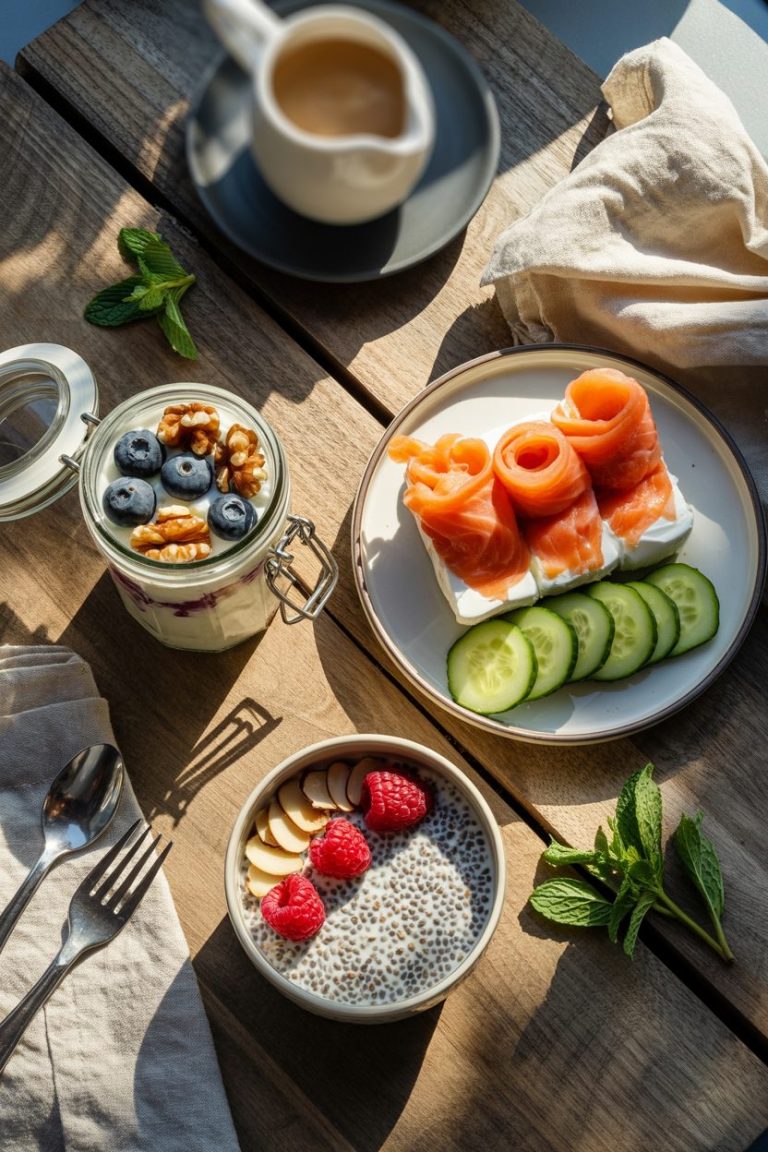
This is your baseline recipe, and honestly, once you nail this one, you can riff on it forever. Mix 1/4 cup chia seeds with 1/2 cup unsweetened almond milk, add a splash of vanilla extract, and let it sit overnight. Top with a handful of berries in the morning.
The beauty of this recipe is its simplicity. You’re looking at maybe three minutes of active prep time, and you wake up to a ready-made breakfast that won’t spike your blood sugar. I usually make three jars at once on Sunday night—boom, Monday through Wednesday breakfast sorted. See next: 21 Budget-Friendly Chia Seed Morning Meals for Busy Days →.
Want to mix up your overnight prep game? These classic vanilla almond overnight oats use similar principles with different texture results.
2. Chocolate Chia Breakfast Bowl
Who says diabetics can’t have chocolate for breakfast? Mix your chia base with unsweetened cocoa powder and a tiny bit of stevia or monk fruit sweetener. The cocoa adds antioxidants without any sugar, and it tastes like you’re eating dessert.
I swear by this Dutch-process cocoa powder—it’s less bitter than regular cocoa and blends smooth without any weird clumps. Top it with these sugar-free dark chocolate chips for extra indulgence that won’t mess with your glucose.
The fiber from the chia combined with the healthy fats creates this satisfying breakfast that keeps hunger at bay until lunch. No mid-morning snack attacks necessary.
3. Berry Blast Chia Pudding
Berries are one of the few fruits diabetics can actually enjoy without stressing about sugar content. Raspberries, blueberries, and strawberries all have relatively low glycemic loads, especially when paired with chia’s fiber content.
Mash up some fresh berries (or use frozen—they’re cheaper and just as nutritious) and fold them into your chia pudding. The natural fruit sugars get buffered by all that fiber, giving you sweetness without the spike.
I like using these small mason jars for portion control. Fill them up, stack them in the fridge, and you’ve got grab-and-go breakfasts that actually taste good.
Speaking of berry-packed breakfasts, you might also love this berry almond crunch overnight oats recipe or try this Mediterranean smoothie bowl for a different texture with similar nutritional benefits.
4. Cinnamon Roll Chia Pudding
This one’s a total crowd-pleaser. Add cinnamon, a tiny pinch of nutmeg, and a drop of maple extract to your chia base. It tastes like cinnamon rolls without the blood sugar chaos of actual cinnamon rolls.
Cinnamon itself has been shown to help with insulin sensitivity, so you’re getting a double benefit here. Plus, it makes your kitchen smell amazing in the morning, which is an underrated perk.
Top with these chopped pecans—they add crunch and healthy fats that further slow glucose absorption. If you’re feeling fancy, a dollop of Greek yogurt on top adds protein and makes it feel more substantial.
5. Peanut Butter Banana Chia Bowl
Okay, bananas are higher in sugar than berries, but hear me out—half a banana combined with a tablespoon of natural peanut butter and chia seeds creates a balanced breakfast that won’t wreck your blood sugar.
The key is using just half a banana and making sure your peanut butter is the real deal—just peanuts and maybe salt, no added sugars. This natural peanut butter is my go-to because it doesn’t separate as much as some brands.
The combination of healthy fats from the peanut butter, protein, and chia fiber creates this trifecta of blood sugar stability. It’s filling enough to power you through a morning workout too.
6. Green Chia Smoothie Bowl
Don’t let the green color scare you off. Blend spinach or kale with unsweetened almond milk, a scoop of protein powder, and your chia seeds. Let it sit for a few minutes to thicken, then top with whatever low-GI toppings you’re into.
I use this plant-based protein powder because it doesn’t have any hidden sugars and actually tastes decent. The vegetables add nutrients without carbs, and you’re sneaking in a serving of greens before 9 AM. Your pancreas will love you for it.
For more green inspiration, check out this berry green smoothie recipe that combines similar principles.
7. Coconut Mango Chia Pudding (The Careful Way)
Mango is tricky for diabetics because it’s higher in sugar, but if you’re craving tropical flavors, use just a few small pieces mixed with coconut milk and chia seeds. The coconut adds healthy fats that help blunt any sugar impact.
Use full-fat coconut milk from a can—not the carton kind that’s loaded with fillers. This brand is clean and creamy. The key here is portion control on the mango. We’re talking maybe 1/4 cup of diced mango max, not a whole mango’s worth.
Add some unsweetened coconut flakes on top for texture. It feels indulgent without being reckless with your blood sugar.
🌟 Featured Product: Premium Organic Chia Seeds (2lb Bag)
After testing about a dozen different brands, this is the one that lives permanently in my pantry. These organic chia seeds are consistently fresh, expand perfectly without any weird clumping, and come in a resealable bag that actually stays sealed.
Why I love it:
- USDA Organic certified with no fillers or additives
- Works out to about $0.50 per serving—way cheaper than those tiny jars
- Two-pound bag lasts about 2-3 months for daily use
- Non-GMO and gluten-free (matters if you have celiac)
- Consistent quality—I’ve never gotten a stale batch
Honestly, buying chia in bulk changed my breakfast game. No more running out mid-week or paying premium prices for tiny containers at health food stores.
Check Current Price →If you love tropical flavors but want more protein-focused options, try these high-protein breakfast ideas or explore these Mediterranean breakfast recipes for variety.
8. Apple Cinnamon Chia Bowl
Dice up half a small apple (preferably a tart variety like Granny Smith), toss it with cinnamon, and mix it into your chia pudding. The pectin in apples combined with chia fiber creates this double-whammy of blood sugar control.
I like cooking the apple pieces slightly in this small skillet with a sprinkle of cinnamon first—it softens them and brings out the natural sweetness without adding sugar. Takes maybe five minutes but feels like you actually cooked breakfast.
Top with a few walnut halves for crunch and omega-3s. Walnuts are particularly good for heart health, which matters when you’re managing diabetes long-term.
30-Day Diabetic Breakfast Meal Plan & Recipe eBook
Tired of guessing what’s safe to eat every morning? This comprehensive digital meal plan takes all the thinking out of breakfast. I wish this existed when I was first diagnosed—would’ve saved me months of trial and error with my blood sugar.
What you get instantly:
- 30 days of complete breakfast meal plans with macros and GI ratings
- 50+ diabetic-friendly recipes with step-by-step photos
- Printable grocery lists organized by week
- Blood sugar tracking sheets and meal prep templates
- Carb counting cheat sheet for easy reference
- Instant PDF download—start using it today
Only $27 – Lifetime Access
Every recipe is specifically designed to keep blood sugar stable while actually tasting good. No more boring egg-white omelets or sad plain oatmeal. Plus, you get free updates whenever new recipes are added.
Get Instant Access →9. Savory Mediterranean Chia Bowl
Who says chia has to be sweet? This one’s for people who don’t have a sweet tooth in the morning. Mix chia seeds with vegetable broth instead of milk, add sun-dried tomatoes, olives, and a sprinkle of feta cheese.
It’s basically a deconstructed Mediterranean grain bowl but with chia doing the heavy lifting. The savory version still gives you all the fiber benefits while feeling more like a “real meal” if sweet breakfasts aren’t your thing.
This pairs amazingly well with a side of savory Mediterranean scramble if you need extra protein. See next: 21 Low-Carb Chia Seed Morning Meals for Steady Energy →.
10. Pumpkin Spice Chia Pudding
Fall in a jar, basically. Mix pure pumpkin puree (not pie filling—that’s loaded with sugar) with chia seeds, cinnamon, nutmeg, and a touch of vanilla. Pumpkin is relatively low-glycemic and adds fiber on top of what the chia already provides.
Use organic pumpkin puree with no added ingredients. The combo of pumpkin and chia creates this thick, custard-like texture that feels way more indulgent than it actually is.
Top with a few roasted pumpkin seeds for irony and extra nutrients. It’s breakfast and fall vibes in one bowl.
11. Matcha Chia Breakfast Bowl
If you need a caffeine boost without coffee’s acidity, matcha is your friend. Mix a teaspoon of matcha powder with your chia base. Matcha has antioxidants and gives you sustained energy without the jitters.
I use this ceremonial grade matcha because cheaper matcha can taste like grass clippings, and nobody wants that first thing in the morning. The slight bitterness of matcha plays well with a tiny bit of stevia.
Add some sliced almonds on top for crunch. The healthy fats from almonds help with nutrient absorption and keep you satisfied longer.
12. Lemon Blueberry Chia Pudding
The brightness of lemon zest wakes up your taste buds better than any alarm clock. Mix fresh lemon zest into your chia pudding along with fresh or frozen blueberries. Blueberries are particularly good for diabetics—they’re low-glycemic and packed with antioxidants.
Use this microplane zester for the lemon—it gets just the flavorful outer peel without the bitter white pith. A little lemon juice adds tang without adding sugar.
This combo tastes like summer even in January. The vitamin C from the lemon helps with iron absorption from the chia seeds too, so you’re getting bonus nutritional synergy.
13. Chai-Spiced Chia Bowl
Steep a chai tea bag in warm almond milk, let it cool, then mix with chia seeds. You get all those warming spices—cardamom, ginger, cinnamon—without the sugar bomb of a chai latte from a coffee shop.
The ginger in chai spices can help with insulin sensitivity, and the warming effect is perfect for cold mornings. Top with a tiny drizzle of sugar-free maple syrup if you need extra sweetness.
Pairs perfectly with a side of quinoa breakfast bowl if you need something more substantial. The combination of chia and quinoa gives you complete protein coverage.
14. Almond Joy Chia Pudding
Coconut, almonds, and dark chocolate—it’s like the candy bar but actually good for you. Mix coconut milk with chia seeds, add unsweetened cocoa powder, top with slivered almonds and unsweetened coconut flakes.
Use these slivered almonds instead of whole—they distribute better throughout the pudding. The combination of textures makes every bite interesting, which keeps you from getting bored with your breakfast routine.
This one’s rich enough that you might want to use it as a dessert instead of breakfast. Either way, it won’t send your glucose meter into the red zone.
15. Protein-Packed Chia Breakfast
Mix chia seeds with your favorite unsweetened protein powder and almond milk. Let it sit overnight. This is your breakfast when you literally have zero time in the morning but need something that’ll hold you until lunch.
The protein powder bumps up the protein content significantly, making this more of a complete meal replacement. I alternate between vanilla and chocolate protein powders to keep things interesting.
Top with whatever low-carb nuts or seeds you have on hand. Hemp seeds, flax seeds, sunflower seeds—they all work. It’s breakfast as a nutrition science experiment, and your blood sugar stays happy.
For more protein-focused morning meals, explore these high-protein breakfasts under 350 calories.
Looking for complete meal plans? Check out this 7-day high-protein Mediterranean meal plan that includes chia-friendly recipes, or try this 14-day calorie deficit meal plan if you’re also focusing on weight management.
Making Chia Work in Your Real Life
Look, I get it—even the simplest recipes can feel overwhelming when you’re already juggling medication schedules, blood sugar monitoring, and everything else that comes with managing diabetes. But chia seeds are genuinely one of the lowest-effort, highest-reward foods you can add to your routine.
The basic formula is dead simple: 1 part chia seeds to 2 parts liquid. That’s it. Everything else is just customization based on your taste preferences. Start with that vanilla base recipe, get comfortable with it, then branch out into flavors that sound good to you.
One thing I’ve learned through trial and error: always give chia pudding a good shake after the first 5 minutes of soaking. The seeds tend to clump at the bottom if you don’t, and nobody wants a handful of dry seeds followed by a bowl of liquid. These mason jars with metal lids are perfect for this—you can shake them hard without worrying about leaks.
🌟 Featured Product: Glass Meal Prep Jars with Airtight Lids (Set of 6)
These jars changed my entire meal prep game. I use them for chia pudding, overnight oats, salads, snacks—basically everything. The wide mouth makes them easy to fill and eat from, and the measurements on the side help with portion control.
What makes these worth it:
- 16oz capacity—perfect breakfast portion size
- Leak-proof metal lids that actually seal (no morning backpack disasters)
- Dishwasher safe and won’t stain like plastic
- Stack neatly in the fridge to save space
- Clear glass lets you see what’s inside without opening
- Comes as a 6-pack so you can prep the whole week
I’ve had mine for over a year and they still look brand new. No weird smells, no scratches, no broken seals. They’re also great for taking chia pudding to work since they don’t leak in your bag.
Get Your Set Here →The Texture Thing Everyone Talks About
Let’s address the elephant in the room: some people absolutely hate the texture of chia pudding. They describe it as “frog eggs” or “slimy” and I’m not gonna pretend those comparisons aren’t sometimes accurate.
Here’s how to work around it if texture is your issue. First, let your chia pudding sit longer—overnight is better than a few hours. The gel becomes more uniform and less “seedy.” Second, blend it. Seriously, throw your soaked chia pudding in a blender for 30 seconds and it becomes smooth as silk.
Third option: mix chia into other things instead of making pudding. Add a tablespoon to your protein smoothie, stir it into oatmeal, or sprinkle it over Greek yogurt. You still get the blood sugar benefits without the pudding texture if that’s not your thing.
The Complete Blood Sugar Balancing Food Guide
Stop googling “can diabetics eat this” every time you go grocery shopping. This digital guide breaks down exactly which foods help stabilize blood sugar and which ones to avoid, with real GI numbers and practical swaps.
Inside this guide:
- Complete glycemic index food database (500+ foods)
- Smart food combination strategies to lower GI impact
- Restaurant eating guide with safe menu choices
- Snack pairing chart for stable energy all day
- Emergency low blood sugar response plan
- Printable wallet cards for quick reference
Just $19 – Download & Print
This is the resource I reference constantly when planning meals or eating out. It’s saved me from countless blood sugar rollercoasters and helped me actually understand how different foods affect my body.
Download Now →Shopping Smart for Chia Success
Not all chia seeds are created equal, though the differences are pretty minor. I buy this two-pound bag from Amazon because it works out to about 50 cents per serving, which is way cheaper than buying those tiny jars at health food stores.
White chia seeds and black chia seeds have virtually identical nutrition, so it’s just an aesthetic choice. Some people prefer white for lighter-colored puddings, but functionally they’re the same.
For liquid bases, unsweetened almond milk is my default because it’s low-calorie and low-carb. But coconut milk (the canned kind) makes things creamier, and even regular dairy milk works if you’re not avoiding it. Just watch the carb content—whole milk has more lactose (milk sugar) than almond milk.
For sweeteners, I stick with stevia or monk fruit. This monk fruit sweetener doesn’t have that weird aftertaste some stevia brands have. Start with less than you think you need—you can always add more, but you can’t take it out once it’s mixed in.
🌟 Featured Product: Premium Monk Fruit Sweetener with Erythritol
After years of trying every sugar substitute on the market, this is the only one I consistently buy. No bitter aftertaste, measures cup-for-cup like sugar, and doesn’t spike blood glucose. Game-changer for diabetics who still want things to taste sweet.
Why this beats other sweeteners:
- Zero glycemic impact—literally doesn’t affect blood sugar
- No metallic or chemical aftertaste like some stevia brands
- Dissolves completely in cold liquids (crucial for chia pudding)
- 1:1 sugar replacement ratio makes recipes easy
- Bakes and cooks without breaking down
- 3lb bag lasts months even with daily use
I use this in literally everything—coffee, chia pudding, yogurt, even homemade salad dressings. My non-diabetic family members can’t even tell the difference from regular sugar, which says everything you need to know.
Try It Risk-Free →When Chia Might Not Be Your Friend
Real talk: chia seeds can cause digestive issues if you’re not used to high-fiber foods or if you eat too much too fast. Start with a tablespoon instead of a quarter cup and work your way up as your gut adjusts.
Also, chia seeds expand a lot when they absorb liquid. Never eat them dry and then chug water—they can swell in your throat, which is both uncomfortable and potentially dangerous. Always pre-soak them or mix them into liquid.
If you’re on blood thinners, talk to your doctor before going heavy on chia seeds. They contain omega-3s which can affect blood clotting. Same deal if you’re on blood pressure meds—chia can lower blood pressure, so you want to make sure you’re not doubling up effects.
But for most people with diabetes, chia seeds are one of the safest, most beneficial foods you can eat regularly. The fiber helps with blood sugar, the omega-3s support heart health, and the protein helps with satiety. It’s hard to find many downsides.
Diabetic Meal Prep Mastery Bundle (3 eBooks + Bonuses)
If you’re serious about taking control of your blood sugar through food, this is everything you need in one package. Three complete guides that work together to make diabetic meal planning actually manageable.
Complete bundle includes:
- 30-Day Diabetic Breakfast Meal Plan eBook ($27 value)
- Blood Sugar Balancing Food Guide ($19 value)
- Low-GI Meal Prep Masterclass eBook ($24 value)
- BONUS: 50 Make-Ahead Snack Recipes ($15 value)
- BONUS: Printable blood sugar tracking journals
- BONUS: Video tutorials on meal prep techniques
Bundle Price: $47 (Save $38!)
Buying these separately would cost $85, but get the whole system for less than half price. Everything downloads instantly as PDFs you can access on any device or print out. This is basically a complete diabetic eating course for the cost of a few takeout meals.
Get The Bundle →Frequently Asked Questions
Can I eat chia seeds every day if I have diabetes?
Absolutely. Most research suggests 1-2 tablespoons daily is safe and beneficial for diabetics. The fiber helps stabilize blood sugar, and the omega-3s support heart health. Just start slow if you’re new to high-fiber foods to let your digestive system adjust. Some people even eat up to a quarter cup daily without issues, but monitor your own response and talk to your doctor if you’re making major dietary changes.
Do chia seeds need to be ground like flax seeds?
Nope, and that’s one of the beauties of chia—your body can digest them whole. Unlike flax seeds, which need to be ground for nutrient absorption, chia seeds break down completely in your digestive system. They form that gel coating when wet, which is exactly what helps with blood sugar control. So save yourself the extra step and use them straight from the bag.
What’s better for diabetics—chia seeds or flax seeds?
Both are excellent choices, honestly. Research shows both help with glycemic control and satiety. Chia has slightly more fiber (about 10 grams per ounce vs 8 grams for flax), while flax has more omega-3s. Chia is more convenient since you don’t need to grind it. IMO, rotate between both to get the benefits of each, or do what I do and use 50/50 mixes in recipes.
How long can I store prepared chia pudding?
Chia pudding keeps for 3-4 days in the fridge, which makes it perfect for meal prep. I usually make enough for three mornings at a time. After day four, the texture can get a bit watery and the flavors start to mute. Always store it in an airtight container and give it a quick stir before eating since separation is natural.
Will chia seeds help me lose weight if I have diabetes?
They can definitely support weight loss efforts, but they’re not magic. The fiber keeps you fuller longer, which naturally helps you eat less throughout the day. Studies show diabetics who added chia to their diet lost modest amounts of weight while maintaining good blood sugar control. The key is using chia as part of an overall healthy eating pattern—not expecting it to compensate for less healthy choices elsewhere.
Your Morning Routine, Simplified
Managing diabetes doesn’t mean your breakfast has to be boring or complicated. Chia seeds offer this rare combination of being good for your blood sugar, easy to prepare, and actually enjoyable to eat once you find your favorite flavor combinations.
Start with one or two of these recipes that sound most appealing to you. Give yourself a couple weeks to get into the habit of prepping them. Once it becomes routine, you’ll wonder why you spent so many mornings stressing about what to eat that wouldn’t spike your glucose.
The best breakfast is the one you’ll actually eat consistently. If chia pudding does that for you while keeping your blood sugar stable, you’ve found yourself a winner. And if the texture never grows on you, remember you can always hide chia in smoothies, oatmeal, or yogurt and still get the benefits.
Your pancreas will thank you, your energy levels will stabilize, and your breakfast routine will require about five minutes of actual effort. That’s what I call a diabetic-friendly win.