
17 High-Fiber Breakfasts for Better Digestion
Look, I’m not gonna sugarcoat it—your gut has been through a lot. Between last night’s questionable food choices and the fact that most breakfast foods are basically just sugar bombs in disguise, your digestive system is probably begging for a break. But here’s the good news: fiber is your gut’s best friend, and I’ve got 17 breakfast ideas that’ll make your digestive system do a happy dance.
We’re not talking about choking down cardboard cereal here. These breakfasts actually taste good, keep you full until lunch, and give your digestion the TLC it deserves. Ready to give your gut some love?

These are the basics that make healthy cooking fast and actually enjoyable: less mess, less time, and meals your whole family will happily eat.
- glass meal prep container setCheck today’s price →
- non-stick skilletCheck today’s price →
- griddle panCheck today’s price →
- natural peanut butterCheck today’s price →
Amazon prices and deals change often, so it’s worth checking today’s price.
Why Fiber Actually Matters (Beyond the Boring Health Talk)
Before we jump into the recipes, let’s talk about why fiber isn’t just some health buzzword your doctor throws around. Fiber is basically the cleanup crew for your digestive system—it sweeps through, keeps things moving, and helps feed the good bacteria in your gut. According to Mayo Clinic’s research on dietary fiber, most adults need about 25-38 grams daily, but the average person barely hits 15 grams.
That’s a problem. When you’re not getting enough fiber, everything slows down. You feel bloated, sluggish, and your energy crashes harder than your willpower at a dessert buffet. But here’s where it gets interesting—start your day with a high-fiber breakfast, and you’re basically setting yourself up for digestive success.
The trick is knowing which types of fiber to focus on. Soluble fiber dissolves in water and helps lower cholesterol, while insoluble fiber keeps things moving through your system. You need both, and lucky for you, these breakfast ideas deliver.
High-Fiber Meal Planning Made Simple
Tired of guessing what to eat? This comprehensive High-Fiber Meal Planner & Tracker takes the guesswork out of hitting your daily fiber goals. Track your meals, plan your week, and watch your digestion improve with structured guidance.
- 52-week meal planning templates specifically designed for high-fiber eating
- Daily fiber tracking sheets to monitor your progress
- 100+ high-fiber breakfast ideas with nutritional breakdowns
- Printable grocery lists organized by food category
- Digestive health journal to track how different foods affect you
The Overnight Oats Revolution
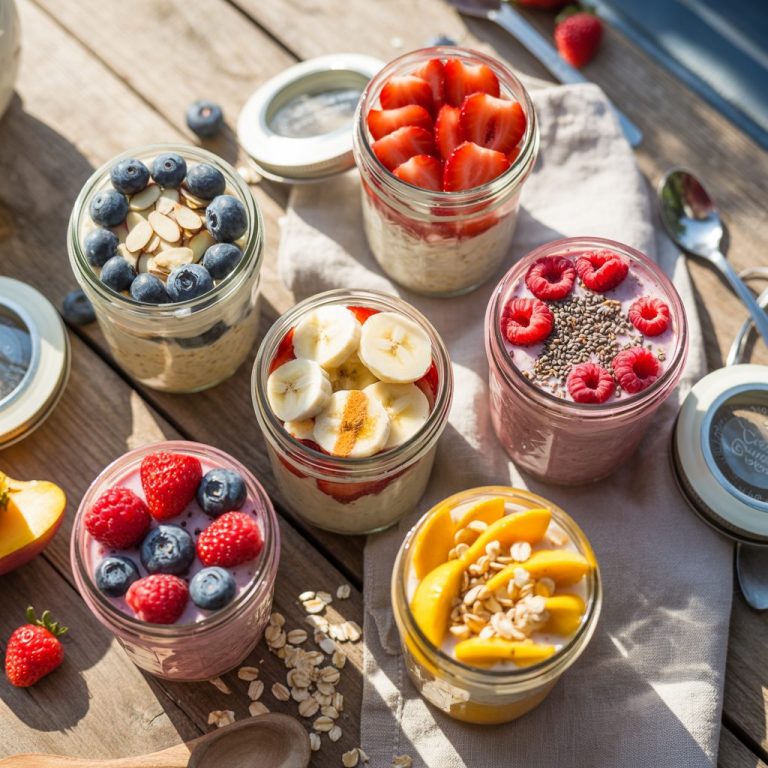
Let’s kick things off with overnight oats because honestly, they’re the MVP of high-fiber breakfasts. You prep them the night before, wake up, and boom—breakfast is ready. No thinking required, which is crucial when your brain isn’t fully online yet.
Classic Berry Blast Overnight Oats
Start with half a cup of rolled oats (that’s about 4 grams of fiber right there), mix in some chia seeds for an extra fiber punch, and top with fresh berries. I like using this glass meal prep container set because they’re the perfect portion size and you can see exactly what you’re grabbing from the fridge. The Get Full Recipe.
Berries aren’t just pretty—they’re fiber powerhouses. Raspberries pack about 8 grams per cup, and they make your oats taste like dessert. Win-win.
Premium Glass Meal Prep Containers (5-Pack)
Stop using crusty plastic containers that stain and smell weird. These BPA-free glass containers are perfect for overnight oats, chia pudding, and prepped breakfasts. They’re microwave-safe, dishwasher-safe, and the lids actually seal properly.
Peanut Butter Banana Power Oats
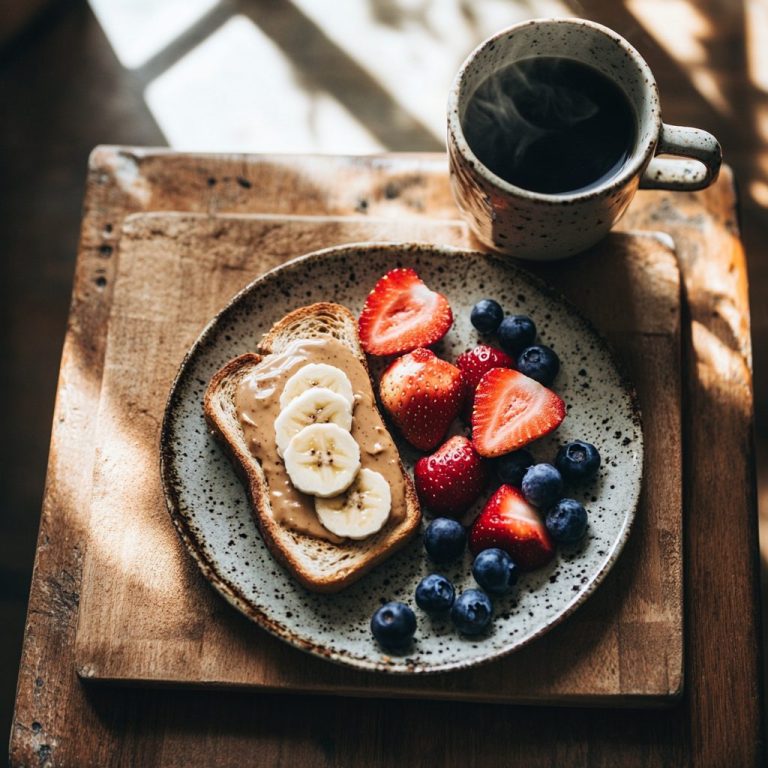
This combo never gets old. The natural sweetness from banana means you’re not dumping sugar into your bowl, and peanut butter adds protein to keep you satisfied. Just make sure you’re using natural peanut butter without all that added junk. Check out the Get Full Recipe for the exact measurements.
If you’re feeling adventurous, the chocolate banana version is basically dessert for breakfast, but with actual nutritional value.
Apple Pie Overnight Oats
Who says you can’t have pie for breakfast? This version gives you all the cozy fall vibes without the sugar crash. Diced apples bring about 4 grams of fiber per medium apple, plus they add that satisfying crunch. I use this apple corer to make prep stupidly easy—no more awkwardly hacking around the core with a knife. The Get Full Recipe includes the perfect spice blend.
For more creative morning options, you might want to explore these overnight oats variations or check out the full collection of 30 flavors if you’re the type who gets bored easily.
The Complete Gut Health & Digestion eBook
Want to understand exactly how fiber works and why your gut health matters? This science-backed eBook breaks down everything you need to know about digestive wellness without the medical jargon.
- 150+ pages of actionable gut health strategies
- Understanding fiber types and which ones your body needs most
- Common digestive issues and natural solutions
- 30-day gut reset protocol with daily action steps
- Supplement guide for digestive health (what works, what’s hype)
- Food pairing strategies for optimal nutrient absorption
The Avocado Toast Evolution
Yeah, I know—avocado toast is basically a meme at this point. But hear me out. When done right, it’s a fiber-packed breakfast that actually keeps you full. The key is building it properly instead of just smashing some avocado on white bread and calling it a day.
Mediterranean-Style Avocado Toast
Start with whole grain bread (look for at least 3-4 grams of fiber per slice), then layer on that creamy avocado. But here’s where it gets good—top it with cherry tomatoes, a sprinkle of hemp seeds, and a drizzle of quality olive oil. This Get Full Recipe takes about five minutes.
The Mediterranean twist adds even more flavor with feta and olives, while the cucumber za’atar version brings a Middle Eastern vibe that’s seriously addictive.
Savory Cottage Cheese Toast
If you haven’t tried cottage cheese on toast yet, you’re missing out. It’s like avocado toast’s protein-packed cousin. Spread it thick on whole grain bread, top with sliced tomatoes and everything bagel seasoning. The Get Full Recipe shows you how to make it Instagram-worthy, if that’s your thing.
I toast my bread using this compact toaster oven because it heats evenly and doesn’t take up half my counter space.
The Smoothie Bowl Situation
Smoothie bowls get a bad rap because people dump half a bag of frozen fruit and call it healthy. But when you do them right—with actual fiber-rich ingredients and not just sugar bombs—they’re fantastic.
Berry Green Protein Bowl
Blend spinach (you won’t taste it, I promise), frozen berries, a scoop of protein powder, and some flax seeds. Pour it into a bowl and top with sliced fruit, nuts, and a sprinkle of coconut. The Get Full Recipe gives you the perfect consistency.
The secret weapon here is ground flax seeds—they add fiber without changing the taste, and they’re easier to digest than whole seeds.
Organic Ground Flaxseed (24oz Resealable Bag)
This is the fiber boost you didn’t know you needed. Organic ground flaxseed adds 3 grams of fiber per tablespoon plus omega-3s, and you literally can’t taste it in smoothies or oats. The pre-ground version means your body can actually absorb the nutrients (whole seeds just pass right through).
Mediterranean Smoothie Bowl
This one’s a game-changer. Greek yogurt base, cucumber, mint, and a handful of berries. Sounds weird, tastes amazing. Get Full Recipe here. It’s refreshing, filling, and packed with about 10 grams of fiber when you add the right toppings.
Looking for more protein-packed options? These high-protein smoothies deliver the goods without the sugar crash.
The Egg Situation (Because Protein Matters Too)
Now, eggs themselves aren’t high in fiber, but they’re the perfect protein base to build a fiber-rich breakfast around. The trick is what you pair them with.
Savory Mediterranean Scramble
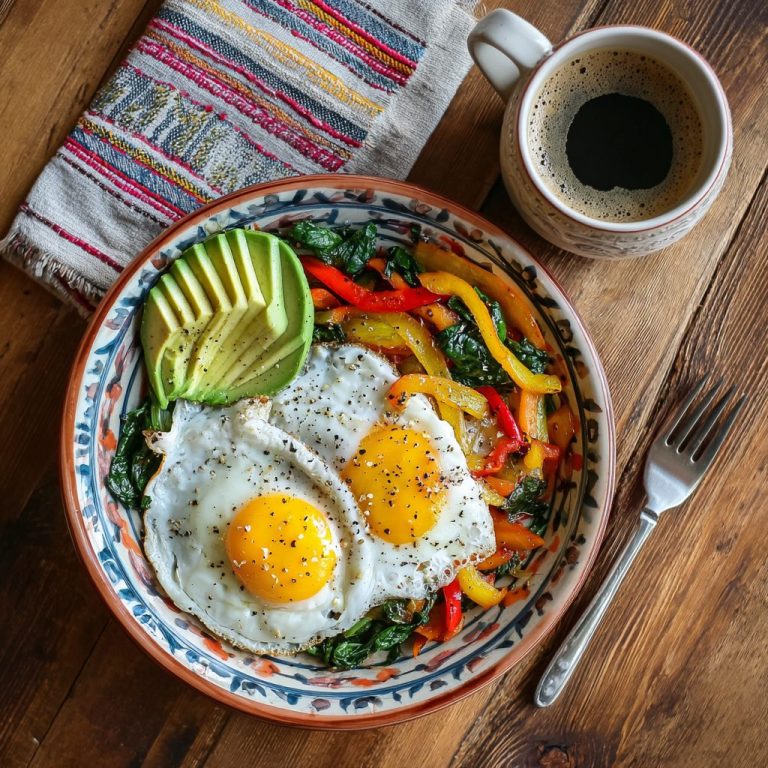
Load up your scrambled eggs with spinach, tomatoes, and peppers. Those veggies bring the fiber while the eggs bring staying power. The Get Full Recipe includes feta for extra flavor, which according to Healthline’s analysis of feta cheese, also provides beneficial probiotics for gut health.
I cook mine in this non-stick skillet because nothing’s worse than eggs that turn into rubber cement stuck to your pan.
Professional Non-Stick Ceramic Skillet (10-inch)
The difference between sad, rubbery eggs and perfectly fluffy scrambles? Your pan. This ceramic non-stick skillet heats evenly, requires minimal oil, and makes cleanup embarrassingly easy. No more scrubbing burnt egg bits for 20 minutes.
Veggie-Packed Egg Muffins
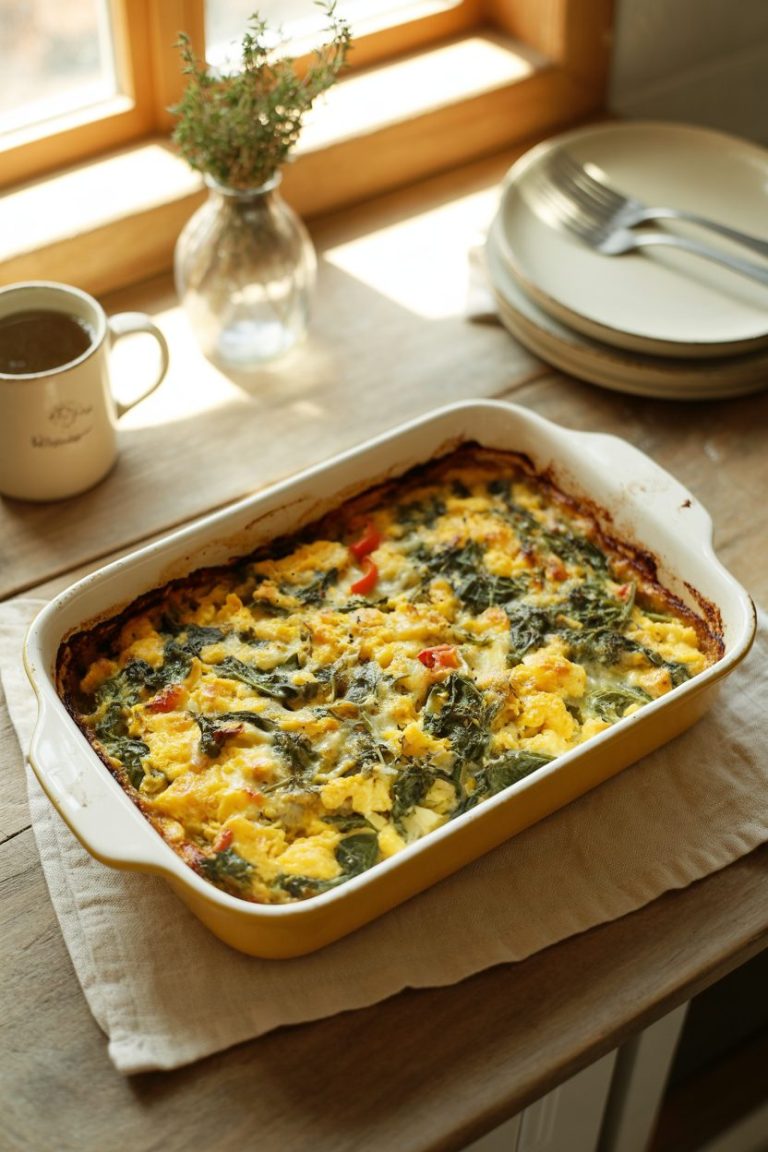
Meal prep champions, this one’s for you. Bake a batch of these egg muffins on Sunday, and you’ve got grab-and-go breakfasts all week. Load them with bell peppers, onions, spinach, and zucchini for maximum fiber. Get Full Recipe for the Greek-inspired version.
Sweet Potato Hash with Eggs
Sweet potatoes are fiber superstars—about 4 grams per medium potato. Dice them up, sauté with black beans and peppers, top with a fried egg. The Get Full Recipe is so satisfying you’ll forget you’re eating “healthy.”
For more egg-cellent ideas (sorry, had to), check out these egg and veggie combos or this classic omelet that never disappoints.
The Whole Grain Winners
Moving beyond oats, there’s a whole world of fiber-rich grains that make killer breakfasts. We’re talking quinoa, farro, and whole grain toast that actually tastes like something.
Quinoa Breakfast Bowl
Quinoa isn’t just for lunch bowls. Cook it with almond milk, top with sliced apples, walnuts, and cinnamon. It’s got about 5 grams of fiber per cup and feels way fancier than regular cereal. The Get Full Recipe walks you through it.
Whole Grain Pancakes That Don’t Suck
Most “healthy” pancakes taste like cardboard had a baby with disappointment. But these whole grain banana pancakes are legitimately good. Get Full Recipe here. The mashed banana adds natural sweetness and fiber, while whole wheat flour bumps up the fiber content.
I make mine in this griddle pan so I can cook multiple pancakes at once without losing my mind.
The Chia Pudding Game-Changer
If you haven’t tried chia pudding, you’re seriously missing out. Three tablespoons of chia seeds pack about 10 grams of fiber, plus they absorb liquid and create this pudding-like texture that’s weirdly addictive.
Classic Vanilla Chia Pudding
Mix chia seeds with almond milk, vanilla extract, and a touch of maple syrup. Let it sit overnight, and wake up to pudding. The Get Full Recipe is dead simple.
Top with fresh fruit, nuts, and maybe a drizzle of raw honey for extra sweetness. The keto version with coconut milk is also ridiculously good if you’re watching carbs.
The Wrap Situation for Busy Mornings
Some mornings, you need to eat breakfast in the car. I’m not judging—life happens. But that doesn’t mean you should settle for drive-through garbage.
Egg and Veggie Breakfast Wrap
Scramble some eggs, throw in peppers and spinach, wrap it in a whole grain tortilla (look for ones with at least 4 grams of fiber). The Get Full Recipe is perfectly portable.
These low-calorie versions work great if you’re watching your intake, or check out these 21 high-protein wraps for more variety.
When You Want Something Sweet (But Still Healthy)
Let’s be real—sometimes you wake up craving something sweet. That’s fine. You can satisfy that craving without derailing your digestive health.
Greek Yogurt Parfait Done Right
Layer Greek yogurt with berries, a handful of granola (look for brands with whole grains and minimal added sugar), and a sprinkle of ground flax. The Get Full Recipe hits that sweet spot between indulgent and nutritious.
The key is choosing high-protein Greek yogurt that doesn’t have more sugar than ice cream. Read those labels, people.
Baked Cinnamon Apples
This is basically apple pie without the guilt. Core some apples, sprinkle with cinnamon, bake until soft. Serve with a dollop of Greek yogurt. The Get Full Recipe takes about 20 minutes.
For those exploring plant-based options, these high-protein vegetarian recipes pair perfectly with fiber-rich breakfasts.
28-Day Digestive Health Challenge Tracker
Ready to commit to better gut health? This interactive digital tracker guides you through a complete 28-day transformation with daily check-ins, habit tracking, and progress monitoring.
- Daily habit tracker for fiber intake, water consumption, and movement
- Weekly progress photos & measurements section
- Symptom tracker to identify food sensitivities
- Energy & mood journal to correlate diet with how you feel
- 28 daily challenges with actionable tasks
- Printable & digital versions for flexibility
The Mediterranean Breakfast Advantage
Mediterranean breakfasts naturally tend to be high in fiber because they’re loaded with vegetables, whole grains, and legumes. It’s not rocket science—just solid, time-tested eating patterns.
Think hummus with whole grain pita, cucumber and tomato salads, or these 30 Mediterranean breakfast ideas that prove healthy eating doesn’t have to be boring. The 14-day meal plan takes the guesswork out if you’re just starting.
What makes Mediterranean eating so effective for digestion? It’s the combination of fiber from vegetables and whole grains, healthy fats from olive oil and nuts, and fermented foods like yogurt that all work together to keep your gut happy.
Making It Work in Real Life
Look, I get it. Reading about 17 different breakfast options is one thing—actually making them happen when you’re half-asleep at 6 AM is another. Here’s the truth: you don’t need to do all of these. Pick three or four that sound good, master those, then rotate through them.
The real secret to high-fiber breakfasts isn’t having the perfect recipe—it’s having ingredients on hand so you’re not tempted to grab whatever’s easiest (which is usually lowest in fiber). Stock your pantry with rolled oats, chia seeds, whole grain bread, and frozen berries. Keep your fridge loaded with eggs, Greek yogurt, and pre-chopped vegetables.
And please, for the love of all that’s holy, increase your water intake when you up your fiber. Fiber without water is like trying to push a boulder uphill—things just don’t move smoothly. Aim for at least eight glasses a day, more if you’re active.
Speaking of staying hydrated, I keep this insulated water bottle on my desk all day because out of sight really is out of mind when it comes to drinking enough water.
Frequently Asked Questions
How much fiber should I aim for at breakfast?
Ideally, you want to get at least 8-10 grams of fiber at breakfast, which is about a third of your daily needs. This sets you up for better blood sugar control and sustained energy throughout the morning. Don’t stress about hitting exact numbers—focus on incorporating fiber-rich foods like oats, chia seeds, berries, and vegetables into your morning routine.
Will high-fiber breakfasts make me feel bloated?
If you’re not used to eating much fiber, jumping straight to 10+ grams at breakfast might cause some temporary bloating or gas. The solution is to gradually increase your fiber intake over a week or two, giving your digestive system time to adjust. Also, make sure you’re drinking plenty of water—fiber needs liquid to do its job properly.
Can I meal prep high-fiber breakfasts?
Absolutely, and I’d actually recommend it. Overnight oats, chia pudding, egg muffins, and breakfast casseroles all prep beautifully and will last 3-5 days in the fridge. Just avoid prepping anything with fresh fruit that’ll get soggy—add that right before eating instead.
What’s better for fiber—oatmeal or whole grain toast?
Both can be excellent sources depending on portions and what you add. Half a cup of dry rolled oats has about 4 grams of fiber, while two slices of whole grain bread typically have 4-6 grams. The real winner is whatever you’ll actually eat consistently, so pick the one you enjoy more and build from there.
Do I need supplements, or is food enough?
For most people, you can absolutely get enough fiber from food alone—no supplements needed. In fact, fiber from whole foods comes packaged with vitamins, minerals, and other beneficial compounds that supplements lack. Save your money and invest in quality ingredients instead of powder supplements.
The Bottom Line
Here’s what I want you to take away from all this: high-fiber breakfasts don’t have to be complicated or taste like punishment. You’ve got 17 solid options here that actually taste good while giving your digestive system what it needs to function properly.
Start with one or two recipes that sound appealing. Master those. Then branch out. The goal isn’t perfection—it’s consistency. Even if you only rotate through three high-fiber breakfasts, that’s still 21 gut-friendly meals per month you’re adding to your routine.
Your digestive system will thank you. Your energy levels will stabilize. And you’ll stop feeling like you need a nap by 10 AM. That’s the power of starting your day with real fiber from real food.
Now stop reading about breakfast and actually go make one. Your gut’s been patient enough.