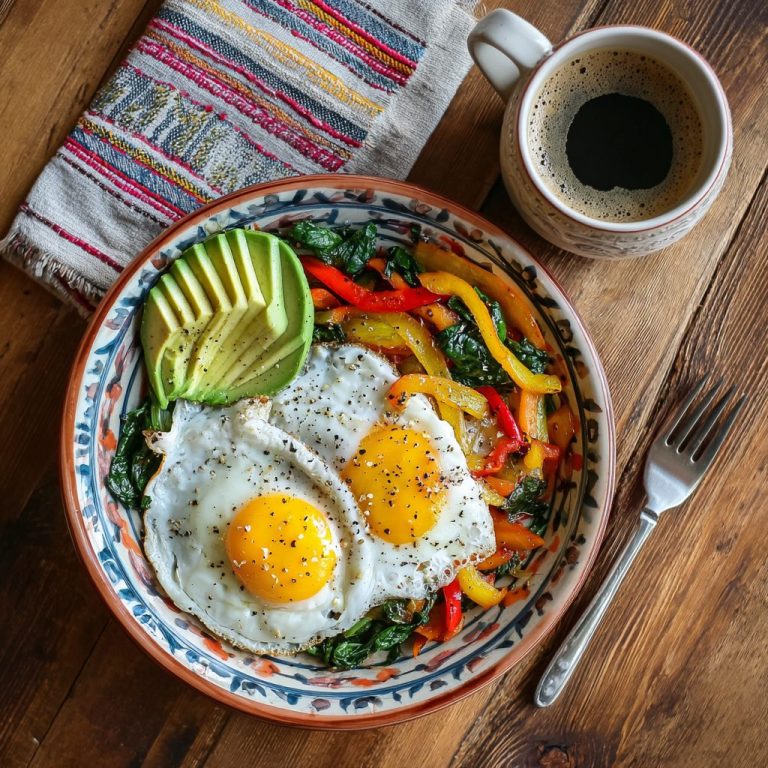

15 Mediterranean Breakfasts for Kids
Let me guess—your kid just rejected toast for the third morning in a row, and you’re standing there with a spatula wondering if cereal counts as a balanced breakfast. I’ve been there, friend. Mornings with kids can feel like negotiating with tiny food critics who have zero chill and even less patience.
Here’s the thing though: Mediterranean breakfasts might just save your sanity. We’re talking about meals that are naturally kid-friendly, packed with nutrients, and honestly easier than you think. No weird ingredients your grocery store has never heard of. Just real food that tastes good and happens to support your kid’s growing brain and body.
The Children’s Health network reports that this eating style helps children meet their nutritional needs while encouraging positive changes like eating more fruits and vegetables. And before you roll your eyes—yes, kids can actually enjoy these foods when you make them right.
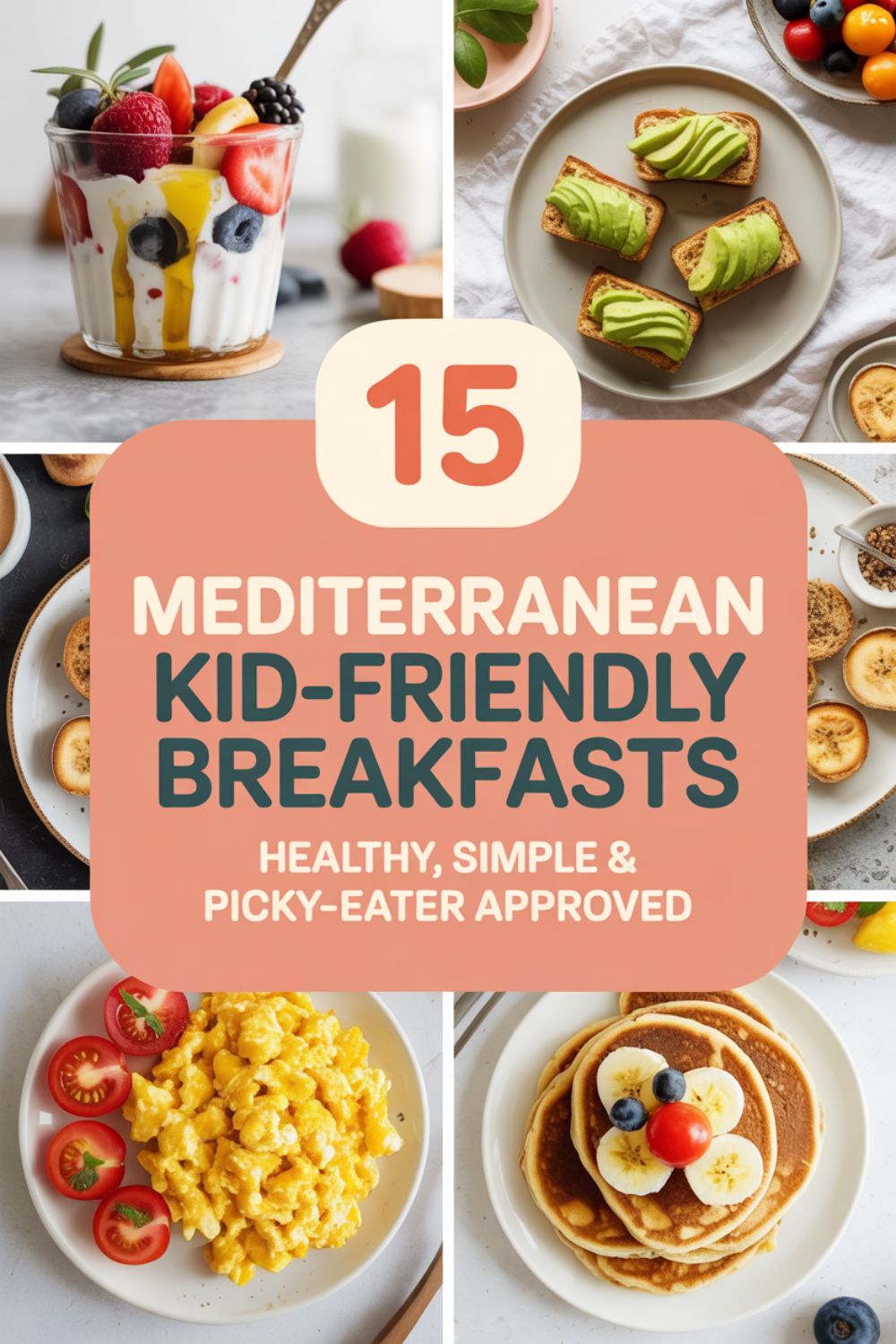
Why Mediterranean Food Actually Works for Kids
I’m not gonna lie to you—when I first heard about feeding my kids “Mediterranean style,” I pictured olives and fancy cheese my wallet couldn’t afford. Turns out, I was overthinking it. The Mediterranean approach is basically about whole foods: fruits, veggies, whole grains, healthy fats, and moderate amounts of protein. Nothing complicated.
Research published in peer-reviewed medical journals shows this diet pattern can reduce obesity risk in children and support healthy development from early childhood through adolescence. The magic isn’t in some superfood—it’s in the overall pattern of eating real, minimally processed foods.
What I love most? You’re not eliminating entire food groups or making your kid feel deprived. It’s about adding good stuff in, not stressing about every “bad” food that sneaks onto the plate. Kids need flexibility, and this approach gives you that.
1. Greek Yogurt Bowl with Fresh Berries
This one’s a no-brainer. Greek yogurt is protein-packed, and kids usually dig the creamy texture. I use plain yogurt and let my kids add their own toppings—berries, a drizzle of honey, maybe some granola if we’re feeling fancy.
The beauty here is the customization. Some mornings my kid wants strawberries, other days it’s blueberries. Whatever. The point is they’re eating whole fruit and getting a solid protein hit that’ll keep them full until snack time. Get Full Recipe.
I keep a mini fruit storage container in the fridge with pre-washed berries. Game changer on rushed mornings when you need food on the table five minutes ago.
2. Whole Grain Toast with Mashed Avocado
Yeah, yeah, avocado toast is everywhere. But hear me out—kids genuinely enjoy this when you don’t make it weird. I mash half an avocado with a tiny pinch of salt, spread it on whole grain toast, and sometimes add cherry tomatoes if my kid’s in the mood.
The healthy fats in avocado support brain development, and whole grain bread provides fiber that keeps their digestive system happy. Win-win. Plus, it takes maybe three minutes to make. Get Full Recipe.
For picky eaters, skip the tomatoes at first. Just let them get used to the avocado. You can always sneak veggies in later when they’re not looking.
The Texture Thing
Some kids hate mushy textures. If yours does, try slicing the avocado instead of mashing it. Or use a small pastry cutter to make fun shapes. Silly? Maybe. Effective? Absolutely.
3. Oatmeal with Dried Figs and Walnuts
Oatmeal gets a bad rap because most people make it boring. I cook mine with a splash of vanilla and cinnamon, then top it with chopped dried figs and crushed walnuts. The figs add natural sweetness without dumping in refined sugar.
My kid calls this “treasure oatmeal” because of all the mix-ins. Whatever gets them to eat fiber-rich whole grains, right? The walnuts provide omega-3s for brain health. Get Full Recipe.
Just a heads-up: nuts can be a choking hazard for kids under four, so adjust accordingly. You can always swap in chia seeds or ground flaxseed for little ones.
4. Savory Mediterranean Scramble
Eggs are clutch for breakfast, and this scramble brings in veggies without making it a whole production. I whisk eggs with a little milk, scramble them up, and toss in diced tomatoes, spinach, and a sprinkle of feta cheese.
The spinach wilts down so much that kids barely notice it. The feta adds a salty kick that most kids enjoy. High protein, decent veggies, minimal effort. Get Full Recipe.
I use a non-stick skillet for this because nobody wants to scrub scrambled eggs off a pan at 7 AM. Life’s too short.
5. Whole Wheat Pita with Hummus and Cucumber Sticks
This feels more like a snack than breakfast, but kids don’t care about meal categories. Warm whole wheat pita, creamy hummus, and crunchy cucumber sticks make a balanced meal that covers protein, fiber, and veggies.
I cut the pita into triangles and let my kid dip them. The interactive element makes it more fun. Plus, hummus is made from chickpeas, so you’re sneaking in plant-based protein without any fuss. Get Full Recipe.
If your grocery store sells individual hummus cups, grab a few. They’re perfect for portion control and emergency breakfast situations.
Veggie Variety
Some kids hate cucumber. Try bell pepper strips, baby carrots, or even cherry tomatoes. The goal is getting them to eat vegetables in the morning, not starting a battle over which specific vegetable.
Speaking of easy morning meals, you might want to check out these 30 easy Mediterranean breakfast ideas for more no-stress options. Or if you’re looking for something with extra protein to keep them full, these high-protein breakfasts under 350 calories are solid choices.
6. Shakshuka (Eggs in Tomato Sauce)
Shakshuka sounds fancy, but it’s basically eggs poached in spiced tomato sauce. Kids love it because it looks cool and tastes like pizza’s breakfast cousin. I make a simple tomato sauce with garlic, cumin, and paprika, crack eggs into it, and let them cook until the whites set.
Serve it with whole grain bread for dipping. The runny yolk mixed with tomato sauce is ridiculously good. Get Full Recipe.
According to recent health research, meals like this that combine vegetables with quality protein can support healthy blood pressure and cholesterol levels in children.
I use a cast iron skillet for shakshuka because it goes from stovetop to table, and presentation matters when you’re trying to get kids excited about food.
7. Chia Pudding with Fruit
Chia pudding is one of those “set it and forget it” breakfasts that feels like you tried way harder than you did. Mix chia seeds with milk (dairy or plant-based), let it sit overnight, and top with fresh fruit in the morning.
The texture is pudding-like, which most kids enjoy. Plus, chia seeds are loaded with fiber and omega-3s. Get Full Recipe.
I make mine in small mason jars so my kid can grab one straight from the fridge. Less dishes for me, more independence for them. Everybody wins.
8. Banana Pancakes with Almond Butter
These aren’t your standard pancakes. I mash ripe bananas into whole grain pancake batter for natural sweetness, cook them up, and serve with a dollop of almond butter instead of syrup.
The banana makes them fluffy and sweet without adding refined sugar. Almond butter brings protein and healthy fats to keep kids full longer. Get Full Recipe.
IMO, the best part is that you can make a double batch and freeze extras. Pop them in the toaster on busy mornings, and boom—homemade breakfast in under two minutes.
9. Smoothie Bowl with Toppings
Smoothie bowls are basically thick smoothies you eat with a spoon. I blend frozen berries, banana, spinach, and Greek yogurt until thick, pour it into a bowl, and let my kid add toppings—granola, fresh fruit, coconut flakes, whatever.
The spinach hides completely in the berry color. They have no idea they’re eating greens. Sneaky? Yes. Effective? Also yes. Get Full Recipe.
A high-speed blender makes this way easier, but honestly, any blender works if you’re patient. Just blend a little longer.
10. Whole Grain Cereal with Fresh Berries and Milk
Sometimes you just need cereal. I get it. But instead of the sugar-bomb stuff in cartoon boxes, go for whole grain cereal with minimal added sugar. Add fresh berries and milk, and you’ve got a balanced breakfast.
Look for cereals with at least 3 grams of fiber per serving. The fiber helps stabilize blood sugar so your kid isn’t crashing an hour later. Pair it with protein-rich milk and antioxidant-packed berries, and you’re good.
Store berries in a berry keeper container to extend their freshness. Because nothing’s worse than opening berries you bought two days ago only to find them moldy.
11. Veggie-Loaded Frittata Muffins
These are basically mini crustless quiches that you can make ahead and grab throughout the week. I whisk eggs with chopped veggies—bell peppers, spinach, tomatoes—add some feta, and bake them in a muffin tin.
Kids love anything in muffin form. Plus, they’re portable, which is clutch when you’re running late. Get Full Recipe.
Use silicone muffin cups for easy cleanup. Seriously, the eggs just pop right out with zero sticking.
Storage Tips
Make a dozen on Sunday. Store them in the fridge for up to five days. Reheat in the microwave for 30 seconds, and you’ve got a hot breakfast faster than you can pour cereal.
For more make-ahead breakfast ideas that’ll save your mornings, check out these 7 days of high-protein breakfast meal prep recipes. And if your kids prefer grab-and-go options, these overnight oats recipes are lifesavers.
12. Cottage Cheese with Sliced Peaches and Cinnamon
Cottage cheese gets weird looks from kids at first, but mix it with sweet peaches and a sprinkle of cinnamon, and suddenly it’s acceptable. The cottage cheese provides protein and calcium for growing bones.
I use canned peaches in their own juice when fresh aren’t in season. No shame. The goal is getting nutritious food into your kid, not winning a cooking competition. Get Full Recipe.
Studies from pediatric nutrition experts emphasize that dairy products like cottage cheese are crucial for children’s calcium needs and bone development.
13. Breakfast Quinoa Bowl
Quinoa isn’t just for lunch. Cook it with milk instead of water, add cinnamon and vanilla, and top with sliced apples and a handful of walnuts. It’s like oatmeal’s more interesting cousin.
Quinoa is a complete protein, which is rare for plant foods. That means it has all the amino acids kids need for growth. Get Full Recipe.
Use a rice cooker to make quinoa. Set it and forget it. You can even make it the night before and reheat in the morning.
14. Whole Wheat English Muffin with Ricotta and Honey
Toast a whole wheat English muffin, spread ricotta cheese on it, and drizzle with honey. Simple, sweet, satisfying. The ricotta adds protein and calcium without being heavy.
This is my go-to when we’re running super late. Two minutes max, and my kid’s got something nutritious in their stomach. Sometimes good enough is good enough.
Add sliced strawberries if you want to sneak in more fruit. Or don’t. You’re doing great either way.
15. Baked Oatmeal Squares with Blueberries
Baked oatmeal is like a cross between oatmeal and a breakfast bar. Mix oats with mashed banana, milk, and blueberries, bake it in a pan, and cut into squares.
Make these on the weekend, store them in the fridge, and you’ve got breakfast ready for days. Kids can eat them with their hands, which somehow makes them taste better. Get Full Recipe.
Wrap individual squares in parchment paper for easy grab-and-go mornings. Or when your kid decides they want breakfast in the car. Again.
Making It Work in Real Life
Look, I’m not gonna pretend every morning is smooth. Some days my kid eats everything. Other days they declare all food is terrible and they’re never eating again. That’s normal.
The goal isn’t perfection—it’s progress. If you can get a few of these Mediterranean-style breakfasts into rotation, you’re already ahead of the game. Focus on adding good stuff rather than stressing about occasional treats.
Research published in scientific journals suggests that consistent adherence to Mediterranean eating patterns supports improved physical activity, better physical fitness, and enhanced quality of life in children and adolescents.
Get Kids Involved
This sounds cliché, but kids really do eat better when they help prepare food. Let them wash berries, stir batter, or arrange toppings on their yogurt bowl. Even small tasks give them ownership over the meal.
Plus, it teaches basic cooking skills they’ll need later in life. FYI, a four-year-old can totally mash a banana with a fork. Might take them 10 minutes, but they can do it.
Dealing with Picky Eaters
If your kid rejects something new, don’t force it. Offer it again in a week or two. Research shows kids sometimes need to see a food 10-15 times before they’ll try it. Patience is key here.
Also, keep offering variety without pressure. Put a small portion of the new food alongside something they already like. Sometimes they’ll surprise you and actually try it.
When all else fails, remember that most kids go through picky phases and eventually grow out of them. You’re not failing. You’re just parenting a small human with strong opinions about food.
Frequently Asked Questions
Is the Mediterranean diet safe for young children?
Yes, the Mediterranean diet is considered safe and beneficial for children over three years old. It emphasizes whole foods, fruits, vegetables, whole grains, and healthy fats that support growth and development. Just remember that children under two need whole milk for proper fat intake, and nuts can be choking hazards for kids under four. Always modify recipes based on your child’s age and developmental stage.
How do I get my picky eater to try Mediterranean foods?
Start small and don’t force it. Introduce one new food at a time alongside familiar favorites. Let kids help with food prep—they’re more likely to eat something they helped make. Keep offering variety without pressure, and remember that it can take 10-15 exposures before a child accepts a new food. Make it fun with colorful presentations and interactive elements like dipping sauces.
Can Mediterranean breakfasts provide enough protein for growing kids?
Absolutely. Mediterranean breakfasts often include protein-rich foods like Greek yogurt, eggs, cottage cheese, nuts, and whole grains. Combining these foods ensures kids get adequate protein for growth and development. For example, Greek yogurt with nuts provides around 15-20 grams of protein, which is substantial for a child’s breakfast.
Are these breakfasts suitable for kids with food allergies?
Most Mediterranean breakfast ideas are adaptable for common allergies. For dairy allergies, use plant-based yogurt or milk alternatives. For nut allergies, swap seeds like sunflower or pumpkin seeds for nuts, or use seed butters instead of nut butters. For egg allergies, focus on grain-based options like oatmeal or chia pudding. Always read labels carefully and consult your pediatrician about specific dietary restrictions.
How can I meal prep Mediterranean breakfasts for busy school mornings?
Batch cooking is your friend. Make big batches of baked oatmeal, egg muffins, or overnight oats on weekends. Store them in individual portions that kids can grab throughout the week. Pre-wash and portion fruits and vegetables. Cook extra quinoa or oatmeal to reheat as needed. Having ingredients prepped and ready makes throwing together a healthy breakfast much faster on hectic mornings.
The Bottom Line
Mediterranean breakfasts for kids don’t have to be complicated or time-consuming. Most of these recipes take 10 minutes or less, use ingredients you probably already have, and provide the nutrition kids need without the battle.
Start with one or two recipes that sound manageable. See what your kid likes. Build from there. You don’t need to overhaul your entire breakfast routine overnight. Small, consistent changes add up to real results.
And remember—some mornings will be chaotic. Some mornings your kid will refuse everything and eat three crackers for breakfast. That’s okay. You’re not aiming for perfect. You’re aiming for progress, one breakfast at a time.
Trust me, even getting two or three of these meals into your weekly rotation makes a difference. Your kid’s getting whole foods, you’re not spending hours in the kitchen, and everyone’s starting the day with something nourishing. That’s a win in my book.