7-Day Mediterranean Diet Plan for Weight Loss (Simple & Filling)
Look, I’m not here to sell you some miracle diet that’ll have you dropping 20 pounds in a week while living off celery juice and false hope. But if you want a realistic, actually sustainable eating plan that won’t leave you face-down in a pizza box by Thursday? Yeah, I’ve got something for you.
The Mediterranean diet isn’t really a “diet” in the torture-yourself sense. It’s more like how people in Greece, Italy, and Spain have been eating forever—and they’re doing something right over there. We’re talking fresh veggies, good fats, lean proteins, and yes, even wine in moderation. No counting every almond like it’s your life savings.
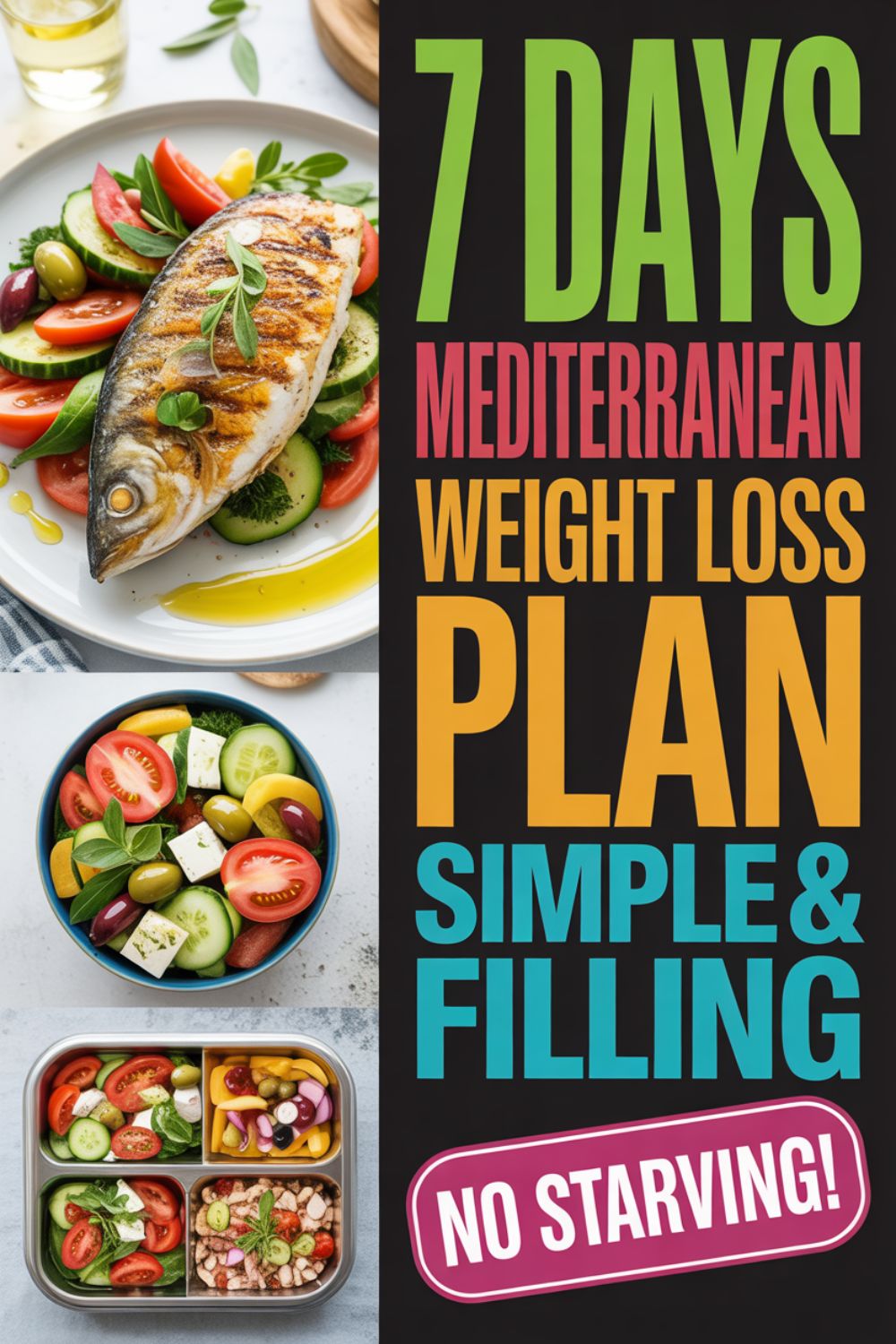
This 7-day plan is designed to keep you full, happy, and on track without making you want to fake your own death to escape meal prep. Ready? Let’s do this.
Why the Mediterranean Diet Actually Works
Here’s the thing—most diets fail because they’re built on deprivation. You cut out entire food groups, eat like a rabbit, and wonder why you’re miserable. The Mediterranean approach flips that script entirely.
This eating style focuses on whole foods, healthy fats, and lean proteins that keep you satisfied for hours. You’re not starving yourself; you’re just making smarter swaps. Olive oil instead of butter. Fish instead of processed meats. Actual vegetables instead of whatever sad iceberg lettuce situation you had going on.
Studies published by the American Heart Association show that people following a Mediterranean diet have lower rates of heart disease, better weight management, and improved overall health markers. Not too shabby for an eating plan that doesn’t make you cry into your food scale.
The beauty of this plan is that it’s anti-inflammatory, nutrient-dense, and surprisingly flexible. You can adjust portions, swap ingredients, and still stay on track. It’s not about perfection—it’s about consistency.
The Core Principles You Need to Know
Before we dive into the meal plan, let’s talk ground rules. The Mediterranean diet isn’t complicated, but there are a few non-negotiables that make it work.
Healthy Fats Are Your Friend
Forget everything you learned in the ’90s about fat being evil. Extra virgin olive oil is the cornerstone of this whole thing. Drizzle it on salads, cook with it, dip your bread in it—this is the good stuff that keeps you full and your brain functioning.
You’ll also want to embrace avocados #, nuts, and fatty fish. These aren’t just “allowed”—they’re essential. The omega-3s in fish like salmon support brain health and reduce inflammation, according to research from Mayo Clinic.
Plant-Based Foods Are the Star
You don’t have to go full vegetarian, but vegetables, fruits, whole grains, and legumes should be taking up most of the real estate on your plate. Think colorful, think variety, think “would my great-grandmother recognize this as food?”
Load up on leafy greens, tomatoes, cucumbers, bell peppers, eggplant—basically, if it grew from the ground and isn’t beige, you’re probably good to go.
Lean Proteins, Smart Choices
Fish and seafood are your MVPs here. Aim for at least two servings per week. Chicken, turkey, eggs, and legumes round out your protein sources. Red meat? Save it for special occasions, not Tuesday dinner.
If you’re looking for high-protein options that fit perfectly into this lifestyle, check out these 25 High-Protein Mediterranean Meals that keep you satisfied without the heaviness.
Your 7-Day Mediterranean Meal Plan
Alright, here’s where the rubber meets the road. I’ve mapped out a full week of meals that are simple, filling, and won’t require you to take out a second mortgage for fancy ingredients.
Day 1: Mediterranean Monday
Breakfast: Start strong with a Greek Yogurt Bowl with Berries & Honey. The protein from Greek yogurt keeps hunger at bay for hours, and the berries add natural sweetness without spiking your blood sugar.
Lunch: A simple Tuna & White Bean Salad packs protein and fiber. Toss in some cherry tomatoes, red onion, and a generous glug of olive oil. Use a good-quality tuna in olive oil # for extra richness.
Dinner: Grilled Salmon with Tomato-Caper Relish alongside roasted vegetables. Salmon is brain food, folks. The omega-3s don’t mess around.
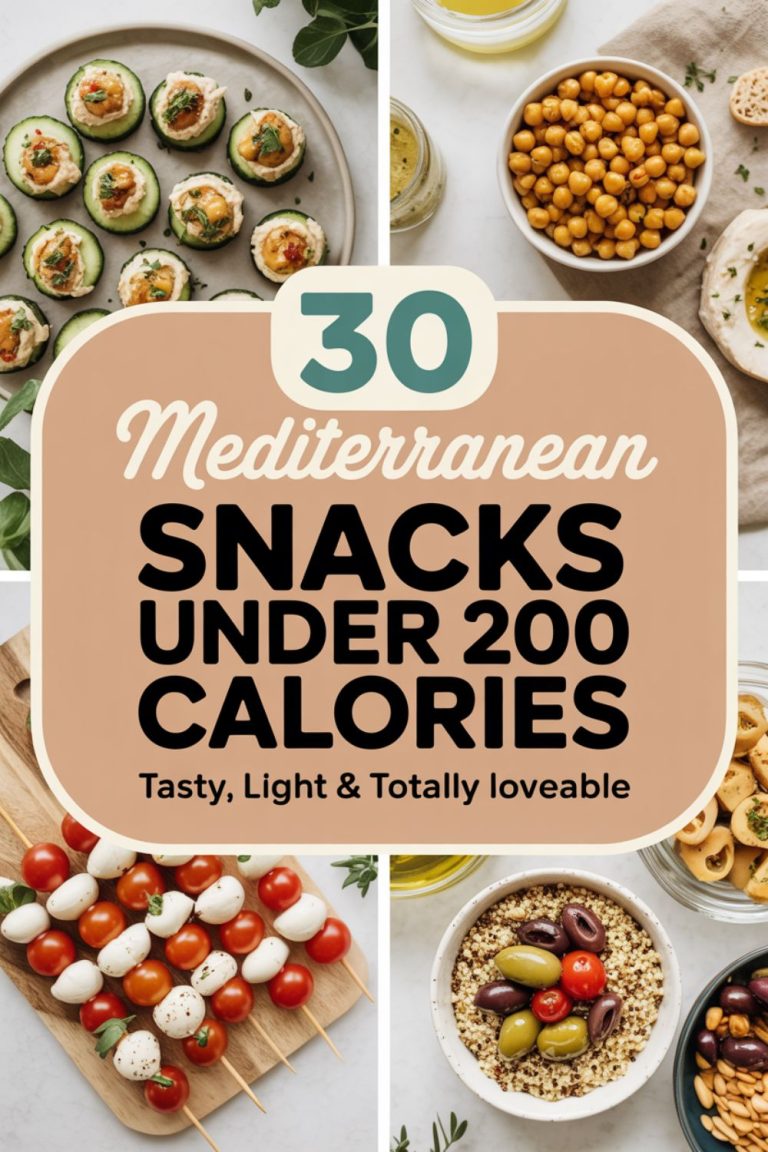
Snack: A handful of mixed nuts # or some hummus with veggie sticks.
Day 2: Two-For-Tuesday
Breakfast: Avocado Toast with Tomato & Olive Oil on whole grain bread. Simple, satisfying, Instagram-worthy if that’s your thing.
Lunch: Lentil Soup with Crusty Bread. Lentils are a protein and fiber powerhouse. Make a big batch—you’ll thank me later. Get Full Recipe
Dinner: Lemon-Herb Chicken with Roasted Potatoes. Season generously with herbs like oregano and thyme. A quality herb grinder # makes this so much easier.
Snack: Greek Yogurt with Nuts & Cinnamon.
Day 3: Midweek Momentum
Breakfast: Oatmeal with Dried Figs, Walnuts & Cinnamon. Warm, comforting, and keeps you full until lunch without the mid-morning crash.
Lunch: Grilled Veggie Platter with Hummus. Zucchini, bell peppers, eggplant—whatever’s in season. Grill them up and dip away.
Dinner: Whole Wheat Spaghetti with Cherry Tomatoes & Basil. Yes, pasta is allowed. Just stick to whole grain and watch your portions. A quality pasta measurer # helps prevent the “oops I made enough for six people” situation.
Snack: Fresh fruit with a small handful of almonds.
Speaking of breakfast ideas, you might also love these 30 Mediterranean Breakfast Recipes for Busy Mornings or these High-Protein Breakfast Ideas if you need more variety.
Day 4: Thursday Thriving
Breakfast: Savory Mediterranean Scramble with spinach, tomatoes, and feta. Scramble those eggs in olive oil, not butter. Trust the process.
Lunch: Greek Salad (But Like, Actually Good). Cucumbers, tomatoes, olives, feta, red onion, and a proper Greek dressing. Don’t skimp on the quality feta cheese #—it makes all the difference.
Dinner: Shrimp Sautéed in Garlic & Olive Oil with Couscous. Quick, easy, and feels fancy without the fuss. Get Full Recipe
Snack: Olive Tapenade on Toasted Baguette.
Day 5: Friday Freedom
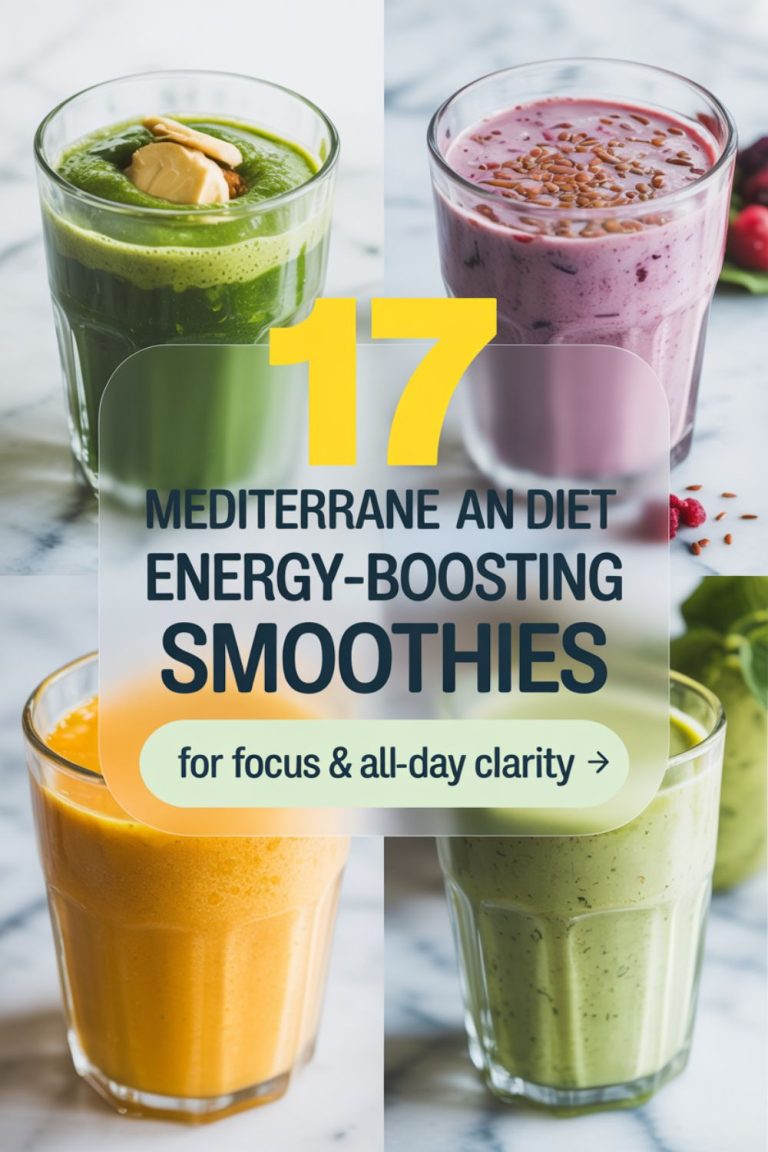
Breakfast: Mediterranean Smoothie Bowl topped with fresh berries, nuts, and a drizzle of honey. Blend it thick enough to eat with a spoon using a high-powered blender #.
Lunch: Falafel Wrap with Tzatziki in a whole wheat pita. Load it up with cucumbers, tomatoes, and lettuce.
Dinner: Baked Salmon with Herbed Quinoa and steamed green beans. Season the salmon with lemon, dill, and garlic. Simple perfection.
Snack: A small bowl of mixed berries.
Day 6: Weekend Warrior
Breakfast: Shakshuka (Eggs in Spicy Tomato Sauce). This North African dish fits perfectly into Mediterranean eating and tastes like weekend brunch goals. Get Full Recipe
Lunch: Mediterranean Grain Bowl with quinoa, chickpeas, cucumbers, tomatoes, and tahini dressing.
Dinner: Stuffed Bell Peppers with Quinoa & Veggies. Colorful, filling, and meal-prep friendly.
Snack: Dark chocolate # (70% cacao or higher) with a few almonds.
Day 7: Sunday Reset
Breakfast: Greek Yogurt Parfait layered with granola and fresh fruit. Use a mason jar # for easy grab-and-go options throughout the week.
Lunch: Lentil & Spinach Soup with a side of whole grain bread.
Dinner: Lemon-Oregano Grilled Chicken with roasted vegetables and a small side of Whipped Feta Dip. Get Full Recipe
Snack: Fresh cut vegetables with hummus.
For more complete weekly plans, definitely check out this 7-Day High-Protein Mediterranean Meal Plan or the 14-Day Mediterranean Diet Meal Plan for Beginners if you want to keep the momentum going.
Smart Swaps That Make a Difference
One of the reasons this eating plan works so well is that it’s not about restriction—it’s about making better choices that still taste amazing. Here are some swaps that’ll level up your Mediterranean game.
Ditch the Butter, Embrace Olive Oil
I know, I know. Butter tastes good. But olive oil is where it’s at for Mediterranean cooking. Use it for sautéing, roasting, and even in baking. A good extra virgin olive oil # has a fruity, peppery flavor that elevates everything it touches.
White Bread? Meet Whole Grain
Whole grain bread, pasta, and rice keep you fuller longer thanks to the fiber content. The difference in how you feel two hours after eating is honestly night and day. FYI, this isn’t about being perfect—it’s about choosing the better option most of the time.
Greek Yogurt Over Regular
Greek yogurt has double the protein of regular yogurt and a thicker, creamier texture. Use it in place of sour cream, mix it into smoothies, or just eat it straight with some honey and nuts.
Fresh Herbs Instead of Salt
Get yourself a herb keeper # and keep fresh basil, parsley, cilantro, and dill on hand. They add massive flavor without relying on excess sodium. Your blood pressure will thank you.
Meal Prep Tips That Actually Work
Let’s be real—if you don’t prep at least a little, you’re setting yourself up to fail. But meal prep doesn’t have to mean spending your entire Sunday in the kitchen like some kind of food monk.
Batch Cook Your Grains
Cook a big batch of quinoa, brown rice, or farro at the beginning of the week. Store it in the fridge in airtight containers # and use it throughout the week in salads, grain bowls, or as a side dish.
Pre-Chop Your Veggies
Spend 20 minutes chopping cucumbers, bell peppers, onions, and tomatoes. Store them separately and you’ve got instant salad, stir-fry, or snack components ready to go.
Make Protein in Bulk
Grill or bake several chicken breasts, hard-boil a dozen eggs, or roast a whole tray of chickpeas. Having protein ready means you’re less likely to reach for less healthy options when hunger strikes.
Keep Your Pantry Stocked
Always have canned tomatoes, chickpeas, white beans, olive oil, and whole grain pasta on hand. These pantry staples can save you when you’re low on fresh ingredients. According to Healthline’s Mediterranean diet guide, having these basics ready makes sticking to the plan infinitely easier.
If you’re serious about meal prep, these 14 Mediterranean Meal Prep Ideas will become your new best friend. IMO, the key is finding a system that doesn’t make you want to fake your own death every Sunday.
What About Portion Control?
Here’s where people usually get tripped up. Yes, olive oil is healthy. No, you shouldn’t drink it from the bottle. Everything in moderation, including moderation itself.
Vegetables: Fill half your plate. Seriously, go wild. It’s hard to overeat broccoli.
Protein: About a quarter of your plate. Think palm-sized portions of fish, chicken, or legumes.
Grains: The remaining quarter. A fist-sized portion of quinoa, brown rice, or whole wheat pasta.
Healthy Fats: Use olive oil liberally but not recklessly. A tablespoon or two per meal is plenty. For nuts, a small handful (about 1/4 cup) is your sweet spot.
The beauty of Mediterranean eating is that the focus on whole, nutrient-dense foods makes portion control more intuitive. You’re not left hungry and angry, which is usually when diet plans implode spectacularly.
Common Mistakes to Avoid
Even with a plan this good, there are ways to screw it up. Let me save you from some common pitfalls.
Going Overboard on Cheese and Nuts
Yes, they’re allowed. No, an entire wheel of brie is not a serving. Feta, goat cheese, and parmesan are your friends in small amounts. Same goes for nuts—they’re calorie-dense, so a little goes a long way.
Forgetting About Portion Sizes
The Mediterranean diet isn’t a free-for-all. You still need to be mindful of how much you’re eating, especially with things like pasta, bread, and olive oil. Get yourself some measuring cups # if eyeballing portions isn’t your strong suit.
Skipping the Vegetables
If you’re eating salmon and rice but skipping the vegetables, you’re missing the whole point. Vegetables should be the star of your plate, not an afterthought.
Not Drinking Enough Water
Hydration is key for weight loss and overall health. Keep a reusable water bottle # with you and aim for at least eight glasses a day. Add lemon or cucumber if plain water bores you.
Frequently Asked Questions
Can I lose weight on the Mediterranean diet?
Absolutely. The Mediterranean diet promotes weight loss through nutrient-dense, whole foods that keep you satisfied longer. Unlike restrictive diets, it’s sustainable long-term because you’re not constantly fighting hunger or cravings. Most people see steady, healthy weight loss of 1-2 pounds per week when following the plan consistently.
Do I need to count calories on this plan?
Not necessarily. The focus is on food quality over quantity, but portion awareness still matters. If you’re eating appropriate portions of whole grains, lean proteins, healthy fats, and lots of vegetables, calorie counting becomes less critical. That said, if you’re not seeing results after a few weeks, tracking portions might help identify where you’re overdoing it.
Is the Mediterranean diet expensive?
It can be, but it doesn’t have to be. Buy seasonal produce, shop sales, and use frozen vegetables when fresh isn’t affordable. Beans, lentils, eggs, and canned fish are budget-friendly protein sources. You’re also likely eating out less, which saves money in the long run.
What if I don’t like fish or seafood?
No problem. Focus on other lean proteins like chicken, turkey, eggs, and plant-based options like chickpeas, lentils, and tofu. You’ll miss out on omega-3s from fish, so consider taking a quality fish oil supplement or eating more walnuts and flaxseeds, which contain plant-based omega-3s.
Can I eat dairy on the Mediterranean diet?
Yes, but in moderation and preferably fermented forms like Greek yogurt, kefir, and cheese. These provide beneficial probiotics and protein. Stick to small portions—think a few ounces of feta crumbled over a salad rather than a giant hunk of cheddar.
Final Thoughts
Here’s the bottom line: this 7-day Mediterranean meal plan works because it’s not built on deprivation or misery. You’re eating real food that tastes good and keeps you satisfied. You’re not drinking cayenne pepper lemonade or surviving on 1,200 calories of sadness.
The Mediterranean diet has been studied extensively and consistently ranks as one of the healthiest eating patterns in the world. It’s not a fad, it’s not a quick fix, and it’s definitely not going to make you lose 30 pounds in a month. What it will do is help you build sustainable eating habits that support weight loss, better health, and actually enjoying your meals.
Give yourself grace as you adjust. Not every meal will be perfect. You might have a week where you eat pizza twice and don’t touch a vegetable. That’s called being human. The key is getting back on track without the guilt spiral.
Start with this 7-day plan, see how you feel, and adjust as needed. Maybe you need more protein, maybe you want more variety in your breakfasts, maybe you discover you actually love chickpeas. This plan is a template, not a prison sentence.
Now go forth and eat some damn good food. Your body—and your taste buds—will thank you.