21 Mediterranean Diet Recipes That Help Reduce Inflammation
So you’re tired of feeling like your body’s constantly on fire from the inside out? Yeah, I get it. Chronic inflammation is basically your body throwing a tantrum that never ends, and honestly, it’s exhausting. But here’s the thing—the Mediterranean diet isn’t just some trendy eating plan your yoga instructor keeps talking about. It’s actually backed by science when it comes to calming down inflammation and making you feel like a functional human again.
I’ve spent years tinkering with different eating patterns, and this one? It actually sticks. Not because it’s restrictive or boring, but because the food is legitimately good. We’re talking about recipes that don’t taste like cardboard labeled “healthy,” and they genuinely help reduce those inflammatory markers doctors love to mention during checkups.
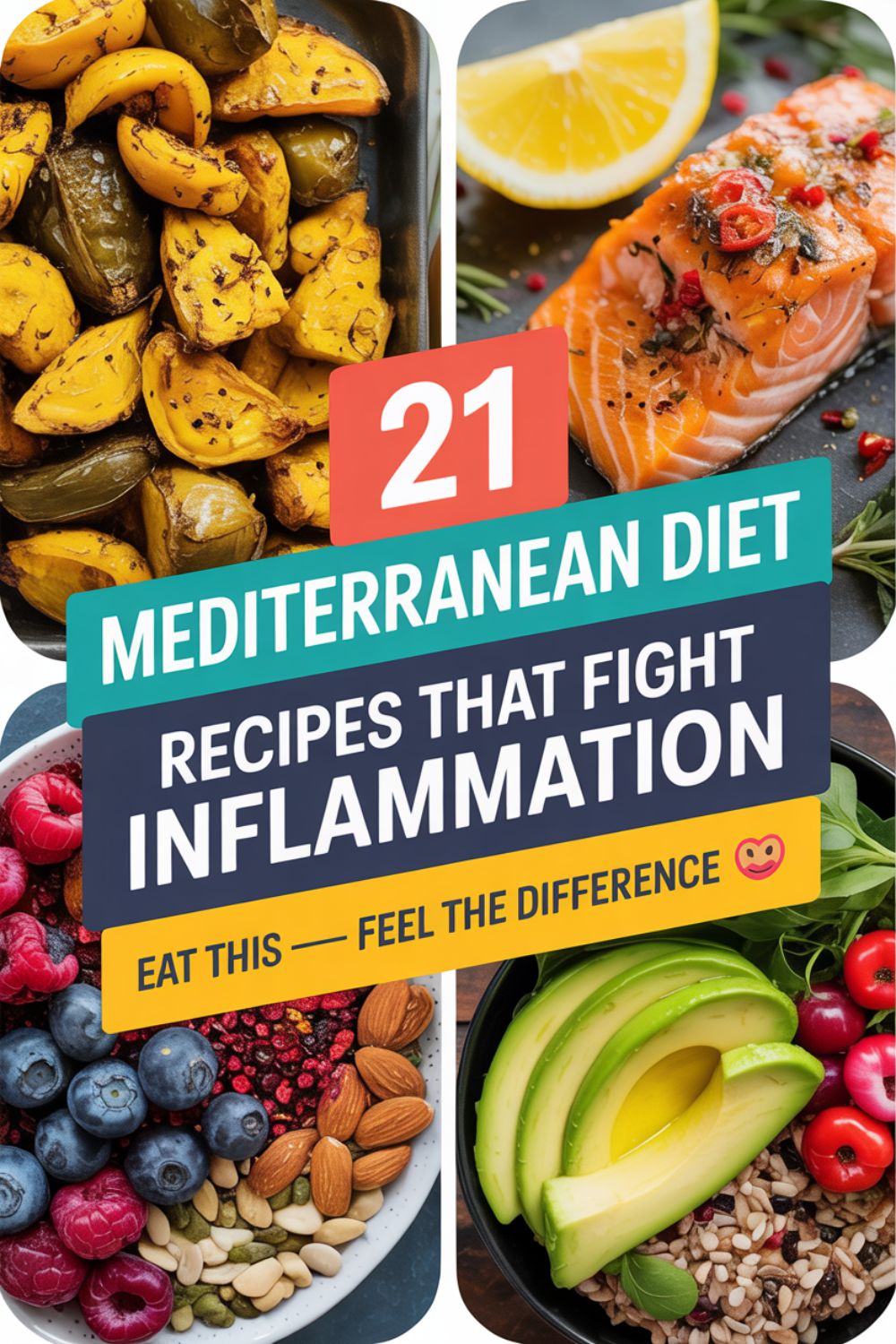
Look, I’m not going to sit here and tell you this is a magic cure-all. But research from UCSF shows that people following a Mediterranean diet experienced significant improvements in joint inflammation after just 12 weeks. That’s not some vague “you’ll feel better eventually” promise—that’s measurable change.
Why Your Body’s Fighting Itself (And How Food Can Help)
Inflammation is supposed to be your body’s defense mechanism. You cut your finger, it swells up, heals, and moves on. But chronic inflammation? That’s when your immune system forgets to turn off the alarm and just keeps attacking healthy tissue for months or years. Not great.
According to Mayo Clinic, chronic inflammation contributes to everything from arthritis and cardiovascular disease to autoimmune disorders and even depression. The kicker? Modern diets loaded with processed foods, added sugars, and trans fats actively fuel this fire.
The Mediterranean diet flips the script. Instead of inflammatory triggers, you’re loading up on omega-3 fatty acids, antioxidants, fiber, and phytonutrients that actually help soothe inflammation. Studies have shown people following this eating pattern have lower levels of C-reactive protein and interleukin-6—two major inflammatory markers doctors track.
Start swapping out one inflammatory food at a time. Ditch the sugary cereal for oatmeal with fresh berries, and you’ll notice the difference faster than going cold turkey on everything.
The Anti-Inflammatory Superstars You Need on Your Plate
Olive Oil: Liquid Gold That Actually Delivers
Extra virgin olive oil isn’t just for drizzling on salads to look fancy. This stuff contains oleocanthal, a compound that works similarly to ibuprofen in reducing inflammation. I keep a quality olive oil dispenser on my counter because honestly, I use it daily.
Studies show that people who regularly consume olive oil have lower inflammatory biomarkers and reduced risk of cardiovascular disease. Just make sure you’re buying the real deal—extra virgin, cold-pressed, stored in dark glass. The cheap stuff in clear plastic bottles? Not doing you the same favors.
Fatty Fish: Omega-3s Without the Fish Oil Burps
Salmon, sardines, mackerel—these fish are packed with EPA and DHA, the omega-3 fatty acids that actively reduce inflammation. Johns Hopkins research confirms that omega-3s lower C-reactive protein and interleukin-6 levels in your blood.
I aim for fatty fish twice a week minimum. If you’re not a fish person, you can get plant-based omega-3s from walnuts and flaxseeds, but honestly, the fish versions pack more punch. Try this grilled salmon with tomato caper relish if you need convincing—it’s stupid easy and tastes like something from an actual restaurant.
When I’m prepping fish, I use silicone baking mats because nothing sticks and cleanup is basically non-existent. Game changer for weeknight cooking.
Leafy Greens and Colorful Vegetables
Spinach, kale, arugula, bell peppers, tomatoes—these aren’t just trendy Instagram food. They’re loaded with vitamins C and K, plus flavonoids that actively fight inflammation. The more colorful your plate, the more antioxidants you’re getting.
Speaking of vegetables, have you tried making a proper Greek salad? Not the sad iceberg lettuce version—I’m talking crisp cucumbers, juicy tomatoes, tangy feta, and olives. For more veggie-forward ideas, check out this grilled veggie platter with hummus or this Mediterranean grain bowl.
Beans and Legumes: The Unsung Heroes
Lentils, chickpeas, white beans—these are fiber powerhouses that help lower inflammatory markers. Plus they’re cheap, filling, and ridiculously versatile. I always have canned chickpeas and dried lentils stocked because they save my butt on busy weeknights.
This lentil spinach soup is my go-to when I need something warming and satisfying. Takes maybe 30 minutes and makes enough for leftovers. Also worth trying: lentil soup with crusty bread and Mediterranean lentil salad.
21 Mediterranean Recipes That Actually Taste Good
Let’s cut through the fluff. These recipes aren’t complicated, they don’t require 47 specialty ingredients, and they actually help reduce inflammation. I’ve tested all of these, and they’re solid weeknight options that don’t leave you feeling deprived or hungry an hour later.
Breakfast Options That Don’t Suck
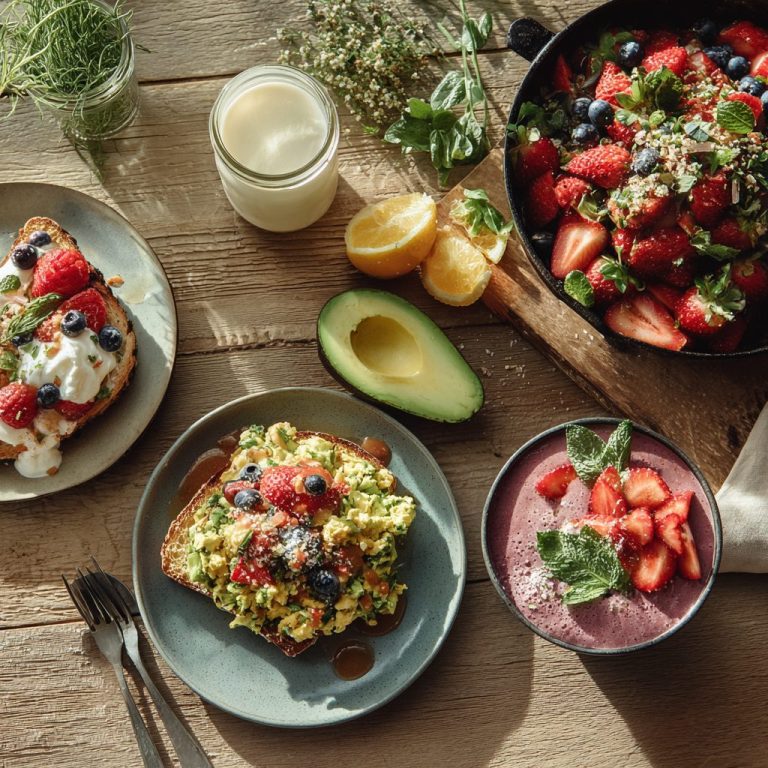
Greek Yogurt Bowls: Start your morning with a Greek yogurt bowl with berries and honey. The probiotics in yogurt support gut health, which is directly linked to reduced inflammation. Berries are antioxidant bombs, and a drizzle of honey adds just enough sweetness without spiking your blood sugar.
I use small glass bowls for portion control and a honey dipper that makes drizzling way less messy. Trust me on this one.
Savory Mediterranean Scramble: This savory Mediterranean scramble packs in spinach, tomatoes, and feta. It’s protein-rich, satisfying, and takes about 10 minutes. Perfect for when you’re too tired to think but still need real food.
Oatmeal Done Right: Skip the instant packets. This oatmeal with dried figs, walnuts, and cinnamon gives you fiber, omega-3s, and natural sweetness. Cinnamon also has anti-inflammatory properties, which is a nice bonus.
Make overnight oats on Sunday night. Wake up, grab the jar, and you’re set. Check out these overnight oats variations if you need inspiration.
Avocado Toast Elevated: Basic avocado toast is fine, but this avocado toast with tomato and olive oil takes it up a notch with fresh tomatoes and a drizzle of quality olive oil. Simple but hits different.
For more morning ideas, this Mediterranean smoothie bowl is surprisingly filling, or try tofu scramble with spinach and bell peppers if you’re avoiding eggs.
Lunch Ideas That Keep You Going
Tuna and White Bean Salad: This tuna white bean salad is my default work lunch. High protein, omega-3s from the tuna, fiber from the beans, and it actually keeps you full until dinner. No sad desk lunch here.
Lentil Soup: Warm, filling, and ridiculously easy. This lentil soup with crusty bread is perfect for meal prep. Make a big batch on Sunday and you’re set for days. For something heartier, try lentil sweet potato stew.
Grilled Veggie Platter: Sometimes simple is best. This grilled veggie platter with hummus gives you fiber, antioxidants, and healthy fats. Plus it looks impressive if you’re trying to convince someone that healthy food can be good.
Cucumber Hummus Sandwich: Before you judge, try this cucumber hummus sandwich. It’s refreshing, crunchy, and way more satisfying than it sounds. Great for hot days when cooking feels like torture.
If you’re meal prepping lunches, these Mediterranean lunchbox recipes and these high-protein meal prep lunches have saved me countless times.
Dinner Recipes Worth Making
Whole Wheat Spaghetti with Cherry Tomatoes and Basil: Pasta can absolutely fit into an anti-inflammatory diet if you do it right. This whole wheat spaghetti with cherry tomatoes and basil uses whole grains, fresh tomatoes, and plenty of olive oil. It’s comfort food that doesn’t leave you feeling like garbage.
I cook pasta in a large stockpot with a built-in strainer because draining pasta in a separate colander is unnecessarily complicated when you’re tired.
Lemon Herb Chicken with Roasted Potatoes: This lemon herb chicken with roasted potatoes is straightforward, flavorful, and doesn’t require babysitting. Throw it in the oven and walk away. For another chicken option, try lemon oregano grilled chicken.
Grilled Salmon with Tomato Caper Relish: If you’re not making this grilled salmon with tomato caper relish at least once a month, you’re missing out. The capers add a briny punch that cuts through the richness of the salmon perfectly. Also delicious: baked salmon with herbed quinoa.
Shrimp Sautéed in Garlic and Olive Oil with Couscous: Quick, simple, impressive. This shrimp sautéed in garlic and olive oil with couscous takes 20 minutes and tastes like you actually tried. Perfect for weeknights when you’re exhausted but still want real food.
Mediterranean Grain Bowl: Build-your-own-bowl style meals are clutch for using up random vegetables. This Mediterranean grain bowl combines quinoa, roasted vegetables, chickpeas, and tahini dressing. Customize it however you want.
For more dinner inspiration, check out these Mediterranean dinner ideas or these one-pan Mediterranean dinners.
Snacks That Don’t Derail Everything
Stuffed Bell Peppers with Quinoa and Veggies: These stuffed bell peppers with quinoa and veggies work as either a light dinner or hearty snack. Make a batch and reheat throughout the week.
Mediterranean Flatbread: Sometimes you just need bread. This Mediterranean flatbread situation hits the spot without going overboard. Good for dipping in hummus or eating with olives.
Shakshuka: If you haven’t tried shakshuka, fix that immediately. Eggs poached in spicy tomato sauce with peppers and onions. It’s technically breakfast but I eat it for dinner all the time.
Need more snack ideas? These Mediterranean snacks and high-protein low-calorie snacks are solid options.
A Few More Winners
Baked Salmon with Herbed Quinoa: Another salmon recipe because honestly, it’s that good for you. This baked salmon with herbed quinoa is foolproof and feels fancy without trying too hard.
Greek Salad: A proper Greek salad with feta, olives, cucumbers, and tomatoes never gets old. The key is quality ingredients and not drowning it in dressing.
Mediterranean Tuna Stuffed Peppers: These Mediterranean tuna stuffed peppers are great for meal prep. Make them ahead, grab one when you’re hungry, and move on with your life.
One-Pot Mediterranean Pasta: When dishes are the enemy, this one-pot Mediterranean pasta saves the day. Everything cooks together, minimal cleanup, maximum flavor.
Chickpea Wraps: These Mediterranean chickpea wraps are portable, filling, and pack well for lunch. Use whole wheat tortillas and stuff them with whatever vegetables you have.
Shrimp Saganaki: If you want something that feels restaurant-quality, try this shrimp saganaki with spicy tomato and feta. It’s got a little kick and tastes way more complicated than it is.
For more variety, browse these Mediterranean dinner recipes or check out quick meal prep ideas.
What to Actually Avoid (The Stuff Making You Worse)
Let’s be real—knowing what not to eat matters just as much as loading up on the good stuff. These are the inflammatory culprits you should minimize if you’re serious about feeling better.
Processed Foods and Added Sugars
That granola bar loaded with “natural” ingredients? Check the label. Most processed foods hide sugar under 50 different names—cane crystals, agave syrup, anything ending in “ose.” These spike your blood sugar and insulin, promoting systemic inflammation.
I’m not saying never eat cookies again. But the daily snack habit of processed stuff? That’s what’s keeping inflammation high.
Trans Fats and Refined Oils
Anything labeled “partially hydrogenated oil” needs to go. Trans fats trigger inflammatory responses and mess with your cholesterol. Most commercial baked goods, fried foods, and margarine contain these.
Swap them for olive oil, avocado oil, or coconut oil. Your body will thank you.
Red and Processed Meats
Bacon, sausage, deli meat—these contain compounds that increase inflammatory markers. I’m not telling you to become vegetarian, but cutting back on processed meats and limiting red meat to once or twice a week makes a measurable difference.
Sarah from our community swapped her morning bacon for Mediterranean scrambles and noticed less joint stiffness within two weeks. Small changes add up.
Excessive Alcohol
A glass of red wine occasionally? Fine. But regular heavy drinking increases inflammation throughout your body. If you’re dealing with chronic inflammation, cutting back on alcohol can help more than you’d think.
Making This Stick (Because Diets That Don’t Last Are Pointless)
The Mediterranean diet works because it’s not actually a diet—it’s a way of eating you can maintain long-term without losing your mind. Here’s how to make it stick.
Start Small and Build Momentum
Don’t overhaul everything overnight. Pick one meal to focus on first. Maybe breakfast becomes Greek yogurt parfaits or oatmeal with berries. Once that feels normal, tackle lunch.
FYI, trying to change everything at once is how people burn out and give up. Gradual wins every time.
Meal Prep Without Losing Your Soul
I’m not suggesting you spend every Sunday cooking 47 containers of identical food. But making a big batch of lentil soup or chickpea bowls means you have real food ready when you’re too tired to think.
Get yourself glass meal prep containers that don’t stain or absorb smells. The cheap plastic ones are false economy—they get gross fast.
Keep Your Pantry Stocked
Having the right staples on hand makes everything easier. My basics: olive oil, canned beans, canned tomatoes, dried lentils, quinoa, whole wheat pasta, nuts, and spices. With these, you can throw together a decent meal even when the fridge is empty.
Don’t Make Perfect the Enemy of Good
Some weeks you’ll crush it. Other weeks you’ll eat takeout three times because life happens. That’s fine. The goal is progress, not perfection. Even getting 70% of your meals from anti-inflammatory foods makes a difference.
The Science Part (But Without Putting You to Sleep)
Look, I know you’re not here for a biochemistry lecture, but understanding why this works helps you stick with it. Research published in Biomedicines shows that the Mediterranean diet downregulates cellular and humoral immunological pathways related to disease activity.
In normal-person language: the foods in this diet literally turn down your body’s inflammatory response at a cellular level. The olive oil, omega-3s, fiber, and antioxidants work together to reduce the inflammatory markers doctors measure in your blood.
One study with over 14,000 people found that greater adherence to Mediterranean eating patterns correlated with lower white blood cell and platelet counts—both indicators of systemic inflammation. Another trial with RA patients found that those following a Mediterranean diet had significant improvements in joint inflammation after just 12 weeks.
The gut microbiome connection is fascinating too. Studies show that Mediterranean dietary patterns improve gut bacteria diversity, which directly impacts inflammation levels. More fiber-rich foods mean healthier gut bacteria, which means less inflammation throughout your body.
Real Talk: Timeline and Expectations
When will you actually feel better? Depends on your starting point and consistency. Some people notice reduced symptoms like joint stiffness or bloating within a few days to weeks. But long-term benefits—lower inflammatory markers, reduced disease activity—typically take 4-12 weeks or more.
IMO, giving it a solid three months before deciding if it’s working is fair. Your body needs time to adjust and heal. If you’re inconsistent or still eating inflammatory foods most of the time, it’s not going to work miracles.
Common Questions About Mediterranean Diet and Inflammation
How quickly can I expect to see anti-inflammatory results?
Most people notice initial changes like reduced bloating or joint stiffness within 2-3 weeks of consistent eating. However, measurable reductions in inflammatory markers typically take 4-12 weeks. Your timeline depends on your starting inflammation levels and how strictly you follow the diet. Be patient and give your body time to heal.
Can I still eat meat on an anti-inflammatory Mediterranean diet?
Yes, but focus on lean proteins like chicken and fish rather than red meat. The Mediterranean diet emphasizes fatty fish (salmon, sardines, mackerel) 2-3 times per week for omega-3s. Limit red meat to once or twice a month, and avoid processed meats like bacon and deli meat, which contain inflammatory compounds.
Do I need to eliminate all sugar to reduce inflammation?
You don’t need to eliminate natural sugars from fruits and vegetables—these come packaged with fiber and antioxidants. Focus on cutting added sugars from processed foods, sugary drinks, and desserts. A drizzle of honey on yogurt or a small piece of dark chocolate is fine. The goal is minimizing processed sugar, not becoming obsessive.
Is the Mediterranean diet expensive to follow?
Not necessarily. Focus on affordable staples like dried beans, lentils, canned fish, frozen vegetables, and seasonal produce. Bulk items like quinoa, oats, and olive oil are cheaper when bought in larger quantities. You’re actually saving money by cutting out expensive processed foods and takeout. Check out these budget-friendly Mediterranean meals for proof.
Can this diet help with specific inflammatory conditions like arthritis?
Research shows promising results for various inflammatory conditions including rheumatoid arthritis, inflammatory bowel disease, and cardiovascular inflammation. The combination of omega-3 fatty acids, antioxidants, and fiber works to reduce inflammatory markers. However, this isn’t medical advice—work with your doctor to create a comprehensive treatment plan that includes diet alongside any necessary medications.
Final Thoughts (Because We’re Done Here)
The Mediterranean diet isn’t a quick fix or a trendy cleanse that promises miracles in 10 days. It’s a sustainable way of eating that genuinely helps reduce inflammation when you stick with it. The food tastes good, the recipes aren’t complicated, and you don’t have to give up everything you enjoy.
Start with a few recipes from this list that sound appealing. Maybe try the Greek yogurt bowls for breakfast this week, or make a big batch of lentil soup for easy lunches. Build from there.
Your body doesn’t need perfection. It needs consistency with whole foods, healthy fats, and plenty of vegetables. Give it that, and the inflammation will start backing off. Not overnight, but gradually and sustainably.
Now stop reading and go make something. Your future self will appreciate it.