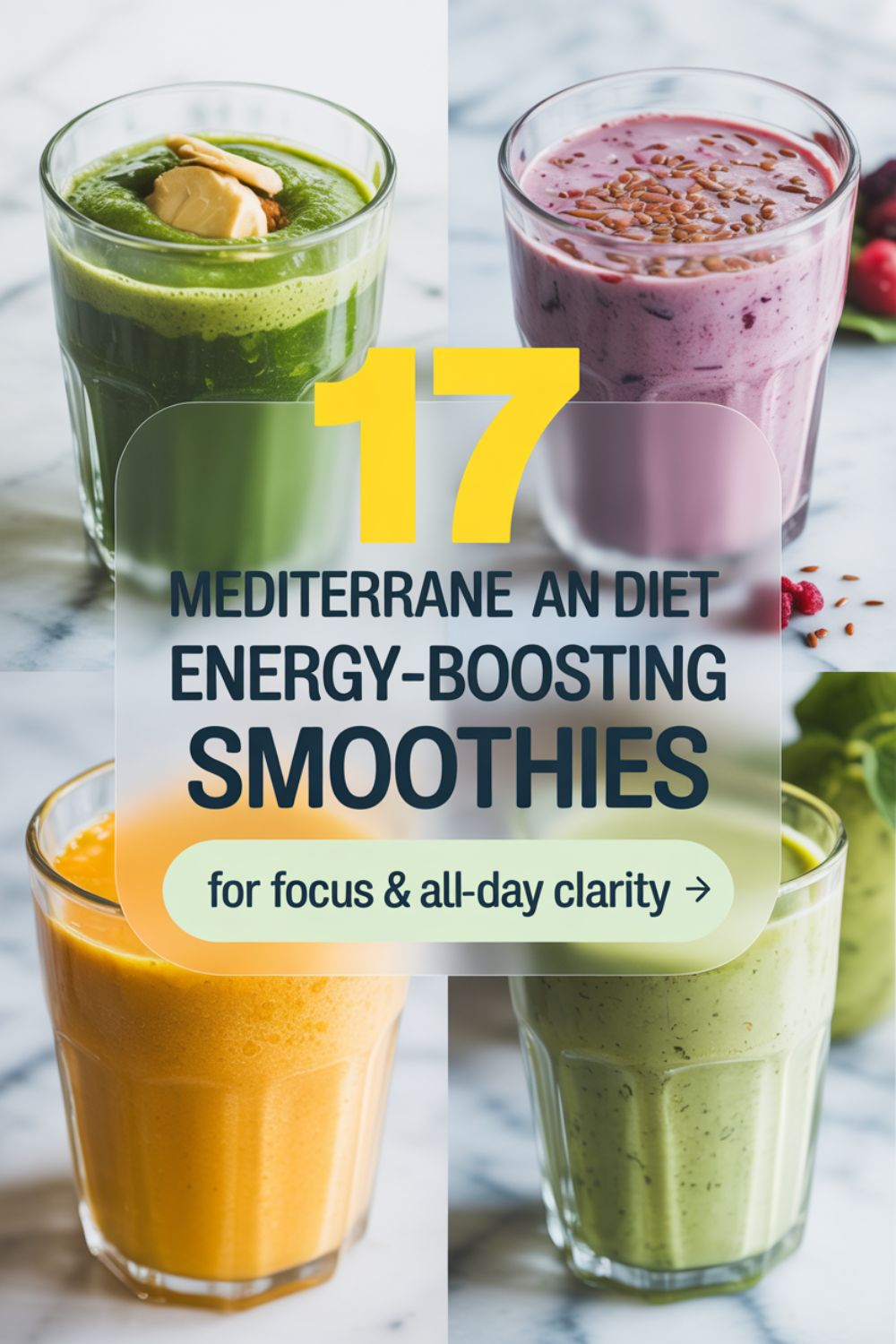
17 Mediterranean Diet Smoothies to Boost Energy & Focus
The recipes aren’t precious—swap ingredients, adjust ratios, make them yours. The Mediterranean diet works because it’s flexible and sustainable. These smoothies are just another tool to help you eat well without losing your mind in the process.
Now if you’ll excuse me, I have a Blueberry Lemon Zen smoothie calling my name. Good luck with yours.
>Look, I’m gonna be straight with you. Most Mediterranean diet articles talk about grilled fish and olive oil like that’s all there is. But what about those mornings when you’re running late and need something that won’t turn you into a zombie by 10 AM?
That’s where these smoothies come in. They’ve saved my mornings more times than I can count, and they’re packed with the same brain-loving ingredients that make the Mediterranean diet so effective. We’re talking real energy, not that jittery coffee crash nonsense.
The Mediterranean way of eating has been linked to improved heart health and cognitive function, but blending these ingredients into smoothies makes the benefits way more accessible. Plus, you can literally drink your breakfast while answering emails. Multitasking at its finest.
Why Mediterranean Smoothies Actually Work
Here’s the thing about Mediterranean diet smoothies—they’re not your typical sugar-loaded fruit bombs. These drinks combine ingredients that actually support brain function and sustained energy. Think omega-3 fatty acids from walnuts, antioxidants from berries, and healthy fats from ingredients like avocado and olive oil.
Research on Mediterranean dietary patterns shows they help reduce inflammation and support cognitive health. When you blend these foods together, you’re creating a nutrient-dense meal that keeps you sharp for hours. Way better than that bagel you were considering.
The secret lies in balancing protein, healthy fats, and fiber. Unlike juices that strip away the good stuff, smoothies keep everything intact. You get the full nutritional punch without the digestive drama.
The Essential Ingredients You Need
Before we dive into the recipes, let’s talk about what makes a Mediterranean smoothie different from the Pinterest disasters you’ve tried before.
Leafy Greens That Don’t Taste Like Lawn Clippings
Spinach and kale are your friends here. They’re loaded with vitamin K, folate, and iron—all crucial for mental clarity. The trick? Pair them with sweet fruits so you’re not drinking a salad. I use about a cup of spinach per smoothie, and trust me, you won’t even taste it when it’s mixed with berries.
If you’re new to green smoothies, check out this berry green smoothie that makes the whole leafy-greens thing way less intimidating. Get Full Recipe.
Berries: Nature’s Brain Food
Blueberries, raspberries, strawberries—they’re all stars here. Studies show that berries contain flavonoids that can improve memory and slow cognitive decline. Plus they make everything taste like dessert, which is never a bad thing.
I keep frozen berries stocked because they’re cheaper and just as nutritious as fresh. Toss them straight from the freezer into your high-speed blender for that thick, frosty texture.
Healthy Fats That Keep You Full
Avocado, nuts, seeds, and yes—even a drizzle of olive oil. These ingredients provide the monounsaturated fats your brain craves. They also slow down sugar absorption, preventing that mid-morning energy crash.
For more ideas on incorporating healthy fats into your breakfast routine, try this Mediterranean smoothie bowl that combines all the good stuff in one gorgeous dish.
Speaking of breakfast inspiration, you might also love these Mediterranean breakfast recipes for busy mornings or this protein-packed Greek yogurt parfait when you want something you can actually chew.
17 Mediterranean Smoothies That’ll Change Your Mornings
1. Classic Greek Berry Blast
This one’s my go-to when I need to feel like I have my life together. Greek yogurt provides protein, mixed berries bring antioxidants, and a handful of spinach sneaks in those vitamins. Blend with almond milk and a drizzle of honey.
The probiotics in Greek yogurt support gut health, which—surprise—also affects your brain. It’s all connected, people. For a similar protein boost, try this Greek yogurt bowl with berries and honey.
2. Tropical Mediterranean Fusion
Mango, pineapple, Greek yogurt, and a splash of coconut water. Add hemp hearts for omega-3s and you’ve got yourself a vacation in a glass. The vitamin C from tropical fruits helps with iron absorption from those greens you’re adding.
Pro tip: Use frozen mango chunks straight from the bag. Your freezer-safe containers make prep so much easier when you portion everything out Sunday night.
3. Chocolate Avocado Power Smoothie
Yeah, you read that right. Avocado makes smoothies ridiculously creamy without dairy. Mix it with cacao powder, banana, almond milk, and dates for natural sweetness. The healthy fats keep you satisfied for hours.
This one tastes like a milkshake but fuels you like a proper meal. IMO, it’s the best argument for why the Mediterranean diet isn’t boring.
4. Green Goddess Energy Booster
Spinach, cucumber, green apple, lemon juice, and fresh mint. Add chia seeds for sustained energy and a small piece of fresh ginger for that metabolism kick. This one’s incredibly refreshing and won’t weigh you down.
I make this using my portable blender cup that I can literally take to work and blend at my desk. Game changer for lazy mornings.
5. Mediterranean Mocha Wake-Up
Cold brew coffee, banana, cacao powder, almond butter, and a handful of spinach. The caffeine plus protein combo gives you clean energy without the jitters. Perfect for those days when regular coffee just won’t cut it.
For other energizing breakfast ideas, check out these high-protein breakfasts under 350 calories that’ll keep you going strong.
6. Citrus Sunshine Smoothie
Orange segments, carrot, turmeric, ginger, and Greek yogurt. The anti-inflammatory properties of turmeric combined with vitamin C make this a serious immunity booster. Plus it’s got that gorgeous golden color.
Just a heads up—turmeric stains everything it touches. Ask me how I know. Use a silicone smoothie mat under your blender to save your countertops.
7. Berry Walnut Brain Fuel
Mixed berries, walnuts, banana, kale, and unsweetened almond milk. Walnuts are loaded with omega-3s that support cognitive function. This combination has been shown to improve focus and memory retention.
The walnuts add a slightly earthy flavor that actually works really well with the berries. If you’re skeptical, just try it. You might also enjoy this oatmeal with dried figs, walnuts, and cinnamon for another walnut-powered breakfast.
8. Peachy Keen Green Machine
Frozen peaches, spinach, hemp hearts, vanilla protein powder, and coconut milk. Peaches provide vitamin A for eye health while hemp hearts deliver complete protein. It’s sweet, filling, and doesn’t taste even remotely healthy.
I prep these in mason jars with all the dry ingredients, then just add liquid and blend in the morning. Five minutes, tops.
9. Pomegranate Power Punch
Pomegranate juice, Greek yogurt, frozen raspberries, flax seeds, and a touch of honey. Pomegranate is rich in polyphenols that protect your brain cells. This one’s tart, refreshing, and incredibly satisfying.
FYI, you can buy pomegranate juice at most grocery stores now. No need to wrestle with fresh pomegranates unless you enjoy that sort of chaos.
10. Almond Joy Breakfast Blend
Almond butter, cacao nibs, coconut flakes, banana, and almond milk. Add a scoop of collagen powder for extra protein and skin benefits. It tastes like candy but acts like fuel.
The combination of healthy fats and protein makes this perfect for those mornings when you know lunch is gonna be late. For more high-protein options, browse these high-protein vegetarian recipes.
If these smoothie ideas are hitting the spot, you’ll definitely want to check out these high-protein smoothies for fat loss and this collection of fast, filling high-protein smoothies that keep hunger at bay for hours.
11. Cucumber Mint Refresh
Cucumber, fresh mint, lime juice, spinach, green grapes, and coconut water. This is basically a spa day in liquid form. Cucumber hydrates while mint aids digestion—perfect for hot mornings or post-workout recovery.
I use my citrus juicer to get every drop from those limes. Worth the counter space, I promise.
12. Fig and Honey Mediterranean Classic
Fresh or dried figs, Greek yogurt, almonds, honey, and oat milk. Figs provide natural sweetness plus fiber, while almonds add that satisfying crunch. This one transports you straight to a Greek island.
If you love figs, you need to try this oatmeal with dried figs too. Get Full Recipe.
13. Spiced Pear Perfection
Pear, cinnamon, vanilla extract, Greek yogurt, oats, and almond milk. The soluble fiber in pears supports digestive health while cinnamon helps regulate blood sugar. Plus it smells amazing while blending.
Throw in a handful of ice and this becomes incredibly thick and satisfying. My heavy-duty blender handles frozen fruit like a champ.
14. Cherry Almond Delight
Frozen cherries, almond butter, vanilla protein powder, baby spinach, and unsweetened almond milk. Cherries contain melatonin for better sleep, but they also provide antioxidants that support daytime brain function.
This one’s tart and nutty in the best way. For another cherry-inspired option, check out these strawberry cheesecake overnight oats that satisfy dessert cravings at breakfast.
15. Watermelon Basil Summer Sipper
Watermelon, fresh basil, lime juice, and a tiny pinch of sea salt. Add chia seeds for thickness and omega-3s. This is technically more of a smoothie juice hybrid, but it’s so refreshing on hot mornings.
The basil adds this unexpected herbal note that makes the whole thing feel fancy. Trust the process.
16. Carrot Cake Morning Magic
Carrot juice, banana, walnuts, cinnamon, nutmeg, vanilla protein powder, and Greek yogurt. All the flavor of carrot cake without the sugar crash. The beta-carotene from carrots supports eye health and skin glow.
I make a batch of fresh carrot juice weekly using my cold-press juicer, but store-bought works fine too. For a similar flavor profile, try these carrot cake overnight oats.
17. Blueberry Lemon Zen
Wild blueberries, lemon zest, Greek yogurt, honey, hemp seeds, and coconut water. Wild blueberries have higher antioxidant content than cultivated ones. The lemon adds brightness while supporting liver function.
This is my weekend luxury smoothie—the one I make when I actually have time to enjoy breakfast sitting down. Groundbreaking, I know.
Making Mediterranean Smoothies Work for Real Life
Look, I’m not gonna pretend I blend fresh smoothies every single morning. Some days it’s last night’s leftovers and coffee. But having these recipes in rotation makes healthy eating actually sustainable.
The Sunday Prep Strategy That Actually Works
Spend 30 minutes on Sunday portioning ingredients into freezer-safe bags. Label them, stack them, and boom—grab-and-blend breakfasts all week. It’s like meal prep but requires zero cooking skills.
I portion everything except the liquids. Greek yogurt, almond milk, or whatever base you’re using goes in right before blending. This method has saved my mornings more times than I can count.
For more meal prep inspiration, check out these high-protein meal prep ideas and this 7-day Mediterranean meal prep plan.
Equipment That’s Actually Worth It
You need a decent blender. Not $500 fancy, but not the $20 one from the discount store that’ll give up after three smoothies. A mid-range blender with good motor power makes the difference between smooth and chunky.
I use my personal blender for single servings and my full-size blender when making smoothies for the family. Both get heavy use and neither has exploded yet, so I call that a win.
Customizing for Your Taste and Goals
Don’t like spinach? Use romaine. Allergic to almonds? Try cashew butter. The beauty of Mediterranean smoothies is flexibility. The principles stay the same—healthy fats, protein, antioxidants—but you can swap ingredients based on what you have.
If you’re focusing on weight loss, dial back the sweeteners and add more greens. Need post-workout recovery? Increase the protein powder. These aren’t rigid recipes; they’re blueprints.
Common Mistakes to Avoid
Here’s where people usually mess up their smoothie game, myself included at first.
Going Overboard on Fruit
Yes, fruit is healthy. No, you don’t need three bananas and a cup of mango in one smoothie. That’s just liquid sugar, Mediterranean diet or not. Stick to one to two servings max and balance with greens, protein, and healthy fats.
The goal is sustained energy, not a blood sugar roller coaster. If you need more sweetness, add a date or a tiny drizzle of honey instead of doubling the fruit.
Forgetting the Protein
A smoothie without protein is just expensive juice. Greek yogurt, protein powder, nut butter, or hemp seeds—pick at least one. Protein slows digestion and keeps you full until your next meal.
I learned this the hard way after making a purely fruit smoothie and being starving an hour later. Not fun. For more protein-focused options, browse these high-protein breakfast recipes.
Not Drinking Them Mindfully
Mediterranean eating is about savoring your food, not chugging it while answering emails. I’m guilty of this too, but when you actually sit down and sip slowly, you feel more satisfied and your digestion thanks you.
Pour your smoothie into a bowl, add some toppings like granola or coconut flakes, and eat it with a spoon if that helps you slow down. Your brain needs time to register fullness.
Looking for more Mediterranean inspiration? Try this Mediterranean grain bowl or this refreshing cucumber tomato feta salad for lunch. If you want a complete plan, check out this 14-day Mediterranean meal plan for beginners.
The Science Behind Why These Work
Let’s get slightly nerdy for a second. Mediterranean diet smoothies aren’t magic—they’re just smart food combinations backed by actual research.
Blood Sugar Stability Equals Better Focus
When you combine fiber, protein, and healthy fats, you slow down how quickly glucose enters your bloodstream. This prevents energy spikes and crashes that tank your concentration by mid-morning.
The fiber from fruits and vegetables, protein from yogurt or nuts, and fats from avocado or seeds work together to keep your blood sugar stable. This directly impacts your ability to focus and maintain energy throughout the day.
Omega-3s Support Brain Health
Ingredients like walnuts, chia seeds, and hemp hearts provide alpha-linolenic acid (ALA), a plant-based omega-3 fatty acid. Your brain is about 60% fat, and omega-3s are crucial for cognitive function, memory, and mood regulation.
Regular consumption has been linked to reduced inflammation in the brain and better overall mental clarity. That’s not wellness mumbo jumbo—that’s biochemistry.
Antioxidants Combat Oxidative Stress
Berries, leafy greens, and cacao contain compounds that fight free radicals in your body. Oxidative stress contributes to cognitive decline, so loading up on antioxidants is like giving your brain a protective shield.
Plus, these ingredients taste good, which makes the whole “eating healthy” thing way less painful. Win-win.
Frequently Asked Questions
Can I meal prep Mediterranean smoothies for the entire week?
Absolutely. Portion all your ingredients except liquids into freezer bags on Sunday. When you’re ready to blend, just add your liquid base and go. The smoothies themselves don’t keep well for more than 24 hours in the fridge, but prepped ingredients last all week in the freezer. Some people swear by making them the night before, but I find they separate and get weird. Fresh-blended is always better.
Do Mediterranean smoothies actually help with focus and energy?
Yeah, they do—but not like caffeine. The combination of protein, healthy fats, and complex carbs provides sustained energy without crashes. Ingredients like berries and leafy greens contain compounds that support cognitive function. You won’t feel wired, but you’ll notice better concentration throughout the morning. It’s a subtle difference that adds up over time.
What’s the best time to drink a Mediterranean smoothie?
Mornings work great for most people, but honestly, anytime you need a nutritious meal works. I’ve had them for breakfast, post-workout snacks, and even light dinners when I’m not super hungry. The key is making sure they’re balanced with protein and healthy fats so they actually keep you full. If you’re drinking one for breakfast, try to have it before 10 AM to maximize the energy benefits throughout your day.
Can I use frozen vegetables in these smoothies?
Definitely. Frozen spinach, kale, and even frozen cauliflower work perfectly. They’re often cheaper than fresh and just as nutritious since they’re frozen at peak ripeness. The texture might be slightly different, but once everything’s blended, you won’t notice. I actually prefer frozen because there’s no wilted-greens guilt in my fridge.
How do Mediterranean smoothies differ from regular smoothies?
The main difference is the focus on healthy fats, minimal added sugars, and Mediterranean staples like Greek yogurt, nuts, and olive oil (yes, really). Regular smoothies often lean heavily on fruit juice and sweeteners. Mediterranean versions prioritize balanced nutrition and ingredients that support long-term health rather than just tasting sweet. They’re designed to be actual meals, not sugar-packed snacks disguised as health food.
Your New Morning Routine Starts Here
Mediterranean smoothies changed how I think about breakfast. They’re quick, they’re nutritious, and they actually taste good—no martyrdom required. Plus, knowing I’m setting myself up for better focus and energy makes the whole thing feel less like a chore.
Start with one or two recipes that sound appealing. Don’t overthink it. Grab some frozen berries, Greek yogurt, and spinach next time you’re at the store. Blend them with whatever liquid you have on hand. See how you feel.