21 Low-Carb Breakfasts Without Eggs That Actually Keep You Full
I get it. You’re tired of eggs. Maybe you’ve had them scrambled, fried, and poached so many times you can’t look at another one. Or maybe you’re allergic, vegan, or just plain sick of the same breakfast every single day. Whatever your reason, you need low-carb breakfast options that don’t involve eggs and actually keep you satisfied until lunch.
Here’s the problem with most egg-free low-carb breakfasts: they’re either ridiculously complicated, taste like cardboard, or leave you ravenous by 10 AM. I’ve tried enough disappointing breakfast experiments to know that finding options that hit all three requirements—no eggs, low carb, and genuinely filling—requires some creativity.
These 21 breakfasts prove you don’t need eggs to start your day right. They’re built around protein-rich alternatives, healthy fats, and low-carb vegetables that provide sustained energy without the blood sugar roller coaster. No sad protein shakes or boring lettuce wraps here—just real food that tastes good and keeps you full.
Why Low-Carb Without Eggs Is Trickier Than You Think
Eggs dominate low-carb breakfast recommendations for good reason. They’re cheap, quick to cook, protein-packed, and versatile. When you remove them from the equation, you lose an easy 12-14 grams of protein per serving plus those satiating healthy fats.
The challenge is finding alternatives that provide similar nutrition without loading up on carbs. Most traditional breakfast foods—cereal, toast, pancakes, muffins—are carb bombs. Even “healthy” options like oatmeal or fruit-heavy smoothies can spike your blood sugar if you’re watching carbs.
The solution is focusing on three key elements: high-quality protein sources like Greek yogurt, cottage cheese, smoked fish, or plant-based options; healthy fats from nuts, seeds, avocados, and full-fat dairy; and fiber from low-carb vegetables and seeds. When you combine these strategically, you create breakfasts that stabilize blood sugar and provide genuine satiety.
Greek Yogurt Based Breakfasts
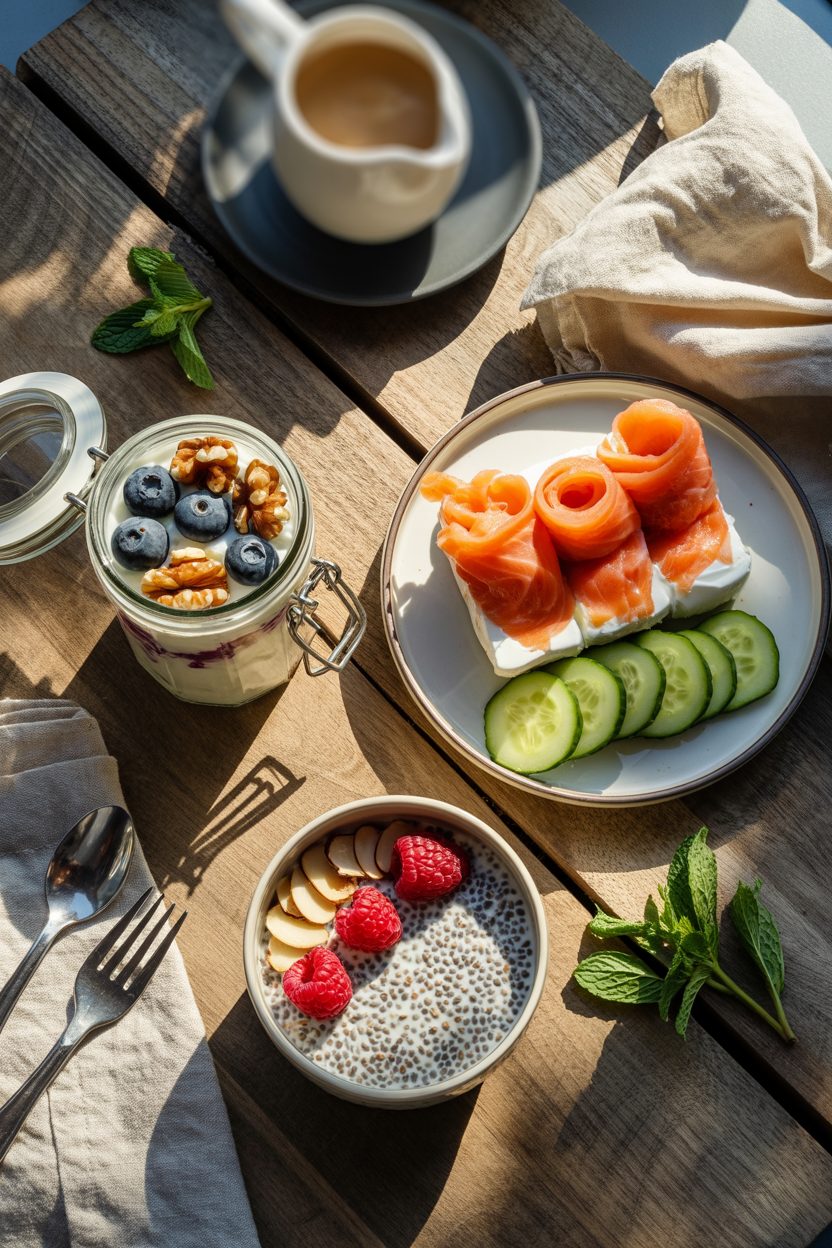
Greek Yogurt Parfait with Berries & Nuts
This is my default when I need something fast but substantial. Full-fat Greek yogurt provides around 15-20 grams of protein per serving, making it one of the best egg alternatives for keeping you full.
Layer Greek yogurt with a small handful of mixed berries—stick to raspberries, strawberries, or blackberries since they’re lower in carbs than other fruits. Add chopped walnuts or almonds for crunch and extra healthy fats. A light drizzle of sugar-free syrup or a sprinkle of cinnamon keeps things interesting.
I prep these in these cute glass jars with lids so I can grab one on busy mornings. The portable factor makes them perfect for eating at your desk if needed.
Net carbs: 10-15g depending on berry portions Why it works: The protein-fat combination from yogurt and nuts provides sustained energy
Coconut Greek Yogurt Bowl
Mix full-fat Greek yogurt with unsweetened coconut flakes, a handful of crushed macadamia nuts, and a few fresh blueberries. The coconut adds texture and healthy fats while keeping carbs low.
I sometimes add a scoop of unflavored collagen powder to bump up the protein even more. Collagen dissolves completely in yogurt without changing the texture, which is clutch if you’re sensitive about weird protein powder grittiness.
Net carbs: 8-12g Tropical twist: Add a tiny bit of sugar-free coconut extract for extra flavor
Savory Greek Yogurt Bowl
Not everything needs to be sweet. Mix Greek yogurt with za’atar, olive oil, and a pinch of salt, then top with cucumber slices, cherry tomatoes, and olives. It’s basically a deconstructed Mediterranean breakfast that feels way more substantial than it sounds.
This savory approach works especially well if you’re someone who doesn’t love sweet breakfasts. The savory-tangy combination wakes up your palate in a completely different way.
Net carbs: 6-9g Add protein: Throw in some smoked salmon for extra staying power
Cottage Cheese Creations
Classic Cottage Cheese Bowl
Cottage cheese is ridiculously underrated. It packs around 14 grams of protein per half cup and has a creamy texture that makes breakfast feel indulgent. Mix it with sliced strawberries, a handful of almonds, and a sprinkle of cinnamon.
The key is buying full-fat cottage cheese, not the low-fat stuff. The fat content helps you stay satisfied and doesn’t spike blood sugar the way low-fat, higher-carb versions can.
Net carbs: 9-13g Texture tip: If you hate lumpy cottage cheese, blend it smooth—it becomes almost cream cheese-like
Savory Cottage Cheese Toast Alternative
Spread cottage cheese on cucumber slices or bell pepper halves, then top with everything bagel seasoning, microgreens, and cherry tomatoes. You get that “toast” satisfaction without the actual bread.
This cottage cheese approach is perfect when you’re craving something crunchy and savory. The cucumber provides that satisfying crunch factor that low-carb diets often lack.
Net carbs: 5-8g Make it fancy: Add smoked trout or sardines for omega-3s
Whipped Cottage Cheese with Berries
Blend cottage cheese until it’s completely smooth and fluffy, then top with mixed berries and a few pecans. The whipped texture makes it feel more like a dessert than a breakfast, which honestly makes eating healthy way easier.
I use this immersion blender for whipping cottage cheese—takes like thirty seconds and transforms the texture completely. Way better than dealing with chunks if you’re texture-sensitive.
Net carbs: 10-14g Flavor boost: Add vanilla extract and a tiny bit of stevia to the cottage cheese before blending
Smoothie Bowls Without the Carb Overload
Low-Carb Berry Smoothie Bowl
Most smoothie bowls are sugar bombs disguised as health food. This version uses unsweetened almond milk, frozen cauliflower rice for thickness, protein powder, and a small handful of berries. The cauliflower adds volume and creaminess without the carbs.
Top it with unsweetened coconut flakes, chia seeds, and a few sliced almonds for texture. The toppings are where you get that satisfying crunch that makes smoothie bowls feel like a real meal.
Get the full smoothie bowl recipe if you want exact measurements and variations.
Net carbs: 12-16g Protein hack: Use a high-quality protein powder to boost satiety
Green Smoothie Bowl
Blend spinach, avocado, unsweetened almond milk, protein powder, and a small amount of frozen berries. The avocado makes it ridiculously creamy while providing healthy fats that keep you full.
Top with hemp seeds, pumpkin seeds, and a few blueberries. This might sound weird if you’ve never tried it, but the avocado flavor disappears completely behind the other ingredients.
Net carbs: 10-14g Why avocado: The healthy fats slow digestion and stabilize blood sugar
Chia Seed Based Options
Classic Chia Pudding
Mix chia seeds with unsweetened almond milk (or coconut milk for extra richness), vanilla extract, and a bit of stevia. Let it sit overnight in the fridge, and you wake up to this pudding-like breakfast that requires zero morning effort.
I make several jars at once using these portion-control containers—makes breakfast completely brainless during busy weeks. Top with a few berries, sliced almonds, and unsweetened coconut flakes.
Net carbs: 8-12g Omega-3 bonus: Chia seeds provide plant-based omega-3 fatty acids
Chocolate Chia Pudding
Add unsweetened cocoa powder and a bit of sugar-free chocolate syrup to your chia pudding base. It tastes like chocolate pudding but keeps you full for hours thanks to the fiber and healthy fats in chia seeds.
Top with a dollop of whipped cream (the real stuff, not the chemical-laden spray can version) and some cacao nibs for crunch. It’s basically dessert for breakfast, which I’m totally fine with.
Net carbs: 9-13g Protein boost: Mix in some unflavored protein powder with the chia seeds
Matcha Chia Pudding
Mix matcha powder into your chia pudding for a caffeinated twist that provides steady energy without the coffee jitters. Add a splash of vanilla extract and top with fresh berries.
The matcha gives you that gentle caffeine boost while providing antioxidants. Plus, the green color makes you feel extra healthy even if that’s totally psychological.
Net carbs: 8-11g Matcha quality matters: Cheap matcha tastes like grass clippings, so invest in decent stuff
Protein-Heavy Starters
Smoked Salmon Roll-Ups
Roll smoked salmon around cream cheese mixed with fresh dill and capers. It’s basically a bagel and lox without the bagel—all the flavor, none of the carbs.
These salmon rolls are ridiculously elegant for how simple they are. I make them when I want to feel fancy but don’t want to actually cook anything.
Net carbs: 2-4g Omega-3 win: Salmon provides those essential fatty acids that support brain health
Turkey Breakfast Roll-Ups
Spread cream cheese on sliced deli turkey, add some spinach leaves and avocado slices, then roll it up. You can eat these with your hands while doing literally anything else, which is clutch on rushed mornings.
The combination of protein from turkey plus healthy fats from cream cheese and avocado keeps you satisfied for hours. I usually make three or four at once and actually feel full.
Net carbs: 3-5g Quality matters: Look for turkey without added sugars or fillers
Protein-Packed Smoothie
Blend unsweetened almond milk, protein powder, almond butter, a handful of spinach, and ice. The almond butter provides healthy fats and makes it taste way less like a protein shake.
This protein smoothie is my go-to when I’m running late but need something substantial. I drink it in the car without guilt because at least I’m getting proper nutrition.
Net carbs: 8-12g Thickness trick: Add xanthan gum or a bit more ice to make it shake-thick
Cheese-Based Breakfasts
Mozzarella Caprese Plate
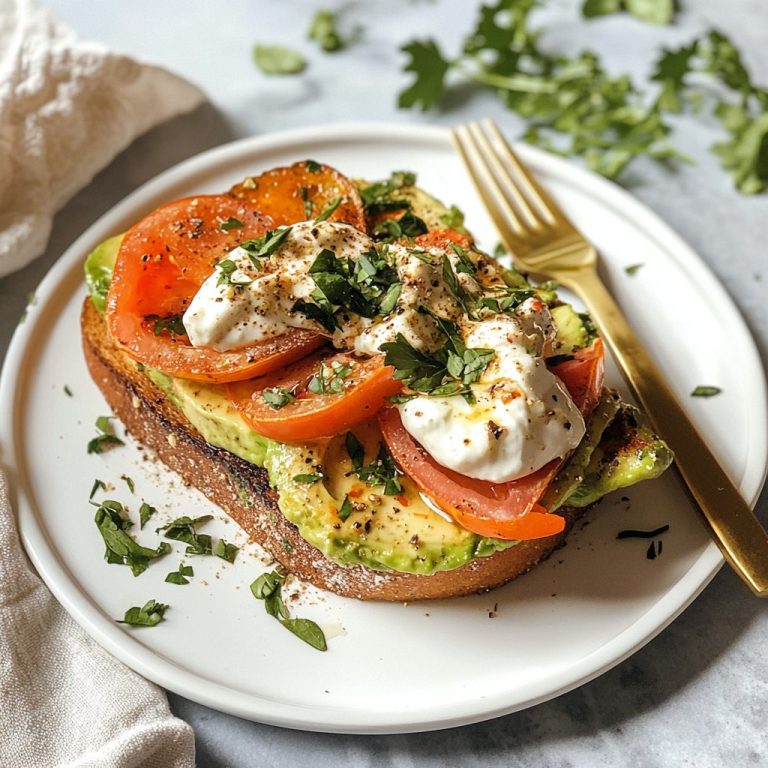
Slice fresh mozzarella and tomatoes, layer them with fresh basil leaves, and drizzle with olive oil and balsamic vinegar. It’s a classic Italian combination that works perfectly for breakfast.
The mozzarella provides protein and fat, while the tomatoes add flavor and nutrients without too many carbs. According to nutritional research, combining protein with a small amount of vegetables at breakfast helps maintain stable blood sugar throughout the morning.
Net carbs: 6-9g Upgrade option: Use burrata instead of regular mozzarella for extra indulgence
Baked Feta with Tomatoes
Cube feta cheese, toss with cherry tomatoes and olive oil, then bake until the tomatoes burst and everything gets slightly caramelized. Eat it with cucumber slices for scooping.
The warm, creamy feta combined with sweet roasted tomatoes is comfort food territory. I make this on weekends when I have an extra fifteen minutes and want something that feels special.
Net carbs: 7-10g Herb boost: Add fresh oregano or thyme before baking
Nut and Seed Options
Almond Butter with Celery Boats
This sounds basic because it is, but sometimes simple works. Fill celery sticks with almond butter and top with a few sugar-free chocolate chips or cacao nibs.
The combination of healthy fats from almond butter plus the crunch and fiber from celery is more satisfying than it has any right to be. Almond butter provides more fiber than peanut butter, making it slightly better for blood sugar stability.
Net carbs: 5-8g Nut butter note: Check labels—some brands sneak in sugar
Sunflower Seed Butter Coconut Balls
Mix sunflower seed butter with unsweetened coconut flakes, a bit of coconut oil, and stevia. Roll into balls and refrigerate. Grab two or three for a quick breakfast that provides sustained energy.
These are perfect if you’re nut-free but still want that satisfying nut-butter-ish breakfast. I use this mini ice cream scoop to make perfectly portioned balls without getting sticky hands.
Net carbs: 4-7g per serving (2-3 balls) Make ahead: These last two weeks in the fridge
Hemp Seed Yogurt Bowl
Mix hemp seeds into Greek yogurt along with a few berries and a drizzle of sugar-free syrup. Hemp seeds provide complete protein plus omega-3 and omega-6 fatty acids in the optimal ratio.
The slightly nutty flavor of hemp seeds works surprisingly well with yogurt. They add texture without being as crunchy as nuts, which some people prefer.
Net carbs: 9-13g Protein power: Hemp seeds contain all nine essential amino acids
Avocado-Based Meals
Avocado Boats with Tuna
Halve an avocado, remove the pit, and fill the center with tuna salad made from canned tuna, mayo, diced celery, and lemon juice. It’s like a tuna melt without the bread.
The combination of healthy fats from avocado and protein from tuna creates serious staying power. I usually need to eat two avocado halves to feel properly full, which is totally fine.
Net carbs: 4-7g Spice it up: Add hot sauce or curry powder to the tuna for variety
Avocado with Cottage Cheese
Top half an avocado with a big scoop of cottage cheese, cherry tomatoes, and everything bagel seasoning. The creamy-crunchy-tangy combination hits all the texture notes.
This is one of those combinations that sounds weird until you try it, then you understand why it works. The cottage cheese adds protein while complementing the richness of the avocado.
Net carbs: 6-9g Quick version: This takes literally two minutes to assemble
Vegetable-Forward Options
Zucchini Noodle Breakfast Bowl
Sauté zucchini noodles with cherry tomatoes, garlic, and olive oil, then top with crumbled feta or goat cheese. The warm vegetables feel more substantial than you’d expect.
I use this spiralizer for making zucchini noodles—way easier than trying to julienne them by hand. Takes about thirty seconds per zucchini.
Net carbs: 8-11g Add protein: Top with smoked salmon or leftover grilled chicken
Cauliflower Hash
Pulse raw cauliflower in a food processor until it resembles rice, then sauté with bell peppers, onions, and your choice of protein (turkey sausage works great). Season with paprika and garlic powder.
This is basically a low-carb version of hash browns that actually fills you up. The cauliflower provides bulk and fiber without the blood sugar spike.
Net carbs: 9-13g Batch cook: Make a huge batch and reheat portions throughout the week
Spinach Artichoke Bowl
Sauté spinach with canned artichoke hearts, garlic, and cream cheese until everything gets melty and delicious. It’s basically spinach artichoke dip for breakfast, and I’m not apologizing for it.
Top with some crumbled bacon or prosciutto if you want extra protein. The combination is indulgent enough that you won’t feel like you’re missing traditional breakfast foods.
Net carbs: 7-10g Make it cheesy: Add mozzarella or parmesan for extra richness
Making Low-Carb Egg-Free Breakfasts Work
The key to success with these breakfasts is meal prep and planning ahead. Most of these options benefit from advance preparation—making chia pudding the night before, portioning out yogurt parfaits, prepping smoothie ingredients in bags.
I spend about thirty minutes on Sunday getting breakfast components ready for the week. I portion out nuts and seeds, wash and chop vegetables, mix up chia pudding bases, and pre-measure protein powder. This makes weekday mornings infinitely easier.
Stock your pantry strategically: Keep canned fish, nut butters, seeds, and quality protein powder on hand. Store full-fat dairy, avocados, and low-carb vegetables in your fridge. When you have the right ingredients available, throwing together a satisfying breakfast becomes automatic.
Don’t get stuck in a rut with just one or two options. Rotate through different breakfasts to prevent boredom and ensure you’re getting varied nutrition. I aim for Greek yogurt-based breakfasts twice a week, chia pudding once or twice, and savory options the rest of the time.
The Protein Priority
Without eggs, you need to be more intentional about getting enough protein at breakfast. Research suggests that consuming at least 20-30 grams of protein at breakfast helps with satiety and blood sugar control throughout the day.
Greek yogurt, cottage cheese, and protein powder are your best friends here. A serving of full-fat Greek yogurt provides 15-20 grams of protein. Cottage cheese offers similar amounts. Adding a scoop of quality protein powder to smoothies or puddings bumps the protein content significantly.
Don’t neglect fish as a breakfast protein. Smoked salmon, canned tuna, and sardines are all excellent options that provide protein plus omega-3 fatty acids. I know eating fish for breakfast seems weird if you’re used to traditional American breakfasts, but it’s completely normal in many other cultures.
Blood Sugar Stability Without Eggs
One major benefit of these low-carb, egg-free breakfasts is improved blood sugar stability. When you start your day with protein and healthy fats instead of carbs, you avoid that mid-morning energy crash that sends you hunting for snacks.
The fiber from chia seeds, vegetables, and certain nuts also slows digestion and glucose absorption. This means steadier energy levels and better appetite control throughout the day.
Healthy fats from avocados, nuts, seeds, and full-fat dairy provide sustained energy without affecting blood sugar. They also help you absorb fat-soluble vitamins from any vegetables or fruits you include.
Beyond Traditional Breakfast Foods
Here’s something that took me too long to realize: breakfast doesn’t have to look like traditional breakfast. If you want to eat leftover chicken and vegetables or a big salad in the morning, that’s totally valid.
Sometimes I eat dinner leftovers for breakfast because they’re already prepared and hit all my nutrition targets. A piece of grilled salmon with sautéed spinach? Perfectly acceptable breakfast. Leftover stir-fried tofu with broccoli? Also fine.
The only rule is that your first meal should provide adequate protein, healthy fats, and nutrients to fuel your morning. How that looks is completely up to you.
If you’re looking for more low-carb inspiration beyond breakfast, these low-carb meal ideas expand on similar principles for lunch and dinner.
The Real Talk on Sustainability
Low-carb eating without eggs is absolutely sustainable once you find your rhythm. The trick is having variety and not forcing yourself to eat things you hate just because they’re low-carb.
If you despise cottage cheese, don’t eat it. If chia pudding grosses you out, skip it. There are enough options here that you can build a rotation based entirely on foods you actually enjoy.
The breakfasts that work long-term are the ones that taste good enough that you look forward to them. That’s why I include options ranging from sweet to savory, simple to slightly more involved. Different moods call for different meals.
Also, give yourself permission to repeat favorites frequently. I probably eat Greek yogurt parfaits three times a week because I genuinely like them and they work for my lifestyle. There’s no rule saying you need to eat something different every single day.
These 21 options prove you don’t need eggs to eat low-carb at breakfast. You just need protein from other sources, healthy fats for satiety, and enough variety to keep things interesting. Start with a few that sound appealing, see what works for your taste preferences and schedule, and build your own rotation from there.