
15 Gut-Healthy Breakfasts to Start the Day Right
Let’s be real—your gut’s been sending you signals, and you’ve been ignoring them like that one friend who always wants to talk about their workout routine. Bloating, sluggish mornings, that weird 3 PM energy crash that makes you want to nap under your desk? Yeah, your gut’s basically screaming for better breakfast choices.
Here’s the thing most people don’t get: breakfast isn’t just about filling your stomach. It’s about feeding the trillions of bacteria living in your digestive system. These little guys do more than you think—they influence everything from your mood to your immune system. Research shows breakfast can support stable blood glucose levels and promote gut health through fiber from whole grains, fruits, and vegetables.
So if you’re tired of feeling like garbage by noon, maybe it’s time to rethink that sad bowl of cereal or that “breakfast” bar that’s basically a candy bar in disguise.

These are the basics that make healthy cooking fast and actually enjoyable: less mess, less time, and meals your whole family will happily eat.
- mason jarsCheck today’s price →
- small food processorCheck today’s price →
- high-speed blenderCheck today’s price →
- cast iron skilletCheck today’s price →
Amazon prices and deals change often, so it’s worth checking today’s price.
Why Your Gut Actually Gives a Damn About Breakfast
Your digestive system wakes up hungry—not just for calories, but for the right kind of fuel. After an overnight fast, your gut bacteria are ready to get to work, but they need specific nutrients to thrive.
Fiber-rich foods help healthy gut bacteria thrive by promoting beneficial probiotics that regulate your immune system and help food move through your digestive tract. Think of it like this: you wouldn’t put diesel in a car that runs on regular gas, right? Same logic applies to your gut.
The magic trio you need? Fiber, probiotics, and prebiotics. Fiber keeps things moving (if you know what I mean). Probiotics are the good bacteria that actually do the heavy lifting. And prebiotics act as nutrition for gut bacteria, helping them flourish—they’re basically fertilizer for your gut garden.
Mediterranean Gut Health Recipe Collection eBook
100+ Mediterranean-inspired recipes designed specifically for gut healing. Every recipe includes prebiotic and probiotic ingredients, plus detailed nutritional info to support your digestive system naturally.
- ✓ 100+ gut-healing Mediterranean recipes
- ✓ 30 probiotic-rich fermented food recipes
- ✓ High-fiber meal combinations for optimal digestion
- ✓ Substitution guide for food sensitivities
The Science Stuff (But Make It Quick)
I know, I know—you didn’t come here for a biology lesson. But stick with me for like two seconds because this actually matters.
Your gut bacteria metabolize dietary fiber and prebiotics to generate short-chain fatty acids like butyrate, acetate, and propionate, which improve metabolic health. Translation? When you eat the right stuff, your gut bacteria create compounds that literally make your body work better.
Americans typically eat just 10 to 15 grams of fiber daily when they should be getting around 25 grams. That’s like showing up to a marathon having only trained for a 5K. Your gut’s working overtime to compensate for what you’re not giving it.
If you’re wondering whether Greek yogurt is better than regular yogurt, or if avocado toast is actually worth the hype, these recipes will answer those questions while keeping your gut happy.
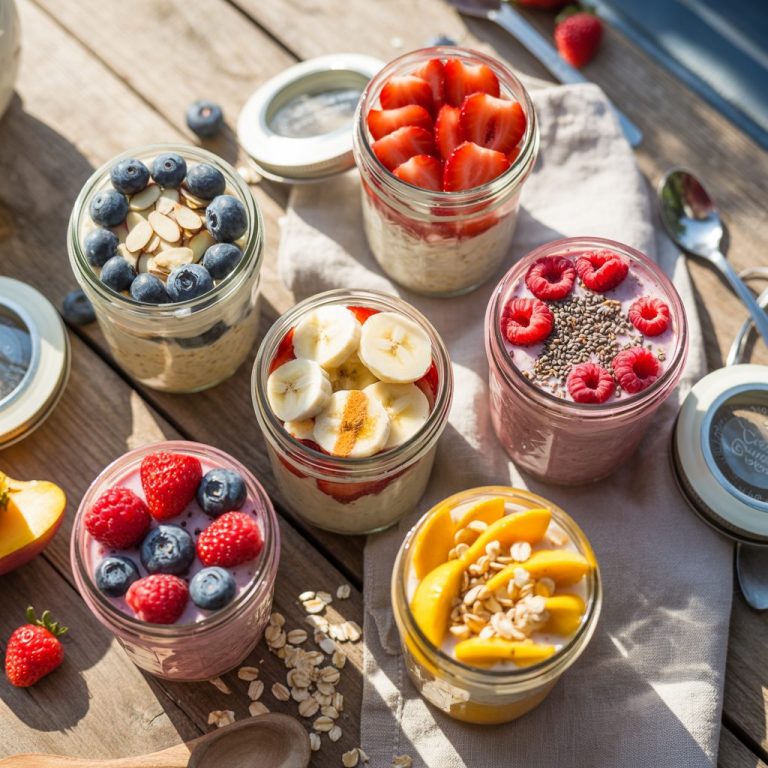
1. Overnight Oats with Chia Seeds and Berries
Overnight oats are like the lazy person’s dream breakfast—except they’re actually genius. You do the work the night before, and boom, breakfast is waiting for you like a loyal golden retriever.
Oats are packed with beta-glucan fiber, which is basically gut candy. Steel-cut oatmeal contains beta-glucan soluble fiber that keeps the gut regular and prevents constipation. Throw in some chia seeds for omega-3s and extra fiber, then top with berries for antioxidants.
I like making these in mason jars because they’re portable and you can prep five at once. Mix oats, chia seeds, your milk of choice (dairy, almond, oat—whatever doesn’t make you bloat), and let them hang out in the fridge overnight. In the morning, add fresh berries and maybe a drizzle of honey if you’re feeling fancy.
See next: 25 Low-Calorie Breakfasts to Start Your Day with Energy →
2. Greek Yogurt Bowl with Fruit and Nuts
Greek yogurt is basically a probiotic powerhouse disguised as dessert. It’s got live cultures that help balance your gut bacteria, plus way more protein than regular yogurt.
Here’s my method: Start with full-fat Greek yogurt (don’t fear the fat—it keeps you full longer). Add whatever fruit you’ve got lying around. Throw on some walnuts or almonds for crunch. Maybe drizzle some honey if you’re into that.
Pro move? Use a small food processor to pulse the nuts. Gives you that perfect texture without destroying your jaw.
For more gut-friendly breakfast inspiration, check out this Greek yogurt bowl with berries and honey or browse through these Mediterranean breakfast recipes that combine flavor with serious gut benefits.
See next: 15 Protein-Packed, Low-Calorie Breakfasts to Start Strong →
3. Avocado Toast with Fermented Toppings
Yeah, I’m going there. Avocado toast. Fight me.
But here’s the twist—we’re adding fermented foods like sauerkraut or kimchi on top. I know it sounds weird, but trust me. Fermented foods contain live microbes that are key for gut health, and they add a tangy kick that actually works.
Use whole grain sourdough if you can find it—sourdough’s fermentation process makes it easier to digest than regular bread. Mash your avocado, add a pinch of salt and red pepper flakes, then top with a spoonful of your favorite ferment.
This avocado toast with tomato and olive oil variation is also killer, or try this cucumber avocado toast with za’atar for Middle Eastern vibes.
See next: 30 Healthy Chia Seed Morning Breakfasts to Start Your Day Right →
4. Smoothie Bowl with Kefir Base
Kefir is like yogurt’s cooler, more sophisticated cousin who went to art school. It’s fermented milk with even more probiotic strains than yogurt, which means more gut benefits.
Blend kefir with frozen berries, a banana, and some spinach (you won’t taste it, I promise). Pour into a bowl and top with granola, nuts, and more fruit. The key is making it thick enough to eat with a spoon—otherwise it’s just a smoothie and that’s boring.
I use a high-speed blender for this because frozen fruit can be brutal on cheaper models. Worth the investment if you’re doing this regularly.
Looking for more smoothie inspiration? Check out these high-protein smoothies or this Mediterranean smoothie bowl that’s basically breakfast in a bowl.
See next: 15 Easy High-Protein Breakfasts You Can Make in 10 Minutes →
5. Veggie-Packed Egg Scramble
Eggs get a bad rap sometimes, but research shows eating two eggs per day meets 10% to 30% of the vitamin requirements for adults, and egg protein supports skeletal muscle growth. Plus, they’re one of the most versatile breakfast foods out there.
Scramble your eggs with whatever vegetables are about to go bad in your fridge. Spinach, tomatoes, bell peppers, mushrooms—go wild. Cook them in olive oil or butter (real butter, not that weird margarine stuff).
The veggies add fiber and prebiotics that your gut bacteria will thank you for. Plus, it’s a great way to hit your vegetable quota before 9 AM, which IMO makes you basically a superhero.
Try this savory Mediterranean scramble for inspiration, or check out this tofu scramble if you’re not into eggs.
See next: 20 Anti-Inflammatory Chia Seed Breakfasts for a Healthy Morning →
6. Chia Pudding with Fruit
Chia seeds are tiny but mighty. These little guys expand in liquid and create this pudding-like texture that’s honestly kind of addictive once you get used to it.
Adding chia seeds increases fiber content and provides omega-3 fatty acids that reduce inflammation and benefit heart health. Mix them with milk (any kind), let them sit overnight, and wake up to pudding. It’s basically magic.
I like adding vanilla extract and a bit of maple syrup to the base, then topping with whatever fruit situation I have going on. Mango is especially good if you’re feeling tropical.
For more chia inspiration, check out this chia pudding with almond milk. It’s simple, effective, and your gut will be doing backflips.
See next: 9 Low Cholesterol Breakfasts That Keep You Full & Energized →
Speaking of breakfast ideas that actually work, you might also love these high-protein breakfast recipes or these high-protein breakfasts under 350 calories that keep you full without the food coma.
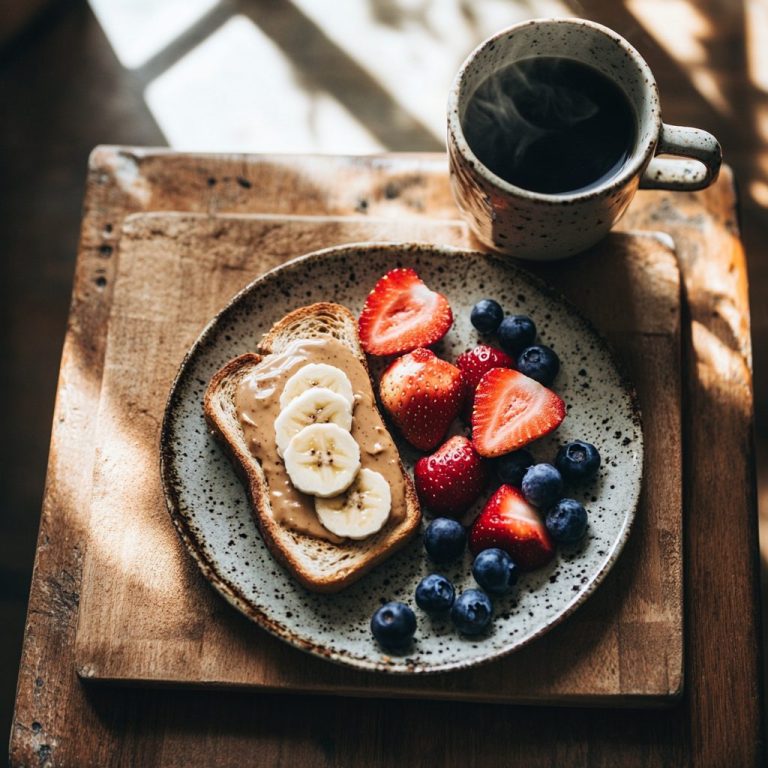
7. Whole Grain Toast with Nut Butter and Banana
Sometimes simple is best. Whole grain toast gives you complex carbs and fiber. Nut butter adds protein and healthy fats. Banana brings potassium and prebiotic fiber.
The combo keeps your blood sugar stable instead of spiking and crashing like it would with a plain bagel. Bananas contain inulin and resistant starch that promote healthy gut bacteria and help break down fat.
I use a good quality toaster because life’s too short for unevenly toasted bread. Spread your nut butter (almond, peanut, cashew—whatever doesn’t trigger your system), slice the banana on top, and maybe add a sprinkle of cinnamon.
This whole grain toast recipe has more variations if you’re the type who gets bored easily.
See next: 21 Calorie Deficit Breakfasts That Actually Keep You Full (Easy & Delicious!) →
8. Cottage Cheese Bowl with Vegetables
Okay, savory cottage cheese for breakfast might sound insane, but hear me out. It’s high in protein, has probiotics, and when you add vegetables, it becomes this savory masterpiece that actually fills you up.
Try cottage cheese with cherry tomatoes, cucumber, a drizzle of olive oil, and some everything bagel seasoning. Or go Mediterranean with olives and sundried tomatoes. The vegetables add prebiotic fiber while the cottage cheese brings the probiotics.
Check out this savory cottage cheese toast variation or this cottage cheese bowl with veggies for more inspiration.
See next: 20 High-Protein Breakfasts to Jumpstart Your Morning Energy →
9. Quinoa Breakfast Bowl
Quinoa for breakfast? Yes, and it’s not as weird as it sounds. This complete protein is also high in fiber, and you can make it sweet or savory depending on your mood.
Cook quinoa in milk or a milk alternative instead of water for extra creaminess. Add cinnamon, a touch of honey, and top with apples and walnuts. The nuts provide that satisfying crunch, and walnuts specifically are great for gut health.
I prep quinoa in a rice cooker because it’s foolproof and I can’t be trusted with stovetop cooking before coffee.
This quinoa breakfast bowl with apples and walnuts is a solid starting point, and these Mediterranean breakfast recipes include more grain bowl variations.
See next: 15 High Protein Breakfast Recipes to Start Your Day →
10. Sweet Potato Hash with Black Beans
Sweet potatoes are prebiotic royalty. They feed your good gut bacteria while giving you sustained energy. Add black beans for protein and even more fiber, and you’ve got a breakfast that’ll keep you full until lunch.
Dice sweet potatoes small so they cook faster, sauté them in olive oil with some spices (cumin and paprika are my go-tos), then mix in black beans and top with avocado. Maybe add an egg if you’re feeling extra.
A cast iron skillet is perfect for this—gets everything nice and crispy without sticking.
Try this sweet potato hash recipe or check out these sweet potato tacos for a handheld version.
See next: 7 Days of Gut‑Healing Meals: The Ultimate Diet Plan for Bloating, Energy & Glow →
11. Whole Grain Pancakes with Berries
Who says pancakes can’t be gut-friendly? Use whole grain or oat flour instead of refined white flour. Add mashed banana to the batter for natural sweetness and moisture. Top with fresh berries instead of drowning them in syrup.
The whole grains provide way more fiber than regular pancakes, and berries are packed with antioxidants and prebiotic fiber. You’re basically eating health food that tastes like a treat.
These whole grain banana pancakes are ridiculously good, or try these almond flour pancakes if you’re cutting carbs.
See next: 20 High-Fat Breakfasts Perfect for Keto Mornings →
12. Egg Muffins with Vegetables
These are meal prep gold. Bake eggs with vegetables in a muffin tin, and you’ve got portable protein bombs for the week.
Use any vegetables you want—spinach, bell peppers, mushrooms, tomatoes. Add some cheese if that’s your thing. The fiber from the veggies plus the protein from the eggs makes these surprisingly filling.
These egg muffins are endlessly customizable, or try these spinach feta egg muffins for a Mediterranean twist.
See next: 27 Whole-Food Breakfasts with Simple Ingredients →
13. Smoothie with Spinach, Banana, and Probiotic Yogurt
Green smoothies get a lot of hype, but they actually deliver on the gut health front. Spinach is loaded with prebiotic fiber, banana adds natural sweetness, and probiotic yogurt brings the beneficial bacteria.
The key is getting the ratio right so it doesn’t taste like liquified lawn clippings. Start with more fruit, gradually add more greens as you get used to it.
This berry green smoothie balances the flavors perfectly, and these high-protein smoothies prove that healthy doesn’t have to taste like punishment.
See next: 25 Low-Calorie Breakfasts to Start Your Day with Energy →
14. Oatmeal with Walnuts and Dried Figs
Oatmeal is a gut health classic for good reason. It’s high in soluble fiber, easy to digest, and keeps you full for hours. Whole oats contain beta-glucan fiber and resistant starch, plus various phytochemicals that support gut health.
Make your oatmeal with water or milk, then top with walnuts for omega-3s and dried figs for natural sweetness and extra fiber. Figs are underrated—they’re basically candy that’s actually good for you.
I always toast the walnuts in a small skillet first. Takes two minutes and makes them taste way better.
This oatmeal with figs and walnuts is simple perfection, or try this oatmeal with berries and flaxseed for more variety.
See next: 15 Protein-Packed, Low-Calorie Breakfasts to Start Strong →
15. Breakfast Burrito with Beans and Vegetables
Wrap it all up and take it to go. Use a whole wheat or sprouted grain tortilla (which are easier to digest), fill it with scrambled eggs or tofu, black beans, sautéed vegetables, and avocado.
The beans provide resistant starch that feeds your good gut bacteria. The vegetables add fiber and nutrients. The whole package is portable, filling, and actually satisfying.
These breakfast burrito wraps are perfect for meal prep, or try this egg veggie breakfast wrap if you want something lighter.
See next: 30 Healthy Chia Seed Morning Breakfasts to Start Your Day Right →
Anti-Inflammatory Gut Health Meal Planner
Take the guesswork out of eating for gut health. This digital meal planner focuses on anti-inflammatory, fiber-rich Mediterranean meals that reduce bloating and support healthy digestion. Includes weekly shopping lists and prep guides.
- ✓ 12 weeks of gut-friendly meal plans
- ✓ Mediterranean-focused anti-inflammatory recipes
- ✓ Pre-made shopping lists sorted by category
- ✓ Meal prep guides for batch cooking
Making It Work in Real Life
Look, I’m not going to pretend you’ll make elaborate breakfasts every single day. Some mornings you’ll barely have time to grab coffee before running out the door. That’s fine. The goal isn’t perfection—it’s progress.
Start by picking two or three recipes that sound doable. Make them your rotation. Once those feel easy, add another one. Gastroenterologists advise having two to three go-to breakfast plans that are rich in fiber, protein, and healthy carbohydrates to kickstart your day.
Meal prep is your friend here. Overnight oats, chia pudding, and egg muffins all store well. Make them on Sunday, eat them all week. It’s not sexy, but it works.
And if you mess up? If you eat a donut for breakfast? Whatever. One meal doesn’t undo everything. Your gut bacteria are resilient. Just get back on track with the next meal.
For busy mornings, check out these high-protein breakfasts for busy people or these overnight oats for weight loss that you can literally grab and go.
The Ingredients That Actually Matter
You don’t need a PhD in nutrition to get this right. Just focus on including these gut-friendly ingredients regularly:
- Probiotic foods: Yogurt, kefir, sauerkraut, kimchi—anything fermented that contains live cultures
- Prebiotic foods: Bananas, oats, garlic, onions, apples—basically fiber-rich stuff that feeds your good bacteria
- Whole grains: Oats, quinoa, whole wheat—anything that hasn’t been stripped of its fiber and nutrients
- Vegetables: Any and all. Yes, even for breakfast. Get over it.
- Nuts and seeds: Walnuts, almonds, chia, flax—healthy fats plus fiber
According to Mayo Clinic, prebiotics work in tandem with probiotics to maintain a balanced microbiome. You need both—prebiotics feed the good bacteria, probiotics replenish them.
Gut Health & Food Sensitivity Journal
A comprehensive 90-day guided journal designed to help you identify food triggers, track digestive symptoms, and discover which Mediterranean foods work best for YOUR body. Includes symptom scales, meal logging, and weekly reflection prompts.
- ✓ 90-day tracking with symptom intensity scales
- ✓ Mediterranean food group tracker
- ✓ Daily probiotic and prebiotic intake logs
- ✓ Weekly pattern analysis worksheets
Frequently Asked Questions
Do I really need to eat breakfast for gut health?
Short answer? It helps. Gastroenterologists recommend not skipping breakfast as it’s important to get food into the gut for energy and fullness during the day. But if you’re doing intermittent fasting and it works for you, that’s fine too. The key is making your first meal count, whenever that happens.
What’s the difference between probiotics and prebiotics?
Probiotics are live beneficial bacteria you eat (like in yogurt). Prebiotics are the fiber that feeds those bacteria (like in bananas and oats). You need both for optimal gut health. Think of probiotics as the workers and prebiotics as their fuel.
How long before I notice gut health improvements?
Most people notice changes within a few days to a couple weeks. Better digestion, more regular bathroom visits, less bloating—these tend to show up first. Long-term benefits like improved immune function take longer, maybe a few months of consistent habits.
Can I still have coffee with these breakfasts?
Yes, coffee’s fine for most people. Just don’t let it replace food. Have your breakfast first, or at least alongside your coffee. And if coffee makes you jittery or messes with your stomach, maybe switch to tea or have less of it.
Are these breakfasts good for weight loss?
They can be. When you eat more fiber and protein, you stay fuller longer, which means you’re less likely to snack on garbage mid-morning. But weight loss is about overall calories and lifestyle, not just one meal. These breakfasts support weight loss by keeping you satisfied and energized.
Wrapping This Up
Your gut health doesn’t have to be complicated. You don’t need expensive supplements or trendy superfoods shipped from the other side of the world. You just need to consistently eat foods that support your digestive system.
These 15 breakfast options aren’t about restriction or suffering through meals you hate. They’re about finding a few recipes that work for your schedule, your taste buds, and your gut. Pick the ones that sound good, try them out, adjust as needed.
Your gut’s been working hard for you your entire life. Maybe it’s time to return the favor. Start tomorrow morning. Your digestive system—and your energy levels—will thank you.
And honestly? Once you start feeling better, you won’t want to go back to those sad breakfasts that left you bloated and exhausted by 10 AM. Good gut health is addictive in the best possible way.