
16 Low-Sugar Breakfasts That Won’t Spike Blood Sugar
Look, I get it. You’re tired of feeling like you need a nap thirty minutes after breakfast. That whole “cereal-and-orange-juice” combo your mom swore by? Yeah, turns out it’s basically a sugar bomb with a side of regret. I spent years riding the blood sugar rollercoaster before I figured out that breakfast doesn’t have to be a crash-and-burn situation.
Here’s the thing about blood sugar spikes: they’re not just making you cranky by 10 AM. They’re messing with your energy, your focus, and honestly, your entire day. But the good news? You don’t need to give up enjoying breakfast. You just need to know what actually works.

These are the basics that make healthy cooking fast and actually enjoyable: less mess, less time, and meals your whole family will happily eat.
- non-stick panCheck today’s price →
- glass jarsCheck today’s price →
- airtight containerCheck today’s price →
- high-speed blenderCheck today’s price →
Amazon prices and deals change often, so it’s worth checking today’s price.
Why Your Current Breakfast Is Probably Sabotaging You
Ever notice how some mornings you feel sharp and focused, while others you’re basically a zombie until lunch? That’s not random. When you eat high-sugar breakfasts, your blood sugar shoots up fast, your pancreas freaks out and dumps insulin into your system, and then boom—you crash harder than a toddler at naptime.
The average American breakfast contains around 30-40 grams of sugar. That’s basically eating candy for breakfast, except we call it “healthy whole grain cereal” and feel virtuous about it. According to research on blood sugar management, keeping your morning glucose stable is one of the most important things you can do for sustained energy.
The solution isn’t complicated: protein, healthy fats, and fiber. These three work together to slow down digestion and keep your blood sugar steady. Think of it like this—sugar is the hare that sprints and burns out. Protein and fats are the tortoise that actually finishes the race.
The Protein-Packed Champions
1. Greek Yogurt Power Bowl
I’m obsessed with Greek yogurt because it’s basically protein disguised as dessert. We’re talking about 15-20 grams of protein per cup, and when you skip the flavored versions loaded with sugar, you’re golden. Mix in some berries and a drizzle of honey, and you’ve got breakfast sorted.
The key here is choosing plain, full-fat Greek yogurt. I know, I know—fat got a bad rap for decades. But healthy fats actually help slow down sugar absorption. Plus, they make you feel satisfied instead of reaching for that third coffee by 9 AM.
Top it with some crushed walnuts (I use this nut chopper because hand-chopping is for people with way more patience than me), and maybe some chia seeds for extra fiber. The texture combo alone makes it worth it.
2. Savory Scramble Situation
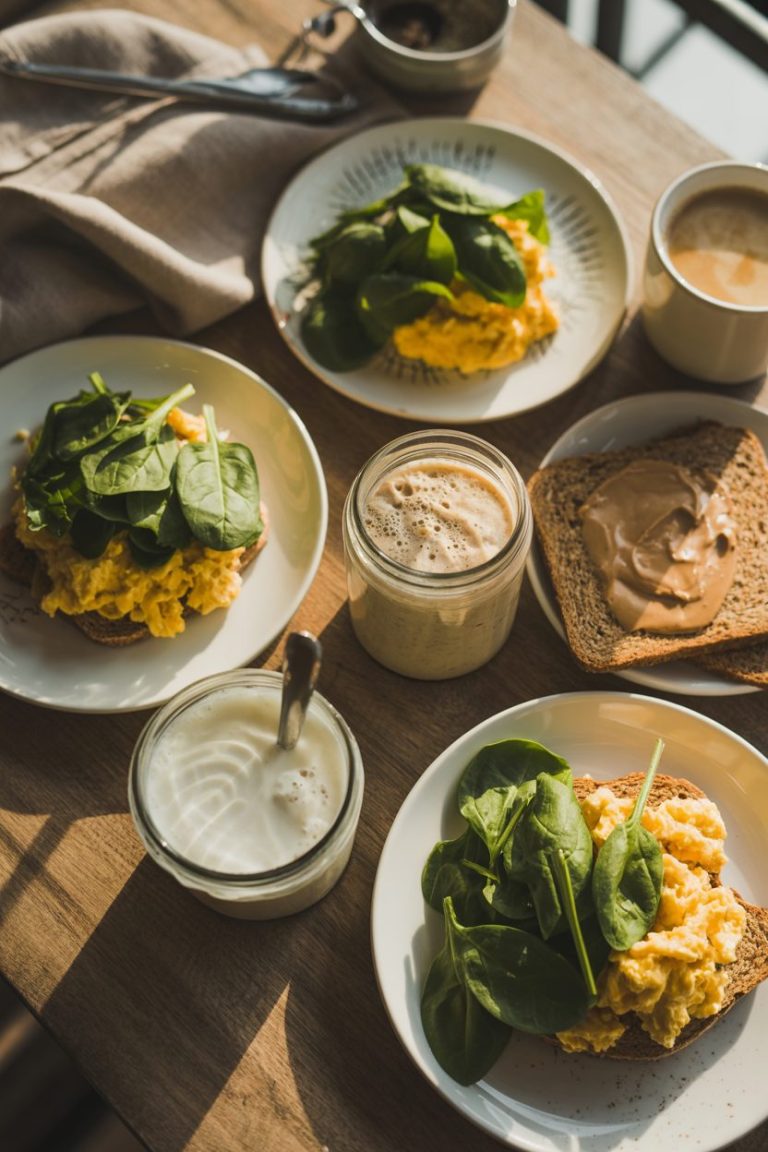
Eggs are the MVP of low-sugar breakfasts, and I will die on this hill. Three eggs give you about 18 grams of protein, plus all nine essential amino acids your body can’t make on its own. That’s not breakfast—that’s a nutritional powerhouse.
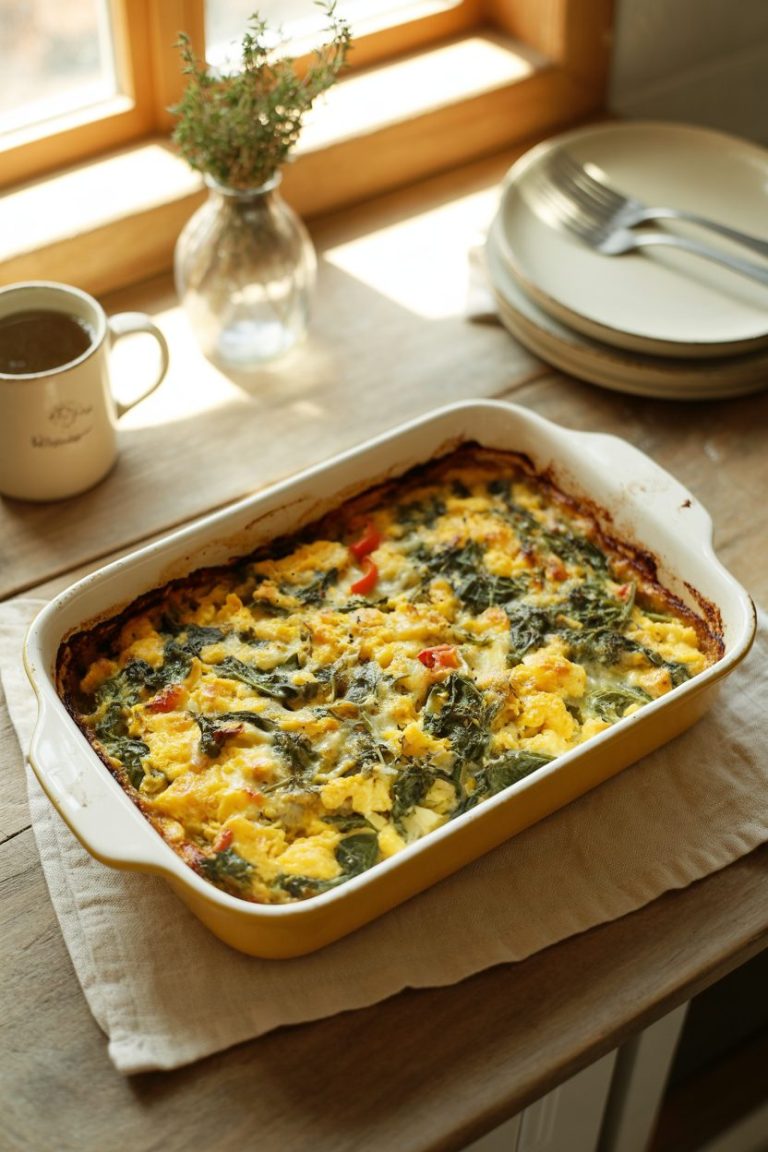
My go-to is a Mediterranean scramble loaded with spinach, tomatoes, and feta. The vegetables add volume without adding sugar, and honestly? It tastes way better than sad, watery scrambled eggs. I cook mine in this non-stick pan that I swear makes eggs fluffier—might be placebo effect, might be magic, either way I’m not questioning it.
3. Smoked Salmon on Avocado Toast
Before you roll your eyes at another avocado toast mention, hear me out. When done right, this combination is protein and healthy fat heaven. The smoked salmon version gives you omega-3s plus about 20 grams of protein.
Use actual whole grain bread—not the “made with whole grains” nonsense that’s still mostly white flour. I look for bread with at least 3 grams of fiber per slice. Mash up half an avocado, pile on the salmon, and if you’re feeling fancy, add some capers and red onion. Your taste buds will thank you.
If you’re looking for more ways to start your day strong, you might want to check out these high-protein breakfast recipes or explore some Mediterranean-inspired morning meals that keep things interesting.
The Overnight Oats Game-Changers
Okay, controversial opinion time: most overnight oats recipes are just sugar bombs in a jar. But when you make them right? They’re actually genius for blood sugar control. The secret is in the ratios and what you’re adding.
4. Classic Vanilla Almond Base
Start with rolled oats (not instant—those digest too quickly), mix with unsweetened almond milk, and add protein powder or Greek yogurt. The vanilla almond version is my weekday staple because I can prep five jars on Sunday and forget about breakfast decisions until Friday.
Add a tablespoon of chia seeds for extra fiber and omega-3s. They also absorb liquid and make the whole thing more pudding-like, which IMO is the entire point of overnight oats. I prep mine in these glass jars because plastic is weird and I’m trying to be an adult about food storage.
5. Peanut Butter Banana Powerhouse
Here’s where it gets interesting. Bananas do have natural sugar, but when you pair them with peanut butter and oats, the fiber and fat slow everything down. The peanut butter banana combo hits that sweet spot between satisfying a sweet tooth and keeping blood sugar stable.
Use natural peanut butter (just peanuts and salt—none of that added sugar garbage), and mash half a banana into the oats. The other half you can slice on top in the morning. Takes literally two extra seconds and makes you feel like you’re eating at a cafe instead of out of a jar at your desk.
Organic Natural Peanut Butter – No Sugar Added
This is the peanut butter I’ve been using for two years straight. Just peanuts and salt—no palm oil, no sugar, no weird stabilizers. It separates (that’s how you know it’s real), but stirring it takes like 10 seconds and you only do it once.
- 16g protein per serving (more than most brands)
- Creamy texture that doesn’t taste chalky or dry
- Doesn’t turn into a oil slick in your pantry
- Works perfectly in overnight oats without getting weird
6. Berry Almond Crunch
Berries are the lowest-sugar fruits you can eat, plus they’re packed with antioxidants that, according to Mayo Clinic, help fight inflammation. The berry almond crunch version is what I make when I need breakfast to feel like dessert.
Top with sliced almonds that you’ve toasted in a pan for 2-3 minutes. This step is optional but also not optional because toasted nuts are objectively better than raw nuts in every possible way. I keep mine in this airtight container so they stay crunchy.
The Egg-cellent Options (Sorry, Had To)
7. Veggie-Packed Egg Muffins
These egg muffins are basically the answer to “I have five minutes and need real food.” Beat eggs, dump in whatever vegetables are dying in your crisper drawer, pour into muffin tins, bake. Done.
Make a dozen on Sunday, keep them in the fridge, and you’ve got grab-and-go breakfast all week. Two muffins give you solid protein, vegetables, and exactly zero blood sugar drama. I use silicone muffin cups because I’m lazy about washing muffin tins and these just pop right out.
8. Spinach and Feta Masterpiece
The spinach and feta combination is one of those flavor combos that just works. Spinach wilts down to nothing when you cook it, so you can pack a ridiculous amount of vegetables into these things without feeling like you’re eating a salad for breakfast.
Feta adds saltiness and creaminess without needing much—a little goes a long way. Plus it’s got protein and calcium, so you’re basically winning at nutrition while eating something that tastes good. Revolutionary concept, I know.
9. Classic Veggie Omelet
Sometimes simple is best. A basic veggie omelet with whatever you’ve got on hand is never the wrong choice. Bell peppers, mushrooms, onions—throw it all in there.
The trick to a good omelet is patience and a good non-stick pan. Let it cook on medium-low heat until it’s mostly set, then flip. If you’re feeling ambitious, add some cheese. If you’re feeling health-conscious, skip it. Either way, you’re eating vegetables for breakfast like a responsible adult.
Speaking of high-protein starts to your day, I’ve found that mixing up your breakfast routine helps prevent the dreaded meal fatigue. That’s why I love browsing through collections like these high-protein breakfasts under 350 calories or trying quick 10-minute high-protein options when time is tight.
The Breakfast Bowl Revolution
10. Mediterranean Smoothie Bowl
Smoothie bowls get a bad rap because most of them are basically ice cream for breakfast. But a proper Mediterranean smoothie bowl with Greek yogurt, spinach, and berries? That’s different. You’re getting protein, greens, and antioxidants all before 8 AM.
The key is using frozen fruit instead of ice—better texture, more flavor. Blend it thick enough that you need a spoon, not a straw. Top with nuts, seeds, and maybe some unsweetened coconut flakes. I use this high-speed blender because cheap blenders just push frozen fruit around sadly instead of actually blending it.
11. Savory Cottage Cheese Bowl
Cottage cheese is having a moment, and honestly, it’s deserved. This savory cottage cheese bowl situation is what I make when I want something different but equally protein-packed.
Top cottage cheese with cherry tomatoes, cucumber, everything bagel seasoning, and a drizzle of olive oil. It’s basically a deconstructed Greek salad for breakfast, and it works way better than it has any right to. The cottage cheese gives you about 25 grams of protein per cup, which is wild.
30-Day Low-Sugar Breakfast Prep Blueprint
If meal prep intimidates you, this blueprint makes it stupidly simple. I’m talking paint-by-numbers level of easy, but for breakfast.
- Weekly prep schedules (exactly what to do Sunday night)
- 30 days of mix-and-match breakfast combinations
- Batch cooking templates for eggs, oats, and more
- Container organization system with labels
- Time-saving hacks that actually save time (not the BS ones)
This is for anyone who’s tired of the “what’s for breakfast” panic every single morning. One Sunday prep session = breakfast solved for the entire week. Game changer.
Get the Prep Blueprint12. Quinoa Breakfast Bowl
Quinoa for breakfast sounds weird until you try it. The quinoa bowl with apples and walnuts is nutty, slightly sweet, and keeps you full forever. Quinoa is a complete protein, which means it’s got all the essential amino acids.
Cook it in almond milk instead of water for extra creaminess and protein. Add cinnamon, a bit of maple syrup (just a bit), and some chopped apples. It’s like oatmeal’s cooler, more sophisticated cousin.
Glass Meal Prep Containers with Snap Lids (10-Pack)
I’ll be honest—I avoided glass containers for years because they seemed expensive and breakable. But after one too many plastic containers staining orange from tomato sauce and holding onto weird smells, I switched. Never going back.
- Microwave, oven, and dishwasher safe (the ultimate trifecta)
- Lids actually stay sealed without playing the “find the right lid” game
- No weird plastic taste or smell transfer to your food
- Perfect portion sizes for breakfast meal prep (2-cup capacity)
- You can see what’s inside without opening 47 containers
- They’ve survived multiple drops on tile floors (not recommended but nice to know)
The Wrap and Toast Winners
13. Breakfast Burrito Done Right
Most breakfast burritos are basically just a tortilla stuffed with regret and heartburn. But these low-cal breakfast wraps are different—eggs, black beans, vegetables, and just enough cheese to make it worth eating.
Use whole grain tortillas or, if you’re going low-carb, those high-fiber wraps that are basically all protein and fiber. Black beans add plant-based protein and fiber that helps slow down digestion. Plus they taste good, which is really the entire point of food.
14. Avocado Toast: Mediterranean Edition
Regular avocado toast is fine, but Mediterranean-style avocado toast is where it’s at. We’re talking tomatoes, olives, feta, maybe some za’atar if you’re feeling fancy.
The healthy fats in avocado help you absorb the nutrients from the vegetables better, plus they keep you satisfied. Use good bread—it matters. I’m talking about bread with actual seeds and grains you can see, not bread that’s been through more processing than a celebrity Instagram photo.
15. Almond Flour Pancakes
These almond flour pancakes are for when you want pancakes but don’t want the blood sugar crash. Almond flour is lower in carbs and higher in protein than regular flour, plus it adds a nice nutty flavor.
Top with Greek yogurt instead of syrup, add some fresh berries, and maybe a drizzle of honey. You get the pancake experience without the 11 AM face-plant into your desk. I make these in this griddle pan that fits four pancakes at once because making them one at a time is for people with infinite patience.
The Wild Card Winner
16. Chia Pudding Perfection
Chia pudding is one of those things that sounds way fancier than it actually is. Mix chia seeds with liquid, wait overnight, boom—breakfast. The chia pudding with almond milk and fresh fruit gives you omega-3s, fiber, and protein all in one weirdly satisfying texture.
The fiber in chia seeds is incredible—we’re talking about 10 grams per ounce. That’s more than most people eat in an entire meal, and it helps keep blood sugar stable. Plus, chia seeds expand in liquid, so a little goes a long way. Make it in small mason jars for easy grab-and-go options.
Layer it with berries and nuts for a parfait situation that looks impressive but took zero actual effort. This is the kind of breakfast that makes people think you have your life together, even if you’re just really good at meal prep.
The Complete Guide to Low-Sugar Living
Look, reading random breakfast articles is helpful, but having a complete roadmap changes the game. This ebook breaks down everything you need to know about managing blood sugar without feeling like you’re on a diet.
- 75+ low-sugar breakfast, lunch, and dinner recipes
- Science-backed strategies for stable blood sugar (explained like a human, not a textbook)
- Restaurant ordering guide so you don’t have to eat sad salads forever
- Sugar substitute comparison chart with the good, bad, and ugly
- 14-day kickstart meal plan with shopping lists
This is basically everything I wish someone had told me before I spent two years figuring it out through trial, error, and way too many blood sugar crashes.
Download the Complete GuideFor even more variety in your morning routine, you might want to explore some calorie-conscious breakfast options that still keep you full, or dive into a full week-long high-protein breakfast meal prep plan to make your mornings completely stress-free.
Making This Actually Work in Real Life
Here’s the honest truth: knowing what to eat is only half the battle. The other half is actually doing it when you’re half-asleep and running late. That’s why meal prep isn’t just helpful—it’s essential.
Pick one or two breakfasts from this list and make them your weekly staples. I rotate between overnight oats, egg muffins, and chia pudding because they’re all make-ahead options. Sunday night, I spend maybe 30 minutes prepping, and then I don’t think about breakfast until the following Sunday.
The investment in some basic meal prep containers is worth it. I’m not saying you need to buy fancy stuff, but having the right containers makes the whole process easier. Store your prepped breakfasts somewhere visible in the fridge—front and center. If you have to dig for it, you won’t eat it.
Blood Sugar Balance Tracker & Meal Planner
Honestly, tracking your blood sugar responses to different breakfasts changed everything for me. This tracker helps you identify exactly which foods work for YOUR body, because we all respond differently to carbs.
- Daily blood sugar log with meal tracking
- 30-day low-sugar breakfast meal planner
- Grocery shopping lists organized by week
- Energy level tracker to spot patterns
- Printable prep checklists for meal prep Sundays
Stop guessing and start seeing real patterns in your blood sugar. This is the kind of thing that makes you go “ohhhh, THAT’S why I crash after oatmeal but not after eggs.”
Get the Tracker & PlannerFYI, you don’t need to eat the same thing every day. That’s a fast track to breakfast burnout. But having 3-4 options that you rotate keeps things interesting without requiring you to be creative at 6 AM, which is when creativity is at its absolute lowest.
Frequently Asked Questions
What breakfast foods don’t spike blood sugar?
Foods high in protein, healthy fats, and fiber are your best bet. Think eggs, Greek yogurt, nuts, seeds, avocados, and non-starchy vegetables. These digest slowly and keep blood sugar stable instead of sending it on a rollercoaster ride. The key is avoiding refined carbs and added sugars that hit your bloodstream fast.
Can I eat oatmeal if I’m trying to avoid blood sugar spikes?
Yes, but you need to be strategic about it. Steel-cut or rolled oats are better than instant because they digest more slowly. Always add protein (like Greek yogurt or protein powder) and healthy fats (like nuts or nut butter) to slow down digestion even more. Skip the added sugar and use small amounts of fruit for natural sweetness.
How much protein should I eat at breakfast to avoid hunger?
Aim for at least 20-30 grams of protein at breakfast. This amount helps trigger satiety hormones that keep you full and satisfied until your next meal. It also helps stabilize blood sugar and prevents those mid-morning energy crashes that send you hunting for snacks.
Are smoothies okay for blood sugar control?
Smoothies can work if you build them right. Use a protein source (Greek yogurt, protein powder, or nut butter), add healthy fats (avocado, nuts, or seeds), keep fruit portions moderate, and include fiber-rich ingredients like spinach or chia seeds. Avoid fruit juice and skip the added sweeteners. The goal is a thick, nutrient-dense smoothie—not a sugar bomb in a glass.
What’s the best breakfast for someone with diabetes?
The best diabetic-friendly breakfasts focus on protein, healthy fats, and non-starchy vegetables while limiting refined carbs and sugars. Options like veggie omelets, Greek yogurt with nuts, or chia pudding with berries work well. Always pair any carbohydrates with protein and fat to slow absorption, and monitor your individual response since everyone’s blood sugar reacts differently to foods.
The Bottom Line
Blood sugar stability isn’t about being perfect or eliminating every carb from your life. It’s about making smarter choices that keep your energy consistent and your hunger under control. These 16 breakfast options prove you don’t need to sacrifice flavor or satisfaction to avoid the mid-morning crash.
Start with one or two recipes that sound appealing and actually fit your lifestyle. Meal prep them on the weekend. See how you feel. If you notice more energy, better focus, and less hangry behavior before lunch, you’re on the right track.
The goal isn’t to eat like a nutrition robot. It’s to find breakfast options you actually enjoy that also happen to keep your blood sugar happy. When you nail that balance, breakfast stops being something you stress about and starts being something you look forward to. And honestly? That’s the whole point.