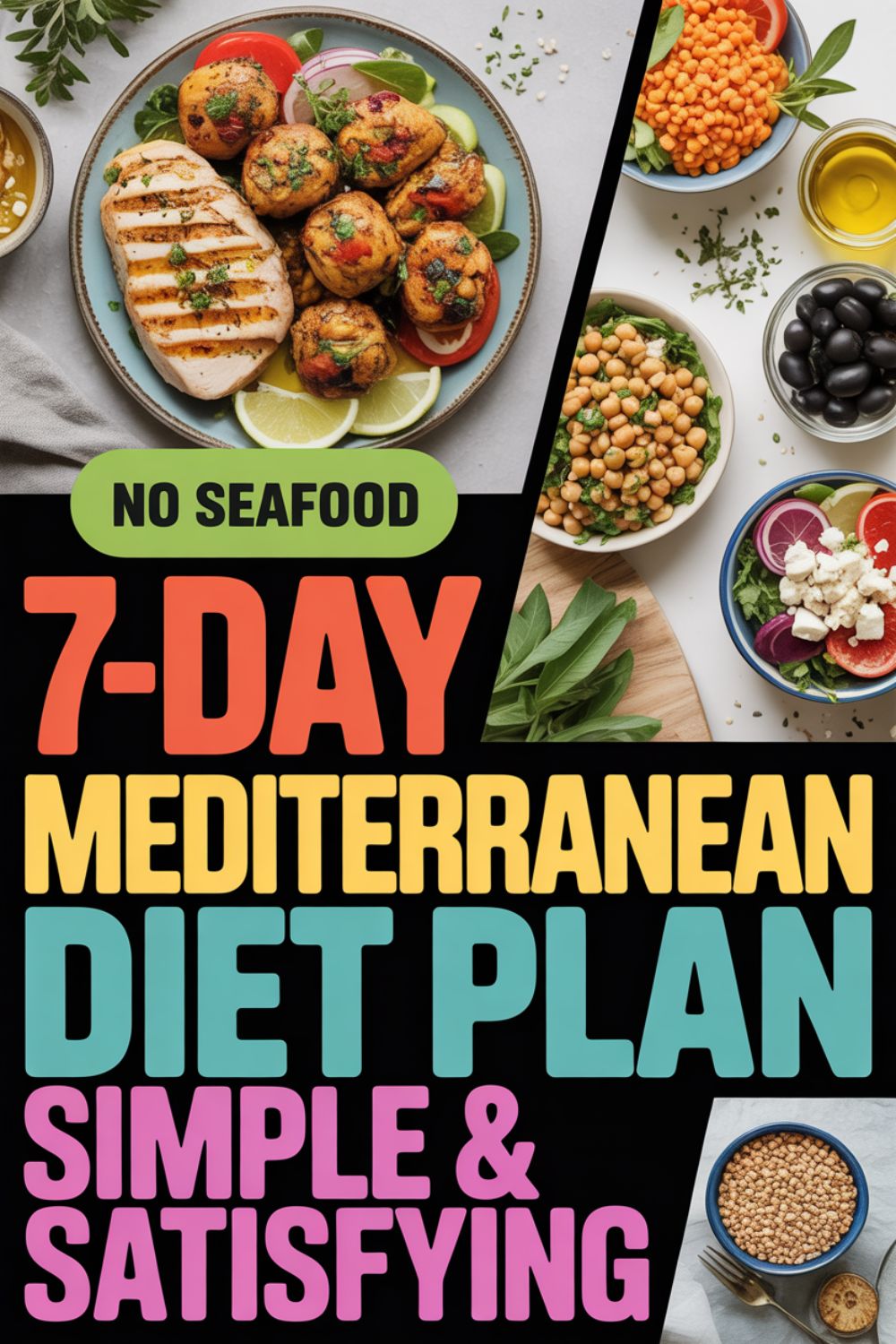
7-Day Mediterranean Diet Plan with No Seafood
Look, I get it. You want to try the Mediterranean diet, but the idea of eating fish every other day makes you want to run for the hills. Maybe you’re allergic, maybe you just can’t stand the smell, or maybe you’re one of those people who had a traumatic encounter with a fish stick in elementary school. Whatever your reason, I’m here to tell you that you can absolutely crush the Mediterranean diet without touching a single piece of seafood.
The Mediterranean diet isn’t just about sardines and grilled salmon—though the internet sure makes it seem that way. It’s really about fresh vegetables, whole grains, legumes, nuts, olive oil, and yes, some cheese and yogurt. The seafood thing? That’s optional. And I’m about to prove it to you with a full 7-day meal plan that’ll have you feeling like you’re dining on a Greek island, minus the anchovies.
Why the Mediterranean Diet Works (Even Without Fish)
Before we dive into the actual meal plan, let’s talk about why this diet is so hyped in the first place. The Mediterranean diet consistently ranks as one of the healthiest eating patterns on the planet, and it’s not because of some magic superfood. It’s because of the overall approach: tons of plants, healthy fats, moderate dairy, and minimal processed junk.
According to Harvard Health, the Mediterranean diet has been linked to lower risks of heart disease, stroke, and even cognitive decline. And here’s the kicker—most of those benefits come from the plant-based components and olive oil, not necessarily the seafood.
Think about it this way: people in Mediterranean regions don’t eat seafood at every meal. They eat what’s available—fresh produce from local markets, beans, lentils, nuts, and grains. The seafood is a bonus, not the foundation. So if you’re skipping it, you’re still getting the core benefits of this eating style.
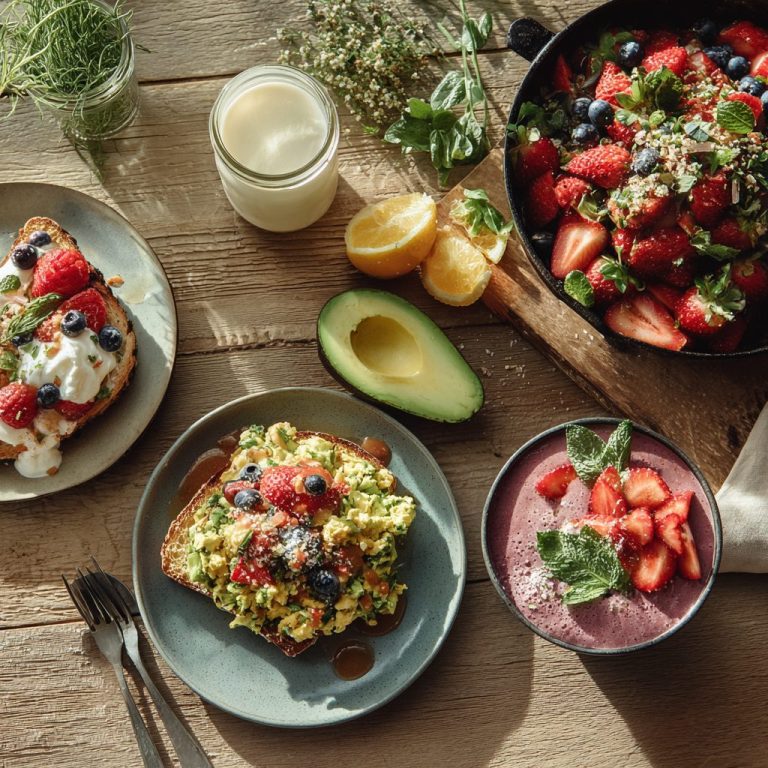
The real stars of the Mediterranean diet are the foods you might already love: creamy Greek yogurt parfait, hearty lentil soup with crusty bread, and veggie-packed dishes that don’t leave you hungry an hour later. These are meals that actually stick with you.
The 7-Day Mediterranean Meal Plan (No Seafood Required)
Alright, let’s get to the good stuff. This week-long plan is designed to be flexible, realistic, and most importantly—delicious. I’m not going to make you eat kale for breakfast or pretend that a handful of almonds counts as lunch. These are real meals that real people actually want to eat.
Day 1: Easing Into It
Breakfast: Start your morning with Get Full Recipe for oatmeal with dried figs, walnuts, and cinnamon. It’s warm, filling, and naturally sweet without any added sugar. Plus, figs are a Mediterranean staple that most people forget about.
Lunch: A simple Get Full Recipe for grilled veggie platter with hummus. Grill up some zucchini, bell peppers, and eggplant—or if you’re lazy like me, just roast them in the oven. I use this silicone baking mat# because nothing sticks and cleanup is basically nonexistent.
Dinner: Get Full Recipe for stuffed bell peppers with quinoa and veggies. These are meal-prep gold—make a batch and you’ve got leftovers for days.
Snack: A handful of mixed nuts (walnuts, almonds, pistachios) and a piece of fruit. Keep it simple.
Day 2: Finding Your Rhythm
Breakfast: Get Full Recipe for a Greek yogurt bowl with berries and honey. This is my go-to when I’m running late. Literally takes two minutes.
Lunch: Get Full Recipe for lentil and spinach soup. Make a big pot on Sunday night and thank yourself all week long. Seriously, future you will appreciate it.
Dinner: Get Full Recipe for lemon herb chicken with roasted potatoes. If you don’t have a good roasting pan#, this is your sign to get one. Game changer for evenly cooked veggies and crispy potatoes.
Snack: Sliced cucumber with tzatziki or hummus.
Speaking of chicken recipes, if you’re looking for more high-protein options that fit the Mediterranean vibe, check out these 25 high-protein chicken recipes for meal prep or try this grilled lemon herb chicken with quinoa for a lighter take.
Day 3: Getting Comfortable
Breakfast: Get Full Recipe for avocado toast with tomato and a drizzle of olive oil. Yes, it’s trendy. Yes, it’s also delicious and nutritious. Don’t @ me.
Lunch: Get Full Recipe for a Greek salad that’s actually good. The key is fresh ingredients and not skimping on the olive oil. Research on olive oil consumption shows it’s linked to better heart health and reduced inflammation.
Dinner: Get Full Recipe for a Mediterranean grain bowl. Load it up with farro, roasted vegetables, chickpeas, and a tahini drizzle.
Snack: Whipped feta dip with honey and thyme with whole grain crackers or veggie sticks.
Day 4: Hitting Your Stride
Breakfast: Get Full Recipe for a savory Mediterranean scramble with tomatoes, spinach, and feta. I like using this nonstick skillet# because eggs slide right off and there’s zero sticking.
Lunch: Get Full Recipe for Mediterranean chickpea wraps. These are portable, filling, and don’t get soggy if you make them ahead.
Dinner: Get Full Recipe for whole wheat spaghetti with cherry tomatoes and basil. Simple, classic, and takes about 20 minutes start to finish.
Snack: A small handful of olives and some whole grain crackers.
Day 5: Keeping It Interesting
Breakfast: Get Full Recipe for a Mediterranean smoothie bowl. Top it with granola, nuts, and fresh fruit. FYI, I make my smoothies in this high-speed blender# and everything comes out perfectly smooth.
Lunch: Get Full Recipe for easy baked falafel with a cucumber salad and whole wheat pita. Way better than the fried version, and you don’t feel like you need a nap afterward.
Dinner: Get Full Recipe for a Mediterranean chickpea skillet. One pan, minimal cleanup, maximum flavor.
Snack: Fresh fruit with a small piece of dark chocolate. Yes, dark chocolate counts as Mediterranean. You’re welcome.
For more breakfast inspiration that fits perfectly into this plan, you might want to explore these 30 Mediterranean breakfast recipes for busy mornings or try some high-protein breakfast ideas under 350 calories.
Day 6: Almost There
Breakfast: Get Full Recipe for chia pudding with almond milk and fresh fruit. Make this the night before and grab it on your way out the door.
Lunch: Get Full Recipe for cucumber, tomato, and feta salad. It’s basically a deconstructed Greek salad, and it’s ridiculously refreshing.
Dinner: Get Full Recipe for grilled eggplant with yogurt sauce and a side of couscous. If you’ve never grilled eggplant before, prepare to be converted.
Snack: Roasted chickpeas. They’re crunchy, salty, and way more interesting than chips.
Day 7: Finishing Strong
Breakfast: Get Full Recipe for whole grain toast with almond butter and sliced banana. Sometimes the simplest breakfasts are the best.
Lunch: Get Full Recipe for Mediterranean flatbread. It’s like pizza, but lighter and somehow more acceptable for lunch.
Dinner: Get Full Recipe for shakshuka with eggs poached in spicy tomato sauce. Serve it with crusty bread and you’ve got yourself a meal that looks fancy but takes minimal effort.
Snack: A small bowl of mixed berries with a dollop of Greek yogurt.
The Non-Seafood Protein Problem (And How to Solve It)
One concern people always bring up when they hear “Mediterranean diet without seafood” is protein. And yeah, it’s a valid concern. Fish is a major protein source in traditional Mediterranean eating, so what do you do when you’re not eating it?
The answer is simpler than you think: lean on legumes, eggs, poultry, and dairy. Chickpeas, lentils, and white beans are protein powerhouses that also happen to be dirt cheap. A cup of cooked lentils has about 18 grams of protein—that’s nearly as much as a chicken breast.
Eggs are another Mediterranean staple that people forget about. They’re versatile, affordable, and packed with nutrients. Greek yogurt? Same deal. It’s high in protein and calcium, and it works in both sweet and savory dishes.
If you’re worried about variety, check out these 25 high-protein vegetarian recipes or these high-protein low-carb Mediterranean recipes for more ideas that don’t rely on seafood.
What Makes This Plan Actually Sustainable
I’ve tried a lot of diets over the years, and you know what kills most of them? Restriction. When you’re constantly telling yourself what you can’t have, you end up miserable and eventually giving up. The Mediterranean diet is different because it’s not really a diet—it’s just a way of eating that happens to be healthy.
You’re not counting every calorie or weighing your food on a digital kitchen scale# (though having one doesn’t hurt for portion awareness). You’re just eating whole foods, enjoying them, and not stressing about perfection.
Another reason this plan works is flexibility. If you hate eggplant, swap it for zucchini. Not a fan of farro? Use quinoa or brown rice instead. The point is to follow the principles—lots of plants, healthy fats, whole grains—not to rigidly follow a script.
Plus, the Mediterranean diet doesn’t demonize carbs or fat, which means you can actually enjoy your food without guilt. That whole wheat pasta? Totally fine. The olive oil you’re drizzling on everything? Encouraged. It’s a refreshing change from diets that make you feel bad for eating bread.
Common Mistakes to Avoid
Even though the Mediterranean diet is one of the easiest eating patterns to follow, there are still some pitfalls I’ve seen people fall into. Let’s talk about them so you can avoid them.
Mistake #1: Not Using Enough Olive Oil. I know it sounds counterintuitive, but olive oil is central to this diet. Don’t be scared of it. It’s a healthy fat that helps with nutrient absorption and keeps you satisfied. Just make sure you’re using actual extra virgin olive oil, not the cheap stuff that’s basically vegetable oil in disguise.
Mistake #2: Skipping the Herbs and Spices. Mediterranean food is flavorful because of fresh herbs, garlic, lemon, and spices. If your food is bland, you’re doing it wrong. Invest in a good spice rack# and keep fresh herbs on hand. Basil, oregano, parsley, and mint are your new best friends.
Mistake #3: Forgetting About Legumes. Beans and lentils should be showing up multiple times a week. They’re cheap, filling, and nutritious. If you’re not eating them regularly, you’re missing out on one of the core components of the diet.
Mistake #4: Overdoing the Dairy. Yes, cheese and yogurt are part of the Mediterranean diet, but they’re not the main event. Keep portions moderate and focus on the vegetables and whole grains first.
Shopping List Essentials for the Week
Let’s talk logistics. If you’re going to follow this meal plan, you’ll need to stock up on a few key ingredients. Here’s what I recommend keeping on hand at all times:
Pantry Staples:
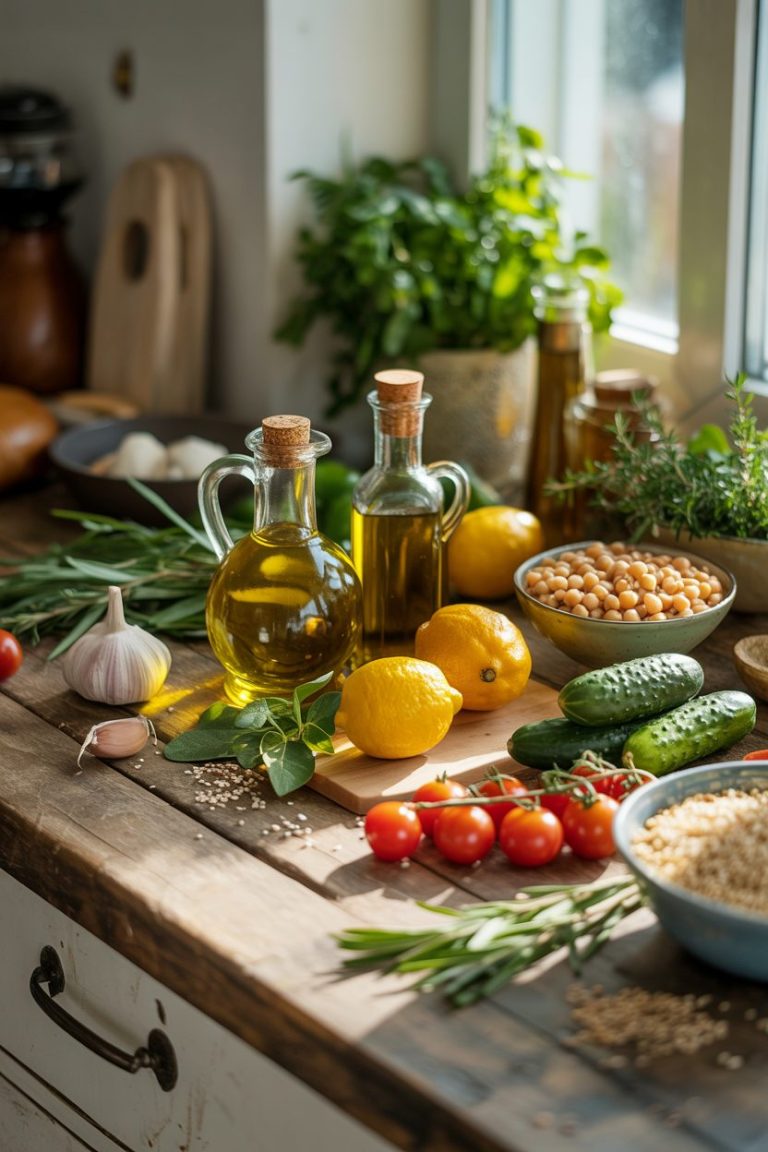
- Extra virgin olive oil (get the good stuff)
- Dried lentils, chickpeas, and white beans
- Whole grains: quinoa, farro, brown rice, whole wheat pasta
- Canned tomatoes and tomato paste
- Nuts and seeds: walnuts, almonds, pistachios, chia seeds
- Dried herbs and spices: oregano, basil, cumin, paprika, cinnamon
- Tahini and nut butters
Fresh Produce:
- Leafy greens: spinach, arugula, kale
- Tomatoes, cucumbers, bell peppers
- Onions and garlic (always)
- Eggplant and zucchini
- Fresh herbs: parsley, basil, mint
- Lemons (buy in bulk, you’ll use them)
- Seasonal fruit for snacks
Dairy and Proteins:
- Greek yogurt (full-fat or 2%)
- Feta cheese
- Eggs
- Chicken breast or thighs
You don’t need to buy everything at once. Start with the basics and build from there. I keep my pantry stocked using these clear storage containers# so I can actually see what I have before heading to the store.
For more meal planning ideas, take a look at this 14-day Mediterranean meal plan for beginners or this 7-day Mediterranean meal prep plan for busy people.
How This Compares to Other Diets
Let’s be real for a second. The diet industry loves to complicate things. There’s keto, paleo, Whole30, intermittent fasting, carnivore—the list goes on. So why choose the Mediterranean diet over any of these?
First off, it’s one of the most well-researched diets out there. Unlike trendy eating plans that pop up and disappear, the Mediterranean diet has decades of scientific backing. It’s been shown to support heart health, brain function, and longevity.
Second, it’s actually enjoyable. You’re not eating the same three foods on repeat or eliminating entire food groups. You get variety, flavor, and satisfaction—things that are pretty important if you want to stick with a way of eating long-term.
Third, it’s flexible. Keto? You basically can’t eat fruit or most grains. Paleo? Say goodbye to legumes and dairy. The Mediterranean diet doesn’t have these weird arbitrary rules. It’s based on how people actually eat in Mediterranean regions, which means it’s built for real life, not some idealized version of it.
IMO, that’s what makes it sustainable. You’re not constantly thinking about what you can’t have. You’re just eating good food and moving on with your day.
Making It Work in Real Life
Meal plans are great on paper, but real life is messy. You’ll have days when you don’t feel like cooking, when you’re traveling, or when you just want to order takeout. That’s fine. The Mediterranean diet isn’t about perfection.
When you’re eating out, look for Mediterranean or Middle Eastern restaurants. They usually have plenty of non-seafood options like falafel, grilled chicken, lentil soup, and salads. Even at regular restaurants, you can usually find something that fits the bill—grilled chicken with vegetables, pasta with marinara, or a big salad with olive oil dressing.
If you’re traveling, pack some snacks. Nuts, dried fruit, and whole grain crackers travel well and can save you from making desperate gas station food runs. I always throw a reusable snack bag# in my bag with almonds and dark chocolate for emergencies.
And if you have a day where you eat pizza or burgers or whatever? Don’t spiral. Just get back to your normal eating pattern at the next meal. One day of less-than-ideal eating isn’t going to derail you unless you let it turn into a week or a month.
Adjusting for Your Goals
This meal plan is designed to be balanced and satisfying, but you might need to tweak it based on your specific goals. If you’re trying to lose weight, pay attention to portion sizes and avoid going overboard on the nuts and olive oil—they’re healthy, but calorie-dense.
If you’re trying to gain muscle or maintain weight while staying active, you might need to add more protein. Include extra servings of Greek yogurt, eggs, or chicken. You can also check out these high-protein Mediterranean meals under 400 calories for more balanced options.
If you have dietary restrictions—like gluten intolerance or dairy allergies—the Mediterranean diet is still totally doable. Swap whole wheat products for gluten-free grains like quinoa and rice. Use dairy-free yogurt or skip the cheese and load up on tahini instead. The beauty of this eating style is that it’s adaptable.
Frequently Asked Questions
Can I still get enough protein on a Mediterranean diet without seafood?
Absolutely. Legumes like lentils and chickpeas, eggs, Greek yogurt, chicken, and turkey are all excellent protein sources. A cup of cooked lentils has about 18 grams of protein, and Greek yogurt can pack up to 20 grams per cup. You just need to be intentional about including these foods regularly.
Is the Mediterranean diet good for weight loss?
Yes, but it’s not a quick-fix diet. The Mediterranean diet promotes steady, sustainable weight loss by focusing on whole foods, healthy fats, and balanced meals. You’re less likely to feel deprived, which means you’re more likely to stick with it long-term. That said, portion control still matters, especially with calorie-dense foods like nuts and olive oil.
Do I need to eat seafood to follow the Mediterranean diet correctly?
No. While seafood is a traditional component of Mediterranean eating, it’s not essential. The core principles are eating plenty of vegetables, fruits, whole grains, legumes, nuts, and olive oil. As long as you’re hitting those marks and getting enough protein from other sources, you’re still following the Mediterranean diet effectively.
What’s the biggest mistake people make on this diet?
The biggest mistake is treating it like a short-term diet instead of a lifestyle. People also tend to undereat vegetables and overeat cheese or bread. The focus should always be on vegetables first, then whole grains and legumes, with dairy and meat as supporting players.
Can I meal prep for the week on the Mediterranean diet?
Definitely. Grains, legumes, roasted vegetables, and even some proteins like grilled chicken store well for several days. Prep your ingredients on Sunday—cook a big batch of quinoa, roast some vegetables, make a pot of soup—and you’ll have a much easier time during the week. Just keep fresh ingredients like salads and herbs separate until you’re ready to eat.
Final Thoughts
Here’s the bottom line: you don’t need to eat seafood to follow the Mediterranean diet successfully. You just need to embrace the core principles—eat more plants, use quality olive oil, include whole grains and legumes, and enjoy your food without guilt.
This 7-day meal plan is a starting point, not a rigid rulebook. Feel free to swap recipes, adjust portion sizes, and make it work for your life. The whole point of the Mediterranean diet is that it’s flexible and sustainable. It’s not about perfection. It’s about consistently making better choices and enjoying the process.
Give it a week. See how you feel. I’m betting you’ll notice more energy, better digestion, and maybe even some weight loss if that’s your goal. And if nothing else, you’ll have eaten some really good food along the way.