30 Mediterranean Meal Prep Ideas for the Week
Look, I’m going to level with you. If you’re still meal prepping bland chicken and sad broccoli on repeat, we need to talk. Mediterranean meal prep isn’t just some trendy buzzword—it’s actually how you trick yourself into eating healthier without feeling like you’re on some punishment diet.
I started batch-cooking Mediterranean meals about two years ago, mostly because I was tired of staring into my fridge at 7 PM wondering what the hell to eat. Turns out, when you prep food that actually tastes good, you’ll eat it. Revolutionary concept, right?
The beauty of Mediterranean-style meal prep is that it doesn’t feel restrictive. You’re not counting every almond or measuring olive oil with a scientific calculator. Research shows this eating pattern cuts cardiovascular disease risk by up to 25% and helps maintain weight loss over six years—way longer than most diets last. Plus, the food genuinely makes you excited to open your meal prep containers instead of dreading lunch.
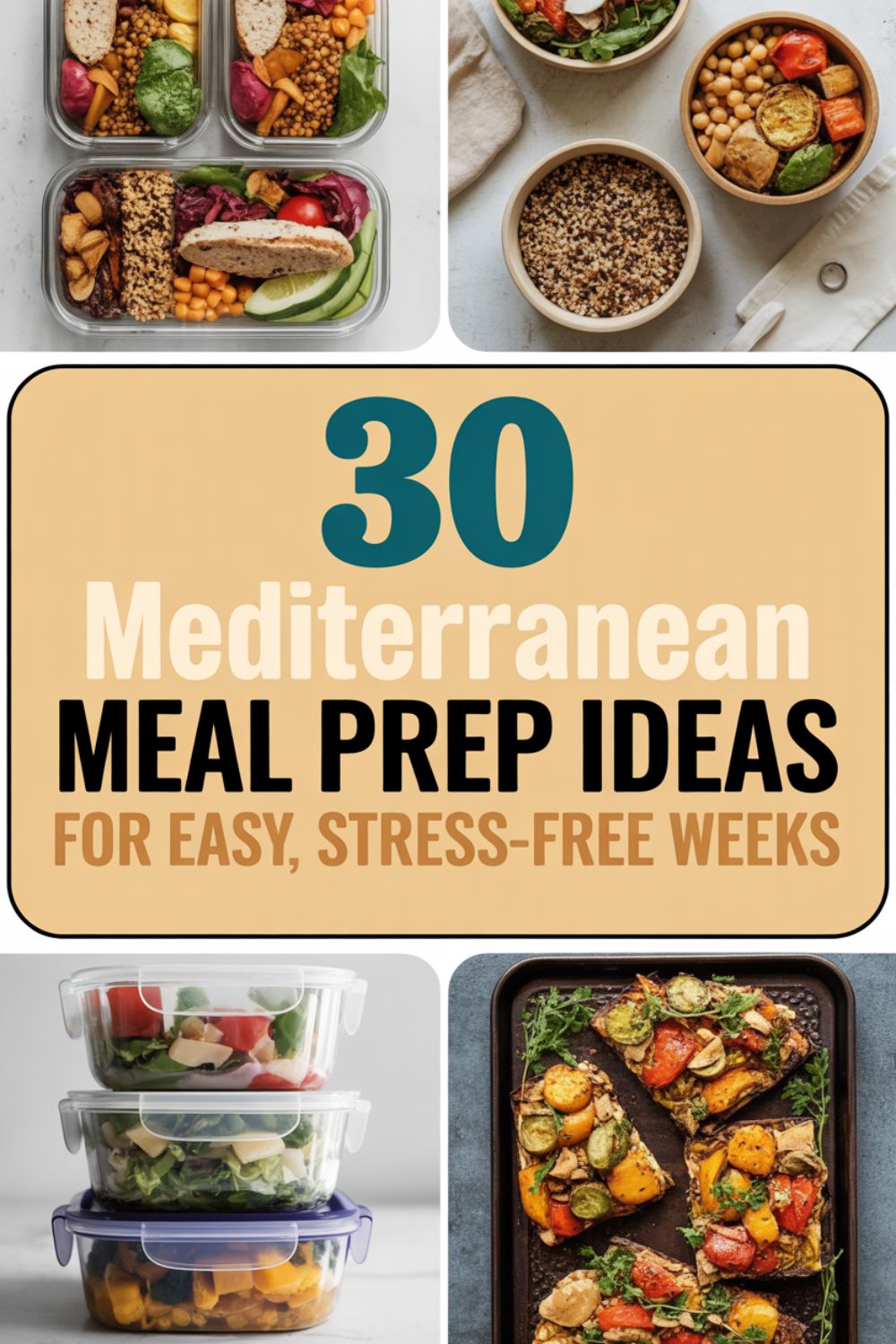
Why Mediterranean Meal Prep Actually Works
Here’s the thing about Mediterranean cooking—it’s forgiving. Miss a pinch of oregano? Nobody’s going to notice. Use white beans instead of chickpeas? Still delicious. This flexibility makes it perfect for meal prep because you’re not trying to recreate some Instagram-perfect dish five days in a row.
The diet focuses on whole grains, legumes, vegetables, olive oil, and fish, with moderate amounts of dairy and poultry. Studies indicate these foods work together to reduce inflammation, improve blood sugar control, and protect against chronic diseases. But honestly? The real reason it works is because the food doesn’t taste like cardboard.
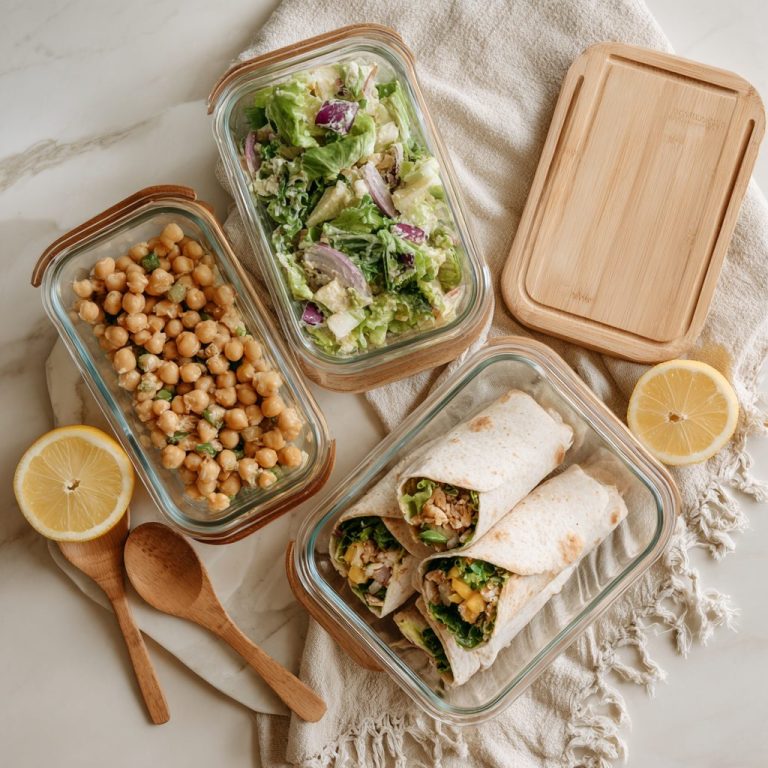
I keep glass meal prep containers on hand because they don’t stain from tomato sauce and reheat evenly. Trust me on this—plastic containers will turn orange after one shakshuka session and never look the same again.
Pro Tip: Prep your grains and proteins Sunday night, then assemble meals each morning. Takes 10 minutes and your food stays fresher all week.
Breakfast Meal Prep Ideas That Don’t Suck
Mornings are rough enough without having to think. These breakfast preps keep you fed without requiring actual brain function before coffee.
Overnight Oats Mediterranean Style
I was skeptical about overnight oats until I stopped making them taste like wet cardboard. The Mediterranean twist uses Greek yogurt, honey, and nuts instead of that weird chia seed slime everyone seems to love. Make five jars on Sunday and grab one each morning. For a protein-packed version, check out these high-protein overnight oats that’ll keep you full until lunch.
Layer oats with Greek yogurt, drizzle honey, top with walnuts and dried figs. That’s it. If you want to get fancy, add cinnamon. My Get Full Recipe includes exact proportions because I’m bad at eyeballing measurements.
Greek Yogurt Bowls
These are basically permission to eat dessert for breakfast. Use full-fat Greek yogurt—yes, the real stuff—and top with fresh berries, a drizzle of honey, and some crunchy granola. I prep the yogurt portions in small containers and keep the toppings separate so nothing gets soggy. Get Full Recipe for my go-to combination that never gets boring.
Looking for more morning options? Try this Mediterranean smoothie bowl or explore these 30 Mediterranean breakfast recipes for busy mornings when you need variety.
Savory Egg Situations
Not everyone wants sweet stuff in the morning. I get it. Baked egg muffins with spinach, feta, and sun-dried tomatoes reheat surprisingly well and pack serious protein. Make a dozen, store in the fridge, microwave for 45 seconds. Done.
The Get Full Recipe for my savory scramble is clutch when you’re tired of the same texture. Sometimes you just need actual scrambled eggs, you know?
Quick Win: Batch cook eggs once, eat breakfast five times. This is the meal prep equation that saves your mornings.
Lunch Prep That Won’t Make Your Coworkers Jealous (Just Kidding, They Will Be)
Lunch is where meal prep either shines or completely falls apart. These recipes reheat well, travel without turning into mush, and most importantly, make everyone else’s sad desk salad look pathetic.
Mediterranean Grain Bowls
Build these with whatever grains you have lying around—quinoa, farro, bulgur, even plain brown rice works. Add roasted vegetables, chickpeas, cucumbers, tomatoes, olives, and a massive scoop of hummus. The key is keeping the dressing separate until you’re ready to eat. Nobody likes soggy grain bowls.
My Get Full Recipe uses a lemon-tahini dressing that’s genuinely addictive. I’ve been known to drink it straight from the jar, but I won’t judge you if you do the same. If you’re looking to mix things up, these Mediterranean lunchbox recipes offer solid variety for the whole week.
Stuffed Peppers That Don’t Fall Apart
Regular stuffed peppers are a structural nightmare. These use halved peppers lying flat, filled with quinoa, veggies, and whatever protein you prefer. They stack beautifully in containers and reheat without creating a mess. I use silicone baking mats instead of parchment paper—one less thing to buy repeatedly and they don’t slip around your sheet pan.
Try my Get Full Recipe that actually stays together. You’ll thank me when you’re not chasing quinoa around your desk.
Lentil Soups For Days
Lentil soup is criminally underrated for meal prep. Makes a huge batch, freezes perfectly, tastes better the next day. I’m talking about proper Mediterranean lentil soup with tomatoes, spinach, and enough garlic to ward off vampires and annoying coworkers.
The Get Full Recipe yields about 8 servings. Portion into containers, freeze half, refrigerate what you’ll eat this week. For more soup inspiration that won’t bore you to tears, check out these Mediterranean soups under 300 calories.
Speaking of soups, my lentil spinach soup variation adds extra greens without making it taste like lawn clippings. And if you’re into heartier options, this lentil sweet potato stew is basically a hug in a bowl.
Dinner Prep Ideas For When You’re Over It
By dinner time, the last thing you want is complicated cooking. These dinners require minimal evening effort because you already did the hard work on Sunday.
Sheet Pan Chicken and Vegetables
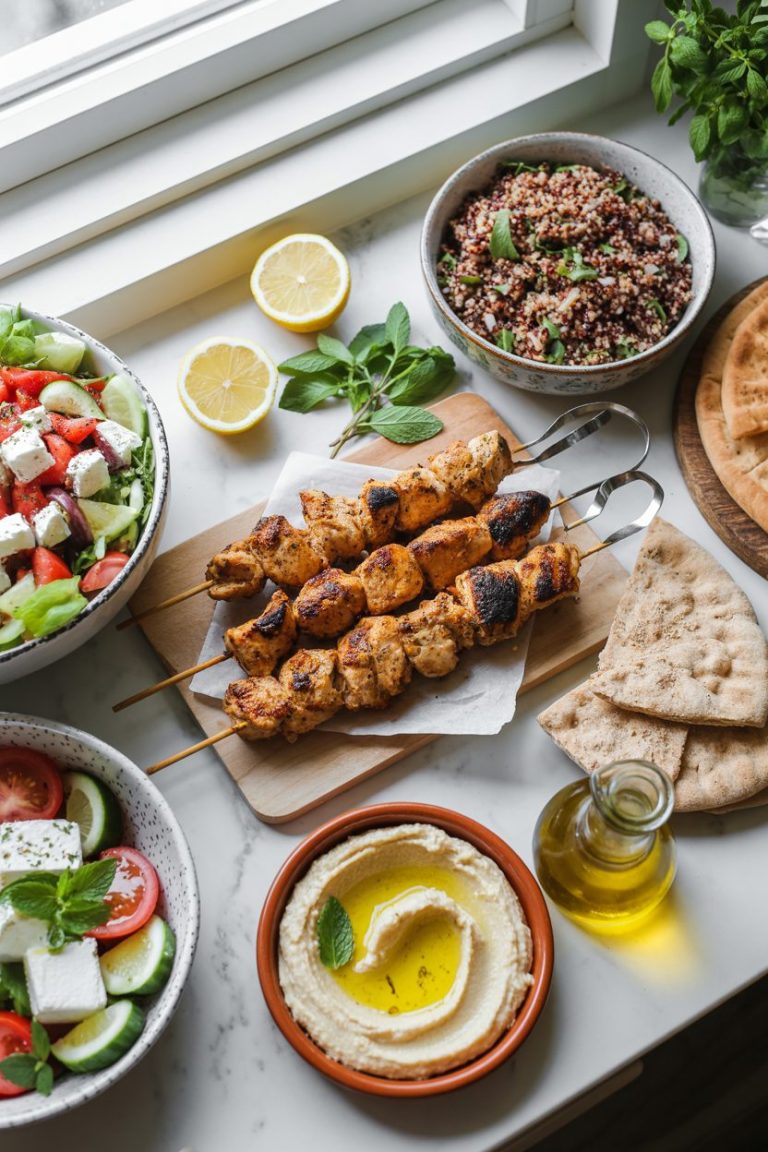
Dump chicken, vegetables, olive oil, lemon, and herbs on a pan. Roast. That’s the entire recipe. I portion everything into containers while it’s still hot—the flavors meld better that way. My favorite combo is chicken thighs with cherry tomatoes, red onions, and fingerling potatoes.
The Get Full Recipe has specific temps and times because undercooking chicken is not the vibe. If you need more poultry inspiration, these high-protein chicken recipes are perfect for weekly rotation.
Mediterranean Salmon Situations
Salmon reheats better than people think. The trick is not overcooking it initially. Bake it with lemon, dill, and garlic, then pair with quinoa and green beans. Store the fish separately from the sides if you’re fancy, together if you’re lazy like me.
Try my Get Full Recipe that never comes out dry. I swear by cooking it at a lower temp for longer—game changer. Another solid option is this grilled salmon with tomato caper relish when you want something bright and punchy.
Pro Tip: Invest in a digital meat thermometer. Your salmon will thank you, and you’ll stop second-guessing if it’s done.
One-Pot Pasta That Actually Tastes Good
One-pot Mediterranean pasta is not some Instagram lie. It actually works. Throw whole wheat pasta, cherry tomatoes, spinach, garlic, and olive oil in a pot. Add vegetable broth. Cook. The starch from the pasta creates this creamy sauce without any cream. It’s witchcraft, basically.
My Get Full Recipe includes the liquid ratios because that’s where most people mess up. And if you’re looking for lower-carb alternatives, check out these Mediterranean pasta alternatives that don’t involve sad zoodles.
The Vegetables and Sides That Make Everything Better
Nobody talks about sides enough. They’re the supporting actors that make your meal prep actually work. Here’s what I batch cook every week without fail.
Roasted Vegetables By The Tray
Roast everything. Bell peppers, zucchini, eggplant, red onions, whatever’s on sale. Toss with olive oil, salt, pepper, maybe some za’atar if you’re feeling adventurous. High heat, 25 minutes, done. These add bulk to any meal without adding significant calories.
I use rimmed sheet pans that can handle high heat without warping. Cheap pans buckle and your vegetables roll into sad little piles. Don’t be a hero—get decent pans. The Get Full Recipe for my standard veggie rotation has become my weekly default.
Hummus From Scratch (Or Not)
Look, I’m not going to pretend I make hummus from scratch every week. Sometimes you just buy the big tub from Costco. But when I do make it, I make a huge batch because hummus and veggie sticks is the snack that keeps you from eating an entire bag of chips at 3 PM.
If you want the homemade version, blend chickpeas, tahini, lemon juice, garlic, and olive oil until smooth. Store in the fridge for up to a week. Use it on everything—sandwiches, bowls, vegetables, or just eat it with a spoon. I won’t tell anyone.
Quinoa and Other Grains
Cook a massive batch of quinoa, farro, or bulgur on Sunday. Store in the fridge. Add to literally everything throughout the week. This is the base layer of most Mediterranean meals, and having it ready makes assembly ridiculously fast.
I portion grains into 1-cup servings using small glass containers so I’m not guessing portions at midnight. For more grain-based ideas, this quinoa tabbouleh is fresh and bright when you need something different.
Snacks That Won’t Wreck Your Progress
Snacks are where most meal prep plans crumble. You prep beautiful meals then destroy it all with vending machine trash at 4 PM. These Mediterranean snacks actually fill you up.
Greek Yogurt Parfaits
Layer Greek yogurt with berries and granola in small jars. Keep them in the fridge. Grab one when you need something sweet. It’s basically dessert that won’t make you crash an hour later. The Get Full Recipe uses honey instead of sugar because it tastes better and doesn’t make your teeth hurt.
Veggie Sticks With Everything
Cut up cucumbers, carrots, bell peppers, and celery. Store in water to keep them crisp. Pair with hummus, tzatziki, or baba ganoush. This is the snack that saves you from eating your kid’s goldfish crackers. For more options that won’t bore you, check out these Mediterranean snacks that aren’t just hummus.
I use airtight containers with divided sections to keep different veggies separate. Nothing worse than bell pepper-flavored carrots, IMO.
Olive and Cheese Combos
Portion out olives, cherry tomatoes, and small cubes of feta into snack containers. Add some whole grain crackers if you need more substance. It’s basically a deconstructed Greek salad you can eat with your hands. My favorite is the cucumber tomato feta salad chopped small enough to eat as finger food.
The Actual Meal Prep Process That Doesn’t Take All Day
Here’s my Sunday routine that takes about 2 hours, not the 6-hour marathon some people claim is necessary.
Hour One: Proteins and Grains
- Roast chicken thighs or bake salmon while you’re doing other stuff
- Cook a big pot of quinoa or farro on the stovetop
- Boil eggs if you eat them
- Everything cooks simultaneously—use your oven and all four burners
Hour Two: Vegetables and Assembly
- Chop and roast vegetables on high heat
- Wash and prep raw vegetables for snacks
- Assemble breakfast containers
- Start portioning lunch and dinner into containers
Don’t try to prep 21 unique meals. Make 3-4 base recipes and rotate sides. You’ll eat Mediterranean chickpea wraps on Monday, grain bowls Tuesday, and by Wednesday you’re back to wraps but with different vegetables. It’s variety without the insanity.
Quick Win: Clean as you go. Seriously. Future you will appreciate not facing a disaster kitchen at 8 PM Sunday night.
Storage Tips That Actually Matter
Good containers are the difference between meal prep that works and sad, leaky disasters. I learned this the hard way after ruining a work bag with olive oil.
Glass containers with snap-lock lids are non-negotiable for anything with liquid. They don’t stain, don’t hold smells, and reheat evenly. Keep three sizes—small for snacks, medium for lunches, large for dinners.
Salads and grain bowls need separate dressing containers. Those tiny 2-ounce sauce containers with screw-top lids are perfect. No more soggy lettuce situations.
Label everything with masking tape and a Sharpie. I don’t care how good your memory is—by Thursday you won’t remember which container has the chicken and which has the salmon. Date them too. Food safety isn’t sexy but neither is food poisoning.
Budget-Friendly Mediterranean Meal Prep
Mediterranean diet has this reputation for being expensive. It doesn’t have to be if you’re smart about it. Here’s what I’ve learned after two years of making this work on a normal budget.
Buy grains and legumes in bulk. Lentils, chickpeas, and brown rice are stupidly cheap when you’re not buying those fancy pre-packaged portions. I stock up when they’re on sale and store them in large airtight containers with labels so I don’t accidentally cook rice thinking it’s quinoa.
Frozen vegetables are your friend. Yeah, fresh is great when it’s in season, but frozen spinach, peppers, and mixed vegetables work perfectly in most recipes and don’t go bad in three days. Research shows frozen vegetables retain their nutritional value just as well as fresh ones anyway.
Skip the fancy olive oil for cooking. Save the expensive extra virgin stuff for drizzling on finished dishes where you’ll actually taste it. Regular olive oil works fine for roasting vegetables. For budget-conscious meal ideas, these budget-friendly Mediterranean meals prove you don’t need to spend a fortune to eat well.
Adapting Recipes For Dietary Restrictions
Mediterranean food is surprisingly flexible for different dietary needs. You don’t have to abandon the whole plan because you can’t eat gluten or dairy.
Making It Dairy-Free
Swap Greek yogurt for coconut yogurt in breakfast recipes. Use nutritional yeast instead of feta for that savory, tangy flavor. Honestly, you won’t miss the dairy as much as you think. The olive oil and tahini-based dressings carry most of the flavor anyway.
Going Gluten-Free
Replace bulgur and regular pasta with quinoa, rice, or gluten-free alternatives. Many Mediterranean staples are naturally gluten-free—hummus, grilled vegetables, roasted chickpeas, most proteins. You’re not as limited as you’d think.
Keeping It Vegetarian
This is probably the easiest adaptation. Mediterranean cuisine already centers on plants. Just increase your portions of legumes, nuts, and seeds to hit your protein goals. The high-protein vegetarian recipes collection has tons of options that don’t involve eating chickpeas at every single meal.
For completely plant-based options, check out these Mediterranean chickpea skillet and Mediterranean lentil salad recipes that pack serious flavor without any animal products.
Reheating Without Ruining Everything
The best meal prep in the world doesn’t matter if you nuke it into oblivion every day. Here’s how to reheat like an actual adult.
Microwave Basics: Use 50-70% power for longer instead of full blast for 2 minutes. Add a splash of water or broth to anything that looks dry. Cover with a damp paper towel to create steam. Your food will actually taste like food, not rubber.
Oven Reheating: Takes longer but worth it for grain bowls and roasted dishes. 350°F for 15-20 minutes brings back that fresh-cooked texture. I use my toaster oven for single portions because heating the whole oven for one meal prep container feels wasteful.
Stovetop Magic: Best for soups, stews, and anything with sauce. Low heat, add liquid as needed, stir occasionally. Takes 10 minutes but tastes way better than microwaved soup.
Frequently Asked Questions
How long does Mediterranean meal prep last in the fridge?
Most cooked Mediterranean meals last 4-5 days in the fridge when stored properly in airtight containers. Grain bowls, roasted vegetables, and cooked proteins all handle this timeframe well. If you’re prepping for a full week, freeze half your portions and thaw them midweek. Salads with dressing should be eaten within 2-3 days max.
Can I freeze Mediterranean meal prep?
Absolutely. Soups, stews, cooked grains, and most proteins freeze beautifully for up to 3 months. Skip freezing anything with raw vegetables, yogurt-based sauces, or hard-boiled eggs—they don’t thaw well. I freeze in individual portions so I can grab what I need without thawing everything.
Do I need expensive ingredients for Mediterranean meal prep?
Not at all. The core ingredients—lentils, chickpeas, rice, seasonal vegetables, and olive oil—are budget-friendly staples. You don’t need premium imported olives or artisanal feta to make this work. Focus on the basics and splurge only on good olive oil for finishing dishes.
How do I keep my meal prep from getting boring?
Rotate your proteins and change up your spice blends. Cook the same base ingredients but season them differently each week—lemon and oregano one week, cumin and paprika the next. Also, prep components instead of complete meals, then mix and match throughout the week for variety.
What’s the best way to reheat Mediterranean grain bowls?
Microwave at 50-70% power with a splash of water or broth and cover with a damp paper towel. This creates steam and prevents the grains from drying out. For better results, reheat in a covered skillet over medium-low heat for about 5 minutes, stirring occasionally.
Final Thoughts on Mediterranean Meal Prep
Look, meal prep doesn’t have to be this Pinterest-perfect production. Mediterranean meal prep works because it’s actually sustainable. You’re eating real food that tastes good, not punishment meals that make you resent your past self for thinking kale smoothies were a good idea.
Start small. Pick three recipes from this list and prep them this Sunday. Don’t try to prep 30 different meals in one afternoon—that’s how you burn out and order pizza by Tuesday. Build the habit first, add complexity later.
The Mediterranean approach to eating isn’t about restriction or counting macros down to the gram. It’s about eating mostly plants, using quality fats, and enjoying your food. When your meal prep tastes this good, you’ll actually want to stick with it. That’s the whole point.
Now go buy some decent containers and stop microwaving food on full power. Your future self will thank you.