30 Mediterranean Snacks Under 200 Calories You’ll Love!
Let’s talk about Mediterranean snacking. You know that moment when you’re scrolling through your phone at 3 PM, stomach rumbling, and suddenly you’re elbow-deep in a bag of chips wondering where your life went wrong? Yeah, we’ve all been there. But here’s the thing—Mediterranean snacking is different. It’s not about deprivation or eating sad celery sticks while crying into your water bottle.
I’m talking about real food that tastes incredible, keeps you full, and doesn’t make you feel like you need a nap afterward. The Mediterranean approach to eating focuses on whole foods, healthy fats, and fresh ingredients—which, spoiler alert, makes for some seriously good snacks.

Why Mediterranean Snacks Actually Work
Here’s what I love about Mediterranean snacking: it’s not some weird diet trend that’ll be gone next week. This eating style has been around for centuries, and according to research from the American Heart Association, it can significantly reduce your risk of heart disease and help with weight management.
The secret sauce? It’s all about balance. You’re getting protein, fiber, and healthy fats that actually keep you satisfied. No more snacking at 10 AM and feeling hungry again by 10:15. Plus, when you’re eating foods that taste this good, you don’t feel like you’re missing out on anything.
The Power Players: Core Mediterranean Snack Ingredients
Before we get into the good stuff, let me break down what makes these snacks so effective. You’ve got your olive oil, which is basically liquid gold. Then there are nuts and seeds packed with healthy fats and protein. Greek yogurt brings the protein party. Fresh vegetables and fruits add fiber and nutrients. And don’t even get me started on chickpeas—those little legumes are snacking MVPs.
The beauty of Mediterranean eating is that these ingredients work together. You’re not just eating for calories; you’re eating for nutrition that actually does something for your body. And honestly? It tastes way better than whatever protein bar you were about to unwrap.
Speaking of Mediterranean ingredients, if you’re looking for more ways to use these staples, you might want to check out these Mediterranean snacks that keep you full or explore some quick Mediterranean breakfast ideas that use the same flavor profiles.
30 Mediterranean Snacks That’ll Change Your Life (Or At Least Your Afternoon)
1. Cucumber Slices with Hummus
This is my go-to when I need something crunchy but don’t want to feel terrible afterward. Slice up a cucumber, grab some hummus, and you’re done. Around 80 calories depending on how much hummus you use—and let’s be real, we all use more than the serving size suggests. I keep a quality vegetable slicer in my kitchen drawer because nobody has time to hand-slice cucumbers when hunger strikes.
2. Greek Yogurt with Honey and Walnuts
This feels like dessert but it’s actually good for you. Take about half a cup of plain Greek yogurt, drizzle a teaspoon of honey, throw on some crushed walnuts. Boom—protein, healthy fats, and just enough sweetness to satisfy that 4 PM sugar craving. Comes in around 150 calories.
3. Olives and Cherry Tomatoes
Seriously underrated snack combo. Get yourself about 10 olives and a handful of cherry tomatoes. The olives bring that salty, savory punch while the tomatoes add freshness. It’s like a mini caprese situation without the cheese. I use small glass containers to portion these out for the week—makes grabbing them stupid easy.
4. Roasted Chickpeas
Game changer alert. If you haven’t made roasted chickpeas yet, you’re missing out. Drain a can, toss with olive oil and whatever spices you’re feeling (I’m partial to paprika and garlic powder), roast until crispy. They’re crunchy, satisfying, and about 120 calories per serving. Way better than chips, IMO.
5. Tzatziki with Veggie Sticks
Tzatziki is basically Greek yogurt’s cooler cousin. Mix it with cucumber, garlic, dill, and you’ve got a dip that makes eating vegetables actually enjoyable. Pair with bell peppers, carrots, celery—whatever you’ve got. The whole thing comes to about 100 calories and tastes way fancier than it has any right to.
6. Stuffed Grape Leaves (Dolmas)
These little packages are perfect when you want something more substantial. Most store-bought dolmas are around 30-40 calories each, so you can have 3-4 and stay under 200. They’re filled with rice, herbs, and sometimes pine nuts. Honestly, they’re like eating tiny flavor bombs.
7. Feta Cheese with Watermelon
I know this sounds weird if you’ve never tried it, but trust me. The salty-sweet combo is ridiculous. A few small cubes of feta (about an ounce) with some watermelon chunks gives you around 120 calories of pure summer vibes, even in winter.
8. Whole Grain Crackers with Tapenade
Olive tapenade is basically concentrated Mediterranean flavor in a jar. Spread it on some whole grain crackers and you’ve got yourself a snack that feels sophisticated. About 5-6 crackers with a tablespoon of tapenade keeps you right around 150 calories.
9. Smoked Salmon on Cucumber Rounds
This is my fancy snack when I want to feel like I have my life together. Cut cucumber into thick rounds, top with a small piece of smoked salmon and maybe a tiny dollop of Greek yogurt. Each piece is maybe 15-20 calories, so you can have a bunch and still be well under 200.
10. Roasted Red Pepper Hummus with Pita Chips
Regular hummus is great, but roasted red pepper hummus? Next level. You can buy it or make your own by blending regular hummus with roasted peppers. Pair with about 10 baked pita chips. The whole situation is around 180 calories and actually fills you up.
Looking for more hummus-based ideas? These Mediterranean snacks that aren’t just hummus might give you some fresh inspiration, or you could try making your own hummus with veggie sticks for a perfectly portioned option.
11. Marinated Artichoke Hearts
These are perfect straight from the jar. About 4-5 artichoke hearts give you around 60 calories of tangy, savory goodness. I keep a jar in the fridge at all times. They’re also great tossed into salads if you want to get fancy.
12. Almonds with Dried Apricots
Classic combo for a reason. About 10-12 almonds with 3-4 dried apricots gives you protein, healthy fats, and natural sweetness. Comes to around 150 calories. Just watch the portion sizes on the dried fruit—it’s easy to eat way more than you meant to.
13. Caprese Skewers
Thread cherry tomatoes, small mozzarella balls, and basil leaves on bamboo skewers, drizzle with balsamic glaze. Each skewer is maybe 40-50 calories, so you can have 3-4 and feel like you’re at an Italian party. Pro tip: make these ahead and keep them in the fridge.
14. Baba Ganoush with Bell Pepper Strips
If you’re tired of hummus (is that even possible?), baba ganoush is your new friend. It’s made from roasted eggplant and has this smoky flavor that’s addictive. A couple tablespoons with some bell pepper strips is around 100 calories and tastes like you put in way more effort than you did.
15. Turkish Delight (Small Portion)
Okay, this one’s more of a treat than a health food, but hear me out. One or two small pieces of Turkish delight come in around 50-60 calories and satisfy your sweet tooth without derailing everything. Just don’t eat the whole box—ask me how I know.
16. Grilled Zucchini with Lemon
Slice zucchini lengthwise, brush with a tiny bit of olive oil, grill or pan-fry until you get those nice char marks, squeeze fresh lemon over it. The whole thing is maybe 70 calories and tastes way better than it should. I use my countertop grill pan for this—makes perfect grill marks without heating up the whole kitchen.
17. White Bean Dip with Endive Leaves
White beans blended with garlic, lemon, and olive oil make a creamy dip that’s lighter than hummus. Scoop it up with endive leaves instead of chips. Each leaf with dip is around 20 calories, so you can munch away guilt-free.
18. Dates Stuffed with Goat Cheese
This sounds fancy but takes about 30 seconds to make. Slice dates open, remove the pit, stuff with a small amount of goat cheese. Each one is around 40 calories and tastes like dessert. If you want to get really extra, wrap them in a tiny piece of prosciutto before eating.
19. Labneh with Za’atar and Olive Oil
Labneh is basically Greek yogurt’s thicker, creamier cousin. Spread some on a plate, drizzle with olive oil, sprinkle with za’atar (a Middle Eastern spice blend), eat with veggie sticks or pita. A small serving is around 120 calories and tastes ridiculously good.
20. Edamame with Sea Salt
I know edamame is more Japanese than Mediterranean, but it fits the vibe. A cup of edamame pods is only about 120 calories and gives you a solid protein boost. Plus, the whole pod-popping thing makes eating them oddly satisfying. I keep a bag of frozen edamame in the freezer at all times—just microwave and salt.
21. Mini Mozzarella Balls with Basil
About 4-5 mini mozzarella balls (the ones packed in water) with fresh basil leaves comes to around 100 calories. Drizzle with a tiny bit of good olive oil and balsamic if you’re feeling it. Simple, fresh, and actually filling.
22. Radishes with Herbed Butter
This is a French-Mediterranean crossover that I’m obsessed with. Crisp radishes dipped in butter mixed with fresh herbs and sea salt. Sounds weird, tastes amazing. A serving of radishes with about a teaspoon of herbed butter is under 100 calories.
23. Roasted Eggplant Rounds
Slice eggplant into rounds, brush lightly with olive oil, roast until golden. Top with a tiny bit of feta or just eat them plain. Each round is maybe 25-30 calories, so you can have a bunch. They’re meaty and satisfying without being heavy.
24. Figs with Ricotta
Fresh figs are in season for like five minutes a year, but when they are, this is the move. Split a fig, add a dollop of ricotta, maybe drizzle with honey. Two figs prepared this way are around 120 calories and taste like you’re eating at a fancy restaurant.
25. Pickled Vegetables
Pickled carrots, cauliflower, peppers—basically pickled anything. They’re tangy, crunchy, and ridiculously low calorie (a whole cup is usually under 50 calories). Plus they last forever in the fridge. I use wide-mouth mason jars to make my own pickled veggies—it’s cheaper and you can control the salt.
26. Halloumi Cheese (Small Portion)
Halloumi is this squeaky cheese that you can actually grill or pan-fry. A small portion (about an ounce) grilled until golden is around 100 calories and has this salty, satisfying quality that’s hard to beat. Just don’t overdo it—halloumi is not a low-calorie food, but a little goes a long way.
27. Sunflower Seeds in the Shell
There’s something therapeutic about cracking sunflower seeds. A quarter cup of seeds in the shell gives you about 80 calories and keeps your hands busy. Plus, the shelling process naturally slows down your eating, which is half the battle.
28. Lemon Herb White Beans
Drain and rinse a can of white beans, toss with lemon juice, olive oil, and fresh herbs. A half cup serving is around 110 calories and packs in fiber and protein. I make a big batch and eat it throughout the week. Sometimes I throw it on salads, sometimes I just eat it straight from the container.
29. Avocado on Rice Cakes
Not traditional Mediterranean, but it fits the healthy-fat vibe. Mash a quarter of an avocado on a rice cake, sprinkle with sea salt and red pepper flakes. About 120 calories and way more satisfying than it looks. The rice cake gives you that crunch factor without the deep-fried guilt.
30. Pomegranate Seeds with Mint
Getting pomegranate seeds out is kind of annoying, but they’re worth it. A half cup of seeds with some torn mint leaves is around 70 calories and tastes like you’re eating jewelry. Seriously, they’re beautiful and delicious. Pro tip: you can buy the seeds already extracted if you value your sanity.
For more creative ways to incorporate Mediterranean flavors into your daily routine, check out these Mediterranean breakfast recipes or explore some lunchbox-friendly Mediterranean options.
Making It Work: Real Talk About Mediterranean Snacking
Here’s the thing about all these snacks—they only work if you actually eat them. I know that sounds obvious, but how many times have you bought ingredients with good intentions, only to watch them slowly die in your crudite drawer? (Just me? Okay.)
The key is making this stuff accessible. I’m talking about prep work that doesn’t feel like a second job. Wash and chop your vegetables on Sunday. Portion out your nuts into small containers. Keep hummus made or buy good quality stuff from the store. Have olives and feta in the fridge at all times.
And let’s address the elephant in the room: yes, some of this stuff costs more than a bag of chips. But you know what else costs money? Feeling like garbage all the time and buying new pants because your old ones don’t fit. When you frame it that way, spending an extra couple bucks on good feta seems pretty reasonable.
The Calorie Math That Actually Matters
I’ve given you calorie estimates for everything, but here’s the real secret: these snacks are so nutrient-dense that you’ll naturally eat less of them. When you’re getting protein, healthy fats, and fiber, your body actually registers that it’s been fed. Compare that to eating 200 calories of pretzels and still feeling hungry 20 minutes later.
Research from Harvard’s School of Public Health shows that the Mediterranean diet’s combination of nutrients helps with satiety and long-term weight management. It’s not magic—it’s just better food.
That said, portions still matter. Yes, almonds are healthy. No, eating an entire bag in one sitting isn’t going to help your goals. I learned this the hard way, multiple times. Get yourself some small portioning containers and actually measure things out until you get a feel for what a real serving looks like.
When Mediterranean Snacking Saves Your Day
Let me paint you a picture. It’s 3:47 PM. You’ve had back-to-back meetings since lunch. Your brain is foggy, your stomach is growling, and dinner feels approximately 47 years away. This is exactly when having good snacks matters.
Grab some of those cucumber hummus bites you prepped on Sunday. Or the Greek yogurt with honey and walnuts. Maybe those stuffed dates if you need something more substantial. The point is, you have options that won’t make you feel worse. You’re not solving your hunger with vending machine regret or the half-eaten granola bar that’s been in your bag since March.
This is also where the under-200-calorie thing becomes clutch. You can have a satisfying snack without eating a meal’s worth of calories. That means you’re still actually hungry for dinner instead of picking at your food because you crushed 500 calories of “snacks” an hour ago.
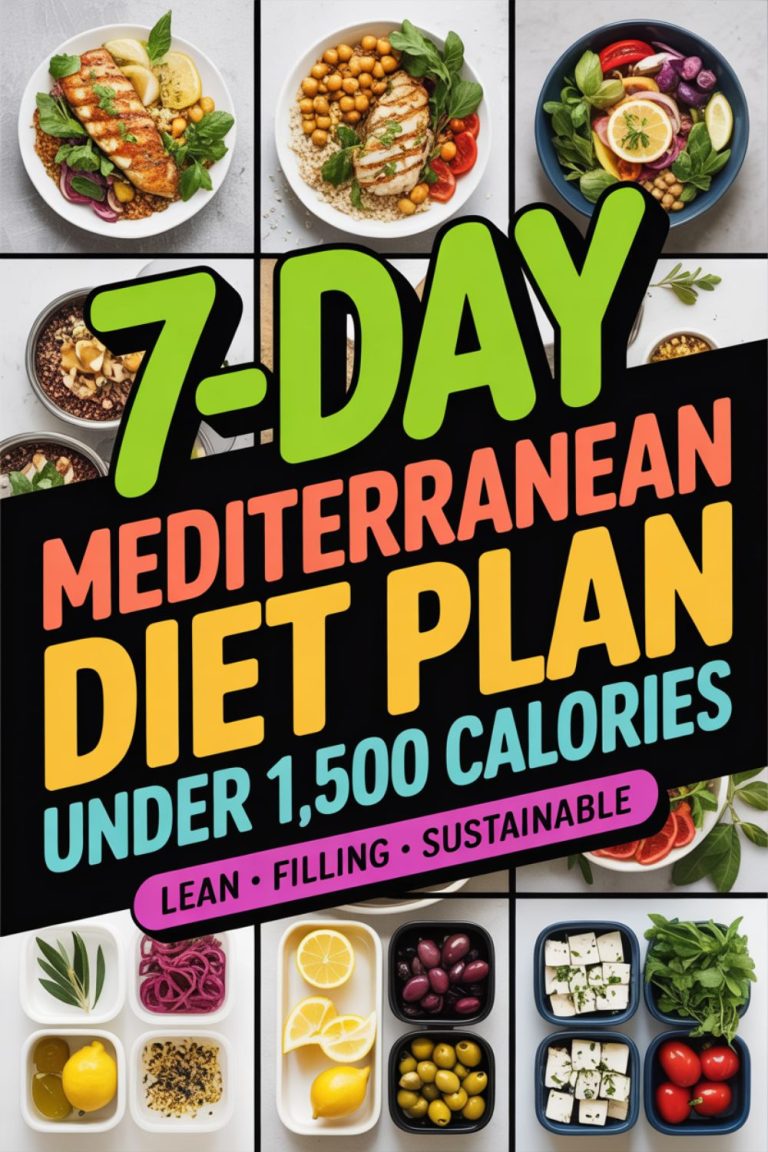
If you’re trying to build a sustainable Mediterranean lifestyle, you might want to explore a 14-day Mediterranean meal plan or check out these quick Mediterranean meal prep ideas to complement your snacking strategy.
The Social Side of Snacking
One underrated aspect of Mediterranean snacks: they’re actually sharable. When your coworker inevitably asks what you’re eating (because these snacks look and smell good), you can offer them some without feeling like you’re giving away your precious food.
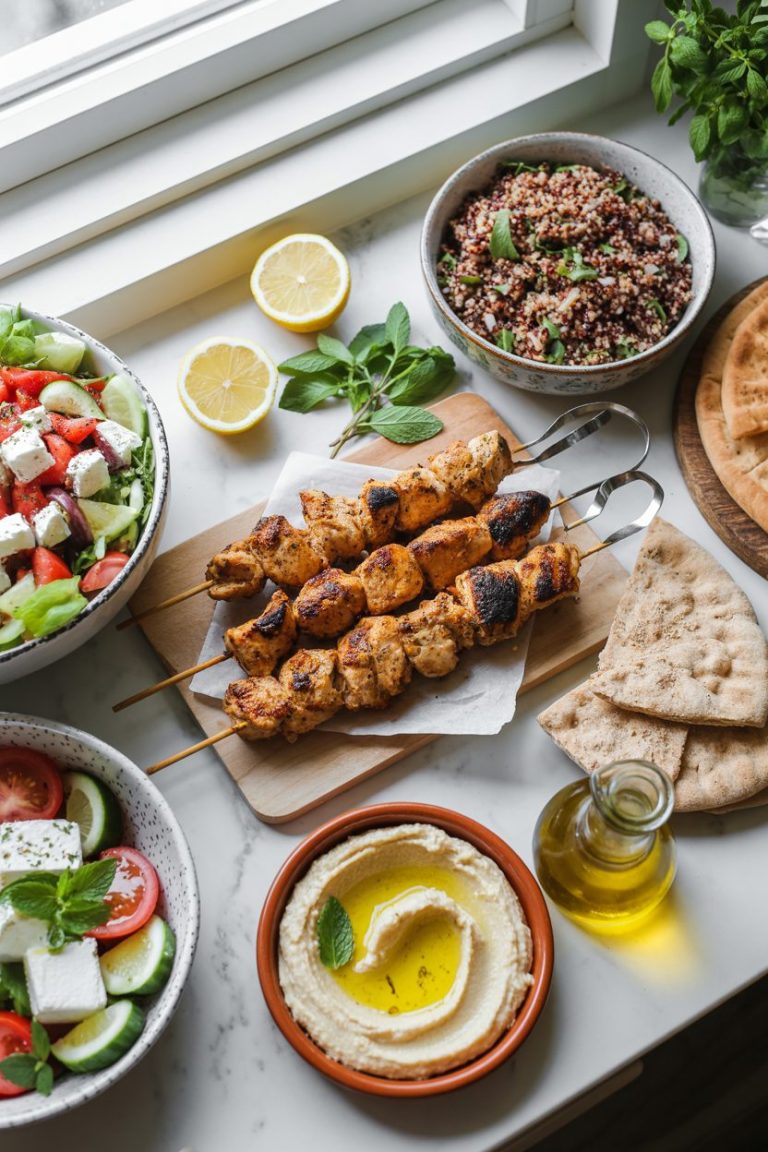
Try bringing a Mediterranean snack platter to your next gathering instead of the usual chips and dip. Arrange some hummus, olives, feta, cucumber slices, cherry tomatoes, and pita bread on a board. People will think you’re fancy, and you’ll actually enjoy eating what you brought.
Plus, getting your friends or family on board makes this whole thing easier. When everyone around you is eating Mediterranean-style snacks, you’re not the weird one pulling out your tupperware of vegetables while everyone else has cookies. You’re just eating what’s there.
Dealing with the Boring Factor
Let’s be honest—eating the same snacks every day gets old fast. This is where having 30 options actually helps. You can rotate through them and not feel like you’re stuck in some kind of cucumber-hummus groundhog day.
Mix it up based on what you’re craving. Want something crunchy? Go for the roasted chickpeas or those radishes with herbed butter. Need something creamy? Greek yogurt or labneh. Want sweet? Figs with ricotta or dates with goat cheese. There’s enough variety here that you shouldn’t get bored unless you have the attention span of a goldfish (also me, FYI).
And here’s a wild idea: combine multiple snacks. Have some olives AND some cucumber slices with hummus. Pair your Greek yogurt with a few almonds on the side. There’s no snack police coming to arrest you for eating two things at once. Sometimes a 150-calorie snack and a 50-calorie snack is exactly what you need.
Equipment That Actually Helps
You don’t need a ton of fancy equipment for Mediterranean snacking, but a few key items make life easier. A good food processor for making hummus and dips. Glass storage containers for keeping things fresh and visible (if you can’t see it, you won’t eat it). A quality chef’s knife because chopping vegetables with a dull knife is how people lose fingers.
I also swear by having a small baking sheet dedicated to roasting vegetables and chickpeas. Line it with a reusable silicone mat and cleanup becomes actually manageable. And if you’re into meal prep, get some compartmented lunch containers so you can pack multiple snacks without them getting all mixed together.
When It Doesn’t Go Perfectly (And That’s Fine)
Some weeks, you’ll nail the prep and have beautiful snacks ready all week long. Other weeks, you’ll eat crackers for dinner and call it Mediterranean because there was olive oil involved. Both scenarios are normal and part of being an actual human person with a life.
The goal isn’t perfection. It’s having enough good options available that most of the time, you make decent choices. If you hit 80% of your snacking with Mediterranean-style foods, you’re doing great. The other 20% can be whatever keeps you sane.
And sometimes the best snack is the one you’ll actually eat, even if it’s not the most perfectly Mediterranean option. A handful of almonds from a vending machine still beats a candy bar. Store-bought hummus with baby carrots beats skipping the snack and being so hungry at dinner that you eat everything in sight.
Building Your Mediterranean Snack Rotation
If you’re new to this whole thing, don’t try to make all 30 snacks at once. That’s a recipe for burnout and a fridge full of ingredients you’ll never use. Instead, pick 3-5 snacks from this list that sound good and start there. Get comfortable making them, figure out your portions, see how they fit into your routine.
Once those become second nature, add a couple more options. Maybe you start with cucumber hummus, Greek yogurt parfaits, and roasted chickpeas. Then you add olives and feta, then maybe some stuffed dates. Before you know it, you’ve got a solid rotation going without feeling overwhelmed.
Pay attention to what actually works for you. I thought I’d love those pickled vegetables, but turns out I’m not a huge pickle person (shocking revelation at age 30-something). But those dates stuffed with goat cheese? I could eat those every day. Your preferences might be completely different, and that’s the whole point.
For a more structured approach to Mediterranean eating, you might want to try a 7-day Mediterranean meal plan for busy people or explore some easy one-pan Mediterranean dinners to round out your eating strategy.
The Money Talk Nobody Wants to Have
Mediterranean ingredients can get pricey, especially if you’re buying fancy imported feta and artisanal olive oil. But here’s the thing: you don’t need the fancy stuff to make this work. Store brand Greek yogurt is fine. Regular olives from a jar work just as well as the ones from the olive bar that cost your firstborn child.
Buy nuts in bulk when they’re on sale and store them in the freezer—they last forever. Get dried herbs instead of fresh if you’re on a budget (they’re concentrated anyway, so you need less). Buy cucumbers and tomatoes when they’re in season. Make your own hummus instead of buying it—a can of chickpeas costs maybe a dollar.
Also, consider what you’re NOT buying. If these snacks replace your daily vending machine trip or coffee shop pastry habit, you’re probably saving money overall. A tub of hummus and some vegetables costs less than a week’s worth of packaged snacks.
Frequently Asked Questions
Can I meal prep these Mediterranean snacks for the whole week?
Absolutely. Most of these snacks hold up well for 3-5 days when stored properly. Prep your vegetables, portion out nuts and olives, make dips like hummus and tzatziki on Sunday, and you’re set. Just keep wet and dry ingredients separate until you’re ready to eat—nobody wants soggy pita chips. Store everything in airtight containers in the fridge, and you’ll have grab-and-go options all week.
Are Mediterranean snacks actually filling enough to hold me over between meals?
Yes, and that’s kind of the whole point. These snacks combine protein, healthy fats, and fiber—the trifecta that actually signals fullness to your brain. A snack like Greek yogurt with walnuts or hummus with vegetables will keep you satisfied way longer than the same calories from pretzels or crackers. The key is choosing snacks with substance, not just empty calories.
What if I don’t like some of the traditional Mediterranean ingredients like olives or feta?
Nobody’s forcing you to eat foods you hate—that’s not sustainable. The Mediterranean diet is a framework, not a rigid rulebook. If you don’t like olives, skip them and focus on the other options. Hate feta? Try other cheeses or skip it entirely. The core principles (healthy fats, whole foods, lean proteins, lots of vegetables) work with whatever specific ingredients you actually enjoy eating.
How do I keep track of calories without obsessing over every single snack?
Start by portioning things out once so you know what a serving actually looks like. After doing this a few times, you’ll develop an eye for it and won’t need to measure constantly. Most of these snacks fall into pretty predictable calorie ranges—hummus with veggies around 100, yogurt parfaits around 150, handful of nuts around 100-120. Once you internalize these ranges, tracking becomes way less tedious.
Can kids eat these snacks, or are they too “adult”?
Kids can absolutely eat these snacks, though you might need to adjust portions and preparation. Cut vegetables into fun shapes, let them dip things (kids love dipping), make it interactive. The cucumber hummus boats, caprese skewers, and stuffed dates work great for kids. You’re basically teaching them to enjoy real food instead of processed junk, which is a win for everyone.
The Bottom Line on Mediterranean Snacking
Look, I could sit here and tell you that switching to Mediterranean snacks will change your life, cure all your problems, and make you a better person. But that would be overselling it. What these snacks will do is give you better options when hunger hits. They’ll help you feel more satisfied between meals. They’ll probably save you from some questionable food decisions.
The Mediterranean approach to eating works because it’s based on real food that actually tastes good. You’re not choking down diet food or counting out exactly 12 almonds like some kind of nut accountant. You’re eating things that people have enjoyed for centuries because they’re delicious and make you feel good.
Start with a few snacks from this list. See what works for your taste buds and your schedule. Adjust portions based on your needs. Don’t stress if you have a week where you barely touch your prepped vegetables. This is a marathon, not a sprint, and the whole point is finding an eating pattern you can actually maintain.
These 30 Mediterranean snacks under 200 calories are tools, not rules. Use them when they help, skip them when they don’t, and remember that the best snack is the one that keeps you from being so hungry you make terrible decisions at 9 PM. That’s really what this is all about—making it easier to take care of yourself without turning food into a constant source of stress.
Now go make some hummus or stuff some dates or whatever sounds good. Your future self will appreciate having actual options when that afternoon hunger hits.