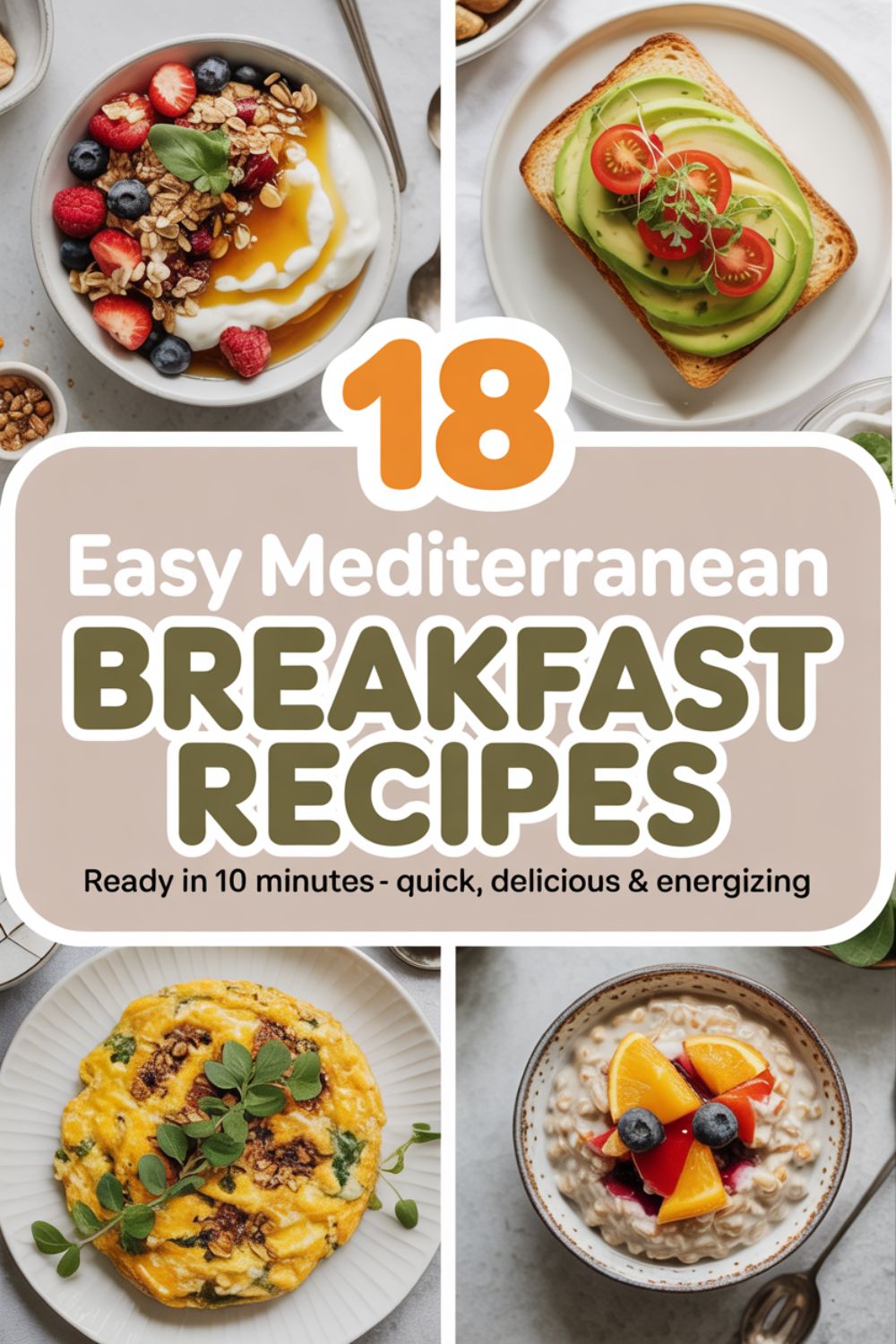
18 Easy Mediterranean Breakfast Recipes Ready in 10 Minutes
Look, I’m gonna be real with you. Morning routines are chaos. You’re half-awake, the coffee hasn’t kicked in, and your stomach is screaming for something better than stale cereal. Enter Mediterranean breakfasts: the kind of food that makes you feel like you’ve got your life together, even when your hair says otherwise.
These aren’t your grandma’s heavy American breakfasts. We’re talking fresh, fast, and actually good for you. The Mediterranean approach to morning food is basically this: whole grains, healthy fats, fresh produce, and protein that keeps you satisfied until lunch. No crash, no regrets, no spending an hour in the kitchen.
What makes these breakfasts work? They’re built on ingredients that deliver heart-healthy benefits through components like whole grains, healthy fats, and fresh produce. I’m talking about the kind of eating pattern that research connects to better heart health and weight management. Plus, regular olive oil consumption has been associated with lower cardiovascular disease risk, which is pretty wild when you think about it—your morning drizzle is doing some heavy lifting.
Why Mediterranean Breakfasts Actually Work
Ever notice how some breakfasts leave you face-down on your desk by 10 AM? Yeah, that’s not happening here. Mediterranean breakfasts combine protein, fiber, and healthy fats in a way that keeps your blood sugar stable. No spikes, no crashes, just steady energy.
The secret sauce? Literally olive oil. But also the whole approach. You’re getting complex carbohydrates from whole grains, protein from eggs or yogurt, and healthy fats that actually help you absorb nutrients. It’s like your body’s dream team all showed up to breakfast.
Greek yogurt provides roughly twice the protein and half the sugar of regular yogurt, which explains why it’s such a staple. And when you pair it with fresh berries and nuts, you’re looking at a breakfast that tastes like dessert but works like fuel.
Looking for more morning fuel? These high-protein breakfast ideas pair perfectly with the Mediterranean approach, and this Mediterranean smoothie bowl is ridiculously good when you’re short on time.
The 18 Recipes That’ll Change Your Mornings
1. Greek Yogurt Bowl with Berries and Honey
This is the breakfast that converted me. Thick Greek yogurt, whatever berries are on sale, a drizzle of honey, and some crunchy nuts. Takes exactly 3 minutes if you’re moving slow. The yogurt gives you protein, berries add fiber and antioxidants, and honey provides just enough sweetness without the sugar crash. Get Full Recipe.
I use this simple glass bowl because it makes the layers look prettier and somehow that makes breakfast feel fancier. Weird but true.
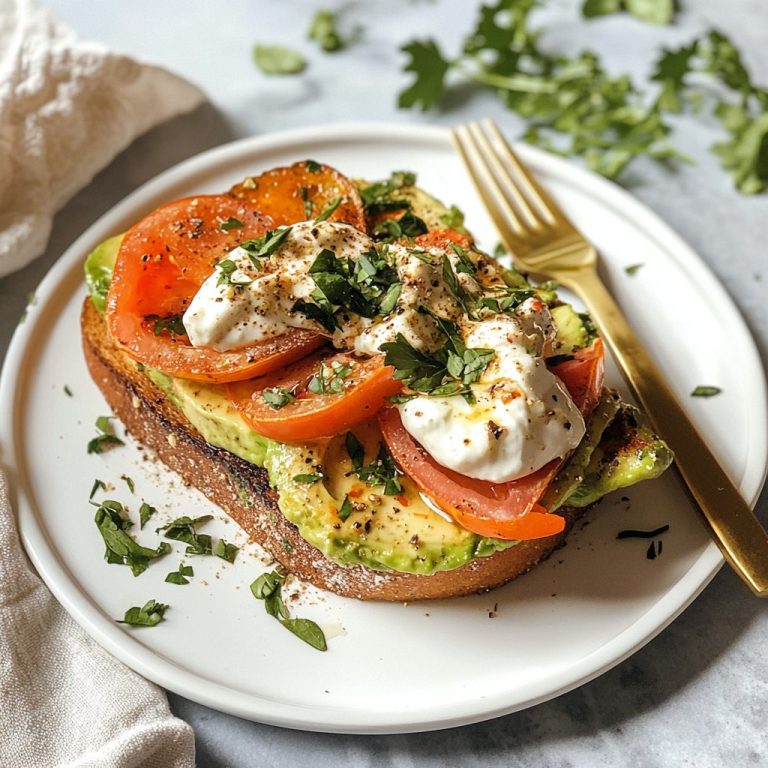
2. Avocado Toast Mediterranean Style
Before you roll your eyes—yes, it’s avocado toast. But the Mediterranean version hits different. Whole grain bread, mashed avocado, a drizzle of olive oil, cherry tomatoes, and maybe some feta if you’re feeling it. The olive oil takes it from basic to actually interesting. Get Full Recipe.
The key? Good bread. I’m talking crusty, whole grain, the kind that has actual texture. Your regular sandwich bread isn’t gonna cut it here.
3. Savory Mediterranean Scramble
Eggs scrambled with tomatoes, spinach, onions, and feta. This is what happens when scrambled eggs go to Greece and come back with an attitude. The veggies add volume without adding a ton of calories, and the feta brings just enough saltiness that you don’t need to add more. Get Full Recipe.
I cook mine in this nonstick skillet that makes cleanup stupidly easy. Because nobody wants to scrub egg off a pan before coffee.
4. Oatmeal with Dried Figs, Walnuts, and Cinnamon
Oatmeal doesn’t have to be boring. Cook your oats, top with chopped dried figs, walnuts, a sprinkle of cinnamon, and a tiny drizzle of honey. The figs add natural sweetness and chewy texture, walnuts bring omega-3s and crunch, and cinnamon makes the whole thing smell amazing. Get Full Recipe.
For the record, quick-cooking steel-cut oats are a game-changer. All the texture, none of the 30-minute wait time.
5. Shakshuka (Eggs in Spicy Tomato Sauce)
Okay, so shakshuka traditionally takes longer than 10 minutes, but hear me out. If you use canned tomatoes and pre-minced garlic, you can pull this off fast. It’s basically eggs poached in a spicy tomato sauce with peppers and onions. Insanely flavorful, surprisingly filling, and impressive enough that people think you actually know how to cook. Get Full Recipe.
6. Whole Grain Toast with Nut Butter and Sliced Fruit
Sometimes simple is exactly what you need. Whole grain toast, almond or peanut butter, sliced banana or apple, and a sprinkle of cinnamon. That’s it. The nut butter gives you protein and healthy fats, the fruit adds fiber and natural sweetness, and the whole grains keep you full. Get Full Recipe.
Pro move: try different nut butters. Almond butter has a slightly sweeter taste than peanut butter and works really well with apple slices. Cashew butter is creamier and pairs great with berries.
If you’re into quick breakfast combos, check out these 10-minute high-protein breakfasts and this Greek yogurt parfait that’s basically dessert in disguise.
7. Mediterranean Smoothie Bowl
Blend frozen berries, Greek yogurt, a splash of almond milk, and a handful of spinach (you won’t taste it, promise). Pour into a bowl, top with granola, fresh fruit, and chia seeds. It’s like a smoothie but you get to eat it with a spoon, which somehow makes it more satisfying. Get Full Recipe.
I use this high-speed blender that actually crushes frozen fruit without sounding like a dying helicopter.
8. Cucumber Hummus Sandwich
Whole grain bread, a thick layer of hummus, cucumber slices, tomatoes, and maybe some sprouts if you’re feeling fancy. It sounds too simple to be good, but trust me. The hummus brings protein and creaminess, cucumbers add crunch, and it’s ridiculously refreshing. Get Full Recipe.
9. Chia Pudding with Almond Milk and Fresh Fruit
Mix chia seeds with almond milk the night before, let it sit in the fridge, and wake up to pudding. Top with whatever fruit you have, maybe some nuts, and you’re done. Chia seeds expand and create this weird but awesome gel texture that’s packed with omega-3s and fiber. Get Full Recipe.
The ratio is usually 1/4 cup chia seeds to 1 cup liquid. Less math, more pudding.
10. Spinach and Feta Egg Muffins
Bake these on Sunday, eat them all week. Whisked eggs with spinach, feta, and whatever veggies you want, baked in a muffin tin. They’re portable, reheatable, and way better than a drive-through breakfast sandwich. Get Full Recipe.
I bake mine in this silicone muffin pan that makes cleanup a joke. Zero sticking, zero scrubbing.
11. Tomato and Olive Tapenade on Toasted Whole Grain Bread
Buy or make a quick olive tapenade, spread it on toasted bread, top with fresh tomato slices. The tapenade is salty and intense, tomatoes add freshness, and the whole grain bread keeps it from being too rich. IMO, this is one of the most underrated breakfast combinations out there. Get Full Recipe.
12. Berry and Almond Overnight Oats
Mix oats, almond milk, chia seeds, and a handful of berries in a jar. Leave it in the fridge overnight. Wake up, grab the jar, eat. That’s literally it. The oats absorb the liquid and soften while you sleep, and the berries release their juice to naturally sweeten everything. Get Full Recipe.
For more overnight oats inspiration, these weight-loss overnight oats recipes are ridiculously good, and this strawberry cheesecake version tastes like you’re cheating but you’re not.
13. Mediterranean Flatbread with Hummus and Veggies
Whole grain flatbread or pita, spread with hummus, topped with cucumbers, tomatoes, olives, and a drizzle of olive oil. Roll it up or fold it, and you’ve got a handheld breakfast that doesn’t feel like you’re eating cardboard. Get Full Recipe.
14. Low-Fat Greek Yogurt Parfait
Layer Greek yogurt with granola, fresh berries, and a tiny bit of honey. The layers make it feel fancy, and it takes maybe 4 minutes to assemble. The combination of creamy, crunchy, and sweet hits all the right notes without making you feel like you ate a brick. Get Full Recipe.
Quick heads-up: store-bought granola is usually loaded with sugar. I make a big batch of homemade granola using this baking sheet once a month and it’s so much better.
15. Whole Grain Banana Pancakes
Mash a banana, mix it with an egg and some whole grain flour, cook like regular pancakes. These are naturally sweet from the banana, super fast, and way healthier than the boxed mix. Top with more banana slices, a drizzle of honey, or some nut butter. Get Full Recipe.
16. Savory Cottage Cheese Toast
Cottage cheese on whole grain toast with cherry tomatoes, cucumber, and everything bagel seasoning. Sounds weird, tastes amazing. Cottage cheese is having a moment right now, and honestly? It deserves it. High protein, low calorie, and super versatile. Get Full Recipe.
17. Quinoa Breakfast Bowl with Apples and Walnuts
Use leftover quinoa from dinner, heat it up with some almond milk, top with diced apples, walnuts, and cinnamon. Quinoa for breakfast might sound strange, but it’s packed with protein and has this nutty flavor that works surprisingly well with sweet toppings. Get Full Recipe.
18. Whipped Feta Dip with Whole Grain Crackers and Veggies
Blend feta with a little Greek yogurt and olive oil until smooth, serve with whole grain crackers and cut veggies. It’s creamy, tangy, and feels indulgent even though it’s actually pretty light. FYI, this also works as a killer party appetizer. Get Full Recipe.
I whip mine in this mini food processor that makes cleanup way easier than dragging out the full-size blender.
Making Mediterranean Breakfasts Work in Real Life
Here’s the truth: meal prep is your best friend. I’m not talking about spending your entire Sunday in the kitchen. Just 20 minutes of chopping veggies, portioning oats, or hard-boiling eggs makes the rest of the week infinitely easier.
Keep your pantry stocked with the basics: whole grain bread, oats, nuts, olive oil, canned tomatoes, and whatever nut butter you prefer. Your fridge should have Greek yogurt, eggs, fresh fruit, and whatever vegetables you actually like (no point buying kale if you hate kale).
The beauty of these recipes? They’re ridiculously flexible. Out of berries? Use whatever fruit you have. Don’t have feta? Try goat cheese or skip it entirely. The Mediterranean approach is more about the overall pattern than following recipes exactly.
For complete breakfast strategies, check out this 7-day breakfast meal prep guide and these 30 Mediterranean breakfast ideas that’ll keep things interesting all month.
The Science Behind Why This Works
Let’s talk about why Mediterranean breakfasts actually keep you full. It’s all about combining macronutrients in a way that stabilizes blood sugar. Protein from eggs or yogurt slows digestion. Fiber from whole grains and fruit keeps you satisfied. Healthy fats from olive oil and nuts provide lasting energy.
Compare that to a typical American breakfast of sugary cereal or a pastry. You get a quick sugar spike, then a crash, then you’re hungry again in an hour. Not exactly a winning strategy.
According to research published in The American Journal of Medicine, the Mediterranean diet is one of the most evidence-based approaches for preventing cardiovascular disease and other chronic conditions. Starting your day this way sets the tone for better choices all day long.
The Mayo Clinic highlights how this eating pattern emphasizes plant-based foods and healthy fats, which aligns perfectly with what we’re doing at breakfast.
Common Mistakes to Avoid
Don’t overthink it. The biggest mistake I see people make is trying to create Pinterest-perfect breakfasts every single morning. That’s not sustainable. Some days your breakfast is a beautiful Greek yogurt bowl with perfectly arranged fruit. Other days it’s oatmeal you ate straight from the pot while standing at the counter. Both count.
Watch your portions with nuts and olive oil. Yes, they’re healthy fats, but they’re still calorie-dense. A drizzle of olive oil is about a tablespoon, not half the bottle. A handful of nuts is maybe 1/4 cup, not the entire bag.
Don’t skip protein. I cannot stress this enough. Protein is what keeps you full until lunch. If your breakfast is just fruit and toast, you’ll be starving by 10 AM. Add the eggs, the yogurt, the nut butter, whatever works for you.
Frequently Asked Questions
Can I meal prep Mediterranean breakfasts for the whole week?
Absolutely. Overnight oats, egg muffins, chia pudding, and even some grain bowls can be prepped 5-7 days in advance. Just store them in airtight containers in the fridge. Things like avocado toast and scrambled eggs are better made fresh, but you can still prep the ingredients ahead of time.
Are Mediterranean breakfasts good for weight loss?
They can be. The combination of protein, fiber, and healthy fats keeps you satisfied longer, which means you’re less likely to snack before lunch or overeat later. Plus, when you’re eating real, whole foods instead of processed stuff, you naturally consume fewer empty calories. That said, portion sizes still matter—you can’t eat unlimited amounts of anything and expect to lose weight.
What if I don’t like olive oil?
Then don’t use it. The Mediterranean approach is flexible. You can use avocado oil, which has a more neutral flavor, or just skip the oil drizzle entirely and get your healthy fats from nuts, seeds, or avocado. The key is the overall pattern of eating whole grains, lean proteins, fruits, and vegetables—not any single ingredient.
How much protein should a Mediterranean breakfast have?
Aim for at least 15-20 grams of protein to keep you full until lunch. Greek yogurt has about 15-20 grams per cup, two eggs have about 12 grams, and adding nuts or nut butter can boost it even higher. If you’re very active or trying to build muscle, you might want to aim for 25-30 grams.
Can I do Mediterranean breakfasts on a budget?
Definitely. Eggs, oats, seasonal fruit, and store-brand Greek yogurt are all pretty affordable. Buy nuts in bulk, use frozen berries when fresh ones are expensive, and stick with basic whole grain bread instead of fancy artisan loaves. You don’t need expensive ingredients to eat this way—the Mediterranean diet was originally a peasant diet, after all.
The Bottom Line
Mediterranean breakfasts work because they’re built on a simple principle: eat real food that keeps you full and makes you feel good. No complicated rules, no banned food groups, just common sense eating that happens to taste really good.
You don’t have to make all 18 of these recipes. Pick three or four that sound good, try them for a week, and see how you feel. Maybe you’ll discover that you’re an overnight oats person, or maybe shakshuka becomes your weekend ritual. The point is finding what works for your life, your taste, and your schedule.
And look, some mornings you’re still going to eat cereal straight from the box while scrolling through your phone. That’s fine. This isn’t about being perfect. It’s about having options that are actually good—for your body, your energy, and your sanity.
Start tomorrow. Pick one recipe. See how it goes. Your mornings (and your mid-morning energy crash) will thank you.