30 Low-Calorie Recipes Even Picky Eaters Will Love
Look, I get it. You’re trying to eat healthier, cut calories, maybe drop a few pounds, but then there’s that one person at your table who turns their nose up at anything remotely “diet-y.” Or maybe that person is you, and you’re tired of forcing down bland chicken breast and steamed broccoli like some kind of culinary punishment.
Here’s the thing nobody tells you about low-calorie cooking: it doesn’t have to suck. Actually, scratch that—it shouldn’t suck. The recipes I’m about to share with you are legitimately delicious, satisfying, and won’t make you feel like you’re eating cardboard wrapped in sadness.
I’ve spent way too many evenings staring into my fridge, wondering how to make something that’s both light on calories and heavy on flavor. And after countless kitchen experiments (some successful, some… not so much), I’ve cracked the code. These 30 recipes are my go-to arsenal when I need to keep things healthy without sacrificing taste.

Why Picky Eaters Struggle with Low-Calorie Foods
Before we jump into the recipes, let’s talk about why so many people struggle with healthier eating. According to research on picky eating, about 15-35% of both kids and adults identify as picky eaters. The issue usually boils down to texture, appearance, or just plain old food anxiety.
The problem with most “diet” recipes is that they strip away everything that makes food enjoyable—the richness, the comfort, the satisfaction. They replace butter with air and call it a day. No wonder people hate them.
But here’s what I’ve learned: low-calorie doesn’t mean low-flavor. You just need to be smarter about ingredient choices and cooking methods. Think roasting instead of boiling, using spices instead of relying solely on fat, and choosing foods that naturally have fewer calories but more volume.
Breakfast Winners That Don’t Feel Like Diet Food
Breakfast is where most people fall off the wagon. Either you’re rushing out the door with nothing, or you’re face-first in a bagel with cream cheese before you’ve even fully woken up. These recipes fix that problem.
The Overnight Oats Game-Changer
I used to think overnight oats were some kind of hippie conspiracy. Then I actually tried them, and now I make them religiously every Sunday night. The beauty is you can prep multiple jars at once, and they’re ready to grab when you’re half-asleep at 6 AM.
Start with classic options like vanilla almond overnight oats or switch it up with strawberry cheesecake overnight oats when you’re craving something that feels indulgent. My personal favorite? The peanut butter banana version—it tastes like dessert but keeps you full until lunch. Get Full Recipe.
The trick with overnight oats is using Greek yogurt for protein and actual fruit for sweetness instead of dumping in sugar. You can customize them endlessly, which keeps them from getting boring.
Egg-Based Breakfasts That Actually Taste Good
Eggs are a low-calorie powerhouse, but let’s be honest—plain scrambled eggs are depressing. That’s why I’m obsessed with egg muffins. You make a batch on Sunday, and suddenly you have grab-and-go breakfasts for the week.
Another winner is the classic veggie omelet. Load it up with whatever vegetables you have lying around, maybe some cheese (yes, you can have cheese in low-calorie cooking), and you’ve got a meal that feels substantial.
For something different, try savory cottage cheese toast. I know cottage cheese has a reputation, but when you pile it on toast with tomatoes and everything bagel seasoning, it’s genuinely delicious.
Speaking of morning meals, if you’re looking for more breakfast inspiration that won’t derail your goals, check out these high-protein breakfasts under 350 calories or explore easy Mediterranean breakfast ideas that bring serious flavor without the calorie overload.
Lunches That Won’t Leave You Hungry by 3 PM
Lunch is tricky because you need something that’ll keep you going through the afternoon slump, but you don’t want to feel like you need a nap afterward. The CDC recommends focusing on nutrient-dense foods that provide sustained energy—and that’s exactly what these recipes do.
Bowls That Actually Satisfy
I’m a big fan of bowl meals because you can throw in a little bit of everything and it feels like a complete meal. The Mediterranean chickpea bowl is my go-to when I want something filling but light. Chickpeas give you protein and fiber, vegetables add volume, and a little tahini dressing brings it all together.
Another favorite is the quinoa tabbouleh with hummus and pita. It’s fresh, it’s colorful, and it doesn’t feel like you’re eating “diet food” at all. Get Full Recipe.
Wraps and Sandwiches Done Right
Sandwiches get a bad rap in the diet world, but they don’t have to be calorie bombs. The trick is being smart about portions and loading up on vegetables. My falafel wrap with tzatziki is proof that healthy can be hearty.
For something lighter, the cucumber hummus sandwich is surprisingly satisfying. I make mine on whole grain bread and pack it full of cucumber slices, hummus, and whatever greens I have on hand. The crunch factor alone makes it way more enjoyable than a limp turkey wrap.
If you’re meal prepping for the week, consider making a batch of these high-protein meal prep lunches. They’ll keep you full and make weekday eating so much easier.
Dinner Recipes That the Whole Table Will Actually Eat
This is where the rubber meets the road. Dinner needs to please everyone, including that one family member who thinks vegetables are a conspiracy. Here’s how to make that happen.
Mediterranean-Inspired Mains
Mediterranean cooking is naturally lower in calories while being packed with flavor. The baked salmon with herbed quinoa is my dinner party go-to. It looks fancy, tastes amazing, and nobody realizes it’s actually healthy. Get Full Recipe.
I also love lemon herb chicken with roasted potatoes. The key is roasting everything together in one pan with plenty of herbs and a little olive oil. The potatoes get crispy, the chicken stays juicy, and cleanup is minimal.
For a vegetarian option, stuffed bell peppers with quinoa and veggies are a winner. They’re colorful, filling, and you can stuff them with basically whatever you have in your fridge.
Comfort Food Makeovers
Sometimes you just want comfort food, and that’s okay. The trick is making smarter versions that don’t wreck your progress. My whole wheat spaghetti with cherry tomatoes and basil scratches that pasta itch without the calorie overload.
Another brilliant swap is spaghetti squash with tomato basil sauce. I was skeptical at first, but when you roast the squash properly and top it with a good sauce, it’s legitimately satisfying. The texture is different from pasta, sure, but it’s good in its own right.
And let’s talk about lentil shepherd’s pie. It sounds weird, I know. But lentils give you that hearty, meaty texture without the calories or saturated fat of ground beef. Top it with mashed sweet potatoes, and you’ve got a dinner that’ll make everyone happy.
For more dinner inspiration, these Mediterranean dinner recipes for simple weeknights and easy one-pan dinners will keep your meal rotation fresh and exciting.
Soups That Don’t Feel Like Punishment
Soup gets a bad rap as diet food, but it doesn’t have to be sad. The secret is making soups that are actually hearty and flavorful, not just hot vegetable water.
My lentil soup with crusty bread is ridiculously filling for the calorie count. Lentils are magic like that—they’re packed with protein and fiber, which means they keep you full for hours. Get Full Recipe.
The lentil spinach soup takes it up a notch by adding greens, which boost the nutrition without adding hardly any calories. I like to blend half of it for a creamier texture while keeping some lentils whole for substance.
For something different, try carrot ginger soup with chickpea croutons. The ginger gives it a little kick, and those chickpea croutons (roasted until crispy) add the crunch you’re craving without deep-frying anything.
Snacks That Won’t Derail Your Progress
This is where most people mess up. You’re doing great all day, then 4 PM hits and suddenly you’re elbow-deep in a bag of chips. Having good snacks ready to go is crucial.
My favorite quick snack is hummus with veggie sticks. I prep everything on Sunday—cut up carrots, celery, bell peppers, whatever—and portion out hummus into small containers. When hunger strikes, I grab one and I’m good to go.
For something more substantial, Greek yogurt with nuts and cinnamon is my afternoon lifesaver. The protein from the yogurt keeps you full, the nuts add healthy fats, and the cinnamon makes it taste like you’re eating something way more indulgent.
If you need something portable, mini egg muffins work brilliantly as snacks too. I make a big batch and freeze them, then microwave them for 30 seconds when I need something quick.
Looking for more snack ideas? These high-protein snacks under 200 calories and Mediterranean snacks that aren’t just hummus offer tons of variety to keep things interesting.
Smart Swaps That Make All the Difference
Sometimes it’s not about finding entirely new recipes—it’s about making smarter ingredient choices. Here are the swaps that have made the biggest difference for me:
Greek yogurt instead of sour cream: Seriously, in most recipes, you can’t tell the difference. But you’re getting way more protein and way fewer calories.
Cauliflower rice for regular rice: I know, I know, it’s not the same. But when you mix it with flavorful sauces or use it in dishes like fried rice, it’s actually pretty good. And you can eat a huge portion for minimal calories.
Zucchini noodles (sometimes): I’m not going to pretend spiralized zucchini is pasta. It’s not. But when you’re craving a big bowl of noodles with sauce, it does the job while saving you hundreds of calories.
Mashed cauliflower instead of mashed potatoes: This one shocked me. When you steam cauliflower and mash it with a little butter and garlic, it’s creamy and delicious. Not exactly like potatoes, but delicious in its own way.
The Meal Prep Strategy That Changed Everything
Here’s the reality: even the best recipes won’t help if you don’t actually make them. That’s where meal prep comes in, and I’m not talking about spending your entire Sunday cooking.
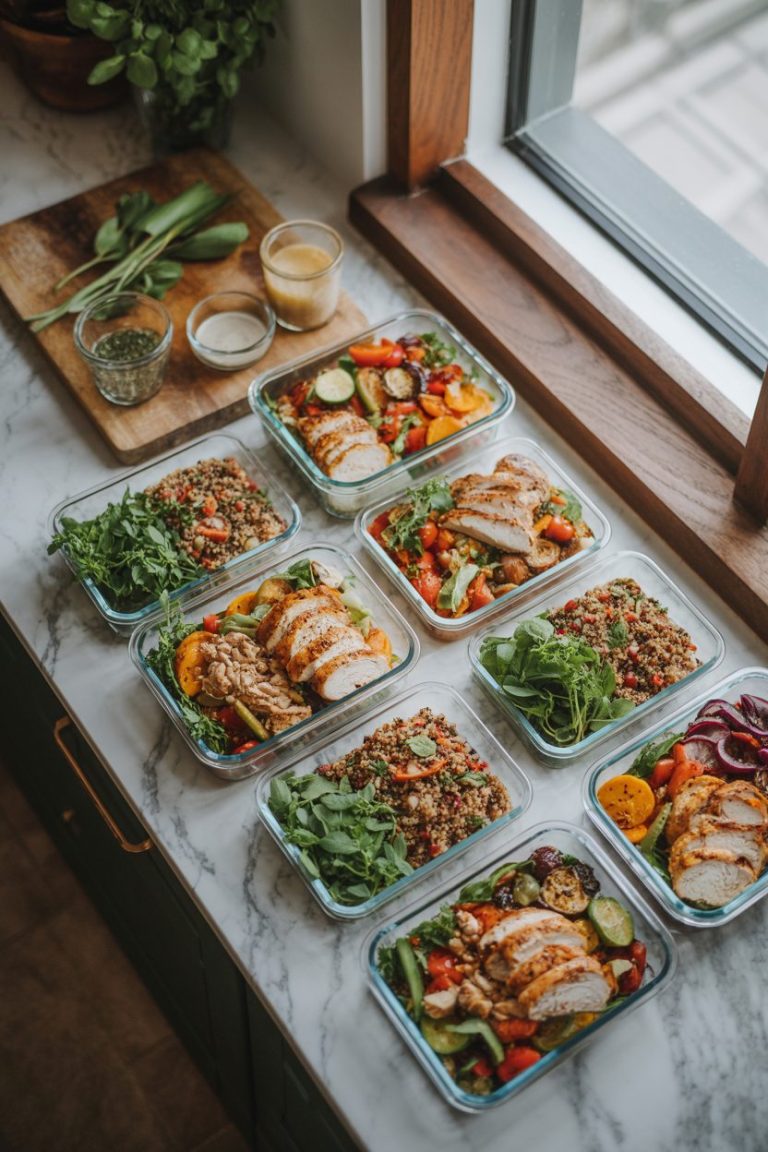
I follow what I call the “component prep” method. Instead of making complete meals, I prep ingredients. I’ll roast a big batch of vegetables, cook some quinoa, grill chicken breasts, and make a couple of dressings or sauces. Then during the week, I mix and match these components into different meals.
For instance, those roasted vegetables might become a side dish on Monday, get tossed with quinoa for a bowl on Tuesday, and end up in an omelet on Wednesday. It’s way more flexible than traditional meal prep, and nothing gets boring because you’re constantly creating different combinations.
A good set of glass meal prep containers is worth the investment, by the way. The cheap plastic ones stain and warp, but glass ones last forever and don’t make your food taste like old Tupperware.
For more guidance on this approach, check out these high-protein meal prep ideas for the week or dive into a structured 7-day high-protein Mediterranean meal plan.
How to Deal with Picky Eaters (Including Yourself)
Let’s address the elephant in the room: what if you or someone in your house just refuses to eat healthy food? The American Heart Association suggests gradual exposure and involving picky eaters in meal planning.
My strategy? Don’t make a big deal about it. If you announce “this is a healthy dinner,” people immediately get suspicious. Just make good food that happens to be healthy, and let it speak for itself.
Also, familiar flavors are your friend. That’s why Mediterranean recipes work so well—they use ingredients people already know and like (olive oil, garlic, tomatoes, herbs) but in healthier combinations.
And here’s a controversial take: it’s okay to hide vegetables sometimes. Blend spinach into tomato sauce. Grate zucchini into meatballs. Mix cauliflower into rice. Once people realize they’ve been eating and enjoying vegetables all along, they’re more open to trying them in other forms.
The Equipment That Actually Matters
You don’t need a kitchen full of gadgets, but a few key tools make low-calorie cooking so much easier:
A good non-stick skillet means you can cook with way less oil. I’m not talking about those cheap ones that start flaking after two weeks—invest in a quality one and it’ll change how you cook.
An instant-read thermometer ensures you’re not overcooking (and drying out) lean proteins like chicken breast. Dry chicken is nobody’s friend.
A salad spinner sounds bougie, but if you’re eating more salads and vegetables, it makes prep so much faster. Wet lettuce is sad lettuce.
And honestly? A good blender is worth its weight in gold for making smoothies, soups, and sauces. You don’t need a $500 Vitamix—a decent mid-range blender works fine for most people.
Making It Sustainable (Because That’s What Actually Matters)
Here’s the thing nobody talks about: the best diet is the one you can stick with. All these recipes mean nothing if you’re miserable eating them or if they’re so complicated you only make them once.
That’s why I focus on recipes that are genuinely enjoyable, not just “healthy.” I don’t believe in eating food you hate just because it’s low in calories. Life’s too short for that.
I also don’t believe in perfection. Some weeks I meal prep like a boss. Other weeks I’m eating tuna white bean salad straight from the can over the sink. Both are fine. Progress, not perfection.
The key is having enough recipes in your rotation that you’re not bored, but not so many that you’re overwhelmed. Start with 5-10 recipes you actually like, master those, then slowly add more. Don’t try to overhaul your entire diet in one week—that’s how people burn out.
Frequently Asked Questions
How many calories should I aim for per meal?
It depends on your total daily calorie needs, but generally aiming for 350-500 calories for breakfast, 400-600 for lunch, and 500-700 for dinner leaves room for snacks. Most of the recipes in this list fall into these ranges, making it easy to plan your day without constant math.
Can I still eat these recipes if I’m not trying to lose weight?
Absolutely! Low-calorie doesn’t mean insufficient—it means nutrient-dense. These recipes are packed with vitamins, minerals, fiber, and protein. If you’re maintaining weight, just add larger portions or calorie-dense sides like whole grain bread, nuts, or avocado to meet your energy needs.
What if my picky eater still won’t try these recipes?
Start with the most familiar flavors first. The pasta dishes, omelets, and sandwiches tend to be easier entry points than, say, lentil stew. Let them customize—if they’ll eat the chicken but not the quinoa, that’s fine. Small wins add up. Also, involving them in cooking can increase willingness to try new foods.
Do I need to count calories with these recipes?
Not necessarily. These recipes are naturally portion-controlled and lower in calories by design. If you’re eating mostly from this list and listening to your hunger cues, you’re probably doing fine. That said, if you’re not seeing results or want more precision, tracking for a week can be enlightening about portion sizes.
How do I meal prep these recipes without getting bored?
Use the component method I mentioned earlier—prep ingredients, not complete meals. Roast a variety of vegetables, cook two different proteins, and make 2-3 sauces or dressings. Then mix and match throughout the week. This way you’re creating “new” meals each day from the same base ingredients.
The Bottom Line
Low-calorie eating doesn’t have to mean suffering through bland, boring food. With the right recipes and a bit of meal prep strategy, you can eat well, feel satisfied, and still hit your health goals—even if you’re feeding a table full of picky eaters.
The recipes I’ve shared here are the ones I actually make regularly, not just things that sound good on paper. They’re tested in real kitchens by real people who don’t have unlimited time or patience for complicated cooking.
Start with a few that appeal to you most. Master those. Then slowly expand your rotation. Before you know it, healthy eating becomes your default, not something you have to force yourself to do. And that’s when the real magic happens—when you realize you’re choosing the Greek yogurt bowl not because you “should,” but because you genuinely want it.
Because at the end of the day, the best recipe is the one you’ll actually make. And the best diet is the one you can stick with for life, not just for a few miserable weeks. So pick a few recipes from this list, get in the kitchen, and prove to yourself that healthy eating can be delicious.