25 Mediterranean Diet Recipes Using Only Pantry Staples
Look, I get it. You’ve probably been staring at your pantry wondering if you can actually make something decent without running to the store for the fifteenth time this week. Spoiler alert: you absolutely can, and it doesn’t have to involve sad canned soup or mystery pasta from 2019.
The Mediterranean diet gets hyped up like it’s some exclusive club requiring fresh fish flown in daily and imported olive oil that costs more than your car payment. But here’s the thing—the actual people living around the Mediterranean have been cooking with pantry staples for centuries. They’re not running to bougie markets every day. They’re smart about what they keep on hand.
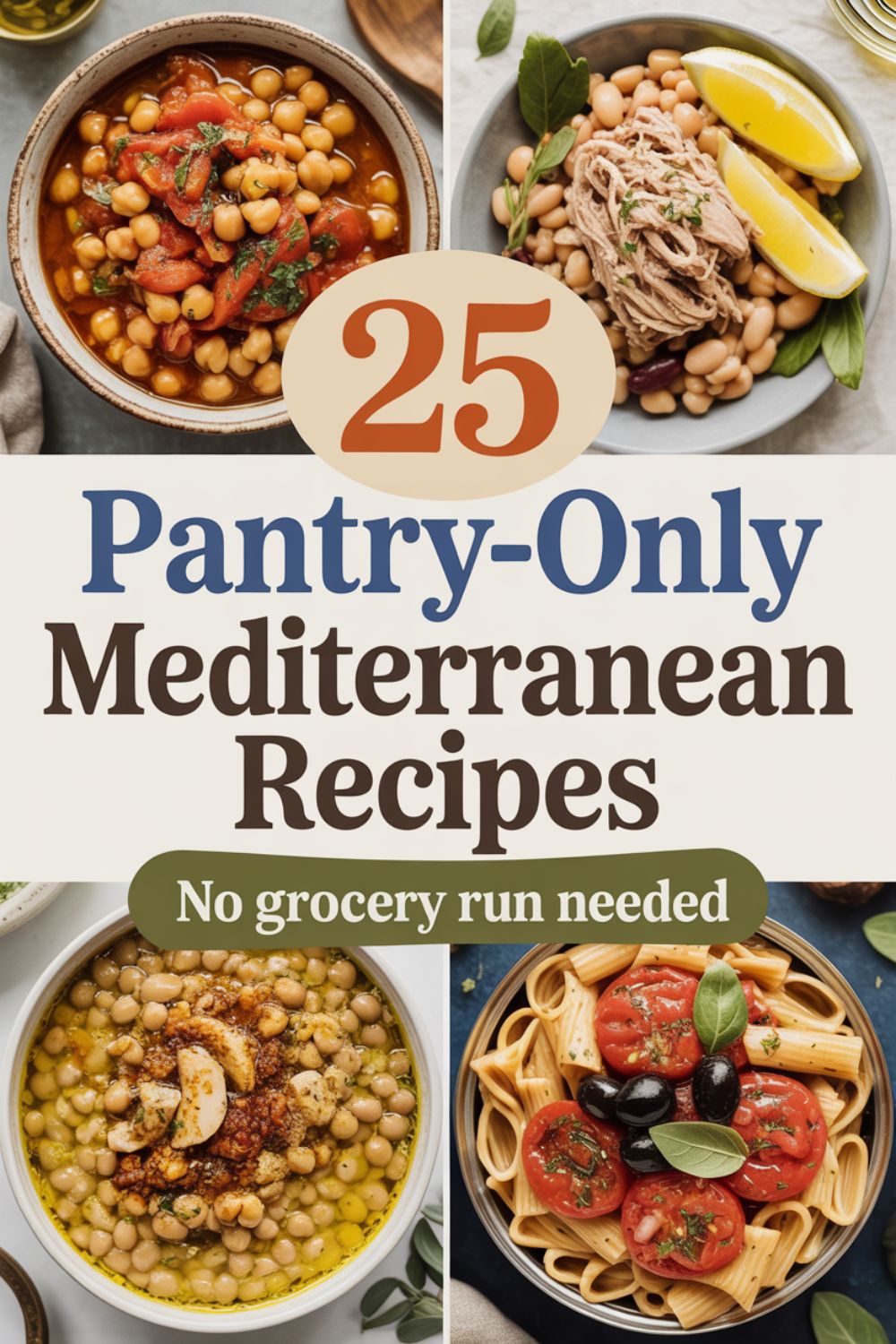
These are the basics that make healthy cooking fast and actually enjoyable: less mess, less time, and meals your whole family will happily eat.
- olive oil spray bottleCheck today’s price →
- airtight containersCheck today’s price →
- microwave-safe bowlCheck today’s price →
- food processorCheck today’s price →
Amazon prices and deals change often, so it’s worth checking today’s price.
I’m talking about those humble cans of chickpeas gathering dust, that bag of lentils you bought with good intentions, and yes, even that pasta you’ve been ignoring. These ingredients are about to become your best friends, and your wallet will thank you. No fancy ingredients, no pretentious cooking techniques—just real food that actually tastes good and happens to be ridiculously healthy.
Why Your Pantry Is Actually a Mediterranean Goldmine
Before we dive into recipes, let’s talk about why pantry staples are secretly genius for Mediterranean cooking. First off, canned and dried goods are nutritional powerhouses. That can of white beans? Packed with protein and fiber. Those canned tomatoes? Actually retain more lycopene than fresh ones sitting in your fridge for a week.
The Mediterranean approach to eating isn’t about perfection or fresh-everything-all-the-time. It’s about building meals around whole grains, legumes, healthy fats, and vegetables—most of which store beautifully in your pantry. According to research from Harvard’s School of Public Health, the Mediterranean diet’s health benefits come from the combination of foods rather than any single ingredient.
Plus, having a well-stocked pantry means you’re always one step away from a solid meal. No more emergency takeout because you “have nothing to eat.” Trust me, once you see what’s possible with what you already have, you’ll wonder why you ever stressed about grocery shopping.
The Essential Mediterranean Pantry Staples You Need
Let’s get practical. You don’t need a pantry that looks like a specialty store exploded. Here’s what actually matters:
Grains and Pasta
Whole wheat pasta, couscous, farro, and brown rice are your foundation. I keep at least three types on hand because they all cook differently and work for different moods. Whole wheat pasta is perfect when you want something hearty, couscous is your friend when you need food in under 10 minutes, and farro adds this nutty, chewy texture that makes grain bowls actually interesting.
Speaking of pasta, if you’re looking for variety beyond basic spaghetti, check out these Mediterranean pasta alternatives that still use pantry-friendly ingredients.
Legumes That Actually Deliver
Canned chickpeas, white beans, lentils (dried or canned), and black beans are non-negotiable. These little guys are your protein source, your fiber fix, and honestly, they’re just satisfying. I always grab a good quality can opener that doesn’t leave you wrestling with the lid—makes the whole process less annoying.
Fun fact: chickpeas are so versatile they show up in everything from falafel to salads to that Mediterranean chickpea bowl you’ll be making on repeat.
Canned Tomatoes and Tomato Products
Whole peeled tomatoes, crushed tomatoes, and tomato paste. Buy the good stuff if you can—you’ll actually taste the difference. These form the base of so many Mediterranean dishes that you’ll go through them faster than you think. I store mine in one of those stackable pantry organizers so I can actually see what I have instead of playing Jenga every time I need a can.
Healthy Fats
Extra virgin olive oil is the star, but don’t sleep on tahini (sesame paste). EVOO should be your everyday cooking oil—get a decent mid-range bottle, not the $4 one or the $40 one. For high-heat cooking, I keep a good quality olive oil spray bottle that lets you control portions without drowning everything.
Nuts, Seeds, and Dried Fruit
Walnuts, almonds, pine nuts (when I’m feeling fancy), sesame seeds, and dried figs or dates. These add texture, healthy fats, and natural sweetness. Store them in airtight containers to keep them fresh longer—trust me on this, stale nuts are a tragedy.
Breakfast Ideas That Don’t Require Fresh Ingredients
Morning meals from the pantry? Absolutely possible and actually delicious.
Oatmeal with Dried Figs, Walnuts, and Cinnamon
This is my go-to when I wake up and realize I forgot to buy literally anything fresh. Get Full Recipe. The dried figs rehydrate in the hot oats and get all jammy, the walnuts add crunch, and cinnamon makes everything smell like you actually have your life together.
I make this in a microwave-safe bowl most mornings because I’m not trying to dirty extra dishes before coffee.
Whole Wheat Toast with Tahini and Honey
Sounds simple, and it is, but it’s also weirdly satisfying. The nutty tahini paired with sweet honey hits different. Keep your bread in the freezer if you’re not going through it quickly—it toasts perfectly from frozen.
If you want to get fancier with your morning toast game, these Mediterranean-style variations will give you more ideas once you grab some fresh ingredients.
Savory Chickpea Scramble
Who says you need eggs for a filling breakfast? Mash some chickpeas with olive oil, turmeric, and whatever spices you have. Cook it up like scrambled eggs. Sounds weird, tastes amazing, and keeps you full until lunch. If you’re curious about more plant-based breakfast options, there’s solid evidence showing that plant-based Mediterranean eating patterns support long-term health through anti-inflammatory and antioxidant properties.
Lunch Recipes That Pack Well
These are perfect for meal prep or throwing together when you’re working from home.
Lentil Soup with Crusty Bread
Dried lentils, canned tomatoes, onion (okay, one fresh ingredient), garlic powder, and vegetable broth. That’s it. Get Full Recipe. This soup is ridiculously forgiving—you can’t really mess it up, and it actually gets better the next day.
I use my Dutch oven for this because it distributes heat evenly and I can make enough to last the week. Plus, it goes from stovetop to table looking impressive, which matters when you’re trying to convince yourself that eating at home is worth it.
Tuna and White Bean Salad
Canned tuna, white beans, olive oil, lemon juice (or bottled if that’s what you have), and dried herbs. Mix it together, eat it straight or on crackers. Get Full Recipe. This is what I make when I need protein fast and can’t be bothered to cook anything.
For more protein-packed lunch ideas that keep you full, browse through these Mediterranean lunchbox recipes.
Pasta with Canned Tomatoes and Herbs
The simplest pasta sauce ever: canned tomatoes, garlic powder, dried basil and oregano, olive oil, salt, and pepper. Cook your pasta, toss with the sauce, done. Get Full Recipe. Sometimes simple is exactly what you need, and this delivers every time.
If you’re tired of regular pasta, these one-pot Mediterranean pasta variations will change your life—less cleanup, same great taste.
Research shows that the Mediterranean diet pattern reduces cardiovascular disease risk by focusing on minimally processed plant-based foods and healthy fats—exactly what these pantry recipes deliver.
Dinner Recipes Worth Making
These aren’t just “I guess this’ll do” meals. They’re legitimately good.
Chickpea and Tomato Stew
Canned chickpeas, canned tomatoes, onion powder, cumin, paprika, and vegetable broth. Simmer until thick and flavorful. Serve over rice or with bread. This is comfort food that happens to be healthy, and it costs maybe three dollars to make a huge pot.
I store leftovers in glass meal prep containers because they don’t stain and you can see what you have without opening everything.
White Bean and Vegetable Soup
White beans, canned tomatoes, dried pasta, dried herbs, and whatever canned or jarred vegetables you have. This is one of those throw-everything-in-the-pot situations that somehow works out. The key is building flavor with your dried herbs—don’t be shy with the oregano and basil.
Speaking of soups, if you’re looking for more variety, check out these Mediterranean soups under 300 calories that’ll keep you warm and satisfied.
Lentil and Rice Pilaf
Brown lentils, rice, canned tomatoes, and spices. This is basically mujadara, a Middle Eastern staple that’s been feeding people forever. It’s filling, cheap, and you can make it fancy by topping with crispy fried onions from a jar (yeah, I said it).
For a complete meal experience, pair this with some of these Mediterranean side dishes that also use pantry ingredients.
Pasta e Fagioli (Pasta and Beans)
This Italian classic uses pasta, white beans, canned tomatoes, and herbs. It’s basically a thick soup that eats like a meal. The pasta cooks right in the broth, absorbing all the flavors. IMO, this is better than most restaurant versions and costs a fraction of the price.
Baked Chickpea “Meatballs”
Mashed chickpeas, breadcrumbs (or crushed crackers), dried herbs, and a bit of olive oil. Form into balls, bake until crispy. Serve with marinara sauce (canned tomatoes plus seasoning). These freeze beautifully, so make a big batch and thank yourself later.
If you’ve got a bit more time, these homemade baked falafel use similar techniques but with different spices for variety.
Snacks and Small Plates
Mediterranean eating is big on small plates and snacking throughout the day. Here’s how to do it from your pantry.
Hummus with Whatever You Have
Chickpeas, tahini, lemon juice, garlic powder, salt. Blend it up. Serve with crackers, canned artichokes, or jarred roasted peppers. I make this in my food processor and it takes maybe five minutes. Store-bought hummus is fine, but homemade hits different and you control the garlic level.
White Bean Dip
Same concept as hummus but with white beans. Add some dried rosemary and you’ve got something that tastes way fancier than it is. Serve it to guests and watch them ask for the recipe.
Spiced Roasted Chickpeas
Drain and dry canned chickpeas, toss with olive oil and spices, roast until crispy. They’re crunchy, salty, and weirdly addictive. I use my baking sheet with raised edges for this so nothing rolls off into the oven.
For more snack ideas that won’t derail your eating plan, these Mediterranean snacks beyond hummus will keep things interesting.
Budget-Friendly Mediterranean Staples to Stock Up On
Let’s talk money because that’s what pantry cooking is really about—eating well without going broke.
Dried beans and lentils are stupid cheap. Like, less than a dollar per pound cheap. A bag of dried chickpeas will make the equivalent of about six cans. Do the math—it’s worth it. If you’re cooking them from scratch, a pressure cooker or Instant Pot makes them ready in under an hour with zero babysitting.
Buy pasta in bulk when it’s on sale. Whole wheat pasta might cost a bit more than regular, but we’re talking cents per serving. It keeps forever and you’ll use it constantly. Same with rice—get the big bag, store it properly (I use a large airtight container with a scoop), and you’re set for months.
Canned tomatoes go on sale all the time. Stock up when you see a good price. The quality difference between brands is real, but even mid-tier canned tomatoes beat out-of-season fresh tomatoes any day. Studies on nutrient retention show that canned vegetables can be nutritionally equivalent to fresh when properly processed, making them perfect for pantry cooking.
For those watching their budget closely, these budget-friendly Mediterranean meals prove you don’t need to spend a fortune to eat well.
Making Pantry Staples Taste Amazing
Here’s the secret nobody tells you: dried herbs and spices are your best friends. A can of chickpeas is boring. A can of chickpeas with cumin, paprika, and garlic powder? That’s a meal.
The Spice Cabinet Essentials
Cumin, paprika, oregano, basil, thyme, cinnamon, and red pepper flakes will cover about 90% of Mediterranean cooking. Buy them from the bulk section or ethnic grocery stores where they’re way cheaper. Store them in a spice rack organizer so you can actually find what you need instead of frantically digging through a cabinet.
Garlic and Onion in All Forms
Fresh is great, but garlic powder and onion powder are perfectly acceptable for pantry cooking. They’re concentrated, last forever, and honestly, sometimes they work better in certain dishes. Don’t let food snobs shame you—use what works.
Acid Is Everything
Lemon juice (bottled is fine), red wine vinegar, or even a splash of that cheap balsamic you have. Acid brightens flavors and makes pantry meals taste fresh instead of flat. This is the difference between “meh” and “actually pretty good.”
Meal Prep with Pantry Staples
Pantry ingredients are perfect for meal prep because they’re stable, predictable, and scale up easily.
Cook a big pot of lentils or chickpeas on Sunday. Use them for salads, soups, grain bowls, and wraps throughout the week. Same with grains—make a huge batch of rice, farro, or pasta and portion it out. I store everything in stackable glass containers in the fridge, and boom—instant meal components all week.
The key is keeping things modular. Don’t make complete meals; make components you can mix and match. Cooked chickpeas + rice + canned tomatoes can become three different dinners depending on how you season them.
If you’re new to meal prep, these quick Mediterranean meal prep ideas will get you started without overwhelming you.
Common Pantry Cooking Mistakes (And How to Avoid Them)
Let’s keep it real—pantry cooking can go wrong. Here’s what to watch out for.
Under-Seasoning Because You’re Being Cautious
The biggest mistake people make with beans, lentils, and grains is not using enough seasoning. These ingredients are mild, they need help. Don’t be scared of salt and spices. Taste as you go and adjust. Your pantry meals should taste as good as anything made with fresh ingredients.
Not Rinsing Canned Beans
That liquid in canned beans? It’s salty and sometimes has a weird metallic taste. Drain and rinse them. Takes 30 seconds and makes a noticeable difference in your final dish.
Overcooking Pasta in One-Pot Dishes
If you’re cooking pasta directly in soup or sauce, remember it’ll keep cooking even after you turn off the heat. Aim for one minute under al dente, then let the residual heat finish the job. Otherwise, you end up with mushy pasta soup.
Storing Olive Oil Wrong
Heat and light destroy olive oil. Keep it in a cool, dark place—not next to your stove, no matter how convenient that seems. A dark glass bottle with a pour spout helps preserve quality and makes it easy to drizzle.
Rotating Your Pantry Stock
FYI, even pantry staples don’t last forever. Here’s how to keep things fresh.
First in, first out—organize your pantry so you use older items before newer ones. I write purchase dates on everything with a permanent marker. Seems obsessive, but it prevents you from using five-year-old spices and wondering why nothing tastes right.
Dried beans and lentils technically last years, but older ones take longer to cook and might never get truly tender. Use them within a year for best results. Canned goods are usually fine for 2-3 years past the “best by” date if stored properly—check for bulging cans or weird smells before using.
Whole grains and whole wheat pasta have more oils than refined versions, so they can go rancid. Store them in the fridge or freezer if you’re not using them quickly. Trust your nose—if it smells off, toss it.
Taking Your Pantry Meals to the Next Level
Once you’ve got the basics down, here’s how to make pantry cooking feel less like “making do” and more like actual cooking.
Finishing Touches Matter
A drizzle of good olive oil, a pinch of flaky sea salt, some dried herbs sprinkled on top—these little touches make pantry meals feel intentional. Keep a small dish of finishing salt on your counter for this purpose.
Texture Contrast Is Key
Pantry meals can sometimes be one-note texture-wise. Fix this by adding crunch—toasted nuts, crispy chickpeas, or even crushed crackers on top of soup. It makes everything more interesting to eat.
Make Your Own “Fresh” Elements
Keep some dried herbs in oil. Mix dried basil and oregano with olive oil and let it sit. It rehydrates the herbs and creates an infused oil that adds freshness to dishes. Same with sun-dried tomatoes—they’re technically pantry items but add that “fresh” element to meals.
For complete meal ideas that pull everything together, check out these Mediterranean dinner ideas for busy weeknights.
The Complete Pantry Recipe List
Alright, here’s your arsenal of 25 recipes you can make with pantry staples. No excuses, no grocery runs, just good food:
- Oatmeal with Dried Figs, Walnuts, and Cinnamon – Morning comfort in a bowl
- Lentil Soup with Crusty Bread – The ultimate cozy lunch
- Tuna and White Bean Salad – Protein-packed and ready in minutes
- Whole Wheat Spaghetti with Tomatoes and Basil – Classic simplicity
- Chickpea and Tomato Stew – Thick, hearty, satisfying
- White Bean and Vegetable Soup – Clean-out-the-pantry excellence
- Lentil and Rice Pilaf – Middle Eastern comfort food
- Pasta e Fagioli – Italian grandmother-approved
- Baked Chickpea “Meatballs” – Plant-based protein done right
- Homemade Hummus – Better than store-bought, fight me
- White Bean Dip with Rosemary – Fancy party snack, zero effort
- Spiced Roasted Chickpeas – Crunchy, addictive, healthy
- Mediterranean Grain Bowl – Build your own adventure
- Tomato and White Bean Bruschetta – Antipasto without the fuss
- Lentil Taco Filling – Meatless Monday solved
- One-Pot Mediterranean Pasta – Less dishes, more flavor
- Chickpea Curry with Canned Tomatoes – Warming spices save the day
- White Bean and Tuna Pasta – Pantry surf and turf
- Savory Oatmeal with Chickpeas – Breakfast thinking outside the box
- Lentil and Tomato Sauce for Pasta – Sneaky protein boost
- Mediterranean Rice Pilaf – Side dish or main event
- Cannellini Bean Salad – Light, fresh, easy
- Three Bean Chili – Pantry game day MVP
- Pasta with White Beans and Sage – Surprisingly elegant
- Chickpea and Spinach Stew – Frozen spinach counts, and it’s better than wilted fresh
Real Talk: Making This Work in Your Life
Here’s what nobody tells you about pantry cooking: it gets easier the more you do it. The first few times, you’ll probably stand there staring at your pantry wondering how chickpeas and pasta become dinner. But after making the same five recipes a couple times, you’ll start improvising.
You’ll realize that basically all Mediterranean pantry meals follow a formula: grain or legume + canned tomatoes or olive oil + spices + something acidic. Once you internalize that pattern, you can throw together a meal without even thinking about it.
The hardest part is unlearning the idea that you need fresh ingredients for good food. You don’t. Some of my best meals have come from desperate pantry raids when I was too lazy to go shopping. The limitations actually force creativity.
Frequently Asked Questions
Can I really lose weight eating Mediterranean pantry meals?
Yeah, you can. These meals are naturally filling because of the fiber and protein from legumes and whole grains. They keep you satisfied longer than processed foods, which means you’re less likely to overeat or snack constantly. Plus, they’re generally lower in calories than most takeout or convenience foods.
How long do pantry staples actually last?
Canned goods are good for 2-3 years past the “best by” date if stored properly. Dried beans and lentils last about a year for optimal quality, though they’re technically safe longer. Whole grains and whole wheat pasta should be used within 6-12 months or stored in the fridge to prevent rancidity. Olive oil lasts about 18-24 months unopened, 6-12 months after opening.
Are canned foods as healthy as fresh?
In many cases, yes. Canned tomatoes actually have more available lycopene than fresh ones. Canned beans have the same fiber and protein as dried beans you cook yourself. The main thing to watch is sodium—rinse canned beans and look for low-sodium or no-salt-added versions of canned tomatoes when possible.
What if I hate cooking or don’t have time?
Most of these recipes take 20-30 minutes max, and many are one-pot meals. The beauty of pantry cooking is that it’s actually faster than running to the store. Plus, many of these dishes taste better the next day, so you can make big batches on Sunday and eat all week. Get yourself a decent set of storage containers and you’re golden.
Do I need expensive olive oil for these recipes?
Nope. Save the fancy stuff for drizzling over finished dishes. For cooking, a mid-range extra virgin olive oil works perfectly fine. The heat will cook off a lot of the subtle flavors anyway. Just avoid the absolute cheapest bottles, as they’re often cut with other oils.
Your Pantry Is Ready—Are You?
Look, you’ve got everything you need sitting in your kitchen right now. Those cans of chickpeas, that bag of lentils, the pasta you bought months ago—they’re not just emergency backup food. They’re the foundation of healthy, satisfying meals that won’t wreck your budget or your waistline.
Mediterranean eating isn’t about exotic ingredients or complicated techniques. It’s about making simple, wholesome food taste good. And your pantry is already stocked with exactly what you need to do that.
Start with one or two recipes from this list. See how it goes. You might be surprised at how good pantry cooking can actually be. And when you find yourself making dinner at 7 PM on a Wednesday without having gone to the store all week? You’ll get it.
Stop overthinking it. Open a can of beans, boil some pasta, add some spices, and call it dinner. It’s that simple, and it works.