20 Mediterranean Chia Seed Morning Bowls for Heart Health
Look, I’m not going to pretend chia seeds are some magical superfood that’ll fix everything overnight. But here’s the thing—when you combine them with Mediterranean flavors and ingredients, you actually get something that tastes good and happens to be ridiculously good for your heart. No boring health-nut lectures here, just real talk about breakfast bowls that won’t bore you to tears.
I started making these bowls about two years ago when my doctor casually mentioned my cholesterol was “trending upward.” Translation: fix your breakfast or else. Traditional Mediterranean eating is basically the gold standard for heart health, and chia seeds bring omega-3s, fiber, and this weird gel-like texture that somehow works. Who knew?

These are the basics that make healthy cooking fast and actually enjoyable: less mess, less time, and meals your whole family will happily eat.
- set of glass meal prep jarsCheck today’s price →
- cold brew makerCheck today’s price →
- small non-stick skilletCheck today’s price →
- 16-ounce mason jarsCheck today’s price →
Amazon prices and deals change often, so it’s worth checking today’s price.
The Mediterranean diet has been studied extensively for its cardiovascular benefits. According to research from the American Heart Association, this eating pattern is associated with reduced risk of heart disease and stroke. Chia seeds amplify these benefits by adding plant-based omega-3 fatty acids, which are crucial for heart health.
These bowls are stupid-easy to prep. You mix chia seeds with liquid the night before, wake up, throw toppings on, and boom—breakfast. No stove required, no complicated techniques, just assembly. And before you ask, yes, they actually keep you full. The fiber and healthy fats do their job.
Why Chia Seeds and Mediterranean Ingredients Are a Power Couple
Chia seeds are basically tiny nutritional powerhouses. Two tablespoons give you nearly 10 grams of fiber and 5 grams of protein. But what really matters for heart health is the alpha-linolenic acid, a plant-based omega-3 fatty acid that helps reduce inflammation and support cardiovascular function.
Now pair that with Mediterranean staples like Greek yogurt, nuts, honey, fresh fruit, and olive oil. You’re getting probiotics, antioxidants, healthy fats, and natural sweetness without the processed garbage. It’s not rocket science, but it works.
The Mediterranean approach focuses on whole foods, minimal processing, and healthy fats from sources like nuts, seeds, and olive oil. When you prep chia pudding with almond milk or Greek yogurt as a base, you’re already ahead of the game. Then you add things like fresh berries, walnuts, pistachios, or a drizzle of honey, and suddenly breakfast doesn’t feel like a chore.
I use this set of glass meal prep jars for storing individual portions. They’re leakproof, stackable, and you can see what’s inside without opening them—surprisingly useful when you’re half-awake at 6 AM.
🏆 My Go-To: Premium Glass Meal Prep Containers
Why I swear by these: After trying probably a dozen different containers, these are the ones that actually survive daily use. They’re made from borosilicate glass (the same stuff lab equipment uses), so they won’t crack when you go from fridge to room temp.
The lids snap tight—no mysterious leaks in your bag—and they stack perfectly in the fridge without that annoying toppling situation. Each set comes with 5 containers (16oz each), which is exactly a work week of breakfasts.
Real talk: Yes, they’re pricier than plastic. But I’ve had mine for 2 years and they still look new. The plastic ones I used before? Stained and warped within months.
Check Current Price →If you’re looking for more morning inspiration beyond chia bowls, you might want to check out these Mediterranean breakfast recipes for busy mornings or these high-protein breakfasts under 350 calories. Both collections pair perfectly with the bowls we’re about to dive into.
The Base Formula That Works Every Time
Here’s the basic ratio you need to memorize: 3 tablespoons chia seeds to 3/4 cup liquid. That’s it. The liquid can be almond milk, coconut milk, oat milk, Greek yogurt thinned with a bit of milk, or even just regular dairy milk if that’s your thing. Mix them together, let them sit for at least 4 hours or overnight, and the chia seeds absorb the liquid and turn into this pudding-like consistency.
Some people find the texture weird at first. I get it—it’s kind of gel-like. But once you add crunchy toppings like nuts, granola, or fresh fruit, the contrast actually makes it more interesting. If you really can’t stand it, blend the mixture before adding toppings for a smoother consistency.
Sweetening Without Going Overboard
You don’t need much sweetener if you’re using ripe fruit. A teaspoon of honey or maple syrup in the base is plenty. Sometimes I skip sweetener entirely and rely on fresh figs, dates, or ripe berries to do the work. Your call.
One trick I learned from a nutritionist friend: if you’re watching sugar intake, try adding a pinch of cinnamon or vanilla extract to the base. It tricks your brain into thinking things are sweeter than they are. Works surprisingly well.
20 Mediterranean Chia Bowl Variations That Actually Taste Good
1. Classic Greek Honey & Walnut Bowl
Start with your basic chia pudding made with almond milk. Top with Greek yogurt, chopped walnuts, a drizzle of honey, and a sprinkle of cinnamon. This is basically a deconstructed baklava for breakfast, minus the phyllo dough and approximately one million calories.
See next: 15 Heart-Healthy Chia Seed Breakfasts to Enjoy Every Morning →
2. Fig & Pistachio Dream
Chia base with coconut milk, topped with fresh figs (or dried if fresh aren’t available), crushed pistachios, and a tiny drizzle of honey. Figs are naturally sweet and have that jammy texture that works perfectly here. Plus, they’re loaded with fiber and potassium.
See next: 18 Paleo-Style Chia Seed Morning Bowls with Natural Ingredients →
3. Orange Blossom & Almond
Mix a few drops of orange blossom water into your almond milk chia base. Top with sliced almonds, orange segments, and a sprinkle of shredded coconut. Sounds fancy, tastes fancy, takes five minutes to assemble. The orange blossom water is optional but adds this delicate floral note that’s very Mediterranean.
See next: 18 Keto Chia Seed Morning Recipes with Healthy Fats →
4. Pomegranate & Dark Chocolate Crunch
Chia pudding with pomegranate juice mixed into the base for a pink color. Top with pomegranate arils, dark chocolate shavings, and a handful of granola. According to research on pomegranate, it’s packed with antioxidants that support heart health and reduce inflammation.
See next: 15 High-Fiber Chia Seed Morning Meals for Better Digestion →
Speaking of chocolate in breakfast, if you’re into that, you might also enjoy these chocolate banana overnight oats or this mocha protein overnight oats recipe. Different texture, same satisfying start to the day.
5. Lemon Blueberry Basil Bowl
Add lemon zest to your chia base, top with fresh blueberries, torn basil leaves, and a few slivered almonds. The basil might sound weird, but trust me—it adds this fresh, herbaceous note that makes the whole thing more interesting. Blueberries are also stellar for heart health due to their high anthocyanin content.
See next: 21 Low-Sugar Chia Seed Breakfasts for Morning Balance →
6. Date & Tahini Energy Bowl
Chia pudding with a swirl of tahini mixed in. Top with chopped dates, sesame seeds, and a pinch of sea salt. Dates give you natural sweetness plus magnesium and potassium, both important for heart function. The tahini adds creaminess and healthy fats.
See next: 18 Clean-Eating Chia Seed Morning Recipes You’ll Love →
7. Apricot & Cardamom Sunrise
Mix ground cardamom into your chia base. Top with dried apricots (chopped), sliced almonds, and Greek yogurt. Cardamom is huge in Mediterranean and Middle Eastern cooking, and it pairs ridiculously well with stone fruits.
See next: 21 Vegan Chia Seed Morning Breakfasts Packed with Fiber →
8. Strawberry Balsamic with Fresh Mint
Macerate strawberries with a tiny splash of balsamic vinegar and let them sit for 10 minutes. Spoon over your chia pudding, add fresh mint leaves, and top with crushed walnuts. The balsamic might sound odd, but it intensifies the strawberry flavor like nothing else.
See next: 20 Plant-Based Chia Seed Morning Breakfasts for Daily Energy →
9. Espresso Hazelnut Bowl
Make your chia base with cold brew coffee or espresso mixed with almond milk. Top with chopped hazelnuts, a dollop of Greek yogurt, and dark chocolate chips. IMO, this is the best option when you need breakfast and coffee in one bowl. Efficiency matters.
I make my cold brew using this cold brew maker—it’s stupidly easy and you can make a big batch that lasts all week.
See next: 7 Mediterranean Diet Tips for Heart Health →
10. Coconut & Mango Mediterranean Twist
Chia pudding made with coconut milk, topped with fresh mango chunks, shredded coconut, and a squeeze of lime. Okay, mango isn’t traditionally Mediterranean, but coconut shows up in some regional cooking, and honestly, this combination is too good to skip on a technicality.
See next: 7-Day Mediterranean Diet Plan for Heart Health →
11. Cinnamon Apple & Walnut Crumble
Mix cinnamon into your chia base. Top with diced apples (I prefer Granny Smith for tartness), crushed walnuts, and a drizzle of honey. Tastes like apple pie filling but won’t wreck your morning. Apples bring pectin fiber, which is particularly good for cholesterol management.
See next: 18 Gluten-Free Chia Seed Morning Recipes That Keep You Full →
12. Cherry Almond Amaretto-Style Bowl
Use almond milk in your chia base and add a few drops of almond extract. Top with fresh or frozen cherries (thawed), sliced almonds, and Greek yogurt. Cherries have been studied for their anti-inflammatory properties, particularly the anthocyanins they contain.
See next: 15 Diabetic-Friendly Chia Seed Morning Meals (Low GI) →
13. Grape & Pine Nut Mediterranean Classic
Halve some red or green grapes and toss with a tiny drizzle of olive oil and fresh thyme leaves. Spoon over chia pudding and top with toasted pine nuts. This might sound savory, but the grapes are sweet enough to balance it out, and the olive oil adds richness.
See next: 15 Heart-Healthy Chia Seed Breakfasts to Enjoy Every Morning →
14. Peach & Lavender Summer Bowl
Add a pinch of culinary lavender to your chia base (go easy—lavender can taste soapy if you overdo it). Top with sliced peaches, a handful of granola, and Greek yogurt. This one screams summer but works year-round with frozen peaches.
See next: 18 Paleo-Style Chia Seed Morning Bowls with Natural Ingredients →
15. Banana Walnut with Honey Drizzle
Simple but effective. Chia pudding topped with sliced banana, crushed walnuts, and a generous drizzle of honey. Walnuts are one of the best plant sources of omega-3s, and bananas bring potassium, which helps regulate blood pressure.
See next: 18 Keto Chia Seed Morning Recipes with Healthy Fats →
16. Mixed Berry Antioxidant Powerhouse
Top your chia base with a mix of blueberries, raspberries, blackberries, and strawberries. Add some hemp seeds for extra protein and omega-3s, plus a spoonful of Greek yogurt. Berries are consistently ranked as top foods for cardiovascular health due to their polyphenol content.
If you like berry-based breakfasts, these berry almond crunch overnight oats are another solid option to rotate in.
See next: 15 High-Fiber Chia Seed Morning Meals for Better Digestion →
17. Pear Ginger & Cardamom Bowl
Dice a ripe pear and toss with fresh grated ginger and a pinch of cardamom. Spoon over chia pudding, add crushed pistachios and a drizzle of maple syrup. Ginger has anti-inflammatory properties and pairs beautifully with the subtle sweetness of pear.
See next: 21 Low-Sugar Chia Seed Breakfasts for Morning Balance →
18. Clementine & Almond Joy
Peel and segment a couple clementines. Arrange over chia pudding with sliced almonds, shredded coconut, and a few dark chocolate chips. It’s like a healthier Almond Joy candy bar that won’t make you crash an hour later.
See next: 18 Clean-Eating Chia Seed Morning Recipes You’ll Love →
19. Raspberry Rose Water Elegance
Add a few drops of rose water to your chia base. Top with fresh raspberries, crushed pistachios, and a tiny drizzle of honey. Rose water is very common in Mediterranean and Middle Eastern desserts, and it adds this delicate floral flavor that’s really special.
See next: 21 Vegan Chia Seed Morning Breakfasts Packed with Fiber →
20. Savory Olive Oil & Tomato Bowl
Okay, hear me out. Not every chia bowl has to be sweet. Make your chia pudding with vegetable broth instead of milk. Top with halved cherry tomatoes, a drizzle of good olive oil, fresh basil, and cracked black pepper. It’s weird, it’s different, and it’s actually really good if you’re not in a sweet mood.
See next: 20 Plant-Based Chia Seed Morning Breakfasts for Daily Energy →
Meal Prep Strategy That Actually Works
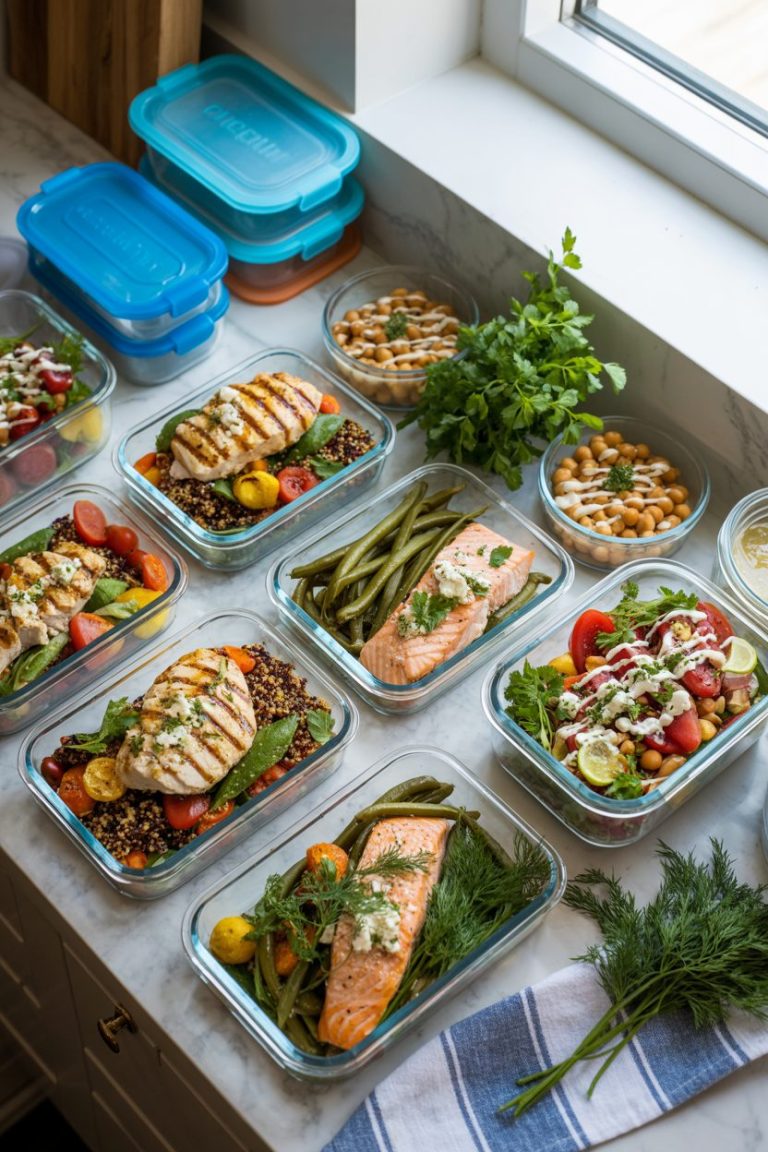
The beauty of these bowls is that you can prep the chia base in bulk. Every Sunday, I make enough base for five days. I use these 16-ounce mason jars—they’re the perfect size and you can just grab one from the fridge in the morning.
⚡ Game-Changer: Electric Spice & Nut Grinder
The one tool that elevated my bowls: This little powerhouse grinds nuts, toasts spices, and even makes homemade nut butter in about 30 seconds. I was skeptical at first—how different could pre-ground nuts taste?
Turns out, massively different. Freshly ground walnuts or almonds have this almost buttery richness that store-bought ground nuts just don’t have. Plus you can control the texture—chunky, fine, or anywhere in between.
Bonus: You can buy whole nuts in bulk (way cheaper), store them longer since they don’t go rancid as fast, and grind them fresh each time. The grinder pays for itself in about 2 months if you eat nuts regularly.
See It On Amazon →Here’s my system: Make the chia base plain (just chia seeds and your liquid of choice). Store the toppings separately in small containers or bags. In the morning, grab a jar, add toppings, done. This way you get variety without making five different batches of chia pudding.
FYI, chia pudding lasts about 5 days in the fridge. After that, the texture starts getting wonky. So plan accordingly.
For more meal prep inspiration that follows the Mediterranean approach, check out this 7-day Mediterranean meal prep plan or these quick Mediterranean meal prep ideas.
🎯 30-Day Mediterranean Breakfast Bundle
What you get instantly: A complete 30-day breakfast rotation with shopping lists, prep guides, and nutritional breakdowns. This isn’t just recipes—it’s a complete system that removes all the morning decision fatigue.
- 30 unique Mediterranean breakfast recipes (including 15 chia bowl variations)
- Weekly shopping lists organized by grocery store section
- Sunday prep guides that take 60 minutes or less
- Nutritional info for each recipe (calories, protein, fiber, omega-3s)
- Substitution guide for dietary restrictions
- Printable meal planning calendar
Why it’s worth it: I spent about 3 months testing and refining these recipes. You skip all that trial and error and get breakfasts that actually work. Plus, you’ll save money by shopping smarter and wasting less food.
Get Instant Access – $27 →The Heart Health Science You Should Know
Let’s talk about why this actually matters for your cardiovascular system. The Mediterranean diet pattern has been studied in large-scale trials like the PREDIMED study, which showed significant reductions in cardiovascular events among participants following this eating pattern. The combination of omega-3 fatty acids, fiber, antioxidants, and monounsaturated fats creates a powerful effect on heart health markers.
Chia seeds specifically contribute alpha-linolenic acid (ALA), a type of omega-3 that your body can partially convert to the more active forms EPA and DHA. While this conversion isn’t super efficient, every bit helps, especially if you’re not eating fatty fish regularly. The fiber in chia seeds (about 10 grams per ounce) helps lower LDL cholesterol and improves overall lipid profiles.
According to Mayo Clinic’s research on the Mediterranean diet, this eating pattern is associated with lower rates of heart disease, certain cancers, and overall mortality. It’s not just about individual foods—it’s the combination and the pattern of eating that matters.
💓 Heart Health Meal Planner & Tracker
Digital spreadsheet template that actually makes sense: Track your heart-healthy eating without complicated apps or expensive software. This Google Sheets template is designed specifically for Mediterranean-style eating with built-in heart health metrics.
- Pre-loaded with 100+ Mediterranean recipes (including all 20 chia bowls from this article)
- Automatic tracking of omega-3 intake, fiber, and healthy fats
- Weekly heart health score based on Mediterranean diet principles
- Visual progress charts that update automatically
- Meal planning calendar with drag-and-drop simplicity
- Auto-generated shopping lists from your meal plan
Best part: It works on your phone, tablet, or computer. No subscription, no login required after purchase. Just copy it to your own Google Drive and use it forever.
Download Template – $19 →Nuts like walnuts, almonds, and pistachios bring additional benefits. They’re rich in L-arginine, magnesium, and vitamin E, all of which support healthy blood pressure and vascular function. Greek yogurt provides probiotics that may influence cholesterol metabolism and inflammation.
I’m not saying chia bowls will cure everything. But as part of an overall Mediterranean eating pattern, they’re a solid choice that happens to taste good and keep you full. That’s more than you can say for most “health foods.”
Common Mistakes to Avoid
Don’t add too much liquid initially. Start with the 3:1 ratio (3 tablespoons chia to 3/4 cup liquid) and add more if needed. You can always thin it out, but you can’t un-thin a watery chia pudding.
Don’t skip stirring after the first 5 minutes. Chia seeds clump like crazy if you just mix once and walk away. Give it a good stir after 5 minutes, then let it sit overnight. This prevents weird clumps.
Don’t go overboard with toppings. I know it’s tempting to throw everything in at once, but you’ll end up with a calorie bomb that defeats the purpose. Stick to 2-3 toppings max, focusing on a balance of fruit, nuts, and a small amount of sweetener.
Don’t buy low-quality chia seeds. They should be plump and relatively uniform in size. If they look dusty or don’t gel properly, they’re probably old. I use this organic chia seed brand and they’ve been consistently good.
🌱 The Foundation: Organic Chia Seeds (3lb Bag)
Why this specific brand: I’ve tried at least 6 different chia seed brands, and these consistently gel the best. No weird dusty residue, no uneven absorption—just clean, uniform seeds that do exactly what they’re supposed to do.
The 3-pound bag sounds like a lot, but if you’re making chia bowls even 3x a week, you’ll go through it in about 2-3 months. Stored in an airtight container in a cool place, they stay fresh the entire time.
Math that matters: This bag works out to about $0.40 per serving vs $0.80-1.20 for smaller packages from grocery stores. Over a year, that’s serious savings for the exact same product.
Grab The 3lb Bag →Budget-Friendly Tips
Let’s be real—some of these ingredients aren’t cheap. Here’s how to make it work without breaking the bank:
Buy chia seeds in bulk. The per-ounce cost drops dramatically when you buy larger bags. Store them in an airtight container and they’ll last for months.
Use frozen fruit when fresh is expensive. Frozen berries, mango, and peaches work just as well and are often more budget-friendly. Plus, they’re frozen at peak ripeness, so the nutrition is actually excellent.
Skip fancy sweeteners. Regular honey works just as well as expensive raw honey or manuka honey. Same goes for maple syrup—the regular grade is fine.
Toast your own nuts instead of buying pre-roasted ones. Raw nuts are cheaper, and you can toast them in a pan in about 3 minutes. I keep a big jar of mixed raw nuts and toast small batches as needed.
Make your own plant milk if you’re really trying to save money. A basic almond milk is just almonds and water, blended and strained. You can use a nut milk bag for straining—they’re like five bucks and last forever.
📚 The Ultimate Mediterranean Pantry Guide
Stop wasting money on ingredients you’ll use once: This comprehensive PDF guide shows you exactly what to stock, where to buy it cheap, and how to use everything before it goes bad.
- Complete pantry staples list with budget-friendly sources
- Shelf life guide for every ingredient (never waste food again)
- Emergency substitutions for 50+ Mediterranean ingredients
- Storage tips that actually extend freshness
- Quick reference chart for nut and seed equivalents
- Bulk buying calculator to maximize savings
- Brand recommendations for quality vs. budget options
Real value: The substitution guide alone has saved me countless trips to specialty stores. Plus, the bulk buying calculator helped me realize I was overspending by about $40/month on ingredients I could get cheaper elsewhere.
Get The Guide – $15 →Frequently Asked Questions
Can I use chia seeds if I have digestive issues?
Start small. Chia seeds are very high in fiber, which is great for most people but can cause bloating or gas if you’re not used to it. Begin with 1 tablespoon instead of 3, and gradually increase over a week or two. Also, make sure you’re drinking plenty of water—chia seeds absorb liquid and you need to stay hydrated.
Do I need to grind chia seeds for better nutrition?
Nope. Unlike flax seeds, chia seeds are small enough that your body can break them down whole. Grinding them won’t hurt, but it’s not necessary and actually makes them go rancid faster since you’re exposing more surface area to air.
Can I make these bowls without dairy?
Absolutely. Use any plant-based milk for the chia base, and swap Greek yogurt for coconut yogurt or just skip it entirely. These bowls are easily adaptable to dairy-free, vegan, or any other dietary preference.
How long do the prepared bowls last?
The chia pudding base lasts 5 days in the fridge. But once you add toppings, especially fresh fruit, you should eat it within 24 hours. That’s why I recommend storing the base and toppings separately and assembling in the morning.
Can I eat these every day?
You can, but variety is generally better for overall nutrition. I rotate chia bowls with other Mediterranean breakfast options like Greek yogurt with fruit, avocado toast, or savory egg dishes. If you’re eating chia bowls daily, just make sure you’re varying the toppings to get a wider range of nutrients.
Final Thoughts
These 20 Mediterranean chia seed bowls aren’t some revolutionary breakthrough. They’re just a solid, practical way to start your day with ingredients that actually support heart health. The Mediterranean diet has decades of research backing it up, and chia seeds fit naturally into that pattern.
What I like most about these bowls is the flexibility. You’re not locked into one recipe—you can adapt based on what’s in season, what’s on sale, or what you’re in the mood for. The base stays the same, the toppings change, and you never get bored.
Start with a couple of variations that sound good to you. Prep the base on Sunday, keep your toppings organized, and see how it goes. If you’re consistent with it for even two weeks, you’ll probably notice you feel better in the morning—more energy, better digestion, and you’re not starving by 10 AM.
That’s really all there is to it. No complicated protocols, no expensive supplements, just real food that happens to be good for your heart. And honestly, that’s more than enough.