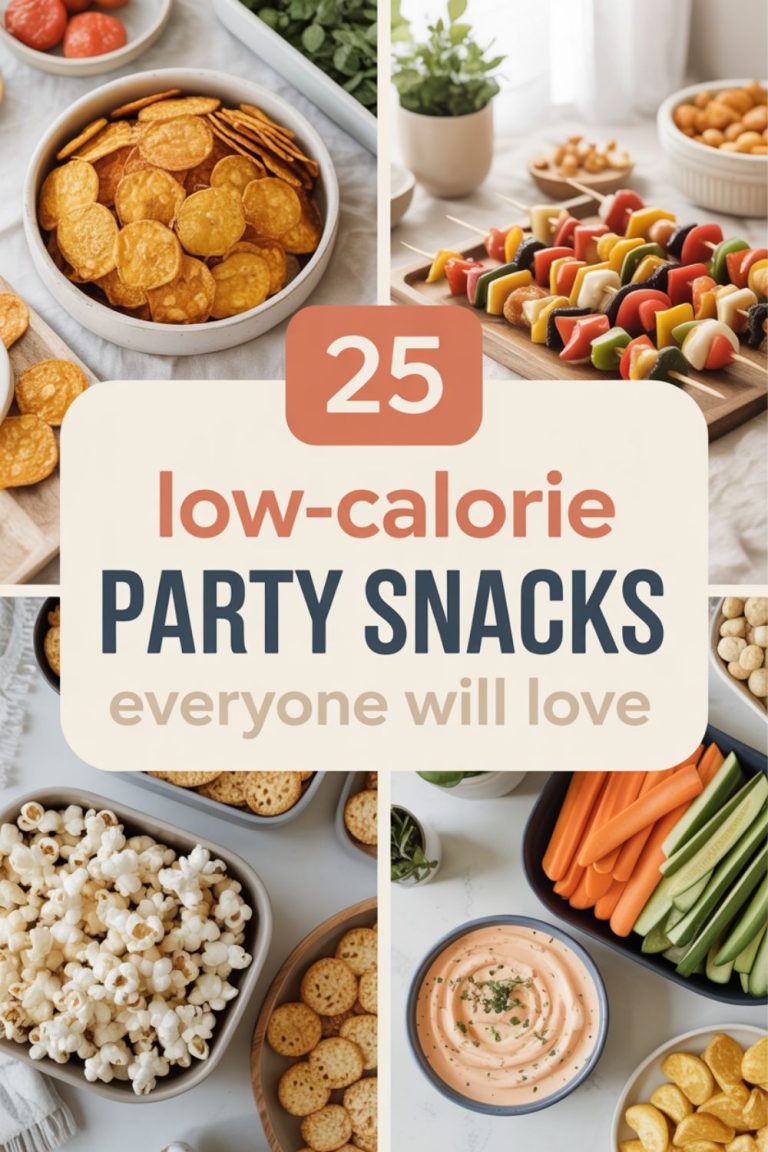
25 Low Calorie Snacks Under 100 Calories
Look, I get it. You’re sitting at your desk at 3 PM, stomach growling like an angry bear, and the vending machine is calling your name. But here’s the thing—snacking doesn’t have to wreck your calorie budget or leave you feeling guilty. I’ve been down that road of mindlessly munching through a family-size bag of chips, only to realize I just ate 800 calories without even thinking about it.
The secret? Having a solid list of snacks that clock in under 100 calories but actually satisfy you. Not those sad celery sticks that leave you hungrier than before. I’m talking about real food that tastes good and keeps you from face-planting into a pizza at dinner time.

Why 100 Calories Actually Matters
Before we jump into the list, let’s talk about why 100 calories is the magic number. It’s not arbitrary—it’s actually based on how your body processes energy between meals. When you snack smart with portion-controlled options, you’re keeping your metabolism humming without overdoing it.
Here’s what I’ve learned from years of trial and error: the best low-calorie snacks combine protein with fiber. This combo keeps your blood sugar stable and prevents that crash-and-burn cycle that sends you straight to the cookie jar. Think of it as giving your body premium fuel instead of empty calories that burn out fast.
According to Mayo Clinic’s research on healthy snacking, strategic snacking can actually support weight management when done correctly. The key is choosing nutrient-dense options that provide satiety.
The Best 25 Low Calorie Snacks Under 100 Calories
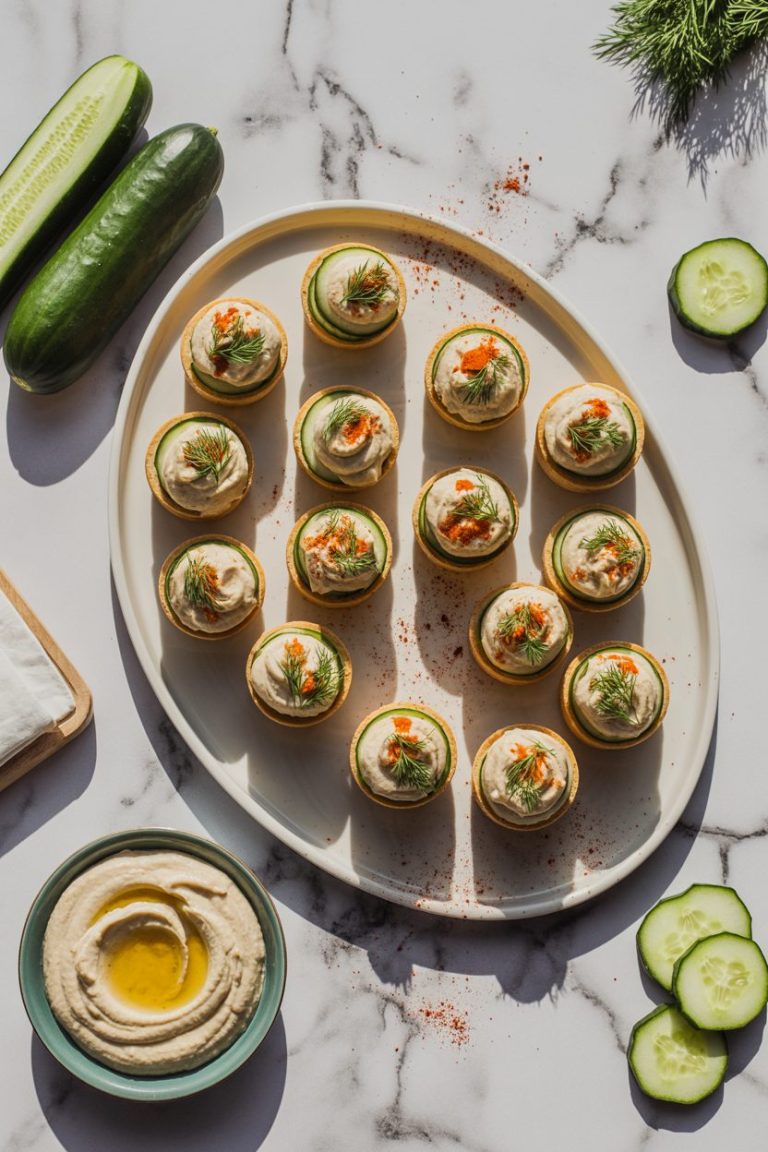
1. Mini Cucumber Boats (15 calories)
Take a cucumber, slice it lengthwise, scoop out the seeds with a mini melon baller, and fill it with two tablespoons of hummus. Boom—you’ve got a crunchy, refreshing snack that feels substantial. The cucumber’s water content helps you feel full, while the hummus adds a protein punch.
I discovered this combo during a particularly desperate snack attack, and now it’s my go-to when I need something that feels like I’m actually eating real food. For more creative ways to use hummus, check out these hummus and veggie combinations.
2. Air-Popped Popcorn (31 calories per cup)
Forget the microwave bags loaded with butter and mystery chemicals. Real air-popped popcorn is a whole grain that gives you volume without the calorie hit. Season it with nutritional yeast, garlic powder, or a tiny sprinkle of salt.
I use this air popper that takes like two minutes and doesn’t require oil. You can eat a full three cups for under 100 calories, which is honestly more food than your stomach can handle.
🍿 Game-Changer Alert: The Air Popper That Changed My Snacking Life
Okay, real talk—I resisted getting an air popper for way too long because I thought it was just another kitchen gadget that would collect dust. But this thing has legitimately transformed how I snack. No oil, no chemicals, just fluffy popcorn in under 3 minutes.
- Zero oil needed – Keeps calories ridiculously low (31 cal per cup!)
- Ready in 2-3 minutes – Faster than microwave bags
- Makes up to 18 cups – Perfect for meal prep or movie nights
- Easy cleanup – Just wipe it down, no scrubbing
- Lasts forever – Mine’s been going strong for 2+ years
I prep a week’s worth every Sunday and portion it into containers. When that 3 PM hunger hits, I grab a bag and feel like I’m eating actual snack food instead of suffering through another sad rice cake. The crunch factor alone makes it worth it.
3. Cherry Tomatoes with Balsamic (25 calories)
This sounds fancy but it’s criminally simple. Toss a cup of cherry tomatoes with a teaspoon of balsamic vinegar and a pinch of sea salt. The natural sweetness of the tomatoes gets amplified by the vinegar’s tang, creating this sweet-savory situation that hits different.
The lycopene in tomatoes is also a powerful antioxidant that supports heart health, so you’re basically snacking your way to better cardiovascular function. Science is cool like that.
4. Hard-Boiled Egg (78 calories)
One hard-boiled egg packs 6 grams of protein and keeps you satisfied way longer than most snacks double its calories. I know some people find them boring, but hear me out—sprinkle it with everything bagel seasoning or smoked paprika and suddenly it’s interesting.
Make a batch on meal prep day using an egg cooker that guarantees perfect results every time. No more guessing if they’re done or dealing with that gross green ring around the yolk. Looking for more protein-packed options? Try these customizable egg muffin bites.
The Electric Egg Cooker That Ended My Kitchen Struggles
Real talk: I used to mess up hard-boiled eggs constantly. Too soft, too hard, that weird green ring—you name it, I screwed it up. This little machine changed everything. Set it, forget it, get perfect eggs every single time.
Why This Thing Is Actually Worth It:
- Cooks up to 12 eggs at once – Perfect for weekly meal prep
- Auto shut-off feature – No more overcooked disasters
- Makes soft, medium, or hard boiled – You control the doneness
- Also poaches and makes omelets – More versatile than you’d think
- Dishwasher safe parts – Cleanup takes 30 seconds
- Buzzer alert – Tells you when they’re done
I use mine at least 3x per week. It’s honestly one of those purchases where you wonder how you lived without it. The consistency alone makes it worth every penny—no more eggshell roulette or rubbery whites.
5. Apple Slices with Cinnamon (95 calories)
A medium apple sliced up and dusted with cinnamon gives you natural sweetness plus fiber that actually fills you up. Cinnamon has the added benefit of helping regulate blood sugar, which means you won’t get that energy spike and crash.
I slice mine super thin using a mandoline slicer because it makes them feel like more food. Psychology matters when you’re snacking on a calorie deficit.
6. Edamame (100 calories for ½ cup)
These little green guys are protein powerhouses. Half a cup of shelled edamame delivers 9 grams of protein and 4 grams of fiber. Sprinkle them with sea salt or go wild with chili lime seasoning.
You can buy them frozen and just microwave them in a microwave steamer for three minutes. Instant snack that actually keeps hunger at bay until your next meal.
The Microwave Steamer That Makes Healthy Eating Stupid Easy
I was skeptical about microwave steamers until I realized I was spending 20 minutes steaming vegetables on the stove like some kind of medieval peasant. This thing cooks perfect veggies in 3-5 minutes and keeps all the nutrients intact.
What Makes This Kitchen Essential:
- BPA-free silicone construction – Safe for daily use, no weird chemicals
- Collapsible design – Stores flat, saves massive cabinet space
- Works for everything – Veggies, edamame, fish, dumplings, you name it
- Built-in handles – No burning your hands trying to remove it
- Dishwasher safe – Just toss it in when you’re done
- Portion control built in – The size naturally limits servings
I keep mine next to my microwave and use it for edamame, broccoli, cauliflower—basically any veggie that needs quick cooking. The fact that it collapses down to like 2 inches thick is clutch for my tiny kitchen. No more pots and pans for simple steam jobs.
7. Greek Yogurt with Berries (80 calories)
Two tablespoons of plain Greek yogurt topped with a quarter cup of mixed berries is like dessert but actually good for you. The protein in Greek yogurt is way higher than regular yogurt, and the berries add natural sweetness without added sugar.
Skip the flavored yogurt with its hidden sugars and make your own version. Your taste buds will adjust after a few days, I promise. If you love yogurt-based snacks, you’ll definitely want to try this layered Greek yogurt parfait.
8. Baby Carrots with Mustard (40 calories)
Ten baby carrots dipped in a tablespoon of Dijon mustard sounds weird until you try it. The mustard’s tanginess cuts through the carrots’ sweetness in this unexpectedly satisfying way.
Carrots are loaded with beta-carotene, which your body converts to vitamin A for eye health. So yeah, your mom was right about carrots and eyesight—who knew?
9. String Cheese (80 calories)
One stick of part-skim mozzarella string cheese is portable, requires zero prep, and gives you protein plus calcium. I keep a stash in my office fridge for emergency situations.
The act of peeling it into strings also slows down how fast you eat, which gives your brain time to register fullness. It’s a weird psychological hack that actually works.
10. Watermelon Cubes (46 calories per cup)
A cup of watermelon cubes is basically flavored water with structure. It’s 92% water, which means you’re hydrating while snacking. Plus that natural sweetness satisfies sugar cravings without derailing your day.
Cut it up ahead of time and store it in glass meal prep containers so you can grab it when you’re too lazy to deal with a whole watermelon.
The Digital Food Scale That Changed How I Portion Everything
Look, I thought measuring food was obsessive until I realized I was eating “100-calorie snacks” that were actually 250 calories because my eyeball portions were trash. This scale takes the guesswork out completely and it’s weirdly satisfying to get exact measurements.
Why You Actually Need This:
- Accurate to 1 gram – Finally know what 28g of almonds actually looks like
- Tare function – Place your bowl, zero it out, add food—no math required
- Multiple units – Grams, ounces, pounds, ml—whatever you need
- Compact & sleek design – Doesn’t take up half your counter
- Easy-to-read display – Backlit screen so you can see it clearly
- Auto shut-off – Saves battery when you forget to turn it off
I use mine every single day for portioning snacks. Turns out a “small handful” of cashews is like 200 calories, not 100. Once you start weighing things, you realize why your portions weren’t working. It’s an eye-opener in the best way, and it makes meal prep way more accurate.
For a fun twist on this refreshing snack, check out our viral watermelon pizza recipe that’s been blowing up on social media.
11. Celery with Almond Butter (95 calories)
Two stalks of celery with a tablespoon of almond butter is the adult version of ants on a log minus the raisins. The almond butter provides healthy fats and protein that make this way more satisfying than celery alone.
Fun fact: celery contains compounds called phthalides that may help lower blood pressure. So you’re essentially snacking your way to better cardiovascular health.
12. Sliced Bell Peppers (30 calories per cup)
One cup of sliced red bell peppers is crunchy, sweet, and loaded with vitamin C—like, more vitamin C than an orange, which blew my mind when I first learned it. Eat them plain or dip them in a tablespoon of hummus.
I use this veggie chopper that makes uniform slices in seconds because I’m way too impatient for a knife and cutting board situation.
13. Frozen Grapes (62 calories per cup)
Throw a cup of grapes in the freezer for a few hours and you’ve got tiny popsicles that take forever to eat. They’re sweet, refreshing, and the frozen texture makes them feel more substantial than regular grapes.
Red grapes contain resveratrol, the same antioxidant found in red wine, so you’re basically getting wine benefits without the hangover. Science is amazing.
14. Rice Cakes with Avocado (90 calories)
One rice cake topped with two tablespoons of mashed avocado and a sprinkle of everything bagel seasoning is like the minimalist version of avocado toast. You get healthy fats, fiber, and that satisfying crunch.
Use an avocado slicer to make this even easier because who has time to wrestle with avocado pits at 4 PM?
15. Cottage Cheese with Cucumber (70 calories)
Half a cup of low-fat cottage cheese topped with diced cucumber and black pepper is protein-rich comfort food. Cottage cheese delivers around 12 grams of protein per half cup, which is legitimately impressive for a snack.
I used to think cottage cheese was gross until I tried it with savory toppings instead of fruit. Game changer. For more cottage cheese inspiration, try this savory cottage cheese bowl that’s become a reader favorite.
16. Strawberries (49 calories per cup)
A full cup of sliced strawberries is basically dessert that happens to be loaded with vitamin C and antioxidants. They’re naturally sweet enough that you don’t need to add anything.
Freeze them for a different texture or dip them in a tablespoon of Greek yogurt for extra protein. Either way, you’re winning.
17. Turkey Roll-Ups (60 calories)
Two slices of deli turkey wrapped around cucumber sticks is like a sandwich without the bread. You get protein from the turkey and crunch from the cucumber, plus it feels more substantial than it actually is.
Add a tiny smear of mustard or hummus inside for extra flavor. This is my go-to when I need something savory that doesn’t require actual cooking. Find more protein-packed ideas in our collection of creative turkey wrap variations.
18. Roasted Chickpeas (100 calories for ¼ cup)
Quarter cup of roasted chickpeas seasoned with paprika and garlic powder is crunchy, satisfying, and delivers both protein and fiber. Make a big batch on Sunday using a silicone baking mat and they’ll last all week.
The key is getting them really crispy by roasting at high heat. Soggy chickpeas are sad chickpeas, trust me on this.
19. Cantaloupe Slices (54 calories per cup)
A cup of cubed cantaloupe is hydrating, naturally sweet, and provides vitamins A and C. It’s one of those snacks that feels indulgent but is actually just fruit doing its thing.
Pro move: wrap cantaloupe cubes with a thin slice of prosciutto for a sweet-savory combo that’s fancy enough for guests but easy enough for Tuesday afternoon.
20. Seaweed Snacks (30 calories per pack)
Those crispy seaweed sheets are like chips but with iodine and almost zero calories. They’re salty, crunchy, and satisfy that need for something that goes “crunch” when you bite it.
Fair warning: they’re an acquired taste. But once you’re on board, you’re on board. Plus they come in individual packs that make portion control automatic.
21. Sugar Snap Peas (35 calories per cup)
A cup of sugar snap peas eaten raw is crunchy, slightly sweet, and feels more filling than you’d expect. They’re loaded with vitamin K and vitamin C, which support bone health and immune function respectively.
I eat them straight from the bag like chips because I’m classy like that. No dip needed, though hummus never hurts if you have calories to spare.
22. Pickles (17 calories for a whole dill pickle)
One whole dill pickle is basically free calories with serious crunch factor. The vinegar and salt combo satisfies savory cravings, and the fermentation process means you’re getting probiotics for gut health.
Keep a jar in your fridge for emergency snack attacks. Just watch the sodium if you’re sensitive to salt.
23. Banana with Cinnamon (105 calories)
Okay, technically this sneaks slightly over 100 calories, but it’s worth mentioning because bananas are portable, require zero prep, and give you quick energy from natural sugars plus potassium for muscle function.
Slice it and sprinkle cinnamon on top to slow down how fast you eat it. Or freeze banana slices on parchment paper for a different texture that feels more like a treat. Speaking of banana treats, you have to try this banana nice cream that tastes like actual ice cream.
24. Radishes with Salt (19 calories per cup)
Sliced radishes with a sprinkle of sea salt and a squeeze of lime is refreshing, peppery, and weirdly addictive. They’re crunchy enough to satisfy that need for texture without adding significant calories.
Radishes are part of the cruciferous vegetable family, which means they contain compounds that may support liver detoxification. Fancy science words for “good for you.”
25. Jicama Sticks (46 calories per cup)
If you’ve never tried jicama, you’re missing out. It’s crunchy like an apple but not sweet, making it perfect for savory applications. Cut it into sticks and sprinkle with chili powder and lime juice.
The texture is incredibly satisfying, and it’s loaded with fiber that keeps you full. Use a julienne peeler to make perfect matchsticks without the knife skills.
The Protein vs. Fiber Debate
Here’s something I’ve learned through extensive snacking research (aka my entire adult life): the best low-calorie snacks contain either protein or fiber, ideally both. Protein takes longer to digest, which means you stay satisfied longer. Fiber adds bulk without calories, which physically fills your stomach.
When you combine the two—like Greek yogurt with berries or celery with almond butter—you’re basically creating the perfect storm of satiety. This is why you can eat 500 calories of candy and be hungry an hour later, but 100 calories of the right snack keeps you going until dinner.
If you’re really focused on maximizing protein intake, definitely check out these high-protein snack options under 200 calories that work perfectly for larger appetites or post-workout fuel.
Snacking Strategy That Actually Works
Look, having a list of 25 snacks is great, but you need an actual strategy or you’ll still find yourself elbow-deep in a bag of chips at 10 PM. Here’s what works for me:
Pre-portion everything. I spend 20 minutes on Sunday dividing snacks into grab-and-go containers. When hunger hits, I’m not making portion decisions with my lizard brain—I’m just eating what I already measured.
Keep snacks visible but not too visible. I store healthy options at eye level in the fridge and pantry. The less convenient junk food is, the less likely I am to eat it during a weak moment.
Have a snack schedule. This sounds rigid but it actually helps. I eat something small at 10 AM and 3 PM, which prevents me from getting so hungry that I make terrible decisions. If you’re meal prepping your snacks, these high-protein meal prep lunches follow the same make-ahead principle.
Common Snacking Mistakes I’ve Made (So You Don’t Have To)
Let’s talk about what doesn’t work, because I’ve tried it all. Eating “just one” cookie from the package rarely ends with just one cookie. Keeping trigger foods in the house and expecting willpower to save you is a recipe for disaster.
The whole “I’ll just have a small amount of ice cream” thing? Yeah, that’s never worked for me. I’m way better off having frozen grapes that satisfy the cold-and-sweet craving without turning into a pint situation.
Another mistake: waiting until you’re starving to think about snacks. By that point, anything within arm’s reach is getting demolished regardless of calories. Prep when you’re full, snack when you’re hungry—not the other way around.
Making Peace with Snacking
Here’s the truth bomb: snacking isn’t the enemy. Mindless eating without awareness is the problem. When you have a plan and good options available, snacking between meals can actually support your goals instead of sabotaging them.
I used to feel guilty every time I ate between meals, like I’d failed at some arbitrary willpower test. But our bodies need fuel throughout the day, especially if you’re active or have a demanding schedule. The key is choosing snacks that serve you instead of derailing you.
These 25 options give you variety so you don’t get bored. Some days you want something sweet, other days you need salty and crunchy. Having a mental rolodex of low-calorie choices means you’re prepared for whatever craving hits.
For those following a structured eating plan, these snacks fit perfectly into a calorie deficit meal plan without feeling restrictive or boring.
Frequently Asked Questions
How many snacks should I eat per day?
It depends on your total calorie needs and meal timing, but most people do well with 1-2 planned snacks between meals. I typically have one mid-morning and one mid-afternoon to prevent energy crashes and overeating at main meals. Listen to your body—if you’re genuinely hungry between meals, a 100-calorie snack is a smart choice.
Will snacking slow down my weight loss?
Not if you account for snack calories in your daily total. Snacking can actually support weight loss by preventing extreme hunger that leads to overeating. The key is choosing nutrient-dense options like the ones on this list that provide satiety without excessive calories. Track your snacks just like you would meals to stay on target.
What’s the best snack for late-night cravings?
I’d go with something protein-rich that won’t spike your blood sugar before bed. Greek yogurt with berries, cottage cheese with cucumber, or a hard-boiled egg are all solid choices. Avoid high-sugar options that might interfere with sleep quality—your body will thank you in the morning.
Can I eat these snacks on a keto diet?
Some of them work for keto, but not all. Stick to options like hard-boiled eggs, cheese, cucumber with hummus (in moderation), celery with almond butter, and pickles. Skip the fruit-based snacks and anything with rice or chickpeas since they’re higher in carbs. Always check your macros to make sure snacks fit your specific keto targets.
How do I stop myself from overeating healthy snacks?
Pre-portioning is your best friend here. Even healthy snacks add up if you eat the whole container. Put single servings in small containers or bags so you’re eating a measured amount, not making portion decisions when you’re hungry. Also, eat slowly and away from screens—mindless snacking leads to overeating regardless of what you’re eating.
Final Thoughts
Snacking under 100 calories doesn’t mean suffering through sad, unsatisfying food. These 25 options prove you can eat real, delicious snacks that support your goals instead of sabotaging them. The trick is having variety so you don’t get bored, and a strategy so you’re not making decisions when you’re hangry.
Start by trying five or six options from this list to see what actually satisfies you. Everyone’s different—what works for me might not work for you, and that’s totally fine. The goal is finding your personal rotation of snacks that you actually look forward to eating.
Prep when you’re motivated, eat when you’re hungry, and remember that snacking isn’t cheating—it’s just smart fuel management. Now go forth and snack with confidence, knowing you’ve got options that won’t derail your day.