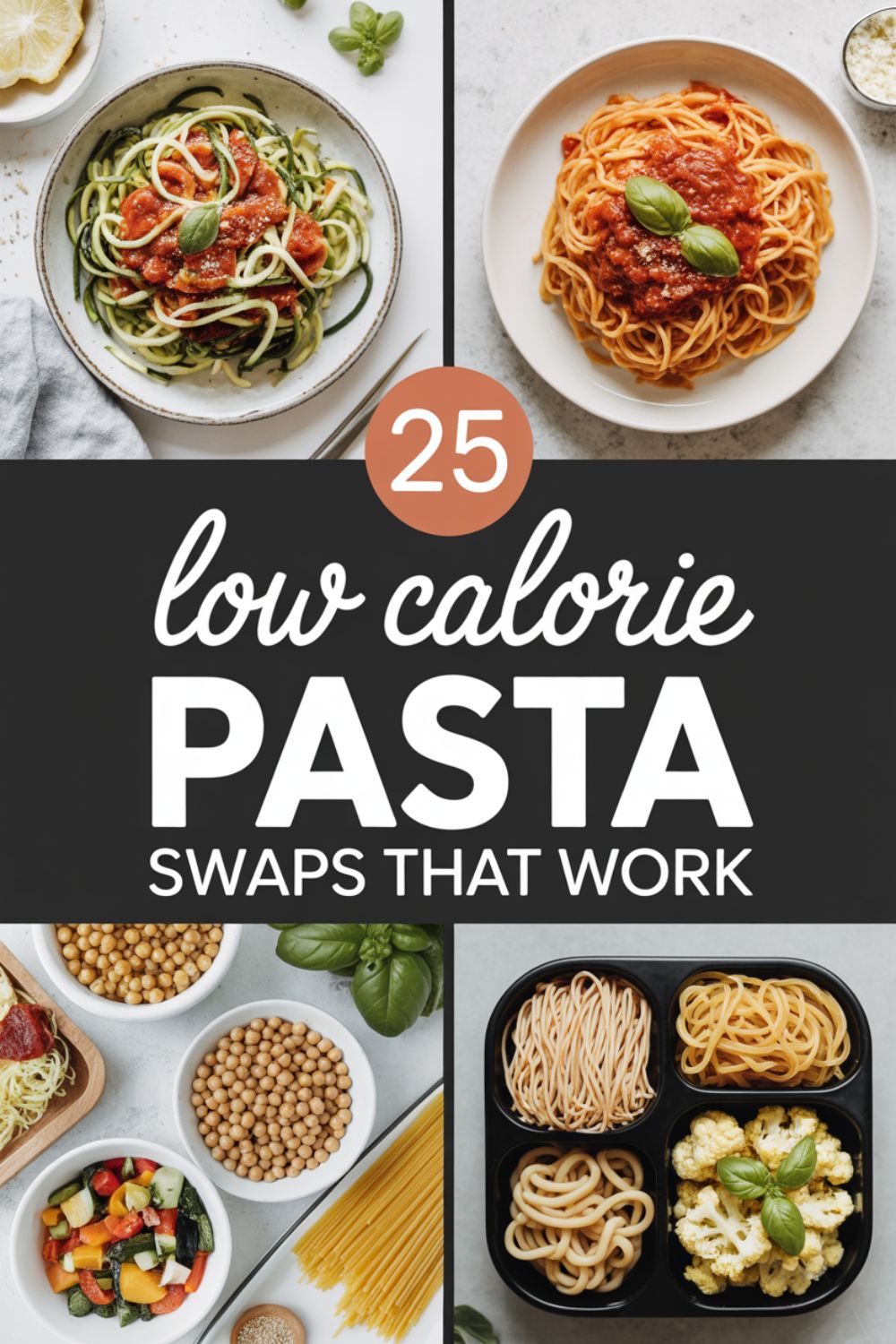
25 Low Calorie Pasta Swaps That Work
Let’s be real—pasta is comfort food at its finest. But when you’re trying to cut calories or carbs without feeling like you’re eating cardboard, finding the right swap can feel impossible. I’ve tried everything from zucchini noodles that turned into mush to weird spiralized vegetables that tasted nothing like pasta. Some worked, some didn’t, and some were just plain ridiculous.
Here’s the thing: not all pasta swaps are created equal. Some actually taste good and hold up to sauces, while others are better left on the shelf. After years of trial and error (and a few culinary disasters), I’ve narrowed down the swaps that actually work. Whether you’re counting calories, going low-carb, or just trying to sneak more veggies into your diet, this list has something for everyone.
Final Thoughts
Look, I’m not here to tell you that zucchini noodles taste exactly like spaghetti, because they don’t. But what I will say is this: the right pasta swap can make eating healthier a whole lot easier. You don’t have to give up comfort food or feel like you’re constantly depriving yourself.
Some of these swaps are legit delicious, some are just okay, and some require a bit of an open mind. The key is finding the ones that work for you and your taste buds. Don’t be afraid to experiment, and don’t feel bad if you decide to just eat regular pasta sometimes. Balance is everything.
Whether you’re Team Chickpea Pasta or Team Spaghetti Squash, there’s a swap out there that’ll work for your lifestyle. Give a few of these a shot, mix them up, and see what sticks. You might be surprised at what you end up loving.
Why Bother Swapping Pasta Anyway?
Traditional pasta isn’t evil, but it’s carb-heavy and can rack up calories fast—especially when you’re like me and can’t stop at one serving. A cup of cooked spaghetti has around 200 calories and 40+ grams of carbs. Add sauce, cheese, and maybe some meatballs, and you’re looking at a meal that could derail your day.
The beauty of pasta swaps is that they let you enjoy those same flavors without the calorie bomb. Plus, many of these alternatives pack in extra fiber, vitamins, and nutrients you wouldn’t get from regular noodles. Win-win, right?
The Veggie-Based Swaps: Spiralize Your Way to Success
1. Zucchini Noodles (Zoodles)
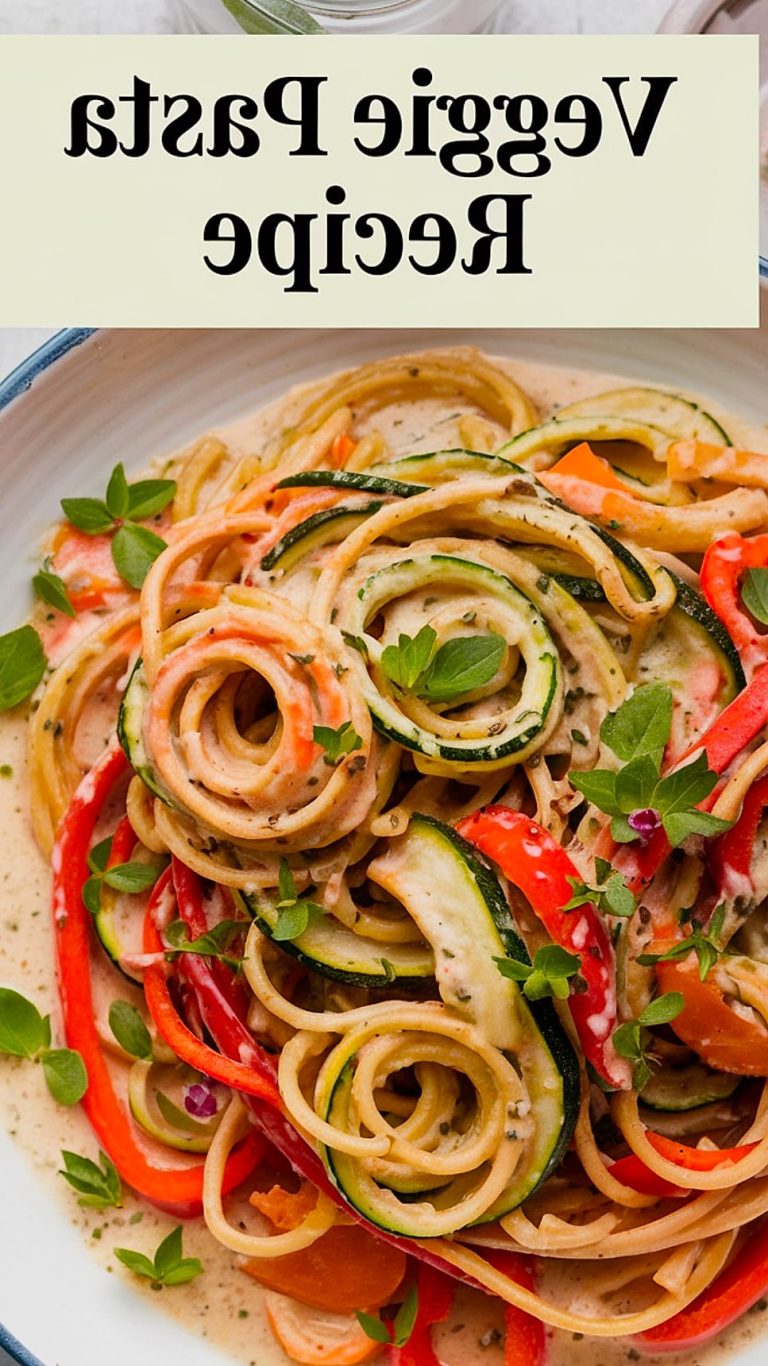
Ah, the poster child of pasta alternatives. Zucchini noodles are low in calories—about 20 per cup—and they’re surprisingly versatile. The trick is not overcooking them. Seriously, a minute too long and you’ve got soggy, watery noodles that nobody wants.
I like to sauté mine for literally 60 seconds in a hot pan, just enough to warm them up without releasing all that water. Pair them with a thick sauce like marinara or pesto, and you’ve got yourself a decent meal. Need a spiralizer that doesn’t require a manual workout? Trust me, the electric ones are worth it.
🔥 Game-Changer Alert: Electric Spiralizer
After hand-cramping my way through dozens of zucchinis, I finally caved and got an electric spiralizer. Best decision ever. This thing turns vegetables into noodles in seconds—no arm workout required. It handles everything from zucchini to sweet potatoes, and cleanup is actually manageable. If you’re serious about veggie noodles, this is the tool that’ll make you actually use them instead of letting them rot in your crisper drawer.
If you’re craving something fresh and light, check out this zucchini noodle pasta salad or try these Mediterranean chickpea wraps for another veggie-forward option.
2. Spaghetti Squash
This is my go-to when I want something that actually looks like pasta. Once cooked, spaghetti squash shreds into long, noodle-like strands with only 42 calories per cup. The texture is slightly sweet and a bit crunchy, which pairs beautifully with savory sauces.
I usually cut mine in half, scoop out the seeds, and roast it face-down at 400°F for about 40 minutes. You can also microwave it if you’re in a rush, but roasting gives you better flavor. Get Full Recipe
The Ultimate Kitchen Tool: Premium Vegetable Spiralizer Set
Look, I’ve bought three different spiralizers before finding this one. The cheap ones broke, the handheld ones gave me blisters, and the countertop models took up half my kitchen. This set is different—it’s sturdy, comes with multiple blade options, and actually makes spiralizing vegetables enjoyable instead of a workout.
- Four different blade sizes for thick or thin noodles
- Suction base that actually stays put (game-changer)
- Works on hard veggies like butternut squash without jamming
- Dishwasher safe and doesn’t stain from beets
- Includes a cleanup brush and protective glove
If you’re serious about making veggie noodles a regular thing, this is the investment that’ll make it happen. I use mine at least 3-4 times a week, and it still works like new after a year of heavy use.
3. Butternut Squash Noodles
Similar to spaghetti squash but with a richer, slightly sweeter flavor. Butternut squash noodles have about 45 calories per cup and are loaded with vitamin A. They’re great when you want something heartier than zoodles but still veggie-based.
These work really well with cream-based sauces or brown butter and sage. Just don’t expect them to taste like traditional pasta—embrace the squash flavor, and you’ll be happy.
4. Carrot Noodles
Okay, hear me out. Carrot noodles sound weird, but they’re actually pretty solid. They’re crunchy, slightly sweet, and have about 25 calories per cup. I like using them in Asian-inspired dishes with peanut sauce or stir-fries.
The key is to spiralize them thick so they don’t turn into mush. A quick sauté with garlic and soy sauce, and you’ve got yourself a surprisingly tasty dish. For more Asian-inspired ideas, try this stir-fried tofu with broccoli.
5. Beet Noodles
These are more of a niche option, but if you love beets, you’ll love these. Beet noodles are earthy, vibrant, and packed with antioxidants. They stain everything pink, so fair warning—wear an apron.
I like to pair them with goat cheese and walnuts for a salad-style dish. They’re not for everyone, but they’re definitely Instagram-worthy.
The Legume-Based Swaps: High Protein, Lower Carb
6. Chickpea Pasta
This is hands down one of the best store-bought swaps. Chickpea pasta has around 190 calories per serving, 11 grams of protein, and actually tastes like real pasta. Brands like Banza have nailed the texture, and it holds up well with thick sauces.
The only downside? It can get a bit mushy if you overcook it, so keep an eye on the timer. I use chickpea pasta for everything from mac and cheese to spaghetti and meatballs. Speaking of protein-packed meals, this Mediterranean chickpea bowl is another great option.
💚 The Pasta That Changed My Life: Banza Chickpea Pasta
I know that sounds dramatic, but hear me out. This stuff actually tastes like pasta. Not “pretty good for a healthy alternative” pasta—actual, real pasta. It’s got 25g of protein per serving, tons of fiber, and it holds up to sauce like a champ. I keep my pantry stocked with at least 5 boxes at all times because once you try it, regular pasta just feels… boring. Pro tip: the rotini shape works better than the spaghetti if you’re new to chickpea pasta.
7. Lentil Pasta
Lentil pasta is slightly higher in calories—about 200 per serving—but it packs 13 grams of protein and a ton of fiber. The flavor is a bit earthier than chickpea pasta, so it works best with bold sauces like arrabbiata or Bolognese.
I find that red lentil pasta has a smoother texture than green lentil pasta, but both are solid choices. If you’re into lentils, you’ll also love this lentil spinach soup or this lentil sweet potato stew.
8. Black Bean Pasta
Okay, black bean pasta is… different. It’s dark, it’s dense, and it’s definitely an acquired taste. But if you can get past the color, it’s packed with protein (around 25 grams per serving) and fiber.
I like using it in Mexican-inspired dishes with salsa, avocado, and lime. It doesn’t really work for Italian sauces, IMO, but paired with the right flavors, it’s pretty great. For more Mexican-inspired meals, try these veggie-packed black bean tacos.
9. Edamame Pasta
Edamame pasta is another high-protein option with about 200 calories and 24 grams of protein per serving. It’s got a slightly grassy flavor, which works well with Asian sauces like teriyaki or sesame ginger.
The texture is firm—almost too firm if you undercook it—so make sure you boil it for the full recommended time. I like to toss it in this nonstick wok with veggies and a savory sauce.
Non-Stick Carbon Steel Wok – Perfect for Pasta Swaps
Here’s something I didn’t expect: getting a good wok completely changed how I cook pasta alternatives. High heat, quick cooking, no sticking—it’s exactly what veggie noodles and alternative pastas need. This isn’t one of those cheap nonstick pans that flakes off after a month. It’s carbon steel, which means it gets better with age and can handle serious heat.
- Heats evenly and gets smoking hot in seconds
- Large enough to toss ingredients without making a mess
- Naturally nonstick once seasoned (no weird chemicals)
- Works on gas, electric, and induction cooktops
- Helper handle makes it easy to control with one hand
I use this for stir-frying zoodles, searing shirataki noodles, and basically any dish where I need high heat and quick cooking. It’s the kind of pan that makes you actually want to cook instead of ordering takeout.
The Zero-Carb Heroes: Shirataki and Kelp Noodles
10. Shirataki Noodles
Let’s talk about the elephant in the room: shirataki noodles are weird. They’re translucent, they’re chewy, and they come packed in water that smells… not great. But here’s the kicker—they have basically zero calories and zero carbs.
Made from konjac root fiber (glucomannan), shirataki noodles are all about texture. They don’t taste like anything on their own, so you need to pair them with a sauce that has serious flavor. I rinse mine thoroughly, boil them for 2-3 minutes, then dry-fry them in a pan to get rid of excess moisture.
✨ Meal Prep Magic: Glass Meal Prep Containers
Real talk: half the battle with pasta swaps is storage. Veggie noodles get soggy, chickpea pasta gets sticky, and plastic containers just make everything gross. These glass containers are a total game-changer—they’re airtight, microwave-safe, and they don’t stain or smell weird after a week of storing marinara sauce. I use them for literally everything: prepped zoodles, cooked lentil pasta, sauces, you name it. They’re stackable, dishwasher-safe, and honestly just make meal prep feel less like a chore.
Are they perfect? No. Will they satisfy a pasta craving? Maybe. But if you’re on a strict low-carb diet, they’re worth trying. Just don’t expect miracles.
11. Kelp Noodles
Kelp noodles are crunchy, glassy, and loaded with minerals. They’re made from seaweed and have around 6 calories per serving. The texture is… unique. Think glass noodles but crunchier.
I like using them in cold salads or Asian-inspired dishes. To soften them up, soak them in warm water with a squeeze of lemon juice and a pinch of baking soda. They’re definitely not for everyone, but if you’re into seaweed, they’re pretty cool.
The Whole Grain and Alternative Grain Swaps
12. Whole Wheat Pasta
Not the most exciting swap, but it’s a solid one. Whole wheat pasta has about 180 calories per serving, more fiber, and more nutrients than regular pasta. The flavor is nuttier, and the texture is a bit denser.
If you’re not ready to go full veggie noodle, this is a great middle ground. Try this whole wheat spaghetti with spinach pesto or this whole wheat spaghetti with cherry tomatoes and basil.
13. Quinoa Pasta
Quinoa pasta is gluten-free, has about 210 calories per serving, and a slightly grainy texture. It’s not the lowest-calorie option, but it’s packed with protein and fiber.
The key is not to overcook it—it gets mushy fast. I use it when I want something gluten-free that still feels substantial. For more quinoa-based meals, check out this quinoa breakfast bowl or this Moroccan spiced quinoa bowl.
14. Brown Rice Pasta
Another gluten-free option, brown rice pasta has around 200 calories per serving and a mild flavor. It’s a safe bet if you’re cooking for someone who’s not into adventurous swaps.
The texture is pretty close to regular pasta, and it works well with any sauce. Just don’t leave it in the pot too long after draining—it gets sticky.
15. Buckwheat Soba Noodles
Soba noodles are made from buckwheat and have about 200 calories per serving. They’re nutty, earthy, and perfect for cold noodle salads or hot soups.
Just make sure you’re buying 100% buckwheat soba if you’re gluten-free—some brands mix in wheat flour. I love these in a cold peanut sauce or in miso soup.
The Creative Swaps: Beyond the Usual Suspects
16. Hearts of Palm Noodles
These are a newer option, and I’m kind of obsessed. Hearts of palm noodles have about 20 calories per serving and a texture that’s closer to real pasta than zoodles. They’re neutral in flavor, so they work with pretty much any sauce.
The only downside is they can be pricey. But if you’re looking for a low-calorie swap that actually feels like pasta, these are worth it. I use this brand from Whole Foods and never looked back.
Silicone Baking Mats – The Unsung Hero of Meal Prep
Okay, stay with me here. These aren’t directly related to pasta, but if you’re roasting spaghetti squash, baking chickpea pasta dishes, or making any kind of sheet pan meal with your pasta swaps, these mats will change your life. No more scrubbing pans, no more stuck-on food, no more wasting parchment paper every single time you cook.
- Nothing sticks—seriously, nothing (not even cheese)
- Reusable for years instead of buying parchment paper constantly
- Easy to clean—just rinse or throw in the dishwasher
- Heat resistant up to 480°F for roasting vegetables
- Fits standard half-sheet pans perfectly
I bought a set of two over a year ago and they’ve paid for themselves ten times over. Whether I’m roasting butternut squash for noodles, baking a pasta casserole, or meal prepping for the week, these mats are always in rotation. Zero regrets.
17. Cabbage Noodles
Yep, cabbage. Shredded cabbage makes a surprisingly good pasta substitute with only 17 calories per cup. It’s crunchy, hearty, and works great in stir-fries or soups.
I wouldn’t use it for Italian pasta dishes, but for Asian-inspired meals, it’s a game-changer. Try it in a pad thai-style dish or ramen.
18. Cauliflower Rice Noodles
Cauliflower rice isn’t technically noodles, but it works in a pinch. It has about 25 calories per cup and soaks up sauces beautifully. I use it when I want something starchy without the carbs.
You can buy pre-riced cauliflower to save time, or rice your own with a food processor. Either way, it’s a solid swap.
19. Eggplant Noodles
Eggplant can be sliced into thick ribbons and used as noodles in lasagna or baked pasta dishes. It’s low in calories, absorbs flavors well, and adds a meaty texture.
The trick is to salt the eggplant slices and let them sit for 30 minutes before cooking. This draws out excess moisture and prevents sogginess. Try this grilled eggplant with yogurt sauce for inspiration.
20. Seaweed Noodles
Similar to kelp noodles but with a slightly softer texture. Seaweed noodles are low in calories and high in iodine. They’re best used in Asian dishes where their briny flavor fits right in.
I like them in cold salads or as a topping for miso soup. They’re not for everyone, but if you’re into seaweed, give them a shot.
Looking for more creative meal ideas? Try this Mediterranean eggplant wrap or this roasted veggie pita pockets for something totally different.
The Half-and-Half Approach: Mix It Up
21. Half Regular Pasta, Half Veggie Noodles
Sometimes you don’t want to commit fully to a swap. Mixing regular pasta with zoodles or other veggie noodles is a great way to cut calories without sacrificing satisfaction.
I do this all the time—cook half the pasta I’d normally use and bulk it up with spiralized veggies. You get the best of both worlds: the taste of real pasta with the nutrition of vegetables.
22. Pasta with Spiralized Veggies
Same concept, different execution. Add spiralized veggies directly to your pasta dish to increase volume and nutrients without adding many calories.
This works especially well with dishes that have a lot of sauce. The veggies blend right in, and you end up with a more filling meal. For a hearty option, try this one-pot Mediterranean pasta.
The Pre-Made Options: When You’re Lazy (Like Me)
23. Store-Bought Veggie Noodles
Most grocery stores now sell pre-spiralized veggie noodles. They’re convenient, but they tend to release more water than fresh-spiralized noodles.
If you’re using store-bought, pat them dry with a towel before cooking. It helps prevent that watery mess. I use these from Trader Joe’s when I’m too lazy to spiralize my own.
24. Konjac-Based Pasta
Some brands make pasta-shaped konjac noodles that look and feel more like real pasta than traditional shirataki. They have the same low-calorie benefits but with a better texture.
I’ve tried a few different brands, and they’re hit or miss. The best ones are worth keeping in your pantry for those low-carb emergencies.
25. Frozen Veggie Noodles
Frozen veggie noodles are a lifesaver when you’re in a rush. They cook fast, require zero prep, and taste pretty decent.
Just toss them in a hot pan with sauce, and you’re good to go. I always keep a bag of frozen zoodles in my freezer for lazy weeknights. Pair them with this lemon herb chicken with roasted potatoes for a complete meal.
How to Actually Make These Swaps Work
Okay, so you’ve got your pasta swap. Now what? Here are a few tips to make sure your meal doesn’t suck:
- Don’t overcook veggie noodles. Seriously, they turn to mush in seconds. A quick sauté or even serving them raw with a hot sauce is usually best.
- Use bold sauces. Most pasta swaps are pretty bland on their own, so you need a sauce with some oomph. Think pesto, arrabbiata, or a rich marinara.
- Add protein and fat. A pile of zoodles on its own isn’t a meal. Top it with grilled chicken, shrimp, or even a poached egg to make it satisfying.
- Experiment with textures. Some swaps work better in certain dishes. Spaghetti squash is great for baked casseroles, while shirataki noodles are better in stir-fries.
- Don’t be afraid to mix and match. You don’t have to commit to one swap. Mix different types to find what you like.
For more high-protein meal ideas, check out this collection of high-protein chicken recipes or these high-protein breakfast recipes.
The Verdict: Which Swaps Are Actually Worth It?
After trying all of these (and then some), here are my top picks:
- Best Overall: Chickpea pasta. It tastes like real pasta, holds up well, and packs in protein.
- Best Low-Calorie Option: Spaghetti squash. It’s filling, versatile, and doesn’t taste like diet food.
- Best for Low-Carb Diets: Shirataki noodles. They’re weird, but they work if you prep them right.
- Best for Lazy Cooks: Store-bought zoodles. They’re not perfect, but they’re easy.
- Best for Texture: Hearts of palm noodles. They’re the closest thing to real pasta in a low-calorie package.
At the end of the day, the best pasta swap is the one you’ll actually eat. Some people love zoodles, some people hate them. Some people swear by shirataki, others think they’re inedible. Try a few, see what works for you, and don’t be afraid to just eat regular pasta sometimes. Life’s too short to hate your food.
Join Our WhatsApp Community!
Want more easy recipes, meal prep tips, and low-calorie swaps delivered straight to your phone? Join over 5,000+ health-conscious foodies in our free WhatsApp channel.
Daily recipe inspiration you’ll actually make
Exclusive meal prep hacks and shortcuts
First access to new articles and guides
Real-time tips from people who get it
No spam, just good food and community vibes
It’s free, it’s helpful, and you can leave anytime.
Frequently Asked Questions
What’s the lowest calorie pasta alternative?
Shirataki noodles and kelp noodles are the lowest, with basically zero to 20 calories per serving. They’re made from konjac root fiber and seaweed, respectively, and contain almost no carbs or calories. The trade-off is texture—they’re definitely not like regular pasta, so you need to go in with the right expectations.
Do pasta swaps actually taste like real pasta?
Some do, some don’t. Chickpea pasta and lentil pasta come pretty close to the real thing, especially when paired with a flavorful sauce. Veggie noodles like zoodles and spaghetti squash taste more like vegetables (because, well, they are), but they can still be satisfying if you prepare them right. Shirataki noodles? Not even close to real pasta, but they serve their purpose.
Can I meal prep with pasta swaps?
Yes, but it depends on the swap. Chickpea and lentil pasta hold up well in the fridge for a few days. Veggie noodles like zoodles tend to get watery when stored, so it’s best to prep them fresh or keep them raw and cook them when you’re ready to eat. Spaghetti squash can be prepped ahead and reheated without much issue.
Are pasta swaps actually healthier than regular pasta?
It depends on what you’re looking for. If you’re trying to cut calories or carbs, then yes—most swaps are lower in both. Veggie-based swaps also add fiber, vitamins, and minerals that regular pasta doesn’t have. But if you’re comparing nutritional value, whole wheat pasta or legume-based pasta can be just as nutritious as the swaps, if not more so. It’s all about your goals.
What’s the best pasta swap for picky eaters?
Chickpea pasta or whole wheat pasta are your safest bets. They taste the most like regular pasta and have a familiar texture. If you’re trying to sneak in veggies, try mixing half regular pasta with half veggie noodles—it’s a good gateway into healthier swaps without shocking anyone’s taste buds.