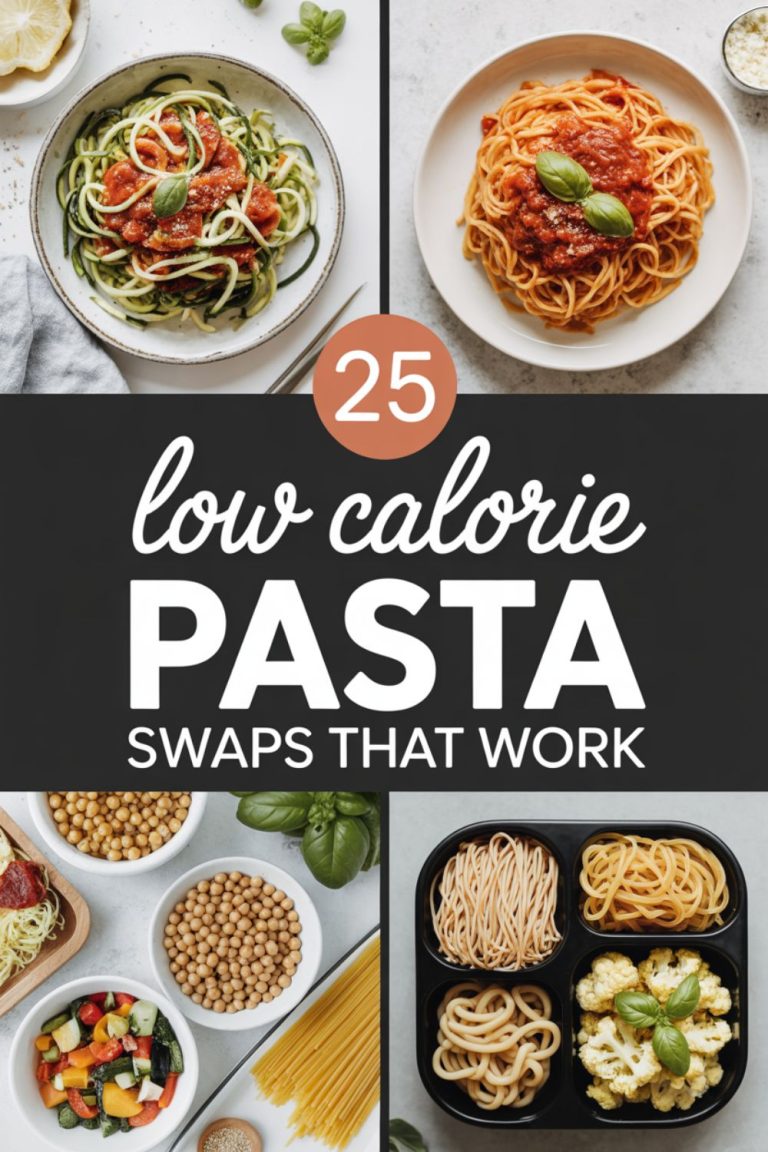
25 Low-Carb Pasta Alternatives That Actually Work
Look, I get it. You’re trying to cut carbs but you’re staring at that jar of marinara like it’s an ex you’re not quite over. The good news? You don’t have to break up with pasta night—you just need better options than soggy zucchini noodles that taste like regret.
I’ve spent way too many evenings experimenting with every low-carb pasta alternative on the market, and honestly, some of them belong in the trash. But others? They’re legitimately good. Like, “why didn’t I try this sooner” good.
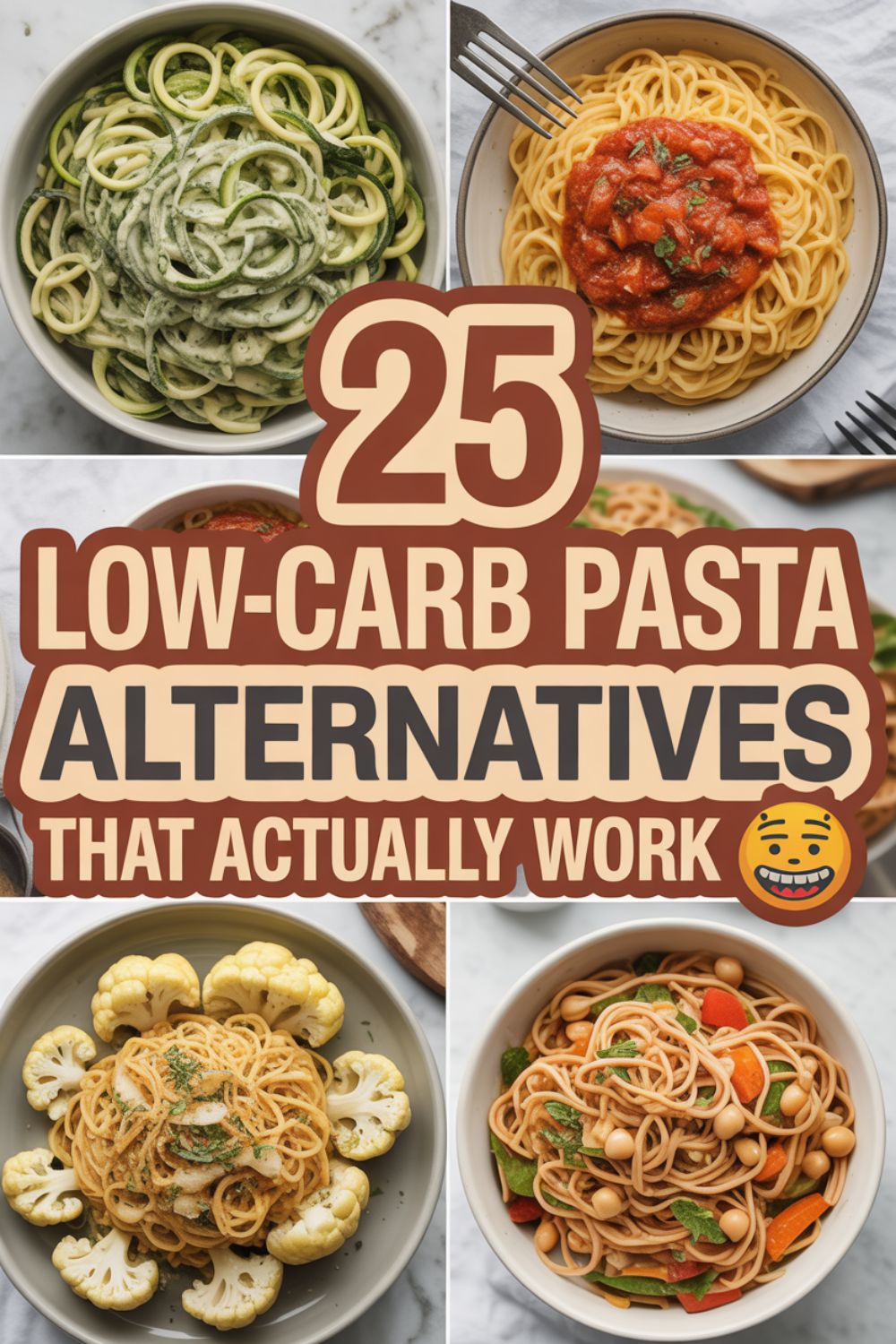
Whether you’re keto, watching your blood sugar, or just trying to feel less like a carb-loaded potato after dinner, these 25 alternatives will change your pasta game. Some require a spiralizer, others come ready to eat, and a few will make you question why regular pasta even exists.
The Vegetable-Based Champions
1. Zucchini Noodles (Zoodles)
The OG of veggie noodles, and for good reason. Zucchini transforms into surprisingly decent pasta when you spiralize it properly. The trick is not overcooking them—30 seconds in a hot pan is all you need. Any longer and you’re eating mush.
At about 3 grams of carbs per cup, zoodles let you pile your plate high without the guilt. They work brilliantly with tomato-based sauces and hold up surprisingly well under heat if you don’t baby them too much.
2. Spaghetti Squash
This one’s a bit more involved but worth the effort. Roast it, scrape it, and boom—instant pasta-like strands that actually have some substance to them. According to research on low-carb alternatives, spaghetti squash contains roughly 6.5 grams of carbs per 100 grams—about 20% of what you’d get from regular pasta.
The texture isn’t identical to wheat pasta (let’s be honest, nothing is), but it’s firm enough to twirl on a fork without falling apart. I like pairing it with a hearty meat sauce since the squash itself is pretty mild. Try it with this meatball marinara recipe for a satisfying dinner.
3. Hearts of Palm Pasta
This might be the most underrated option on the list. Hearts of palm come pre-cut into noodle shapes, require zero cooking, and taste surprisingly neutral. You literally drain, rinse, and they’re ready to go.
At 4 grams of carbs per serving, they’re not going to spike your blood sugar. The texture is slightly firmer than shirataki noodles but softer than al dente pasta. They work best cold in pasta salads or lightly warmed with sauce—don’t boil them or you’ll end up with mush.
4. Cucumber Noodles
Perfect for cold pasta salads, and that’s pretty much it. Don’t even think about heating these up. Use a vegetable peeler to make ribbons, toss them with your favorite vinaigrette, and you’ve got yourself a refreshing summer dish.
The crunch is actually nice, and at only 2.6 grams of carbs per cup, you can basically eat them by the bucketload. Just remove the seeds first—they’re watery and will turn your salad into soup.
5. Carrot Noodles
Slightly sweet, colorful, and surprisingly sturdy. Carrot noodles hold up better to heat than you’d expect, making them great for stir-fries. They’ve got more carbs than zucchini (about 10 grams per cup), but they’re still way lower than traditional pasta.
The natural sweetness works well with Asian-inspired sauces. Toss them with some sesame oil, soy sauce, and protein of choice, and you’ve got a quick weeknight dinner that doesn’t feel like you’re on a diet.
6. Bell Pepper Noodles
These don’t really look like noodles, but who cares? Slice bell peppers into thin strips and they become a crunchy, slightly sweet base for pasta dishes. They’re 92% water according to nutritional research, which means virtually no carbs and maximum volume.
Best used in stir-fries or cold salads where their crisp texture shines. Don’t bother trying to make them soft—that’s not their thing.
7. Cabbage Noodles
Weirdly underrated. Thinly sliced cabbage becomes noodle-adjacent when sautéed, and it holds sauce like nobody’s business. The key is cutting it thin enough—think coleslaw, not salad.
Green, red, or purple cabbage all work, and each brings a slightly different flavor. About 5 grams of carbs per cup, plus tons of fiber to keep you full. Works great in one-pot pasta dishes where everything cooks together.
8. Butternut Squash Noodles
A bit higher in carbs than other veggie options (about 16 grams per cup), but the flavor makes up for it. The natural sweetness pairs incredibly well with sage, brown butter, or cream-based sauces.
You’ll need a decent spiralizer for this one since butternut squash is harder than zucchini. But trust me, it’s worth the arm workout. The noodles have actual substance and won’t disappear into nothing when you cook them.
The Asian-Inspired Options
9. Shirataki Noodles
These translucent noodles are made from konjac root and contain basically zero digestible carbs. They’re the holy grail for hardcore keto folks, but here’s the thing: they need proper prep or they’ll taste weird.
Rinse them thoroughly—like, really thoroughly. Then dry-fry them in a hot pan for a few minutes to get rid of that slightly fishy smell everyone complains about. Once you do that, they’re actually pretty great. They soak up whatever sauce you throw at them and have a pleasant, chewy texture.
10. Kelp Noodles
Made from seaweed, these clear noodles are crunchy straight from the package. At 6 calories and 1 gram of carbs per serving, they’re basically guilt-free. The catch? They’re crunchy. Like, really crunchy.
Some people love the texture in cold salads. Others find it off-putting. You can soften them by soaking in warm water with a splash of lemon juice, but honestly, if you’re going for soft noodles, pick a different option.
11. Mung Bean Fettuccine
Higher in protein than most alternatives (about 20 grams per serving), with a texture that’s closer to real pasta than any veggie option. Made from mung beans, these yellow-ish noodles cook up in about 5 minutes and actually hold their shape.
They’ve got a slightly earthy taste, so pair them with bold sauces that can stand up to it. Works great with pesto or this spinach pesto recipe that has enough flavor to shine through.
The Protein-Packed Performers
12. Chickpea Pasta
IMO, this is the closest you’ll get to real pasta without actual wheat. Chickpea pasta has substance, holds sauce well, and contains about 11 grams of protein per serving. The carb count is moderate (around 30 grams per serving), so it’s not ultra-low-carb, but it’s still way better than regular pasta.
The texture is impressively close to al dente wheat pasta, and the slightly nutty flavor actually enhances Italian dishes. Just don’t overcook it or you’ll end up with mush. For more high-protein options, check out these high-protein chicken recipes.
13. Lentil Pasta
Similar to chickpea pasta but with a slightly earthier taste. Red lentil pasta tends to be milder than green lentil varieties. About 13 grams of protein per serving and packed with fiber.
The key with lentil pasta is watching it like a hawk while it cooks. It goes from perfect to overcooked in about 30 seconds. Set a timer, test early, and drain immediately when it hits al dente.
14. Black Bean Pasta
Deep purple-black noodles that look dramatic on the plate and taste surprisingly good. High in protein (25 grams per serving) and fiber, with about 17 grams of net carbs.
The flavor is definitely bean-forward, so this works best with Mexican-inspired dishes or anything with cumin and chili. Toss it with some salsa, avocado, and lime juice for a quick meal that doesn’t require much thought.
15. Edamame Pasta
Bright green, high in protein (24 grams per serving), and has that pleasant soybean taste if you’re into that. The texture is firm—sometimes almost too firm—so it’s great if you like your pasta with some bite to it.
Works well in Asian-inspired dishes with sesame oil, soy sauce, and vegetables. The green color looks awesome in stir-fried dishes and adds visual interest to your plate.
16. Lupini Bean Pasta
This is a newer player in the low-carb pasta game, and honestly, it’s pretty impressive. Made from lupini beans, it packs about 25 grams of protein per serving with only 4 grams of net carbs. That’s wild.
The texture is surprisingly close to wheat pasta—firm without being rubbery, and it holds sauce well. The flavor is mild with a slight nuttiness that doesn’t overpower your sauce. You’ll probably need to order this online since most grocery stores don’t carry it yet, but it’s worth seeking out if you’re serious about finding a true pasta replacement.
The Creative Wild Cards
17. Eggplant Lasagna Sheets
Not technically noodles, but eggplant slices work brilliantly as lasagna sheets. Slice them lengthwise, roast until tender, and layer them like you would pasta. At about 9 grams of carbs per serving, they’re a solid low-carb choice.
The key is salting and draining the slices first to remove excess moisture and bitterness. Once roasted, they have this silky texture that’s actually better than pasta in lasagna. Get Full Recipe for a proper eggplant lasagna that’ll make you forget about noodles entirely.
18. Jicama Noodles
Crunchy, slightly sweet, and totally underrated. Jicama is a root vegetable that spiralizes beautifully and stays crispy even when warmed. About 5 grams of net carbs per cup, plus tons of fiber.
The texture is similar to water chestnuts—crunchy and refreshing. Works great in cold Asian-style salads or lightly sautéed with stir-fry sauce. Don’t expect it to soften like pasta; embrace the crunch or pick something else.
19. Daikon Radish Noodles
Mildly spicy, super low in carbs (about 4 grams per cup), and ridiculously hydrating. Daikon spiralizes easily and holds up well to quick cooking. The slight peppery bite adds interest to otherwise bland dishes.
Best used in Asian-inspired dishes where that radish flavor makes sense. Toss with sesame oil, rice vinegar, and a protein source for a quick, satisfying meal that won’t leave you feeling heavy.
20. Kohlrabi Noodles
Looks weird, tastes great. Kohlrabi is like a cross between cabbage and broccoli stems, and it spiralizes into sturdy noodles that hold their shape beautifully. About 6 grams of carbs per cup with a mild, slightly sweet flavor.
The texture is firm and satisfying—almost like al dente pasta. Works well in both hot and cold dishes. If you’re looking for variety beyond zucchini, kohlrabi is worth trying.
21. Turnip Noodles
Another underdog vegetable that deserves more love. Turnips spiralize well and have a slightly peppery, earthy flavor that works surprisingly well with Italian sauces. About 8 grams of carbs per cup, and they hold up to cooking without dissolving into nothing.
The flavor is more assertive than zucchini, so pair them with bold sauces that can hold their own. They’re great in this lentil spinach soup where their texture adds substance without overpowering the other flavors.
The Store-Bought Solutions
22. Palmini Pasta
Pre-packaged hearts of palm pasta that comes in various shapes. Zero prep required—just drain, rinse, and use. At 4 grams of carbs per serving, it’s a solid grab-and-go option for busy weeknights.
The texture is softer than shirataki but firmer than overcooked pasta. Neutral flavor means it works with any sauce. Keep a few cans in your pantry for those nights when you need pasta NOW and don’t have time to spiralize vegetables.
23. Miracle Noodle
One of the most popular shirataki noodle brands, and for good reason. They’ve perfected the prep process to minimize that weird smell everyone complains about. Still requires rinsing and dry-frying, but the end result is worth it.
Zero carbs, zero calories (basically), and available in multiple shapes including spaghetti, fettuccine, and rice. The texture is bouncy and slightly chewy—definitely not pasta, but good in its own right. Stock up on these when you see them on sale; they last forever in the pantry.
24. Explore Cuisine Pasta
Makes various bean-based pastas that actually taste good. Their edamame and black bean options are particularly solid, with high protein counts and textures that closely mimic wheat pasta.
These cook faster than traditional pasta—usually 5-7 minutes—so keep an eye on them. The price point is higher than regular pasta, but if you’re serious about low-carb eating without sacrificing pasta dishes, it’s worth it.
25. ThinSlim Foods Pasta
Made with a blend of wheat protein, oat fiber, and resistant starch, this pasta looks and acts like the real thing. It’s got 8 grams of net carbs per serving—not ultra-low, but reasonable—and a whopping 36 grams of fiber.
The texture is surprisingly close to wheat pasta, though slightly denser. Fair warning: that fiber count means you’ll want to ease into this one if your system isn’t used to high-fiber foods. Start with small portions and work your way up.
Making It Actually Taste Good
Here’s the thing nobody tells you about low-carb pasta alternatives: the noodles themselves are only half the battle. The sauce is where the magic happens. A killer sauce can make even the weirdest veggie noodles taste amazing, while a bland sauce will expose every flaw.
For veggie-based noodles, go bold. Rich meat sauces, creamy pestos, or spicy arrabbiata work way better than delicate white wine sauces that expect the pasta to carry flavor. The vegetables bring their own taste to the table, so your sauce needs to match that energy.
For store-bought alternatives like shirataki or chickpea pasta, you can be more subtle since they’re closer to neutral. But even then, don’t hold back. Season aggressively, add fresh herbs, and don’t be shy with the garlic.
The Real Talk on Texture
Let’s be honest: none of these will fool you into thinking you’re eating wheat pasta. Anyone who says otherwise is lying to you or has forgotten what real pasta tastes like. But that’s okay—they don’t need to be identical to be good.
What matters is finding options that satisfy the pasta craving without making you feel like you’re choking down diet food. Some nights, zucchini noodles with marinara hit the spot perfectly. Other nights, you might need the substance of chickpea pasta to feel satisfied.
The texture question comes down to expectations. If you go in expecting wheat pasta, you’ll be disappointed. If you approach it as its own thing that happens to work well with pasta sauces, you’ll probably enjoy it.
Storage and Prep Tips That Matter
Spiralized vegetables don’t store well. Make them fresh or buy them the day you plan to use them. That’s just reality. Those pre-spiralized zoodles sitting in the grocery store? They’re already starting to get soggy.
For shirataki and hearts of palm, the packaged varieties last forever in your pantry. Keep a variety on hand so you’re never caught without options. Same goes for dried bean-based pastas—they’re shelf-stable and ready whenever you need them.
If you’re spiralizing vegetables yourself, invest in a decent spiralizer that won’t jam or break after three uses. The cheap ones are frustrating and will make you hate the whole process. A solid spiralizer makes veggie noodles actually fun to prep.
For batch cooking, most bean-based pastas reheat reasonably well. Veggie noodles, not so much—they get soggy and sad in the fridge. Plan accordingly. This is one area where meal prep requires different strategies than traditional pasta dishes. Speaking of meal prep, these high-protein meal prep ideas work brilliantly with many of these pasta alternatives.
Cost Reality Check
Low-carb pasta alternatives are expensive compared to regular pasta. That box of shirataki noodles costs five times what a pound of spaghetti does. Bean-based pastas aren’t cheap either. This is the trade-off for eating low-carb.
The most budget-friendly option? Spiralizing your own vegetables. Zucchini, carrots, and other vegetables cost way less than fancy specialty noodles. You’ll need a spiralizer, but it pays for itself after a few uses.
For packaged alternatives, buy in bulk online if you find brands you like. The per-unit cost drops significantly when you order by the case. Plus, since most of these are shelf-stable, there’s no rush to use them before they expire.
Frequently Asked Questions
Do low-carb pasta alternatives actually taste good?
Some do, some don’t. Honestly, it depends on your expectations and the specific alternative. Bean-based pastas like chickpea or lentil are the closest to traditional pasta in both texture and taste. Vegetable noodles like zucchini or hearts of palm taste distinctly like vegetables, which can be great if you prepare them properly. The key is not expecting them to taste identical to wheat pasta—approach them as their own thing that happens to work well with pasta sauces.
Which low-carb pasta has the most protein?
Black bean pasta takes the crown with around 25 grams of protein per serving, followed closely by edamame pasta (24 grams) and lupini bean pasta (25 grams). Chickpea and lentil pastas clock in around 11-13 grams per serving, which is still way better than regular pasta’s measly 7 grams. If you’re looking to maximize protein, stick with bean-based alternatives.
Can you meal prep with low-carb pasta alternatives?
It depends on the type. Bean-based pastas reheat decently and can be meal prepped for 3-4 days, though they continue absorbing sauce and get softer over time. Vegetable noodles don’t meal prep well at all—they get soggy and sad in the fridge within hours. Shirataki and hearts of palm fall somewhere in between. For best results with meal prep, store the pasta and sauce separately and combine them just before eating.
Are low-carb pastas actually healthier than regular pasta?
Depends on what you mean by “healthier.” They’re lower in carbs, which matters if you’re managing blood sugar or following keto. Many options are higher in protein and fiber than regular pasta, which helps with satiety. However, traditional pasta isn’t inherently unhealthy—it’s about context and portion size. According to nutritional research, the health benefits depend on your specific dietary needs and goals.
Why do shirataki noodles smell weird?
They’re packed in liquid that can develop an off-putting smell during storage. It’s not harmful, just unpleasant. The fix is simple: drain them, rinse thoroughly under cold water for 2-3 minutes, then dry-fry them in a hot pan without oil for a few minutes. This completely eliminates the smell and improves the texture. Skip this step and you’ll understand why some people hate shirataki noodles.
The Bottom Line
Low-carb pasta alternatives won’t replace traditional pasta in your heart, but they don’t need to. What they offer is options—real, legitimate ways to enjoy pasta-style dishes without the carb load or the guilt that follows.
The best approach? Keep several types on hand and rotate based on your mood and what you’re making. Some nights call for the simplicity of zucchini noodles with marinara. Other nights need the substance of chickpea pasta with pesto. There’s no single perfect alternative that works for everything.
Start with zucchini noodles and chickpea pasta since they’re the easiest to find and most versatile. From there, experiment with other options until you find your favorites. Your taste preferences and dietary needs will guide you toward what works best.
And look, if you occasionally want real pasta? Have the real pasta. These alternatives exist to give you options, not to make you feel like pasta is forbidden forever. Balance is the goal, not perfection.