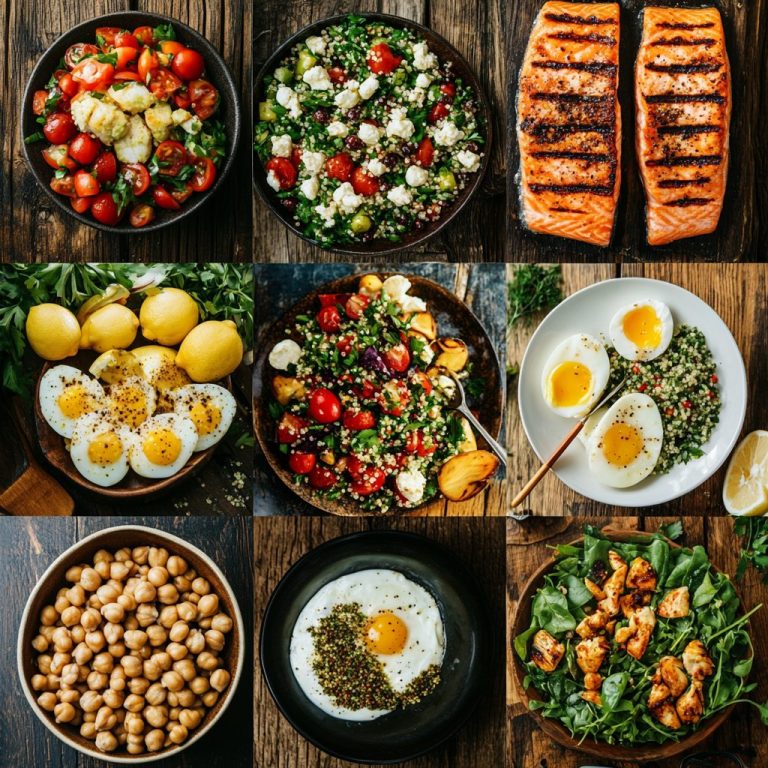
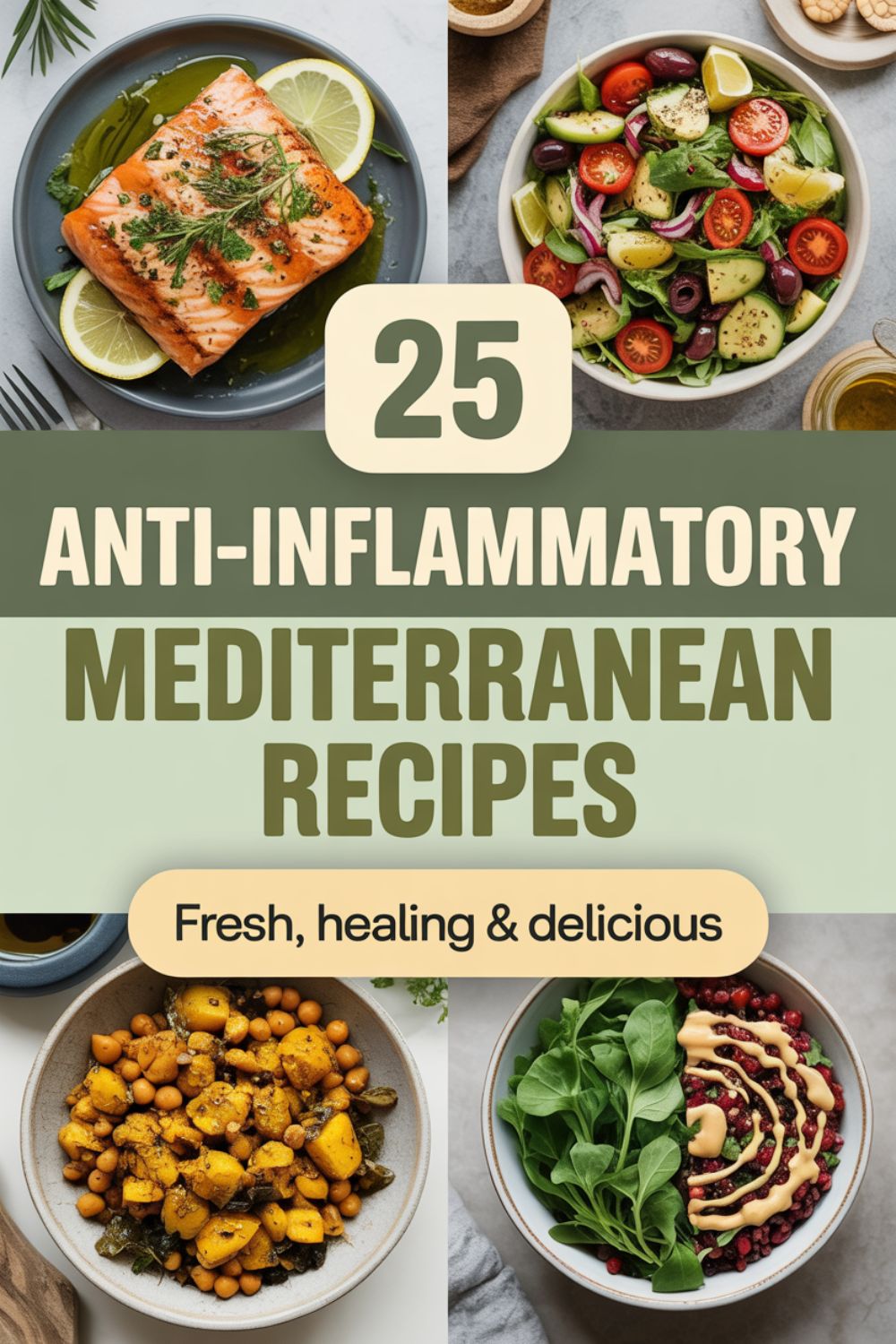
25 Anti-Inflammatory Mediterranean Recipes
Look, I’m not going to sit here and tell you that Mediterranean food is magic. But when joint pain started creeping up on me last year and my doctor mentioned inflammation markers being through the roof, I knew something had to change. Turns out, the Mediterranean diet isn’t just trendy food blogger nonsense—it’s actually backed by some seriously impressive research when it comes to fighting inflammation.
After three months of eating this way, my knee stopped screaming at me every morning. Coincidence? Maybe. But I’m not exactly rushing back to my old diet of takeout and frozen dinners.
What makes Mediterranean eating so good at calming inflammation? It’s the combination of omega-3 rich fish, antioxidant-packed vegetables, and healthy fats from olive oil and nuts. Research from Johns Hopkins Medicine shows that this eating pattern helps reduce inflammatory markers in the body, including C-reactive protein levels. Unlike restrictive diets that make you miserable, the Mediterranean approach focuses on adding good stuff rather than obsessing over what you can’t have.
I’ve pulled together 25 recipes that actually taste good and won’t leave you hungry an hour later. These aren’t complicated chef-level dishes—just real food that happens to fight inflammation while it’s at it.
Why Your Body’s Freaking Out (And How Food Helps)
Before we dive into recipes, let’s talk about what inflammation actually is. Your body uses inflammation as a defense mechanism when you’re injured or sick. That’s the good kind—it helps you heal. But chronic inflammation? That’s when your immune system stays in attack mode for months or years, damaging healthy tissue in the process.
According to the Arthritis Foundation, chronic inflammation plays a role in arthritis, heart disease, diabetes, and even some cancers. The Mediterranean diet combats this by flooding your system with anti-inflammatory compounds from whole foods while cutting back on the processed junk that triggers inflammation in the first place.
What’s wild is that people eating this way show measurable improvements in inflammation markers within just weeks. One study found that participants following a Mediterranean eating pattern had significantly reduced joint inflammation after only 12 weeks. That’s faster than most medications kick in, FYI.
Breakfast Recipes That Don’t Spike Inflammation
Mornings used to mean grabbing whatever wouldn’t make me late. Now? I actually plan breakfast because starting the day with anti-inflammatory foods sets the tone for everything else. These recipes are quick, filling, and won’t send your blood sugar—or inflammation—skyrocketing.
Greek Yogurt Bowl with Berries & Honey
This one’s ridiculously simple but packs serious anti-inflammatory power. Greek yogurt delivers probiotics that support gut health, which is directly linked to reduced inflammation. Top it with fresh berries (loaded with antioxidants) and a drizzle of honey. I use this ceramic bowl set because they’re the perfect size and microwave-safe for warming the yogurt slightly in winter. Get Full Recipe.
Oatmeal with Dried Figs, Walnuts & Cinnamon
Oats are high in fiber, which helps lower C-reactive protein levels in your blood—one of the key markers doctors look at when measuring inflammation. The walnuts add omega-3s, and cinnamon has its own anti-inflammatory properties. I toast my walnuts in this small toaster oven—less babysitting than a pan, zero burning. Get Full Recipe.
Mediterranean Smoothie Bowl
Smoothie bowls get a bad rap for being Instagram bait, but this one’s legitimately filling. Blend spinach, banana, Greek yogurt, and a handful of berries, then top with chia seeds and sliced almonds. The leafy greens contain flavonoids that actively reduce inflammation markers. Get Full Recipe.
Avocado Toast with Tomato & Olive Oil
Yeah, avocado toast is basic. But there’s a reason it’s everywhere—avocados contain healthy monounsaturated fats that help regulate inflammatory responses. Use whole grain bread (more fiber), top with sliced tomatoes, and drizzle good olive oil. I’m weirdly picky about my olive oil and only use this cold-pressed extra virgin variety. Get Full Recipe.
If you’re looking for more morning options that won’t leave you starving by 10am, check out these Mediterranean breakfast recipes for busy mornings or try a Mediterranean shakshuka when you have an extra 15 minutes.
Lunch Ideas That Actually Keep You Full
Lunch is where most of us fall apart, right? You’re busy, hungry, and the drive-thru starts looking real appealing. These Mediterranean lunches are fast enough for weekdays but substantial enough that you won’t be raiding the vending machine two hours later.
Lentil Soup with Crusty Bread
Lentils are insanely high in fiber and plant-based protein. They also contain polyphenols—compounds that have powerful anti-inflammatory effects. This soup takes about 30 minutes start to finish. Get Full Recipe.
Tuna & White Bean Salad
Canned tuna gets dismissed as sad desk lunch food, but it’s actually an excellent source of omega-3 fatty acids. Mix it with white beans (hello, fiber and protein), cherry tomatoes, red onion, and lemon juice. Beans rank among the top antioxidant-containing foods according to the USDA. I keep a few cans of this wild-caught tuna in my desk drawer for emergencies. Get Full Recipe.
Mediterranean Grain Bowl
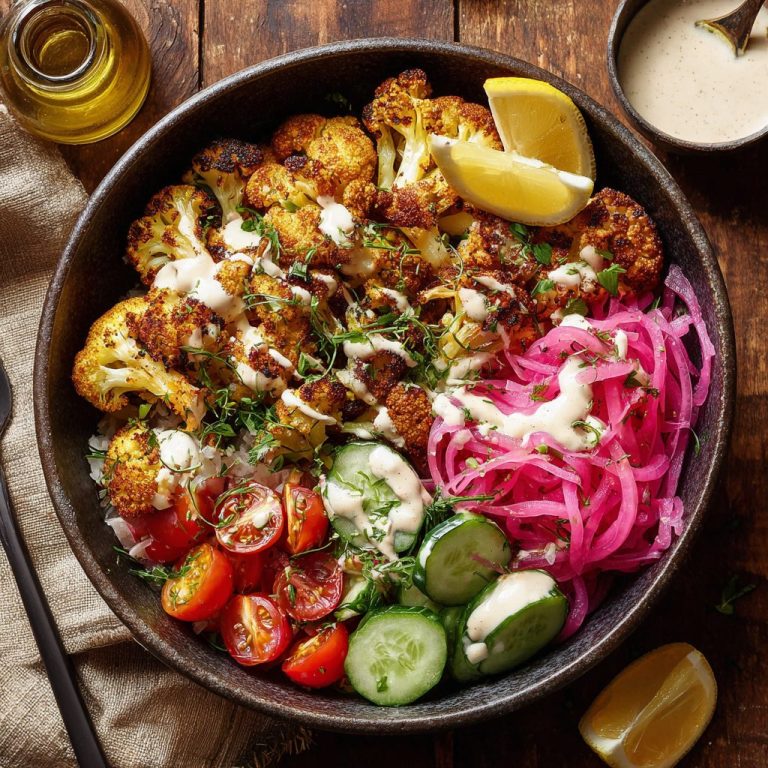
Grain bowls are my go-to for meal prep. Cook quinoa or farro once, then mix and match toppings throughout the week. Whole grains provide sustained energy without blood sugar spikes that can trigger inflammation. Top with roasted vegetables, chickpeas, feta, and tahini dressing. Get Full Recipe.
Grilled Veggie Platter with Hummus
Sometimes the simplest meals hit the hardest. Grill whatever vegetables you have—zucchini, eggplant, bell peppers—and serve with hummus. The chickpeas in hummus are loaded with anti-inflammatory compounds, and vegetables provide fiber that supports healthy gut bacteria. I use this grill pan indoors year-round because I’m not firing up the outdoor grill for three peppers. Get Full Recipe.
Speaking of lunch prep, you might also want to browse these Mediterranean lunchbox recipes for variety, or try Mediterranean chickpea wraps when you need something portable.
Dinner Recipes That Won’t Take All Night
Dinner’s where things get interesting. These meals feel substantial and satisfying—the kind of food that makes you forget you’re eating “healthy.” They’re also designed for real life, meaning they don’t require specialty ingredients or two hours of active cooking time.
Grilled Salmon with Tomato Caper Relish
Salmon is one of the best sources of omega-3 fatty acids you can eat. These healthy fats directly reduce inflammatory markers in your blood. The tomato caper relish adds brightness and more antioxidants. Get Full Recipe.
Lemon Herb Chicken with Roasted Potatoes
Chicken provides lean protein without the saturated fat that can promote inflammation. Roast it with herbs, lemon, and potatoes for a complete meal. I always use this roasting pan with a rack so the chicken doesn’t sit in its own grease. Get Full Recipe.
Whole Wheat Spaghetti with Cherry Tomatoes & Basil
Yes, you can eat pasta on an anti-inflammatory diet. The key is choosing whole grain versions that provide fiber and don’t cause blood sugar spikes. Toss with fresh tomatoes (rich in lycopene, a powerful anti-inflammatory compound), garlic, olive oil, and basil. Get Full Recipe.
Stuffed Bell Peppers with Quinoa & Veggies
Bell peppers are packed with vitamin C and carotenoids—both of which help lower inflammatory markers. Stuff them with quinoa, vegetables, and herbs for a complete meal. These reheat beautifully, making them perfect for batch cooking. Get Full Recipe.
Shrimp Sautéed in Garlic & Olive Oil with Couscous
Shrimp cooks in minutes, which is clutch on busy nights. Sauté it with tons of garlic (anti-inflammatory and immune-boosting) and olive oil, serve over whole wheat couscous. Add some greens on the side and you’re done. Get Full Recipe.
For more weeknight inspiration that won’t leave you tied to the stove, check out these easy Mediterranean one-pan dinners or browse the 30 Mediterranean dinner recipes collection.
Soups & Lighter Meals
Sometimes you want something warm and comforting without feeling like you swallowed a brick. These soups are nutrient-dense but won’t weigh you down, and most freeze well for future lazy dinner nights.
Lentil Spinach Soup
This soup combines two anti-inflammatory powerhouses: lentils and leafy greens. Spinach contains vitamins C and K plus flavonoids that actively reduce inflammation. The best part? You can make a huge pot for under ten bucks. Get Full Recipe.
Shakshuka (Eggs in Spicy Tomato Sauce)
This North African dish has become a Mediterranean staple for good reason. Eggs poached in a spiced tomato sauce with peppers and onions. The spices—cumin, paprika, cayenne—have their own anti-inflammatory properties. Serve with crusty bread for dipping. Get Full Recipe.
Greek Salad (But Like, Actually Good)
Most Greek salads are sad piles of iceberg lettuce and one pathetic tomato wedge. Do it right with ripe tomatoes, cucumber, red onion, Kalamata olives, and real feta cheese. The olive oil dressing provides healthy fats that help you absorb all those vegetable nutrients. Get Full Recipe.
Mediterranean Chickpea Bowl
Chickpeas show up constantly in Mediterranean cooking because they’re cheap, filling, and nutritious. This bowl combines roasted chickpeas with vegetables, tahini, and whatever grains you have on hand. I roast chickpeas on this silicone baking mat—zero sticking, zero scrubbing. Get Full Recipe.
Want more soup options that actually fill you up? These Mediterranean soups under 300 calories are clutch, or try this lentil sweet potato stew when you need something heartier.
Snacks & Small Plates
Snacking doesn’t have to derail your anti-inflammatory goals. These Mediterranean-inspired options keep you satisfied between meals without triggering inflammation spikes from processed ingredients or added sugars.
Homemade Baked Falafel
Traditional falafel is deep-fried, but baking works just as well and cuts way down on inflammatory oils. Chickpeas and herbs provide protein and antioxidants without the blood sugar crash. Serve with tahini sauce and vegetables. Get Full Recipe.
Whipped Feta Dip with Honey & Thyme
This takes five minutes and tastes like you tried way harder than you did. Blend feta with Greek yogurt, olive oil, and herbs until creamy. Drizzle with honey and serve with vegetable sticks or whole grain crackers. The probiotics in yogurt support gut health, which directly impacts inflammation levels. Get Full Recipe.
Olive Tapenade on Toasted Baguette
Olives contain oleocanthal, a compound that works similarly to ibuprofen in reducing inflammation. Pulse them with capers, garlic, and olive oil for an easy spread. Get Full Recipe.
Cucumber Hummus Sandwich
This sounds too simple to be good, but trust me—it works. Spread hummus on whole grain bread, layer with sliced cucumber, tomato, and fresh herbs. The cucumber adds crunch and hydration while keeping calories low. Get Full Recipe.
If you need more snack ideas that won’t sabotage your progress, browse these Mediterranean snacks that keep you full or check out the protein-packed Mediterranean snacks collection.
Special Occasion & Weekend Meals
These recipes take a bit more time but they’re worth it for weekends or when you want to impress someone. They’re still anti-inflammatory, just dressed up a little.
Stuffed Grape Leaves (Dolmas)
Dolmas require patience but they’re incredibly satisfying to make. Rice, herbs, and lemon juice wrapped in grape leaves. They’re also perfect for meal prep since they keep for days. Get Full Recipe.
Baked Salmon with Herbed Quinoa
This is my go-to when I’m trying to eat well but don’t want to think too hard about it. Salmon provides omega-3s while quinoa delivers complete protein and fiber. Roast them together with herbs and lemon for minimal cleanup. Get Full Recipe.
Mediterranean Flatbread
Making your own flatbread sounds ambitious but it’s actually pretty forgiving. Top with vegetables, olives, and a sprinkle of feta. Use whole wheat flour for extra fiber and nutrients. IMO, homemade flatbread beats takeout pizza any day, and I can pronounce every ingredient. Get Full Recipe.
Grilled Eggplant with Yogurt Sauce
Eggplant gets mushy if you’re not careful, but grilling gives it the perfect texture. Top with garlicky yogurt sauce and fresh herbs. The yogurt provides probiotics while eggplant offers fiber and antioxidants. I use this kitchen torch to char the edges for extra flavor without firing up the whole grill. Get Full Recipe.
One-Pot Mediterranean Pasta
Everything cooks together in one pot—pasta, vegetables, tomatoes, herbs. Less cleanup, more flavor. Use whole grain pasta and load it up with vegetables for maximum anti-inflammatory benefits. Get Full Recipe.
Building Your Anti-Inflammatory Pantry
Having the right ingredients on hand makes Mediterranean cooking way less stressful. You don’t need everything at once, but building up these staples means you can throw together meals without constant grocery runs.
Essential oils and fats: Extra virgin olive oil is non-negotiable. Get the good stuff—it should taste peppery and slightly bitter. I also keep avocado oil for high-heat cooking and a bottle of walnut oil for finishing salads.
Pantry staples: Canned chickpeas, white beans, and lentils. Whole grain pasta, quinoa, farro. Canned tomatoes (San Marzano if you’re feeling fancy). Kalamata olives, capers, tahini. These ingredients last forever and form the backbone of most Mediterranean meals.
Spices and herbs: Dried oregano, basil, thyme, cumin, paprika, cinnamon. Fresh herbs when possible—parsley, cilantro, dill, mint. The combination of herbs and spices not only adds flavor but provides additional anti-inflammatory compounds.
Freezer items: Frozen spinach and other leafy greens. Wild-caught fish fillets. Homemade or store-bought pita bread. Having these on hand means you’re never more than 20 minutes from a decent meal.
I store my spices in these magnetic tins on the side of my fridge because counter space is a myth in my kitchen, and it actually makes me use them more when they’re visible.
Making It Stick (Without Losing Your Mind)
Here’s the thing about anti-inflammatory eating: it works best when you actually stick with it. That means finding ways to make Mediterranean cooking fit your real life, not some idealized version where you have unlimited time and energy.
Meal prep strategically. You don’t need to prep every meal for the week. Cook once, eat twice. Make extra quinoa, roast a whole tray of vegetables, prep salad dressings. Having components ready makes throwing together meals infinitely easier.
Don’t overthink it. Mediterranean cooking is simple at its core—good ingredients, minimal processing, lots of plants. You’re not trying to recreate restaurant dishes. Grilled chicken with vegetables and olive oil counts. So does a can of tuna over salad greens.
Give yourself permission to use shortcuts. Pre-washed greens, jarred roasted peppers, store-bought hummus—these all work. The goal is eating more anti-inflammatory foods, not becoming a chef. If buying pre-chopped vegetables means you’ll actually cook, buy the pre-chopped vegetables.
One thing that helped me was following a structured plan initially. The 7-day Mediterranean anti-inflammatory meal plan gave me a framework to work from, and the 14-day Mediterranean meal plan for beginners helped me build habits without decision fatigue.
If you’re serious about making this a lifestyle and not just a two-week experiment, check out the 30-day Mediterranean lifestyle meal plan for sustainable long-term eating patterns.
What to Expect When You Start
Real talk: the first week might feel weird. Your body’s adjusting to different foods, more fiber, less processed junk. Some people notice reduced bloating or better energy within days. For me, it took about three weeks before I realized my joints hurt less and I wasn’t crashing every afternoon.
Don’t expect overnight miracles. Research shows measurable reductions in inflammatory markers typically take 4-12 weeks, depending on how inflamed you were to start with and how consistently you stick with it. The changes are gradual but they compound over time.
You might also notice some unexpected benefits. Better sleep, clearer skin, more stable moods. These all connect back to reduced inflammation and better gut health from all the fiber and fermented foods.
Keep in mind that everyone’s inflammatory triggers are slightly different. While the Mediterranean diet works for most people, you might need to adjust based on your own reactions. Pay attention to how different foods make you feel and adjust accordingly.
Frequently Asked Questions
Can I eat Mediterranean food if I’m trying to lose weight?
Absolutely. The Mediterranean diet isn’t specifically designed for weight loss, but many people naturally lose weight because they’re eating more filling, nutrient-dense foods and cutting out processed junk. The focus on fiber, protein, and healthy fats keeps you satisfied longer, which usually means eating less overall without feeling deprived. Just watch your portion sizes with things like olive oil and nuts—they’re healthy but calorie-dense.
How much does following an anti-inflammatory Mediterranean diet cost?
It can be done on almost any budget. Beans, lentils, and canned fish are cheap protein sources. Frozen vegetables work just as well as fresh. Buy what’s in season and on sale, use dried herbs instead of fresh when needed, and focus on simple preparations. You might spend more on good olive oil upfront, but it lasts. Overall, cooking at home costs less than eating out regardless of what diet you’re following.
Do I have to give up meat completely?
Nope. The Mediterranean diet includes meat, just in smaller amounts and less frequently than the standard American diet. Fish and seafood are emphasized, poultry is eaten regularly, and red meat shows up occasionally. Think of meat as a side dish rather than the main event. This approach naturally reduces saturated fat intake, which can trigger inflammation when consumed in excess.
What if I don’t like fish?
You can still follow a Mediterranean eating pattern without fish, though you’ll miss out on some omega-3 benefits. Focus on plant-based omega-3 sources like walnuts, flax seeds, and chia seeds. Eat plenty of beans and lentils for protein. If you eat eggs, those provide some omega-3s too. You might also consider an algae-based omega-3 supplement after talking with your doctor.
How long before I notice a difference in inflammation?
It varies by person, but most people notice some improvements within 2-4 weeks. These might be subtle at first—slightly less joint stiffness, better sleep, more energy. Blood markers of inflammation typically show measurable improvements within 6-12 weeks of consistent Mediterranean eating. If you have a specific inflammatory condition, it might take longer to see significant changes, and you should work with your healthcare provider to monitor progress.
Final Thoughts
Anti-inflammatory eating doesn’t require perfection or deprivation. It’s about gradually shifting toward foods that help your body function better while still enjoying what you eat. Mediterranean cooking makes this easier because the food is genuinely delicious—you’re not choking down bland chicken breast and steamed broccoli for the sake of health.
Start with a few recipes that sound good to you. Maybe try one new breakfast this week, swap in a Mediterranean lunch once or twice, experiment with a different dinner. Small changes compound over time, and before you know it, this way of eating becomes your normal rather than something you’re forcing yourself to do.
The recipes above give you plenty of variety to work with. Some will become regulars in your rotation, others you’ll try once and forget about. That’s fine. The goal is finding what works for your taste preferences, schedule, and life circumstances. Your version of Mediterranean eating will look different from mine, and that’s exactly how it should be.
Pay attention to how you feel as you make these changes. Better energy, less pain, improved digestion—these are all signs your body’s responding to reduced inflammation. Give it time, stay consistent, and trust the process. Your future self will thank you for starting today.