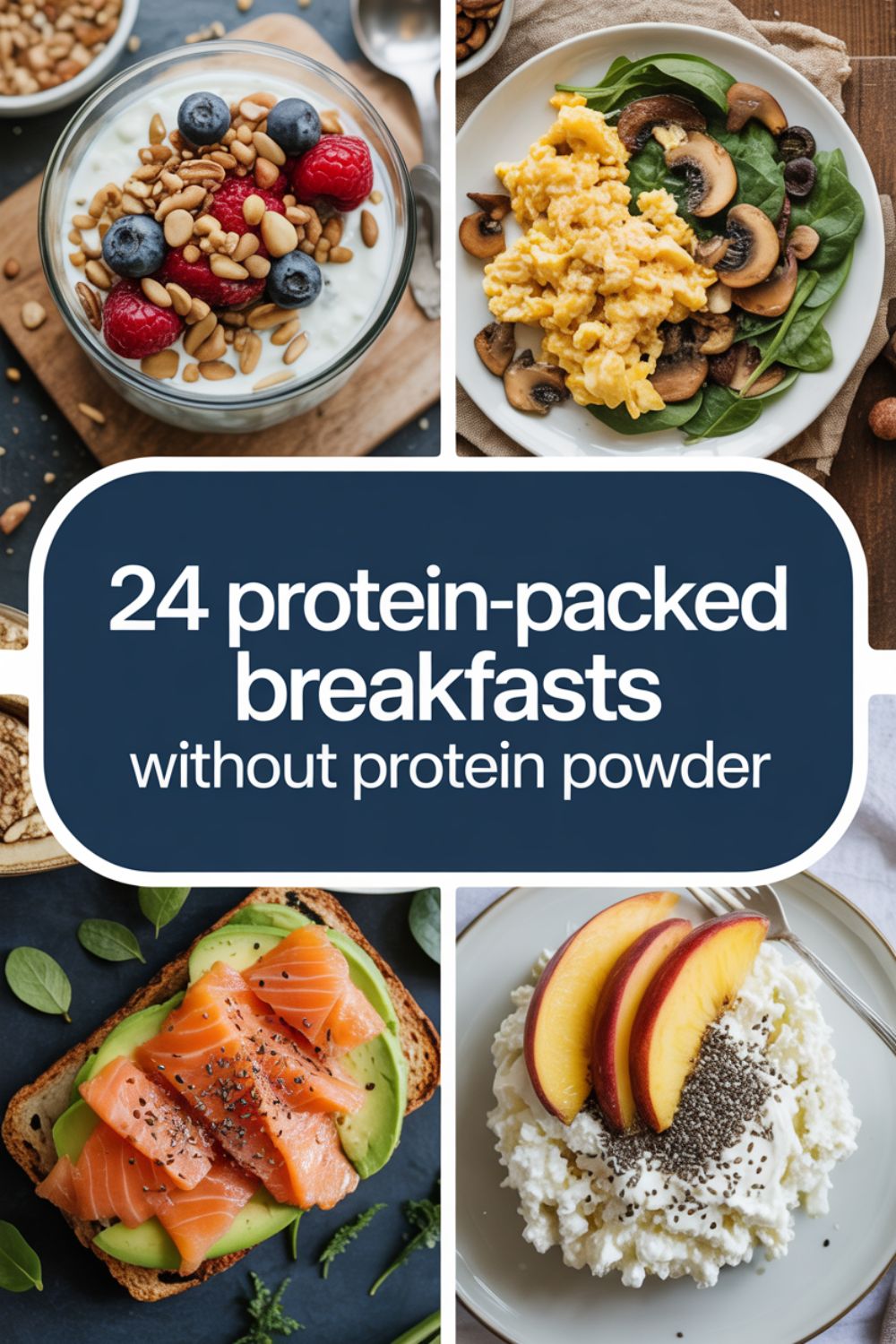
24 Protein-Packed Breakfasts Without Protein Powder
Look, I get it. You’re tired of choking down chalky protein shakes that taste like sweetened cardboard. You want real food—actual breakfasts that keep you full without requiring a blender bottle and a Costco-sized tub of mystery powder.
Here’s the thing: you don’t need protein powder to hit your morning protein goals. Real food works just fine, tastes better, and won’t leave you with that weird aftertaste that haunts you until lunch. I’m talking about breakfasts that actually satisfy you, not those sad egg-white scrambles that leave you raiding the snack drawer by 10 a.m.
These are the basics that make healthy cooking fast and actually enjoyable: less mess, less time, and meals your whole family will happily eat.
- nonstick skilletCheck today’s price →
- silicone muffin panCheck today’s price →
- mason jarsCheck today’s price →
- high-powered blenderCheck today’s price →
Amazon prices and deals change often, so it’s worth checking today’s price.
Research shows that consuming enough protein at breakfast—around 30 grams—can boost satiety, reduce daily hunger, and even help prevent evening snacking. Translation? You’ll actually make it to lunch without inhaling a bag of chips.
I’ve rounded up 24 solid breakfast ideas that pack serious protein without any powder in sight. These are real meals, not Instagram props. Let’s get into it.
Why Protein at Breakfast Actually Matters
Before we jump into the recipes, let’s talk about why this matters. And no, I’m not going to bore you with a biochemistry lecture.
Studies have found that protein-rich breakfasts can increase satiety and improve concentration before lunch. Basically, you’ll stop spacing out during your morning meetings and actually remember what your boss said.
But here’s the kicker: high-protein breakfasts can help prevent body fat gain by reducing daily calorie intake and controlling hunger. Not through some magic metabolism boost—just by keeping you full enough that you stop stress-eating at your desk.
According to research from the American Society for Nutrition, spreading your protein intake across meals (instead of loading up at dinner) supports better muscle health and energy metabolism. Makes sense, right?
Egg-Based Breakfast Ideas (The Classics That Work)
Eggs are basically nature’s protein bombs. One large egg packs about 6 grams of protein, so you’re looking at 18-24 grams if you eat three or four. Not rocket science, just good math.
1. Classic Veggie Omelet
Three eggs, whatever vegetables you have lying around, maybe some cheese. Simple. Effective. See next: 24 Protein-Packed Meals Without Protein Powder → for a foolproof version that won’t turn into scrambled eggs halfway through.
I usually throw in spinach, mushrooms, and bell peppers. Sometimes onions if I’m feeling ambitious. The nonstick skillet I use makes this ridiculously easy—no sticking, no crying over ruined omelets.
2. Mediterranean Scramble
This is basically eggs meet the Mediterranean diet. Get Full Recipe for this flavor-packed option that includes tomatoes, olives, and feta.
The secret? Don’t overcook your eggs. Stop stirring when they’re still slightly wet—they’ll finish cooking from residual heat. Trust me on this.
3. Shakshuka (Eggs in Spicy Tomato Sauce)
If you haven’t tried shakshuka, you’re missing out. It’s basically eggs poached in a spicy tomato sauce, and it’s one of those meals that looks way fancier than the effort required.
I use a cast iron skillet for this—the heat distribution is better, and you can take it straight from stove to table. Plus, it makes you look like you know what you’re doing.
4. Egg Muffins (Meal Prep Gold)
Make a dozen on Sunday, eat them all week. These egg muffins are clutch when you’re running late but still need actual nutrition.
Beat eggs, pour into a silicone muffin pan, add whatever mix-ins you want, bake. Done. They reheat in 30 seconds and taste way better than drive-through breakfast.
For even more morning inspiration, check out these spinach and feta egg muffins or try this spinach chickpea sauté with egg for something a bit different.
5. Smoked Salmon and Avocado Toast
Yeah, I know—avocado toast is peak millennial. But throw some smoked salmon on there and suddenly you’ve got 20+ grams of protein.
The salmon does the heavy lifting protein-wise, the avocado adds healthy fats, and the whole wheat toast gives you some fiber. It’s basically a complete meal masquerading as trendy brunch food.
Greek Yogurt Breakfast Bowls (Beyond Basic)
Greek yogurt is the MVP of high-protein breakfasts. A single cup of plain Greek yogurt packs around 15-20 grams of protein, depending on the brand. Just skip the fruit-on-the-bottom versions loaded with sugar.
6. Greek Yogurt Parfait
Layer Greek yogurt with berries, nuts, and a drizzle of honey. Get Full Recipe for the version that doesn’t turn into a soggy mess.
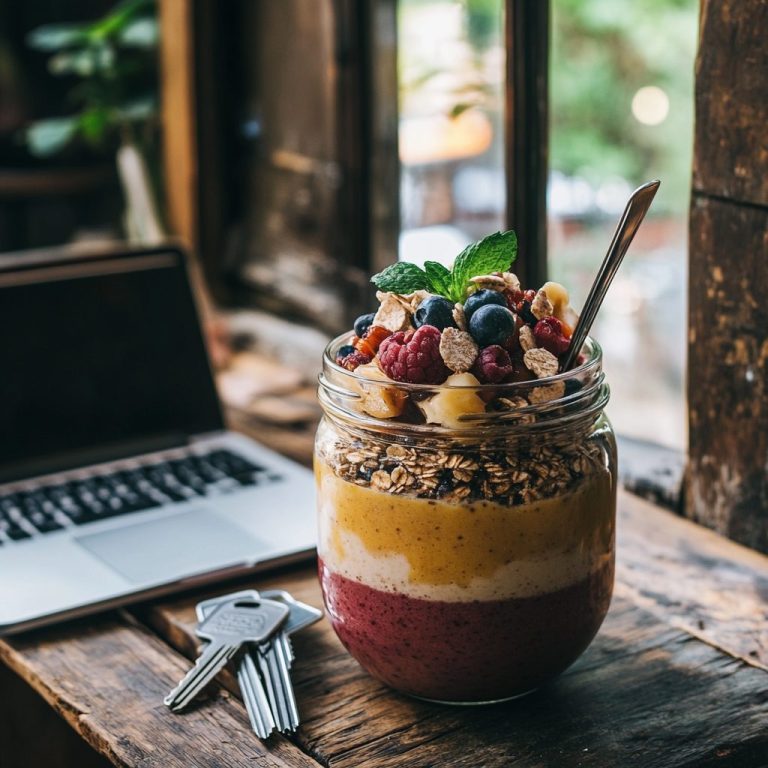
I prep these in mason jars so I can grab one and go. The trick is keeping wet ingredients (yogurt, berries) separate from dry ones (granola, nuts) until you’re ready to eat.
7. Savory Yogurt Bowl with Everything Seasoning
Hear me out: yogurt doesn’t have to be sweet. Mix plain Greek yogurt with cucumber, tomatoes, olive oil, and everything bagel seasoning. Game changer.
This savory cottage cheese bowl uses a similar concept but with cottage cheese if you want to switch things up.
8. Protein-Packed Smoothie Bowl
Take your smoothie, make it thick enough to eat with a spoon, top it with crunchy stuff. Boom—smoothie bowl. Get Full Recipe for a Mediterranean-inspired version.
The base is Greek yogurt, frozen fruit, and a splash of milk. I use a high-powered blender because my old one couldn’t handle frozen fruit without sounding like it was dying.
Cottage Cheese Creations (The Underrated Hero)
Cottage cheese gets a bad rap for looking weird, but it’s one of the best protein sources around. Half a cup gives you about 14 grams of protein, and the texture is way less offensive than people claim.
9. Savory Cottage Cheese Toast
Spread cottage cheese on toast, top with tomatoes, cucumber, or avocado. Season with salt, pepper, and maybe some red pepper flakes. This recipe shows you exactly how to make it work.
The cottage cheese acts like a creamy spread but with actual protein. It’s basically cream cheese’s healthier, more protein-rich cousin.
10. Sweet Cottage Cheese Bowl
Mix cottage cheese with fresh berries, a drizzle of honey, and some cinnamon. Top with nuts or seeds for crunch. It’s like a yogurt parfait but with more protein.
I keep a spice grinder around to freshly grind cinnamon—sounds extra, but freshly ground spices actually taste way better. You can also use it for coffee beans, which justifies the purchase.
Overnight Oats Variations (Prep Once, Eat All Week)
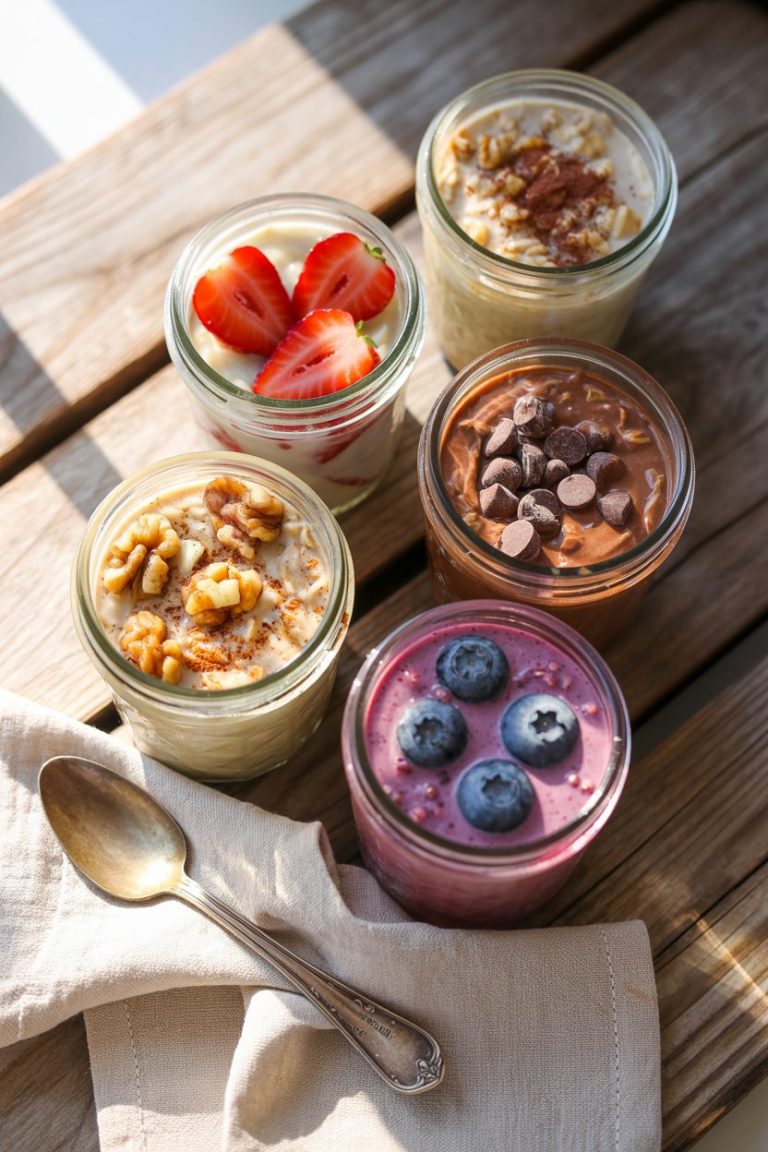
Overnight oats are clutch for busy mornings. The base formula: oats + milk + Greek yogurt + whatever else you want. Let it sit overnight, wake up to breakfast. Revolutionary, I know.
11. Classic Vanilla Almond Overnight Oats
The OG version. Oats, milk, Greek yogurt, vanilla extract, almond butter, and a handful of almonds. Get Full Recipe for the ratios that actually work.
The Greek yogurt is what pumps up the protein here. Without it, you’re basically eating carb soup.
12. Peanut Butter Banana Overnight Oats
Mash a banana into your oats base, add a big spoonful of peanut butter, top with more banana slices in the morning. This version hits the sweet spot between healthy and actually good.
Real talk: use natural peanut butter. The regular stuff is fine, but natural peanut butter (just peanuts and salt) tastes better and doesn’t have added sugar or hydrogenated oils.
13. Mocha Protein Overnight Oats
Mix in some cold brew coffee and cocoa powder to your oat base. Get Full Recipe for a breakfast that doubles as your morning caffeine hit.
I prep these in glass meal prep containers with airtight lids. Five minutes of work on Sunday = breakfast sorted for the week.
Speaking of overnight oats, you might also love these strawberry cheesecake overnight oats or check out this massive list of 25 overnight oats for weight loss if you want more variety.
14. Apple Pie Overnight Oats
Diced apples, cinnamon, nutmeg, and a touch of maple syrup mixed into your oat base. This recipe tastes like dessert but counts as breakfast. Win-win.
High-Protein Toast Variations (Beyond Avocado)
Toast is the ultimate blank canvas. Whole grain bread gives you fiber, and whatever you put on top determines your protein situation.
15. Mediterranean Avocado Toast
Smash avocado on toast, but make it Mediterranean: add feta, olives, tomatoes, and a drizzle of olive oil. Get Full Recipe for the version that’s actually filling.
The feta adds protein, the avocado adds healthy fats, and the olives add that salty tang that makes everything better.
16. Nut Butter and Fruit Toast
Almond butter or peanut butter on whole grain toast with sliced banana or berries. This combo is simple but delivers.
Two tablespoons of nut butter gives you about 7-8 grams of protein. Add Greek yogurt on the side and you’re looking at a solid 15-20 gram breakfast.
17. Cucumber Avocado Toast with Za’atar
Lighter than regular avocado toast but still filling. The za’atar seasoning brings Middle Eastern vibes and makes you look like you know your way around a spice cabinet.
Meat-Based Options (For the Carnivores)
Sometimes you just want meat for breakfast. No judgment. These options deliver serious protein without feeling heavy.
18. Turkey Breakfast Sausage Patties
Homemade is way better than the frozen hockey pucks from the store. Get Full Recipe for turkey sausage that doesn’t taste like cardboard.
Make a batch on the weekend, freeze them with parchment paper sheets between each patty so they don’t stick together. Reheat in the toaster oven for crispy edges.
19. Lemon Herb Grilled Chicken with Quinoa
Who says chicken is only for lunch? Leftover grilled chicken with some quinoa makes a solid breakfast that breaks the rules in all the right ways.
Quinoa is a complete protein (rare for a plant food), and chicken is obviously packed with protein. Together they’re unstoppable.
20. Breakfast Egg and Veggie Wrap
Scrambled eggs, turkey sausage or leftover chicken, vegetables, wrapped in a whole wheat tortilla. This wrap is portable, protein-rich, and beats any drive-through option.
I keep a stack of whole wheat tortillas in my freezer—they thaw in seconds and last forever.
Plant-Based High-Protein Breakfasts
You don’t need animal products to hit your protein goals. These plant-based options pack serious nutrition without any meat, dairy, or eggs.
21. Tofu Scramble with Spinach and Bell Peppers
Crumble firm tofu, season it like scrambled eggs, sauté with vegetables. Get Full Recipe for a version that doesn’t taste like sadness.
The trick is pressing your tofu first to remove excess water. I use a tofu press because I got tired of stacking cutting boards and hoping for the best.
22. Chickpea Pancakes (Socca)
Made from chickpea flour, these savory pancakes pack about 10 grams of protein per serving. They’re huge in Mediterranean cuisine and taste nothing like regular pancakes.
Chickpea flour is high in protein and fiber, which means these actually keep you full. Top with vegetables, tahini, or even some hummus for extra protein.
23. Chia Pudding with Almond Milk and Fresh Fruit
Mix chia seeds with almond milk, let it sit overnight, wake up to pudding. This recipe shows you the ratios that work.
Chia seeds are about 17% protein by weight. Three tablespoons give you roughly 5 grams of protein, plus omega-3 fatty acids and fiber.
24. Quinoa Breakfast Bowl with Apples and Walnuts
Cook quinoa in almond milk instead of water, top with diced apples, walnuts, and cinnamon. Get Full Recipe for a warm, filling breakfast that’s completely plant-based.
One cup of cooked quinoa has about 8 grams of protein, and walnuts add another 4-5 grams. Plus, research from Leslie Beck Nutrition notes that distributing protein evenly across meals supports better muscle health.
If you’re looking for more plant-based protein options, this collection of 25 high-protein vegetarian recipes has tons of ideas beyond breakfast.
Smart Protein Combos That Actually Work
Here’s what most people get wrong: they focus on single ingredients instead of combining foods strategically. The best high-protein breakfasts layer different protein sources to hit that 25-30 gram sweet spot.
For example, Greek yogurt parfait? Good. Greek yogurt parfait with nuts, seeds, and a side of eggs? Better. You’re stacking proteins without even thinking about it.
Another smart move: pair plant proteins with animal proteins. That quinoa bowl from earlier? Add a fried egg on top. Your overnight oats? Stir in some Greek yogurt. Boom—instant protein upgrade.
The goal isn’t perfection. It’s about making choices that keep you full and energized until your next meal. If that means eating leftover salmon for breakfast or throwing some leftover chicken into your eggs, do it. There are no breakfast police.
📖 The Complete High-Protein Recipe eBook Collection
Over 200 protein-packed recipes across breakfast, lunch, dinner, and snacks—all without a single scoop of protein powder.
What’s inside:
- 50+ breakfast recipes (25-40g protein each)
- Complete macro breakdown for every recipe
- Organized by protein source: eggs, Greek yogurt, cottage cheese, meat, plant-based
- Quick recipes (under 10 min) and meal prep options clearly marked
- Substitution guides for dietary restrictions
- Printable shopping lists by recipe category
Never run out of high-protein meal ideas again. This is your protein recipe bible.
Get the eBook →Practical Tips for Hitting Your Protein Goals
Real talk: consistency beats perfection every time. You don’t need to nail your protein target every single morning. But here are some strategies that actually work in real life.
Batch cook on weekends. Spend an hour on Sunday making egg muffins, cooking quinoa, grilling chicken, or prepping overnight oats. Future you will be grateful when you’re running late on Tuesday morning.
Keep high-protein staples stocked. Greek yogurt, eggs, cottage cheese, nut butter, canned tuna, frozen edamame. If you have these on hand, you can always throw together a decent high-protein breakfast.
Add protein to whatever you’re already eating. Making toast? Add nut butter or smoked salmon. Having oatmeal? Stir in Greek yogurt. Eating a smoothie? Throw in some silken tofu or extra Greek yogurt.
Don’t overthink it. Leftover dinner protein works for breakfast. Breakfast protein works for dinner. Time is a social construct, and so are meal categories.
🎯 High-Protein Macro Tracker & Meal Planner
Built specifically for people targeting 100-150g of protein daily. This isn’t a generic food diary—it’s designed for high-protein goals.
What makes it different:
- Pre-loaded with 500+ high-protein foods and their macros
- Smart meal builder that suggests protein combinations
- Daily protein distribution optimizer (spread protein across meals)
- Weekly meal planning templates focused on protein goals
- Progress tracking with muscle mass and body composition logs
- Recipe scaling tool to hit exact protein targets
No more guessing if you hit your protein goals. Track it, plan it, achieve it.
Start Planning Today →For more ideas on high-protein meals throughout the day, check out 25 high-protein breakfast ideas, this guide to high-protein breakfast meal prep, or these 15 easy high-protein breakfasts you can make in 10 minutes.
📱 MyProteinPal – High-Protein Meal Planning App
The only meal planning app built exclusively for high-protein diets. Whether you’re building muscle, losing fat, or just trying to stay full, this app has you covered.
Key features:
- Filter 1,000+ recipes by protein amount (20g+, 30g+, 40g+)
- Auto-generate weekly meal plans hitting your exact protein targets
- Swap any meal instantly while maintaining macro balance
- Built-in grocery list with protein-rich foods prioritized
- Protein timing recommendations based on your workout schedule
- Track multiple goals: muscle gain, fat loss, or maintenance
Used by 50,000+ people who take their protein seriously. Stop meal planning like everyone else.
Try Free for 7 Days →Frequently Asked Questions
How much protein do I really need at breakfast?
Most research suggests aiming for 25-30 grams of protein at breakfast for optimal satiety and muscle protein synthesis. However, anything above 20 grams is solid. Don’t stress if you hit 18 or 22—close enough counts. The key is consistency over perfection.
Can I build muscle eating only plant-based protein at breakfast?
Absolutely. The key is combining different plant protein sources to get all essential amino acids. Pair legumes with grains (like chickpeas and toast), or add seeds and nuts to your oat-based breakfasts. As long as you’re hitting your total daily protein needs with varied sources, your muscles don’t care where the protein comes from.
Is it better to spread protein throughout the day or load up at one meal?
Research favors spreading protein across your meals. Your body can only synthesize so much muscle protein at once—around 25-30 grams per meal seems to max out the response. Eating 80 grams at dinner and nothing at breakfast means you’re missing opportunities for muscle protein synthesis earlier in the day.
Will eating more protein at breakfast help me lose weight?
Indirectly, yes. High-protein breakfasts increase satiety, reduce hunger throughout the day, and can decrease overall calorie intake. But protein alone isn’t magic—you still need to maintain a calorie deficit for weight loss. That said, if eating more protein helps you naturally eat less overall, it’s a solid strategy.
What’s the quickest high-protein breakfast when I’m running late?
Greek yogurt with nuts takes 30 seconds. Leftover chicken or turkey with some fruit takes a minute. Hard-boiled eggs (if you prepped them) are grab-and-go. Or honestly, a handful of nuts and a cheese stick in the car is better than nothing. Perfect is the enemy of good enough.
Final Thoughts
Here’s the bottom line: you don’t need fancy supplements or expensive protein powders to eat a high-protein breakfast. Real food does the job just fine—and usually tastes better.
The best breakfast is one you’ll actually eat consistently. If that’s eggs every single day, great. If you need variety to stay interested, rotate through these options. If you hate breakfast entirely, start small with something simple like Greek yogurt and work from there.
Protein at breakfast isn’t about following some rigid rule or hitting an exact number. It’s about starting your day with something that keeps you full, energized, and not face-down in a vending machine by 10 a.m.
Pick a few recipes from this list, try them out, and see what sticks. Meal prep what you can. Keep high-protein staples on hand. Don’t overthink it.
Your mornings just got a whole lot better—no protein powder required.