30 High-Protein Breakfast Casseroles to Keep You Full All Morning
You know that moment when you hit snooze three times, finally drag yourself out of bed, and realize you have exactly seven minutes to get out the door? Yeah, breakfast casseroles are basically designed for people like us. Prep them once, bake them once, and you’ve got breakfast sorted for the entire week. No scrambling eggs at 6 AM, no sad granola bars eaten in traffic.
The best part? We’re talking high-protein versions that actually keep you full until lunch. None of that carb-crash-by-10-AM nonsense. These casseroles pack enough protein to fuel your morning without leaving you face-down in a bag of chips before noon.
These are the basics that make healthy cooking fast and actually enjoyable: less mess, less time, and meals your whole family will happily eat.
- nonstick skilletCheck today’s price →
- silicone egg bite moldsCheck today’s price →
- glass meal prep containersCheck today’s price →
- whisk setCheck today’s price →
Amazon prices and deals change often, so it’s worth checking today’s price.

Why Breakfast Casseroles Are Actually Genius
Let’s be real—most of us don’t have time to cook elaborate breakfasts every single morning. Life happens, alarms fail, kids need three outfit changes before 7 AM. Breakfast casseroles solve all of that by letting you do the work once and reap the benefits all week long.
The protein angle is what makes these different from your standard carb-loaded casseroles. We’re loading these up with eggs, cottage cheese, Greek yogurt, lean meats, and other protein powerhouses. Each serving delivers 20-30 grams of protein, which keeps your blood sugar stable and your energy levels consistent throughout the morning.
Plus, you can customize them endlessly. Hate mushrooms? Leave them out. Love spinach? Double it. These recipes are more like blueprints than strict rules.
The Casserole Prep Basics
Before we get into the recipes, let’s talk strategy. Most breakfast casseroles follow a similar pattern: eggs as the base, protein and veggies for substance, cheese for flavor, and maybe some starch if you want it. The beauty is in the ratios.
I use this 9×13 glass baking dish for basically everything—it’s the perfect size for meal prep and you can see when the edges are getting golden. A standard casserole feeds 6-8 people, which translates to 6-8 breakfasts if you’re solo or 2-3 days for a family.
Most casseroles bake at 350-375°F for 35-45 minutes. You want the center to be set but not rubbery. The toothpick test works here—if it comes out clean, you’re good.
Classic Sausage, Egg, and Cheese Casserole
Starting with the OG because sometimes classics become classics for a reason. Brown a pound of turkey or chicken sausage, whisk together a dozen eggs with half a cup of milk, layer it all in a baking dish with shredded cheddar, and bake. Simple, protein-packed, and infinitely customizable.
The turkey sausage keeps it leaner than traditional pork sausage while still delivering that savory breakfast flavor everyone craves. Each serving hits around 25 grams of protein without trying too hard.
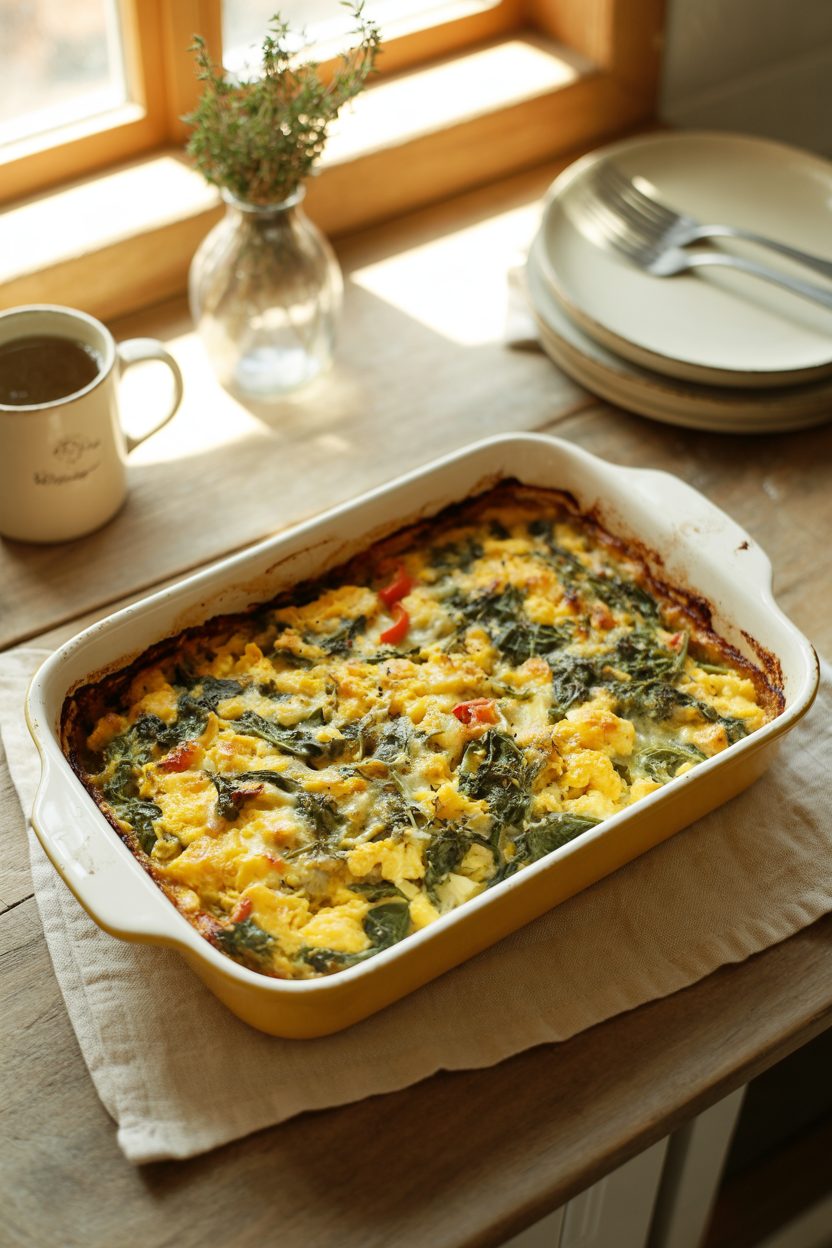
Spinach and Feta Greek Casserole
This one tastes fancy but comes together in about 10 minutes of actual work. Sauté a bunch of fresh spinach until it wilts, mix it with crumbled feta, eggs, and a splash of Greek yogurt for extra creaminess. The feta brings that tangy, salty punch that makes every bite interesting.
Greek yogurt adds protein while keeping the texture light and fluffy. You’re looking at 22-24 grams of protein per serving, plus iron from the spinach and calcium from the dairy.
Bacon, Broccoli, and Cheddar Casserole
Before you judge me for putting bacon in a “healthy” casserole, hear me out. Turkey bacon exists, and it actually tastes pretty good when you crisp it up properly. Mix it with steamed broccoli florets, sharp cheddar, and eggs, and you’ve got a casserole that feels indulgent without derailing your nutrition goals.
Broccoli is packed with fiber, vitamin C, and folate, making it one of those vegetables that actually earns its superfood status. The combination of protein from eggs and bacon with fiber from broccoli keeps you satisfied for hours.
Tex-Mex Chorizo Casserole
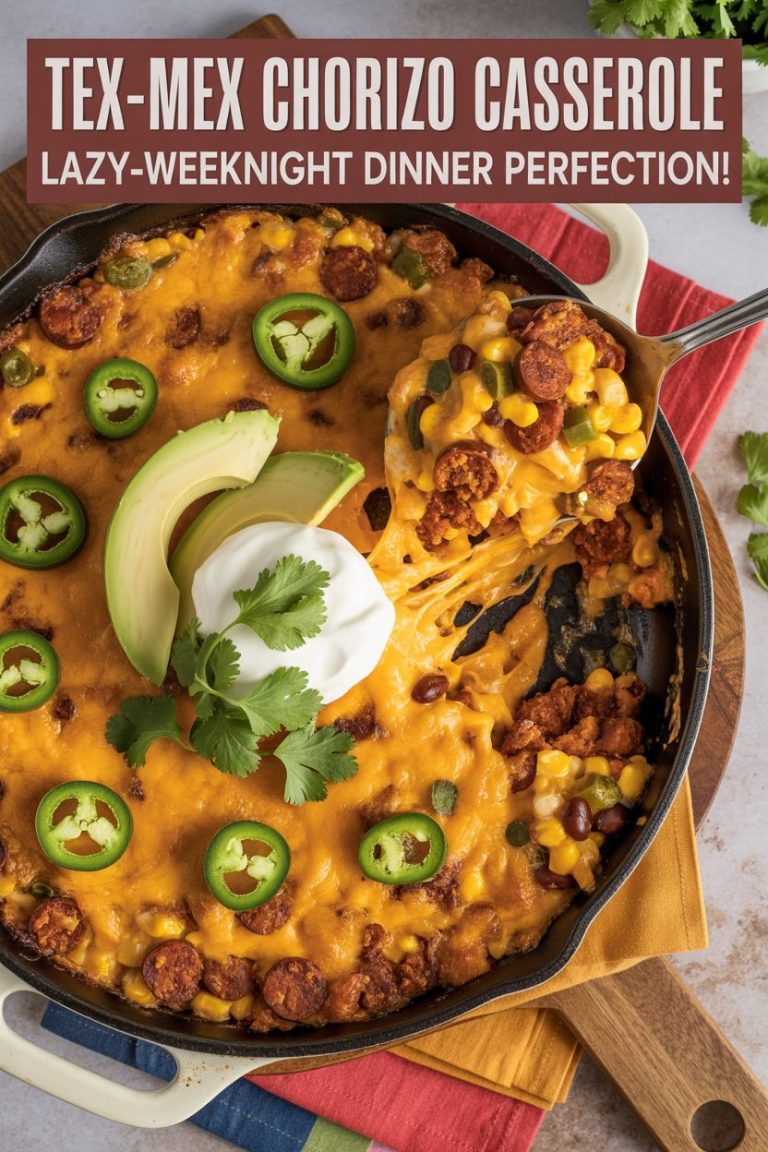
This one’s for when you need breakfast to wake you up with a little kick. Use chicken chorizo (way less greasy than pork), add some diced bell peppers and onions, layer with eggs and pepper jack cheese, and top with salsa. It’s basically a fiesta in a baking dish.
The spices in chorizo—paprika, cumin, garlic—give this casserole serious flavor depth without requiring you to measure out a million spices at dawn. Each serving delivers 26-28 grams of protein and enough flavor to make your taste buds actually function before coffee.
Mushroom, Zucchini, and Goat Cheese Bake
Here’s where we get into vegetarian territory. Sauté sliced mushrooms and diced zucchini until they release their moisture (this step matters—nobody wants a watery casserole), then mix with eggs and dollops of creamy goat cheese. The goat cheese melts into pockets of tangy goodness throughout the casserole.
Mushrooms provide B vitamins and selenium, while zucchini adds volume without many calories. The combo means you get a huge serving that’s still relatively low-calorie but packed with 20 grams of protein.
Cauliflower Hash Brown Casserole
Missing hash browns but trying to keep carbs in check? Grated cauliflower does a surprisingly convincing impression. Mix it with eggs, a little cheese, and some seasonings, and you get all that hash brown texture without the heavy carb load.
I use this box grater to shred the cauliflower—way faster than a knife and you get more consistent pieces. The result is a casserole with 18-20 grams of protein that actually feels substantial.
Zucchini, Ricotta, and Basil Casserole
This one’s inspired by Italian flavors and it’s honestly one of my favorites. Layer thin zucchini slices with ricotta cheese mixed with eggs, fresh basil, and a little mozzarella on top. It bakes up like a crustless quiche and tastes like summer even in January.
Ricotta is often overlooked in breakfast recipes, but it’s creamy, mild, and loaded with protein. One serving gives you 22 grams of protein plus the fresh flavors of basil and zucchini.
Buffalo Chicken Egg Bake
Breakfast doesn’t have to be sweet or traditionally “breakfast-y.” This casserole uses shredded rotisserie chicken tossed in buffalo sauce, mixed with eggs and a little blue cheese or ranch dressing. It’s spicy, tangy, and completely different from your standard morning fare.
The chicken bumps the protein content way up—we’re talking 28-30 grams per serving. If you’re someone who gets bored with typical breakfast foods, this one’s a game-changer.
Mediterranean Veggie Casserole
Channeling those Mediterranean diet vibes with this one. Combine diced tomatoes, bell peppers, red onion, olives, and crumbled feta with eggs and fresh oregano. It’s colorful, flavorful, and feels like you’re eating breakfast on a Greek island instead of your kitchen table.
The Mediterranean diet consistently ranks as one of the healthiest eating patterns, and this casserole captures those flavors while delivering 20-22 grams of protein. The combination of vegetables provides antioxidants, fiber, and vitamins that support overall health.
Ham, Egg, and Asparagus Bake
Asparagus for breakfast might sound weird until you try it. The slightly sweet, earthy flavor pairs perfectly with salty ham and sharp cheese. Chop the asparagus into bite-sized pieces, layer with diced ham and eggs, and bake until golden.
Asparagus is loaded with folate, vitamins A, C, and K, plus it has natural diuretic properties. Combined with lean ham, you’re getting 24-26 grams of protein in a casserole that feels elegant enough for brunch guests.
Sweet Potato and Black Bean Breakfast Bake
Sweet potatoes at breakfast are criminally underrated. Dice them small, roast until tender, then mix with black beans, eggs, cumin, and a little cheese. The sweet potato adds natural sweetness that balances the savory elements perfectly.
Black beans bring both protein and fiber to the table, and when combined with eggs, you’re looking at 22-24 grams of protein plus complex carbs that provide sustained energy. This is one of those casseroles that keeps you genuinely full until lunch without any mid-morning crashes.
Turkey Sausage and Pepper Casserole
Bell peppers—red, yellow, orange, whatever you’ve got—sautéed with turkey sausage and onions, then mixed with eggs and a little mozzarella. The peppers get sweet when they cook, and they add a ton of vitamin C to your morning.
Turkey sausage is way leaner than pork while still delivering that seasoned, savory flavor. Each serving provides 26 grams of protein and enough vegetables that you can actually feel good about your breakfast choice.
Cottage Cheese and Chive Casserole
Cottage cheese in a breakfast casserole sounds weird until you realize it’s basically the secret ingredient for ultra-fluffy eggs. Blend cottage cheese with eggs, fresh chives, and a little dill, then bake. The cottage cheese melts into the eggs and creates this impossibly light, creamy texture.
Cottage cheese is a protein powerhouse—we’re talking 28 grams of protein per serving for this casserole. It’s also high in calcium and B vitamins, making it genuinely nutritious beyond just the protein content.
Smoked Salmon and Cream Cheese Casserole
Bringing bagel-and-lox vibes to casserole form. Layer smoked salmon pieces with cream cheese, capers, red onion, and eggs. It tastes expensive and fancy but comes together faster than you’d think.
Salmon provides omega-3 fatty acids that support heart and brain health, while eggs deliver complete protein with all essential amino acids. This casserole hits 24-26 grams of protein and feels like a weekend brunch special every day of the week.
Pesto Chicken Casserole
Leftover chicken from dinner becomes tomorrow’s breakfast hero. Shred cooked chicken, toss it with pesto (store-bought is fine, nobody’s judging), mix with eggs and mozzarella, and bake. The pesto adds huge flavor without requiring you to chop a million ingredients.
I keep this container of basil pesto in my fridge basically at all times—it’s useful for way more than just pasta. This casserole delivers 27-29 grams of protein and tastes nothing like typical breakfast food, which is sometimes exactly what you need.
Broccoli and Cheddar Quiche Casserole
A quiche without the crust is basically a casserole, and honestly, the crust is just empty calories anyway. Steam broccoli florets, mix with sharp cheddar and eggs, season generously, and bake. Simple, classic, and impossible to mess up.
Broccoli provides sulforaphane, a compound that supports cellular health and may have anti-inflammatory properties. Combined with eggs and cheese, you get 23-25 grams of protein in a casserole that even picky eaters will demolish.
Italian Sausage and Tomato Casserole
Use chicken Italian sausage, fresh tomatoes, and basil for a casserole that tastes like pizza for breakfast. Remove the sausage from casings, brown it, mix with diced tomatoes and Italian seasonings, combine with eggs and mozzarella, and bake.
The tomatoes add lycopene, an antioxidant that becomes more bioavailable when cooked. This casserole provides 26-28 grams of protein and satisfies that savory breakfast craving completely.
Kale and Gruyere Casserole
Kale gets a bad rap for being too trendy, but it’s actually great in casseroles because it holds up to baking without turning to mush. Sauté chopped kale until wilted, mix with Gruyere cheese and eggs, and bake. The Gruyere makes it taste sophisticated without any extra effort.
Kale provides vitamins A, C, and K, plus calcium and iron. The combination with Gruyere and eggs delivers 22-24 grams of protein in a casserole that looks and tastes like you put in way more effort than you actually did.
Southwestern Egg Bake
This is basically all the best parts of a breakfast burrito in casserole form. Mix eggs with black beans, corn, diced green chiles, pepper jack cheese, and taco seasoning. Top with salsa and a dollop of Greek yogurt when serving.
The bean-and-egg combo creates a complete protein while keeping the casserole filling and flavorful. You’re getting 24-26 grams of protein plus fiber that keeps your digestive system happy.
Spinach, Artichoke, and Parmesan Casserole
Spinach artichoke dip for breakfast? Kind of. Mix chopped spinach and quartered artichoke hearts (the canned kind in water works great) with eggs, parmesan, and a little cream cheese for richness. It bakes up creamy and indulgent without being heavy.
Artichokes provide fiber, folate, and vitamins C and K. This casserole delivers 20-22 grams of protein and feels like a treat even though it’s genuinely nutritious.
Turkey Bacon and Brussels Sprout Casserole
Brussels sprouts for breakfast is a hill I’m willing to die on. Shred them thin (like little cabbage), sauté until slightly caramelized, mix with crispy turkey bacon and eggs, and bake with a little sharp cheddar on top.
Brussels sprouts are loaded with vitamin K and vitamin C, plus they contain compounds that support liver detoxification. Combined with turkey bacon and eggs, you get 23-25 grams of protein in a casserole that converts Brussels sprout skeptics.
Garden Vegetable Egg Bake
This is the “clean out your vegetable drawer” casserole. Whatever veggies you have—bell peppers, zucchini, onions, mushrooms, tomatoes—dice them up, sauté briefly, mix with eggs and whatever cheese sounds good, and bake. It’s impossible to mess this one up.
The variety of vegetables provides a range of vitamins, minerals, and antioxidants. Protein content depends on how many eggs and how much cheese you use, but aim for 18-20 grams per serving.
Chicken Apple Sausage Casserole
Chicken apple sausage is one of those ingredients that makes breakfast feel special. The subtle sweetness from the apple pairs perfectly with eggs and a little sage. Add some diced sweet potato for extra substance and you’ve got a casserole that tastes like fall morning even in July.
The combination of lean chicken sausage and eggs provides 24-26 grams of protein, while sweet potato adds beta-carotene and fiber. This one’s a crowd-pleaser even with people who claim they don’t like breakfast casseroles.
Caprese Breakfast Casserole
Fresh mozzarella, tomatoes, and basil—the classic caprese combination—works shockingly well in a breakfast casserole. Layer sliced tomatoes and mozzarella with eggs, fresh basil, and a drizzle of balsamic glaze after baking.
Fresh mozzarella has a different texture than shredded—it’s creamier and more delicate. This casserole provides 20-22 grams of protein and tastes light and fresh, which is sometimes exactly what you want in the morning.
Poblano and Cheese Casserole
Roasted poblano peppers add smoky, mild heat to this casserole. Roast the poblanos, peel and dice them, then mix with eggs, Monterey Jack cheese, and a little cumin. The result is a casserole with depth of flavor that keeps you coming back for more.
Poblano peppers provide vitamin C and capsaicin, which may boost metabolism slightly. Combined with eggs and cheese, you get 22-24 grams of protein in a casserole that feels more special than the effort required.
Asparagus and Prosciutto Casserole
This one feels restaurant-worthy. Wrap thin prosciutto around asparagus spears (or just chop both and mix them—we’re not trying to impress anyone at 6 AM), combine with eggs and Gruyere, and bake. The prosciutto gets slightly crispy and adds serious flavor.
Prosciutto is basically concentrated flavor in meat form, which means a little goes a long way. This casserole delivers 23-25 grams of protein and tastes like you ordered brunch delivery instead of meal-prepping on Sunday.
Quinoa Breakfast Casserole
Cooked quinoa mixed into a breakfast casserole adds texture and makes the whole thing more filling. Combine cooked quinoa with eggs, sautéed vegetables, cheese, and seasonings. The quinoa provides complex carbs and additional protein beyond just the eggs.
Quinoa is a complete protein containing all nine essential amino acids, which is rare for a plant-based food. This casserole hits 20-22 grams of protein and keeps you full for hours thanks to the fiber-and-protein combination. If you’re looking for more quinoa breakfast ideas, check out this quinoa breakfast bowl with apples and walnuts.
Sun-Dried Tomato and Basil Casserole
Sun-dried tomatoes pack intense flavor into every bite. Mix chopped sun-dried tomatoes with eggs, fresh basil, mozzarella, and a little of the oil from the tomato jar. The oil adds richness without requiring additional butter or cream.
Sun-dried tomatoes concentrate the tomato’s lycopene content and provide intense umami flavor. This casserole provides 21-23 grams of protein and tastes way more complex than the ingredient list suggests.
Herbed Cottage Cheese Casserole
Mix cottage cheese with fresh herbs—parsley, dill, chives, whatever you’ve got—plus eggs and a little cheese on top. The cottage cheese makes the casserole incredibly fluffy and light while pumping up the protein content significantly.
Using these herb scissors makes chopping fresh herbs actually enjoyable instead of tedious. This casserole delivers 26-28 grams of protein and feels fresh and light even though it’s filling.
Caramelized Onion and Swiss Casserole
Caramelized onions take time but they’re worth it for the deep, sweet flavor they add. Cook onions low and slow until golden and sweet, then mix with eggs and Swiss cheese. The Swiss melts into stringy, nutty goodness throughout the casserole.
The natural sugars in onions caramelize during cooking, creating complex flavors without adding any actual sugar. This casserole provides 22-24 grams of protein and tastes surprisingly sophisticated for something you meal-prep on Sunday.
Greek Yogurt Egg Bake
This casserole uses Greek yogurt in place of milk or cream, which adds protein while keeping the texture light and fluffy. Mix Greek yogurt with eggs, your choice of vegetables and cheese, and bake. The yogurt adds tanginess and creaminess without heaviness.
Greek yogurt provides probiotics that support gut health, along with significant protein. This casserole delivers 24-26 grams of protein and has a lighter texture than traditional casseroles made with cream. For more Greek yogurt breakfast options, these Greek yogurt parfaits are also solid.
Roasted Red Pepper and Feta Casserole
Jarred roasted red peppers are one of those ingredients that make cooking feel easier. Chop them up, mix with crumbled feta, eggs, and fresh oregano, and bake. The red peppers add sweetness and the feta adds tang—it’s a flavor combination that just works.
Roasted red peppers provide vitamin C and antioxidants, while feta adds a briny punch of flavor without requiring much. This casserole provides 20-22 grams of protein and reheats beautifully throughout the week.
The Meal Prep Strategy
Here’s how I actually make this work during the week. On Sunday afternoon (or whenever you have an hour), I bake two different casseroles. One goes in the fridge for the first half of the week, the other gets cut into portions and frozen for later. That way I’m not eating the exact same thing every single day, but I’m also not cooking every morning.
Cut the casserole into individual portions once it’s cooled, wrap each piece in parchment paper then foil, and freeze them in a large freezer bag. Grab one the night before, let it thaw in the fridge overnight, and reheat for 60-90 seconds in the microwave. Boom—hot breakfast faster than hitting a drive-through.
If you’re serious about meal prep, these glass meal prep containers make portion control easy and they don’t absorb smells like plastic does. Plus you can reheat right in the container, which means one less dish to wash at 6 AM.
Reheating Without Ruining Everything
Nobody wants rubbery eggs, so here’s the trick: reheat at 50-70% power for longer rather than full power for less time. The gentler heat keeps the eggs from getting tough and weird. If you’re reheating in an oven instead of the microwave, cover with foil to prevent drying out and bake at 300°F for 15-20 minutes.
You can also add a tiny splash of water or milk before reheating to add moisture back. Just a teaspoon or two mixed in before you microwave makes a surprising difference in texture.
Making Them Work for Your Diet
Whether you’re low-carb, dairy-free, or just trying to eat more vegetables, breakfast casseroles adapt easily. Skip the cheese if you’re dairy-free and add nutritional yeast for a cheesy flavor instead. Going low-carb? Load up on vegetables and skip any starchy additions. Need more calories? Add avocado or nuts on top when serving.
For plant-based or vegan-friendly versions, you can substitute tofu scramble for eggs in most of these recipes. The texture won’t be identical, but it works surprisingly well. Just press the tofu really well to remove excess moisture first.
The protein target should be around 20-30 grams per serving to genuinely keep you full all morning. According to research from nutrition authorities like the Academy of Nutrition and Dietetics, consuming adequate protein at breakfast helps regulate appetite throughout the day and supports muscle maintenance.
The Bottom Line on Breakfast Casseroles
Look, meal prep isn’t everyone’s thing, and that’s fine. But if you’re someone who genuinely wants to eat better in the morning but struggles with time, breakfast casseroles solve that problem pretty elegantly. You invest an hour on the weekend and get a week’s worth of high-protein breakfasts that actually taste good.
The variety here means you won’t get bored, and the protein content means you won’t be raiding the snack cabinet by 10 AM. Whether you go for classic sausage and cheese or get adventurous with buffalo chicken, you’re setting yourself up for better mornings and more sustained energy.
Start with one or two recipes that sound good to you, see how you like the routine, and adjust from there. There’s no perfect way to do this—just whatever works for your schedule and your taste preferences. For more high-protein breakfast inspiration, check out these 25 high-protein breakfast ideas to keep you full all morning or this high-protein breakfast meal prep guide.
The goal is making mornings easier while actually fueling your body properly. Breakfast casseroles do both, and once you get into the rhythm of it, you’ll wonder why you ever stressed about breakfast in the first place.