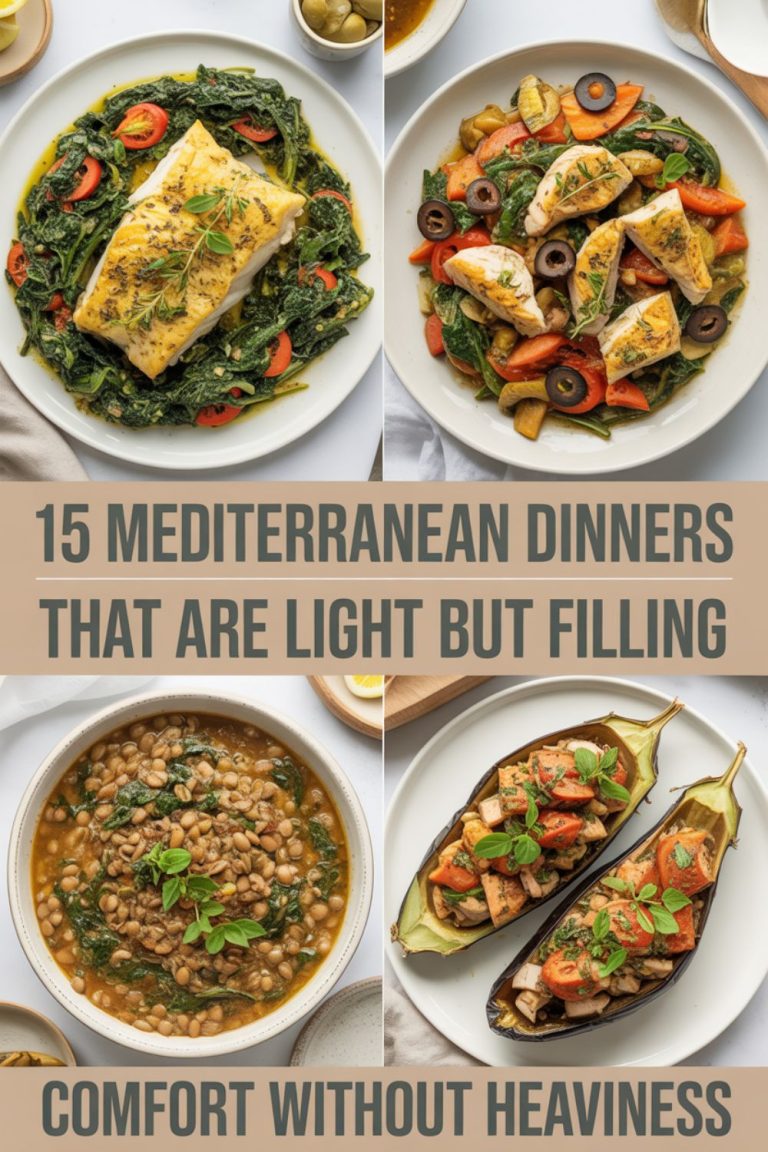
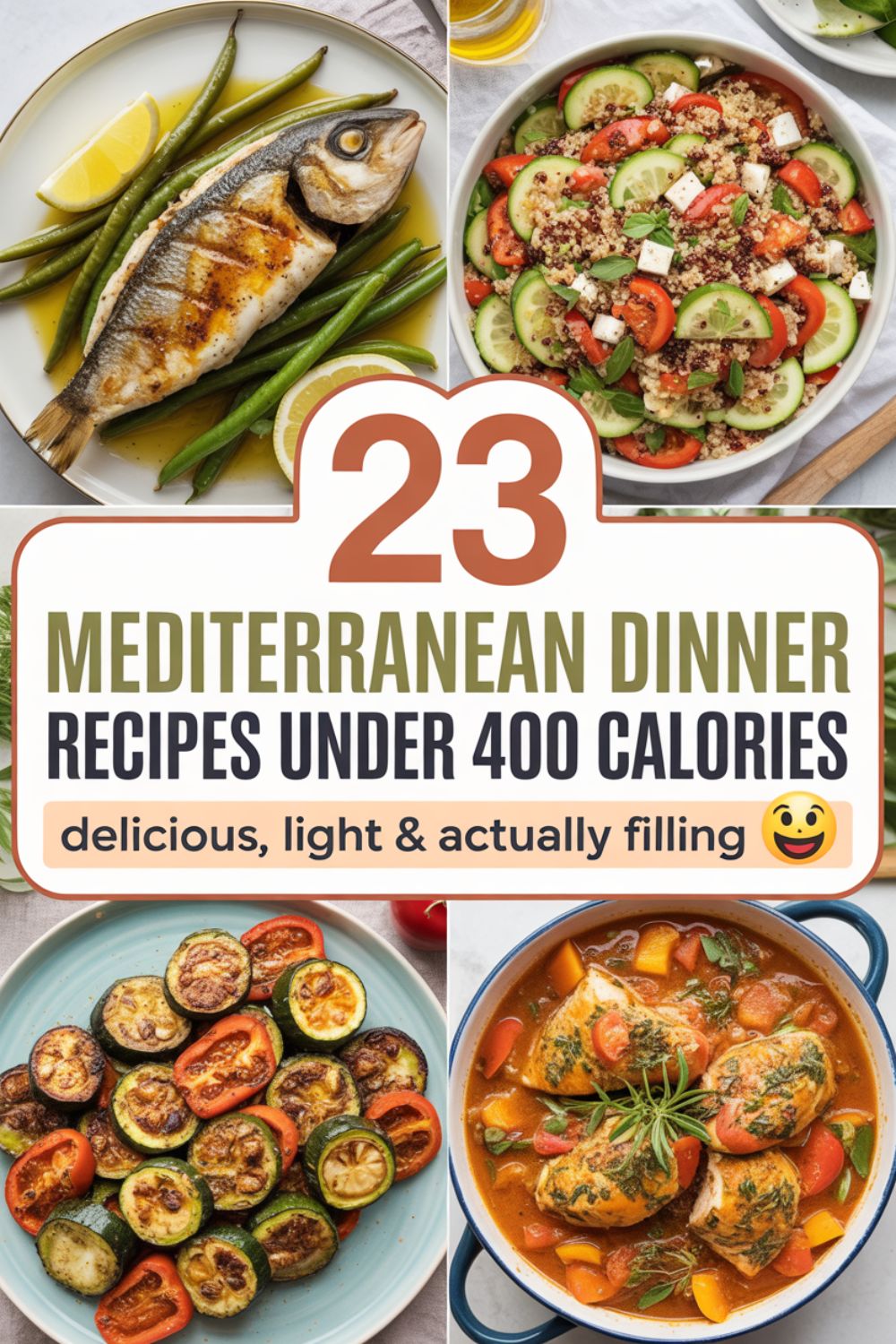
23 Mediterranean Dinner Recipes Under 400 Calories
Look, I’m not here to sell you another fad diet or promise you’ll drop ten pounds by Tuesday. But if you’re tired of bland “diet food” that leaves you hungry an hour later, Mediterranean dinners under 400 calories might just be your new best friend.
The thing about Mediterranean cooking is that it doesn’t feel like dieting at all. You’re eating real food—olive oil, fresh herbs, juicy tomatoes, grilled fish—and somehow staying in a calorie deficit without feeling like you’re punishing yourself. Research shows this eating style supports heart health while keeping you satisfied, which is kind of the whole point, right?
Why Mediterranean Dinners Work for Weight Loss
Here’s the deal: Mediterranean cuisine isn’t about restriction. It’s about eating foods that actually fill you up without wrecking your calorie budget. We’re talking fiber-rich vegetables, lean proteins, and healthy fats that tell your brain “hey, we’re good here” instead of constantly hunting for the next snack.
The beauty of keeping dinners under 400 calories means you’ve got room for breakfast and lunch without turning into a spreadsheet accountant tracking every grape. According to the American Heart Association, this approach helps manage weight while reducing risks for obesity, diabetes, and heart disease.
Plus, you’re getting tons of antioxidants, fiber, and omega-3 fatty acids without even trying. It’s like your body’s getting a wellness spa treatment while you’re just eating dinner.
The Secret Ingredient Nobody Talks About
You know what makes Mediterranean cooking so satisfying at lower calories? It’s not some magic pill or weird supplement. It’s olive oil and herbs. A drizzle of quality extra virgin olive oil and fresh herbs like oregano, basil, and thyme turn boring vegetables into something you’d actually order at a restaurant.
I keep this olive oil dispenser on my counter because measuring oil from a bottle is annoying and messy. One pump gives you about a teaspoon, so you’re not accidentally adding 200 calories when you meant to add 40. Small things, people.
Fresh herbs make everything better, but let’s be real—sometimes you forget to use them and they turn into expensive compost. That’s why I switched to this herb keeper container that actually keeps basil and cilantro fresh for like two weeks. Game changer.
23 Mediterranean Dinner Recipes That Won’t Leave You Hungry
Light but Filling Seafood Options
Seafood is your best friend when you’re trying to keep calories down without sacrificing protein. Fish and shrimp cook fast, taste amazing with Mediterranean seasonings, and won’t leave you foraging through the pantry an hour later.
Baked Salmon with Dill Garlic is probably the easiest weeknight dinner you’ll ever make. Fifteen minutes in the oven and you’re done. The dill and garlic make it taste fancy without any actual effort. Get Full Recipe
For something with more Mediterranean flair, Grilled Salmon with Tomato Caper Relish brings those briny, tangy flavors that make you forget you’re eating “healthy.” The caper relish is stupidly simple—just tomatoes, capers, lemon, and olive oil. Get Full Recipe
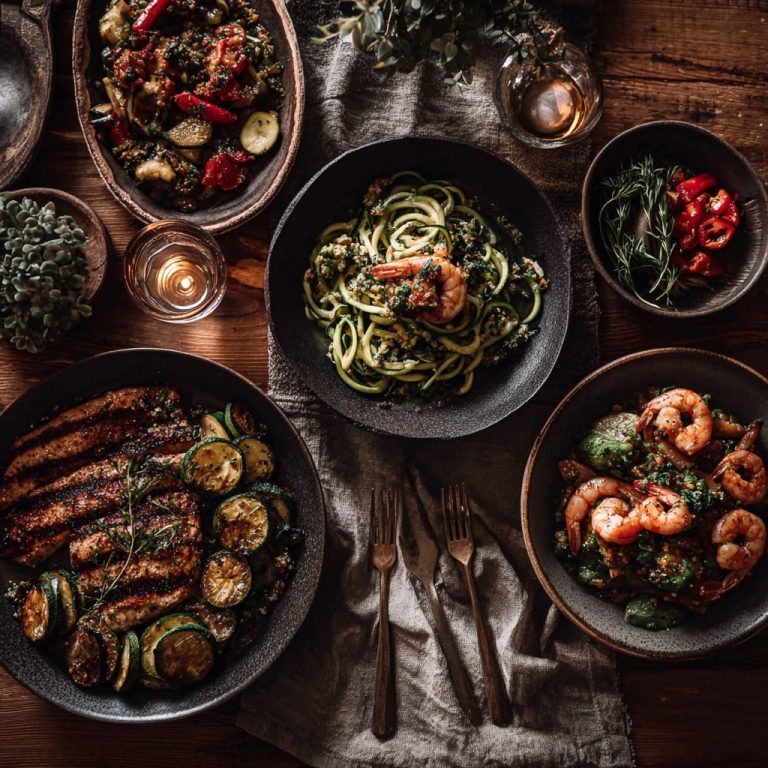
Shrimp cooks in literally three minutes, which is why Shrimp Sautéed in Garlic Olive Oil with Couscous is on repeat at my house. The garlic-olive oil combo is basically Mediterranean magic, and couscous soaks up all those flavors.
If you don’t have a reliable fish spatula, you’re making life harder than it needs to be. Regular spatulas tear delicate fish apart. Get the right tool.
Chicken Dinners That Don’t Suck
Chicken gets a bad rap for being boring, but that’s only if you cook it like a sad gym bro. Mediterranean-style chicken is bright, herby, and actually has flavor.
Lemon Herb Chicken with Roasted Potatoes is the dinner you make when you want everyone to think you’re a better cook than you actually are. Lemon juice, oregano, garlic, roasted until golden. Simple but impressive. Get Full Recipe
Lemon Oregano Grilled Chicken is another winner for summer grilling or when you just want something that tastes fresh and light. Marinate it for 20 minutes, grill it, done.
Want more grilled chicken inspiration? Check out these high-protein chicken recipes that pair perfectly with Mediterranean sides.
Vegetarian Mediterranean Dinners
Meat-free doesn’t mean flavor-free, especially when you’re playing with Mediterranean ingredients. Chickpeas, lentils, and beans bring protein and fiber without the calorie density of meat.
Lentil Soup with Crusty Bread is comfort food that happens to be healthy. It’s thick, hearty, and you can make a huge batch for the week. Just skip the crusty bread if you’re watching carbs, or factor it into your calories.
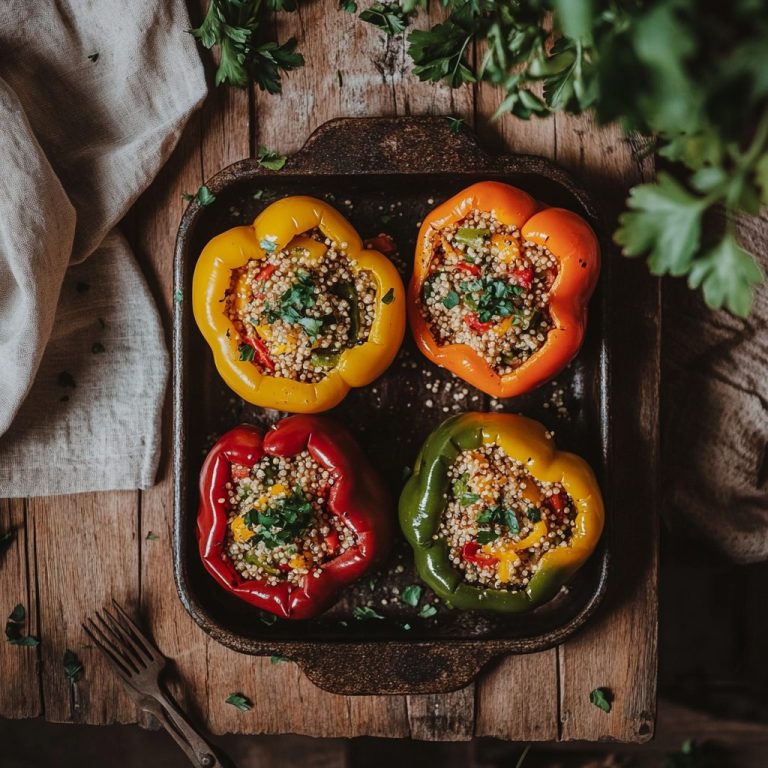
Stuffed Bell Peppers with Quinoa Veggies might sound like something from a 1950s cookbook, but trust me—when you stuff peppers with quinoa, tomatoes, and Mediterranean spices, they’re genuinely delicious. Get Full Recipe
For something completely different, try Shakshuka (Eggs in Spicy Tomato Sauce). Technically breakfast food, but who’s making rules? Eggs poached in spicy tomato sauce with peppers and onions—it’s under 400 calories and ridiculously satisfying.
I use this cast iron skillet for shakshuka because it goes from stovetop to oven without drama, and the eggs cook evenly. Plus it looks cool when you serve dinner straight from the pan.
Looking for more plant-based Mediterranean ideas? These high-protein vegetarian recipes have you covered.
Quick One-Pan Mediterranean Meals
Less dishes = more happiness. These one-pan dinners mean you’re not stuck scrubbing pots when you’d rather be watching Netflix.
One-Pot Mediterranean Pasta cooks everything together—pasta, tomatoes, spinach, garlic. You literally dump it all in one pot and let it simmer. The pasta absorbs the flavors as it cooks, so you end up with this silky, flavorful sauce without making a separate pot of marinara.
Mediterranean Chickpea Skillet is another lazy-but-delicious option. Chickpeas, tomatoes, spinach, feta. Everything cooks in one pan in about 20 minutes.
For even more easy dinner ideas, check out these one-pan Mediterranean dinners that make weeknights actually manageable.
Salads That Are Actually Meals
Here’s my hot take: most salads are rabbit food disguised as dinner. But Mediterranean salads with protein, healthy fats, and substantial vegetables? Those are real meals.
Greek Salad (But Like, Actually Good) isn’t your sad desk lunch. We’re talking cucumbers, tomatoes, olives, feta, red onion, with a proper olive oil and lemon dressing. Add some grilled chicken or chickpeas and you’ve got dinner.
Tuna White Bean Salad is one of those meals that sounds weird until you try it, then you make it every week. The white beans make it filling, and the tuna brings protein. Mix in some arugula, cherry tomatoes, and red onion with a lemon vinaigrette and you’re done. Get Full Recipe
If you’re making salads regularly, invest in a good salad spinner. Wet lettuce makes your dressing slide off like it’s trying to escape. Dry lettuce holds onto that dressing like it means business.
Want more substantial salad ideas? These Mediterranean salad recipes won’t leave you hungry.
Grain Bowls and Complete Meals
Grain bowls are having a moment, and for good reason. They’re customizable, filling, and you can prep components ahead of time.
Mediterranean Grain Bowl is basically all your favorite Mediterranean ingredients in one bowl—quinoa or farro, roasted vegetables, chickpeas, hummus, maybe some grilled chicken if you’re feeling it. Build it however you want.
Mediterranean Chickpea Bowl swaps the grain for more vegetables if you’re going lower-carb. Load it up with roasted veggies, crispy chickpeas, tahini sauce. It’s the bowl you order at those trendy fast-casual places, except you made it yourself for a fraction of the cost.
For even more bowl inspiration, check out these high-protein bowl recipes that keep you satisfied.
Making Mediterranean Cooking Actually Practical
Here’s the thing—you can’t rely on “motivation” to cook healthy dinners every night. You need a system. Stock your pantry with the basics and cooking Mediterranean becomes way less intimidating.
Pantry Staples You Actually Need
Keep these on hand and you can throw together a Mediterranean dinner without a special grocery trip:
- Extra virgin olive oil – the real stuff, not the cheap garbage
- Canned tomatoes – whole, diced, whatever you prefer
- Dried herbs – oregano, thyme, basil for when you don’t have fresh
- Canned chickpeas and white beans – instant protein and fiber
- Quinoa or farro – cook once, eat all week
- Kalamata olives – the flavor bomb you didn’t know you needed
- Lemons – fresh lemon juice makes everything better
- Garlic – buy the pre-peeled if you want to save time, no judgment
I keep my olive oil in this dark glass bottle because light degrades the quality. Is it fancy? Maybe. Does it make a difference? Absolutely.
Prep Once, Eat All Week
Meal prep doesn’t have to mean eating the exact same thing seven days straight. Just prep components and mix them differently each night.
Spend an hour on Sunday doing this:
- Roast a big tray of vegetables – peppers, zucchini, eggplant, whatever’s on sale
- Cook a batch of quinoa or farro
- Grill or bake some chicken breasts
- Make a big container of hummus or tzatziki
- Chop vegetables for salads
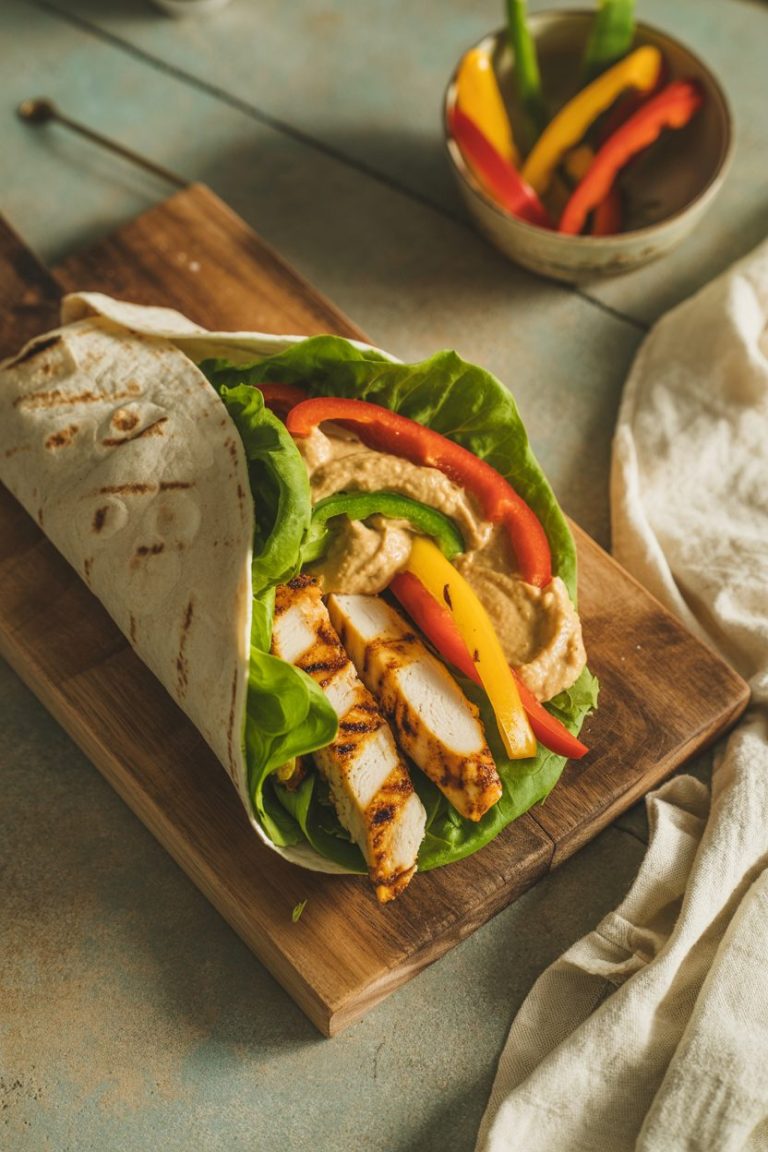
Now you’ve got everything you need to throw together different meals all week. Monday might be a grain bowl, Wednesday could be chicken with roasted vegetables, Friday you make a Mediterranean wrap. Different meals, same prep work.
For more meal prep strategies, these Mediterranean meal prep ideas will save you hours.
The Calorie Math That Actually Matters
Let’s talk numbers for a second. A 400-calorie dinner leaves you plenty of room for breakfast, lunch, and snacks while still maintaining a calorie deficit for weight loss. Most people need around 1,800-2,200 calories daily, so 400 for dinner is totally reasonable.
The trick is making those 400 calories count. You want high protein (keeps you full), plenty of fiber (slows digestion), and some healthy fats (signals satiety to your brain). Mediterranean dinners naturally hit all three without you having to think about it.
According to research published in the National Institutes of Health, Mediterranean eating patterns combined with moderate calorie restriction support healthy weight loss while providing excellent nutrition. You’re not starving yourself—you’re eating smarter.
Protein, Fiber, and Fat: The Trifecta
Every Mediterranean dinner should have all three macronutrients working together:
- Protein – fish, chicken, legumes, Greek yogurt. Aim for 25-30 grams per meal.
- Fiber – vegetables, whole grains, beans. Target 10+ grams to keep you full.
- Healthy fats – olive oil, nuts, avocado. Just 1-2 tablespoons adds major satisfaction.
This combination keeps your blood sugar stable, prevents that 9 PM snack attack, and supports your overall health goals. It’s not magic—it’s just good nutrition science applied to delicious food.
More Mediterranean Dinner Ideas to Try
Beyond the classics, there are tons of creative Mediterranean dinners that stay under 400 calories. These recipes bring variety so you’re not eating the same five meals on repeat.
Mediterranean Flatbread scratches that pizza itch without the delivery guilt. Use whole wheat flatbread, spread some hummus, pile on roasted vegetables and a sprinkle of feta. Bake until crispy.
Grilled Eggplant with Yogurt Sauce converts eggplant skeptics. The yogurt sauce (basically tzatziki) makes everything better, and grilled eggplant gets this amazing smoky flavor.
Mediterranean Chickpea Wraps are perfect for those nights when you need dinner in under ten minutes. Mash some chickpeas with lemon and spices, wrap them up with vegetables and hummus, done.
I use these whole wheat wraps because they actually hold together instead of falling apart mid-bite like some tortillas do. Small detail, big difference.
For more quick dinner options, browse these Mediterranean dinner recipes designed for busy weeknights.
When You Want Something Different
Sometimes you need to mix things up completely. These Mediterranean-inspired dishes bring new flavors while staying true to the healthy, low-calorie principles.
Stuffed Grape Leaves (Dolmas) are more approachable than you think. Yes, rolling them takes time, but make a big batch and freeze half. Future you wins.
Easy Baked Falafel gives you that crispy, herb-packed flavor without deep frying. Serve over salad or in a wrap with plenty of vegetables.
Shrimp Saganaki (Spicy Tomato Feta) is a Greek taverna classic—shrimp cooked in spicy tomato sauce with feta melted on top. It’s fancy enough for company but easy enough for a random Tuesday.
Speaking of Greek cuisine, these Mediterranean snack ideas keep you satisfied between meals.
Avoiding the Common Pitfalls
Mediterranean cooking is pretty straightforward, but people still mess it up. Here’s how to avoid the usual mistakes.
Don’t Drown Everything in Olive Oil
Yes, olive oil is healthy. No, that doesn’t mean you should pour it on everything like it’s water. One tablespoon is about 120 calories. Use it strategically—for cooking, for dressing, for flavor—but measure it. This measuring spoon set actually works unlike those cheap ones that claim accuracy but lie.
Cheese Isn’t a Free-for-All
Feta, goat cheese, Parmesan—all delicious, all Mediterranean, all calorie-dense. A little goes a long way. Crumble 1-2 tablespoons of feta over your salad and you get the flavor without blowing your calorie budget.
Bread Is Not the Main Event
That crusty bread dipped in olive oil? Amazing. Also like 300+ calories before you’ve even started dinner. Make vegetables and protein the stars, and treat bread as an occasional side if you’ve got room in your calories.
Frequently Asked Questions
Can I really lose weight eating Mediterranean dinners under 400 calories?
Absolutely. The Mediterranean diet emphasizes whole foods, lean proteins, and healthy fats that keep you satisfied on fewer calories. Studies show that people following this eating pattern tend to maintain weight loss better than those on restrictive diets because the food actually tastes good and doesn’t feel like deprivation. Just make sure your overall daily calorie intake aligns with your weight loss goals.
Are these recipes actually filling or will I be hungry an hour later?
Most of these recipes combine protein, fiber, and healthy fats—the three nutrients that keep you full longest. If you find yourself hungry, check that you’re including enough protein (aim for 25-30 grams per meal) and fiber (10+ grams). Adding an extra serving of vegetables or a small side salad can also help without adding many calories.
Do I need special ingredients to cook Mediterranean food?
Not really. The basics are probably already in your kitchen—olive oil, garlic, lemon, tomatoes, and dried herbs. You might want to add items like kalamata olives, feta cheese, and tahini for authentic flavor, but you can start simple and build your pantry over time. Focus on fresh vegetables, lean proteins, and whole grains first.
How do I meal prep these Mediterranean dinners?
Prep components separately rather than full meals. Roast vegetables, cook grains, grill proteins, and make sauces on Sunday. Store everything in separate containers, then mix and match throughout the week. This prevents food fatigue and keeps ingredients fresh longer than fully assembled meals would.
Can I substitute ingredients if I don’t like fish or certain vegetables?
Definitely. The Mediterranean diet is flexible by design. Don’t like fish? Use chicken, turkey, or plant-based proteins like chickpeas and lentils. Hate eggplant? Swap in zucchini or bell peppers. The key principles are whole foods, healthy fats, and plenty of vegetables—how you get there is up to you and your taste preferences.
Final Thoughts on Mediterranean Dinners Under 400 Calories
Here’s what I love most about Mediterranean dinners—they don’t feel like sacrifice. You’re not choking down plain chicken breast and steamed broccoli while fantasizing about pizza. You’re eating food with actual flavor, texture, and satisfaction.
The 400-calorie sweet spot gives you flexibility for the rest of your day. Want a bigger breakfast? Go for it. Need an afternoon snack? You’ve got room. This isn’t about eating the bare minimum—it’s about eating smart so you can actually stick with it.
Start with a few recipes that sound good to you. Maybe that lemon herb chicken or the one-pot pasta. Cook them a couple times until they feel natural. Then add more recipes to your rotation. Before you know it, healthy Mediterranean dinners become your default, not some special occasion thing you do when you’re “being good.”
The Mediterranean approach works because it’s sustainable. You’re not cutting out entire food groups or surviving on shakes and bars. You’re eating real food that happens to support your health goals without making you miserable. That’s the whole point, really.
Now go roast some vegetables, grill some fish, and stop overthinking dinner. You’ve got 23 recipes to choose from—pick one and get cooking.