21 Mediterranean Diet-Friendly Slow Cooker Recipes
Look, I’ll be honest with you—when someone first told me I could combine Mediterranean eating with slow cooker convenience, I thought they were pulling my leg. How do you take a cuisine built on fresh herbs, quick sautés, and barely-cooked vegetables and throw it all into a pot for eight hours?
Turns out, you absolutely can. And it’s kind of brilliant.
The Mediterranean diet has been making waves for decades now, and for good reason. Research consistently shows it can slash your risk of heart disease by up to 25% while helping with weight management and longevity. We’re talking about a diet that lowers inflammation, keeps your arteries flexible, and supports healthy blood sugar levels—all while letting you eat real, satisfying food.

But here’s where it gets really good: toss in a slow cooker, and suddenly this incredibly healthy way of eating becomes stupidly convenient. No standing over a hot stove. No constant stirring. Just dump, set, and walk away.
Why Your Slow Cooker and Mediterranean Food Are Actually Perfect Together
I used to think slow cookers were only good for pot roasts and chili. You know, heavy comfort food that needs hours to break down tough meat. But Mediterranean cooking? That’s different, right?
Wrong. Dead wrong.
Mediterranean cuisine loves long, slow cooking methods—think about traditional Greek stews, Moroccan tagines, or Italian braised dishes. These aren’t quick-sear recipes. They’re about building layers of flavor, letting spices bloom, and giving chickpeas and lentils time to get tender and absorb all those gorgeous seasonings.
The slow cooker does all of that without you having to babysit it. You get the same depth of flavor you’d get from a traditional low-and-slow simmer, but you can set it up in the morning and come home to something that smells like you’ve been cooking all day. Which, technically, you have—you just weren’t actually there.
The other thing people don’t realize is how forgiving slow cookers are with Mediterranean staples. Beans, lentils, chickpeas—all those protein-packed legumes that form the backbone of this diet? They thrive in a slow cooker. No pre-soaking needed for most recipes, and they come out creamy and perfectly cooked every single time.
What Actually Makes a Recipe “Mediterranean”?
Before we get into the recipes themselves, let’s clear something up. Mediterranean cooking isn’t one thing. It’s not just Greek salads and hummus, though those are great. It’s a whole region’s worth of food traditions, from Spain to Turkey, Italy to Morocco.
But there are some common threads. You’re looking at olive oil as your main fat—not butter, not vegetable oil. You’re loading up on vegetables, legumes, and whole grains. Fish and seafood show up regularly, while red meat is more of a once-in-a-while thing. Fresh herbs, garlic, lemon, and tomatoes are everywhere.
And here’s what I love: it’s not about restriction. According to metabolic research, the Mediterranean diet works because of the combination of nutrients working together—not because you’re cutting out entire food groups or starving yourself. You’re eating real food that tastes good and happens to be excellent for your body.
So when you’re throwing together a slow cooker Mediterranean meal, you’re aiming for that same balance: plenty of plants, good fats, moderate protein, and bold flavors that don’t need heavy cream or loads of cheese to taste incredible.
The Essential Slow Cooker Mediterranean Pantry
If you’re going to make these recipes work for you long-term, you need the right stuff on hand. I’m not talking about specialty ingredients you’ll use once and never touch again. I’m talking about the workhorses that show up in recipe after recipe.
First up: extra virgin olive oil. Not the cheap stuff. Get actual extra virgin—it’s higher in antioxidants and has way more flavor. I keep a nice bottle for finishing dishes and a slightly less expensive one for cooking. Worth every penny.
Canned goods are your friend here. Stock up on chickpeas, white beans, diced tomatoes, and tomato paste. Dried lentils are ridiculously cheap and don’t need soaking. Grab some kalamata olives, capers, and artichoke hearts too—they add massive flavor with minimal effort.
For spices, you want cumin, paprika, oregano, thyme, and cinnamon. Yeah, cinnamon. Mediterranean savory cooking uses it in ways that’ll surprise you. And always have fresh garlic and lemons around. Non-negotiable.
One more thing: get yourself a decent slow cooker if you don’t already have one. You don’t need anything fancy, but programmable is nice—you can set it to switch to “warm” automatically so your food doesn’t overcook if you’re late getting home. I use this 6-quart model and it’s been a workhorse for years.
If you’re meal prepping, grab some glass storage containers too. These slow cooker recipes usually make big batches, and having good containers means you’ll actually eat the leftovers instead of letting them die in the back of your fridge.
21 Mediterranean Slow Cooker Recipes You’ll Actually Make
Alright, let’s get to the good stuff. I’ve organized these by type so you can find what you’re craving, whether that’s a hearty stew, a simple chicken dish, or something completely plant-based.
Hearty Stews and Soups
Starting with the heavy hitters—these are the recipes you’ll come back to when you want something filling and comforting without the food coma afterward.
Moroccan Chickpea and Vegetable Stew. This one’s a personal favorite. Chickpeas, sweet potatoes, tomatoes, and a blend of warm spices like cumin and cinnamon. It sounds weird if you’ve never had Moroccan food, but trust me, the spice combination is addictive. I usually throw in some raisins at the end for a little sweetness. Get Full Recipe.
Greek-Style Lentil Soup. Think of this as the Mediterranean version of comfort food. Red lentils, tomatoes, onions, and a heavy hand with the oregano. The lentils break down into this thick, almost creamy texture without any dairy. Finish it with a squeeze of lemon and some fresh parsley. Game changer. If you love lentil dishes, you should definitely try this lentil spinach soup and this lentil sweet potato stew too.
Italian White Bean and Tomato Soup. Cannellini beans, San Marzano tomatoes if you can swing it, garlic, and fresh basil. Simple ingredients, huge flavor. I like to blend about half of it at the end to make it thicker without losing that chunky texture. Serve with some crusty bread for dipping—or don’t, if you’re watching carbs. It’s plenty filling on its own.
Spanish-Inspired Chickpea and Chorizo Stew. Okay, so chorizo isn’t exactly a Mediterranean diet staple, but hear me out. You use just a little bit—maybe four ounces for the whole pot—and it infuses everything with this smoky, spicy flavor. The bulk of the dish is still chickpeas, tomatoes, and peppers. It’s a good compromise when you’re craving something with a bit more richness.
Speaking of Mediterranean soups, check out these 21 Mediterranean soups under 300 calories for even more ideas that won’t wreck your calorie goals.
Chicken Dishes That Don’t Suck
Slow cooker chicken can be hit or miss. It’s easy to end up with dry, stringy meat if you’re not careful. But when you do it right—especially with Mediterranean flavors—it’s legitimately great.
Lemon Herb Chicken with Olives. Bone-in, skin-on chicken thighs are your best bet here. They stay juicy even after hours in the slow cooker. Load them up with lemon slices, fresh rosemary, garlic, and a handful of kalamata olives. The olives break down a bit and create this salty, briny sauce that’s perfect over rice or quinoa. Check out Get Full Recipe for the full details.
Greek Chicken with Tomatoes and Feta. Chicken breasts or thighs, cherry tomatoes, red onion, and oregano. About 30 minutes before it’s done, stir in some crumbled feta. It partially melts into the sauce and adds this tangy creaminess. My wife, who claims she doesn’t like feta, inhales this.
Moroccan Chicken with Apricots. Another one that sounds weird until you try it. Chicken thighs, dried apricots, chickpeas, and those same warm spices from the chickpea stew. The apricots get all soft and jammy, and they balance out the savory spices perfectly. Serve it over couscous if you want to go full Moroccan.
Italian Chicken Cacciatore. Classic for a reason. Chicken, bell peppers, onions, tomatoes, and a splash of red wine if you have it. The slow cooker makes the sauce incredibly rich and the chicken fall-apart tender. I use kitchen shears to cut up the chicken right in the pot before serving—way easier than trying to shred it with forks.
For more high-protein chicken ideas, check out these 25 high-protein chicken recipes that are perfect for meal prep.
Plant-Based Powerhouses
This is where Mediterranean cooking really shines. You don’t need meat to make something satisfying when you’ve got this much flavor going on.
Slow Cooker Ratatouille. Eggplant, zucchini, bell peppers, tomatoes, and a ton of garlic. Let it cook down until everything’s soft and melded together. It’s like vegetable candy. Great on its own, better over pasta, best spooned onto crusty bread with a drizzle of good olive oil.
Gigantes Plaki (Greek Baked Beans). Giant white beans in a rich tomato sauce with dill and parsley. IMO, this is better than any American-style baked beans I’ve ever had. The beans get creamy, the sauce gets thick, and you can eat it as a main dish or a side. I always make a double batch because it’s even better reheated.
Moroccan Vegetable Tagine. A bit of everything here—carrots, sweet potatoes, zucchini, chickpeas, tomatoes, and dried fruits like apricots or dates. The slow cooker mimics a traditional tagine pot perfectly. Serve it over couscous or quinoa. For more plant-based Mediterranean options, try these high-protein vegetarian recipes.
Spanish Pisto (Like Ratatouille’s Cousin). Similar vibe to ratatouille but with a Spanish twist. More tomatoes, some paprika, and I like to crack a few eggs on top during the last 20 minutes and let them poach in the sauce. Makes it a complete meal and adds extra protein.
Looking for more plant-based ideas? Check out this Mediterranean grain bowl and this chickpea bowl for quick lunch options that use similar flavors.
Seafood (Yes, Really)
I know what you’re thinking. Seafood in a slow cooker? Isn’t that how you make expensive rubber?
Generally, yes. But there are a few tricks that make it work, and when it does, it’s pretty spectacular.
Mediterranean Fish Stew. The key is adding the fish at the very end—like, the last 30-45 minutes. You build the base with tomatoes, fennel, white wine, and saffron if you’re feeling fancy. Then you add firm white fish like cod or halibut, along with some shrimp and mussels. Everything cooks just until done, and you end up with this incredible, brothy stew that tastes way more complicated than it is.
Greek Shrimp with Tomatoes and Feta. Similar deal—you make the tomato sauce in the slow cooker, then add the shrimp for just the last 20 minutes. Finish with feta and fresh dill. It’s ridiculously good over orzo or with some bread for soaking up the sauce.
For more seafood inspiration, explore these 21 Mediterranean seafood dinner ideas.
Grain and Pasta Dishes
Slow Cooker Mediterranean Farro. Farro is like rice’s cooler, nuttier cousin. It holds up great in the slow cooker. I make mine with vegetable broth, tomatoes, olives, artichoke hearts, and sun-dried tomatoes. Stir in some baby spinach and feta at the end. Works as a main dish or a side.
Greek-Style Orzo with Chicken and Vegetables. You can actually cook orzo in the slow cooker if you add it toward the end. I add it about 45 minutes before serving, and it comes out perfectly tender. The chicken and vegetables have been cooking all day, so everything’s super flavorful. I usually use this orzo brand—it holds its shape better than some of the cheaper ones.
Slow Cooker Minestrone. Italian vegetable soup with pasta, beans, and whatever vegetables you have lying around. It’s endlessly adaptable. Running low on groceries? Throw in what you’ve got. The slow cooker makes even sad, wilted vegetables taste good.
Less-Common But Worth It
Turkish-Style Stuffed Peppers. Bell peppers stuffed with a mixture of rice, ground lamb or turkey, tomatoes, pine nuts, and spices like cumin and allspice. The slow cooker makes the peppers perfectly tender without them falling apart. Way better than the mushy ones you get when you bake them. Get Full Recipe for a quinoa version.
Greek-Style Braised Lamb. This is for when you want to splurge a little. Lamb shoulder, tomatoes, onions, red wine, and a ton of oregano. It takes several hours, but the lamb gets fall-apart tender and the sauce is incredible. I serve it over creamy polenta or mashed white beans.
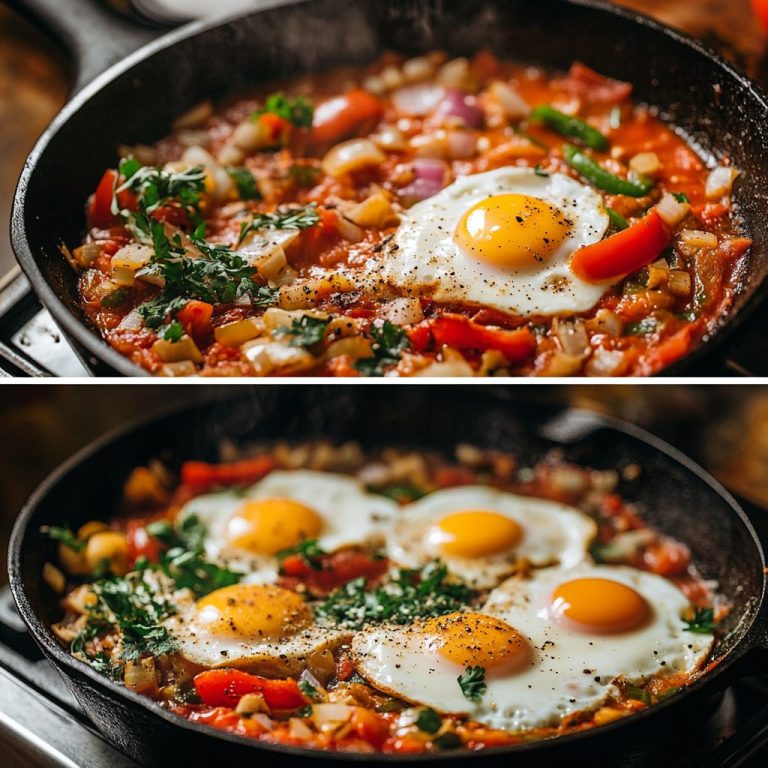
Slow Cooker Shakshuka. Shakshuka is usually a stovetop dish, but the slow cooker version is great for feeding a crowd. Make the tomato-pepper sauce in the slow cooker, then crack eggs into it about 20 minutes before serving. The eggs poach right in the sauce. Serve with crusty bread for dipping. For the traditional version, try this Mediterranean shakshuka recipe.
Moroccan Harira Soup. A hearty soup with lentils, chickpeas, tomatoes, and lamb. Traditionally eaten during Ramadan, but it’s great any time you want something filling and warming. The slow cooker is actually perfect for this—it needs a long, slow simmer to develop all the flavors.
Italian Wedding Soup. Meatballs, pasta, greens, and broth. Make the meatballs with a mix of ground turkey and pork to keep them lean but still flavorful. Add the pasta and greens at the end so they don’t overcook. It’s lighter than most slow cooker soups but still really satisfying.
Greek Lemon Chicken Soup (Avgolemono). This one’s a bit tricky because you finish it with an egg-lemon mixture that can curdle if you’re not careful. But when you get it right, it’s silky and tangy and completely different from any other soup you’ve ever had. Worth the learning curve.
How to Adapt These for Meal Prep
Most of these recipes make enough for 6-8 servings, which means they’re perfect for meal prep. Here’s how I typically do it:
On Sunday, I’ll start one of these recipes in the morning. By afternoon, I’ve got a huge pot of food that I portion out into containers. Some go in the fridge for the next 3-4 days, some go in the freezer for later in the month.
The soups and stews freeze brilliantly. Let them cool completely, then portion them into freezer-safe containers or even silicone bags. They’ll keep for 3-4 months, and you can reheat them straight from frozen in the microwave or on the stovetop.
Grain-based dishes are trickier—the grains can get mushy when frozen. I usually cook the grain separately and store it in its own container, then combine everything when I reheat. Adds about 30 seconds to your reheating time but makes a huge difference in texture.
Seafood dishes don’t freeze well at all. Make those to eat within 2-3 days and don’t bother trying to freeze them.
If you’re serious about meal prep, check out these 14 Mediterranean meal prep ideas and this 7-day meal prep plan for more structured approaches.
Common Mistakes (And How to Avoid Them)
I’ve screwed up enough slow cooker meals to have some opinions on this. Here are the biggest mistakes I see people make:
Overfilling the pot. Your slow cooker should be between half and two-thirds full for best results. Any more than that and nothing cooks evenly. Any less and you risk burning the bottom.
Not browning anything first. Yeah, the whole point is convenience, but taking 5-10 minutes to brown your meat or sauté your aromatics makes a massive difference. You’re building flavor that you just can’t get from dumping raw ingredients into the pot.
Opening the lid too much. Every time you lift that lid, you add 20-30 minutes to your cook time. The temperature drops dramatically. If you’re not adding ingredients, leave it alone. Use a slow cooker with a glass lid if you’re the type who needs to check constantly.
Adding dairy too early. Milk, cream, and most cheeses will curdle or separate if cooked for hours. Add them in the last 30 minutes, or better yet, stir them in right before serving.
Ignoring the size differences in ingredients. If you’re throwing in both potatoes and zucchini, cut the potatoes smaller. Otherwise, you’ll end up with perfectly cooked potatoes and zucchini mush—or vice versa.
Using the wrong setting. Low is almost always better than high for slow cooker Mediterranean dishes. High heat tends to make vegetables mushy and can toughen proteins. Plan for 6-8 hours on low rather than trying to rush it on high.
Frequently Asked Questions
Can I convert regular Mediterranean recipes to slow cooker versions?
Usually, yes. The trick is reducing the liquid by about 30-40% since slow cookers don’t let much evaporate, and adjusting the cook time—most stovetop recipes that take an hour will need 4-6 hours on low in a slow cooker. Add delicate ingredients like fresh herbs, greens, or seafood near the end to prevent overcooking.
How long do Mediterranean slow cooker meals keep in the fridge?
Most will keep 4-5 days in airtight containers. Seafood-based dishes should be eaten within 2-3 days. Soups and stews actually taste better after a day or two as the flavors continue to develop. Just reheat thoroughly before eating—165°F is the safe target temperature.
Making It Work for Your Schedule
The beauty of slow cooker Mediterranean meals is how flexible they are. Got a crazy Monday? Start something Sunday night on low for 8-10 hours, and it’ll be ready when you wake up. Portion it out, and boom—you’ve got lunch and dinner sorted for half the week.
Working from home? Start a recipe in the morning before you log on. By lunchtime, your house smells incredible, and by dinner, you’ve got a proper meal without having to stop working to cook.
I’ve even started recipes before leaving for weekend trips. Set it on low Saturday morning, and by the time I get back Sunday afternoon, I’ve got food ready for the week ahead. Game changer when you’re trying to avoid the Sunday night “what’s for dinner” panic.
The programmable feature on newer slow cookers helps too. You can delay the start time or have it automatically switch to warm mode. I set mine to start at noon so dinner’s ready by 6 PM without anything overcooking. Worth the extra $20-30 for a programmable model, in my opinion.
Budget-Friendly Tips
Mediterranean food gets a reputation for being expensive, but it doesn’t have to be. Here’s how I keep costs down:
Buy dried beans and lentils in bulk. They’re dirt cheap—like $1-2 per pound—and they last forever in your pantry. A pound of dried chickpeas makes about five cans’ worth when cooked. The math is pretty compelling.
Skip the fresh herbs when they’re crazy expensive. Dried works fine in slow cooker recipes since everything’s cooking for hours anyway. Save the fresh stuff for garnishing at the end, where you’ll actually taste the difference.
Chicken thighs are cheaper than breasts and work way better in the slow cooker. They stay juicy and have more flavor. Plus, bone-in is even cheaper than boneless, and the bones add richness to your sauce.
Frozen vegetables are your friend. They’re picked at peak ripeness and flash-frozen, so they’re often better quality than “fresh” vegetables that have been sitting around for a week. Plus, they’re already prepped. Just toss them in.
Shop the ethnic food aisle for spices. The little jars in the regular spice section are insanely overpriced. The same spices in bags in the international aisle are often a quarter of the price. Same with canned tomatoes, olive oil, and dried pasta.
For more budget-conscious Mediterranean cooking, check out these 15 budget-friendly Mediterranean meals.
Pairing Suggestions
Most of these slow cooker recipes are pretty complete on their own, but sometimes you want a little something extra on the side.
Crusty bread is the obvious choice. It’s perfect for soaking up sauces and stews. I keep a loaf in the freezer and toast slices as needed. A good bread knife makes slicing frozen bread way easier, by the way.
Simple green salads work great too. Olive oil, lemon juice, salt, pepper. That’s it. Maybe some fresh herbs if you have them. Nothing heavy that’ll compete with your main dish.
Grains are clutch for stretching meals further. Rice, quinoa, farro, bulgur—cook a big batch at the start of the week and reheat portions as needed. They soak up sauces beautifully and add staying power to lighter dishes. Try this Moroccan spiced quinoa bowl for inspiration.
Yogurt-based sauces are another good move. Mix Greek yogurt with lemon juice, garlic, and herbs. It cools down spicy dishes and adds a nice tang to rich stews. Takes 2 minutes to make and elevates basically everything.
For more complete meal ideas, explore these 25 easy Mediterranean recipes that complement slow cooker mains perfectly.
Adapting for Dietary Restrictions
Most Mediterranean slow cooker recipes are pretty flexible if you need to work around certain foods.
Vegetarian/Vegan: The plant-based recipes obviously work as-is. For the meat-based ones, swap in extra legumes or hearty vegetables like mushrooms and eggplant. Use vegetable broth instead of chicken broth. Skip the feta or use a vegan version—they’re actually pretty decent these days.
Gluten-Free: Most of these are naturally gluten-free or easily adaptable. Skip the pasta or use gluten-free versions. If a recipe calls for flour as a thickener, cornstarch works fine. Just check your spice blends—some contain wheat as a filler.
Dairy-Free: Super easy. Most recipes don’t use much dairy anyway, and when they do, it’s usually just feta or yogurt stirred in at the end. You can skip it entirely or use dairy-free alternatives. The flavor might be slightly different, but the dish will still work.
Low-Carb/Keto: Skip the grains and starchy vegetables like potatoes. Load up on lower-carb vegetables instead—cauliflower, zucchini, bell peppers, greens. The beans and lentils are higher carb, so you might want to reduce those or skip them depending on how strict you’re being. For keto-friendly Mediterranean options, check out this 14-day keto meal plan.
Troubleshooting Common Issues
Even with foolproof slow cooker recipes, stuff can go wrong. Here’s how to fix the most common problems:
Too watery: This happens a lot, especially if you didn’t reduce the liquid from the original recipe. Remove the lid for the last 30-45 minutes and turn the heat to high. This lets some moisture evaporate. Or mix a tablespoon of cornstarch with cold water and stir it in—it’ll thicken right up.
Too thick/dry: Add more liquid, but do it gradually. Broth, water, or even a splash of wine works. Stir it in and give it 15-20 minutes to incorporate. I keep extra broth in my pantry specifically for this.
Bland flavor: This usually means you need more salt, acid, or both. Add salt in small increments and taste as you go. Then squeeze in some fresh lemon juice or add a splash of red wine vinegar. Acid brightens everything up. Fresh herbs at the end help too.
Meat’s tough: It probably didn’t cook long enough. Tough meat in a slow cooker means it hasn’t had enough time to break down. Keep cooking. If you’re in a hurry, shred it with forks—it’ll seem more tender that way even if it’s not quite there yet.
Vegetables are mush: You added them too early. Next time, add delicate vegetables in the last 1-2 hours. There’s not much you can do to save mushy vegetables except remember for next time. Or just blend the whole thing into a soup and call it intentional.
Getting the Family On Board
Not everyone’s immediately excited about Mediterranean food, especially if they’re used to more Americanized dinners. Here’s how I’ve made it work:
Start with familiar flavors. The Italian-inspired recipes are usually an easier sell than Moroccan ones if people aren’t used to eating spices like cinnamon in savory dishes. Once they’re comfortable, you can branch out.
Let people customize their bowls. Set out the slow cooker meal family-style with options for toppings and sides. Some people want their stew over rice, others want bread. Some want extra feta, others don’t. Giving people choices makes them more invested in the meal.
Don’t make a big deal about it being “healthy.” Just call it dinner. The second you start talking about how good something is for them, half your family’s decided they don’t like it before they’ve even tried it. Just serve good food and let it speak for itself.
Keep some familiar sides around during the transition. It’s easier to try new things when there’s also something comfortable on the table. For kid-friendly options, try these 21 high-protein kid-friendly meals.
The Reality Check
Look, I’m not going to tell you that slow cooker Mediterranean meals are going to change your life or that you’ll never want takeout again. That’s not realistic.
But what I will say is this: if you can nail down 3-4 of these recipes that you genuinely enjoy, you’ve suddenly got a rotation of healthy, relatively cheap, genuinely delicious meals that basically cook themselves. That’s legitimately valuable, especially when you’re trying to eat better without spending hours in the kitchen every night.
The slow cooker isn’t perfect. It won’t give you the caramelization of a hot pan or the crispy bits from roasting. But it gives you something else—convenience that doesn’t totally sacrifice flavor. And in my experience, that’s the difference between actually cooking healthy meals and just having good intentions about it.
Mediterranean food works in a slow cooker because the flavors are bold enough to hold up to long cooking times. Olive oil, garlic, lemon, herbs, tomatoes—these aren’t delicate flavors that disappear. They get better as they meld together.
And honestly? Coming home to a house that smells like lemon chicken or Moroccan spices is just nice. It’s that “someone’s been cooking all day” smell without anyone actually having to stand in the kitchen for hours. That alone makes it worth figuring out.
Where to Go from Here
If you’re new to slow cooker Mediterranean cooking, start with one recipe. Pick something that sounds good and that uses ingredients you’re already familiar with. Make it on a weekend when you’re home and can check on it. See how your slow cooker handles it—every model’s a little different.
Once you’ve got one recipe down, add another. Build up your rotation slowly. After a month or two, you’ll have a handful of go-to recipes that you can make without even thinking about it.
Experiment with the recipes too. Don’t like olives? Leave them out. Want more vegetables? Add them. These aren’t precious recipes that fall apart if you change one ingredient. They’re frameworks. Make them work for you.
And if you’re looking for structured meal plans to take the guesswork out of it, check out this 14-day Mediterranean diet meal plan for beginners or this 7-day high-protein Mediterranean meal plan. They’ll give you a roadmap and shopping lists so you’re not figuring everything out from scratch.
Final Thoughts
Mediterranean slow cooker recipes are one of those rare things that actually deliver on the promise. You get food that tastes good, is genuinely good for you, and doesn’t require you to be a kitchen wizard or have unlimited time.
The Mediterranean diet isn’t a fad. It’s been around forever because it works—both for your health and for your taste buds. And the slow cooker isn’t going anywhere either. It’s been a kitchen staple for decades because it makes cooking accessible even when life gets hectic.
Combine the two, and you’ve got something legitimately useful. Not perfect, not miraculous, just practical and good. Which, honestly, is exactly what most of us need when it comes to figuring out dinner.
So grab your slow cooker, stock up on olive oil and canned tomatoes, and pick one of these recipes to try this week. See what happens. Worst case, you’ve got a decent dinner. Best case, you’ve found a new way of eating that actually sticks because it’s easy enough to maintain.
And really, that’s the whole point.
Do I need to soak dried beans for slow cooker Mediterranean recipes?
Not necessarily. Most dried beans (except kidney beans) can go straight into the slow cooker, though they’ll take 6-8 hours on low to get tender. Soaking cuts the time down to about 4-5 hours and can make them easier to digest. FYI, kidney beans should always be boiled for 10 minutes before slow cooking to neutralize toxins.