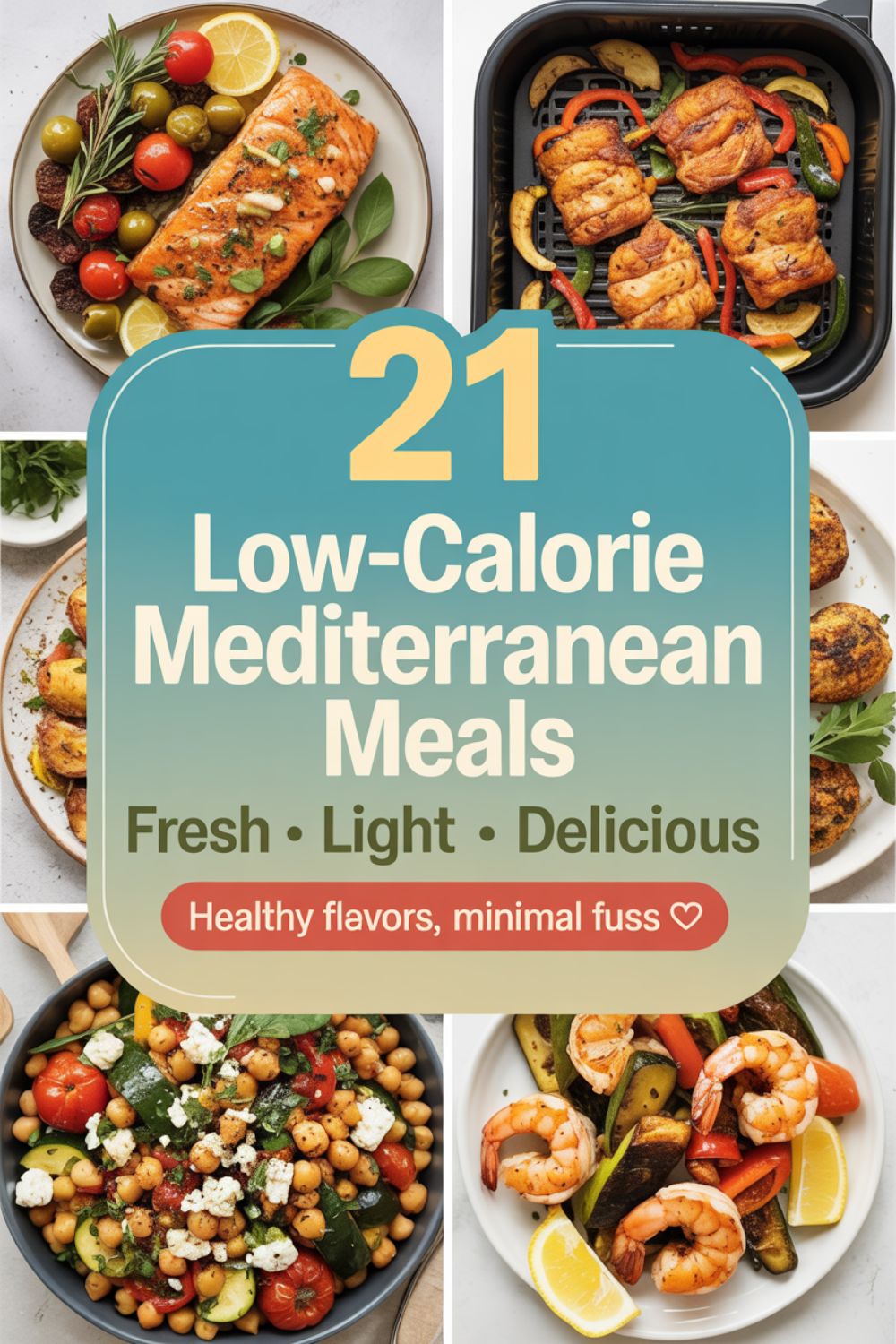
21 Low-Calorie Mediterranean Meals
Look, I’m not gonna sugarcoat this—most diet plans make you feel like you’re eating cardboard while staring longingly at real food. But here’s the thing about Mediterranean eating: you actually get to enjoy what you’re putting in your mouth while the scale cooperates. Wild concept, right?
I’ve spent the better part of two years experimenting with Mediterranean-style meals that don’t require me to take out a second mortgage for ingredients or spend half my Sunday meal prepping. What I’ve found is that low-calorie doesn’t have to mean low-flavor, and you definitely don’t need to be a culinary genius to pull these off.
Why Mediterranean Eating Actually Works (Without the BS)
Before we jump into the recipes, let me explain why this isn’t just another fad diet your cousin’s trying on Instagram. Research from Harvard’s School of Public Health shows that people following a Mediterranean diet had a 25% lower risk of developing cardiovascular disease. That’s not marketing fluff—that’s actual science.
The Mediterranean approach focuses on whole foods, healthy fats from sources like olive oil and nuts, and plenty of vegetables. According to studies published in the National Institutes of Health, this eating pattern helps with inflammation control and supports better blood sugar management. Translation: your body actually functions better when you feed it real food. Shocking, I know.
What makes these 21 meals different is they’re all strategically low in calories without sacrificing the stuff that makes food worth eating. No one wants to nibble on plain grilled chicken breast while crying into their unseasoned broccoli.
Breakfast Options That Don’t Suck
Greek Yogurt Bowls Done Right
I used to think Greek yogurt was boring until I figured out how to dress it up properly. The key is layering flavors and textures instead of just dumping fruit on top and calling it a day. A proper Greek yogurt bowl with berries and honey hits around 250 calories but keeps you satisfied for hours.
Start with plain, non-fat Greek yogurt—about 150 grams. Add a tablespoon of honey (because life’s too short for artificial sweeteners), a handful of mixed berries, and here’s the game-changer: a small handful of toasted walnuts. I use this mini toaster oven to toast nuts without burning them to death. Way easier than babysitting a pan.
The protein from the yogurt combined with the fiber from berries means you’re not raiding the snack drawer by 10 AM. If you want more inspiration, check out this Greek yogurt parfait variation.
Avocado Toast (But Make It Mediterranean)
Everyone’s doing avocado toast wrong. There, I said it. The secret to proper avocado toast with tomato and olive oil is using quality whole grain bread and not going overboard with the avocado portion.
One slice of good bread, half an avocado (yes, half), sliced tomatoes, a drizzle of extra virgin olive oil, and some za’atar seasoning. Comes in around 280 calories and actually tastes like something you’d order at a cafe. I keep my avocados in this produce saver container—they last way longer without turning brown overnight.
For meal prep fans, you might also love these Mediterranean-style avocado toast ideas or this cucumber avocado toast with za’atar.
Oatmeal That Doesn’t Taste Like Punishment
Real talk: oatmeal gets a bad rep because most people make it taste like wet cardboard. The Mediterranean version is completely different. Oatmeal with dried figs, walnuts, and cinnamon is my go-to when I need something warm and comforting that won’t wreck my calorie budget.
Cook your oats in unsweetened almond milk instead of water—this alone is a game changer. Add chopped dried figs, a sprinkle of cinnamon, and some crushed walnuts. The natural sweetness from figs means you don’t need to add sugar. Total damage? About 320 calories.
Speaking of breakfast ideas, you might also enjoy this Mediterranean smoothie bowl or these creative 30 Mediterranean breakfast recipes for busy mornings.
Lunch Ideas That Actually Keep You Full
Lentil Soup (Your New Best Friend)
If you’re not making lentil soup regularly, you’re missing out. Lentil soup with crusty bread is stupidly filling for around 350 calories. The fiber and protein combo means you’re not hungry again in two hours.
I make a big batch every Sunday using this Dutch oven—it’s the perfect size and heats evenly. Red lentils cook faster than green ones, FYI. Add diced tomatoes, carrots, celery, garlic, and vegetable broth. Season with cumin, paprika, and a squeeze of lemon at the end.
Store it in these glass meal prep containers and you’ve got lunch sorted for the week. Also worth trying: lentil spinach soup or this heartier lentil sweet potato stew.
The Humble Grain Bowl
Grain bowls are having a moment, and for good reason. A proper Mediterranean grain bowl gives you complete nutrition in one bowl—grains, protein, vegetables, and healthy fats.
Start with quinoa or farro as your base. Add chickpeas (roasted for extra points), cucumber, tomatoes, olives, and a dollop of quality hummus. Dress it with lemon juice and olive oil. The whole thing clocks in around 400 calories but feels substantial.
I use this salad dressing shaker to mix my dressing—saves time and makes cleanup easier. Check out these related options: Mediterranean chickpea bowl or quinoa tabbouleh with hummus and pita.
Tuna Done Differently
Forget sad desk lunches with canned tuna on crackers. Tuna white bean salad is a complete meal that tastes way fancier than it has any right to be.
Mix canned tuna (I prefer the ones packed in olive oil, not water) with white beans, cherry tomatoes, red onion, and fresh parsley. Dress with lemon juice, olive oil, salt, and pepper. Serve it over greens or eat it straight. Around 320 calories and packed with protein.
For more protein-packed lunches, try this chickpea tuna salad wrap or explore these 15 high-protein meal prep lunches.
Dinner Solutions for Weeknights
Grilled Chicken (But Actually Good)
Most people overcook chicken until it’s dry as sawdust. Lemon herb chicken with roasted potatoes is foolproof if you follow one simple rule: don’t overcook it.
Marinate chicken breasts in lemon juice, olive oil, garlic, and fresh herbs for at least 30 minutes. I use these reusable silicone bags for marinating—no waste and they’re dishwasher safe. Grill or bake at 375°F until internal temp hits 165°F. Serve with roasted baby potatoes. Total: 380 calories.
The key is using a meat thermometer so you’re not guessing. Perfectly cooked chicken is game-changing. Also try: lemon oregano grilled chicken or grilled lemon herb chicken with quinoa. Get Full Recipe
Salmon (The Easy Version)
Salmon seems intimidating until you realize how ridiculously easy it is. Grilled salmon with tomato caper relish takes literally 15 minutes and tastes like you know what you’re doing in the kitchen.
Season salmon with salt, pepper, and lemon. Grill or bake for 12-15 minutes. While it cooks, mix chopped tomatoes, capers, olive oil, and fresh basil. Spoon over the cooked salmon. About 340 calories of pure deliciousness.
I line my baking sheet with this silicone baking mat—zero sticking, zero scrubbing. Also worth making: baked salmon with herbed quinoa or baked salmon with dill and garlic. Get Full Recipe
Shakshuka (Eggs for Dinner? Hell Yes)
Who says eggs are just for breakfast? Shakshuka (eggs in spicy tomato sauce) is my favorite lazy dinner that looks impressive.
Simmer tomatoes, onions, bell peppers, and spices in a skillet. Make wells and crack eggs directly into the sauce. Cover and cook until eggs are set. Serve with crusty bread for dipping. The whole meal is around 320 calories and ridiculously satisfying.
I make this in my cast iron skillet because it goes from stovetop to table and looks rustic. Check out this similar version: Mediterranean shakshuka. Get Full Recipe
Vegetarian Options That Don’t Feel Like You’re Missing Out
Stuffed Peppers Without the Fuss
Stuffed bell peppers with quinoa and veggies sound fancy but are stupid simple. Cut peppers in half, remove seeds, fill with a mixture of cooked quinoa, diced vegetables, and seasonings. Bake until peppers are tender.
I use this melon baller to core peppers easily—sounds weird but it works perfectly. Around 280 calories per serving and you can make them ahead. Try these variations: stuffed bell peppers (version 2) or Mediterranean tuna stuffed peppers.
Falafel That’s Actually Healthy
Store-bought falafel is usually deep-fried calorie bombs. Easy baked falafel gives you the same crispy texture with way fewer calories.
Pulse chickpeas, herbs, garlic, and spices in a food processor. Form into patties and bake instead of frying. Serve in pita with tahini sauce and vegetables. About 350 calories and loaded with plant protein. Also check out: homemade baked falafel or falafel wrap with tzatziki.
The Eggplant Situation
Grilled eggplant with yogurt sauce is one of those dishes that makes people who “don’t like eggplant” change their minds. The trick is salting the eggplant slices first to draw out bitterness.
Slice, salt, let sit for 20 minutes, pat dry, then grill or roast. Top with a sauce made from Greek yogurt, garlic, lemon, and dill. Around 220 calories and surprisingly filling. Similar vibes: Mediterranean eggplant wrap.
Looking for more Mediterranean lunch ideas? These 25 Mediterranean lunchbox recipes for work or 21 quick Mediterranean meal prep ideas have tons of options.
Snacks and Light Meals
Hummus and Veggies (Elevated)
Plain hummus and carrots is boring. Grilled veggie platter with hummus is where it’s at. Grill zucchini, bell peppers, and asparagus, then serve with quality store-bought hummus or make your own.
Grilling vegetables brings out natural sweetness and adds smoky flavor. About 180 calories for a substantial snack. Related ideas: hummus veggie sticks or roasted veggie pita pockets.
The Simplest Sandwich Ever
Cucumber hummus sandwich sounds too simple to be good, but it’s oddly satisfying. Whole grain bread, thick layer of hummus, thinly sliced cucumbers, tomatoes, and a sprinkle of salt. That’s it. Around 250 calories.
The crunch from fresh cucumbers makes all the difference. I use this mandoline slicer for perfectly thin, even cucumber slices. Also try: cucumber hummus sandwich bites.
Whole Wheat Pasta (Yes, Really)
Whole wheat spaghetti with cherry tomatoes and basil proves that pasta can fit into a low-calorie plan. The key is portion control and bulking it up with vegetables.
Use 2 ounces of dry pasta per person (weigh it, seriously). Toss with sautéed cherry tomatoes, garlic, fresh basil, and a tablespoon of olive oil. Add some red pepper flakes. Around 380 calories and way more satisfying than you’d think. Also worth making: whole wheat spaghetti with spinach pesto or one-pot Mediterranean pasta.
One-Pan Wonders
Shrimp and Couscous
Shrimp sautéed in garlic and olive oil with couscous is my go-to when I’m too lazy for multiple dishes. Everything cooks in under 20 minutes.
Cook couscous according to package directions. Sauté shrimp in olive oil and garlic until pink. Mix together with lemon juice and parsley. One pan, minimal cleanup, around 360 calories. Similar vibes: shrimp saganaki with spicy tomato and feta.
Mediterranean Chicken Skillet
Chicken zucchini skillet with herbs is another one-pan miracle. Dice chicken, sauté with zucchini, tomatoes, and Mediterranean herbs. Serve over cauliflower rice if you want to keep it super low-cal, or regular rice if you’re actually hungry.
I use this large nonstick skillet for everything—it’s big enough for a family meal and cleanup is stupidly easy. Around 320 calories. Also check out: Mediterranean chickpea skillet.
Why Calorie Counting Doesn’t Have to Suck
Here’s the thing about these 21 meals: they’re designed to be naturally lower in calories without you having to obsess over every gram. The Mediterranean approach emphasizes foods that are nutrient-dense but not calorie-dense.
According to research, adherence to Mediterranean eating patterns helps with weight management over time. It’s not about restriction—it’s about eating foods that actually nourish you while keeping portions reasonable.
I’m not saying you need to eat perfectly 100% of the time. That’s unrealistic and honestly kind of miserable. But having a solid rotation of low-calorie Mediterranean meals in your back pocket means you’re not derailing your progress every time you don’t feel like cooking an elaborate dinner.
The Practical Stuff Nobody Talks About
Ingredient Swaps That Actually Work
Can’t find za’atar? Use oregano and sesame seeds. Out of fresh herbs? Dried works fine—use about a third of the amount. Don’t have quinoa? Bulgur, farro, or even brown rice work in most recipes.
The Mediterranean diet is flexible, which is why it actually works long-term. You’re not following some rigid meal plan that falls apart the second your grocery store is out of one specific ingredient.
Meal Prep Without Losing Your Mind
I’m not one of those people who spends six hours on Sunday preparing identical meals in 47 containers. Instead, I prep components. Cook a batch of grains, chop vegetables, make a big pot of soup. Mix and match throughout the week.
Store everything in these glass containers—they’re microwave and dishwasher safe, and you can actually see what’s inside without playing refrigerator mystery box.
For more structured approaches, check out this 7-day high-protein Mediterranean meal plan or this 14-day Mediterranean diet meal plan for beginners.
Restaurant Ordering Without Sabotaging Yourself
Mediterranean restaurants are everywhere, which makes eating out easier. Look for grilled proteins, vegetable-heavy dishes, and ask for dressing on the side. Skip the bread basket if you’re trying to keep calories in check, or have one piece and move the basket away from you.
IMO, the biggest mistake people make is thinking they can’t enjoy meals out while managing calories. You absolutely can—just be strategic about it.
Common Mistakes (Because I’ve Made Them All)
Using Too Much Oil
Yes, olive oil is healthy. No, that doesn’t mean drowning everything in it. A tablespoon has about 120 calories. Measure it instead of free-pouring, especially if you’re trying to keep calories controlled.
I use this oil mister for cooking—gives you the flavor without going overboard on calories.
Forgetting About Portion Sizes
Nuts are nutritious. They’re also calorie-dense. A serving is typically an ounce (about a small handful), not the entire container while watching Netflix. Same goes for cheese, avocado, and tahini.
Get a simple kitchen scale and use it for a week. You’ll quickly learn what appropriate portions actually look like, then you can eyeball it moving forward.
Skipping Protein
All the vegetables in the world won’t keep you full if you’re not getting enough protein. Every meal should have a protein source—whether it’s fish, chicken, legumes, eggs, or Greek yogurt. This is non-negotiable if you want to stay satisfied.
Speaking of protein, these 25 high-protein low-calorie meals under 500 calories and 21 high-protein Mediterranean meals under 400 calories are solid resources.
Making It Work in Real Life
The truth is, sustainable eating isn’t about perfection. It’s about having enough good options that you’re not constantly white-knuckling it through hunger or boredom.
These 21 Mediterranean meals give you variety without requiring a culinary degree or draining your bank account. Some nights you’ll feel like cooking something elaborate. Other nights, you’ll throw together a simple grain bowl and call it a win. Both are fine.
The Mediterranean approach works because it’s based on real food that people have been eating for centuries. It’s not some trendy diet that’ll be replaced by the next big thing in six months. It’s just… sensible eating that happens to taste good.
Sarah from our community started incorporating these meals three months ago and lost 15 pounds without feeling like she was constantly dieting. Her biggest takeaway? “I stopped thinking of healthy food as punishment and started actually enjoying what I was eating.”
Frequently Asked Questions
Are these meals actually filling enough for someone trying to lose weight?
Absolutely. The combination of protein, fiber, and healthy fats in Mediterranean meals keeps you satisfied longer than typical low-calorie options. Most of these recipes include legumes, lean proteins, or Greek yogurt—all of which are proven to reduce hunger. If you’re still hungry, add more non-starchy vegetables to bulk up your meals without significantly increasing calories.
Can I meal prep these recipes for the entire week?
Most of these work great for meal prep. Soups, grain bowls, and cooked proteins last 4-5 days in the fridge. Keep dressings separate and add fresh ingredients like lettuce or tomatoes right before eating. Batch cook grains, proteins, and roasted vegetables on Sunday, then mix and match throughout the week instead of eating identical meals daily.
What if I don’t like some of the typical Mediterranean ingredients like olives or feta?
Skip them or substitute with something you enjoy. The Mediterranean diet is flexible—it’s more about the overall eating pattern than specific ingredients. Don’t like olives? Use capers or sun-dried tomatoes for a similar briny flavor. Not a fan of feta? Try goat cheese or skip cheese entirely and add extra herbs for flavor.
How strict do I need to be with calorie counts for these meals?
The calorie estimates are guidelines, not rules carved in stone. Your portions might vary slightly based on ingredient brands and exact measurements. If you’re consistently losing weight and feeling satisfied, you’re doing it right. Track for a week or two to get familiar with portions, then trust your hunger cues while staying mindful.
Are these recipes suitable for families or picky eaters?
Many of these work for families with minor adjustments. Serve kids larger portions if they’re more active, add their preferred toppings to grain bowls, or make grilled chicken plain for picky eaters while you add Mediterranean seasonings to yours. The beauty of meals like stuffed peppers or grain bowls is everyone can customize their own plate.
Final Thoughts (The Actual Conclusion)
Here’s what I’ve learned after two years of Mediterranean eating: food shouldn’t be complicated. You don’t need exotic ingredients you can only find at specialty stores. You don’t need to spend hours in the kitchen every night. You definitely don’t need to feel deprived.
These 21 low-calorie Mediterranean meals prove you can eat well, stay within your calorie goals, and actually enjoy the process. Some will become weekly staples. Others you’ll make occasionally when you’re feeling fancy. A few might not be your thing, and that’s totally fine.
The goal isn’t to follow a rigid meal plan—it’s to have enough options that eating well becomes easier than defaulting to takeout or frozen dinners. Build your own rotation based on what you actually like eating and what fits your schedule.
Mediterranean eating isn’t a quick fix or a 30-day challenge. It’s a sustainable way to feed yourself that doesn’t require constant willpower or complicated rules. Start with three or four recipes from this list. Master those, then add more as you get comfortable.
Your relationship with food doesn’t have to be a battle. Sometimes it’s just about having good recipes, decent ingredients, and realistic expectations. These 21 meals are a solid starting point for all three.