30 Low-Calorie Lunchbox Ideas for Work or School
Look, I get it. You’re standing in your kitchen at 6:47 AM, staring into the fridge like it’s going to spontaneously generate a decent lunch. Meanwhile, your brain is still buffering from sleep, and the idea of assembling something that’s both healthy and actually edible feels like climbing Everest in flip-flops.
Here’s the thing though—packing a low-calorie lunch doesn’t mean you’re doomed to sad desk salads or those depressing rice cakes that taste like Styrofoam’s boring cousin. I’m talking real food. The kind that makes your coworkers peek over and ask what smells so good.
I’ve been meal prepping for years now, and let me tell you, I’ve made every mistake in the book. Soggy sandwiches? Check. Mystery leftovers that somehow multiplied in the tupperware? Been there. But I’ve also cracked the code on lunches that clock in under 400 calories while actually keeping you full until dinner.

Why Low-Calorie Lunches Actually Matter
Before we jump into the recipes, let’s talk about why this whole low-calorie lunch thing isn’t just another diet fad. According to nutrition experts at Harvard Health, the key is focusing on nutrient-dense foods that give you more bang for your caloric buck.
Think about it this way—a 400-calorie lunch packed with lean protein, fiber-rich veggies, and whole grains is going to fuel you way better than a 400-calorie bag of chips. Revolutionary concept, I know. But seriously, when you build your lunch around foods that actually nourish your body, you’re not just cutting calories—you’re upgrading your entire afternoon.
The average person needs somewhere between 300-600 calories for lunch, depending on your activity level and overall goals. But here’s what most people get wrong: they think less calories automatically means less food. Wrong. It’s about choosing the right foods that give you volume without the calorie overload.
Prep your veggies on Sunday night. Future you will send thank-you notes all week long. Trust me, there’s nothing worse than trying to julienne carrots when you’re already running late.
The Foundation: What Makes a Great Low-Calorie Lunch
Here’s my formula, and it’s stupid simple: lean protein + fiber-rich carbs + healthy fats + lots of veggies. That’s it. You nail those four components, and you’ve got yourself a lunch that’ll keep you satisfied without the afternoon food coma.
For protein, I’m talking chicken breast, turkey, fish, tofu, legumes—anything that gives you staying power without drowning you in calories. The USDA’s Dietary Guidelines emphasize lean proteins as a cornerstone of balanced eating, and for good reason. They keep you full longer and help maintain muscle mass.
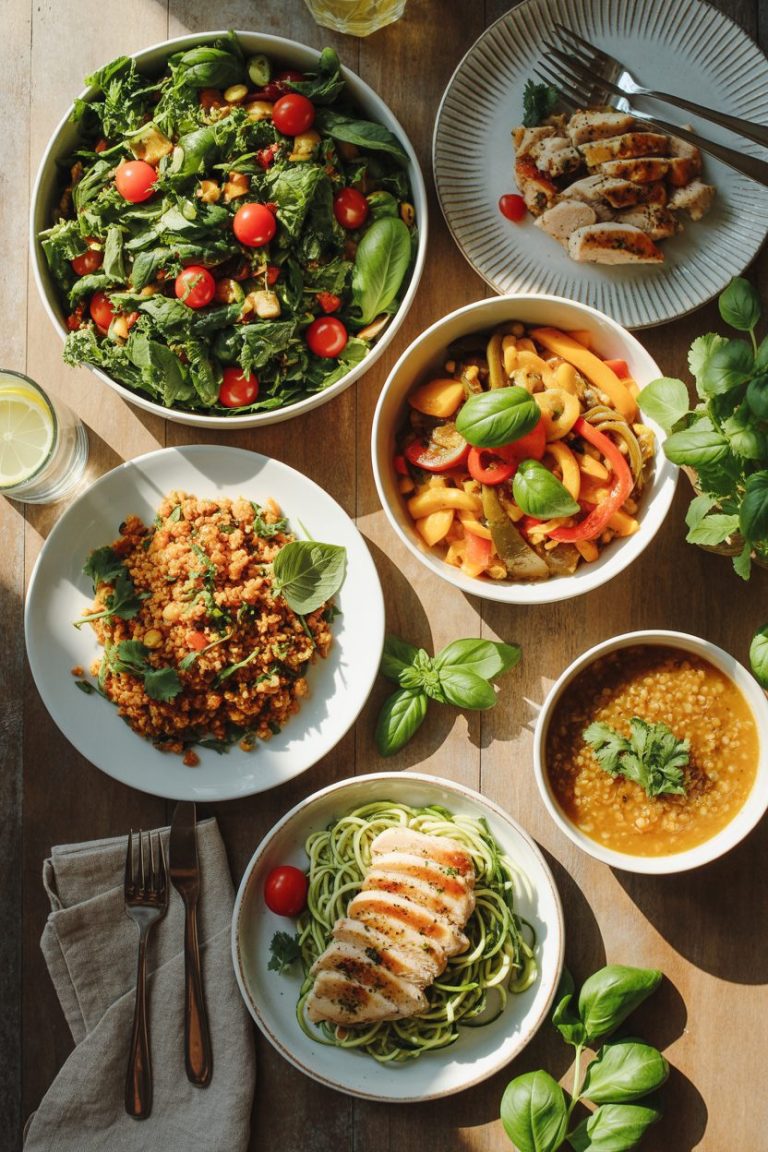
Fiber is your secret weapon. It bulks up your meals without adding many calories, and it keeps your digestion happy. I’m obsessed with using cauliflower rice, zucchini noodles, and loads of leafy greens to add volume to my lunches. You’d be amazed how satisfying a massive bowl of food can be when half of it is vegetables.
For those days when you’re craving something Mediterranean-inspired, check out these Mediterranean lunchbox recipes that perfectly balance flavor and nutrition.
30 Low-Calorie Lunchbox Ideas That Don’t Suck
1. Greek Yogurt Power Bowl
Start with plain Greek yogurt, add fresh berries, a drizzle of honey, and some chopped walnuts. It’s basically dessert disguised as lunch, and it comes in around 280 calories. Get Full Recipe.
2. Avocado Toast Mediterranean Style
Whole grain toast, mashed avocado, cherry tomatoes, and a splash of olive oil. Simple, Instagram-worthy, and about 310 calories. Plus, you can prep the components separately and assemble right before eating to avoid the dreaded soggy bread situation. Get Full Recipe.
3. Hearty Lentil Soup
I make a big batch of this on Sundays and portion it out. Lentils are criminally underrated—packed with protein and fiber, ridiculously cheap, and they keep you full for hours. Pair with a small piece of crusty whole grain bread for dipping. Around 340 calories per serving. Get Full Recipe.
4. Grilled Veggie Platter with Hummus
Grill a bunch of vegetables on your cast iron grill pan—zucchini, bell peppers, eggplant, whatever you’ve got. Pack them with a generous scoop of hummus for dipping. This is one of those meals that feels indulgent but clocks in at just 290 calories. Get Full Recipe.
5. Oatmeal Power Bowl
Yeah, oatmeal for lunch. Hear me out. Make it savory or sweet with dried figs, walnuts, and cinnamon. It’s warm, comforting, and about 320 calories of pure satisfaction. Get Full Recipe.
If you’re looking for more inspiration on how to transform simple ingredients into satisfying meals, these high-protein Mediterranean meals under 400 calories might give you some fresh ideas.
6. Tuna and White Bean Salad
Mix canned tuna with white beans, cherry tomatoes, red onion, and a lemon vinaigrette. It’s protein-packed, takes five minutes to throw together, and sits around 300 calories. Get Full Recipe.
7. Whole Wheat Pasta with Cherry Tomatoes
Fresh basil, garlic, cherry tomatoes, and a tiny bit of olive oil tossed with whole wheat spaghetti. This is my go-to when I’m craving carbs but don’t want to blow my calorie budget. Comes in at about 380 calories. Get Full Recipe.
8. Savory Mediterranean Scramble
Eggs, spinach, tomatoes, and feta cheese. You can eat this cold or warm it up in the microwave at work. Around 310 calories and loaded with protein. Get Full Recipe.
Invest in a good leak-proof glass container set. Your bag will thank you, and glass doesn’t stain or hold smells like plastic does. Game changer.
9. Cucumber Hummus Sandwich
Whole grain bread, thick layer of hummus, cucumber slices, and sprouts. It’s crunchy, refreshing, and shockingly filling for just 280 calories. Get Full Recipe.
10. Lemon Herb Chicken with Roasted Potatoes
Batch-cook chicken breasts with lemon and herbs, pair with roasted baby potatoes. This is one of those meals that feels like a proper dinner but works perfectly cold for lunch. About 390 calories. Get Full Recipe.
11. Mediterranean Smoothie Bowl
Blend frozen berries with Greek yogurt and a splash of milk, top with granola and fresh fruit. It’s like eating ice cream for lunch, except it’s actually good for you. Around 300 calories. Get Full Recipe.
12. Quinoa Grain Bowl
Quinoa base, roasted vegetables, chickpeas, and tahini dressing. This bowl is so filling you’ll forget it’s under 400 calories. Get Full Recipe.
13. Garlic Shrimp with Couscous
Sauté shrimp in garlic and olive oil, serve over fluffy couscous. Quick to make, impressive to look at, and only 360 calories. Get Full Recipe.
14. Lentil Spinach Soup
Another soup situation because honestly, soups are lunch gold. This one’s packed with iron-rich spinach and protein-loaded lentils. Around 310 calories per bowl. Get Full Recipe.
Looking for even more variety? These high-protein meal prep ideas include several lunch options that work perfectly with this list.
15. Grilled Salmon with Tomato Caper Relish
I use my compact electric grill for this. Salmon is expensive but worth it—it’s loaded with omega-3s and keeps you satisfied. The tomato caper relish adds brightness without calories. About 380 calories. Get Full Recipe.
16. Greek Yogurt Parfait
Layer Greek yogurt with berries, nuts, and a tiny drizzle of honey in a portable mason jar. It looks fancy, takes two minutes to assemble, and runs about 290 calories. Get Full Recipe.
17. Stuffed Bell Peppers
Quinoa, veggies, and spices stuffed into bell peppers. These reheat beautifully and taste even better the next day. Around 330 calories each. Get Full Recipe.
18. Mediterranean Flatbread
Whole wheat flatbread topped with hummus, cucumber, tomatoes, and olives. It’s basically a deconstructed sandwich that somehow tastes way better. About 320 calories. Get Full Recipe.
19. Baked Salmon with Herbed Quinoa
Salmon baked with herbs, served over fluffy quinoa. This is my “I’m trying to impress someone at the office” lunch. It’s elegant, delicious, and sits at 370 calories. Get Full Recipe.
20. Classic Greek Salad
Tomatoes, cucumbers, olives, feta, red onion, and oregano with a simple olive oil and lemon dressing. Sometimes the classics are classic for a reason. Around 280 calories. Get Full Recipe.
Making It Work in Real Life
Here’s the truth nobody tells you about healthy eating: it’s not about perfection, it’s about having systems. I meal prep on Sundays, but not in that intense way where you cook 21 meals. I prep components—grilled chicken, roasted veggies, cooked grains. Then I mix and match throughout the week.
Get yourself some quality meal prep containers with dividers. They’re worth their weight in gold. I can throw together lunch in literally three minutes because everything’s already prepped and portioned.
And look, some days you’re going to forget to pack lunch. It happens. On those days, most places have decent options if you know what to look for. Grilled chicken salad, veggie-heavy sushi rolls, or even a simple turkey sandwich can work in a pinch.
21. Shakshuka (Eggs in Spicy Tomato Sauce)
This North African dish is a game-changer for meal prep. The spicy tomato sauce keeps for days, and you can eat it cold or reheat it. Around 310 calories with all that protein from eggs. Get Full Recipe.
22. Mediterranean Tuna Stuffed Peppers
Canned tuna mixed with Mediterranean flavors and stuffed into bell pepper halves. It’s like a tuna salad that leveled up. About 290 calories. Get Full Recipe.
23. Lemon Garlic Grilled Chicken with Couscous
Marinate chicken in lemon and garlic overnight, grill it up, and serve with fluffy couscous. The marinade does all the work here. Around 360 calories. Get Full Recipe.
If you’re building out your weekly meal plan, these high-protein low-calorie meals under 500 calories offer excellent dinner options that pair well with lighter lunches.
24. Olive Tapenade on Toasted Baguette
A small amount of olive tapenade goes a long way. Spread it on toasted whole grain baguette slices with some arugula. Fancy lunch vibes for about 300 calories. Get Full Recipe.
25. Easy Baked Falafel
Skip the deep fryer and bake these bad boys in your oven using a silicone baking mat. They’re crispy, packed with flavor, and way lighter than traditional fried falafel. Around 320 calories with a side salad. Get Full Recipe.
26. One-Pot Mediterranean Pasta
Everything cooks together in one pot—pasta, tomatoes, spinach, garlic, olive oil. Less dishes, more flavor, about 370 calories. Get Full Recipe.
Keep a stash of single-serve olive oil packets in your desk drawer. They’re perfect for when you need to dress up a boring salad from the cafeteria.
27. Grilled Eggplant with Yogurt Sauce
Slice eggplant, grill it, and top with a garlicky yogurt sauce. It’s vegetarian, filling, and surprisingly satisfying at just 280 calories. Get Full Recipe.
28. Mediterranean Chickpea Wraps
Mashed chickpeas with Mediterranean spices wrapped in a whole wheat tortilla with veggies. It’s like a vegetarian chicken salad that’s actually good. Around 340 calories. Get Full Recipe.
29. Stuffed Grape Leaves (Dolmas)
You can buy these pre-made at most grocery stores, but making them yourself is weirdly therapeutic. Rice, herbs, and lemon juice wrapped in grape leaves. About 300 calories for a generous portion. Get Full Recipe.
30. Shrimp Saganaki
Shrimp cooked in spicy tomato sauce with feta cheese. It sounds fancy, it tastes fancy, but it’s shockingly easy to make. Around 350 calories and packed with protein. Get Full Recipe.
The Equipment That Actually Matters
Let’s talk gear for a second. You don’t need a million gadgets, but a few key items make life so much easier. I’m obsessed with my insulated lunch bag—it keeps cold things cold and saves me from relying on the office fridge (which, let’s be honest, is a terrifying place).
A good thermos food jar is clutch for soups and stews. Nothing sadder than lukewarm soup at lunch. And seriously, get yourself a portable salad dressing container. Those little things with the separate compartments? Revolutionary. No more soggy salads.
IMO, the best investment is a set of stainless steel bento boxes. They’re virtually indestructible, they don’t stain, and they make your lunch look way more appealing than sad tupperware ever could.
Dealing With Common Lunchbox Challenges
Let’s address the elephant in the room—or should I say, the soggy sandwich in the lunchbox. Some foods just don’t travel well. But there are workarounds for everything.
For sandwiches, pack wet ingredients separately and assemble right before eating. Toast your bread lightly—it creates a barrier that resists sogginess. Or do what I do: switch to wraps entirely. They hold up way better.
Salads are tricky, but mason jar salads work if you layer them correctly. Dressing on the bottom, hardier ingredients like chickpeas or cucumbers next, softer stuff like tomatoes in the middle, and greens on top. Shake it up when you’re ready to eat.
For foods that need to stay cold, freeze a reusable ice pack overnight. If you’re packing something that needs to be warm, a good thermos keeps food hot for hours. Just preheat it with hot water for a few minutes before adding your food.
Looking to expand beyond just lunch? Check out these Mediterranean breakfast recipes and Mediterranean soups under 300 calories to round out your meal planning.
The Mindset Shift That Changes Everything
Here’s what took me way too long to figure out: eating healthy isn’t about restriction, it’s about addition. Instead of thinking “I can’t have X,” think “I’m adding more vegetables, more protein, more nutrients to my day.”
When I started meal prepping these low-calorie lunches, I wasn’t trying to punish myself or follow some strict diet. I was just tired of feeling sluggish after lunch, tired of spending money on mediocre takeout, and tired of not having my sh*t together.
The calorie count matters, sure, but it’s not the whole story. A 300-calorie lunch of colorful vegetables, lean protein, and whole grains will fuel you completely differently than 300 calories of processed food. Your body knows the difference even if the numbers look the same.
Mix and Match Strategy
Once you get comfortable with these recipes, start mixing and matching components. That grilled chicken from Monday’s lunch? Toss it in Tuesday’s salad. That quinoa you made? Use it as a base for a grain bowl or stuff it in peppers.
I keep a running list on my phone of what’s in my fridge, so I can build lunches on the fly. It’s like having your own personal meal plan app, except it’s free and you don’t have to scroll through ads.
The best part about low-calorie eating is that you can actually eat a LOT of food when you choose the right ingredients. A giant salad with grilled chicken, tons of veggies, and a light dressing can be incredibly satisfying and still come in under 400 calories.
Frequently Asked Questions
How many calories should my lunch be if I’m trying to lose weight?
It really depends on your overall calorie needs, but for most people, aiming for 300-500 calories at lunch is a good sweet spot. The key is making sure those calories come from nutrient-dense foods with plenty of protein and fiber to keep you full. I personally shoot for around 400 calories for lunch, which gives me enough energy without leaving me drowsy for the afternoon.
Can I meal prep these lunches for the whole week?
Absolutely! Most of these recipes hold up great for 4-5 days in the fridge. I recommend prepping your proteins and grains on Sunday, then assembling the actual meals day-by-day or every couple days to keep things fresh. Some items like soups and grain bowls actually taste better after a day or two when the flavors have time to meld.
What if I don’t have access to a microwave at work?
No microwave, no problem. Many of these recipes work perfectly cold—salads, wraps, grain bowls, and most protein-veggie combos are actually delicious at room temp. For warm meals, invest in a good quality thermos that keeps food hot for 4-6 hours. I also love cold sandwiches and no-heat-required options like tuna salad or chickpea wraps.
Are these lunches suitable for kids’ school lunchboxes?
Definitely! In fact, many of these recipes are more nutritious than typical school cafeteria fare. Just be mindful of your school’s allergy policies—some schools are nut-free zones. I’d recommend starting with familiar favorites like the pasta dishes, stuffed bell peppers, or the Greek yogurt bowls. Kids tend to eat better when they’re involved in the prep process, so let them help assemble their lunches.
How do I keep my packed lunch fresh without it getting soggy or wilted?
The golden rule is to keep wet and dry ingredients separate until you’re ready to eat. Use divided containers, pack dressings in small separate containers, and toast bread lightly to create a moisture barrier. For salads, layer ingredients strategically in mason jars with the heaviest items on the bottom. A good insulated lunch bag with an ice pack works wonders for keeping everything crisp and fresh until lunchtime.
Final Thoughts
Building a roster of solid lunch options is one of those life skills that pays dividends every single day. You save money, you eat better, you feel better, and you don’t spend your afternoons in a food coma wondering why you ate that greasy burrito.
Start with a few recipes that sound good to you. Don’t try to revolutionize your entire eating pattern overnight. Pick three or four lunches from this list, make them a few times until they become second nature, then add more to your rotation.
The goal isn’t perfection—it’s progress. Some weeks you’ll crush meal prep like a boss. Other weeks you’ll be cobbling together sad desk lunches from whatever’s in the office vending machine. That’s life. But having these recipes in your back pocket means you always have a plan to fall back on.
And honestly? Once you get into the rhythm of prepping your own lunches, eating out starts to lose its appeal. When you know exactly what’s in your food, when you’ve customized it to your taste, when you’re eating colorful, flavorful meals that make you feel good—why would you go back to mediocre takeout?
So grab your meal prep containers, pick a recipe or five, and get started. Your future self (and your wallet) will thank you.