21 Low-Calorie Meals That Actually Fill You Up
Let’s get real for a second. How many times have you tried eating “light” only to find yourself raiding the pantry two hours later like some kind of midnight monster? Yeah, me too. The whole low-calorie thing gets a bad rap because most people associate it with sad desk salads and perpetual hunger pangs.
But here’s the thing nobody tells you: low-calorie doesn’t have to mean low-satisfaction. I’ve spent years figuring out which meals actually keep me full without blowing my calorie budget, and I’m sharing all 21 of them with you. No fluff, no BS, just real food that works.

Why Most Low-Calorie Meals Leave You Starving
Before we dive into the good stuff, let’s talk about why you’ve been let down before. Most low-calorie meals fail because they’re missing the three crucial elements that actually trigger satiety: protein, fiber, and volume. You can’t just eat a handful of celery and call it dinner. Your body’s smarter than that.
Protein keeps your blood sugar stable and tells your brain you’re satisfied. Fiber slows digestion and physically fills your stomach. Volume—well, that’s the secret weapon. High-volume foods take up space in your stomach without packing in calories. Think vegetables, broth-based soups, and water-rich fruits.
When you combine all three elements, magic happens. You get meals that clock in under 400 calories but somehow feel like you ate twice that amount. And trust me, once you crack this code, dieting stops feeling like punishment.
Breakfast Options That Won’t Leave You Hangry by 10 AM
1. Greek Yogurt Power Bowl
I’m starting with this one because it’s idiot-proof and genuinely delicious. Take a cup of plain Greek yogurt, throw in some berries, a drizzle of honey, and maybe some crushed walnuts if you’re feeling fancy. The whole thing comes in around 250 calories, packs 20 grams of protein, and keeps you satisfied until lunch.
The key here is using full-fat Greek yogurt. I know, I know—sounds counterintuitive for a low-calorie meal. But that little bit of fat makes a huge difference in satiety, and you’re still way under your calorie target. Get Full Recipe.
2. Savory Mediterranean Scramble
Eggs get a bad rep sometimes, but they’re basically nature’s perfect protein package. Whip up three eggs with spinach, tomatoes, and a sprinkle of feta cheese. Total damage? About 300 calories with 24 grams of protein. This is my go-to when I need something that’ll stick with me through a busy morning.
I use this nonstick skillet for all my egg dishes—nothing sticks, and cleanup takes literally 30 seconds. Get Full Recipe.
3. Overnight Oats Done Right
Listen, overnight oats can either be amazing or taste like wallpaper paste. The difference? Proper ratios and actual flavor. Mix half a cup of oats with three-quarters cup of unsweetened almond milk, add chia seeds for extra fiber, and whatever fruit makes you happy. Let it sit overnight, and boom—breakfast is ready when you wake up.
The chia seeds are crucial here. They absorb liquid and create this pudding-like texture that’s way more satisfying than regular oatmeal. Plus, they add fiber and omega-3s. For more morning inspiration, try these high-protein overnight oats or this berry green smoothie.
According to Healthline’s research on oats, the beta-glucan fiber in oatmeal is particularly effective at promoting feelings of fullness and may even help reduce calorie intake at subsequent meals.
Lunch Ideas That Won’t Put You in a Food Coma
4. Lentil Soup That’s Actually Hearty
Soup gets dismissed as “not a real meal,” but lentil soup is different. It’s thick, filling, and loaded with plant-based protein. A big bowl comes in around 280 calories but feels like a full meal because of all that fiber and liquid volume.
I make a huge batch every week using my favorite Dutch oven and portion it into containers. Add some crusty whole-grain bread on the side, and you’ve got a lunch that’ll power you through the afternoon slump. Get Full Recipe.
5. Massive Salad Bowl (That Doesn’t Suck)
The secret to a satisfying salad? Make it absolutely enormous. Start with a mountain of mixed greens, add grilled chicken or chickpeas, throw in every vegetable you can find, and top with a modest amount of olive oil and lemon juice. The whole thing can be 350 calories but takes 20 minutes to eat because there’s so much volume.
I prep mine using these meal prep containers with separate compartments for dressing. Game changer for keeping everything crisp until lunch time.
6. Tuna and White Bean Power Bowl
This combo sounds weird until you try it, then you’re hooked. Mix a can of tuna with white beans, cherry tomatoes, cucumber, and a light vinaigrette. It’s protein-dense, fiber-rich, and clocks in around 320 calories. The beans add this creamy texture that makes the whole thing feel more substantial than just tuna salad. Get Full Recipe.
Speaking of protein-packed lunches, you might also love these falafel wraps with tzatziki or this Mediterranean chickpea bowl. Both are under 400 calories and genuinely satisfying.
Dinner Options That Feel Like Actual Meals
7. Grilled Salmon with Roasted Vegetables
Salmon gets a lot of hype, and honestly, it deserves it. A 4-ounce portion with a massive pile of roasted veggies comes in around 380 calories. The omega-3s in salmon are incredibly satiating, plus it’s one of those meals that feels fancy enough for company but easy enough for Tuesday night.
I use this fish spatula to flip salmon without it falling apart—worth every penny if you cook fish regularly. Get Full Recipe.
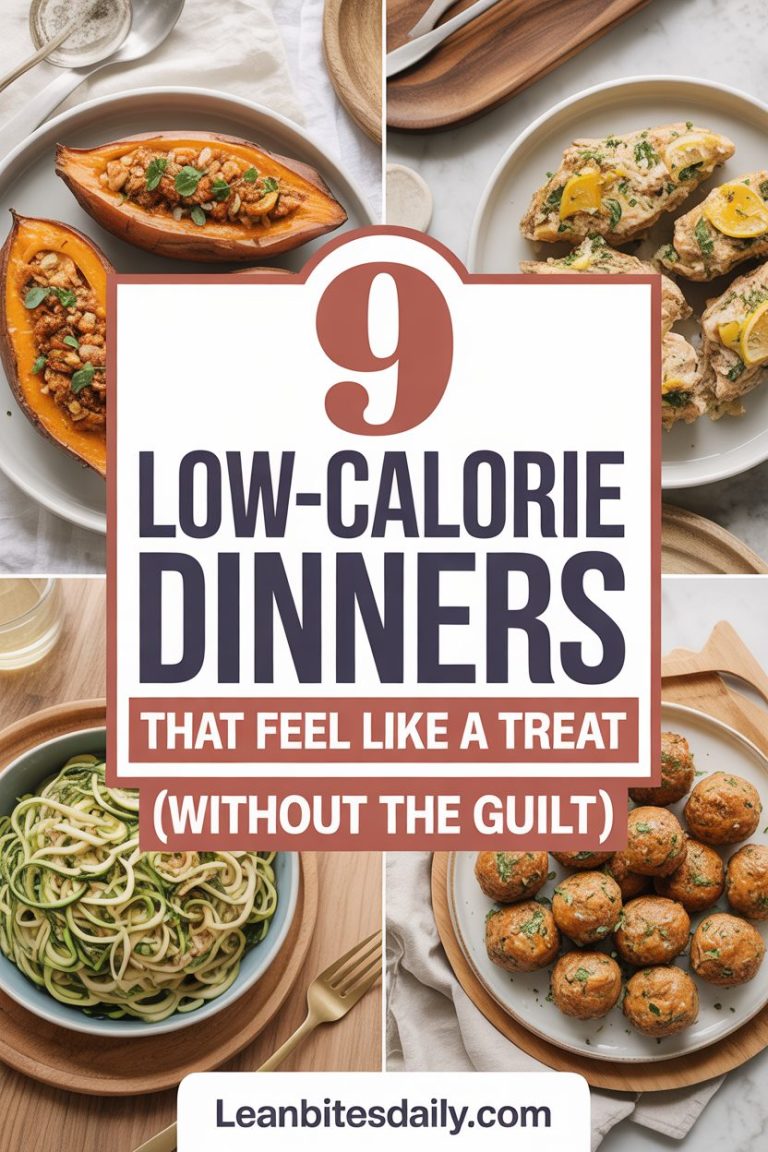
8. Zucchini Noodles with Turkey Bolognese
Before you roll your eyes at zoodles, hear me out. When you make them right—not soggy, not raw—they’re actually good. The trick is salting them first to draw out moisture, then quick-sautéing. Top with a meaty turkey bolognese, and you’ve got a pasta-like experience for about 290 calories.
The turkey bolognese is where the magic happens. Ground turkey is lean protein that soaks up whatever seasonings you throw at it. Make a big batch on Sunday, and you’ve got dinners sorted for half the week.
9. Stuffed Bell Peppers
These are one of my favorite “looks impressive, actually easy” meals. Hollow out bell peppers, stuff them with a mixture of quinoa, lean ground meat or beans, diced tomatoes, and spices. Bake until the peppers are tender. Each pepper comes in around 320 calories and packs serious nutrition.
The quinoa is key here—it’s a complete protein and adds this nice nutty flavor. Plus, it swells up with liquid, so a little goes a long way. Get Full Recipe.
10. Sheet Pan Lemon Herb Chicken
Sheet pan dinners are a gift to busy humans everywhere. Toss chicken breast with lemon, herbs, and a pile of vegetables on a baking sheet. Roast everything together. Done in 30 minutes, minimal cleanup, around 340 calories per serving.
I line my pans with these silicone baking mats—zero sticking, zero scrubbing. Seriously life-changing for anyone who hates doing dishes. Get Full Recipe.
11. Spicy Black Bean Soup
This soup is thick, spicy, and ridiculously filling. Black beans are loaded with fiber and plant protein, and when you blend half of them into the broth, you get this creamy texture without any cream. A huge bowl is only 260 calories but feels like comfort food.
Top it with a dollop of Greek yogurt, some diced avocado, and fresh cilantro. The contrast of cool toppings with hot spicy soup? Chef’s kiss. If you’re into soups that keep you full, check out these high-protein soups under 350 calories.
Vegetarian Options That Won’t Leave You Searching for Snacks
12. Chickpea Cauliflower Curry
Curry is one of those magical dishes where vegetables become the star. This version combines chickpeas and cauliflower in a coconut milk-based sauce with all the spices. It’s rich, satisfying, and around 310 calories per serving when you skip the rice or use cauliflower rice instead.
The chickpeas provide protein and fiber, while the cauliflower adds massive volume. You can eat a huge portion and still stay within your calorie goals. Get Full Recipe.
13. Mediterranean Grain Bowl
Build yourself a bowl with farro or quinoa as the base, pile on roasted vegetables, add some chickpeas, and drizzle with tahini sauce. The whole thing comes in around 370 calories and hits every satisfaction button—crunchy, creamy, savory, filling.
Farro is underrated, IMO. It’s got this chewy texture that makes meals feel more substantial, plus it’s packed with fiber and protein. Get Full Recipe.
14. Veggie-Loaded Frittata
Frittatas are basically fancy crustless quiches, and they’re perfect for using up whatever vegetables are hanging out in your fridge. Mix eggs with milk, throw in all the veggies, add some cheese if you want, bake until set. A thick slice is about 280 calories and works for any meal of the day.
I use this oven-safe skillet to make mine—starts on the stovetop, finishes in the oven, and the eggs slide right out.
Quick and Easy Options for Crazy Busy Days
15. Five-Minute Tuna Avocado Bowl
When you need food NOW, this is your move. Mash half an avocado with a can of tuna, add some lime juice and hot sauce. Eat it straight from the bowl or stuff it into lettuce wraps. Takes five minutes, costs almost nothing, and delivers 310 calories of pure protein and healthy fats.
16. Egg and Veggie Scramble
Three eggs scrambled with whatever vegetables you have on hand. Seriously, that’s it. Spinach, mushrooms, peppers, onions—doesn’t matter. Scramble it all together, and you’ve got a meal in under 10 minutes for about 290 calories. Get Full Recipe.
17. Turkey Lettuce Wraps
Brown some ground turkey with Asian-inspired seasonings, spoon into butter lettuce leaves, top with shredded carrots and cucumber. Each wrap is maybe 40 calories, so you can eat a bunch and still be under 300 total. The crunch factor makes these way more satisfying than they have any right to be.
Comfort Food Versions That Won’t Wreck Your Progress
18. Cauliflower Mac and Cheese
Okay, this isn’t real mac and cheese. Let’s be honest about that upfront. But when you roast cauliflower until it’s golden and toss it with a light cheese sauce, it scratches that comfort food itch without the 800-calorie price tag. A generous serving is around 240 calories. Get Full Recipe.
19. Turkey Meatballs with Zoodles
Make meatballs with lean ground turkey instead of beef, bake them instead of frying, and serve over zucchini noodles with marinara. You get the spaghetti-and-meatballs vibe for about 340 calories. The meatballs freeze beautifully too, so double the batch and thank yourself later.
20. Spaghetti Squash with Tomato Basil Sauce
Spaghetti squash is one of those vegetables that seems gimmicky until you try it. Roast it, scrape out the strands, and top with a chunky tomato basil sauce. A huge plate is only 270 calories because squash is mostly water. Add some grilled chicken or chickpeas for extra protein. Get Full Recipe.
21. Three-Bean Chili
This is my ultimate cold-weather comfort meal. Three types of beans, diced tomatoes, peppers, onions, and a ton of spices. Simmer it all together until it’s thick and bubbly. A massive bowl is about 310 calories but keeps you full for hours because beans are basically fiber bombs. Get Full Recipe.
I make mine in this slow cooker—dump everything in the morning, come home to a house that smells amazing and dinner that’s ready to eat.
For more ideas on keeping your meals interesting and satisfying, you might want to explore these high-protein low-calorie meals under 500 calories or check out this 14-day Mediterranean meal plan for complete weekly inspiration.
The Real Secret to Making Low-Calorie Meals Work
Here’s what nobody tells you about eating low-calorie: it’s not just about the food itself. It’s about how you eat it. Eating slowly, actually chewing your food, drinking water with your meals—these things matter way more than people think.
When you scarf down food in five minutes while scrolling through your phone, your brain doesn’t register that you ate. You could demolish 800 calories and still feel unsatisfied. But eat 350 calories slowly, mindfully, actually tasting what you’re eating? Totally different experience.
I started putting my fork down between bites, and it changed everything. Sounds ridiculously simple, but it forces you to slow down. Meals that used to take me seven minutes now take 20, and I feel satisfied on way less food.
Another game-changer? Drinking a big glass of water 10 minutes before eating. It’s not about “filling up on water” to eat less—that’s miserable. It’s about ensuring you’re actually hungry and not just thirsty or bored. Plus, according to Mayo Clinic research, proper hydration can support overall metabolic function and help with appetite regulation.
Meal Prep Makes Everything Easier
Look, I’m not going to tell you that you need to spend six hours every Sunday cooking 21 perfectly portioned meals. That’s insane and unsustainable. But spending an hour prepping some basics? That’s the difference between success and ordering pizza at 9 PM because you’re too tired to think.
Here’s my minimal-effort meal prep strategy: cook a big batch of protein (chicken, turkey, beans, whatever), roast a ton of vegetables, cook some grains or cauliflower rice. Store everything separately. During the week, mix and match to create different meals. Same ingredients, different combinations, never boring.
I use these glass meal prep containers because they’re microwave-safe, don’t stain, and last forever. Plastic containers are cheaper but end up in the landfill after three months. These are an investment that pays off.
Sarah from our community tried this approach and lost 15 pounds in three months without feeling deprived once. She told me the key was having options ready to go—no thinking required when hunger hits.
Frequently Asked Questions
How do low-calorie meals keep you full if they have fewer calories?
The secret is focusing on high-volume, nutrient-dense foods that physically fill your stomach without packing in calories. Foods rich in protein, fiber, and water content—like vegetables, lean proteins, and legumes—trigger satiety signals in your brain while keeping calories in check. It’s not about eating less food; it’s about eating smarter food.
Can I really lose weight eating filling meals?
Absolutely, and you’ll probably be more successful than if you try to starve yourself. When you eat satisfying, nutrient-dense meals that keep you full, you’re less likely to snack mindlessly or binge later. Sustainable weight loss comes from creating a modest calorie deficit you can actually maintain, not from white-knuckling through hunger.
What’s the best protein source for low-calorie meals?
Lean proteins like chicken breast, turkey, fish, Greek yogurt, and legumes give you the most protein per calorie. Fish like salmon and tuna are particularly great because the omega-3 fats increase satiety. For plant-based options, lentils and chickpeas pack serious protein and fiber without many calories.
How often should I eat these low-calorie meals?
There’s no magic number—it depends on your lifestyle and preferences. Some people thrive on three larger meals, while others prefer five smaller ones. The key is consistency and finding a pattern that prevents you from getting so hungry that you make poor food choices. Listen to your actual hunger cues rather than eating by the clock.
Will I lose muscle eating low-calorie meals?
Not if you’re doing it right. The meals I’ve listed here prioritize protein, which protects muscle mass during weight loss. Aim for at least 0.7-1 gram of protein per pound of body weight, and consider adding resistance training to your routine. Muscle loss usually happens when people cut calories too drastically without adequate protein.
Final Thoughts
Low-calorie eating doesn’t have to feel like punishment. When you focus on nutrient-dense, high-volume foods and actually enjoy what you’re eating, the whole thing becomes sustainable. These 21 meals aren’t about deprivation—they’re about working smarter, not harder.
Start with a few favorites from this list, experiment with the ingredients, and figure out what works for your taste buds and schedule. The best diet is the one you’ll actually stick with, not the one that sounds perfect on paper but makes you miserable in real life.
And remember: food is supposed to be enjoyable. If you’re eating meals that taste like cardboard, you’re doing it wrong. Cook with herbs and spices, try new flavor combinations, and stop treating low-calorie eating like a temporary sentence. This is just how you eat now—delicious food that happens to support your goals instead of sabotaging them.
The research backs this up too. Studies published in the American Journal of Clinical Nutrition have shown that protein significantly enhances satiety compared to carbohydrates or fats, making it easier to maintain a calorie deficit without constant hunger. When you prioritize protein, fiber, and volume in your meals, you’re working with your biology instead of against it.
Start small, experiment often, and find your favorites. Your body will thank you, your taste buds will be happy, and you’ll actually stick with it—which is the whole point, right?