
Calorie Meal Plans from 1200 to 2000 (Choose Your Perfect Fit!)
Finding Your Calorie Sweet Spot
Let’s be honest—figuring out how many calories to eat feels like choosing the right pair of jeans. You know, the ones that should fit but somehow feel wrong after lunch? Yeah, calorie plans are like that. But the right plan can literally change how you feel, look, and crush your goals.
I’ve been down this road myself—jumping from super low-calorie days (ugh, never again) to balanced plans that actually kept me full. Spoiler: starving yourself on 1,000 calories is NOT the answer (and yes, I tried that—don’t do it).
So, whether you’re looking to lose weight, maintain, or just stop guessing every time you eat toast, this guide is for you. We’re walking through 1200, 1500, 1800, and 2000-calorie meal plans—so you can pick what works for your body.
And hey, if you’re thinking “But which one’s for me?”, don’t worry. I’ve got you covered with tips, sample meals, and even some yummy links to try out (you’ll love them—promise).

1200-Calorie Meal Plan: The “Get Lean Fast” Option
Before you jump in—1200 calories is low. Like, “you’ll think about bread all day” low. I only recommend this for short-term goals or if your doctor/dietitian gave you the green light. If you’re super active, this plan might leave you cranky (trust me, been there, done that, ate the cookie anyway).
Who Should Try It?
- People with a sedentary lifestyle who need to lose weight gradually.
- Petite women (under 5’3”) who aren’t very active.
- Short-term use to kickstart weight loss—but not forever.
Rhetorical Question Moment: Ever wonder why so many people quit 1200-calorie diets? Because hunger always wins. That’s why choosing high-volume, nutrient-dense foods is key.
1200-Calorie Sample Day
Here’s a sample day that actually feels satisfying (no sad celery sticks here):
Breakfast (300 calories):
- Greek yogurt parfait with oats and fresh berries. (Get the full recipe here!)
- Sprinkle of chia seeds for fiber.
Lunch (350 calories):
- Tuna & white bean salad with lemony olive oil dressing. (Try this tuna white bean salad recipe – it’s filling and easy.)
- A handful of arugula or spinach for extra greens.
Snack (150 calories):
- 10 raw almonds + half an apple.
Dinner (400 calories):
- Lemon herb chicken with roasted potatoes (full recipe here)
- Side of steamed broccoli or green beans.
💡 Pro Tip: Stick with lean proteins and lots of veggies—they keep you full without breaking the calorie bank.
What I Love & Hate About the 1200 Plan (IMO)
✅ Love: It works fast when you need a quick weight drop before an event.
✅ Love: Forces you to focus on whole, nutrient-packed foods.
❌ Hate: Social events? Forget it. Try explaining why you’re eating “just a salad” while everyone else has pasta.
❌ Hate: Hard to sustain long-term—your energy tanks if you’re active.
FYI: If you’re looking for more Mediterranean-inspired low-calorie recipes that don’t feel like diet food, check out these 21 Healthy Low-Calorie Meals That Don’t Taste Like Diet Food. Total game-changer.

Quick 1200-Calorie Tips to Survive Without Losing Your Mind
- Eat high-volume veggies. Zucchini noodles, spinach, and cauliflower are your best friends.
- Protein at every meal. It keeps hunger at bay.
- Save 100 calories for a sweet bite. Even half a dark chocolate square keeps you sane.
- Hydrate like crazy. Sometimes you’re just thirsty (or at least that’s what I tell myself when I want chips).
Next up? The 1500-Calorie Plan—the happy medium where you can eat more (yay!) and still lose weight.
1500-Calorie Meal Plan: The Sweet Spot for Weight Loss (Without Misery)
Ah, the 1500-calorie plan—my personal favorite. Why? Because it’s the perfect balance between “I want to lose weight” and “I don’t want to cry over lettuce at dinner.” Most moderately active women (and even some men) can lose weight comfortably on this plan.
Who Should Try It?
- People who want gradual, sustainable weight loss.
- Active women or petite men who exercise a few times a week.
- Anyone who’s sick of feeling like 1200 calories is punishment.
Rhetorical Question Moment: Want to know why 1500 calories feels amazing? Because you get to eat real meals—not just snack-sized nonsense.
1500-Calorie Sample Day
Breakfast (350 calories):
- Avocado toast Mediterranean style (seriously, this recipe tastes like brunch at a fancy café).
- A hard-boiled egg on the side.
Lunch (400 calories):
- Stuffed bell peppers with quinoa & veggies (full recipe here).
- Add a small side of mixed greens with balsamic drizzle.
Snack (150 calories):
- A small handful of mixed nuts or a banana with a teaspoon of almond butter.
Dinner (550 calories):
- Grilled salmon with tomato-caper relish (try this grilled salmon recipe—restaurant-quality but easy).
- Roasted zucchini or asparagus on the side.
What I Love & Hate About the 1500 Plan (IMO)
✅ Love: Plenty of food variety—you can enjoy pasta, rice, or even the occasional dessert.
✅ Love: You still lose weight (maybe slower than 1200, but you’re happier).
❌ Hate: You need to track portions. Eyeballing pasta = accidental 2000-calorie day.
❌ Hate: Eating out requires some planning. That creamy Alfredo? Nope.
And hey, if you love this style of eating, you have to check out these 25 Low-Calorie Lunch Ideas That Are Tasty & Meal-Prep Friendly. You’ll thank me later. 🙂

1500-Calorie Quick Tips
- Load up on fiber. Lentils, chickpeas, and whole grains keep you full.
- Add low-cal flavor boosters. Think lemon juice, spices, fresh herbs.
- Plan snacks wisely. Don’t waste 200 calories on boring crackers when you could have Greek yogurt with fruit.
- Indulge (a little). Saving 100 calories for a square of dark chocolate or a mini dessert keeps you on track long term.
1800-Calorie Meal Plan: The “Active Lifestyle” Champion
Okay, now we’re talking. 1800 calories is for people who work out, chase kids, or simply like… existing without constant hunger. IMO, this is where many active women and moderately active men thrive.
Who Should Try It?
- People maintaining weight or wanting slow, healthy fat loss.
- Anyone working out 3–5 times per week.
- Folks who gave 1500 calories a try and said, “Nope, still too low.”
Rhetorical Question Moment: Want to stay lean and enjoy food? 1800 calories might be your best friend.
1800-Calorie Sample Day
Breakfast (400 calories):
- Whole grain banana pancakes (oh yes, pancakes can be healthy—get the recipe).
- Drizzle with a teaspoon of pure maple syrup.
Lunch (500 calories):
- Mediterranean chickpea bowl (this recipe is hearty, filling, and colorful).
- Add a few olives or a sprinkle of feta for extra flavor.
Snack (200 calories):
- Protein smoothie with spinach, banana, and almond milk.
Dinner (600 calories):
- Lemon-garlic grilled chicken with couscous (try this recipe).
- Steamed green beans or roasted carrots.
Evening Snack (100 calories):
- A handful of fresh berries or air-popped popcorn.
What I Love & Hate About the 1800 Plan (IMO)
✅ Love: Energy levels skyrocket—you won’t feel sluggish mid-afternoon.
✅ Love: Plenty of room for snacks and even a mini dessert.
❌ Hate: Weight loss is slower, so patience is key.
❌ Hate: Portion creep—extra handfuls of nuts or cheese can push you over 2000 quickly.
Need more Mediterranean-style inspiration for 1800-calorie days? These 10 Mediterranean Dinner Recipes to Try This Week are absolute perfection.

1800-Calorie Quick Tips
- Stick to whole foods. More food volume = more satisfaction.
- Pre-track snacks. Those “just a handful” moments add up fast.
- Fuel workouts properly. Eat carbs around training to recover well.
- Experiment with recipes. Healthy doesn’t mean boring—try fun meals like One-Pot Mediterranean Pasta for easy, big portions.
2000-Calorie Meal Plan: The Maintenance & Muscle-Friendly Choice
Finally—the 2000-calorie plan. This is where you can breathe, eat, and actually feel human while staying healthy. If you’re active, building muscle, or maintaining your weight, this is your happy place.
IMO? I love 2000 calories because you can enjoy bread, pasta, and even dessert—without guilt. Honestly, why cut calories unnecessarily if you don’t need to?
Who Should Try It?
- Active men or women who work out regularly.
- Anyone focusing on muscle gain or maintenance rather than fat loss.
- People who don’t want to feel deprived (aka most of us, right?).
Rhetorical Question Moment: Isn’t food supposed to be enjoyable and fuel your body? Exactly.
2000-Calorie Sample Day
Breakfast (450 calories):
- Savory Mediterranean scramble (try this recipe—eggs, spinach, tomatoes, feta = breakfast heaven).
- One slice of whole-grain toast with a thin smear of butter.
Lunch (550 calories):
- Mediterranean grain bowl (full recipe here).
- Drizzle with tahini or olive oil for extra healthy fats.
Snack (200 calories):
- A handful of mixed nuts or a small smoothie.
Dinner (650 calories):
- Grilled lemon herb chicken with quinoa (seriously, this recipe is a keeper).
- Roasted Brussels sprouts and carrots on the side.
Dessert (150 calories):
- Low-calorie mug cake under 200 calories (check out these 12 low-calorie mug cakes—you’ll feel like you’re cheating, but you’re not).
What I Love & Hate About the 2000 Plan (IMO)
✅ Love: You can maintain weight while eating like a normal human being.
✅ Love: Great for muscle recovery and energy—workouts feel amazing.
❌ Hate: If you’re trying to lose weight, progress will be slower unless you’re very active.
❌ Hate: Portion control still matters; 2000 calories of junk food won’t work magic.
For more dinner inspiration, I recommend checking out these 10 Mediterranean Salmon Recipes Even Picky Eaters Will Love—because, IMO, salmon is the ultimate 2000-calorie-friendly protein.

Which Calorie Plan Should YOU Pick?
Choosing the right plan isn’t about following what your best friend does. It’s about matching your lifestyle, activity level, and goals.
Here’s a quick cheat sheet:
If you want to lose weight quickly (but short-term):
👉 Go with 1200 calories—but only if you’re sedentary or have a lot to lose. (And FYI, it’s tough, so keep it short.)
If you want steady, sustainable weight loss:
👉 1500 calories is the sweet spot. It lets you lose fat without feeling miserable.
If you’re active and want slow fat loss or maintenance:
👉 1800 calories keeps your energy up while dropping a little fat.
If you’re active or building muscle:
👉 2000 calories is perfect for maintenance or bulking.
Rhetorical Question Moment: Still unsure? Start with 1500–1800 calories and adjust. You can always tweak after a week or two.
Final Tips for Any Calorie Plan
- Track your progress weekly, not daily. Weight fluctuates, so don’t panic over one “up” day.
- Focus on whole, nutrient-dense foods. Processed junk burns through your calories fast.
- Stay hydrated. Sometimes you’re just thirsty (classic diet mistake).
- Enjoy your meals! Healthy eating doesn’t have to be boring—try fun recipes like One-Pot Mediterranean Pasta or Carrot Ginger Soup with Chickpea Croutons to mix things up.
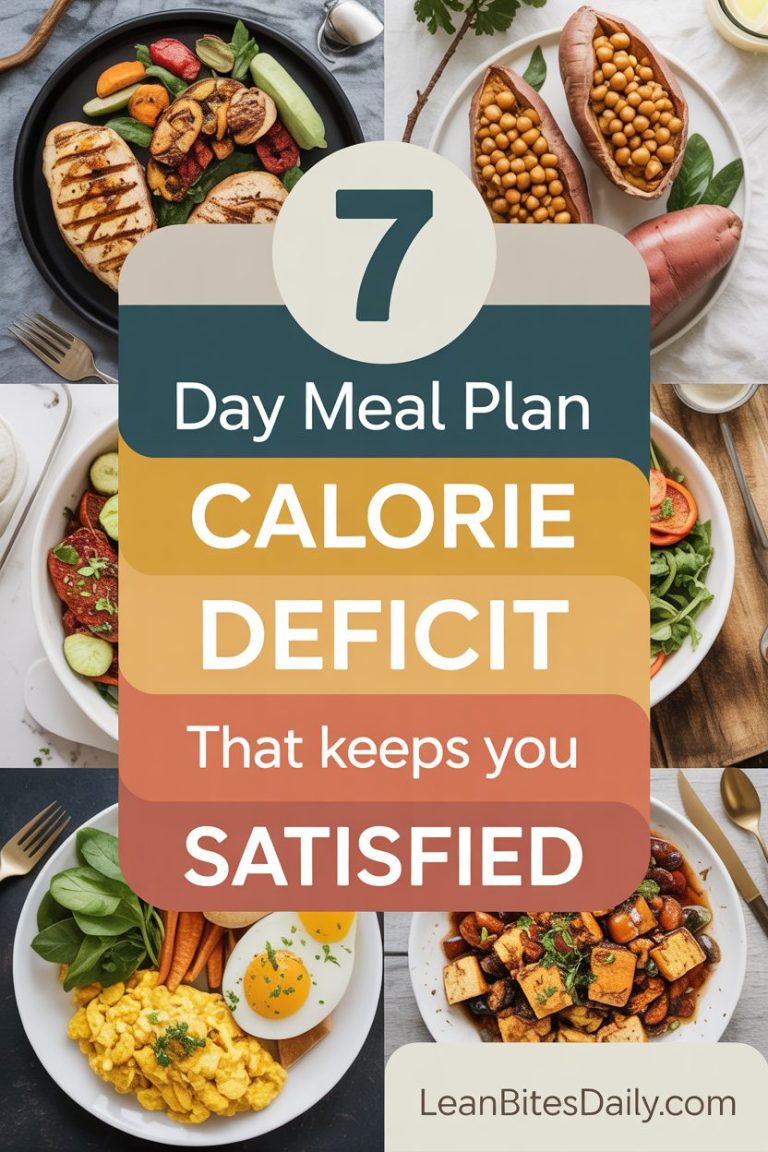
For a full structured plan, you might love this 7-Day Calorie Deficit Meal Plan That Keeps You Satisfied—it’s honestly one of my go-to recommendations.
And if you want to dive deeper into why calorie balance works, check out this detailed guide on Healthline (external but worth the read for some science-backed info).
Conclusion: Your Perfect Fit Starts Here
At the end of the day, there’s no one-size-fits-all calorie plan. Your perfect fit is the one you can stick with without hating life. (Because, IMO, if your “diet” makes you miserable, it’s not the right plan.)
Start where you feel comfortable, experiment with new recipes, and adjust based on how your body responds. And remember: progress > perfection.
So, which plan are you trying first? 1200 for a quick kickstart, 1500 for the slow burn, or 1800/2000 to fuel your workouts? Let me know—because I’m cheering you on either way! 🙂