
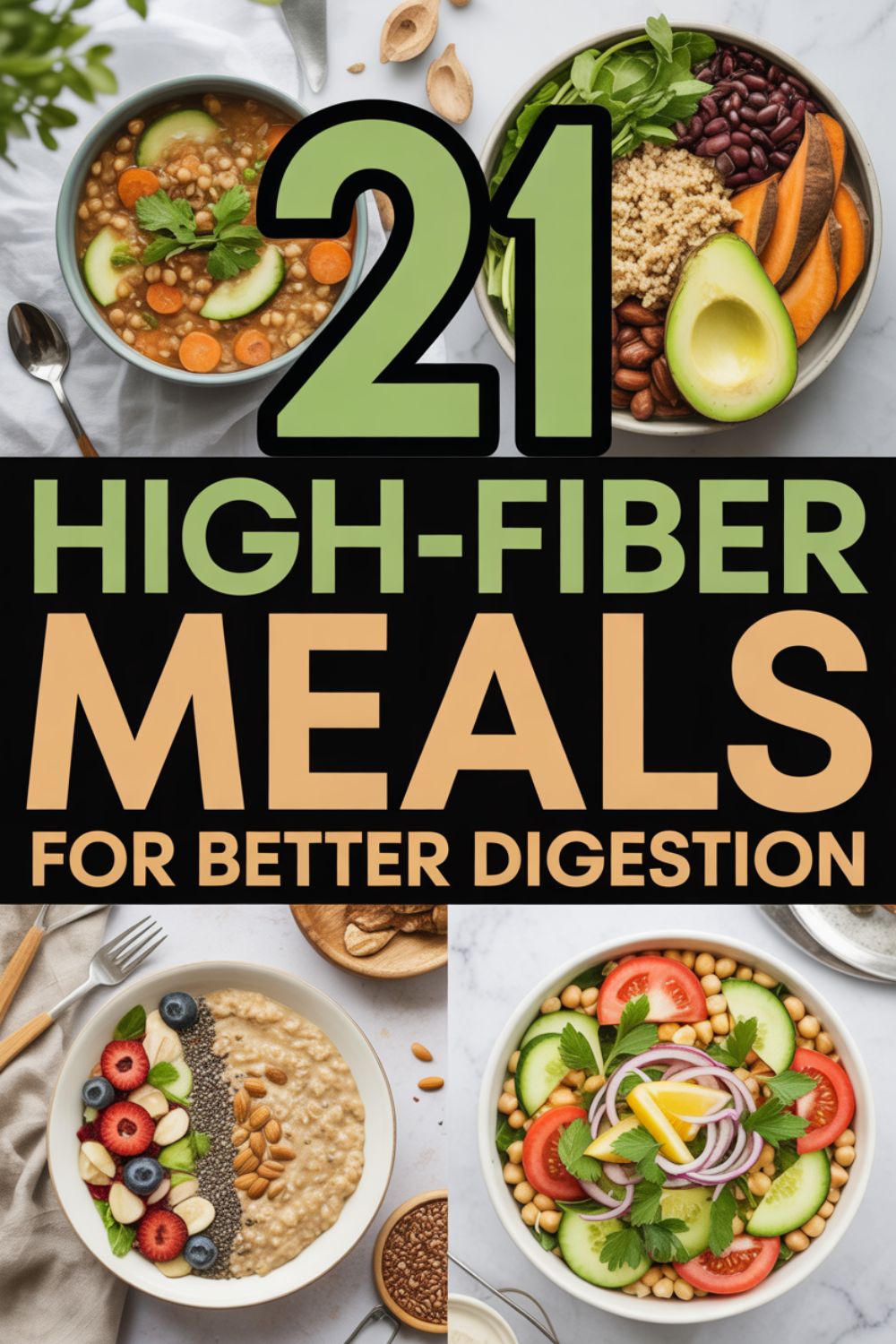
21 High-Fiber Meals for Better Digestion
Let’s talk about fiber for a second. Not the most glamorous topic, I know. But if your gut’s been giving you grief—bloating, sluggish digestion, or that uncomfortable “why did I eat that” feeling—chances are you’re not getting enough of the stuff.
Here’s the thing: most people barely hit half the daily fiber recommendation. We’re talking around 25-30 grams a day, but the average person barely scrapes together 15. And it shows. Your digestive system basically runs on fiber, and without it, things get… uncomfortable.
So I’ve rounded up 21 high-fiber meals that’ll actually keep your gut happy without making you feel like you’re eating cardboard. These aren’t boring salads or sad bowls of bran cereal. Think hearty soups, filling grain bowls, and Mediterranean-inspired dishes that taste good and make your digestive system do a little happy dance.
Why Fiber Actually Matters (Beyond Just “Regularity”)
Yeah, fiber helps you stay regular. But that’s just scratching the surface. Research shows fiber does way more than just keep things moving through your system.
First off, fiber feeds your gut bacteria. And when your gut bacteria are happy, they produce short-chain fatty acids that protect your colon and reduce inflammation. It’s like having a little internal health team working for you.
Then there’s the cholesterol thing. Soluble fiber actually binds to bile acids in your gut and helps flush them out, which forces your liver to pull cholesterol from your blood to make more bile acids. Translation? Lower cholesterol without taking a single pill.
And if you’re trying to manage your weight or blood sugar, fiber slows down digestion, which means you feel fuller longer and avoid those nasty blood sugar spikes. According to the CDC, fiber plays a major role in managing diabetes by helping control blood sugar levels.
Pro Tip: Increase your fiber intake gradually. Going from 15 grams to 30 overnight will leave you bloated and gassy. Add 5 grams per week and drink plenty of water—your gut will thank you.
The Two Types of Fiber (And Why You Need Both)
Not all fiber is created equal. There are two main types, and they do different jobs.
Soluble Fiber
This stuff dissolves in water and forms a gel-like substance in your stomach. It’s what slows down digestion, helps control blood sugar, and lowers cholesterol. You’ll find it in oats, beans, apples, and avocados.
Think of it as the “slow and steady” fiber that keeps you feeling satisfied for hours. When I have oatmeal with figs and walnuts in the morning, I’m not hungry until lunch. That’s soluble fiber at work.
Insoluble Fiber
This type doesn’t dissolve—it basically acts like a broom sweeping through your digestive tract. It adds bulk to your stool and helps everything move along smoothly. You’ll find it in whole grains, nuts, seeds, and vegetable skins.
It’s the “get things moving” fiber. And honestly, if you’re dealing with constipation, you need more of this in your life.
21 High-Fiber Meals That Don’t Taste Like Punishment
Alright, let’s get to the good stuff. These meals pack serious fiber without sacrificing flavor. I’ve organized them by meal type so you can mix and match throughout your day.
Breakfast Options (Because Mornings Matter)
1. Greek Yogurt Bowl with Berries & Honey
Start with full-fat Greek yogurt (yes, full-fat—it’s more satisfying), top it with fresh berries, a drizzle of honey, and a handful of granola. Add some chia seeds if you’re feeling fancy. The berries alone give you around 4 grams of fiber, and chia seeds pack another 5 grams per tablespoon. Get Full Recipe.
2. Oatmeal with Dried Figs, Walnuts & Cinnamon
This is my go-to breakfast when I need something that sticks. Steel-cut oats have way more fiber than the instant stuff, and dried figs add natural sweetness plus a solid fiber punch. I use this small saucepan for perfect oats every time—no weird clumping or burning. Get Full Recipe.
3. Avocado Toast with Cherry Tomatoes
Basic? Maybe. Effective? Absolutely. Use whole grain bread (look for at least 3 grams of fiber per slice), mash half an avocado on top, add cherry tomatoes, a sprinkle of hemp seeds, and some red pepper flakes. You’re looking at around 10 grams of fiber in one serving. For a Mediterranean twist, check out this avocado toast Mediterranean-style.
4. Chia Pudding with Almond Milk & Fresh Fruit
Mix 3 tablespoons of chia seeds with a cup of almond milk the night before, and you’ve got breakfast ready to go. Top with berries, sliced banana, or whatever fruit you have. Each serving delivers around 10 grams of fiber. I prep mine in these small mason jars—makes mornings way easier. Get Full Recipe.
5. Whole Grain Banana Pancakes
Yes, you can have pancakes and still hit your fiber goals. Use whole wheat flour, mash in a banana, and you’re golden. Top with fresh berries instead of syrup, and you’ve got a breakfast that won’t leave you crashing an hour later. Get Full Recipe.
Quick Win: Prep your overnight oats or chia pudding on Sunday night. Make 5 jars at once, and you’ve got breakfast sorted for the week. Future you will be grateful.

Premium Glass Meal Prep Containers (5-Pack)
Limited Time: 20% Off Today
If you’re serious about meal prepping these fiber-rich meals, you need containers that won’t stain, leak, or make your food taste like plastic. I’ve tried every container on the market, and these glass ones are the only ones still in my kitchen after two years.
Why these are worth it:
- Borosilicate glass that goes from freezer to microwave to dishwasher without cracking
- Snap-lock lids that actually seal (no more lentil soup disasters in your bag)
- 3-compartment design keeps your grains, proteins, and veggies separate until you’re ready to eat
- BPA-free and stain-resistant – your tomato-based meals won’t turn everything orange
- Stackable design saves tons of fridge space
I use these for everything—overnight oats, grain bowls, lentil soups, you name it. The three compartments are clutch for keeping textures separate. Nobody wants soggy quinoa because it’s been sitting next to your cucumber salad all morning.
Looking for more morning inspiration? You might love these high-protein breakfasts under 350 calories or this Mediterranean smoothie bowl that combines fiber with healthy fats.
📊 Mediterranean Meal Planner & Fiber Tracker
Struggling to keep track of your daily fiber intake? I get it—counting grams while trying to plan balanced Mediterranean meals can feel overwhelming. That’s exactly why I love this digital meal planner.
What makes it worth it:
- Pre-built Mediterranean meal templates with fiber counts already calculated
- Daily fiber tracker that shows you exactly where you stand
- Customizable weekly meal plans with automatic grocery lists
- Recipe database with 200+ high-fiber Mediterranean recipes
- Works on your phone, tablet, or computer—sync across all devices
Honestly? It took the guesswork out of meal planning. I stopped stressing about whether I was getting enough fiber and started actually enjoying my meals. Plus, the grocery list feature saves me at least 30 minutes every week.
Lunch Ideas (Midday Fuel That Won’t Slow You Down)
6. Lentil Soup with Crusty Bread
Lentils are fiber powerhouses. One cup of cooked lentils has 15 grams of fiber. Make a big batch of lentil soup on Sunday, and you’ve got lunches for days. Pair it with a slice of whole grain bread, and you’re set.
7. Mediterranean Chickpea Bowl
Chickpeas, quinoa, cucumber, tomatoes, feta, and a lemon-tahini dressing. This bowl has everything—fiber, protein, and flavor. Chickpeas alone give you around 12 grams of fiber per cup. Get Full Recipe.
8. Whole Wheat Spaghetti with Cherry Tomatoes & Basil
Swap regular pasta for whole wheat, and you’ll triple the fiber content. Toss with roasted cherry tomatoes, fresh basil, garlic, and olive oil. Simple, delicious, and actually filling. Get Full Recipe.
9. Tuna & White Bean Salad
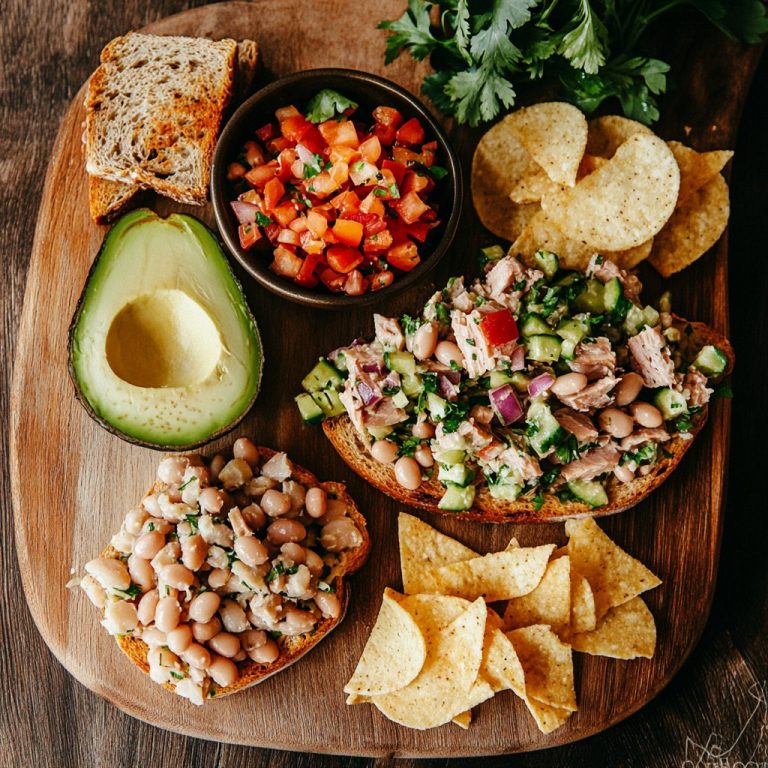
Canned tuna, white beans, red onion, lemon juice, and olive oil. Mix it all together and serve over greens or stuff it in a whole wheat pita. The beans bring serious fiber, and the tuna adds protein. Get Full Recipe.
10. Quinoa Tabbouleh with Hummus & Pita
Quinoa is technically a seed, and it’s loaded with fiber. Mix it with parsley, mint, tomatoes, cucumber, and lemon juice for a fresh tabbouleh. Serve with homemade hummus and whole wheat pita. Get Full Recipe.
11. Roasted Veggie Pita Pockets
Roast up a bunch of vegetables—bell peppers, zucchini, eggplant, onions—and stuff them into whole wheat pita with some tzatziki. I roast mine on silicone baking mats because cleanup is basically nonexistent. Get Full Recipe.
12. Greek Salad (But Like, Actually Good)
Not the sad, wilted version. I’m talking fresh cucumbers, tomatoes, red onion, Kalamata olives, feta, and a proper olive oil and lemon dressing. Add some chickpeas or white beans to boost the fiber content. Get Full Recipe.
If you’re meal prepping for work, these Mediterranean lunchbox recipes are clutch. Or try these high-protein meal prep lunches that also pack plenty of fiber.
Instant Pot Duo 7-in-1 Electric Pressure Cooker
Save $40 – Best Price This Month
Want to know the secret to cooking dried beans and lentils without planning your life around them? This thing. I resisted getting an Instant Pot for years because I thought it was just trendy kitchen clutter. I was wrong.
What makes it perfect for high-fiber cooking:
- Cooks dried beans in 30 minutes – no overnight soaking, no babysitting a pot for hours
- Perfect lentils every time – they come out tender, not mushy or crunchy
- Hands-off cooking – dump ingredients in, set it, do literally anything else
- Makes huge batches – 6-quart capacity means meal prep for the entire week
- Sauté function lets you brown garlic and onions right in the pot before pressure cooking
- Keeps food warm for hours after cooking – perfect for batch cooking on Sunday
I make my lentil soups, three-bean chili, and Mediterranean chickpea stew in this thing constantly. What used to take 2+ hours of active cooking now takes 10 minutes of prep and 30 minutes of ignoring it while it does its thing. Game changer for high-fiber meal prep.
Dinner Options (End Your Day Right)
13. Stuffed Bell Peppers with Quinoa & Veggies
Bell peppers stuffed with quinoa, black beans, corn, tomatoes, and spices. Bake until the peppers are tender. Each serving delivers around 12 grams of fiber. Get Full Recipe.
14. Lentil Shepherd’s Pie
Skip the meat and load up on lentils. Top with mashed sweet potatoes instead of regular potatoes for extra fiber. This is comfort food that won’t wreck your gut. Get Full Recipe.
15. Three-Bean Chili
Black beans, kidney beans, and pinto beans simmered with tomatoes, peppers, and spices. Serve with a dollop of Greek yogurt and some chopped cilantro. One bowl gives you over 15 grams of fiber. I make mine in my favorite Dutch oven—perfect for slow simmering. Get Full Recipe.
16. Grilled Salmon with Herbed Quinoa
Salmon isn’t high in fiber, but pair it with quinoa and roasted vegetables, and you’ve got a fiber-rich meal. The quinoa and veggies bring the fiber, and the salmon brings omega-3s. Get Full Recipe.
17. Mediterranean Chickpea Skillet
One-pan wonder. Chickpeas, tomatoes, spinach, garlic, and spices. Serve over brown rice or with crusty whole grain bread. Clean-up is minimal, and the fiber content is maximal. Get Full Recipe.
18. Spaghetti Squash with Tomato Basil Sauce
Swap pasta for spaghetti squash, and you’ve got a lower-calorie, higher-fiber alternative. I use this squash slicer to make cutting through the squash way less dangerous. Top with marinara, fresh basil, and a sprinkle of parmesan. Get Full Recipe.
19. Black Bean Enchiladas (Hold the Cheese, Please)
Black beans, corn, peppers, onions, and enchilada sauce wrapped in whole wheat tortillas. Skip the cheese or use a small amount of a strong cheese like sharp cheddar. Get Full Recipe.
20. Moroccan-Spiced Quinoa Bowl
Quinoa topped with roasted chickpeas, roasted vegetables, and a tahini-lemon dressing. Add some dried apricots and almonds for texture and sweetness. Get Full Recipe.
21. Lentil & Sweet Potato Stew
Lentils and sweet potatoes are a match made in fiber heaven. Simmer them with vegetable broth, coconut milk, and warming spices like cumin and turmeric. Top with fresh cilantro. Get Full Recipe.
Pro Tip: Batch cook your grains. Cook a big pot of quinoa, brown rice, or farro on Sunday, and use it throughout the week in different meals. Store it in the fridge in an airtight container for up to 5 days.
For more dinner inspiration, check out these Mediterranean dinner ideas for busy weeknights or these easy one-pan Mediterranean dinners.
📱 MyFitnessPal Premium (But Make It Actually Useful)
Look, the free version of MyFitnessPal is fine. But if you’re serious about tracking your fiber intake and hitting your digestive health goals, the premium version is a game-changer.
Why I upgraded (and don’t regret it):
- Track fiber by meal—not just daily totals—so you can see which meals need more bulk
- Custom macro goals beyond just calories (hello, 30g fiber target)
- Meal planning feature that suggests high-fiber Mediterranean options
- No ads interrupting your food logging (surprisingly makes a difference)
- Advanced nutrition insights showing your fiber trends over weeks and months
The fiber-by-meal breakdown alone is worth it. I realized I was loading up on fiber at dinner but barely getting any at breakfast. Adjusting that one thing made a huge difference in how I felt throughout the day.
How to Actually Hit Your Fiber Goals (Without Feeling Miserable)
Here’s where most people mess up: they go from eating barely any fiber to trying to hit 30 grams overnight. Then they wonder why they’re bloated, gassy, and uncomfortable.
Start slow. If you’re currently eating 10-15 grams of fiber per day, add 5 grams per week. Give your gut time to adjust. And for the love of all things holy, drink water. Fiber needs water to do its job properly. Without enough water, you’ll just end up constipated.
Smart Swaps to Boost Your Fiber
- White rice → Brown rice or quinoa: Triple the fiber with one simple swap.
- Regular pasta → Whole wheat or chickpea pasta: Same meal, way more fiber.
- White bread → Whole grain bread: Look for at least 3 grams of fiber per slice.
- Potato chips → Roasted chickpeas: Crunchy, satisfying, and packed with fiber. I make mine crispy using this air fryer.
- Ice cream → Frozen yogurt bark with berries: Satisfy your sweet tooth and get some fiber.
Sneaky Ways to Add More Fiber
Vitamix E310 Explorian Blender
17% Off – Free Shipping
Look, I know what you’re thinking. “It’s just a blender, why would I spend that much?” Because cheap blenders leave chunks. And when you’re trying to blend chia seeds, flax seeds, and fibrous greens into a smooth breakfast smoothie, chunks are the enemy.
Why this blender is worth it for fiber-rich meals:
- Pulverizes chia and flax seeds completely – no gritty texture, better nutrient absorption
- Blends frozen fruit smoothly – perfect for quick high-fiber breakfast smoothies
- Makes creamy hummus from dried chickpeas in 60 seconds flat
- Turns vegetables into soup using friction heat – hot soup in 6 minutes, no stove needed
- Self-cleaning – add water and a drop of dish soap, blend for 30 seconds, done
- 10-year warranty – this thing will outlive your kitchen cabinets
I’ve had mine for 4 years, and it’s still going strong. I use it for my berry green smoothies, homemade hummus, lentil soups, and even grinding oats into flour. If you’re serious about adding more fiber-rich smoothies and soups to your routine, this blender will actually get used—unlike the cheap one collecting dust in your cabinet.
Sneaky Ways to Add More Fiber
Add beans to everything. Seriously. Toss them in salads, soups, pasta dishes, even scrambled eggs. They’re cheap, versatile, and loaded with fiber.
Keep the skins on. Apple skins, potato skins, cucumber skins—they all contain fiber. Plus, it saves you prep time.
Snack smarter. Instead of reaching for crackers or chips, grab an apple with almond butter, veggie sticks with hummus, or a handful of almonds. Check out these Mediterranean snacks that aren’t just hummus for more ideas.
Add chia or flax seeds to smoothies, yogurt, or oatmeal. One tablespoon of chia seeds has 5 grams of fiber. It’s an easy way to boost any meal.
What About Supplements? (Spoiler: Food Is Better)
Look, fiber supplements have their place. If you’re traveling or in a pinch, they can help. But they’re not a replacement for actual food.
Real food comes with a package deal—vitamins, minerals, antioxidants, and phytonutrients that work together. When you eat an apple, you’re not just getting fiber. You’re getting vitamin C, potassium, and plant compounds that reduce inflammation.
Supplements give you isolated fiber. That’s it. And honestly, they can cause more digestive issues if you’re not careful with them.
So unless your doctor specifically recommends a supplement, stick with real food. Your gut will be happier, and your meals will actually taste good.
📚 The Complete Mediterranean High-Fiber Recipe eBook
If you’re tired of googling “high fiber Mediterranean recipes” every single week, this digital cookbook is basically the shortcut I wish I’d found sooner.
What’s actually inside:
- 150+ Mediterranean recipes specifically designed for digestive health
- Every recipe shows exact fiber content per serving (no guessing)
- Organized by fiber level: 5-10g, 10-15g, 15+ grams per meal
- 28-day meal plan with shopping lists already done for you
- Meal prep guides showing how to batch cook high-fiber staples
- Instant download—PDF format works on any device
IMO, the meal prep section alone is worth the price. It shows you how to cook lentils, beans, and whole grains in bulk, then turn them into completely different meals throughout the week. No more eating the same boring bowl five days in a row.
Common Fiber Mistakes (And How to Avoid Them)
Mistake #1: Increasing fiber too fast. I mentioned this earlier, but it’s worth repeating. Go slow. Your gut bacteria need time to adjust to increased fiber intake.
Mistake #2: Not drinking enough water. Fiber absorbs water. If you’re not hydrated, fiber can actually make constipation worse. Aim for at least 8 glasses of water per day, more if you’re active.
Mistake #3: Only eating one type of fiber. You need both soluble and insoluble fiber. Eat a variety of fruits, vegetables, whole grains, and legumes to get both types.
Mistake #4: Relying on fiber bars and processed “high-fiber” products. Check the ingredient list. If the fiber comes from added inulin or chicory root, it’s not the same as fiber from whole foods. These can cause serious gas and bloating.
Mistake #5: Giving up too soon. It takes a few weeks for your gut to adjust to higher fiber intake. Stick with it. The initial discomfort is temporary, but the benefits are long-term.
Frequently Asked Questions
How much fiber should I eat per day?
Most health organizations recommend 25-35 grams of fiber daily for adults. Women should aim for about 25 grams, while men should target around 30-35 grams. However, the average person only gets about 15 grams per day, which is why digestive issues are so common. Start where you are and gradually increase your intake by 5 grams per week until you reach your goal.
Why does fiber make me gassy and bloated?
If you’re experiencing gas and bloating, you’re probably increasing your fiber intake too quickly. Your gut bacteria need time to adjust to processing more fiber. Start with smaller increases (5 grams per week), drink plenty of water, and give your body 2-3 weeks to adapt. The discomfort should decrease as your gut gets used to the higher fiber intake.
Is fiber from supplements the same as fiber from food?
Not really. While fiber supplements can help in a pinch, they don’t provide the same benefits as fiber from whole foods. Real food comes with vitamins, minerals, antioxidants, and other beneficial compounds that work together to support your health. Supplements give you isolated fiber without all the extra nutritional benefits. Plus, food tastes better.
Can I eat too much fiber?
Yes, but it’s pretty hard to do with whole foods. Eating more than 70 grams of fiber per day can lead to digestive issues like bloating, gas, and constipation (ironically). It can also interfere with mineral absorption. Stick to the recommended 25-35 grams per day, and you’ll be fine. If you’re eating a varied diet of fruits, vegetables, whole grains, and legumes, you’re unlikely to overdo it.
What’s the quickest way to add more fiber to my diet?
The easiest swap is replacing refined grains with whole grains—white rice with brown rice, regular pasta with whole wheat pasta, and white bread with whole grain bread. Adding beans to meals is another quick win; one cup of beans adds about 12-15 grams of fiber. Snacking on fruits with the skin on (apples, pears) and adding chia or flax seeds to smoothies or yogurt are simple changes that make a big impact.
Final Thoughts
Here’s the bottom line: fiber isn’t some boring nutritional afterthought. It’s genuinely one of the most important things you can focus on for long-term health. Better digestion, lower cholesterol, stable blood sugar, and a healthier gut microbiome—all from eating more plants.
You don’t need to overhaul your entire diet overnight. Start with one or two of these meals per week. Swap white rice for brown. Add beans to your salad. Have oatmeal instead of sugary cereal.
Small changes add up. And your gut will thank you for it—probably by not making you miserable after every meal, which honestly is reason enough.
So grab some lentils, stock up on whole grains, and start cooking. Your digestive system has been waiting for this.