21-Day High-Protein Mediterranean Meal Plan for Balanced Nutrition
Look, I get it. You want to eat better, feel stronger, and maybe stop ordering takeout four nights a week. But most meal plans either sound like punishment or require ingredients you can’t pronounce, let alone find at your local grocery store.
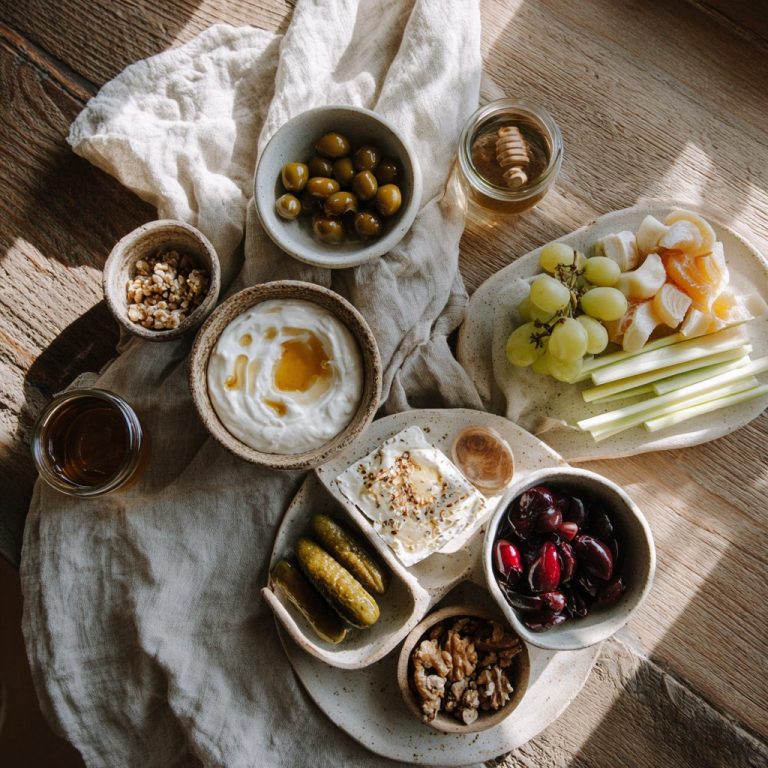
Here’s the thing about the Mediterranean diet: it’s not actually a diet in that awful, restrictive sense. It’s basically how people in Greece, Italy, and Spain have been eating forever—lots of plants, fish, olive oil, and enough protein to keep you full without feeling like you’re gnawing on chicken breast for every meal.
This 21-day plan amps up the protein while keeping all the good stuff that makes Mediterranean eating so sustainable. We’re talking about meals that actually taste good, won’t leave you hangry two hours later, and don’t require you to meal prep like you’re training for a bodybuilding competition.

Why High-Protein Mediterranean Actually Makes Sense
Most people think Mediterranean diet equals pasta and bread. And sure, those show up, but the traditional version includes way more fish, legumes, and yogurt than Instagram would have you believe.
The protein boost matters because it keeps your blood sugar stable, supports muscle recovery, and—let’s be honest—stops you from raiding the pantry at 9 PM. You’re looking at around 25-35 grams of protein per meal here, which is enough to keep things humming without going full carnivore.
Plus, Mediterranean protein sources come with actual benefits. Fatty fish gives you omega-3s. Legumes pack fiber. Greek yogurt delivers probiotics. You’re not just hitting macros—you’re getting nutrients that actually do something.
What This Meal Plan Actually Looks Like
Three weeks. Three meals a day. Zero deprivation.
Each week follows a loose pattern so you’re not reinventing breakfast every morning, but there’s enough variety that you won’t get bored. We’re focusing on whole grains, lean proteins, healthy fats, and vegetables that don’t taste like cardboard.
You’ll see some recipes repeat because that’s how real people eat. Making a big batch of lentil soup and eating it twice in one week? That’s not lazy, that’s efficient.
The Protein Breakdown
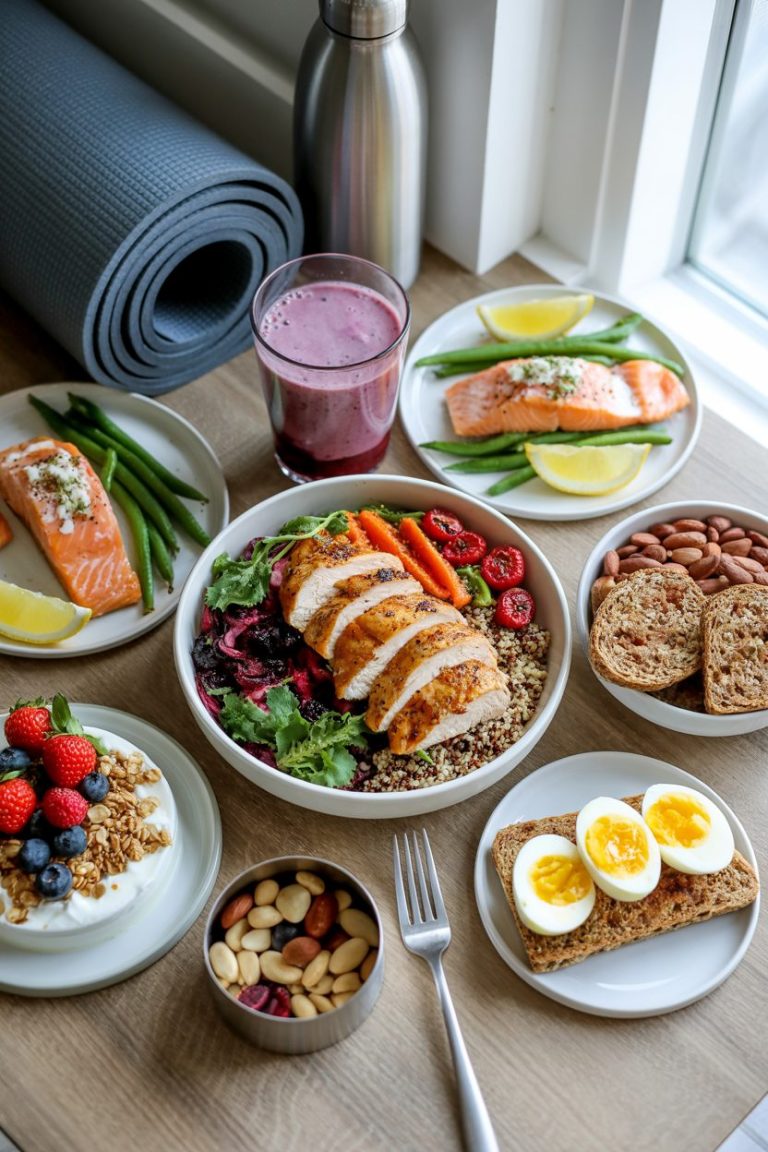
Here’s where the protein comes from throughout the plan:
- Fish and seafood: Salmon, tuna, shrimp, cod—all the good Mediterranean staples
- Poultry: Chicken and turkey, grilled or baked with herbs
- Legumes: Chickpeas, lentils, white beans—these show up constantly
- Greek yogurt: The breakfast MVP, usually with berries and nuts
- Eggs: Shakshuka, frittatas, simple scrambles
- Quinoa and farro: Ancient grains with more protein than you’d think
Week 1: Getting Your Bearings
Days 1-3
Breakfast: Start simple with Greek yogurt bowl with berries and honey. I use this handy measuring spoon set to portion the honey—sounds neurotic, but it actually helps with consistency.
Lunch: Tuna white bean salad becomes your friend. Mix canned tuna, white beans, cherry tomatoes, red onion, olive oil, and lemon juice. Done in five minutes.
Dinner: Grilled salmon with tomato caper relish alongside roasted vegetables. If you don’t have a grill, a cast-iron skillet like this one works perfectly.
Days 4-7
Breakfast: Oatmeal with dried figs, walnuts, and cinnamon. Use steel-cut oats if you have time, instant if you don’t—nobody’s judging.
Lunch: Mediterranean grain bowl with farro, chickpeas, cucumber, tomatoes, feta, and a lemon-tahini dressing. Prep the grains on Sunday and thank yourself later.
Dinner: Lemon herb chicken with roasted potatoes. Pro tip: use baby potatoes and a reliable roasting pan—they cook faster and crisp up better.
Snacks throughout the week: Hummus with vegetables, Greek yogurt with a handful of almonds, or cucumber hummus sandwich bites.
Week 2: Building Momentum
By now you’ve figured out that Mediterranean cooking isn’t complicated. It’s basically good ingredients plus olive oil plus herbs. Don’t overthink it.
Days 8-10
Breakfast: Mediterranean smoothie bowl with Greek yogurt, spinach, berries, and a sprinkle of hemp seeds. Blend it in something decent—a quality blender makes this actually enjoyable.
Lunch: Falafel wrap with tzatziki. Making falafel from scratch is easier than you think, especially with baked falafel instead of fried.
Dinner: Shrimp sautéed in garlic and olive oil with couscous. Shrimp cooks in like four minutes, which makes this perfect for when you’re exhausted.
Days 11-14
Breakfast: Savory Mediterranean scramble with tomatoes, spinach, and feta. If you’re scrambling eggs regularly, a good nonstick pan saves so much frustration.
Lunch: Quinoa tabbouleh with hummus and pita. The quinoa adds more protein than traditional bulgur-based tabbouleh.
Dinner: Stuffed bell peppers with quinoa and veggies. These reheat beautifully, so make extra.
Additional protein snacks: Mini egg muffins are clutch for when you need something fast. Bake a batch in a silicone muffin pan and keep them in the fridge.
Week 3: You’re Basically Mediterranean Now
Days 15-17
Breakfast: Greek yogurt parfait with layered berries, granola, and a drizzle of honey. I keep granola in these airtight containers because humidity is the enemy.
Lunch: Grilled veggie halloumi skewers. Halloumi is that squeaky grilled cheese that doesn’t melt, and it’s weirdly addictive.
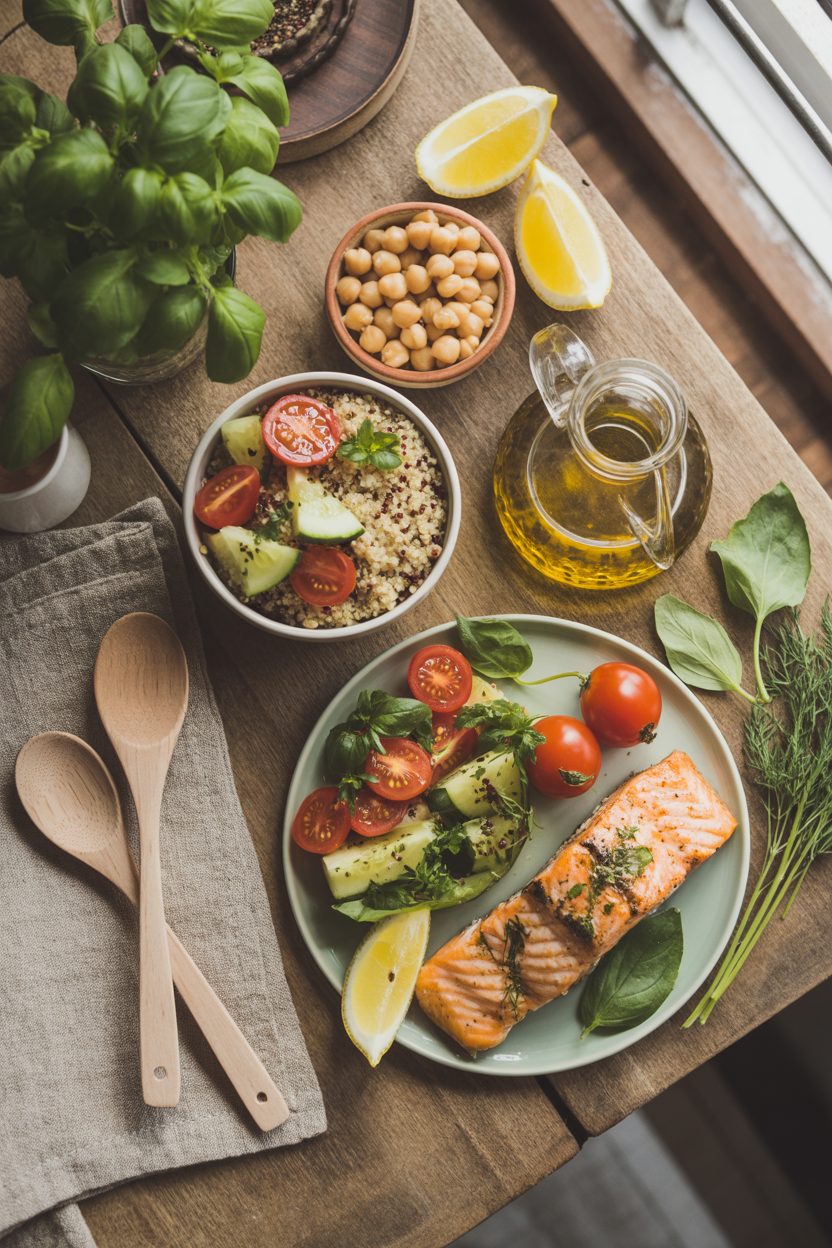
Dinner: Baked salmon with herbed quinoa and green beans. Sheet pan dinners are your friend—everything cooks together on parchment paper and cleanup takes thirty seconds.
Days 18-21
Breakfast: Avocado toast Mediterranean style with za’atar, cherry tomatoes, and a poached egg on top. Za’atar is that Middle Eastern spice blend that makes everything taste better.
Lunch: Greek salad but like actually good with grilled chicken. Don’t skip the oregano—it’s not optional.
Dinner: One-pot Mediterranean pasta with cherry tomatoes, olives, capers, and white beans. One pot means one thing to clean, which is the whole point.
Final week snacks: Whipped feta dip with honey and thyme with vegetables. A small food processor makes whipping feta stupid easy.
The Grocery List That Doesn’t Suck
Proteins you’ll use constantly:
- Canned tuna and salmon
- Fresh salmon fillets
- Chicken breasts and thighs
- Shrimp (frozen is fine)
- Greek yogurt (get the good stuff—Fage or Chobani)
- Eggs (lots of eggs)
- Chickpeas, white beans, lentils (canned saves time)
Grains and carbs:
- Quinoa
- Farro
- Couscous
- Whole wheat bread
- Oats
The produce section:
- Cherry tomatoes (they last longer than regular)
- Cucumbers
- Bell peppers
- Spinach and mixed greens
- Lemons (buy in bulk)
- Fresh herbs: parsley, basil, oregano
- Avocados
- Red onions
Pantry staples:
- Extra virgin olive oil (splurge here—it matters)
- Tahini
- Olives and capers
- Dried herbs and spices
- Garlic (never enough garlic)
- Feta cheese
- Nuts: walnuts, almonds
Meal Prep Without Losing Your Mind
You don’t need to spend six hours on Sunday cooking. Here’s what actually helps:
Batch cook grains: Make a big pot of quinoa or farro at the start of the week. Store it in the fridge and use it for multiple meals.
Prep proteins: Grill several chicken breasts at once. Bake a couple salmon fillets. Hard boil a dozen eggs. Honestly, having a reliable kitchen timer helps prevent the “oh crap I forgot about the oven” disasters.
Chop vegetables ahead: Dice onions, chop peppers, and wash greens on Sunday. Store them in containers with paper towels to absorb moisture.
Make big batches of certain recipes: Lentil spinach soup, Mediterranean chickpea skillet, and shakshuka all reheat beautifully.
For storing everything, I swear by glass meal prep containers—they don’t stain, they don’t smell, and you can see what’s inside without playing fridge roulette.
The Protein Math (Because Some People Care)
Each day averages around 90-110 grams of protein, split roughly like this:
- Breakfast: 25-30g
- Lunch: 30-35g
- Dinner: 35-40g
- Snacks: 10-15g
That’s enough to support muscle maintenance and keep you satisfied without going overboard. According to research on protein intake from sources like Healthline, most active adults do well with 1.6-2.2 grams per kilogram of body weight, and this plan sits comfortably in that range.
The Mediterranean approach means you’re getting protein from diverse sources—not just meat. That variety brings different amino acid profiles and nutrients that benefit everything from heart health to gut function.
When You Get Bored (Because You Will)
Mix it up with these swaps:
Instead of grilled chicken: Try lemon oregano grilled chicken or chicken zucchini skillet with herbs.
Instead of basic salmon: Make shrimp saganaki for something with more kick.
Instead of plain yogurt bowls: Try chia pudding with almond milk and fresh fruit for a different texture.
Instead of regular salads: Check out cucumber tomato feta salad or Mediterranean lentil salad.
What About Dining Out?
Mediterranean restaurants exist for a reason. Order grilled fish, chicken souvlaki, Greek salad with protein, or mezze plates with hummus, baba ganoush, and grilled meat. Skip the pita bread basket if you want, but honestly, one piece won’t derail anything.
For more structured planning: If you want pre-made schedules, the 14-day Mediterranean meal plan for beginners or the 30-day Mediterranean diet challenge offer more detailed day-by-day guidance.
The Snack Situation
High-protein snacks matter when you’re between meals. Here are the ones that actually work:
- Greek yogurt with nuts and cinnamon
- Hummus and veggie sticks
- Tuna avocado packets
- Turkey roll-ups with cheese and vegetables
- Mini cottage cheese toast with tomatoes
For a full breakdown of options, check out 21 high-protein low-calorie snacks under 200 calories.
The Budget Reality Check
Mediterranean eating doesn’t require fancy ingredients from specialty stores. Here’s what costs more and what doesn’t:
More expensive: Fresh fish, nuts, olive oil (the good stuff), feta cheese, fresh herbs
Cheaper than you think: Canned fish, dried legumes, seasonal vegetables, whole grains, eggs, Greek yogurt
FYI, buying frozen shrimp and canned beans saves serious money without sacrificing quality. And dried herbs work fine when fresh ones aren’t in the budget.
Adjusting for Dietary Restrictions
Vegetarian: Swap any animal protein for legumes, tofu, tempeh, or extra eggs. Mediterranean chickpea wraps and stuffed grape leaves become your go-tos.
Dairy-free: Skip feta and yogurt. Use cashew-based yogurt alternatives or coconut yogurt. Replace cheese with nutritional yeast or tahini-based sauces.
Gluten-free: Use quinoa instead of couscous, skip the bread, and verify that your oats are certified gluten-free.
Higher calorie needs: Add more olive oil, nuts, avocados, and larger portions of grains. The Mayo Clinic notes that healthy fats from sources like olive oil and fatty fish support overall health while increasing calorie density.
What Actually Happens in 21 Days
Let’s be real about expectations. You’re not going to transform your entire life in three weeks, but you’ll probably notice:
Energy levels: More stable throughout the day without the 3 PM crash
Digestion: Better, thanks to all the fiber from legumes and vegetables
Sleep: Often improves when your diet includes omega-3s and reduces processed foods
Strength: You’ll maintain muscle better with consistent protein intake
Cravings: The protein and healthy fats keep you full longer, so you’re not constantly thinking about snacks
What you won’t see: overnight abs, miraculous weight loss, or suddenly loving kale if you didn’t before.
The Recipes You’ll Actually Make Again
Some meals from this plan will stick around in your rotation long after 21 days:
- Shakshuka for weekend brunch
- Greek yogurt chicken salad for easy lunches
- Mediterranean flatbread when you want something fun
- Grilled salmon with dill and garlic because it’s foolproof
- Olive tapenade on toasted baguette for appetizers
For more dinner inspiration, browse 25 Mediterranean diet dinners that are light, delicious, and guilt-free.
Common Mistakes People Make
Mistake #1: Drowning everything in olive oil. Yes, it’s healthy fat, but a tablespoon is about 120 calories. Measure it out, at least initially, with measuring spoons.
Mistake #2: Thinking “Mediterranean” means unlimited pasta and bread. Whole grains appear in moderation, not as the foundation of every meal.
Mistake #3: Skipping breakfast and trying to compensate later. Starting with protein prevents the domino effect of poor choices all day. Need ideas? Check out 25 high-protein breakfast ideas to keep you full all morning.
Mistake #4: Not planning for snacks. You will get hungry between meals. Have protein-rich options ready.
Mistake #5: Giving up after one “off” meal. One burger doesn’t undo everything. Just get back on track the next meal.
Beyond the 21 Days
What happens on Day 22? IMO, you keep going with what worked and ditch what didn’t.
Maybe you discovered you love roasted cauliflower shawarma bowls but hate farro. Cool—swap it out for quinoa or brown rice. Maybe grilled fish became your thing, so you explore 10 Mediterranean fish recipes.
The goal isn’t perfection. It’s finding a sustainable way to eat that includes enough protein, plenty of plants, healthy fats, and food that doesn’t taste like punishment.
Final Thoughts
Three weeks eating Mediterranean-style with boosted protein won’t fix everything in your life, but it’s a solid foundation. You’ll learn which recipes work for your schedule, which proteins you actually enjoy, and how to meal prep without losing your mind.
The beauty of this approach? It’s not a phase. People in Mediterranean regions have eaten this way for centuries because it works—for health, for flavor, and for sustainability. Adding extra protein just makes it more suitable for modern lifestyles where you’re trying to maintain muscle, stay full, and not feel like you’re constantly dieting.
Give it the full 21 days. Prep what you can, be flexible when you need to be, and don’t beat yourself up over imperfection. By the end, you’ll have a handful of go-to meals, a better sense of portion sizes, and probably more energy than when you started.
Now go make a grocery list and figure out what you’re cooking for Week 1. You’ve got this.