
14-Day High-Protein Mediterranean Meal Plan for Active Living
Training for something? Hitting the gym regularly? Or just trying to keep up with life without feeling like you need a nap by 10 AM? Then you’ve probably realized that regular Mediterranean eating—while amazing—sometimes needs a protein boost to support an active lifestyle.
I learned this the hard way after a few months of beautiful grain bowls that left me starving an hour later and struggling through workouts. Turns out, bumping up the protein while keeping all those Mediterranean flavors makes everything better. Your muscles recover faster, you actually feel full, and you stop eyeing the break room donuts like they’re the answer to all your problems.
These are the basics that make healthy cooking fast and actually enjoyable: less mess, less time, and meals your whole family will happily eat.
- protein powderCheck today’s price →
- digital food scaleCheck today’s price →
- snack containersCheck today’s price →
- shaker bottleCheck today’s price →
Amazon prices and deals change often, so it’s worth checking today’s price.
This isn’t some bodybuilder meal plan where you’re choking down plain chicken and broccoli six times a day. It’s real Mediterranean food—the stuff that actually tastes good—just strategically planned so you’re getting enough protein to support whatever active thing you’re doing. Whether that’s CrossFit, running, cycling, or just chasing kids around, this two-week plan has you covered.

Why Active People Need More Protein on Mediterranean Diet
Look, the traditional Mediterranean diet is phenomenal for health and longevity. But if you’re doing more than leisurely walks and the occasional swim, you need to adjust the protein ratios.
Active bodies demand more amino acids for muscle repair, recovery, and maintaining lean mass. The Mediterranean approach typically sits around 15-18% protein, which works great for moderate activity. But when you’re training consistently, that number should jump to 25-30% of your total calories.
Here’s what happens when you nail the protein intake: your recovery time shrinks, you maintain muscle mass even during weight loss, your energy stays consistent throughout workouts, and you don’t feel like you’re constantly starving. Plus, adequate protein supports immune function, which matters when you’re pushing your body regularly.
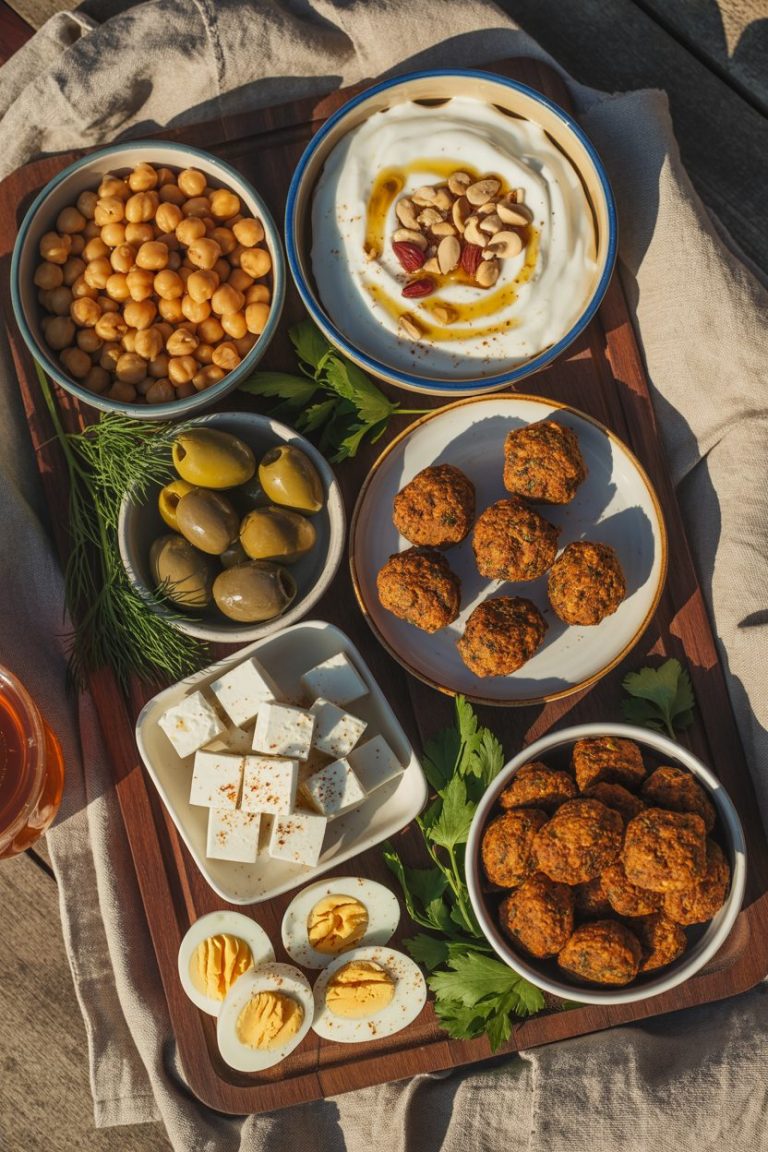
The beauty of Mediterranean eating is you’re already working with quality protein sources—fish, poultry, legumes, Greek yogurt, eggs. You just need to be intentional about portions and timing.
The 14-Day Protein Strategy for Active Living
This plan targets 120-140 grams of protein daily depending on your size and activity level. That’s roughly 1.6-2.0 grams per kilogram of body weight if you’re actively training.
Breakfast brings 30-35 grams to kickstart muscle protein synthesis after your overnight fast. Lunch delivers 35-40 grams to fuel afternoon activities. Dinner provides 40-45 grams for overnight recovery. Snacks add 15-20 grams strategically placed around workouts.
The meal timing isn’t obsessive—you don’t need to eat every two hours like it’s 2005 bodybuilding advice—but spreading protein throughout the day optimizes muscle protein synthesis better than loading it all at dinner.
I keep my meal prep containers with compartments organized by day so I can grab and go without thinking too hard about portions.
Week One Meal Plan
Day 1: Building the Foundation
Breakfast: Spinach Feta Greek Casserole
Start strong with a slice of egg casserole packed with spinach, feta, tomatoes, and herbs. Two eggs worth plus the cheese brings you to about 28 grams of protein. Make this on Sunday and reheat slices all week.
Pair it with a slice of whole grain toast and you’re set. My cast iron skillet makes these casseroles come out perfectly every time—even heat distribution is key.
Lunch: Mediterranean Chickpea Bowl
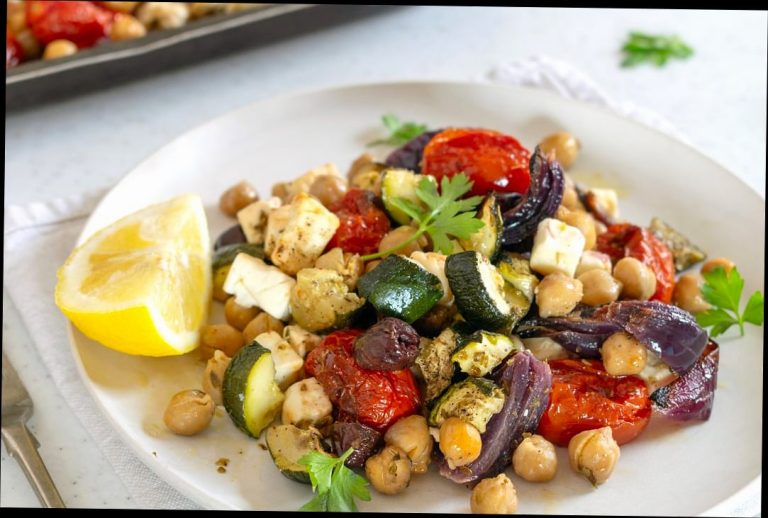
Layer mixed greens with roasted chickpeas, cucumber, tomatoes, red onion, Kalamata olives, feta, and grilled chicken breast. Dress with olive oil, lemon juice, and za’atar. This bowl delivers about 38 grams of protein and packs enough volume that you feel satisfied without being stuffed.
Dinner: Grilled Lemon-Herb Chicken with Quinoa
Marinate chicken thighs in lemon, garlic, olive oil, and oregano. Grill until charred and juicy, then serve over herbed quinoa with roasted vegetables. You’re looking at about 42 grams of protein here, plus the quinoa adds plant-based complete protein.
Snack: Greek Yogurt with Almonds
One cup of full-fat Greek yogurt topped with sliced almonds and a drizzle of honey. About 20 grams of protein and it hits different after a workout when your muscles are screaming for nutrients.
Day 2: Maintaining Momentum
Breakfast: Smoked Salmon Avocado Toast
Two slices of whole grain toast topped with mashed avocado, smoked salmon, capers, red onion, and fresh dill. This breakfast brings about 28 grams of protein and feels fancy enough for weekend brunch even though you’re eating it on a Tuesday.
Lunch: Grilled Chicken Shawarma Salad
Slice grilled chicken breast seasoned with shawarma spices—cumin, coriander, paprika, turmeric. Pile it over mixed greens with cucumbers, tomatoes, red onion, and tahini dressing. Add chickpeas for extra staying power. About 40 grams of protein and zero regrets.
Dinner: Baked Salmon with Herbed Quinoa
Season salmon fillets with dill, garlic, and lemon. Bake at 400°F for 15 minutes until flaky. Serve over quinoa cooked in vegetable broth with sautéed green beans on the side. Salmon delivers about 40 grams of protein plus those omega-3s that help reduce exercise-induced inflammation.
Snack: Turkey Roll-Ups
Spread hummus on turkey breast slices, add cucumber sticks, roll them up. Three roll-ups give you about 18 grams of protein and take less time than scrolling Instagram.
Day 3: Finding Your Rhythm
Breakfast: Protein-Packed Smoothie Bowl
Blend Greek yogurt, protein powder, frozen berries, spinach, and almond milk until thick. Pour into a bowl and top with sliced almonds, chia seeds, and fresh fruit. This bowl delivers about 32 grams of protein and tricks your brain into thinking dessert for breakfast is acceptable.
My high-powered blender makes quick work of frozen fruit without leaving chunks everywhere.
Lunch: Mediterranean Tuna Stuffed Peppers
Halve bell peppers and stuff with a mixture of canned tuna, white beans, diced tomatoes, olives, and feta. Bake until peppers are tender. Two pepper halves bring you to about 36 grams of protein with minimal effort.
Dinner: Grilled Turkey Kofta with Couscous
Mix ground turkey with grated onion, parsley, cumin, paprika, and garlic. Form into sausage shapes and grill. Serve over whole wheat couscous with cucumber yogurt sauce. About 44 grams of protein and it looks way more impressive than the effort required.
Snack: Hard-Boiled Eggs with Hummus
Two hard-boiled eggs plus a few tablespoons of hummus for dipping. Simple, portable, and delivers about 16 grams of protein. Keep these prepped in your fridge using an egg cooker for perfect results every time.
Day 4: Building Consistency
Breakfast: Savory Mediterranean Scramble
Scramble three eggs with spinach, tomatoes, and feta. Toast whole grain bread on the side. This breakfast takes under 10 minutes and brings about 30 grams of protein to start your day right.
Lunch: Greek Salad with Grilled Chicken
Build an actually good Greek salad with romaine, cucumbers, tomatoes, red onion, Kalamata olives, and feta. Top with sliced grilled chicken and dress with olive oil, red wine vinegar, and oregano. About 38 grams of protein and it never gets old.
Dinner: Shrimp Saganaki with Whole Wheat Pasta
Sauté shrimp in olive oil with garlic, add crushed tomatoes, feta, and red pepper flakes. Simmer until the feta melts into the sauce. Toss with whole wheat pasta and fresh parsley. Shrimp cook so fast this feels like cheating, and you get about 42 grams of protein.
Snack: Cottage Cheese Bowl
Half a cup of cottage cheese topped with cherry tomatoes, olive oil, and black pepper. These savory cottage cheese bowls are having a moment for good reason—18 grams of protein and actually tasty.
Day 5: Halfway Through Week One
Breakfast: Greek Yogurt Parfait
Layer Greek yogurt with fresh berries, granola, and a drizzle of honey. Simple but effective at delivering about 24 grams of protein. Boost it with a scoop of protein powder mixed into the yogurt if you need more.
Lunch: Falafel Wrap with Tzatziki
Stuff a whole wheat tortilla with baked falafel, lettuce, tomatoes, cucumbers, red onion, and tzatziki sauce. Add some grilled chicken if you’re training hard today. About 28 grams of protein without chicken, 40 with.
Dinner: Lemon-Garlic Grilled Chicken with Couscous
Marinate chicken breast in lemon juice, garlic, olive oil, and herbs. Grill until cooked through and serve over whole wheat couscous with a side of roasted vegetables. About 45 grams of protein and meal prep friendly.
Snack: Roasted Chickpeas
Make a batch of these with your favorite spices—paprika, cumin, garlic powder. A half-cup serving gives you about 8 grams of protein, but let’s be honest, you’ll eat more than that. These cinnamon roasted chickpeas hit the sweet-savory spot.
Day 6: Powering Through
Breakfast: Egg Muffins with Vegetables
Bake a batch of egg muffins with peppers, onions, spinach, and cheese. Two muffins deliver about 26 grams of protein and reheat beautifully all week long.
Store them in my glass meal prep containers so I can see what I’ve got ready to go.
Lunch: Tuna White Bean Salad
Mix canned tuna with white beans, cherry tomatoes, red onion, parsley, lemon juice, and olive oil. Serve over mixed greens or stuff into whole wheat pita. This no-cook lunch delivers about 34 grams of protein and takes five minutes.
Dinner: Baked Cod with Tomato Olive Tapenade
Season cod fillets and top with a mixture of diced tomatoes, olives, capers, and garlic. Bake until flaky and serve with roasted potatoes and broccoli. About 38 grams of protein from a mild fish that even picky eaters tolerate.
Snack: Mini Falafel Wraps
Grab a couple leftover falafel, wrap them in lettuce with some tzatziki. Quick, portable, about 12 grams of protein. These mini falafel wraps are perfect post-workout.
Day 7: Week One Complete
Breakfast: Quinoa Breakfast Bowl
Cook quinoa in almond milk, top with diced apples, walnuts, cinnamon, and a dollop of Greek yogurt. This warm bowl brings about 25 grams of protein and feels cozy even though it’s healthy.
Lunch: Mediterranean Chickpea Wraps
Fill whole wheat tortillas with hummus, roasted chickpeas, cucumber, tomato, red onion, feta, and lettuce. Add grilled chicken for an extra protein boost. About 36 grams of protein with chicken.
Dinner: Stuffed Bell Peppers with Quinoa
Mix cooked quinoa with ground turkey, diced tomatoes, spinach, and Italian seasonings. Stuff into halved bell peppers, top with feta, and bake. Each stuffed pepper half gives you about 20 grams of protein—eat two for 40 grams total.
Snack: Greek Yogurt with Berries
Simple but effective. One cup of Greek yogurt with fresh berries and maybe some granola. About 20 grams of protein and it feels like a treat.
Week Two Meal Plan
Day 8: Starting Fresh
Breakfast: Mediterranean Shakshuka
Poach eggs in a spicy tomato sauce with peppers, onions, and warming spices. Serve with crusty whole grain bread for dipping. This breakfast brings about 26 grams of protein and wakes up your taste buds.
Lunch: Roasted Cauliflower Shawarma Bowl
Roast cauliflower with shawarma spices and serve over quinoa with chickpeas, cucumber, tomatoes, and tahini dressing. Add grilled chicken for extra protein. About 38 grams of protein with chicken.
Dinner: Grilled Salmon with Tomato Caper Relish
Grill salmon fillets and top with a fresh relish of diced tomatoes, capers, red onion, and parsley. Serve with roasted potatoes and asparagus. About 42 grams of protein and restaurant-quality flavor.
Snack: Hummus with Veggie Sticks and Eggs
Two hard-boiled eggs plus hummus and raw vegetables. About 16 grams of protein and satisfies both crunchy and creamy cravings.
Day 9: Maintaining the Pace
Breakfast: Whole Grain Toast with Nut Butter
Two slices of whole grain toast topped with almond butter and sliced banana. Add a side of Greek yogurt to boost protein to about 28 grams total.
The debate between peanut butter versus almond butter is real, but both work great for sustained energy.
Lunch: Greek Yogurt Chicken Salad
Mix shredded chicken breast with Greek yogurt, diced celery, red onion, grapes, and walnuts. Serve over mixed greens or in a whole wheat pita. About 36 grams of protein and way better than mayo-based versions.
Dinner: Lemon-Oregano Grilled Chicken
Marinate chicken breast in lemon, oregano, garlic, and olive oil. Grill and serve with roasted vegetables and quinoa. About 44 grams of protein from straightforward grilling.
Snack: Savory Cottage Cheese Toast
Toast whole grain bread and top with cottage cheese, cherry tomatoes, and everything bagel seasoning. About 18 grams of protein and oddly addictive.
Day 10: Staying Strong
Breakfast: Berry Green Smoothie
Blend Greek yogurt, protein powder, spinach, mixed berries, and almond milk. Drink it or pour into a bowl for a smoothie bowl situation. About 30 grams of protein and you can’t even taste the spinach.
Lunch: Deconstructed Greek Mezze Plate
Arrange hummus, baked falafel, cucumber, tomatoes, olives, feta, and whole wheat pita on a plate. Add some grilled chicken for protein. About 35 grams of protein and feels like a fancy lunch.
Dinner: Chicken Zucchini Skillet with Herbs
Sauté chicken breast with zucchini, tomatoes, garlic, and fresh herbs in one skillet. Serve over quinoa or with crusty bread. About 40 grams of protein and one pan to wash.
My large cast iron skillet handles these one-pan meals beautifully and goes from stovetop to table.
Snack: Tuna Avocado Packets
Mix canned tuna with mashed avocado, lemon juice, and spices. Eat with whole grain crackers or veggie sticks. About 20 grams of protein and healthy fats.
Day 11: Consistency Pays Off
Breakfast: Eggs with Avocado and Sautéed Veggies
Scramble eggs with sautéed peppers, onions, and spinach. Serve with sliced avocado and whole grain toast. About 28 grams of protein and loads of nutrients.
Lunch: Tomato Feta Farro Bowl
Cook farro and toss with cherry tomatoes, cucumbers, red onion, Kalamata olives, feta, and grilled chicken. Dress with lemon vinaigrette. About 38 grams of protein and the farro adds great chewy texture.
Dinner: Baked Salmon with Dill Garlic
Season salmon with dill, garlic, lemon, and olive oil. Bake until flaky and serve with roasted sweet potatoes and green beans. About 40 grams of protein and minimal cleanup.
Snack: Greek Yogurt with Nuts and Cinnamon
Mix Greek yogurt with chopped walnuts and a sprinkle of cinnamon. About 22 grams of protein and satisfies sweet cravings without actual dessert.
Day 12: Almost There
Breakfast: Oatmeal with Dried Figs and Walnuts
Cook steel-cut oats and top with chopped dried figs, walnuts, cinnamon, and a dollop of Greek yogurt. About 20 grams of protein from the oats and yogurt combined.
Lunch: Spinach Chickpea Sauté with Egg
Sauté chickpeas with spinach, garlic, and spices. Top with a fried or poached egg and serve with whole grain pita. About 30 grams of protein from the legumes and egg combo.
Dinner: Garlicky Grilled Chicken with Farro
Marinate chicken thighs in garlic, lemon, and herbs. Grill and serve over cooked farro with roasted vegetables. About 42 grams of protein and the garlic situation is intense in the best way.
Snack: Mini Egg Muffins
Grab two leftover egg muffins from your meal prep. Quick, easy, about 14 grams of protein and zero thinking required.
Day 13: Pushing Through
Breakfast: Chia Pudding with Fresh Fruit
Make chia pudding with almond milk overnight. Top with fresh berries and a scoop of Greek yogurt. About 18 grams of protein—boost with protein powder if needed.
Lunch: Lentil Roasted Carrot Bowl with Tahini
Roast carrots until caramelized and serve over cooked lentils with mixed greens, cucumbers, and tahini sauce. Add grilled chicken for extra protein. About 36 grams with chicken.
Dinner: Mediterranean Grain Bowl
Build a bowl with quinoa, grilled chicken, roasted vegetables, chickpeas, feta, and lemon tahini dressing. About 44 grams of protein and you can customize based on what’s in your fridge.
Snack: Cheese Cubes with Olives
Simple but satisfying. Some feta or halloumi cubes with Kalamata olives. About 12 grams of protein and takes zero preparation.
Day 14: Finishing Strong
Breakfast: Avocado Toast Mediterranean Style
Two slices of whole grain toast topped with mashed avocado, sliced hard-boiled eggs, tomatoes, and feta. About 26 grams of protein and feels celebratory for your final day.
Lunch: One-Pot Mediterranean Pasta
Cook whole wheat pasta with chicken, tomatoes, spinach, olives, and feta in one pot. About 38 grams of protein and minimal cleanup for your last meal prep.
Dinner: Grilled Steak with Sweet Potatoes
Grill a lean steak and serve with roasted sweet potatoes and asparagus. About 45 grams of protein and feels like a reward for completing two weeks.
Snack: Protein-Packed Smoothie
Blend Greek yogurt, protein powder, banana, and almond milk for a final protein boost. About 25 grams and perfect post-workout.
Meal Prep Strategy for Active Living
Here’s the reality: you won’t stick with this if you’re cooking three fresh meals daily. Meal prep is non-negotiable for active people who have actual lives.
Sunday prep session should include: grilling 2-3 pounds of chicken, baking a dozen eggs into muffins, cooking a big batch of quinoa, roasting several sheet pans of vegetables, and making a large Greek salad base.
Wednesday mini-prep restocks: another batch of protein, fresh salads, and any snacks you’ve demolished. I use my stackable glass containers to keep everything organized and visible.
Flexible substitutions keep you sane. Ran out of chicken? Use turkey or extra chickpeas. No salmon? Cod works. The protein target matters more than the exact source.
Timing Protein Around Workouts
FYI, meal timing isn’t as critical as total daily protein, but strategic placement helps performance and recovery.
Pre-workout (1-2 hours before): lighter protein with some carbs. Greek yogurt with berries, or whole grain toast with nut butter. About 15-20 grams protein.
Post-workout (within 2 hours): heavier protein with carbs for recovery. Grilled chicken with quinoa, or a protein smoothie bowl. About 25-35 grams protein.
Before bed: slow-digesting protein supports overnight recovery. Cottage cheese with nuts, or Greek yogurt. About 20-25 grams protein.
This isn’t bro-science requiring precision timing—just general guidelines that optimize muscle protein synthesis when you’re training hard.
Supplements vs Real Food
IMO, real food beats supplements every time for nutrient density and satiety. But active people sometimes need convenient protein sources.
Protein powder fills gaps when whole foods aren’t practical—post-workout when you’re not hungry yet, or morning smoothies when you’re rushed. Get a quality whey or plant-based option that doesn’t taste like chalk.
Greek yogurt is basically nature’s protein shake with probiotics included. Keep it stocked always.
Canned fish provides shelf-stable emergency protein when fresh options aren’t happening. Sardines, tuna, salmon—all work.
Most supplements are unnecessary if you eat enough variety. Save your money for quality ingredients instead of trendy powders with 47 unpronounceable ingredients.
Adjusting for Your Activity Level
This plan targets moderately to highly active people. If you’re training for an endurance event or doing serious strength training, you might need to bump everything up by 20-30%.
Endurance athletes need more carbs alongside protein. Add extra quinoa, sweet potatoes, and fruit to these meals.
Strength trainers might want slightly higher protein—aim for the upper end of each range and add an extra snack.
Moderate exercisers (3-4 times weekly) can follow this exactly as written. You’ll feel the difference in recovery and energy.
Listen to your body. If you’re constantly hungry, add more food. If you’re sluggish, maybe you need more carbs with your protein.
Beyond Two Weeks
You’ve got the template now—high protein Mediterranean meals that support active living without tasting like cardboard or requiring a culinary degree.
Mix and match these meals based on your preferences. The formula stays consistent: quality protein at every meal, Mediterranean flavors and ingredients, real food that tastes good.
Want more variety? Check out these Mediterranean meal prep bowls or these high-protein breakfast ideas that expand your options even further.
For portable options when you’re constantly on the go, browse these high-protein low-calorie snacks that travel well to the gym or office.
If you want to extend this eating style long-term, check out the full 30-day Mediterranean diet challenge that includes shopping lists and daily meal plans. Or try these Mediterranean dinner recipes when you need fresh inspiration.
Two weeks of eating this way proves you don’t need to choose between supporting an active lifestyle and enjoying your food. You can have both—adequate protein for recovery and performance, plus Mediterranean flavors that make eating genuinely enjoyable instead of obligatory.
Your kitchen scale and food thermometer become essential tools, not annoying extras. Your blender gets more use than your microwave. Your energy levels stabilize, your recovery improves, and you stop thinking about food constantly because you’re actually satisfied.
Active living requires fuel that works. This plan delivers exactly that—no bland chicken, no boring meals, no sacrificing taste for performance. Just real Mediterranean food, strategically planned to support whatever active thing you’re doing. Now go use that energy for something good.